My participation in Nonfiction November, like Novellas in November and MARM, tends to be a bit random and sporadic, with my levels of contribution varying from year to year. In 2024 and 2025, I wrote one post for Nonfiction November. I expect to do the same this year, focusing on the two questions that interest me the most – My Year in Nonfiction and Book Pairings.
Week 1: Your year in Nonfiction
Heather (Based on a True Story) hosted this week, which is described as follows:
For week one we are reviewing what nonfiction we have read in the past year. What were your favorites? Did you find yourself reading a particular category of nonfiction most often?
This Nonfiction November year runs, by my definition, from 1 November 2025 to 31 October 2026. My nonfiction reading has been varied, with less life-writing this year than has been the case recently. Also, they are all Australian (albeit Geraldine Brooks mostly lives in the USA). These works were, in alphabetical order by author, with links to my reviews or posts where applicable:
- Geraldine Brooks, Memorial days (2025, grief memoir) (my review)
- Helen Garner, Chloe Hooper and Sarah Krasnostein, The mushroom tapes (2025, trial nonfiction/true crime) (my review)
- Alaina Gougoulis, “The angel in the house” (2025, essay on the state of publishing in Kill Your Darlings)
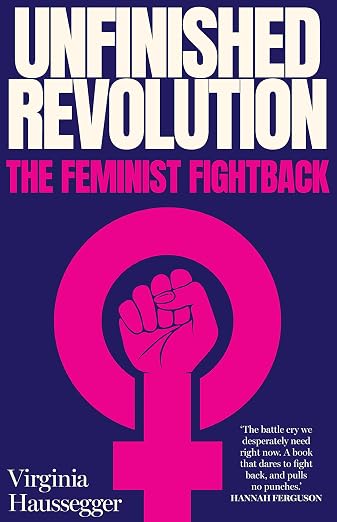
- Virginia Haussegger, Unfinished revolution (2025, nonfiction) (my review)
- Kim Kelly, Touched (2025, memoir) (my review)
- Darren Rix and Craig Cormick, Warra Warra Wai: How Indigenous Australians discovered Captain Cook & what they tell about the coming of the Ghost People (2024, history) (my review)
- Jessica White, Silence is my habitat (2025, memoir/essays) (my review)
I have read other essays of course, besides the one listed above. I list it because it’s to the point!
I am currently reading other nonfiction works, including Hazzard and Harrower: The letters by Brigitta Olubas and Susan Wyndham (see my author conversation post) which I started in 2024, and haven’t made much progress with this year.
I won’t answer the rest of the questions, except to say that my favourite nonfiction includes literary biography and memoir, and narrative nonfiction on any subject that I think might be interesting!
I could have written a post for Week 2: Journeys, except that it would just feature most of the books above given nearly all reflect journeys of one or more types.
Week 3: Book Pairings
Liz (Adventures is Reading, Running and Working from Home) hosts this week, and explains it thus:
This week, pair up a nonfiction book with a fiction title. Maybe it’s a historical novel and the real history in a nonfiction version, or a memoir and a novel, or a fiction book you’ve read and you would like recommendations for background reading. Or maybe it’s just two books or other media you feel have a link, whatever they might be. You can be as creative as you like!!
This is my favourite part of Nonfiction November, because, like the #SixDegrees meme, it encourages us to think about our reading from different perspectives. I’m giving you three pairs. My rule is that the nonfiction book has to come from this year’s reading, but the paired book could come from previous years. This year’s pairs, however, do all come from the last 12 months.
Anxiety/panic attacks
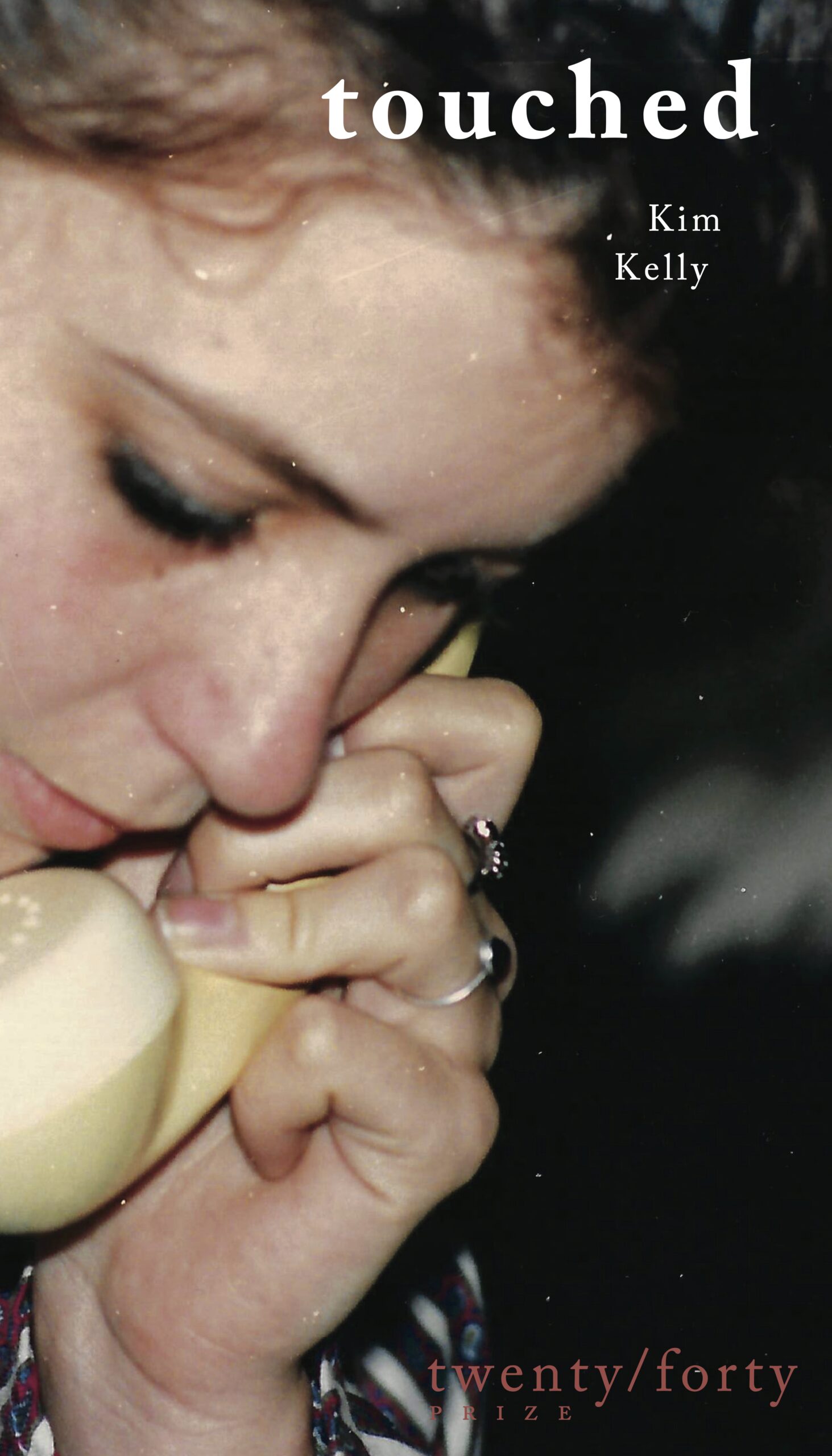
Anxiety and panic attacks are not something I frequently come across in my reading, but this year two prize-winners dealt with these topics. Kim Kelly’s Touched (my review) was one of the two winners of Finlay Lloyd’s 2025 20/40 Prize, and is about her experience of anxiety disorder, which she says about 17% of Australians have experienced. This is a personal and rather intense memoir that might trigger some who suffer the same condition, because her descriptions can be visceral. But, it also shares her wins, her strategies, and her optimistic self that keeps on going.
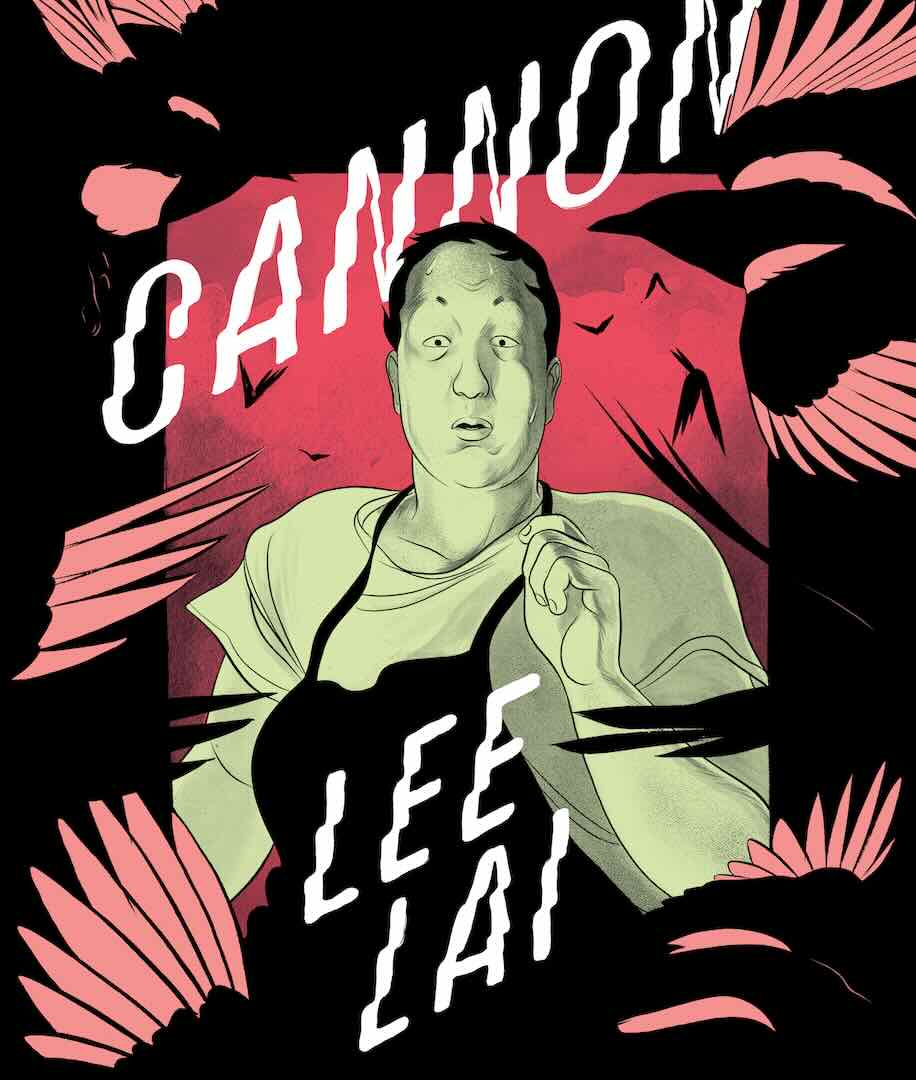
I’m pairing it with this year’s Stella Prize winner, Lee Lai’s Cannon (my review). Its titular protagonist is living under huge pressure, with little support from those closest to her who should be there for her. Her experience is conveyed through visual signs, like sweating, through motifs like magpies, and through design, including the use of colour and of overlapping or semi-obscured frames. Cannon tries to manage her feelings by running, and listening to mindfulness and meditation apps, but it does come to a head. This is a moving read.
Grief
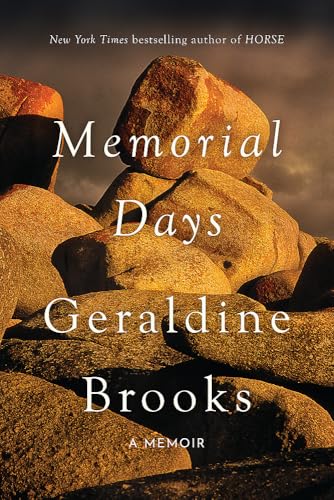
I might not read many books about anxiety, but grief is a part of life that none of us can avoid, and so it frequently appears in the books I (and most of us?) read. This year I read Geraldine Brook’s memoir, Memorial days (my review), about her coming to terms with the sudden death of her husband, by spending time alone on remote Flinders Island.
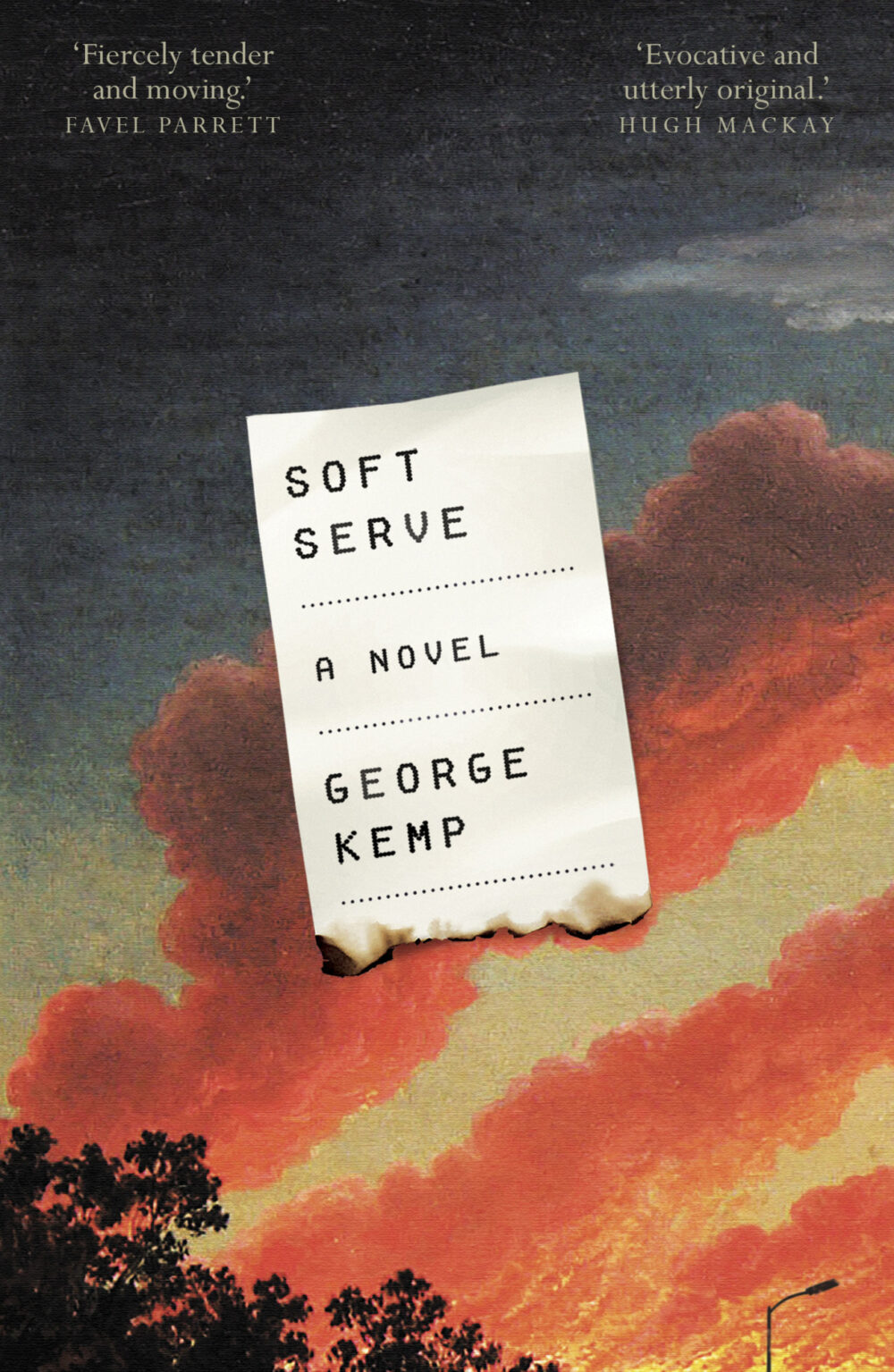
This year, I also read a novel in which grief is palpable, this time for the sudden loss of son and a friend. George Kemp’s Soft serve (my review) manages to draw in other themes as well, including coming-of-age and climate change, but grief is the thing that brings our suffering characters – Taz’s mother and friends – together.
I could also have paired, Virginia Evans’ The correspondent (my review), because grief – also over the loss of a son – is a significant factor in protagonist Sybil’s journey. I could relate to a comment Sybil makes, when she says that grief ”feels like a scream living inside me”.
Feminism
My final pairing of Virginia Haussegger’s Unfinished revolution (my review) with Maxine Beneba Clarke’s poetry collection Beautiful changelings (my review) feels a perfect pair, to me because both are Australian books with feminism, and women’s experience of living, at their hearts.
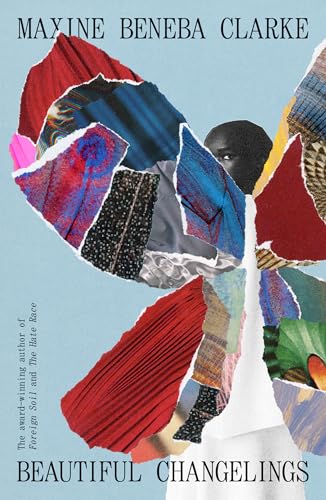
Unfinished revolution starts from the fact that, as Haussegger puts it, “the biggest, ugliest, vilest and most vicious backlash against women [is] sweeping the globe right now”. She looks at the feminist movement, moving from now back to the 1970s, identifying as she goes, the achievement and triumphs, but also the (often structural) roadblocks. It is an unapologetic call to arms. And so is Beautiful changelings. In it, Clarke interrogates feminism from multiple angles – social, personal, historical, political, economic, medical, and more – and does so with an additional eye to the way racism exacerbates the issue for women of colour. The title conveys the idea of change and being changed, but also that of being agents of change (like the proverbial changeling in the nest who is determined to survive).
So, three pairings, for you … now over to you …
What would you pair (and/or do you have anything to share regarding your year in nonfiction)?

