Sadly – for me – I missed the October SixDegrees because I was en route back to Australia from Europe. I had been unable to set it up before we left, because I didn’t know the October starting book in August, and the trip was so busy I didn’t get to work on it while we were away. I planned to do it the second week of October, but then Influenza A hit, and time just passed me by. Do you care, and does it matter? Not really except I like to complete. However, I also like to be sensible. So, this year I will be one SixDegrees short. Anyhow, enough excuses, on to the main business, Six Degrees. If you don’t know what #SixDegrees is and how it works, please check Kate’s blog – booksaremyfavouriteandbest.
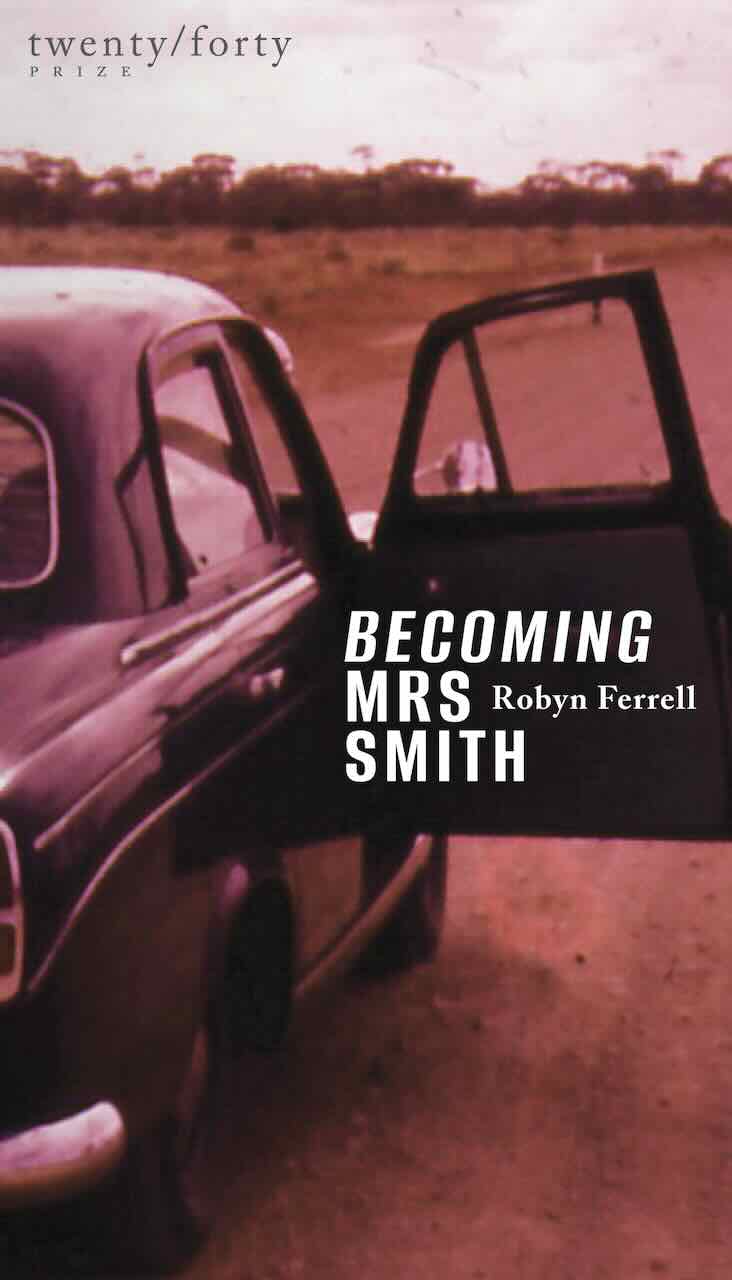
The first rule is that Kate sets our starting book, and this month she’s paid homage to Novellas in November, by suggesting we choose a novella from our reading list. Woo hoo. I love novellas. So, I have chosen one of the two 2026 Finlay Lloyd 20/40 winners, Robyn Ferrell’s Becoming Mrs Smith, which I will be reviewing this month. This is an engaging, playful but also thoughtful book about an imaginary friend … but is she really? What is an imaginary friend? Robyn Ferrell is a philosopher, among other things, which might give you a hint about where this book could be going. I’ll share my thoughts later this month. Meanwhile, on with the chain, and it’s going to stay with Kate’s homage to novellas.
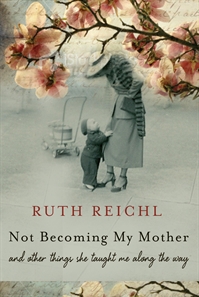
My first link is to a novella-length work of nonfiction, and is a book I read very early in my blogging career. It’s Ruth Reichl’s Not becoming my mother (my review). You can guess the link here, the idea of becoming (or “not”) another person. Reichl tells the story of her mother and all the ways she didn’t want to become her mother, but realises at the end just how much her mother, whose life had been difficult, had taught her – though my review focused on other ideas in this memoir.

This link has set me off down the mother-daughter path because, as it turns out, I have read many novellas about mothers and daughters. Who would have thought!! My challenge turned out to be the order in which I linked them. I could almost have thrown the titles in the air and found an order for whichever way they landed. However, for my next link I decided to go with a connection I made in my review of Reichl’s book, and that was to Kate Jennings’ Snake (my review). It is semi-autobiographical about growing up with “unhappy mother, diffident father”. My reviews for these two books were written in the second year of my blog. I’d write them differently now.
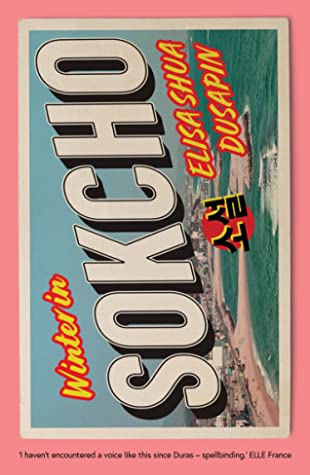
My third book is to another novel which deals with mother-daughter tensions, in this case to do with a mis-match between the mother’s expectations for her daughter and those of her daughter, although the daughter is not exactly sure what she wants. The book is Elisa Shua Dusapin‘s Winter in Sokcho (my review).

Jennings’ and Dusapin’s books focus on younger daughters, daughters who are children to early twenties. In my next novel, Melanie Cheng’s The burrow (my review), the mother and daughter are older, the daughter being a professional woman, a wife and the mother of a ten-year-old. The ruction between mother and daughter in this novel stems from a tragedy that happened several years earlier. It’s a tender, but not sentimental novel about grief and guilt, wisdom and love.
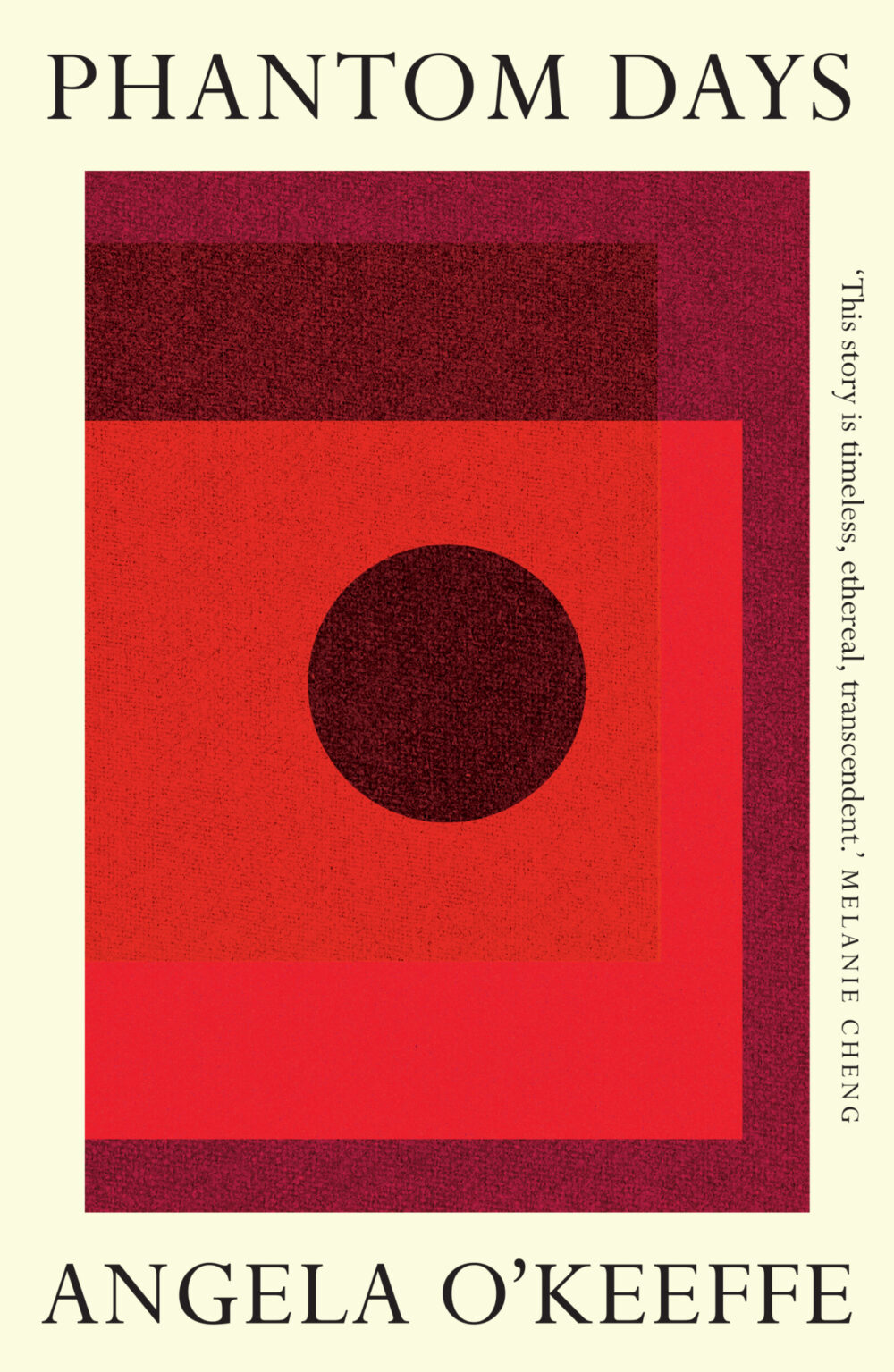
Now I am not going to pick up the grief angle, but am simply sticking with mother-daughter relationships. In this one, Angela O’Keeffe’s Phantom days (my review), the mother and daughter have a loving but prickly relationship, the sort of relationship that I suspect many mothers and daughters have, albeit the “prickles” will be different. It too is a tender novel about love, but it is also about domestic violence and coercive control.
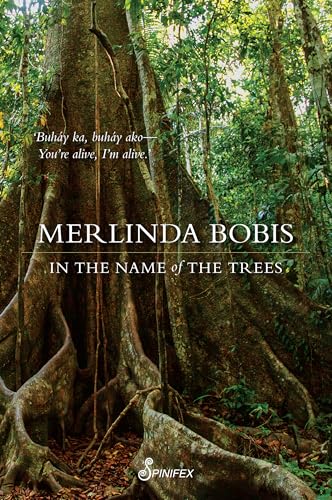
For my final link, I am pulling in a couple of ties. Merlinda Bobis’ In the name of trees (my review) has a grandmother-daughter-granddaughter relationship at its heart, just like The burrow. Bobis is a poet, among other things, just like Kate Jennings who wrote Snake. And, male violence is a trigger in the story, as in O’Keeffe’s novel, though Bobis’ powerful but warm-hearted book also has a strong political underpinning to do with colonisation and dislocation.
So, six books, all written by women. Three are written by Australian writers, with the other three by an Australian-Filipino writer, a Korean writer, and an American writer. All are set within the last century, in Australia and the countries of their author’s origin.
Does In the name of trees link back to Becoming Mrs Smith? Probably only in the broadest sense, in that both are novellas featuring women protagonists, and both deal, I think I could say, with some broader themes about who we are – or, becoming who we are.
Have you read Becoming Mrs Smith (probably not is my guess)? Regardless, what would you link to?


Becoming Mrs Smith sounds good