I’m back … from my European jaunt, and ready with another Monday Musings (having missed a couple while I was away). And it’s one that’s special to me, the shortlist for Finlay Lloyd’s 20/40 Prize. This prize is now in its fourth year, which is thrilling because it comes from the heart of a small, independent, non-profit publisher, that happens to be in my local region. Finlay Lloyd is based in Braidwood, just one hour’s drive from where I live, and works closely with some great Canberran writers, including John Clanchy.
As I have written before, this award, like, say, the Barbara Jefferis and the Mark and Evette Moran Nib Literary Awards, has very specific criteria. It is
- a manuscript prize, which means publication is what the authors “win”
- for shorter works, that is, for works between 20,000 and 40,000 words (hence the award’s name, the 20/40 Prize)
- not limited to debut or young or women or any other subgroup of writers, as some manuscript awards are.
- a prose award, but is open to both fiction or non-fiction, with “all genres … including hybrid forms” being welcome). Finlay Lloyd, in other words, is not afraid of difference, experimentation, innovation.
And, two awards are made, meaning two books are published, each year.
And now, the 2026 Shortlist
Here is the shortlist, with a description from the announcement, plus further information from me where the authors have been previously published.
- Philip Canon, Killing Tully Herbert: FL’s summary is: Beth Border, the narrator of this vividly realised short novel, shares with the reader her fixation with an imaginary friend, Anastasia. ‘Together’, they try to navigate Beth’s place in a world undermined by her deeply complex sense of responsibility for the death of a friend. As far as I can tell, Philip Canon is an emerging writer so I can’t value-add here.
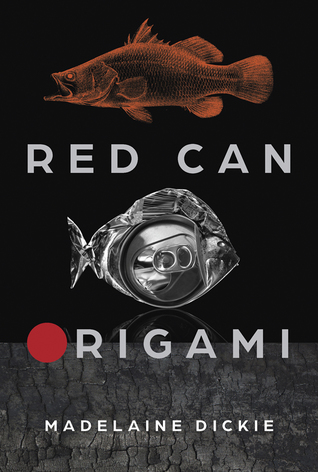
- Madelaine Dickie, Tormenta: FL’s summary is: A young couple cut free to head off on a surfing trip in Mexico, taking their small child with them. But their laidback adventure quickly descends into a disorienting and threatening nightmare. This is a short novel written with a vitality that is both nuanced and suitably feverish. Dickie, on the other hand, should be well known to readers here as I have reviewed her two novels, Troppo (my review) and Red can origami (my review), and her co-written biography/memoir with Wayne Bergmann, Some people want to shoot me (my review). Tormenta, though, could be her first novella.
- Robyn Ferrell, Becoming Mrs Smith: FL’s summary is: In a university psychology seminar, the narrator of this inventive and playful short novel is reminded, with some surprise, of an imaginary friend from her childhood—a stout and intrusive middle-aged woman. And so begins an intriguing and amusing escapade about the shifting nature of identity. I’m assuming this Robyn Ferrell is the journalist, academic (in philosophy and cultural studies) and writer of creative nonfiction (books, articles and reviews) who has a few books to her name. But should this win, I think it might be her fiction debut.
- Louise Martin-Chew, Uncomfortable silence: FL’s summary is: This memoir by mother about her daughter’s ‘selective mutism’, takes the reader into the fraught and moving journey of a child’s withdrawal from communicating with the adults around her, the hidden forces at its source, and the implication of wider, societal silences around us. As with Ferrell, I’m assuming this is the Louise Martin-Chew whom UQP says is “a freelance art writer” who “has contributed to magazines, newspapers and catalogues for over twenty years”. But this submission for the 20/40 prize sounds like something different and more personal.
So, three published writers trying their hands at something new (as far as I can tell), and one emerging writer.
The judging panel for the 2026 prize comprised Dr Meredith McKinney, Kevin Brophy AM and Julian Davies, and, according to the prize’s tradition, last year’s winners, Kim Swivel (aka Kim Kelly) and Angus Gaunt. In the past, all submissions have been judged blind, which I am assuming – I’m doing a lot of assuming here, aren’t I – has continued to be the case. Publisher Julian Davies wrote earlier in the prize’s history that, “Consistent with the ethos behind the prize, and last year’s guidelines, all entries will be read blind by the panel so that the quality of the writing guides the panel’s decisions rather than any extraneous influence”. I know this appeals to many readers and writers.
Davies commented on the shortlist:
‘Our press and the 20/40 judging panel would like to congratulate the shortlisted authors and celebrate their achievement. Because entries in a publishing prize are all unpublished pieces, they are unavailable to the public. That’s exactly why we established 20/40—to provide an avenue for writers to try their hand at works of this length, where two entries enjoy the process of becoming books. For the shortlisted authors who don’t go on to win the prize, we hope being shortlisted will be a fillip and recognition of the work they’ve done, and an incentive to keep writing.’
The winners will be announced on 24 October, just in time, again, for Novellas in November. I do like this timing!
You might have noted the short time-frame between the announcement of the shortlist and the winners. Finlay Lloyd make the point that “it is intrinsic to a publishing prize that when the shortlisted entries are announced the winning books are already in the final stages of being prepared for publication”. In other words, the winners have already been decided, but they announce a shortlist as “a form of recognition and celebration of the efforts” of those writers.
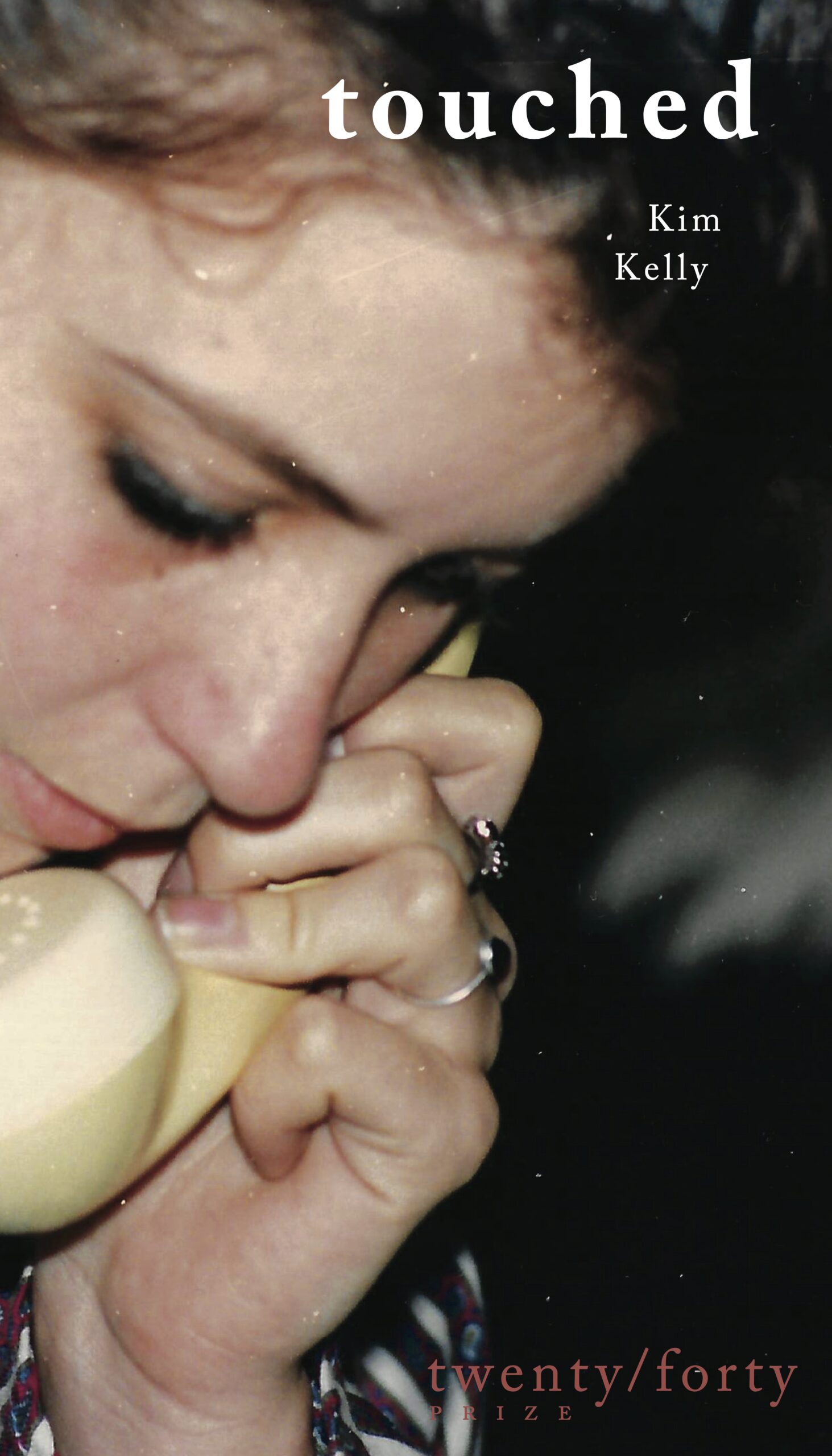
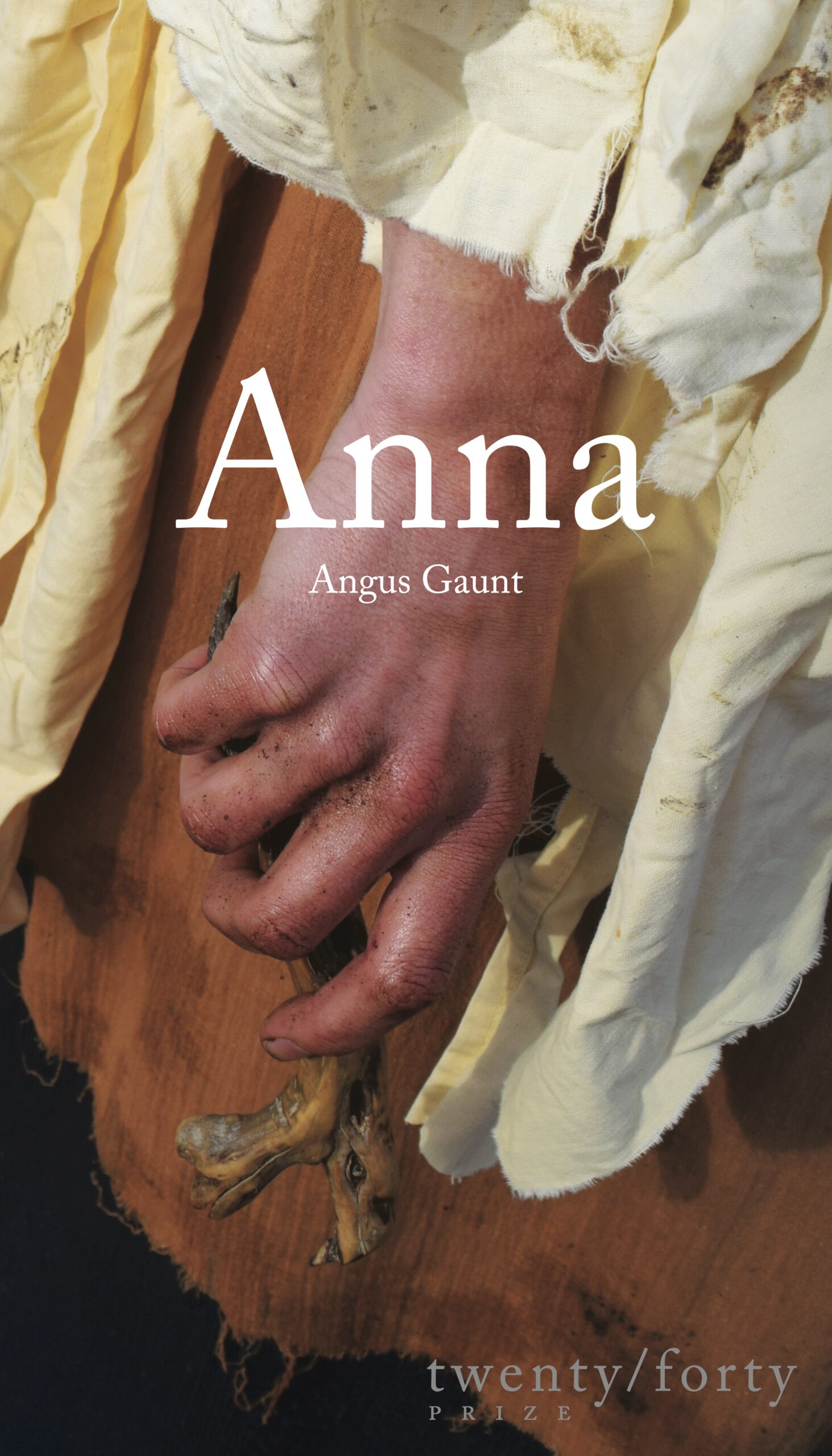
I have reviewed all the winners to date: Rebecca Burton’s Ravenous girls, Kim Kelly’s Ladies Rest and Writing Room, Penelope Cottier and NG Hartland’s The thirty-one legs of Vladimir Putin, Sonya Voumard’s Tremor, Angus Gaunt’s Anna, and Kim Kelly’s Touched.

