I was busy when the awards were announced last week – actually I am still pretty busy as we are about to leave Italy for France – but I have a moment.
As I wrote in my shortlist post, Creative Australia’s page says they received 673 entries across six literary categories: fiction, non-fiction, young adult literature, children’s literature, poetry, and Australian history. The winner in each category will receive $80,000 (tax-free), with each shortlisted author receiving $5,000.
The winners this year, were
- Australian history: Rohan Howitt, The southern frontier (Melbourne University Publishing)
- Children’s literature: Zana Fraillon, Song of a thousand Seas (University of Queensland Press)
- Fiction: Leonie Norrington, Merrkiyawuy Ganambarr-Stubbs, Djawa Burarrwanga and Djawundil Maymuru, A piece of red cloth (Allen & Unwin; Lisa’s review))
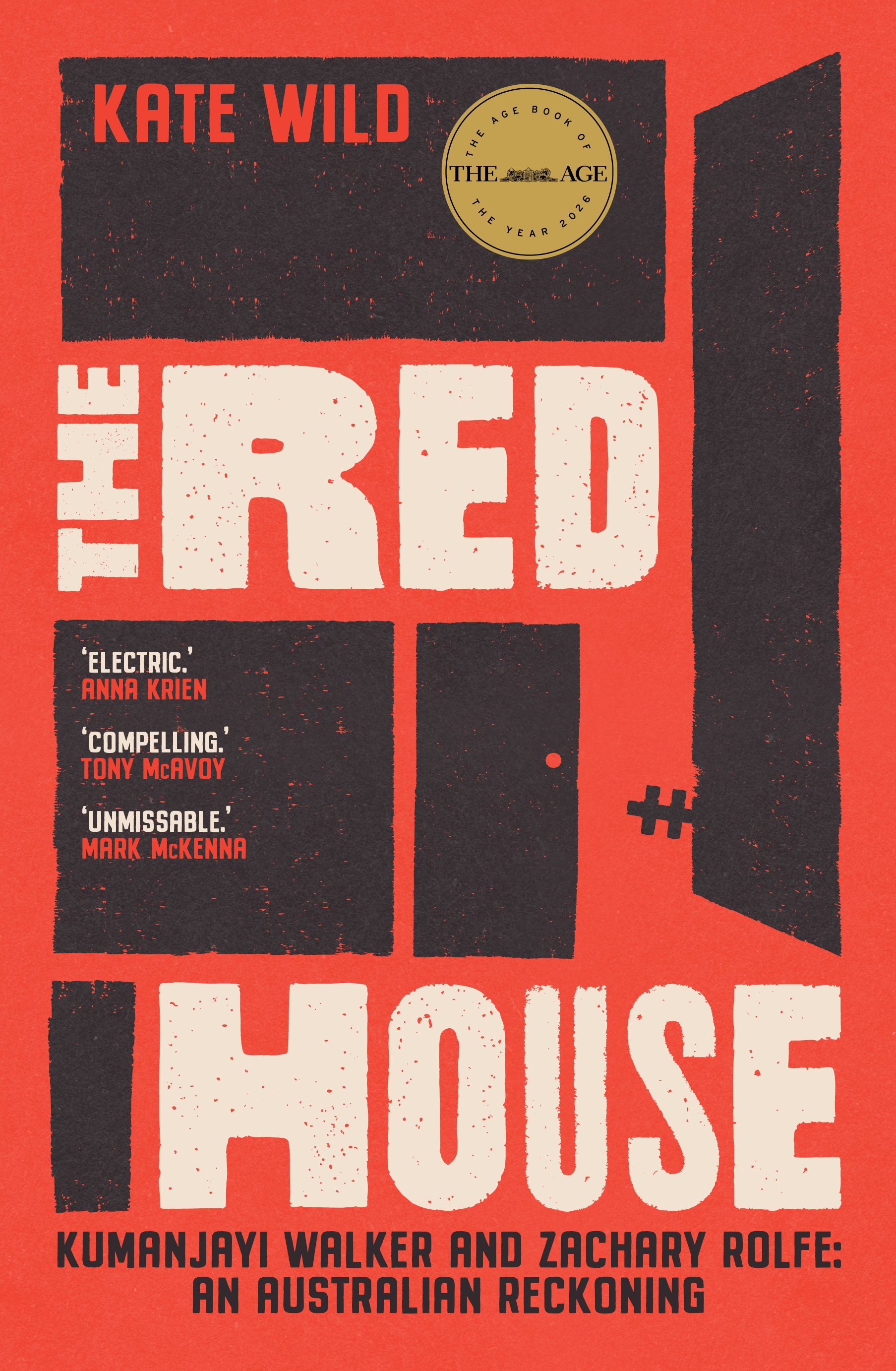
- Non-fiction: Kate Wild, The red house (Allen & Unwin)
- Poetry: Ender Başkan, Two hundred million musketeers (Giramondo Publishing)
- Young adult literature: Pip Harry, Drift (Hachette Australia)
I’m afraid this is a short post, without my usual add-ons, but the ABC wrote an interesting article about the awards, particularly about the Non-fiction winner, Journalist Kate Wild’s book is about “the incident in November 2019, when Mr Walker was shot and killed by police in Yuendumu, a remote community in the Northern Territory”, 300 kilometres north-west of Alice Springs”. This shooting – this death of yet another First Nations man at the dads of police or in police custody – resulted in a wave of protests in the Northern Territory, and protests and commentary elsewhere.
The judges said:
Her searing and unflinching investigation examines national difference, the depth of the colonial wound, and the awful repetition of state violence and dehumanisation that makes the confrontation at the heart of this book possible, even inevitable.
Wild says that she was concerned that people were taking positions “without thinking” but it’s dangerous writing in these contest spaces.
Australia’s collective view of history was changing and the country was changing with it, I said. How people reacted to Kumanjayi’s death and Mr Rolfe’s trial was one measure of how much.
This book sounds worth reading … on to my TBR Wishlist it goes.
Any thoughts?


I bet that very few of these will ever make it into the UK. It’s so frustrating to find people like yourself, Lisa and Kim tell us about some wonderful books only to find they are not published in the UK or if they are, the cost is exhorbitant
Thanks Karen … yes, I understand, we have globalisation it seems, but not always where we want it, eh?
Weird, I didn’t hear anything about an individual being shot in Australia, unless you mean that shooting on the beach? Was that in 2019?
Melanie, here’s a comprehensive account of the inquest into the shooting of Kumanjayi Walker (in a remote community in central Australia)
https://theconversation.com/kumanjayi-walker-inquest-racism-and-violence-but-findings-too-little-and-too-late-257636
The Conversation is an online magazine sponsored by Australian universities.
Interesting. In the US, the police developed out of the Klan and not much seems to have changed.
Agreed!
The shooting on the beach? I suspect you mean the one just last year Melanie at Bondi.
Maybe police events are less likely to make news overseas, though yours often make it over here to us!
The police in northern Australia are out of control and have been for a century and a half. They are the leading edge of the ongoing white settler colonisation of this continent from which we whites all benefit. The deaths of Kumanjayi Walker and Cameron Doomadgee (Palm Is. Qld,, 2004) and the subsequent acquittals of the police involved are a national shame – but sadly, we have, and will have, plenty more.
I won’t read the book because what’s the point of getting angrier when you can’t do anything.
Fair point Bill, though I guess I’d still read it. I don’t want to assume that nothing has changed, or can’t change.
Can’t believe you’re still writing posts for your blog while travelling through Europe! Hope you’re having the best time.
I was following that Kumanjayi Walker case quite closely at one point… I hadn’t realised there was a book about it. Will see if I can borrow it from the library.
So far only this one kimbofo. All the others have been scheduled. I have a couple of drafts I way or may not end up posting.
I’d like to read this book too.
I think I mentioned to Lisa I’ve not heatd of these books but the Red House sounds interesting to me.
To me too, Pam.