
NAIDOC Week 2026 finished yesterday, but, as I sometimes do, I am bookending the week with NAIDOC-dedicated Monday Musings. For this year’s concluding one, I’m sharing the reading list selected by Magabala to support this theme.
They wrote on their Facebook Page that the theme:
marks a significant milestone: five decades of strength, Culture, resilience and leadership for the NAIDOC movement. It also honours the tens of thousands of years before this in which Aboriginal and Torres Strait Islander Elders and Peoples cared for Country and Culture across these Nations.
The books they’ve selected are listed in one order, with other order options available: by price (low to high, or vice versa), by age (newest to oldest, or vice versa), or alphabetically by title (A to Z, or vice versa). I’m not sure what the original order is, but I’m creating my own order by form/genre, then alphabetically by author. I think this will make it easier for general readers to home in on their interest or need. (Links on author’s names are to any posts I’ve written about that author.)
Junior nonfiction and/or Children’s picture books
While these books are identified as junior and children’s, in many cases they are also described as being accessible to all ages.
- Renee Fogorty, Fair skin black fella (2010, Children’s picture book): story of a young girl who, shunned because of her fair skin, learns that “Aboriginal identity transcends skin colour and that family, community, country, and culture is what being Aboriginal is really about”.
- Max Dulumunmun Harrison and Laura La Rosa, Gurawul the whale (2023, Junior nonfiction, Won the Whitley Book Awards for Cultural Knowledge and Zoology): tells the ancient story of Gurawul, sharing cultural knowledge and personal stories.
- Anita Heiss (ed.), Growing up Wiradjuri (2022, Junior memoir): collection of stories by Wiradjuri elders who came of age in the 1950s and 60s.
- Ambelin Kwaymullina, Belonging (2026, Children’s picture book): “lyrical narrative full of the eternal interconnectedness of … land, water, sky, earth, space, time, story and language”, showing the need to “respect what came before: from Creation to terra nullius, to now”.
- Kunyi June Anne McInerney, Kunyi (2021, Junior nonfiction/Children’s picture book, Won the Queensland Literary Award Children’s Book Award): Stolen Generations story of a young girl removed to the Oodnadatta Children’s Home, told with “warmth, humour and unflinching honesty”.
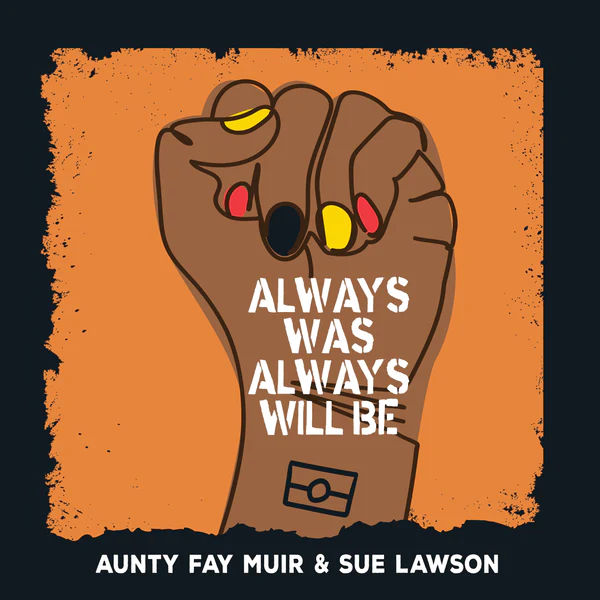
- Aunty Fay Muir and Sue Lawson, Always was, always will be (2024, Junior nonfiction, won the 2025 CBCA Eve Pownall Award): about “some of the iconic First Peoples protest movements of the last 200 years, celebrating the strength, wisdom, and bravery of Aboriginal and Torres Strait Islander people defending their land and asserting their right to self-determination through history”.
- Vincent Namatjira, Albert Namatjira (2021, Junior biography/Children’s picture book): life story of the author’s great-grandfather, the famous Australian artist, Albert Namatjira.
- Bernard Namok Jnr, Thomas Mayo and Tori-Jay Mordey, Our flag, our story: The Torres Strait Islander flag (2024, Junior nonfiction/Children’s picture book, Won the 2024 Speech Pathology Book of the Year Awards for Aboriginal and Torries Strait Islander Children’s Book): about the creation of the Torres Strait Islands flag, and about the peoples, place and culture.
- Jimmy Pike and Pat Lowe, Yinti, desert child (2019, Junior nonfiction): based on stories Jimmy Pike told Pat Lowe. Yinti is a traditional Walmajarri Aboriginal boy growing up Great Sandy Desert in remote northwestern Australia, and the stories follow his development from young bushie to competent station worker and adult.
- Daisy Utemorrah and Pat Torres, Do not go around the edges (1991, Children’s picture book, Won the 1992 Australian Multicultural Children’s Book Award): autobiographical story about Utemorrah’s life, interwoven with “playful parables and poems”, and exploring themes like “creation, tradition, memories, family and most importantly, country”.
- Marjorie ‘Nunga’ Williams, Old days Imanka nurna laakinha nitjaarta (2025, Junior nonfiction/Children’s picture book): bilingual book sharing the author’s childhood memories from her days at Iwupataka (Jay Creek) and Ntaria (Hermannsburg),
- Edith Wright and Charmaine Ledden-Lewis, Charlie’s swim (2016, Junior nonfiction/Children’s picture book): based on the true story of the author’s uncle, Charles D’Antoine, who rescued a woman and child from the water during the 1942 Japanese attack on Broome.
Junior fiction
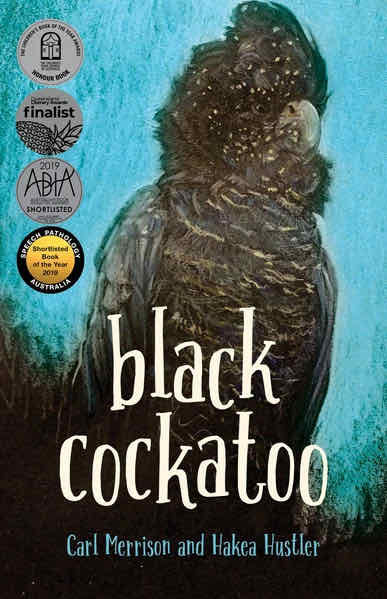
- Carl Merrison and Hakea Hustler, Black cockatoo (my review) (2018, YA Fiction): about the challenges young FN people face in maintaining their culture, developing their resilience, while forging their own paths.
- Kirli Saunders and Dub Leffler, Bindi (2020, Junior fiction, multiple award-winner): verse novel, written from the POV of 11-year-old, Bindi and her friends on Gundungurra Country, exploring “climate, bushfires, and healing”.
- Linda Wells and Marly Wells, Desert tracks (2025, YA Fiction, Won NSW Literary Awards, Ethel Turner Prize for Young People’s Literature): time travelling novel about young people in central Australia, learning about what has and hasn’t changed over a century.
Drama, Poetry and Short stories
- Jimmy Chi Knuckles, Bran nue dae (2025 new edition, musical script and score for the multi-award winning non-classic show that was also adapted to film): a partly autobiographical story set in the 1960s, about a young man’s search for identity, love and belonging.
- Jeanine Leane (ed.), Guwayu: For all times (2020, Poetry): collection of First Nations poems commissioned by Red Room Poetry, described as “a radical literary intervention for its breadth of representation, temporal depth and diversity of language” and as a “fiercely uncensored collection” of 61 poems across 12 First Nations languages, providing “an exquisite expression of living First Nations culture”.
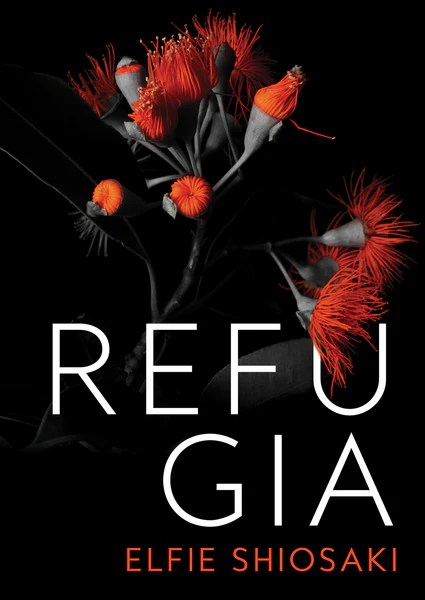
- Elfie Shiosaki, Refugia (2024, poetry): drawing on colonial archives, Shiosaki contests the occupation of Noongar Country.
- Alf Taylor, Cartwarra or what? (2022, poetry and short stories): selection of poems and stories from Taylor’s 30 years of writing about “the uncomfortable truths of alcoholism, separation from family, community and land, grief and the profound loss of identity” in his Aboriginal characters.
Adult nonfiction (including Memoir)
- Aunty Patsy Cameron and Martin Flanagan, Trouwerner (2025, Memoir): “yarn” between Elder Aunty Patsy Cameron, the 28th Tasmanian Governor Kate Warner, and journalist Martin Flanagan, ranging from coming-into-being time through colonisation and the lies of history to the power of truth-telling and hope for the future.
- Robert Isaacs and Tanaz Byramji, Two cultures, one story (2021, Memoir): about Dr Robert Francis Isaacs, a member of the Stolen Generations who turned his experiences to a lifetime of working to improve Aboriginal health and housing.
- Adam C Lees and Pattie Lees, A question of colour: My journey to belonging (2020, Memoir): story of Pattie’s experiences during Australia’s assimilationist era, and “her survival following a decade of sexual, physical and emotional abuse as a Ward of the State”.
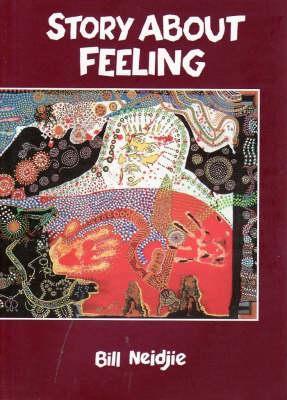
- Bill Neidjie, Story about feeling (1989, Nonfiction): conveys Neidjie’s “environmental philosophy [which is] grounded in feeling”.
I’m sure you’ve noticed the heavy emphasis on books for children and young people. While this could be because young people are where the culture needs to grow and be strong into the future, I suspect it’s because this is also where Magabala’s publishing is strongest. Whatever the reason, this list, albeit from just one publisher, offers a useful survey of contemporary First Nations thinking in terms of reflecting on the past, strengthening the present, and preparing for the future.
Click here for my previous NAIDOC Week-related posts.


You are an inspiration Sue!
Thanks Rach … I’m glad you feel my posts are helpful.
Yes, the Magabala list is very focused on books for children. They have produced some amazing stories over the years – I wrote about some of them here back in 2021. https://bronasbooks.com/2021/07/07/naidoc-week-indigenous-picture-books/
I also reviewed Refugia in 2024.
Oh sorry Brona … I’ll link to Refugia when I get back to my laptop. I should have thought to check your blog given you’ve done some poetry! Isn’t it a gorgeous cover?
Magabala publishes the most interesting books. So many to choose from. I’ve attended a couple of their launches at Fullers book store.
Oh that’s great Pam … I don’t think I’ve ever seen a launch here but there probably has been some.
I don’t think I’ve seen a publisher launch a book at a bookstore either. Typically, they just launch a really popular book that can get fans excited and showing up at midnight or they bring in an author to launch his/her/their own book.
Oh I think I wasn’t clear, Melanie. I’ve been to some book launches in bookshops organised by publishers though usually, as I guess you are saying, with the authors present. I just haven’t seen one with Magabala Books which is located on the other side of the continent. What I do think is happening here though is that publishers seem to be less visible, in fact often not present, with the launches comprising a conversation between the author and another person who is often another writer, including other authors or journalists, or critics or reviewers.