Six degrees of separation, FROM The anniversary TO …

And so my life settles into its new routine, bouncing between the land of the Wurundjeri Wandoon people of the Greater Kulin Nation (my part of Melbourne) and, where I am this weekend, my home in Ngunnawal/Ngambri country (or Canberra). Autumn is rapidly coming to an end, and it has been mostly a lovely one, weather-wise. But enough small talk, let’s get onto the meme … If you don’t know how the #SixDegrees meme works, please check host Kate’s blog – booksaremyfavouriteandbest.

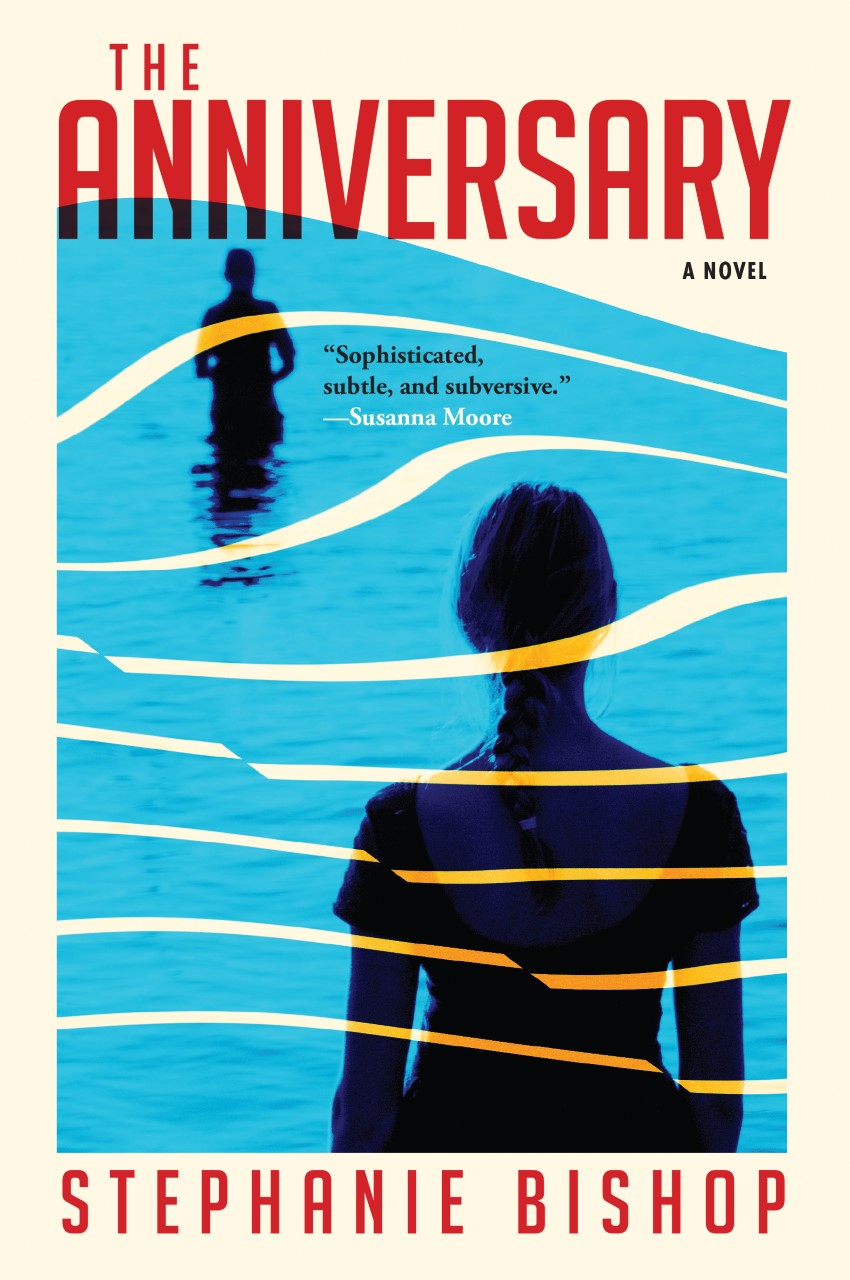
The first rule is that Kate sets our starting book. This month she set one of the books longlisted for the Stella Prize, Stephanie Bishop’s The anniversary. Kate opens her review of the novel by telling us the novel starts with an author taking her husband on a cruise to celebrate their anniversary, only to have something terrible happen …

There’s also a cruise in Rachel Matthews’ novel Never look desperate (my review), but it doesn’t open the novel and is not dramatic in the way like the one in Bishop’s novel. But it does offer an entertaining satire on cruise holidays and those who go on them. (Which is not to cast aspersions on cruises. I have never been on one, but those who know tell me that cruises can be great. You just have to find the style that matches your needs.)

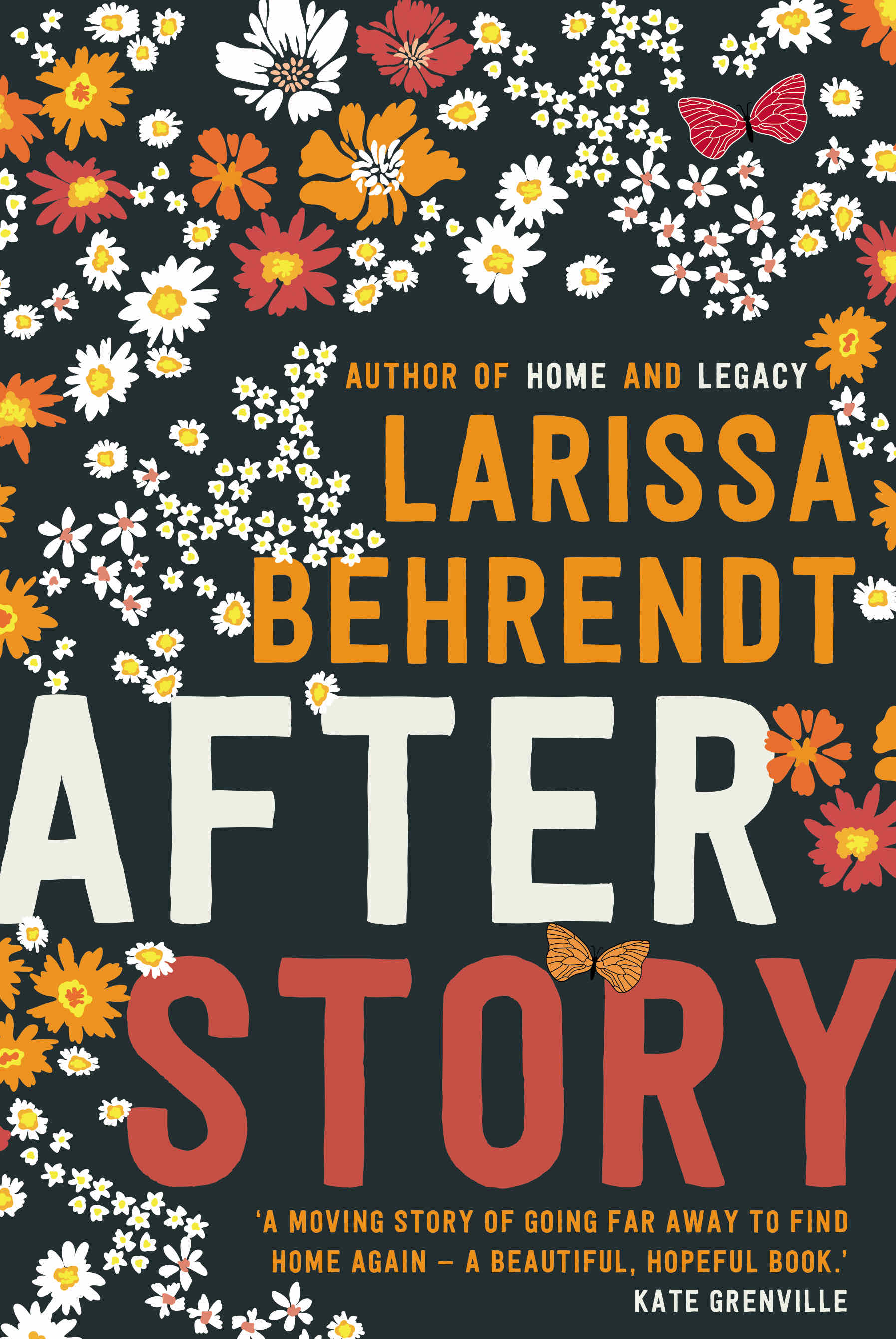
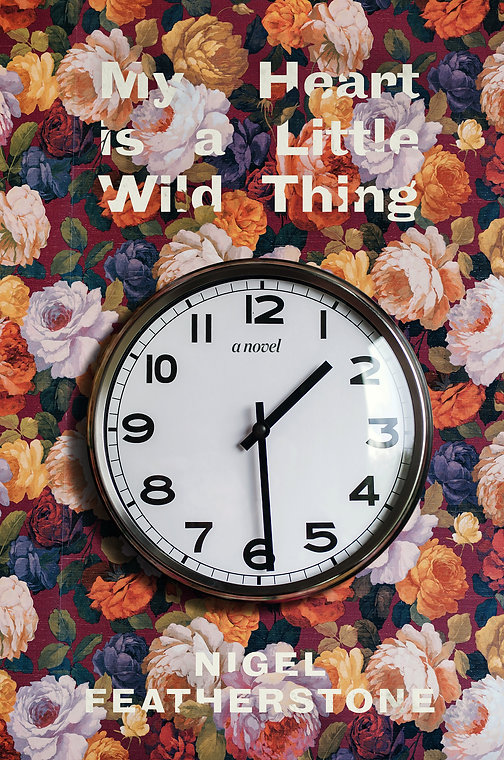
Matthews’ character who goes on the cruise, Goldie, has a prickly relationship with her son (though he is not on the cruise with her). Another novel in which a mother has a prickly relationship with her son, is local author Nigel Featherstone’s My heart is a little wild thing (my review). The novel opens dramatically with the son leaving his home in a distressed state the day after he’d “tried to kill his mother” – though it’s not as bad as it sounds!

Featherstone’s protagonist runs off to the Monaro where, through a quoll, he meets the first big love of his life. Another novel in which a quoll plays an important role is Robbie Arnott’s Limberlost (my review). Both books are linked not just through the quoll, however. Both also have sensitive male protagonists. Such men can be rare in contemporary literature, but I’ve come across a few.

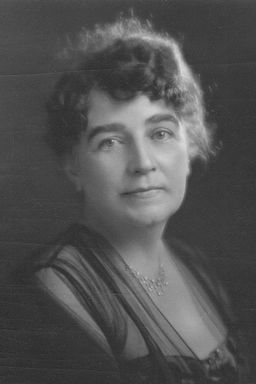
And here is where my chain stalled a bit, not because I had no ideas but because I wanted to travel out of Australia. Then the link came to me. Robbie Arnott’s title Limberlost reminded me of a favourite childhood book, Girl of the Limberlost by Gene Stratton Porter. I haven’t reviewed that here, but I have reviewed an article/essay by her called “The last Passenger Pigeon” (my review). It’s another dual link because Stratton Porter as a young child, like young Ned in Limberlost, lived close to and loved nature, albeit Ned’s relationship to nature is more complex, as he both uses and loves it at the same time.

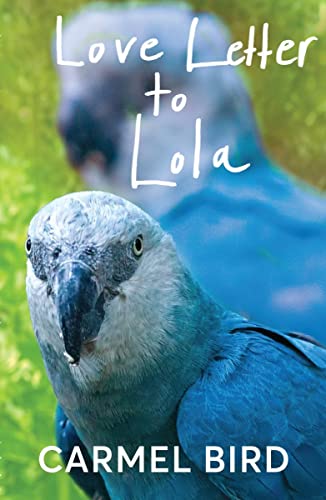
But, oh oh, although the Passenger Pigeon was an American bird, we are returning to Australia, and to Carmel Bird’s collection of short stories, Love letter to Lola (my review), because in this collection, which features several stories about extinct animals, we have, yes, a passenger pigeon. (Indeed Carmel Bird commented on my Stratton-Porter post because she was writing this story around the same time!)

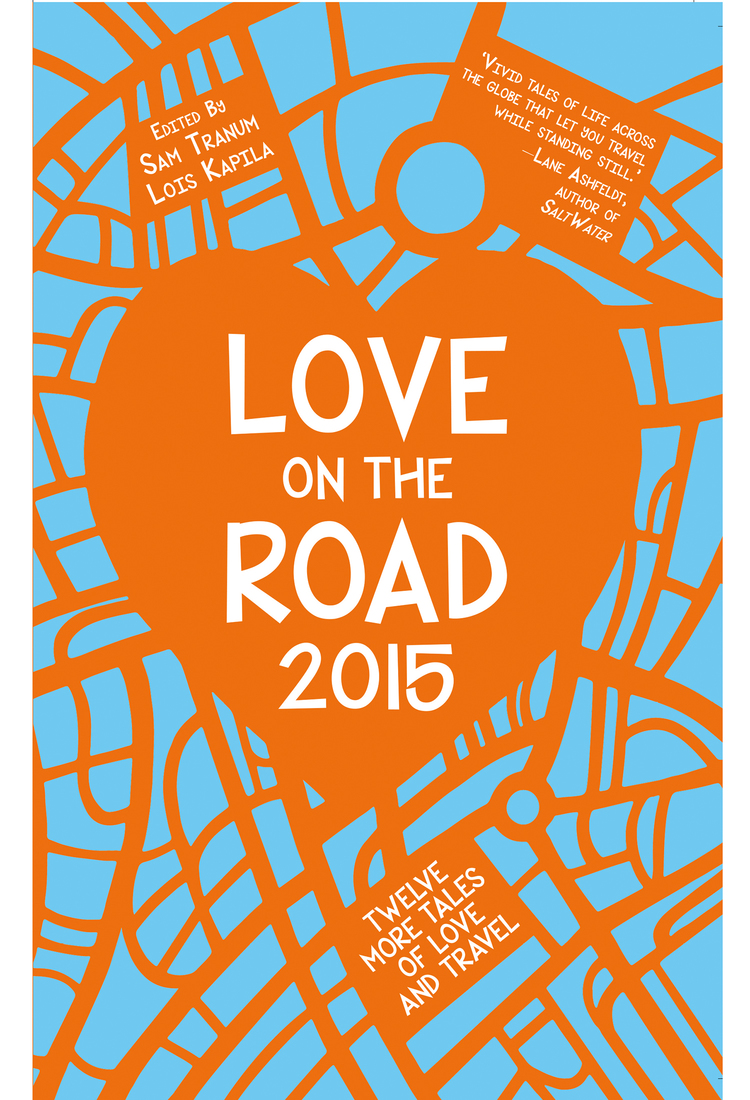
With a title like this, I had many options for my final link, and I’ve gone with an obvious one, that is, a book with the word “love” in the title. However, it too is a dual link because it is also a collection (well, an anthology) of short stories, and it takes us around the world, as does Bird with her various extinct creatures. The book is Love on the road 2015, edited by Sam Tranum and Lois Kapila (my review). As I wrote in my post, this collection takes us from Iran to the Philippines, from Zimbabwe to Costa Rica, from New Zealand to the USA – and we see love in all sorts of guises.

So, we stayed mostly in Australia, ostensibly, but in fact two books let us and our imaginations take flight to all parts of the world.

Picture Credit: Gene Stratton-Porter (Uploaded to Wikipedia, by gspmemorial; used under CC-BY-SA-4.0)

Now, the usual: have you read The anniversary and, regardless, what would you link to?
Six degrees of separation, FROM Rough guide to Japan TO …

I am back in the land of the Wurundjeri Wandoon people of the Greater Kulin Nation, that is, in my part of Melbourne, because not only was it Easter last weekend, but we wanted to take my Californian friend on a road trip through some of New South Wales and Victoria. We saw some great sights, but right now it’s time to get onto the meme … If you don’t know how the #SixDegrees meme works, please check host Kate’s blog – booksaremyfavouriteandbest.

The first rule is that Kate sets our starting book. This month she set a fun challenge: we had to choose a travel guide from our bookshelves! What fun. I chose the Rough guide to Japan, and – woo hoo – I found an image on GoodReads of the cover of my 2011 edition. That wasn’t our first visit to Japan, as we’d been twice before, but that was when we bought the guide, because … well read on …

I decided not to go the obvious route – a book by a Japanese writer – because who wants to go the obvious route? Instead, I’m linking on Kindle books. The Rough guide to Japan was the second book I bought for my Kindle, thinking that an eTravelGuide would be so much easier to manage. Well, yes – and no – but that’s for another day. Meanwhile, the first eBook I bought was Jane Austen’s Sense and sensibility (one of my posts)! Yes, I already had a couple of copies of it, but you can never have too much Austen, and, anyhow, because I know it well, it was a good book on which to test using eReaders. Wouldn’t you say?

Horace Walpole, The castle of Otranto

Sticking with the Kindle theme – and a bit of personal history – the third book I bought for my Kindle was another classic, Horace Walpole’s The castle of Otranto (my review), because, also in 2011, my Jane Austen group decided to discuss a Gothic novel of our choice. (This image is not my Kindle edition.)

Louis Nowra, Into that forest

OK, I’ve probably bored you enough now with my Kindle history, so my next link is on Gothic novels. I’m choosing a Australian gothic novel, Louis Nowra’s Into that forest (my review), which is set in the late 19th century, and tells the story of two young girls who find themselves lost in the bush (forest), and are taken in by a Tasmanian Tiger.

Eva Hornung, Dogboy

They are, in other words, feral children. My next link is another Australian book about feral children, Eva Hornung’s Dog boy (my review), which is about a boy taken in by a dog – but in Moscow, would you believe!

Book Cover

And now I’m going to do one of those nice, clear, obvious links that MR will like because it’s on a word in the title, dog! My link is to Louis de Bernieres’ Red dog (my post on the book and movie) which was inspired by the story of a real dog which roamed the Pilbara region of Western Australia through the 1970s.

Murakami, Blind willow, sleeping woman

Finally, because we had to go there, and legend has it – at least in the film – that Red Dog did, we are going to end in Japan. I haven’t reviewed as much Japanese literature on my blog as I would like, despite its being a favourite of mine, but the first work of fiction I posted on here was Haruki Murakami’s short story collection, Blind willow, sleeping woman (my post) so that is my final link.

I do hope you enjoyed this month’s journey, because I had fun putting it together – and for once we did come full circle.

Now, (sort of) the usual: Do you have a favourite travel guide on your shelves? And, if so, what would you link to? If not, then I’d love you to comment on whatever takes your fancy!

Six degrees of separation, FROM Tom Lake TO …

Last #SixDegrees I was in the land of the Wurundjeri Wandoon people of the Greater Kulin Nation, that is in my part of Melbourne, but this month, I’m home in Ngunnawal/Ngambri country. Where will I be next month? Time will tell – and do you care? So let’s get to the meme. If you don’t know how this #SixDegrees meme works, please check host Kate’s blog – booksaremyfavouriteandbest.

The first rule is that Kate sets our starting book. And this month it is, of course, one I haven’t read. I’m told, however, that it’s well worth my considering, so that I’ll do. It’s Ann Patchett’s Tom Lake.

Now, I had several goes at this meme, but they didn’t lead to where I wanted to end, so, I decided to do one of my #SixDegrees poems. Here goes (with links on titles going to my posts on those books):

Tom Lake*
was discussing Question 7
with Elizabeth Finch,
when Chinongwa cried out,
What if Things fall apart?
Never fear, they replied, there’s a Crossing to safety
in the Valley of Grace.

With thanks to Ann Patchett, Richard Flanagan, Julian Barnes, Lucy Mushita, Chinua Achebe, Wallace Stegner and the inspirational and much-loved Marion Halligan. Her funeral was held yesterday, and I wanted to end this #Six Degrees on this beautiful book by her – after sharing some books that ask big questions.

* And yes, I know Tom Lake is not a person, but for my purposes “he” is. It’s called artistic licence!

I used more filling words than I like to do with these poems, but it’s the best I could do.

We’ve travelled far this month – to North America, Britain, Africa, and Australia – and I’m 50:50 on author gender. How good is that?

Now, the usual: Have you read Tom Lake? And, regardless, what would you link to?
Six degrees of separation, FROM Demon Copperhead TO …

I am back in the land of the Wurundjeri Wandoon people of the Greater Kulin Nation, which means I’m back in my part of Melbourne for our family’s annual February birthday season. (Three have their birthdays between the 3rd and 9th, inclusive.) It all starts today, that means, but I did have time to prepare my Six Degrees in advance. If you don’t know how this meme works, please check host Kate’s blog – booksaremyfavouriteandbest.

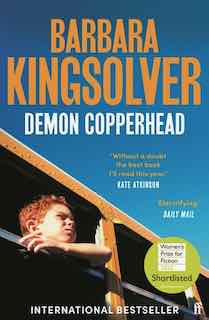
The first rule is that Kate sets our starting book. Every now and then she mixes it up and doesn’t set a specific book. This month is one of those, with our assignment being to make our starting book the one we ended our January links on or the last one we read in January. Barbara Kingsolver’s Demon Copperhead is the last book I completed in January – for my reading group on Tuesday 29th – though I didn’t post my review until the first of February.

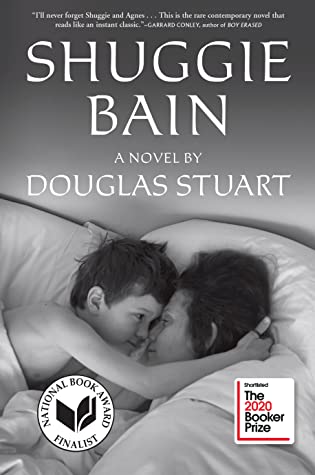
When I started reading Demon Copperhead I was immediately reminded of JD Vance’s memoir Hillbilly elegy. That’s an obvious link given Vance also grew up as a “poor hillbilly”. However, I was also reminded of another novel about a boy growing up poor with an addicted mother, albeit an alcoholic in this case. That book is Douglas Stuart’s Shuggie Bain (my review) so that’s my first link. Shuggie is a very different boy, but he captured my heart just as Demon Copperhead did.

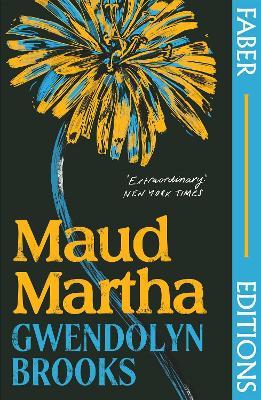
Both Demon Copperhead and Shuggie Bain are titled for their protagonists, who grow up during the course of the book. Another novel I read which is named for a young protagonist who grows up during the book is Gwendolyn Brooks’ Maud Martha (my review). All three of these young characters have much to contend with in their young lives. But now, we are moving on from characters to …

Laurie Steed, You belong here

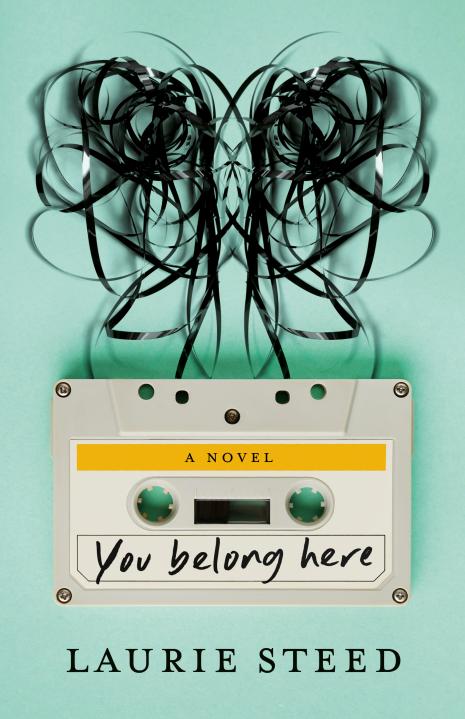
Form. Maud Martha is a novella told through vignettes from the titular character’s life. Another book I’ve read which tells the story of a family through vignettes is Western Australian author Laurie Steed’s You belong here (my review). Maud Martha covers around two decades in 100 pages, while You belong here covers around four decades in two hundred and fifty pages.

Book cover

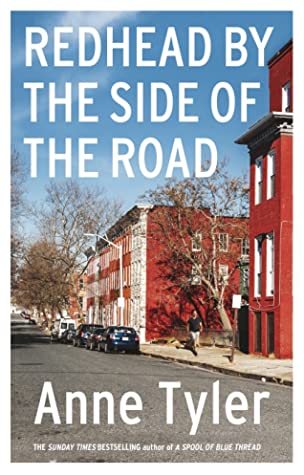
The back cover blurb of Steed’s novel describes it as having “all the dysfunction of an Anne Tyler novel, but with a distinctly Australian feel.” I’ve read and thoroughly enjoyed a few Anne Tyler novels over the years, but only one since I started blogging, so that’s my next link, Anne Tyler’s Redhead by the side of the road (my review).

Simsion, The Rosie Project

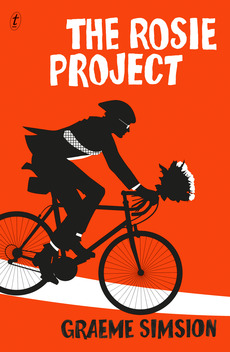
Tyler’s protagonist, Micah Mortimer, is a routine-driven character who has trouble forming deep relationships with people. Another routine-driven character who doesn’t find romance, in particular, easy is Don Tillman in Graeme Simsion’s popular Rosie series, so it’s to the first in this series, The Rosie project (my review), that I’m linking next.

For my final link, we are staying in Australia, and I’m using one of those more tricksy links, namely the birth year of the authors. Susan Johnson, whose Life in seven mistakes (my review) I’m making my last link, was born the same year as Simsion. Like many of the books this month its subject matter is problematical families. Such, though, is the common stuff of fiction, eh?

We haven’t travelled far this month, spending most of it in the USA or Australia – with one little foray to Scotland. We’ve also stayed within the last century. I’ll see if I can be more exciting next month.

Now, the usual: Have you read Demon Copperhead? And, regardless, what would you link to?
Six degrees of separation, FROM Tomorrow and tomorrow and tomorrow TO …

After taking a break from Six Degrees in December, I’m back at the beginning of 2024 to take part in this fun meme again. I hope you have all had a good holiday season and are ready for another year of good reading and discussing all things books. One different way of looking at books is through this meme. If you don’t know how this meme works, please check host Kate’s blog – booksaremyfavouriteandbest.

The first rule is that Kate sets our starting book. And, of course, we start the year with a book I haven’t read, though I have heard plenty about it, Gabrielle Zevin’s Tomorrow and tomorrow and tomorrow. GoodReads describes it as follows: “two friends–often in love, but never lovers–come together as creative partners in the world of video game design”.

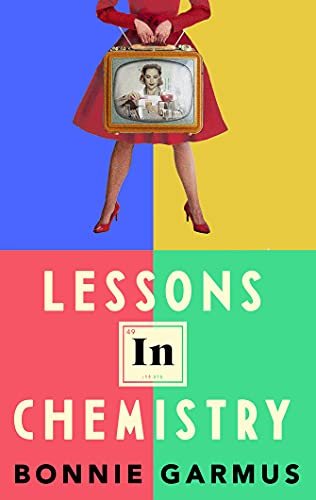
I don’t remember reading any books about video games, but I have read quite a few about friends. However, I am not going in that direction either because, quite serendipitously, my Californian friend shared in her letter this week the current “top ten checked out books in the NY public library system”. Number 2 was Zevin’s novel, but it was number 1 that caught my eye, as it’s a book I’ve read, Bonnie Garmus’ Lessons in chemistry (my review). How could I not make that my first link?

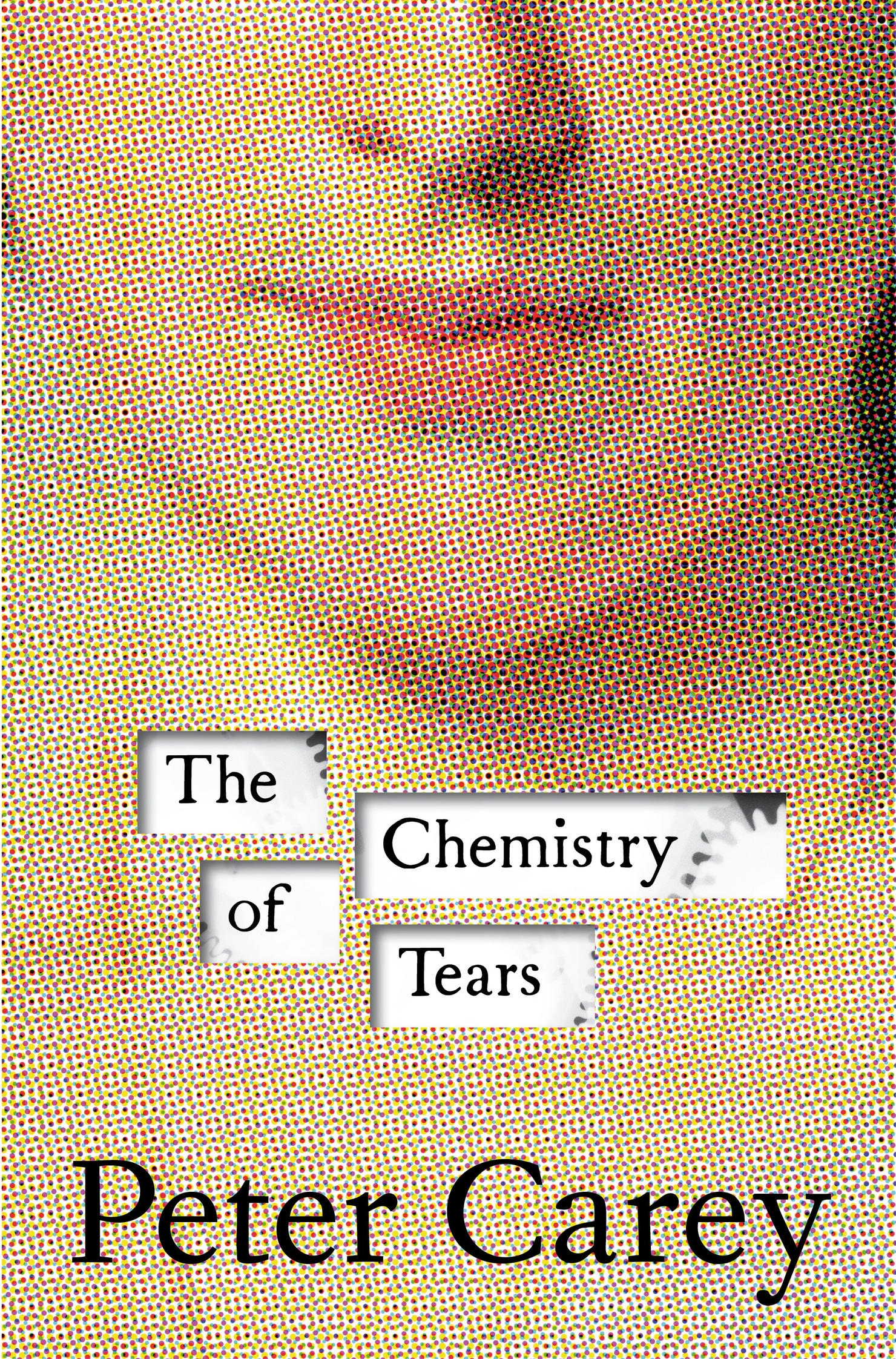
Peter Carey Chemistry of tears bookcover

For my next link I’m going with an obvious option – this is for you MR! – and linking on a word in the title. The word is “chemistry”, and the book is Peter Carey’s The chemistry of tears (my review). I commenced my review of that book by saying that when I think of Peter Carey, I often also think of Margaret Atwood, because both have quite varied oeuvres. Both take risks, trying new forms, voices and genres.

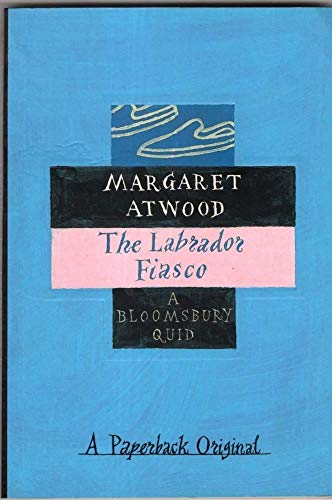
So, you won’t be surprised that my next link is to Margaret Atwood, and to the last work of hers I reviewed. This was The Labrador fiasco (my review), a short story I read for Buried in Print’s annual MARM event. It’s a story-within-a-story told in the voice of a son visiting his aging parents. But, I’m not linking on these ideas.

My edition of The Labrador fiasco was a little book, a Bloomsbury Quid. The first Bloomsbury Quid I reviewed for this blog was Nadine Gordimer’s Harald, Claudia and their son Duncan (my review). I could, though, have linked on the fact that both Atwood’s book and Gordimer’s feature parents and a son, albeit Atwood’s book is about a positive relationship while in Gordimer’s the son has committed a violent crime.

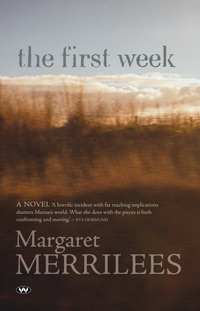
Margaret Merrilees, The first week

This leads us to my next link which is also a story (this one a novel) about a parent dealing with a son who has committed a violent act, Margaret Merrilees’ The first week (my review). In Merrilees’ story there is just the mother dealing with the aftermath, but, interestingly, in both stories there is also a race element.

For my final link, I’m sticking with parents coping with a problematic child, but in this case it’s a daughter who has been having an affair with a much older married man and who now appears to have run away. The book is Joan London’s The good parents (my review) and it deals, not just with parenting, but with the many choices we make in our lives, and their impacts.

I realised by the time I got to the end of my links that all six feature parents and children. In Lessons in chemistry, the main relationship is between mother and daughter, and The chemistry of tears hangs on a special gift commissioned by a father for his consumptive son. The rest you know from my notes on the links. We have travelled widely this month, though it may not be obvious here – from the USA to England and Germany, then to Canada and South Africa, finally ending up in Australia.

Now, the usual: Have you read Tomorrow and tomorrow and tomorrow? And, regardless, what would you link to?
Blogging highlights for 2023

As is my tradition, I have separated out my annual Reading highlights from my Blogging highlights, mainly because combining them would result in one very long post. I always do my Blogging Highlights on 1 January, which this year clashes with Monday Musings, unfortunately. All being well, I plan to do my usual first Monday Musings of the year tomorrow.

Top posts for 2023

Until recently the top of the ladder has been dominated by older posts, but in recent years there has been a gradual shift to more recent posts making it to the top. Last year, two posts published during the year made the Top Ten. This happened again this year. One (no. 6) is an obvious candidate, but the other (no. 2) is, as I wrote yesterday, a bit of a surprise.

Here is my 2023 Top Ten, in popularity order:

  1. Jack London, “War” (March 2010)
  2. Ambelin Kwaymullina, “Fifteen days on Mars” (from Unlimited futures)(January 2023) (Australian)
  3. Epiphany in Harrower’s “The fun of the fair” (essay by Emily Maguire) (January 2022) (Australian)
  4. Audrey Magee, The colony (September 2022)
  5. Ernest Hemingway, “Cat in the rain” (September 2022)
  6. Bonnie Garmus, Lessons in chemistry (June 2023)
  7. Barbara Baynton, “A dreamer” (January 2013) (Australian)
  8. Anthony Doerr, All the light we cannot see (September 2016)
  9. George Orwell, “How the poor die” (October 2010)
  10. Mark Twain, “A presidential candidate” (August 2016)

Observations:

  • Four of these posts (London, Maguire’s essay on Harrower, Baynton and Twain) were Top Tens last year, with three being Serial Top Tenners (London, Baynton, and Twain). Do all – including the relative newbie, the essay on Harrower – relate to school/university assignments?
  • Five posts were published in the last two years, which is a record. Some surprise me, but I suspect the popularity of my Garmus and Doerr posts is related to their screen adaptations released in 2023.
  • Five of this year’s Top Tens are Top Ten debuts, including the Garmus and Doerr. The sudden appearance here of my rather old Orwell post might be due to a recent flurry of books about Orwell, including Anna Funder’s Wifedom, but then, why that one of all my Orwell posts? Maybe there’s another reason, maybe it’s been set as a text? I’m pleased to see Magee’s novel here, and guess it’s just because this novel has been popular, but what about my relatively new Ernest Hemingway post? Why that one?
  • In 2021, six of the Top Ten posts were for full-length books, but as I wrote last year that was clearly an aberration, as in 2022 – and again this year – we returned to my more usual motley mix of mainly short stories/essays.

I also like to see how the posts written in the year fare, so here are the Top Ten 2023-published posts (excluding Monday Musings, event and meme posts):

My skewed reading year shows up strongly in these stats. I am intrigued that there was so much interest in my posts on stories by First Nations North Americans, particularly given Australians represent by far the most numerous visitors to my blog.

My most popular Monday Musings posts were essentially the same as last year: Books banned in Australia (June 2019); Some new releases (the 2023 version); The lost child motif (February 2011).

Random blogging stats

The searches

Help Books Clker.com
(Courtesy OCAL, via clker.com)

I love sharing some of the search terms used to reach my blog, Unfortunately, search term visibility is no longer what it used to be, but a few still get through for some reason. Certain browsers?

Some are probably assignment or book group related?

  • “david foster wallace word notes”
  • “key characteristics of australian literature in terra nullius by coleman”
  • “the colony audrey magee book club questions” and “the colony audrey magee what does title mean”
  • “characters in ripper by shelley burr”
  • “but being completely alone was a feeling”: searching this on my blog retrieves posts like Delia Owen’s Where crawdads sing and Tegan Bennett Daylight’s Six bedrooms, with Delia Owens being what they were looking for, as I quote this line, without the opening “but”.

Some are just general research:

  • “famous first sentences from Australian novels”

Then others seem to be looking for something very specific:

Book cover
  • ‘date of birth and “scott tucker”‘ and ‘husband and “scott tucker”’: these are probably looking for this Scott Tucker but they got Michelle Scott Tucker’s Elizabeth Macarthur’s biography instead.
  • “germaine greer care home” AND “germaine greer aged care”: we are still interested in Germaine Greer. Over the year I have had many hits from a site called mumsnet.com which linked to my 2022 Canberra Writers Festival post on her.
  • “very short stories convict fiction free”: this seems to find my Convict Literature tag, so tags do work!

Other stats

Overall, 2023 was another challenging year for me blog-wise and it shows in the stats. I only wrote 135 posts, which is the fewest number of posts per year that I’ve ever written and is well under my long term average of 153. However, my overall hits for the year increased by 17% on last year. Stats! Always a mystery.

The top ten countries visiting my blog vary slightly from last year: Australia (44%), the USA (27%), Britain, India, Canada, the Philippines, China, France, New Zealand, and Germany, in this order. The first four are the same, and then five of the next six are the same countries, in different order. However, Mexico dropped out to be replaced by New Zealand.

Challenges, memes, et al

I only do one regular meme, Kate’s (booksaremyfavouriteandbest) #sixdegreesofseparation, and in 2023 I did every month, except December. I occasionally do other memes – found under my “memes” category link – but you’ll find no others in 2023.

I also took part, to various degrees, in Bill’s (The Australian Legend) AWW Gen 5 – SFF, Nonfiction November (multiple bloggers), Novellas in November (Cathy of 746 books and Rebecca of Bookish Beck), the #YEAR Club (Kaggsy’s Bookish Rambling and Simon’s Stuck in a Book), Brona’s Aus Reading Month, Buried in Print’s MARM, and the William Trevor Reading Year (Cathy of 746 Books and Kim of Reading Matters). Most of these can be found via my “Reading weeks/months/years” category.

I do these because they align with my reading practice and goals. I’d love to do more, and I like the structured encouragement they provide for me to explore writers and works I would otherwise find hard to fit into my schedule.

And so, 2024 …

As always, thank you to all of you who commented on my blog this year – the regulars who hang in with me year in year out, and the newbies who have given me a shot. I hope you have enjoyed the community here enough to stay. I love those of you who comment. Thanks so much for being an active part of the community. But, a big thank you too to the lurkers. I really do appreciate your interest and support too.

I also want to thank all the hardworking bloggers out there. I’ve been a poor community member – again – this year, but I do appreciate you and enjoy reading your posts when I can. I look forward to more reading and great book talk in 2024.

Finally, huge thanks to the authors, publishers and booksellers who make it all possible – and who have proved yet again that the book is far from dead.

Roll on 2024 … a big year for my blog which will turn 15 in May. Meanwhile, Happy New Year everyone.

Six degrees of separation, FROM Western Lane TO …

Time has been tight for me this last month so I’ve rushed this month’s Six Degrees a bit, but I hope it satisfies my regular readers’ different needs! So, let’s just get to it … the Six Degrees meme, I mean. If you don’t know how this meme works, please check host Kate’s blog – booksaremyfavouriteandbest.

The first rule is that Kate sets our starting book. In November we are back to books I haven’t read. Indeed, this is one I hadn’t even heard of, Chetna Maroo’s Western Lane. It’s a debut novel that was shortlisted for this year’s Booker Prize. GoodReads starts its description with “a taut, enthralling first novel about grief, sisterhood, and a young athlete’s struggle to transcend herself…”

Louise Mack, The world is round

I could go with books about sisters, or athletes, as I’ve read a few of those on my blog, but I’m going in a different straightforward direction instead, to another debut novel by a young writer, albeit this one a century or so ago, Louise Mack’s The world is round (my review). It’s not about a struggling athlete, but it is about a would-be writer.

Book cover

Now, I don’t want to go down the content path though that would be easy – and, you never know, we might meet a would-be or struggling writer or two a bit later in this chain. Here though I’m going for a word in the title, and so it’s to Michelle Scott Tucker’s biography, Elizabeth Macarthur: A life at the edge of the world (my review) that I’m linking next. Round worlds, edges of worlds, where to now? Not to worlds, in fact … but to …

Jane Fletcher Geniesse, Passionate nomad, book cover

Another strong woman. Elizabeth Macarthur had to be strong to keep the family farm going in colonial Australia while her husband spent months if not years travelling to and from England. Freya Stark was another strong Englishwoman who made her way in a man’s world, a century or more after Macarthur. The book I’m linking to is Jane Fletcher Geniesse’s biography, Passionate nomad: The life of Freya Stark (my review).

Geniesse’s biography was published in 1999, as was the wonderful Amy Witting’s gorgeous novel, Isobel on the way to the corner shop (my review). Here come the would-be writers! Isobel is a young woman who is struggling to be a writer. Poor, starving and isolated, she ends up contracting TB and, after a dramatic collapse, is admitted to a sanitarium, where she starts to recover in more ways than one.

From Isobel I am taking us to my most recent post, Rebecca Burton’s Ravenous girls (my review) which is about another young woman – starving for different reasons – who ends up as a long stay patient in hospital. Justine is a different person to Isobel, and the story is from her sister’s perspective, but the link still works!

John Clanchy, Sisters

And now, I’m going to do something I don’t usually do, which is to close the circle. Maroo’s book is apparently about sisterhood, and so, in a large way, is Burton’s Ravenous girls, so it’s on sisters that I’m going to conclude, but with sisters at the older end of the spectrum. John Clanchy’s Sisters (my review) are not struggling to find themselves, or to make their way in the world. Instead, they are needing to resolve secrets from the past, which just goes to show that when you solve one of life’s challenges, there’s sure to be another waiting! In fiction, at least!!

I’ve spent far more time in Australia than I usually do, but we did make a quick foray to the middle east, and we have traversed Australia from its early colonial days to through to the present. I have also been, as last month, rather one-sided in author gender, with just one male author again bringing up the rear.

Now, the usual: Have you read Western Lane? And, regardless, what would you link to?
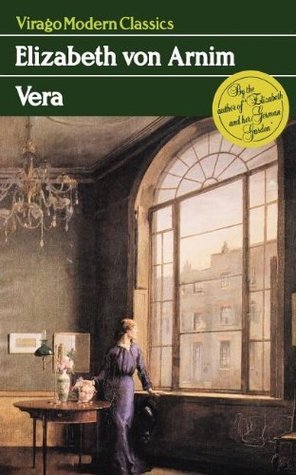
Six degrees of separation, FROM I capture the castle TO …

Daylight savings started in my jurisdiction last week, and I am so happy. I love the longer end of days in summer, and not being woken so early in the morning. I am not so looking forward though to what this forecasted hot, dry summer might bring, but let us be hopeful… meanwhile let’s get to Six Degrees. If you don’t know how this meme works, please check host Kate’s blog – booksaremyfavouriteandbest.

The first rule is that Kate sets our starting book. In October it’s finally a book I have read, but long before blogging, Dodie Smith’s work of historical fiction, I capture the castle. I loved it when I read it as a teenager – who didn’t, really – but I’m going to share the Goodreads description: “Through six turbulent months of 1934, 17-year-old Cassandra Mortmain keeps a journal, filling three notebooks with sharply funny yet poignant entries about her home, a ruined Suffolk castle, and her eccentric and penniless family”. So, a lively coming-of-age story set in a castle.

For my first link I am, as last month, going obvious, again in deference to commenter MR, who wants logical links. (But it won’t last MR!) So, the link is another work with castle in the title, Jane Austen’s work of juvenilia, Lesley Castle (my review). Written when Austen was 16, it’s a comic novella that starts with letters sent by Margaret Lesley, from her Lesley Castle abode, complaining about her brother’s adulterous wife and her roué father running amok in London. It gets sillier from there!

Eleanor Dark's Juvenilia

My next link is on the juvenilia angle, and it’s to Eleanor Dark’s Juvenilia (my review) which was published by Juvenilia Press as part of their inspired program which uses juvenilia to teach the skills of “editing, annotating, designing and illustrating” a scholarly publication, thereby killing two birds with one stone (to use a cliché). I have reviewed several of their books, and have a few more to go – and they are still publishing.

Keeping to obvious links, my next one is on author’s first name. I have reviewed books by a few Eleanors but I want to leave Australia, so it’s to New Zealand author, Eleanor Catton’s The luminaries (my review) that I’m taking you next.

Hilary Mantel, Bring up the bodies

Catton’s novel is a work of historical fiction that won the Booker Prize in 2013. Another work of historical fiction won the Booker Prize the year before in 2012, Hilary Mantel’s Bring up the bodies (my review), so that is my next link. As I recollect, some naysayers didn’t like the emphasis on historical fiction in the shortlist when the first book in Mantel’s Cromwell trilogy, Wolf Hall, won in 2009, but clearly the judges took little notice of them!

As I’ve implied already, Bring up the bodies is the second book in Mantel’s Cromwell trilogy. My next link is another second book in an historical fiction trilogy, Pat Barker’s The women of Troy (my review). Just as an aside, the third book in Barker’s historical fiction Regeneration trilogy, The ghost road, also won the Booker, back in 1995.

BOok cover

And now, you know, to be a bit tricksy, my next link is to Peter Carey’s Amnesia (my review). Why, do you ask? Well, Pat Barker was born on 8 May 1943, and Peter Carey was born the day before, on 7 May 1943. Both have had stellar literary careers. But, one of the reasons I thought to end with this book is because I wrote in my review that I believed Carey wanted us to “maintain the rage”, to remain aware and vigilant of what is happening, and of whose fingers are in which pie. This is still relevant as politics becomes increasingly polarised and mired in misinformation. I’m not a conspiracist, but that doesn’t mean it’s not sensible to think about who is arguing what, and why, as well as about the argument itself.

We’ve rambled quite a bit this month across time and place, but hmmm, I have been rather one-sided in author gender this post, with just one male author bringing up the rear!

FINALLY: A little shout-out on Love Your Bookshop Day to my new (because I’ve moved) neighbourhood independent bookshop, The Book Cow. Not only is it friendly and helpful but it actively supports writers, especially our local ones. And not far down the road from there is the lovely Muse which I’ve written about several times here before and which also regularly runs literary events involving local and other authors.

Now, the usual: Have you read I capture the castle? And, regardless, what would you link to?
Six degrees of separation, FROM Wifedom TO …

Woo hoo, our house is sold (though not quite off our hands), and spring has sprung down under (just), so the Gums are feeling ready to begin the next stage of our lives. We are relieved, but, you know, it’s acceptance that we are on the downward trajectory – to put it bluntly, so let’s just get to Six Degrees. If you don’t know how this meme works, please check host Kate’s blog – booksaremyfavouriteandbest.

The first rule is that Kate sets our starting book. In August it’s another book I haven’t read, Anna Funder’s Wifedom: Mrs Orwell’s invisible life. It is about Eileen O’Shaughnessy who married Orwell in 1936 but has been barely mentioned in biographies of Orwell. Funder set out to discover why.

Anna Funder's Stasiland bookcover

Now, it appears that some of my links have been a bit obscure lately. So, in deference to regular commenter here, MR, who wants a fighting chance to work out my links, my first one this month is an obvious one, Stasiland (my review), which is another non-fiction work by Anna Funder.

Helen Macdonald, H is for hawk

Stasiland was well-reviewed when it came out and was shortlisted for many awards. It won at least one of those, the 2004 Samuel Johnson Prize for the best non-fiction writing in the English language. Ten years later, in 2014, Helen Macdonald won the same prize for her book, H is for Hawk (my review). FYI, in 2015 this prize was renamed, the Baillie Gifford Prize for Non-Fiction.

Macdonald writes about training, and hunting with, a hawk, while she works through her grief for her father who died suddenly. A very different work about a hawk is Australian writer D’Arcy Niland’s short story, “The parachutist” (my review) though we do also see the hawk in hunting mode.

Book cover

In “The parachutist”, the hawk preys upon an innocent young kitten who is oblivious to the danger of a predator from the skies. Chris Flynn‘s novel Mammoth (my review) also includes a predator from the skies, Pterodactylus, who tells the other “characters” in the novel, “I was referred to as the Reptilian Eagle, an apex predator who dominated the skies. It would have been a compliment, had it not come from the mouths of maniacs”. (The maniacs were the Nazis.)

Tracy Chevalier, Remarkable creatures

Pterodactylus, like many characters in Mammoth, is a fossil. Another historical fiction novel (if you can call Mammoth historical fiction) that deals with fossils is Tracy Chevalier’s Remarkable creatures (my review). It tells the story of the early 19th-century fossil collector, Mary Anning.

Jane Austen, Persuasion

Mary Anning’s collecting work focused on the marine fossil beds in the cliffs at Lyme Regis. Some of you, on hearing this, will immediately guess my last link, and you would be right. It is to Jane Austen’s Persuasion (my post on volume 1), in which a significant (and memorable) event occurs in the same place. 

My post this month started in England with Kate’s choice and ended there, but in between we visited Germany and Australia, and we traversed a wide expanse of time from pre-history to the 21st century. We also, unusually, spent a bit of time in the animal kingdom.

Now, the usual: Have you read Wifedom? And, regardless, what would you link to?

Six degrees of separation, FROM Romantic comedy TO …

So now, the BIG CLEAN is done, and we are in the lap of the real estate gods. I hope to be able to tell you next month that we have sold, but in the meantime I’m taking my mind off it all to think about something that’s far more fun, this month’s Six Degrees. If you don’t know how this meme works, please check host Kate’s blog – booksaremyfavouriteandbest.

The first rule is that Kate sets our starting book. In August it’s another book I haven’t read – I am doing worse this year than I ever have before in this regard – Curtis Sittenfeld’s Romantic comedy. Those of you who know Sittenfeld and who know me might guess that I’d make my first link, Pride and prejudice, because she wrote a P&P adaptation titled Eligible as part of the Austen Project. I thought about it, but then decided not to do the obvious…

Jay Griffiths, A love letter from a stray moon cover

I also decided not to go the rom com/chick lit route, which is the genre to which Romantic comedy belongs, despite having considered a couple of options. Instead, I’ve gone way out on a limb and chosen a book by an author with, like Curtis Sittenfeld, a gender-neutral first name. The book is A love letter from a stray moon (my review) by the British writer, Jay Griffiths. It’s an historical fiction told in the voice of Mexican artist Frida Kahlo.

Ali Cobby Eckermann, Too afraid to cry

My next link is a very personal one. I read and reviewed A love letter from a stray moon while travelling in Japan in 2011. I don’t manage to write a lot of review posts when I travel, but another one that I did manage was First Nations author Ali Cobby Eckermann’s memoir, Too afraid to cry (my review), when we were travelling in the USA in 2017. She explores her heritage, including her family’s experience of the Stolen Generations and its impact on her.

Ali Cobby Eckermann is primarily a poet. Another contemporary Australian poet who has written a memoir is John Kinsella, so it’s to his Displaced: A rural life (my review) that I am linking next. It’s a relevant link for other reasons too because in his memoir, which I described as part manifesto, Kinsella explores such things as finding a meaning for “home” that recognises Indigenous “dispossession” and that also doesn’t encompass exploitative colonial ideas of “ownership”.

Book cover

In the opening paragraph of my review of Kinsella’s book, I wrote that it reminded me of the book I had just finished, Gay Lynch’s historical novel Unsettled (my review), so that is my next link. I was reminded of Lynch’s novel for a few reasons: both have one-word titles which play with opposites; in both cases, those opposites refer to physical meanings and more abstract, intellectual, social and/or emotional ones; and, in both again, these meanings draw significantly from the colonial act of settling Australia and displacing its original inhabitants. 

My next link is more obvious. It’s to another work of historical fiction that explores the act of colonisation, Audrey Magee’s The colony (my review), albeit this one is set in Ireland – on a small island off its west coast.

Marie Munkara, Of ashes and rivers than run to the sea

It seems I can’t get away from the issue of colonisation this month, although that theme is not the reason I chose my final link. The reason is that the majority of the book is also set on an island, this time Bathurst Island off the Northern Territory. The book is another memoir by a First Nations author, Marie Munkara’s, Of ashes and rivers that run to the sea (my review). Munkara, like Eckermann, was raised by a non-Indigenous family, and also experienced abuse.

My whole post this month has stayed in the British Isles and its colony, Australia, in terms of authors at least, though we do visit Mexico. That was purely by accident but I’m not sorry because as long as the fallout from colonisation continues to negatively affect people’s lives, I’m fine with keeping the issue front and centre.

Now, the usual: Have you read Romantic comedy? And, regardless, what would you link to?