Last night, I attended the presentation of the ACT Literary Awards (as I have attended for the last few years). These awards are made by Marion (previously, the ACT Writers Centre), and were again emceed by CEO, Katy Mutton, and Board Chair, Emma Batchelor. The dress code was “Smart Casual to Creative Cocktail Attire”. Ms Gums opted for the former.
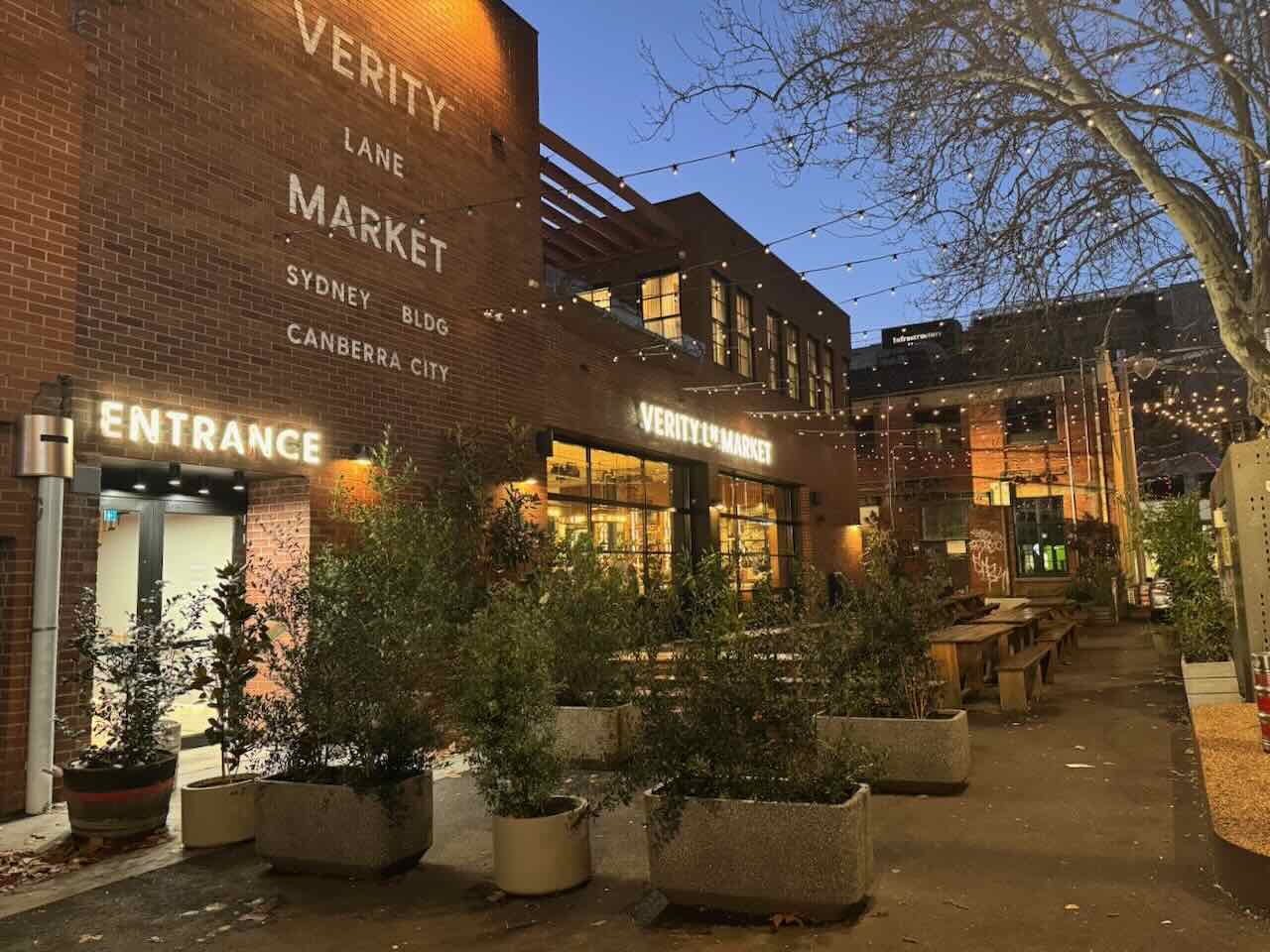
The awards were held in a different venue, Juliet in the Verity Lane Market. Last year’s was held in one of Canberra’s iconic buildings, the Shine Dome (which houses the Australian Academy of Sciences). This year’s, in Verity Lane, was another iconic location. Originally conceived as a service lane (deliveries and waste collection) for Canberra’s historic Sydney Building, by the 1970s Verity Lane had been turned into a nightlife spot. What makes it significant for this event, however, is that the lane was named for Verity Hewitt, who established Canberra’s first independent bookstore in 1938 on the upper level of the Sydney Building. It was an intellectual hub during Canberra’s early years.
Each venue creates a slightly different feel, with this one supporting a cosy, friendly vibe. That said, these ACT Awards events are always delightful because the ACT literary community is relatively small so there is a welcoming, convivial tone that even an outsider like me can sense and enjoy. Most of Canberra’s literary luminaries were there. The evening, as usual, was structured to have a break in the middle, which provided an opportunity for mingling that might not happen if left to the end. I’m not going to name-drop, except to say that one of my reading group friends, Deb, who has been a bookseller, publisher’s sales rep, and Marion Board member, was there, which always gives me joy. There is excitement in the community about one the region’s own, Omar Musa, being shortlisted for the Miles Franklin for his novel Fierceland. Will he bring us a win!?
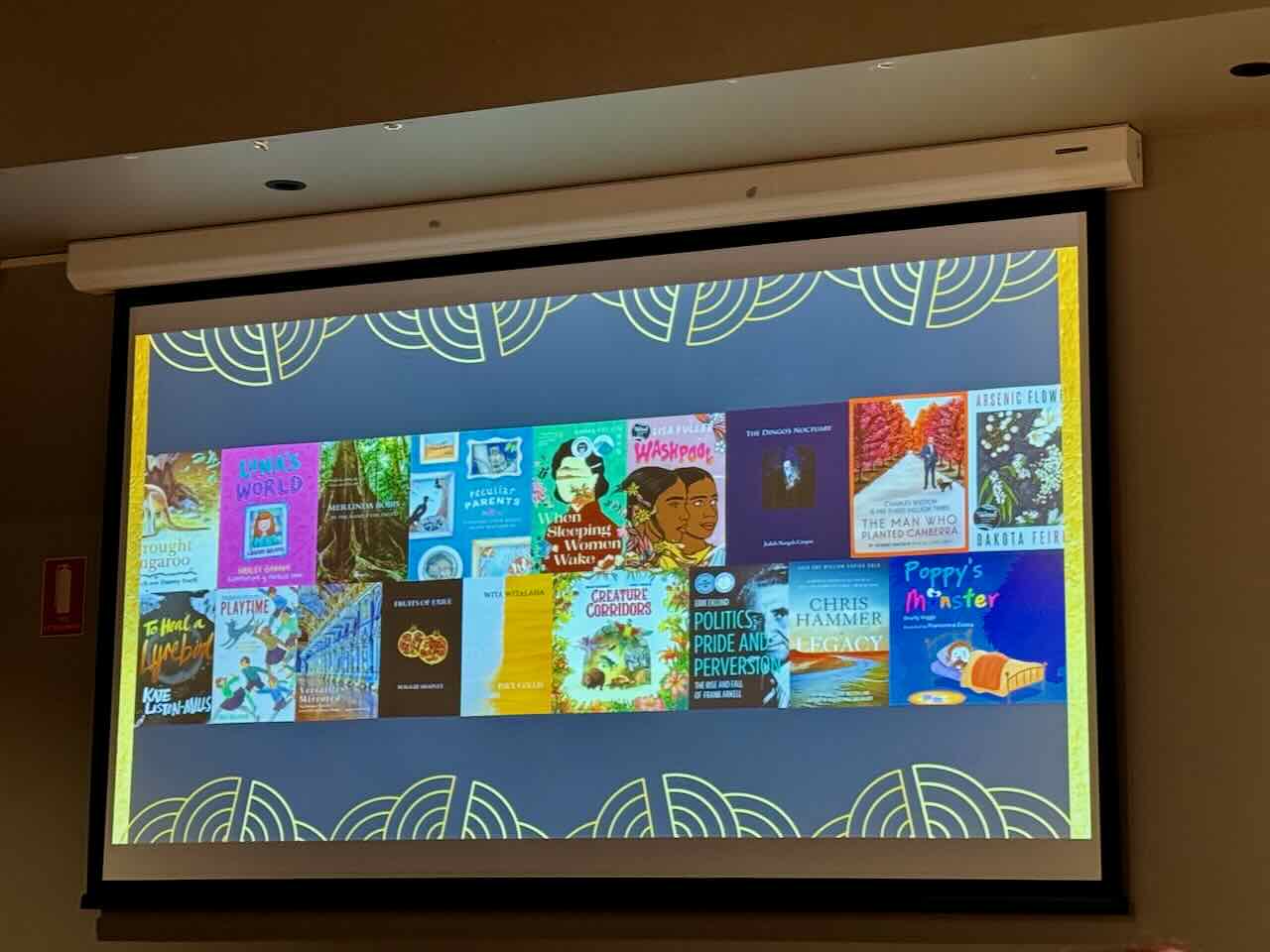
Marion’s sponsors include the ACT Government, Big River Distilling, Paperchain Bookstore, Photox, She Shapes History, Verity Lane Market and Waypoint Tea Co.
Once again, the evening opened with a “ceremony”welcome” given by local Ngunnawal elder, Wally Bell. He explained, as he has before, that the “welcome to country” we have all become used to is a government protocol which doesn’t accurately reflect First Nations’ practice.
Now, the awards…
Marion offers and/or administers several awards, some sponsored by others and some their own. The judges for Marion’s own main book awards were:
- Fiction: Eugen Bacon, Lucy Neave
- Poetry: Dan Hogan, Jen Webb
- Nonfiction: Frank Bongiorno, Helen Ennis
- Children’s literature: Ambelin Kwaymullina, Gabrielle Tozer
Marion’s awards are open to both self-published and traditional published works, by writers from the ACT and surrounding region. We started with the two sponsored awards.
Finding Beauty Poetry Prize
This prize for a poem by an emerging poet was established in memory of Roger Green, an environmental advocate, poetry-lover (and more). It was first offered in 2025. He believed that beauty had the power to alleviate fear and hardship, and to provide hope and inspiration. The theme this year was “Finding Beauty in human Interaction”. The winner received $5000, the runner-up $2000, and the shortlisted poets $750. Roger Green’s wife spoke briefly before the announcement explaining Roger’s beliefs about the value of beauty.
- Michelle Brock, “The Anatomy of My Parent’s Hands”
- Deborah Dawkings, “The Italian Chapel” (SECOND PLACE)
- Lillace Kenta, “Paper Crane” (WINNER)
- Elizabeth Walton, “She Collects Things”
Kenta read her winning poem, which truly was beautiful – the poem and her reading. All listed poems will be published soon on the Marion website.
Anne Edgeworth Emerging Writers Award
Provided annually by the Anne Edgeworth Trust since 2013, this emerging writers award focuses specifically on providing support that will help awardees progress their project. This can be a mentorship, editing, a writers retreat, or whatever is deemed appropriate for the particular project. From this year’s shortlist of three, two were chosen to share the award – Kelsey Clifton, for her novel (currently) titled Bride of Dionysus, and Katherine Hammersely for her novel about “a secret grief”.
Fiction
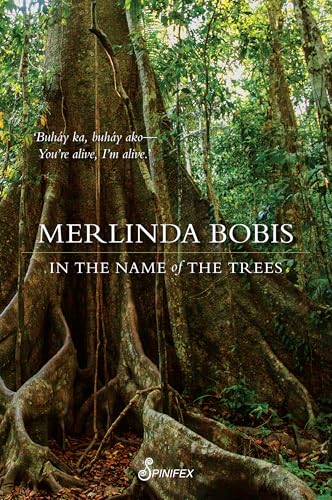
- Merlinda Bobis, In the name of the trees (WINNER, Spinifex Press, on my TBR)
- Chris Hammer, Legacy by (Allen & Unwin, recently read by Mr Gums)
- Kate Liston-Mills, To heal a lyrebird (WINNER in self-published category)
- Emma Pei Yin, When sleeping women wake (Hachette Australia)
The Self-published Award was announced first, and the delighted author said she was thrilled to be associated with the other shortlisted authors, particularly Merlinda Bobis, whom she thanked for teaching her how to write at the University of Wollongong!
This very Merlinda Bobis, whose novel Fish-hair woman (my review) is in my all-time Top Ten in terms of hits, was then announced as the overall Fiction winner. She said that her book, which was introduced as being eco-critical and eco-cultural, is about migration, and celebrates languages other than English. “We are not a monoculture”, she stated, “Australia has always been multicultural and multilingual”. (For my non-Australian readers, she was referencing a recent, and unpopular to most of us, pronouncement by the leader of one of our political parties that Australia should be a “monocultural society”.)
Poetry
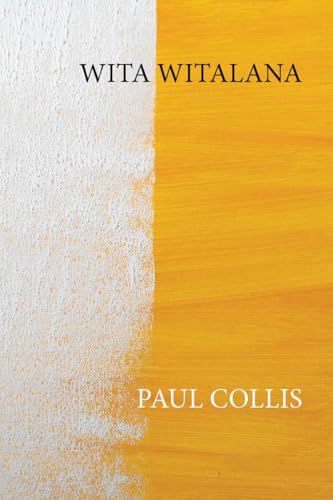
- Paul Collis, Wita Witalana (WINNER, Recent Work Press)
- Judith Nangala Crispin, The dingo’s noctuary (Puncher & Wattman)
- Dakota Feirer, Arsenic flower (HIGHLY COMMENDED, Hachette Australia)
- Maggie Shapley, Fruits of exile (Recent Work Press)
Two awards were also made in the poetry category, the first being a Highly Commended award to Dakota Feirer’s, Arsenic flower. It was encouraging to see the black + write! Fellowship Winner sticker on the cover of this and a couple of other shortlisted books, suggesting that this State Library of Queensland initiative is still going strong.
The winner was another First Nations writer, Paul Collis, whose novel Dancing home (still on my TBR) won the ACT Book of the Year back in 2018. His collection, Wita Witakana, was introduced as “propulsive and lucid, commanding and resonant”, though Collis initially misheard that as “repulsive”, which got a few laughs. He spoke briefly about having dyslexia, and being inspired by Sam Wagan Watson to trust himself and give writing a go. Acknowledging the presence of Wally Bell and the land we were on, he ended with, “Ngunnawal country has welcomed me with such grace”.
Nonfiction
- Erik Eklund, Politics, pride and perversion: The rise and fall of Frank Arkell (ANU Press)
- Emily Gallagher, Playtime: A history of Australian childhood (HIGHLY COMMENDED, Black Inc., imprint: La Trobe University Press)
- The man who planted Canberra: Charles Weston & his three million trees by Robert Macklin with Dr John Gray (National Library of Australia Publishing)
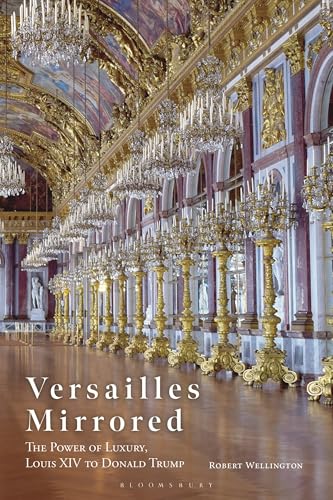
- Robert Wellington, Versailles mirrored: The power of luxury, Louis XIV to Donald Trump (WINNER, Bloomsbury Visual Arts)
This award was introduced with a brief tribute to Robert Macklin and John Gray, both of whom had, sadly, died before seeing their book shortlisted. Emily Gallagher’s Playtime was then announced as the Highly Commended winner, and Robert Wellington’s Versailles mirrored, the winner. Wellington was not able to be present, as he is in London undertaking research, but in a charming video acceptance he said he was “over the moon” but was sorry that the story was still relevant (Mr Gums and I heard him earlier this year when he gave the National Portrait Gallery’s 2026 Andrew Sayers Memorial Lecture. His subject? Should portraiture – to which we might add any of the arts – be competition!)
Children’s literature
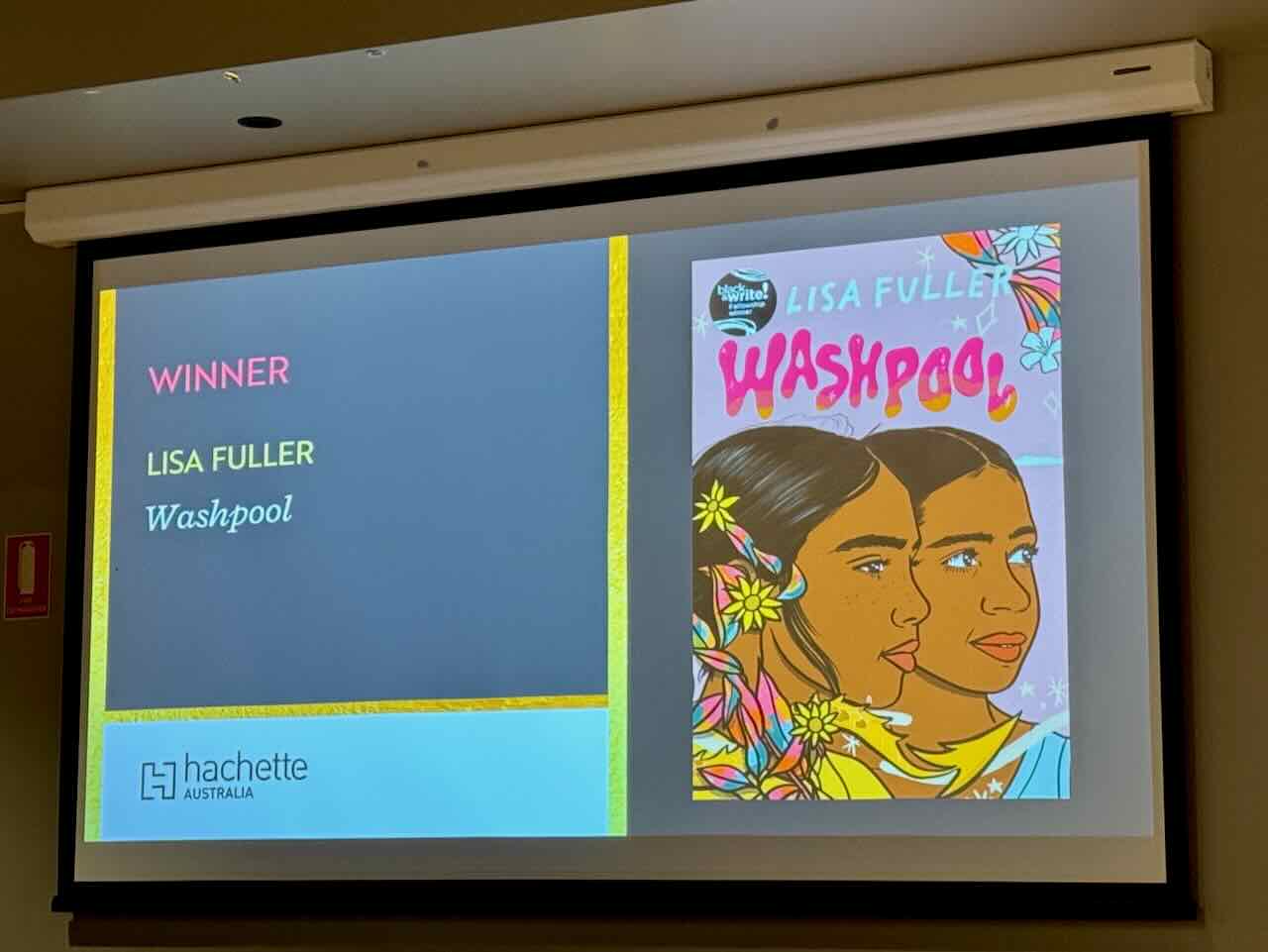
One shortlist was offered for Children’s literature, which has an strong, active presence in Canberra, but three awards were made:
- Lisa Fuller, Washpool (WINNER for OLDER CHILDREN’s FICTION, Hachette Australia)
- Jackie French, illustrated by Danny Snell, The drought kangaroo (WINNER for YOUNGER READERS, HarperCollins)
- Hayley Gannon, iIllustrated by Michelle Conn, Luna’s world: Library dreams by (Affirm Kids)
- Shelly Higgs, illustrated by Francesca Costa, Poppy’s monster (Starfish Bay Publishing)
- Stephanie Owen Reeder, illustrated by Ingrid Bartkowiak, Peculiar Parents (WINNER for CHILDREN’s NONFICTON, National Library of Australia Publishing)
- Billie Rooney, illustrated by Anke Noack, Creature corridors (CSIRO Publishing)
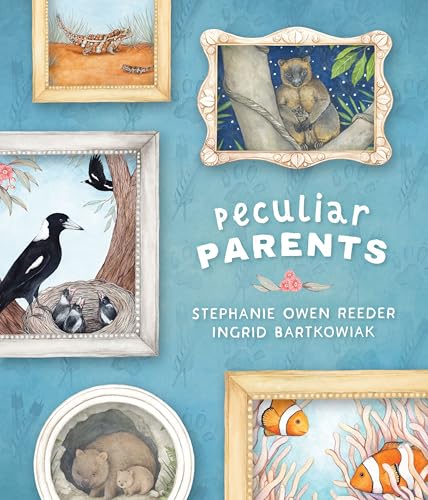
Each of the winners spoke, with Jackie French, like Robert Wellington, speaking via video. She was her witty, satirical self, arguing for the importance of story (“humanity’s most powerful tool for communication”) and of nature and the environment. Lisa Fuller’s Washpool was another from the “black&write!” program. I enjoyed hearing her speak at last year’s Canberra Writers Festival. I bought Stephanie Reeder’s Peculiar parents. It will be right up Grandson Gums 8-year-old “I love knowing stuff” alley!
The Marion Halligan Award
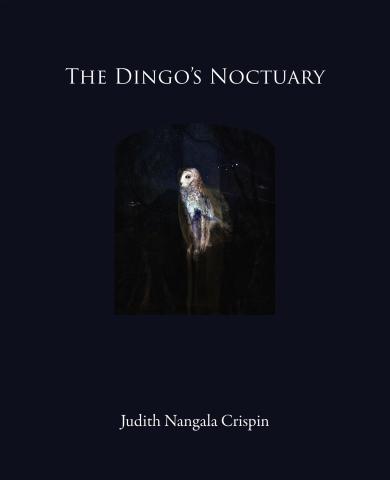
The Marion Halligan Award is a recent award honouring the life and work of the late Marion Halligan. Its aim is to recognise “works that demonstrate uniqueness, literary excellence, and/or surpass genre boundaries”. As last year, the award was announced by Marion’s young grandson, Edgar, and it went to Judith Nangala Crispin and her book, an illustrated verse novel I believe, The dingo’s noctuary. Accepting the award, she said, joyfully, that it had been “a big night for blackfellas”. And it had been.
So ended another joyful evening spent amongst people who love our literary culture, not to mention just having a good night out with friends and colleagues. Once again, a big thanks to Marion for inviting me to this warm and uplifting event.
More information on the awards can be found on Marion’s website.


Thanks for this lovely summary, Sue. It was a great night, wasn’t it. A really warm generous atmosphere.
I’m glad you agree Karen. It was delightful.
How wonderful to see my friend and fellow author, Elizabeth Walton, appear in this list. Her star is definitely on the ascendancy. Off to send her congratulations right this moment!
Thanks Gwendoline … glad you saw a name you know. I bet she’ll love hearing from you!
Sounds like a wonderful night and so many interesting books!
Thanks Rach, it was.
Oh I hadn’t heard that both Robert Macklin and John Gray have died recently.
I think John Gray died 2or 3 years ago but Macklin only a few months ago. I must say, I’m not so familiar with Gray, but Macklin was highly visible in Canberra so I remember the obituaries coming.
Events like these are so important for bookish folk all ’round, and I like the way you’ve observed the spirit of the evening and sense of community there.
Thanks Marcie. For me sensing the spirit is an important part.