What’s brought this on, you are probably wondering, but I can explain. Firstly, my Jane Austen group has, over the years, discussed Jane Austen from the point of view of roles and professions, so, for example, we’ve discussed professions like the clergy, and roles, like brothers, in Austen, and have enjoyed the research and the discussion. Secondly I’ve been in Melbourne this weekend visiting our family, and it just so happens that Son Gums is a teacher. Why not, then, I thought, look at how teachers are portrayed in Australian novels.
Hmmm, I can think of many films, though I admit that I’m talking internationally here, about inspirational teachers. They abound, in fact, but where are they in novels? Even where teachers are not negatively portrayed they seem more likely to be weak and/or ineffectual, than proactive and successful. It was hard to search the internet for my topic, however, because searches tended to retrieve hits about teaching fiction, or teachers’ resources for fiction, rather than hits about teachers as characters in fiction. I did, though, find a blog post from 2012 in which blogger and educator, Darcy Moore, asked “where is the inspirational teacher in Australian popular culture literature and film? I wasn’t surprised to discover that he didn’t find much either.
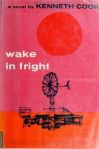
So what is there? Some novels featuring teachers fall, loosely, into the mystery-crime-thriller genre. There’s Kenneth Cook’s debut 1961 novel Wake in fright which chronicles the nightmarish school holiday of a rookie teacher in outback Australia, Joan Lindsay’s famous 1967 novel Picnic at Hanging Rock in which teachers lose some students during a picnic, and Gabrielle Lord’s 1980 novel Fortress that was inspired by a real abduction of a teacher and students in Victoria in 1972. At least in that story the teacher does manage to escape with her students. It’s probably not surprising, given the dramatic nature of these novels, that all three have been made into movies. I have read two of these books, but before blogging.

Some books feature teachers, but aren’t significantly about their work. Dymphna Cusack’s 1936 novel Jungfrau (my review) is one such. Cusack, who had herself been a teacher, writes here about three women, obstetrician Eve, teacher Thea, and social worker Marc. They are modern young professional women, but the book’s focus is more their personal and social lives, particularly as affected by Thea’s affair with a married professor, than their working lives. Indeed, early on, Thea, defending her adulterous relationship as her right “to get something out of life”, says “my work doesn’t mean anything to me”. Hmm …
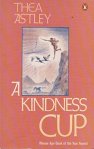 Then there’s Tom Dorahy in Thea Astley’s 1974 novel A kindness cup, my first Astley, which I read long before blogging. He’s an idealist, a humane person, who returns to his home town for a reunion, but what he really wants to do is right the wrongs of a massacre of Aboriginal people that occurred during his time there, twenty years previously in the 1860s, and for which the perpetrators were never properly punished. It’s interesting that Astley, inspired by a real massacre, was writing about this in 1974! She really was a special and fearless writer. However, again, the book, as I recollect, isn’t so much about his teaching.
 Elizabeth Jolley’s 1983 novel, Miss Peabody’s inheritance, also features a teacher, but perhaps not quite in the way most parents would be looking for. This is a novel-within-a-novel, in which an Australian novelist sends instalments of her novel-in-progress to a fan in England. Her novel is about three middle-aged single women, including headmistress Arabella Thorne, who holiday annually together in Europe. This particular year, Thorne brings along a sixteen-year-old student to give her “a little finishing”. The finishing she gets, as she becomes caught up in Miss Thorne’s emotional entanglements with her women friends, is not exactly the usual!
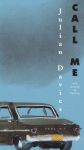 Hmmm, so, are there any teachers actually being good role models in Australian novels? I’m sure there are, but the only one I can remember right now is Phil Day who appears in Julian Davies’ 2018 Call me (my review). Phil Day is not, admittedly, the novel’s protagonist, but his student Pip is – and Phil Day plays an important role in Pip’s coming-of-age trajectory, by listening to him and discussing life with him, rather than by telling him what to do.
Good, wise and/or supportive teachers do appear, I know, in other coming-of-age stories, but I can’t think of any that stand out particularly.
So I’m going to end this post, by returning to Darcy Moore, who concluded his post with:
In an era where teachers are often criticised by politicians and our standing in the Australian community is often talked down, certainly in comparison to Asian and Scandinavian countries, it is important that we work to build an improved attitude towards learning. … It would be wonderful to build a vision into something tangible, something that that allows us to have a society where such positive imagery about teaching and teachers enters our popular, cinematic and literary culture and is not viewed as pretentious, elitist or cringeworthy. Wouldn’t it?
Seven years after that post, things are still much the same I think in terms of how our teachers are perceived. Why is this? And would it help to have some positive depictions in literature – and the other arts? I’m not one to prescribe what writers should write about, but that doesn’t stop me wondering whether positive portrayals would help (if that makes sense.)
Meanwhile, do we have some great depictions in Australian literature that I’ve missed? I’m sure we do, so here is your chance to tell me.

 The main point is, though, that Kate sets our starting book, and this month’s is – hallelujah, again – a book I’ve
  Now, A gentleman in Moscow is set, almost completely, in Moscow’s famous
 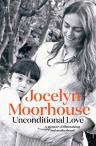 Claude Ballard, our gentleman in Los Angeles, is a film director, albeit a fictional one from the silent era, but it just so happens that my last read was the memoir of a contemporary Australian film director, Jocelyn Moorhouse, so it’s to her book, Unconditional love: A memoir of filmmaking and motherhood (
 Jocelyn Moorhouse’s husband, PJ Hogan, is also a film director, and two of his most famous films are Muriel’s wedding and My best friend’s wedding. A now classic novel, but one I only read recently, starts with a wedding, Mary McCarthy’s The group (
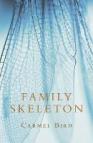 The group, as I’ve said, starts with a wedding, but it ends, logically I suppose, with a funeral. A book that starts with a funeral – and this has its own logic – is Carmel Bird’s Family skeleton (
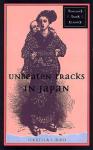 But, enough of weddings and funerals. My next link is on something simple – the author’s name. Later this month I will be heading to Japan (my fourth visit). An early western visitor to Japan was the intrepid Englishwoman Isabella Bird whose 1879 travel book, Unbeaten tracks in Japan
 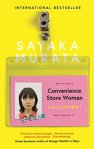 I like reading Japanese literature, though I haven’t read a lot since blogging. However, I did recently read a contemporary novel, Sayaka Murata’s Convenience store woman (
 A few weeks ago, I received an email from the ILF reminding me about Indigenous Literacy Day and telling me about a book they are publishing, commemorating both this day and this year’s International Year of Indigenous Languages. The book is Nha Nhunu Nhanjal?, and is the product of a special project. It was “written and illustrated by Yolŋgu Matha-speaking students from Nhulunbuy Primary School on the Gove Peninsula in North East Arnhem Land and was launched at this year’s Garma Festival”. An English edition of the book, titled I Saw We Saw, will be launched at the Sydney Opera House today, Indigenous Literacy Day. Students from Nhulunbuy, 4,000 kilometers away, will be present to read and perform from the Yolŋgu Matha version.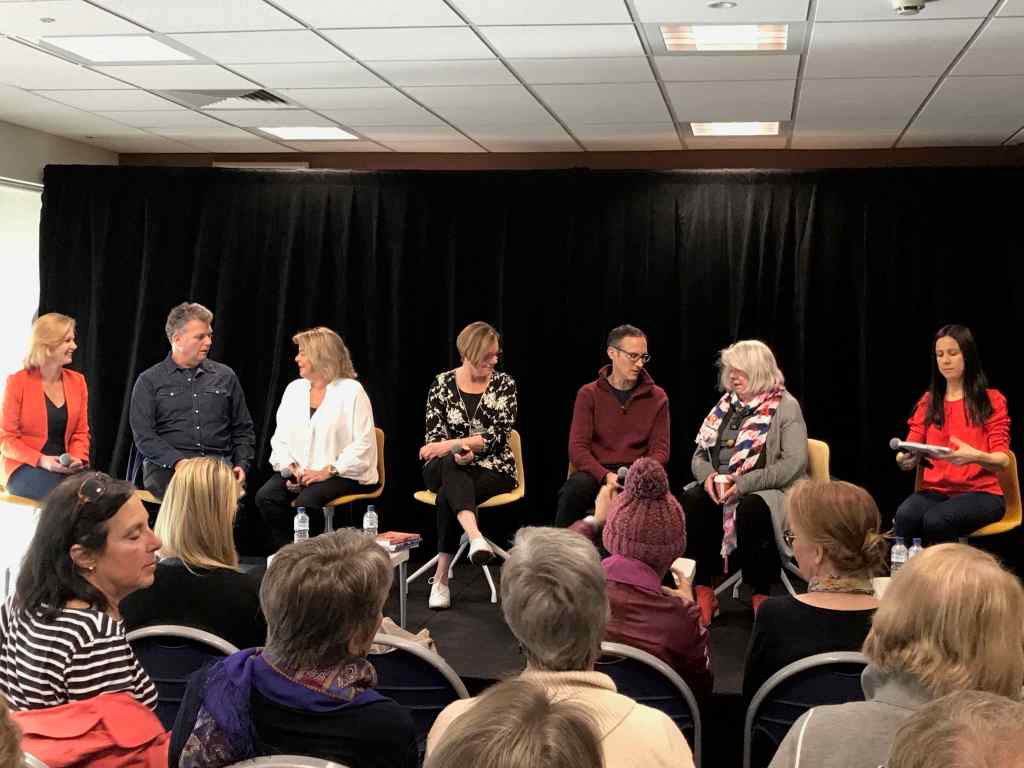
 Although it is quite a traditional memoir, style-wise, Jocelyn Moorhouse’s Unconditional love: A memoir of filmmaking and motherhood is particularly interesting for a couple of reasons. Firstly, she’s an artist who had a happy childhood. Who knew that could happen? Secondly, while most memoirs focus on one aspect of the writer’s life – such as their career (sport, for example), their trauma (childhood abuse, perhaps), their activity (like travel) – Moorhouse intertwines two ostensibly distinct parts of her life, her filmmaking career and her life as a mother.
 Jocelyn Moorhouse
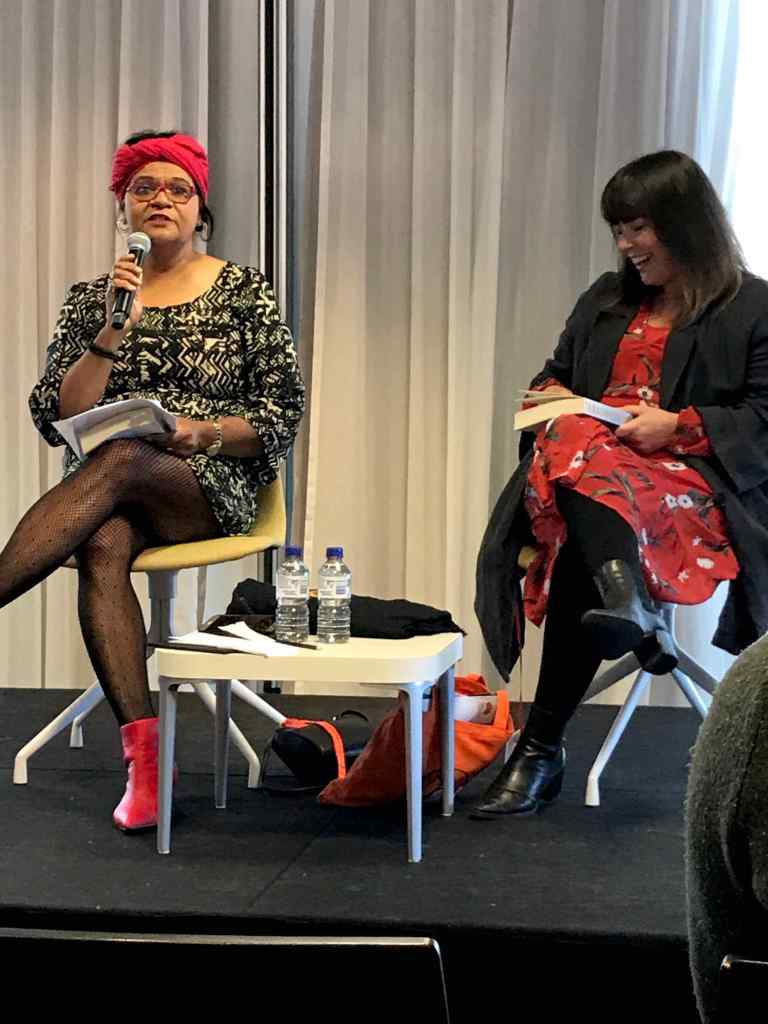
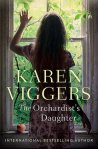 Karen Viggers: Is passionate about Tasmania, wilderness, freedom, empowerment, forests, and friendship. Her novel is about three outsiders in a small timber town, and explores how people create bonds and belonging in such places.
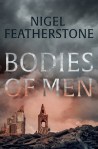 Nigel Featherstone: Wanted “to piss off Tony Abbott”. Seriously though (or, also seriously), the book resulted from a “strange decision” to apply for an ADFA (Australian Defence Force Academy) residency in 2013, despite having no interest in war. Of course, the residency did come with $10K! Featherstone’s overriding interest was to explore different expressions of masculinity under military pressure. Eventually, he found two books in the ADFA Library: Deserter, by American Charles Glass, which explored desertion as an act of courage, and Bad characters, by Australian Peter Stanley, which included the story of a soldier who, during World War 1, had been caught in a homosexual act, been found guilty, and never turned up to board the ship to take him home to prison! There’s my novel, he decided. Had he had any reaction from ADFA to the book, Alberici asked. No.
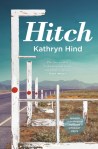 Kathryn Hind: Believes her senses were heightened because she started writing in England, when she was missing Australia. She couldn’t do physical research so would “drop a pin on map”. She named real places. She didn’t feel she had to capture exact their reality, but the timings of Amelia’s journey had to be right. I love that she used online traveller reviews to inform herself. For example, a review of a hotel in a little town mentioned being kept awake by trains shaking the walls at night. She used that! She wanted to truly test Amelia to bring out her strength.
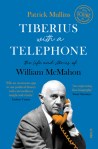 Then it was Patrick Mullins. He was tricky in terms of “place”, so Alberici asked him about the title. Mullins admitted that his publisher chose it – using Gough Whitlam’s description of McMahon’s scheming by telephone. Mullins’ own title is the subtitle. Alberici asked if he had any cooperation from the family. None, said Mullins, though he sent messages and did have coffee with one member. So, he couldn’t access the 70 boxes of McMahon’s papers at the Archives. He understood, he said. Children of politicians have crappy lives, and, anyhow, it freed him from feeling beholden to the family. Silly family, eh? Fortunately, he had access to one of McMahon’s autobiography ghostwriters who had seen the papers. The most startling revelation, he said, responding to another question from Alberici, was that McMahon was “more admirable than we would have thought”. He racked up several significant achievements, including taking us to the OECD, and showed impressive persistence/resilience.
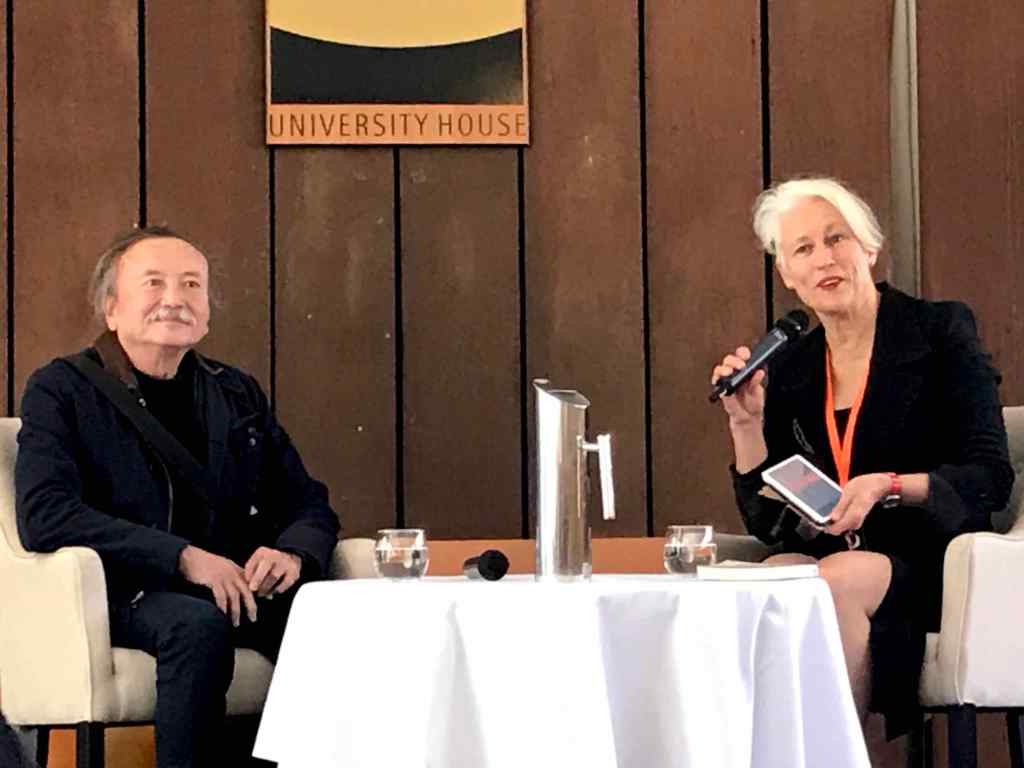
 PM’s Pick, featuring the multi-award-winning Brian Castro, was another must-attend session. The night before, while dining at Muse, I checked to see whether they had any Castro in their classy little bookshop. They did, including a second-hand copy of his fourth novel, After China. I snapped it up, and as I did, bookseller Dan reminded me that he’s “very literary”. I know, I said! He is also very reclusive, making this a not-to-be missed session. And it was free, my original payment being refunded when they found a sponsor. Woo hoo!
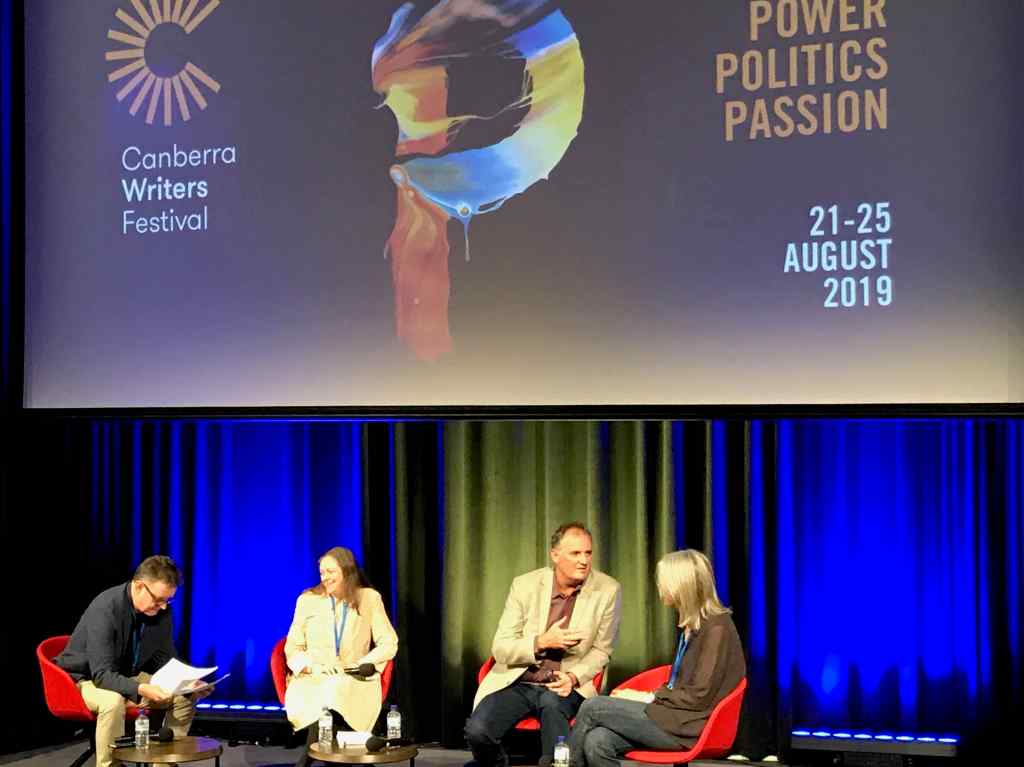
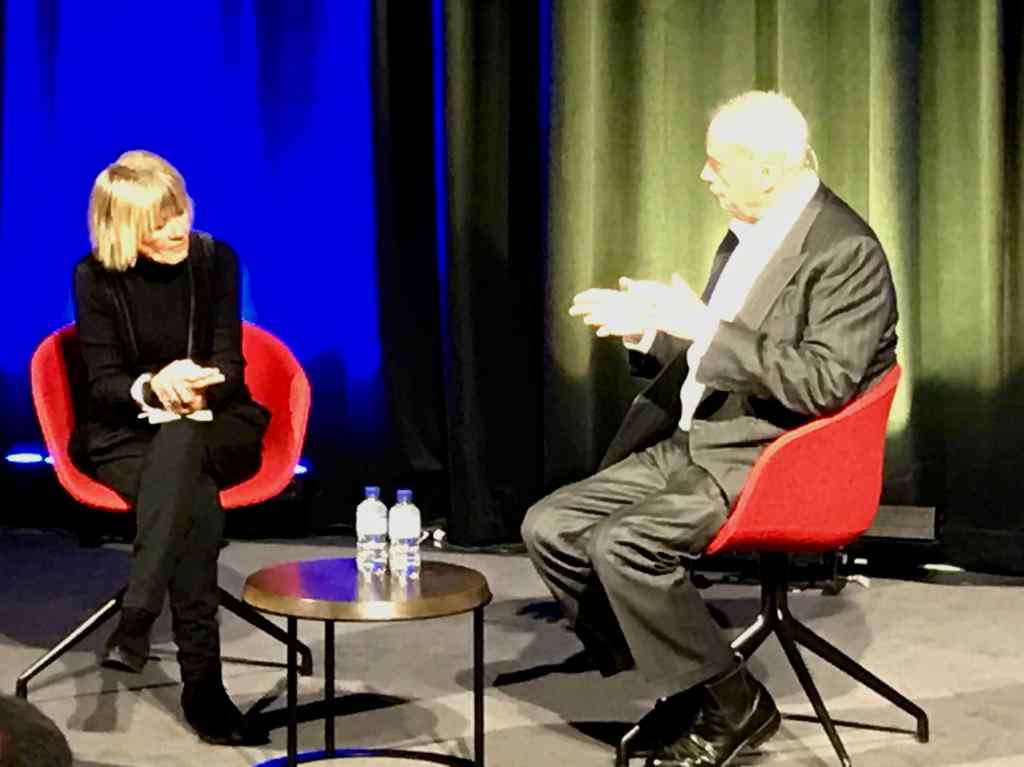
 Castro conversed with local ABC radio presenter Genevieve Jacobs. It was a smallish audience, and a quiet conversation, but provided some fascinating insights.
 Now, I should say a little about Blindness and rage. Inspired by Virgil, Dante (the 34 cantos of his Inferno), and Pushkin’s Eugene Onegin, it tells the story of writer Lucien Gracq who, told he is terminally ill, goes to Paris to finish the epic poem he’s writing and to die there. He joins a secret writers’ society, Le club des fugitifs, which only dying writers can join. It publishes an author’s last unfinished work, but not in his/her name. This reflects Castro’s own view that the work is all, the writer doesn’t matter! He doesn’t think fame helps anything.
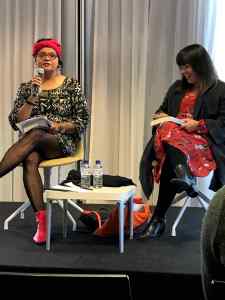 Today was the day I was able to devote to fiction writers. There were still clashes, but there was never any doubt that I would attend this Tara June Winch session, even though it meant missing a panel featuring Charlotte Wood, Brian Castro, and Simon Winchester. Why were these scheduled opposite each other?! The Festival-goers complaint! Anyhow, fortunately, as you’ll see, I did get to hear Brian Castro too; and I have seen Charlotte Wood before and did see Simon Winchester in
 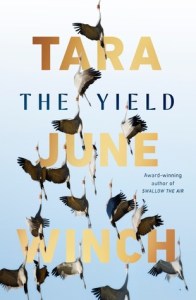 Winch explained The yield’s genesis. Ten years in the writing, it was inspired by a short course she did in Wiradjuri language run by Uncle Stan Grant Sr (father of Stan Grant whom I’ve
 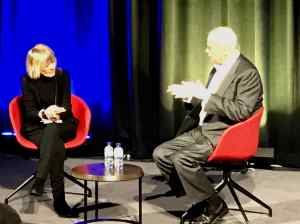 It’s a curious thing, isn’t it? When I write my book reviews, I spend very little time on the content, focusing mostly on themes, style and context, but when I write up festivals and other literary events I find it hard to be succinct about the content. Perhaps this is because I can always go back to the book to check something, while these events are fleeting. Once they’re gone, they’re gone, so I want to capture all I can. Of course, many events these days end up as podcasts, but you can’t be sure how long they’ll be there. Anyhow, that’s my excuse and I’m sticking to it …
 Pomeranz began, it seemed to me, by wanting to focus more generally on book-to-film adaptations, but Beresford focused, not surprisingly I suppose given the session topic, on The women in black/Ladies in black.
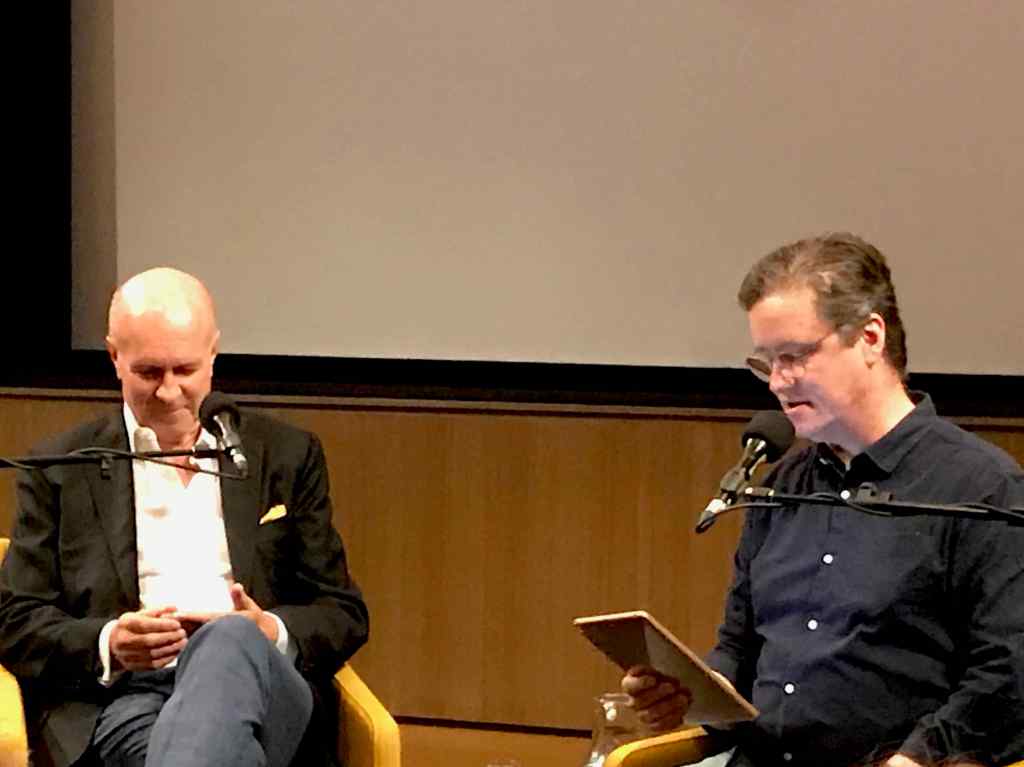
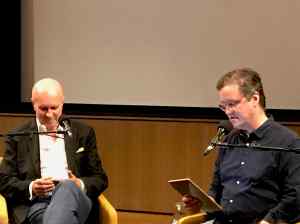 And then it was time to hop into the car, and drive over the lake for the sold-out session (as indeed was my first session of the day), Simon Winchester in conversation with Richard Fidler. There was no time for lunch!
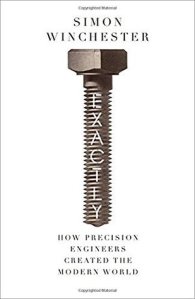 First though – oh oh, will I still be able to keep this short – the book is cleverly (though probably still chronologically) structured according to increasing levels of precision (or, to put it another way, decreasing levels of tolerance.) So, Chapter 1 is Tolerance 0.1, Chapter 2 is 0.0001, right up to Chapter 9, the second last chapter, which is a mind-boggling: 0.000 000 000 000 000 000 000 000 000 000 000 01! We are talking precision after all!
 Whispering Gums