A big thanks to Lisa (ANZLitLovers) whose post on the Autumn Book Binge brought it to my attention. I knew immediately that I had to post on it – albeit with a little change, as you will see.
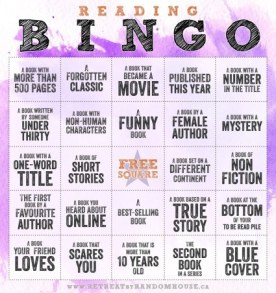
The Autumn Book Binge (love the wordplay on “bingo”) is being run by the State Library of Victoria. It involves reading (or listening to) a book of your choice for each of the categories on the bingo (oops, binge) card. What a great idea for this autumn (or, northern spring) given COVID-19 and the consequent encouragement for us all to social distance – no punishment for readers!

The Binge is explained here. Victorians can pick up a Challenge Card from participating libraries, while anyone can download it here. The formal “game” runs over our downunder autumn, that is, from 1 March to 31 May 2020.
As Lisa has done in her post (linked in my opening sentence), I am going to list the categories with suggestions from books I have read (with links to my reviews on the titles). I’m limiting myself to five options for each. Here goes …
Set in the ACT
This is where I’ve made my change. This Book Binge is a Victorian challenge, so its category is “set in Victoria”. To play the game to win the prizes, you need to choose a Victorian-set book, but you must be Victorian-based to win. If you’re not, I suggest you make this box your own jurisdiction. (Sorry Victoria!)
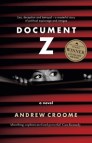 Andrew Croome’s Document Z
- Julian Davies’ Call me
- Dorothy Johnston’s The house at number 10
- Lesley Lebkowicz’s The Petrov poems
- Frank Moorhouse’s Cold light
Recent releases (published in the last 12 months, more or less!)
I’m nominating only Australian writers because they need all the airing they can get:
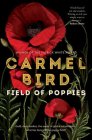 Carmel Bird’s Field of poppies
- John Clanchy’s In whom we trust
- Madelaine Dickie’s Red can origami
- Nigel Featherstone’s Bodies of men
- Karen Viggers’ The orchardist’s daughter
Other lives (biography about someone who inspires you)
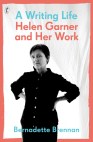 Bernadette Brennan’s A writing life: Helen Garner and her work
- Sarah Krasnostein’s The trauma cleaner: the subject, Sandra Pankhurst, is not famous, unlike the others here, but is inspirational for her warmth and empathy despite her own traumas.
- Karen Lamb’s Thea Astley: Inventing her own weather
- Hazel Rowley’s Franklin and Eleanor: An extraordinary marriage
- Michelle Scott Tucker’s Elizabeth Macarthur: A life at the edge of the world
In translation
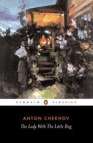 Anton Chekhov’s The lady with the little dog (Russian, translated by Ronald Wilks)
- Raphaël Jerusalmy’s Evacuation (French, translated by Penny Hueston)
- Valeria Luiselli’s Faces in the crowd (Mexican, translated by Christina MacSweeney)
- Sayaka Murata’s Convenience store woman (Japanese, translated by Ginny Tapley Takemori)
- WG Sebald’s Austerlitz (German, translated by Anthea Bell)
Fact to fiction (fiction based on true stories)
 As with translation above, I have aimed here to traverse the globe.
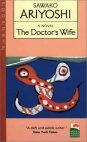
- Sawako Ariyoshi’s The doctor’s wife (Japan)
- Hannah Kent’s Burial rites (Iceland)
- Elizabeth Kuiper’s Little stones (South Africa)
- Janet Lee’s The killing of Louisa (Australia)
- Hilary Mantel’s Wolf Hall (England)
Book to screen
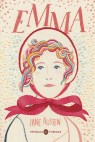 Jane Austen’s Emma (my posts, one, two and three): this category could be filled with Austens but I’ve just chosen Emma because it’s the most recent adaptation I’ve seen.
- Alan Bennett’s The lady in the van: adapted beautifully with Maggie Smith in the title role
- EM Forster’s Howard’s End: adapted to film in 1992 and a more recent television miniseries in 2017
- Pierre Lemaitre’s The great swindle: English film title, See you up there
- Madeleine St John’s The women in black: filmed as The ladies in black
Beastly titles (with animals in the title)
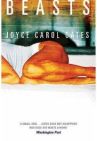 Joyce Carol Oates’ Beasts
- William Lane’s The salamanders
- Gillian Mears’ Foal’s bread
- Mario Vargas Llosa’s The feast of the Goat
- Evie Wyld’s All the birds, singing
Other worlds (set in an alternate world to your own)
 I think I can interpreted this to mean anything not my contemporary Australia, so I’ve chosen a wide variety of worlds, from the mythical past to dystopian futures.
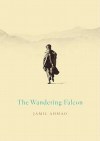
- Jamil Ahmad’s The wandering falcon (set in the multi-tribal region on the borders of Pakistan, Afghanistan and Iran)
- Jorge Amado’s Gabriela, clove and cinnamon (set in 1920s Brazil)
- Margaret Atwood’s The Penelopiad (set during the mythical time of Odysseus)
- Claire G Coleman’s Terra nullius (dystopian)
- Annabel Smith’s The ark (dystopian future, set in seed bank set not far from where I live)
Aboriginal and Torres Strait Islander writers
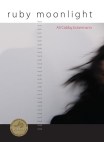
I’ve focused on fiction for this list, but click here for all my posts on Indigenous Australian literature.
- Ali Cobby Eckermann’s Ruby Moonlight
- Melissa Lucashenko’s Too much lip
- Kim Scott’s That deadman dance
- Ellen van Neerven’s Heat and light
- Tara June Winch’s Swallow the air
And there you have the nine categories, with selected recommendations from me. (Not all are Australian, but this is an Australian library’s initiative, qualifying it for Monday Musings!) You can take part in the discussion, whether or not you are Victorian, but if you do, please use the hashtag #AutumnBookBinge.
Will you take part in any way?
 Whispering Gums