Well, I am back down south, experiencing a colder than average start to the winter, which I do NOT like. However, I do like the Six Degrees meme, so let’s get straight to it. If you don’t know how this #SixDegrees meme works, please check Kate’s blog – booksaremyfavouriteandbest.

The first rule is that Kate sets our starting book. This month, for the first time this year, it’s one I’ve read, Michelle de Kretser’s Theory & practice (my review). It won the 2025 Stella Prize, and has been shortlisted for this year’s Miles Franklin Award, which are both significant literary awards in Australia. Fundamentally about “the messiness of life, it also challenges us with its form, which mixes fiction, essay and memoir in a way that also nods a little to autofiction.
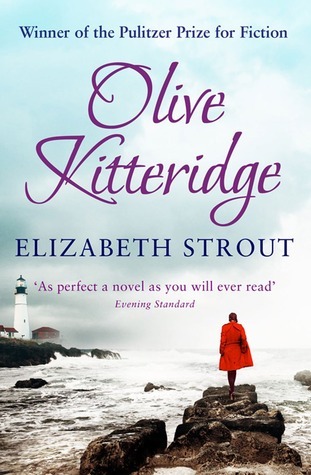
Another novel with an interesting, though not quite so innovative, form, and which could also be said to deal with the messiness of life is Elizabeth Strout’s Olive Kitteridge (my review). Here, the form is connected short stories. In some stories, protagonist Olive is front and centre, but in others she makes a cameo appearance or is only briefly referenced, which makes the novel almost as much about place and community as it is about Olive.
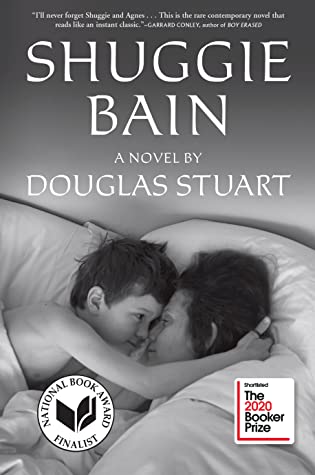
My next link is is to a novel that is also named for its protagonist, and that happens to be about some very messy lives too, Douglas Stuart’s Shuggie Bain (my review), although the focus is a dysfunctional family rather than a wide community.
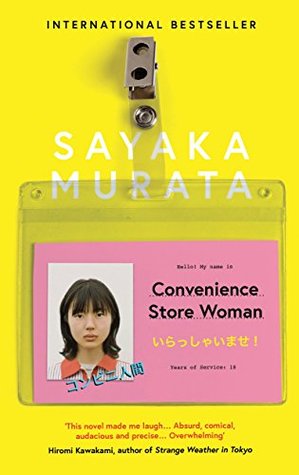
All the books I’ve named to date have been award-winners – de Kretser won the Stella, Strout the Pulitzer and Stuart the Booker. So, perhaps my next link should also be to a prize-winner, but of a different prize again. How about Japan’s best known prize, the Akutagawa Prize? The winner I am choosing is also named for its protagonist, but not by her name. I’m talking Sayaka Murata’s Convenience store woman (my review). It explores a sort of dysfunction but one that stems from society’s expectations of what is “normal” behaviour.
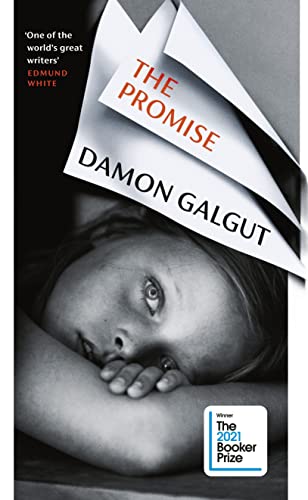
So, let’s look at normality. In my post on Damon Galgut’s The promise, I referenced its epigraph in which Fellini reports being asked, “‘Why is it that in your movies, there is not even one normal person?’”, and I suggest that this challenges us to consider what is normal. I believe Galgut, with his motley cast of characters wants readers to understand “normality” as a broad church. But, of course, the novel, set in post-Apartheid South Africa, is about much more than that. (Oh and The promise is a Booker Prizewinner.)
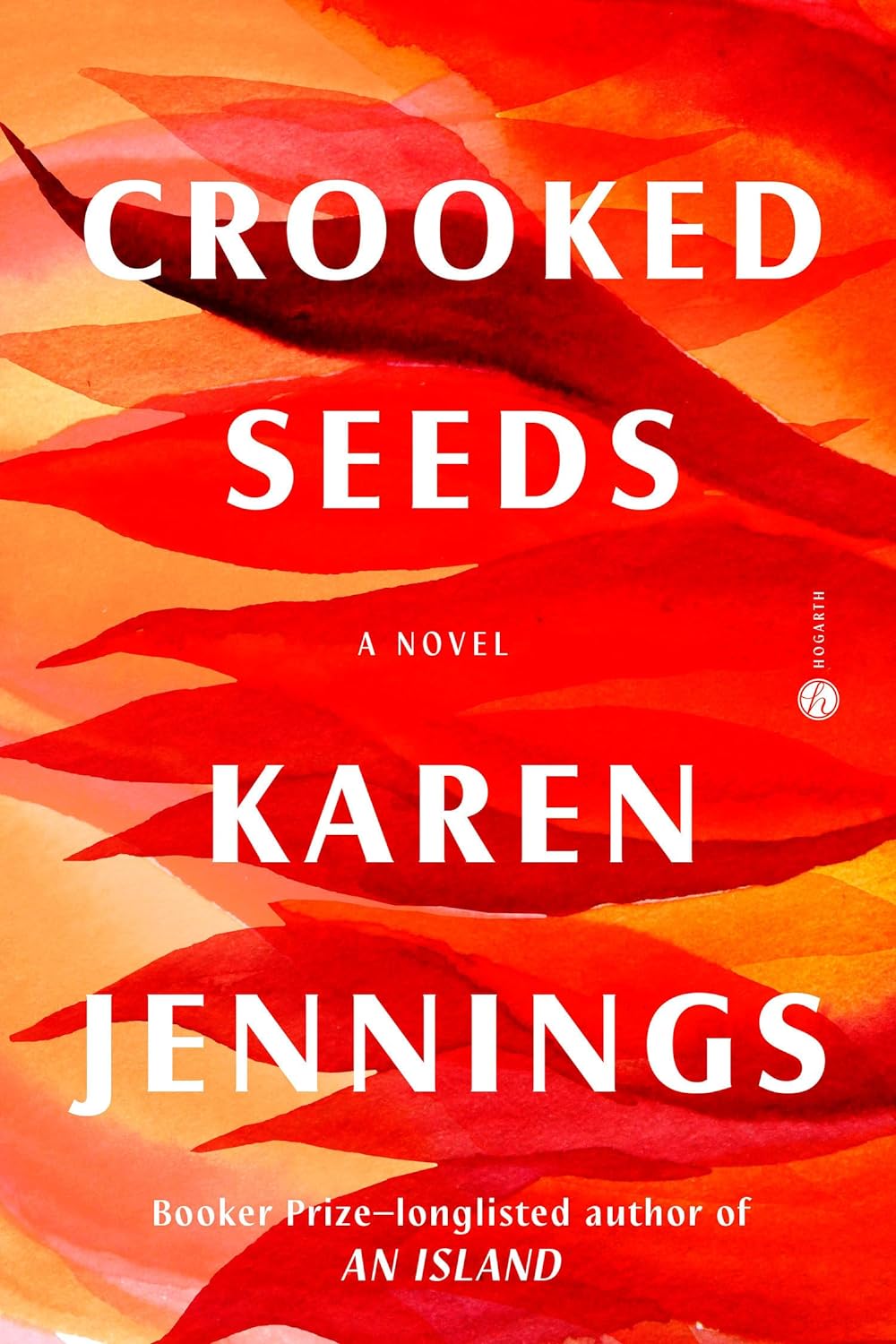
So now I’m going to leave award-winners but stay in post-Apartheid South Africa with Karen Jennings’ novel Crooked seeds (my review). It is about a challenging, self-pitying white character who can’t see beyond her own miseries, but who also seems to represent white, privileged South Africans who see themselves as victims in the post-Apartheid world. I described the novel as “a personal story with a political heart”. Crooked seeds is not an awardwinner, but it was longlisted for The Women’s Prize.

And now, to conclude, I’m going to remain in post-apartheid South Africa, but with a book written by an Australian, Irma Gold’s Shift (my review). I could also call this “a personal story with a political heart”. However, here, while our protagonist is a white Australian male, the setting is in the black South African community of Kliptown in Soweto. Shift explores how this community is surviving, or not, in a political environment in which the post-Apartheid promises of freedom have not eventuated – at least not yet. Will they ever? Shift has not won any awards, but was only published this year. I hope to see it on next year’s award lists.
So, all of this month’s books have contemporary (or near future) settings, but around the world – Australia, Scotland, Japan and South Africa. Four of the authors are women. I’m not sure I can link back to the opening book except that both authors are Australian writers, and both do explore in some way the relationship between art and life.
Have you read Theory & practice and, regardless, what would you link to?









 Whispering Gums
