Recently, I posted on the shortlist for the Barbara Jefferis Award, which has a very specific goal concerning the depiction of women and girls in a positive way or in a way that empowers the status of women and girls in society. Today, I’m sharing another shortlist for another award with a specific focus. The award is the Mark and Evette Moran Nib Literary Award and its focus is “Australian research-based literature”. It is offered through a municipal council, the Waverley Council in Sydney, which also makes it unusual.
Like the Barbara Jefferis award, and indeed the Stella Prize, this award is not limited by genre or form – that is both fiction and non-fiction are eligible. The judging is based on “on literary merit, research, readability, and value to the community”. I have written about it before, so if you are interested in its origins and intentions please check that link. Previous winners include historians Alison Bashford and Claire Wright, biologist Tim Low, novelists Helen Garner and Delia Falconer, and journalist Gideon Haigh.
Last year, the winner’s prize doubled in value from $20,000 to $40,000, due “to an ongoing multiyear commitment by the award’s principal sponsors, Sydney philanthropists, Mark and Evette Moran, Co-Founders/Co-CEOs of the Mark Moran Group”. This makes it a significant prize. There is also a People’s Choice Prize of $4,000 and the six shortlisted books receive $1,500 each.
The judges for the 2024 award are poet Jamie Grant, publisher Julia Carlomagno, and writer Angela Meyer (whom I’ve reviewed a few times here). They narrowed the shortlist to 6 books, from 175 submissions. The announcement quotes them as saying:
“We were impressed with the breadth and calibre of this year’s entries, which ranged across genres, forms and styles. The six chosen books cast a lens both global and intimate, exploring issues of gender, class, nation and family, and emphasising the importance of community. We congratulate all the shortlisted authors.”
The 2024 shortlist
Shauna Bostock, Reaching through time: Finding my family’s stories (Allen & Unwin, First Nations family history)
Deborah Conway, Book of life (Allen & Unwin, memoir, kimbofo’s review)
Ryan Cropp, Donald Horne: A life in the lucky country (La Trobe University Press, biography, Lisa’s review)
Anna Funder, Wifedom (Hamish Hamiliton, biography, my review)
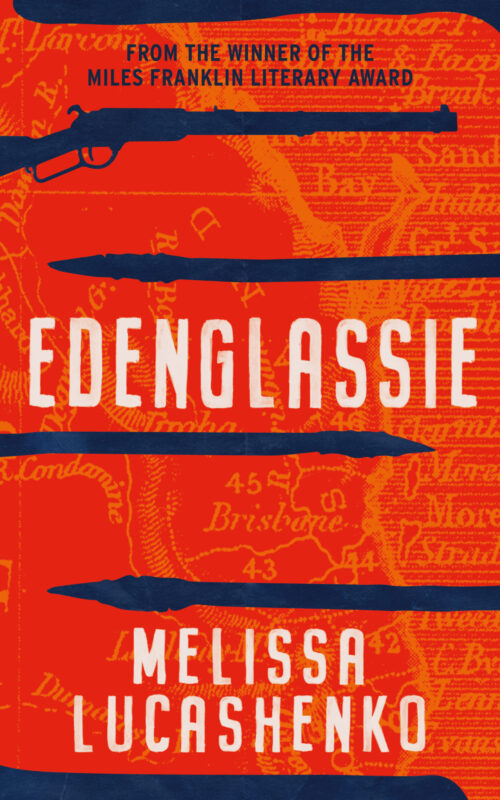
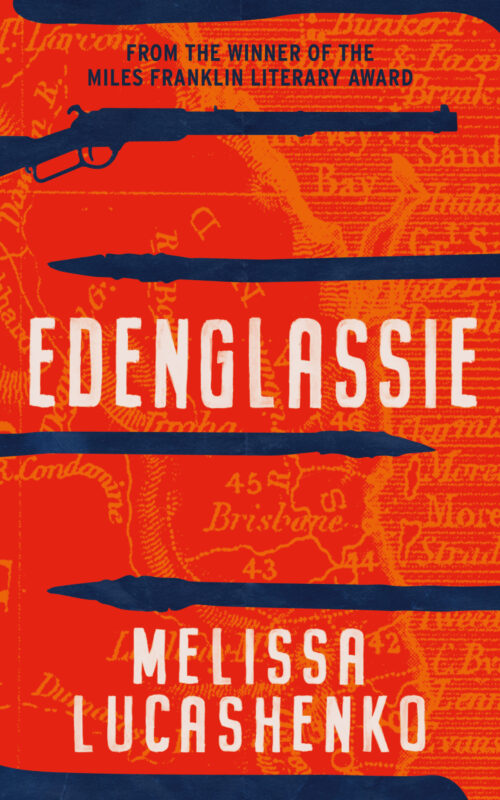
Melissa Lucashenko, Edenglassie (UQP, historical fiction, my review)
Dave Witty, What the trees see: A wander through millennia of natural history in Australia (Monash University Press, ecoliterature/nature writing)
As commonly happens with this award, life-writing features heavily in the shortlist. Like last year, there is just one work of fiction. But, unlike some years, I’m pleased to have read two of the shortlist!
If you wish to vote for the Nib People’s Choice Awards, you can do so from now until 17th October, so click here to register your choice. For more information on the award overall, check out Waverley Council’s announcement.
The winner of the overall prize and the People’s Choice Award will be announced on 27 November.
I didn’t report on this biennial award in 2022, but with the 2024 shortlist just having been announced, and my having read half of them, I am reminding us all again of this interesting award. Worth $50,000, this award, for those of you who don’t remember it, has very specific criteria:
“the best novel written by an Australian author that depicts women and girls in a positive way or otherwise empowers the status of women and girls in society”.
What this means is that it is not the sex of the writer that’s relevant here (nor, in fact, the genre). This award is for books about women and girls – and so can be written by anyone of any sex – but they must present women and girls in a positive or empowering way. I wrote a Monday Musings post about this “positive or empowering” requirement a few years ago.
This year’s shortlist of six books are all by women, but you’ll see that a male writer, Tony Birch, is among the highly commendeds.
Melissa Lucashenko, Edenglassie (University of Queensland Press) (my review)
Miranda Riwoe, Sunbirds (University of Queensland Press)
Sara M Saleh, Songs for the dead and living (Affirm Press)
Lucy Treloar, Days of innocence and wonder (Pan Macmillan Australia)
Charlotte Wood, Stone Yard devotional (Allen & Unwin) (my review)
This year, the judges also named three Highly Commended titles:
Tony, Birch, Women & children (University of Queensland Press)
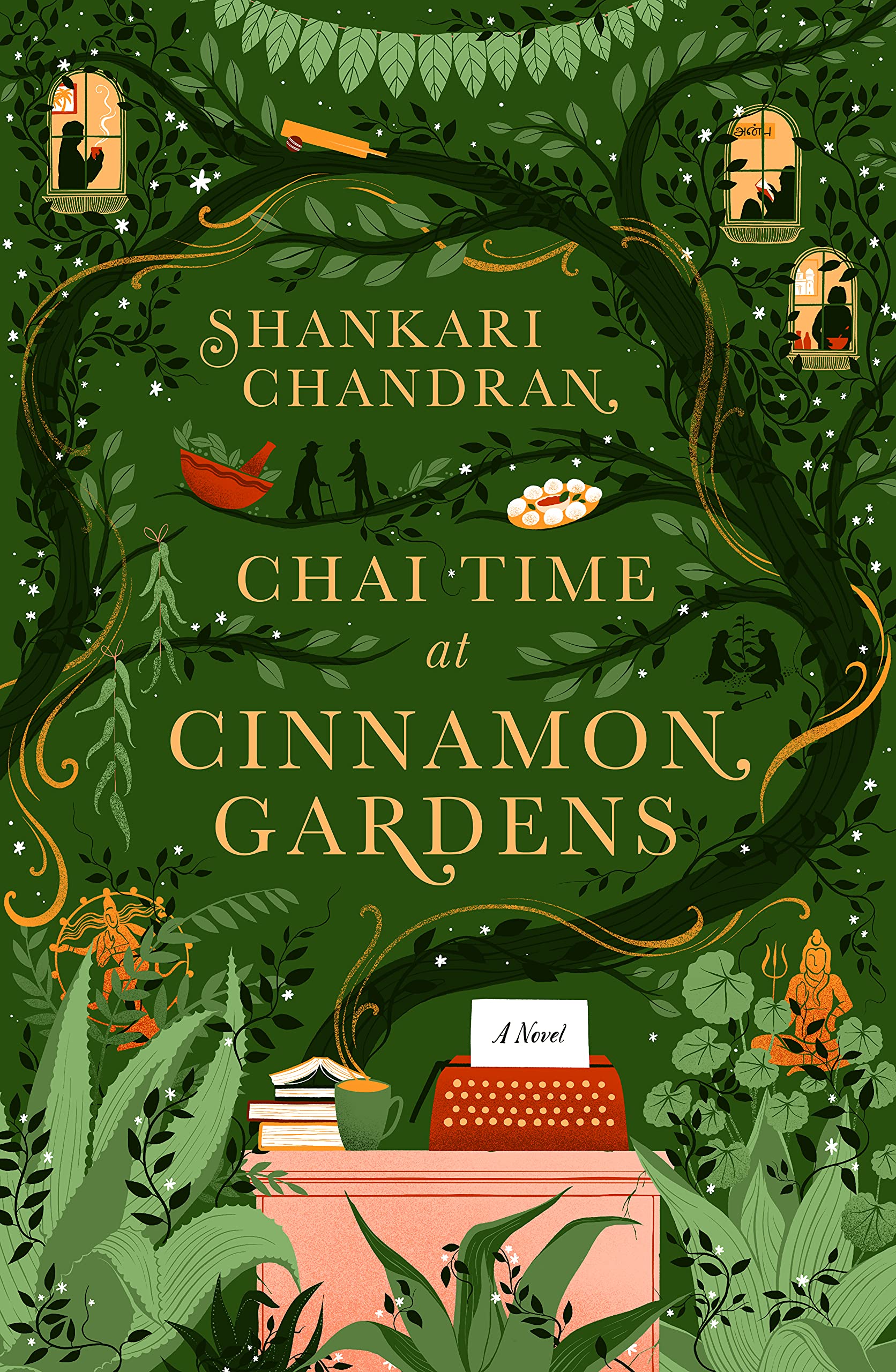
Shankari Chandran, Chai time at Cinnamon Gardens (Ultimo Press) (my review)
Katerina Gibson, Women I know (Scribner)
The judging panel for the 2024 Barbara Jefferis Award comprises Hannah Kent (Chair), Jennifer Mills, and Melanie Saward. You can read the full judges’ comments on their decision and the individual books on the Australian Society of Authors website, but overall they said that:
“The many entries to this year’s prize reflected a healthy diversity of genre, form, settings and narratives. Common to many were themes of migration and exile, resilience and recovery from trauma, social isolation and renewed connection, thwarted ambition, and violence against bodies and minds. The representations of women and girls were varied and often original. We would welcome more expansive representations of gender diversity. […]
We found all six books deeply affecting, and many highly memorable for their unswerving demands for social justice and reclamations of power. We would like to extend our congratulations to their authors.”
They did make an interesting observation that “few writers focused on the future” and “wondered whether this revealed a wider desire for, and interest in, historical reckoning for this country”. Could be so. Having just spent two weeks in outback Australia, I sense some movement in understanding of what our dispossession of land has meant for our First Nations people. But so much has been lost and needs to be recovered, and progress in reconciliation seems very slow. Easy for a city-slicker to say, I do appreciate, but my heart tells me it has to be said.
The winner will be announced on 13 November 2024.
Apologies for the quick post, but I do like this award, and wanted to share it. However, I am on holidays still, and time is short.
I do think it’s jumping the gun, rather, to be listing best books of a century when that century is barely a quarter through! However, it seems that critics and reviewers around the world are giving it a go, including the esteemed New York Times, so who am I to quibble? Certainly Readings Bookshop and The Conversation, motivated by the non-inclusion of even one Australian book in NYT’s list, decided they wouldn’t. And, after all, what reader doesn’t love a list?
That said, listmakers rarely agree with each other, neither in their actual lists, nor in their approach to making their list. Some take it deadly seriously, and do their best to produce something authoritative (however you define that) whilst others see, perhaps, that authoritative lists in artistic/creative endeavours are not possible so take a looser approach. So it seems to be here. Readings, for example, asked members of the Australian literary community to nominate their best Australian books of the 21st century, and created a ranked top 30. The Conversation, on the other hand, asked 50 Australian literary experts for their top pick, and they listed all 50, starting with the books that had the most “top pick” nominations. Their experts were allowed to identify two honourable mentions. These “mentions” are not included in the list, but they are in the pickers’ comments. (Check out the lists, including NYT’s, at the end of the post.)
In The Conversation’s list, five of the 50 books were nominated by more than one expert, and they are listed first, but this is not a ranking they say – and perhaps that’s a fair point given their survey was very small. So, their list is indicative rather than thorough in any way, but indicative is still interesting:
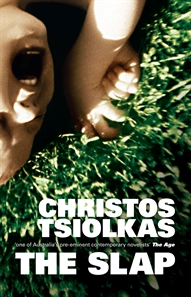
Three books by First Nations authors, and four by women writers. Interesting. Some authors appear more than once in the list, including, obviously Alexis Wright, whose The swan book is also in the list, but also Kim Scott and Fiona McFarlane. Theirs is a diverse list reflecting the diverse experts, and that makes it a “good” list to me, because it will speak to different readers.
For me, the most significant book published anywhere this century is Carpentaria (2006). Wright’s larger-than-life, all-too-human characters enact their dreams across a vast tract of earth, water, sky and the “alltimes”. The writing crackles. In this story of Country, ancestral voices offer wisdom and hope. (Nicholas Jose)
Readings’ list on the other hand was drawn from 600 “votes” from members of the Australian literary community – writers, publishers, and Readings’ own booksellers. They were asked “to nominate their favourite Australian books, published since 2000”. I don’t know whether 600 people nominated one book each or whether some nominated one and others more. Whatever method Readings used, they came up with a ranking, presumably based on the number of times each book was nominated. Their top 5 is:
A more popular list, dare I say, than The Conversations’, which is not surprising given its genesis in a bookseller. I have read all of these. Indeed, it’s not until no. 15 on their list – the Garner that also appears in The Conversation’s list – that I hit a book I’ve not read.
Conclusion
Jason Steger wrote about these three lists in his most recent weekly email. He explained that NYT’s aim was to “take a first swing at determining the most important, influential books of the era”. Which of those will still be there in 75 years time? Care to take a guess? You may as well go out on a limb as I’m assuming most people reading this post will not be here on 1 January 2100 to say “I told you so”, or not, as the case may be!
With a certain event happening in Paris, and other parts of France at the moment, I thought it would be fun to briefly explore, some literary connections between Australia and France. I say “some” because there’s no way I could know, let alone list, all the ways in which our countries have connected over the years through literature. My aim, instead, as I often do in Monday Musings, is to introduce the topic with some ideas and let you all do the rest.
Settler Australia’s connection with France starts right back at the time of the arrival of the British in 1788, when French explorer Jean François de Galaup, comte de Lapérouse, and his expedition, met Captain Phillip’s First Fleet in Botany Bay in January 1788. After spending a few weeks in the settlement, the French left, and, as Wikipedia reports, “neither he nor any members of his expedition were seen again by Europeans”. In early 1801, another French explorer, Nicholas Baudin, led an expedition to map the coast of New Holland, as Australia was called back then, not leaving until July 1803. During this time they met Matthew Flinders’ expedition which was also charting the coast. Baudin stopped in Mauritius en route home, and died there of tuberculosis.
These were just the start of many links between France and Australia over time. Some have been negative (often military in origin, like nuclear testing and a certain submarine cancellation) and some positive (mostly cultural, like the work of Alliance Française and an interesting organisation called ISFAR, or Institute for the Study of French-Australian Relations), but overall there are strong and continuing connections. After all, who can resist some French pastries with their coffee?
Now, though, my main point, literature …
Australian novels set in France
Australians being the travellers they are, it’s not surprising that our novelists sometimes set their stories in places other than Australia, like, say, France, albeit their reasons vary as greatly as their novels. War is one reason characters find themselves in France, and work is another, while for others it is travel, or study, or following lovers. Many of the novels I list here are not fully set in France, but all spend some time there – and they are almost all from this century.
Diana Blackwood’s Chaconne (2017, my review): starting in Cold War Paris, about a young Australian who goes to Paris for love only to find it’s not what she expected.
Michelle de Kretser’s The life to come (2017, my review): a big novel about contemporary social issues including emigration and personal challenges, one of its five parts is set in Paris.
Alan Gould’s The lake woman (2009, my review): a “romance” involving an Australian airman who parachutes into a lake in France just before D-Day.
Marion Halligan’s The golden dress (1988, read before blogging): multigenerational novel set in Newcastle, Paris and Sydney.
Marion Halligan’sValley of Grace (2009, my review): set wholly in contemporary Paris, and about fertility, babies and children.
Anita Heiss’ Paris dreaming (2011, my review): one of Heiss’ “choc lit” books about professional First Nations’ women, this one about a young art curator mounting an Indigenous Australian art exhibition in Paris.
Mark Henshaw’s The snow kimono (2014, my review): a mystery set mainly in mid-late 20th century Paris and Japan about two men, their fractured lives, lies and memory.
Katherine Johnson’s Paris savages (2019): historical fiction based on the true story of three Badtjala people from Queensland’s Fraser Island, who, in 1882, were taken to European cities, including Paris, as ethnographic curiosities.
Mary Rose MacColl, In falling snow (2013): historical fiction about an elderly woman in 1970s Australia reflecting on her life as a nurse in France during WW1.
David Malouf’s Fly away Peter (1982, read before blogging): about three very different Australians, and the impact on them of their experience of WW1 in France.
Alex Miller’s Lovesong (2009, my review): the love story of Sabiha and John who met in Paris, told to a writer in Melbourne, who ponders the art and responsibilities of storytelling.
There are also Australian short story collections which contain stories, sometimes just one, set in or referencing France, including Emma Ashmere’s Dreams they forgot, Irma Gold’s Two steps forward, Paddy O’Reilly’s Peripheral visions, and Tara June Winch’s After the carnage.
Australian novels written or published in France
Too many Australian novels have been translated into French over the years, so here I’m sharing some different examples of connections that can happen.
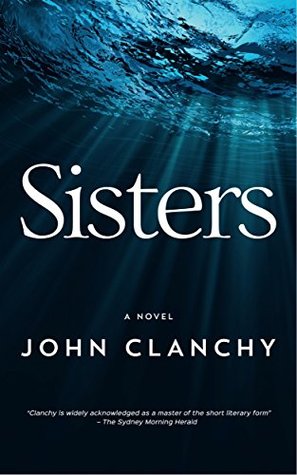
Writers’ retreats are loved by many writers for the opportunity they provide for dedicated, uninterrupted writing time, but not many Australian writers get to do so in France. This however is what John Clanchy did in 2008. His novel Sisters (2017, my review) was originally drafted at the La Muse writers retreat in southern France, and was later published by the retreat. The retreat is open to all sorts of creators, besides writers.
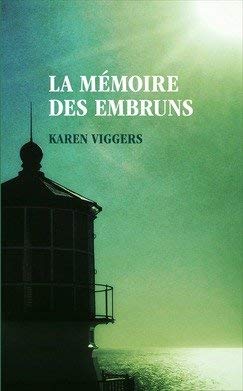
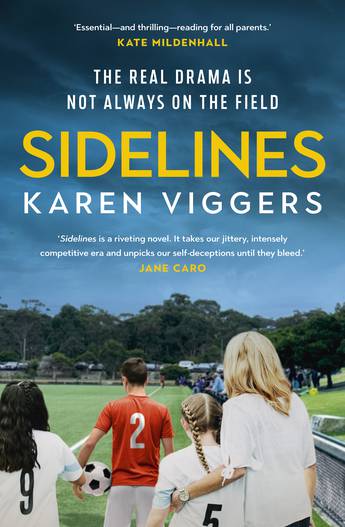
When it comes to translation, a highly successful contemporary Australian writer is Karen Viggers (see my posts). She is a bestselling author in France, with her novel The lightkeeper’s wife having also been awarded the Les Petits Mots de Libraires literary prize. Her latest novel (her fifth) is being translated. On why she is so popular in France, she says that they love her “big landscapes”. Most of her novels have strong environmental themes and are set in gorgeous Australian landscapes. (She has a French page on her website.)
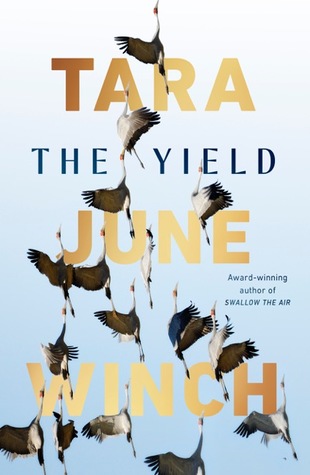
Then, in a different again example of Australia-France literary connections, there is Wiradjuri author Tara June Winch who moved to a French country town when, as a young woman in her 20s, she found herself caught up in the Andrew Bolt “It’s so hip to be black” discrimination case. She withdrew from the legal action taken by several First Nations Australian identities, and disappeared from view for some years, during which, living on her French farm, she wrote her award-winning novel The yield (2020, my review). As far as I know, she is still based in France.
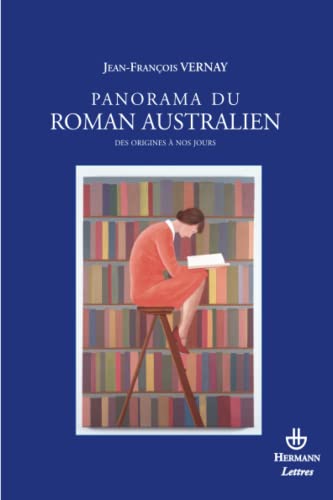
Different again, but still relevant, is Noumea-born Jean-François Vernay, whose somewhat quirky book about Australian novels, Panorama du roman Australien, was published in France in 2009. (It was later revised and expanded, and published in Australia as A brief take on the Australian novel, on my TBR).
Finally, there is our lovely French blogger, Emma (bookaroundthecorner) who includes Australian books in her reading diet, giving our often strange idioms her very best shot.
Now, you know what to do – share your love of bookish France.
For what it’s worth, given I’ve not read any of them, here is the Stella Prize shortlist. The announcement I received via email this morning describes it as comprising:
a diverse mix, featuring novels, memoir and an essay collection. Three of these works are by debut authors, showcasing fresh voices in Australian literature.
To summarise from my longlist announcement, this year’s judges are writer, literary critic, Artistic Director of the Canberra Writers Festival and this year’s chair, BeeJay Silcox; Filipino-Australian poet, performer, arts producer, and advocate, Eleanor Jackson; First Nations award-winning poet and arts board member, Cheryl Leavy; noveslist, occasional critic and full-time dad, Bram Presser; and writer and historian, Dr Yves Rees.
The shortlist
Here is the list, in alphabetical order by author, with brief comments from the judges (found on the Stella website’s page for each book, linked on the title):
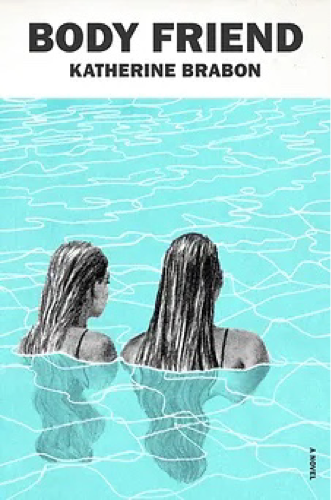
Katherine Brabon, Body friend (novel): “a novel of experiential heft and eloquence, which gives shape to the complexities of chronic pain”
Emily O’Grady, Feast (novel) (Kate’s review): “told from the perspectives of three connected women, Feast reminds us not so much to be wary of unreliable narrators, but of the deep subjectivity of moral value.”
Hayley Singer, Abandon every hope (essays): “experimental and jostling in its use of poetic, lyric, academic and reflective writing styles, this book grapples with the industrial meat complex”
So four novels, and two works of nonfiction. No poetry on this year’s shortlist. I have added a couple of reviews from my blogger friends, including Bill’s for Praiseworthy (which was also included in my Longlist post). Kate, as you will have seen, has managed to read two of them since the announcement. I am certainly interested in some of these.
PS: Darn it, I copied my longlist post and then edited the title incorrectly so it was published as “Stella Prize 2023 Longlist” not “Stella Prize 2024 Shortlist!! Shows how distracted I am.
Today’s post is not especially Australian, but it was published in Australian newspapers as a recommended list of “masterpieces” or classics for Australians to read. It is in that sense that I am posting it in my Monday Musings series!
The list was published in 1910, with the heading “Best novels: A short list of masterpieces of fiction”. It explains that “an American paper offers the following as an excellent though, of course, limited list of the best books for one to read”. The interesting thing is that the books are categorised. See what you think.
It was replicated in many newspapers but the one I used for this post, because it needed little editing (as I recollect), is from Victoria’s Elmore Standard of 12 February (accessed 10 July 2023).
The list
I have value added with the author’s name, as this – curiously – was not included. Sure, most people probably knew the authors of these classics, but that’s not the point. The authors deserve recognition! I’ve also added first publication date, for interest.
The best historical novel: Ivanhoe (Sir Walter Scott, 1820)
The best dramatic novel: The Count of Monte Cristo (Alexandre Dumas, 1844-46 serialised)
The best domestic novel: The Vicar of Wakefield (Oliver Goldsmith, 1766)
The best marine novel: Mr. Midshipman Easy (Frederick Marryat, 1836)
The best country-life novel: Adam Bede (George Eliot, 1859)
The best military novel: Charles O’Malley (Charles James Lever, 1841)
The best religious novel: Ben Hur (Lew Wallace, 1880)
The best political novel: Lothair (Benjamin Disraeli, 1870)
The best novel written for a purpose: Uncle Tom’s Cabin (Harriet Beecher Stowe, 1852)
The best imaginative novel: She (H. Rider Haggard, 1887)
The best pathetic novel: The Old Curiosity Shop (Charles Dickens, 1840-41 serialised)
The best humorous novel: The Pickwick Papers (Charles Dickens, 1836-37 serialised)
The best Irish novel: Handy Andy (Samuel Lover, 1841)
The best Scotch novel: The Heart of Midlothian (Sir Walter Scott, 1818)
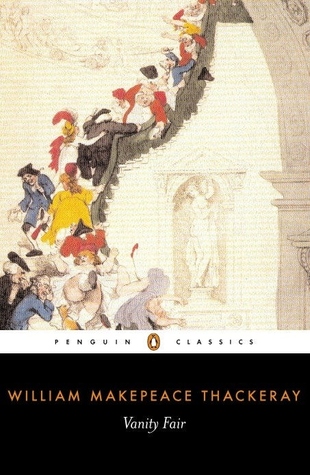
The best English novel: Vanity Fair (William Makepeace Thackeray, 1848)
The best American novel: The Scarlet Letter (Nathaniel Hawthorne, 1850)
The best sensational novel: The Woman in White (Wilkie Collins, 1859)
The best of all: Vanity Fair (William Makepeace Thackeray, 1848)
Don’t you just love these categories?
I’ve read some of these authors, but only a few of these particular books. Some I had to check who the authors were, like the author of Handy Andy. It is a male dominated list, though we do have George Eliot and Harriet Beecher Stowe, but what about Jane Austen! Ok, I’ll leave it there because my point is not to reconsider the list but share it as one reflection of the times, and what some American paper, apparently thought (though we don’t really know the provenance of the list).
All thoughts on any aspects of this list are welcome.
As has happened in the past, this week’s Monday Musings has been gazumped by the announcement this evening of the Stella Prize longlist. I attended the online streamed announcement from the Adelaide Festival Writers Week
As I say every year, I don’t do well at having read the Stella Prize longlist at the time of its announcement. In recent years the most I’ve read has been two (in 2019). This year, like the last two years I’ve read none, but a couple are on my TBR! Is the a start?
This year’s judges include one from last year, and some newbies, keeping the panel fresh as in Stella’s commitment: writer, literary critic, Artistic Director of the Canberra Writers Festival and this year’s chair, BeeJay Silcox; Filipino-Australian poet, performer, arts producer, and advocate, Eleanor Jackson; First Nations award-winning poet and arts board member, Cheryl Leavy; noveslist, occasional critic and full-time dad, Bram Presser; and writer and historian, Dr Yves Rees.
The longlist
Here is the list, in alphabetical order by author, not the order in which they were presented, and with a few scrabbled notes I made as I listened to the list being read out.
Katia Ariel, The swift dark tide (memoir)
Stephanie Bishop, The anniversary (novel): “genre fiction at is very best … as clever as it is delicious” (kimbofo’s review)
Katherine Brabon, Body friend (novel)
Ali Cobby Eckermann, She is the earth (verse novel)
Melissa Lucashenko, Edenglassie (novel): “triumph of characterisation … gives truth to state sanctioned violence” (Brona’s review)
Kate Mildenhall, The hummingbird effect (novel): “speculative fiction at its finest” tackling the issues of our age (Brona’s review)
Emily O’Grady, Feast (novel): “country house novel … be wary of deep subjectivity of moral value”
Sanya Rushdi, translated by Arunava Sinha, Hospital (novel): “unflinching and insightful work of autofiction”
Hayley Singer, Abandon every hope (essays): “no moral shrillness here”
Laura Elizabeth Woollett, West girls (novel): “a novel of sad girls that is the antithesis of sad girl novels”
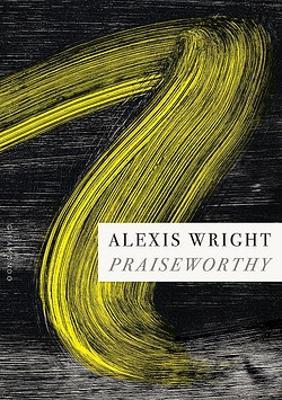
Alexis Wright, Praiseworthy (novel) (Bill’s second post): genre-buster, “fierce and gloriously funny – part manifesto, part indictment”
The panel discussion that followed the announcement was wonderfully engaging, with the judges (sans Bram Presser who was home looking after his kids), exploring the individual works, and looking at the “conversations between the books”, that is the ways the books intersected with each other in subject matter and form. They talked about how many of the books critique systems of power wielded over others, how many embodied the idea of the body, how climate change is addressed in different ways, and more. It was too much to capture and listen to at the same time. They talked about form, and how some books were true to form and were great because of that, while in others form was wildly broken (like Alexis Wright’s Praiseworthy). The books, they said, are powerful but without sentiment, asking instead for “the dignity of witness”. They are not hectoring, and many are deeply funny.
I am not going to say anything about the selection, because the Stella is such a wonderfully diverse prize that aims to encompass a wide range of forms and styles. There will always be choices we question. But, I will just say, because I can, that I’d love to have seen Carmel Bird’s Love letter to Lola(my review) recognised, because as they spoke about the books they read, I felt that Bird’s collection has the energy, the wit, the heart, and the awareness of “the issues of our age” that their selected books apparently also have. Did they even read it, I wonder?
Opening the session, Beejay Silcox said that the “heartbeat of Australian writing is here” and it’s damning that our writers cannot make a living from their craft. Amen to that.
You can write a different future and dream the culture forward. (end of the Panel discussion)
Over the last twelve months or so, The Conversation has published occasional articles titled “My favourite fictional character“. In each article the writer names a character and justifies their choice.
As far as I can tell, there have been six so far, and most have chosen non-Australian characters. The choosers and their choices have been:
Carol Lefevre, whose Murmurations I’ve reviewed: Ivy Eckdorf in William Trevor’s O’Neill’s Hotel (1969), for her “crazed, compelling voice”.
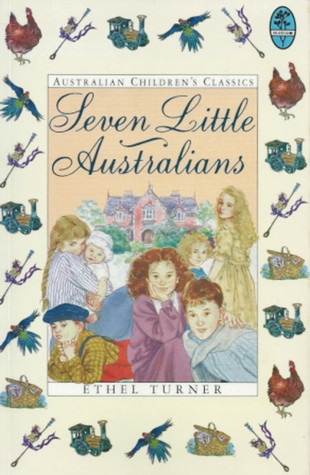
Edwina Preston, whose Bad art mother I’ve reviewed: Judy in Ethel Turner’s Seven little Australians (1894), who was “wild … equipped to conquer the world, but not to survive it”.
Melanie Saward: Queenie in Candice Carty-Williams’ Queenie (2019), who is “complex, funny, broken, fun”.
Jane Gleeson-White, whose book, Australian classics: 50 great writers and their celebrated works, is in my reference collection: Lyra in Philip Pullman’s Northern lights (1995) AND (she cheekily chose two) Lila Cerullo in Elena Ferrante’s My brilliant friend (2011), for being “half-wild, ‘too much’ heroines”.
Amy Walters, who was a blogger in the New Territory program: Esme Lennox in Maggie O’Farrell’s The vanishing act of Esme Lennox (2006), who “refuses to be the ‘perfect victim’ – even in an asylum”.
Alexander Howard: John Le Carré’s George Smiley (first appeared, 1961), who is “unattractive, overweight, a terrible dresser – and a better spy than James Bond”
If you are interested in their justifications, you can find all the articles at the link in my opening paragraph. I note that to date only Preston has chosen an Australian character. Also, her character is the only one from a bona fide classic, which surprised me a little. So far, there have been five female choosers to one male, and their choices have matched their genders. Telling?
Meanwhile, I’ll share a few (yes, I’m allowing myself a few) of my favourite Australian fictional characters. It’s a challenge not just because it’s always hard to choose favourites, or because “favourite” is a slippery concept, but because favourite characters don’t necessarily come from favourite books. Most do, but, for example, a longtime favourite novel of mine is Voss, but I wouldn’t say the characters were favourites.
I’m giving you my favourites in six random categories:
Favourite childhood character: Ethel Turner’s Judy in Seven little Australians. I’m with Edwina Preston. How could any red-blooded Australian girl not want to be the brave, warm-hearted, rebellious Judy.
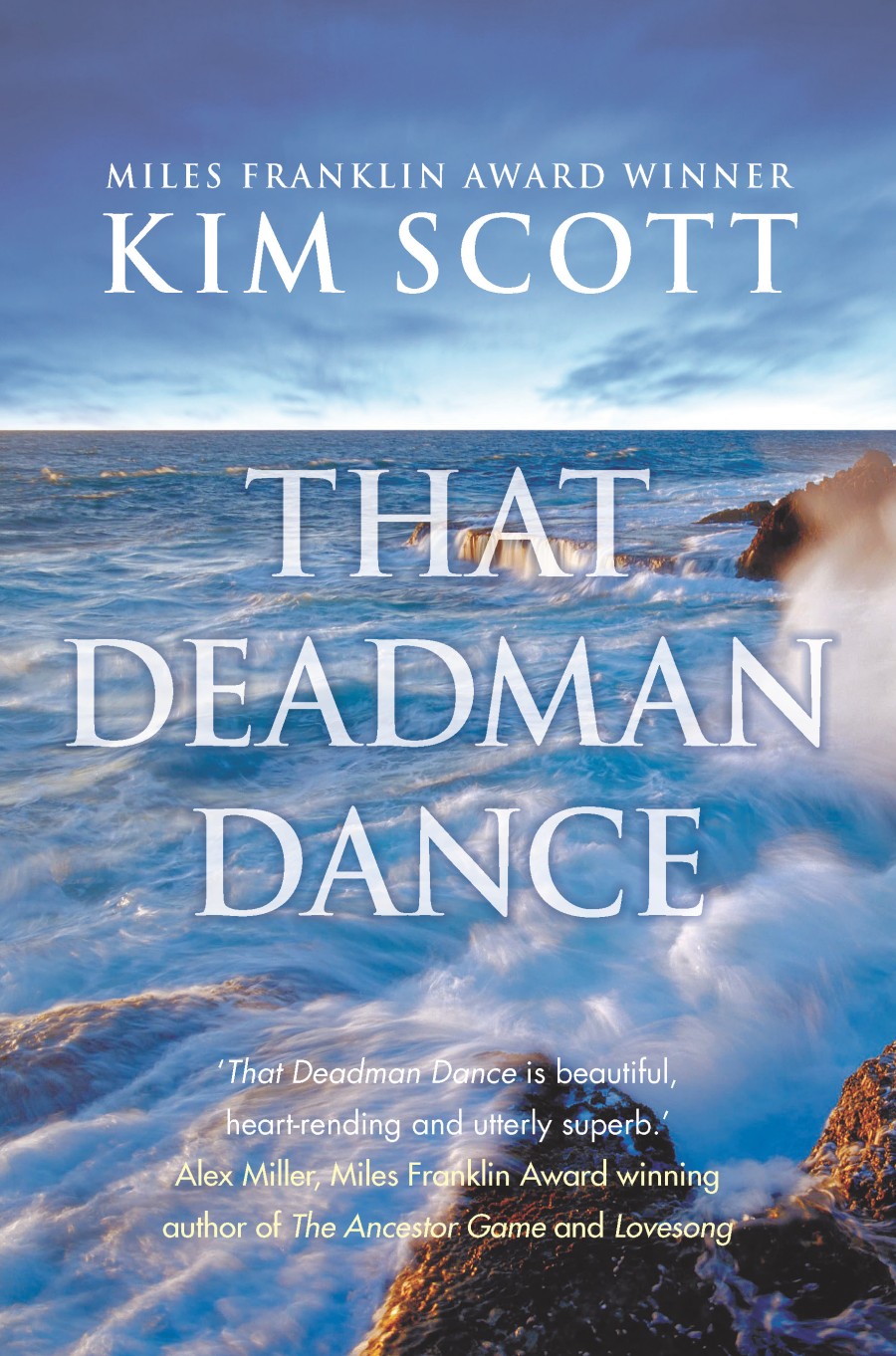
Favourite First Nations character: Bobby Wabalanginy in Kim Scott’s That deadman dance (my review). While not the only voice in the book, young Nyoongar boy Bobby is our guide, and he fulfils that role with wit, intelligence and honesty. But I have others, like the flawed Kerry in Melissa Lucashenko’s Too much lip (my post) and the motherly Odette in Tony Birch’s The white girl (my post).
Favourite older character: Kathleen in Thea Astley’s Coda (my post). Being a woman of a certain age, I’m interested in women traversing the closing decades of their lives. There are more around in our literature than you might think, and I’ve liked many of them, but Kathleen is a favourite because she’s a memorable, wily, acerbic, old woman, a self-styled “feral-grandmother”, who is not ready to be, as she says, “corpsed”. She knows the “four ages of women: bimbo, breeder, babysitter, burden” and she’s doing her darnedest to rise above it. I’m not really like her, but that doesn’t mean I can’t love her.
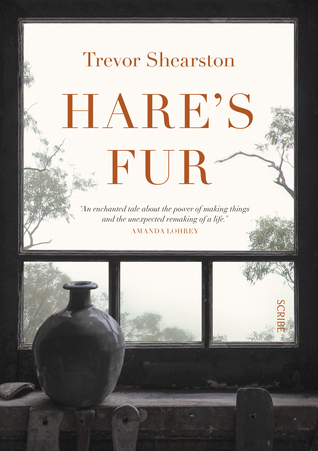
Favourite nice guy: Russell Bass in Trevor Shearston’s Hare fur (my review). OK, I admit it. I’m a sucker for “nice guys”, in fiction as well as in life. I’m not one of those (see below) who find nice guys boring or unbelievable. Fiction is full of unpleasant men, or, if not that, of dull, dithery, helpless, “dun-coloured” (to quote Patrick White) men. But there are good men too, like Will the doctor in Eleanor Limprecht’s The coast (my post). I’m going with Russell Bass, however, because of how, with humanity, he navigates the tricky human, legal and moral territory of supporting kids who are hiding from welfare authorities.
Favourite villain: Father Pearse in John Clanchy’s In whom we trust (my review). What makes a villain a favourite? Their villainy? Their redemptive qualities? Or, that they are only villainous because of their circumstances? For me, certainly not their villainy. I was never one of those girls who liked “the bad boys”, though “favourite” doesn’t necessarily mean “like” does it? Grenouille in Patrick Süskind’s Perfume could be a favourite character because he is pure villainy perfectly rendered, but I don’t like him. Father Pearse is not the worst character in Clanchy’s book, so is perhaps not, literally, a “villain”, but he is a weak man whose cowardice impacts the the children in his charge, until he is confronted.
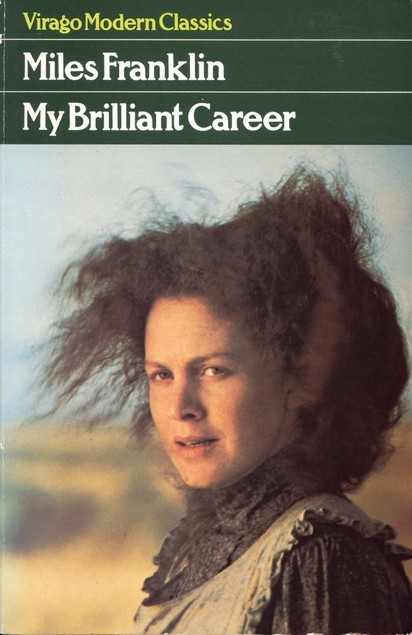
Favourite independent woman (in a nod to Bill): Sybylla in Miles Franklin’s My brilliant career, of course. Like Ethel Turner’s Judy, she’s impossible to go past. She set the standard. But I must also give a nod to two femocrats, Cassie Armstrong in Sara Dowse’s West block (my review) and Edith Campbell Berry in Frank Moorhouse’s Edith trilogy. I’ve only read and reviewed the third, Cold light, since blogging, but she has energy and force that might land her in trouble at times but she keeps on going.
So, an eclectic lot, really, and I’ve sidestepped – because I can – the challenge of choosing ONE favourite character, but I hope I’ve got you thinking.
Would you care to share one or two favourite characters (and, if you are Australian, I’d really love to hear your Australian ones!)
This year we start with my first Monday Musings post appearing on Tuesday! This is due to conflicting new year traditions – my Blogging Highlights post on 1 January, and my first Monday Musings being New Releases for the coming year. When 1 January is a Monday, I’m in trouble! I could have left this until next Monday, but I already have a post that’s been waiting to go, and I don’t want it to wait any longer, so Tuesday it is!
As before, I have drawn from the Sydney Morning Herald, where Jane Sullivan and the team has again done a wonderful job of surveying publishers large and small. This year, I have also used The Guardian’s list put together by Canberra Writers Festival director, Beejay Silcox. As always, I have also sussed out a few of my own! Also, this is Monday musings on Australian literature post, so my focus is Australian authors in areas of interest or relevance to me. This means I’ve not included non-Australian writers, nor all the Australian nonfiction. To see those, click on the SMH link.
Now, there are many ways to do this sort of list. Kim (Reading Matters) has posted a list of new releases by publication month, but, as is my wont, I’ve arranged mine by author, under some broad form headings.
Links on the authors’ names are to my posts on those authors.
Fiction
As always, not every book listed last year, ended up being published that year so a couple appear here again. And, also as always, I have read a very small number from last year’s list, but a few more are on my TBR and will be read this year. Here’s this year’s selection:
SMH lists many books under Crimes and Thrillers, but this is not my area of expertise or major interest, so, do check SMH’s link if you are interested. I will, though, bring a few to your attention: .
Steven Carroll, Death of a foreign gentleman (April, HarperCollins): a new genre for Carroll
Sulari Gentill, The mystery writer (Ultimo, March)
Louise Milligan, Pheasants nest (March, Allen & Unwin): her first foray into fiction
Most of the sources I checked identified Debut Australian fiction and I think it’s useful to separate them out, so we don’t all wonder why the names don’t seem familiar:
Sharlene Allsopp, The great undoing (February, Ultimo): First Nations author
Katherine Allum, The skeleton house (June, Fremantle): Fogarty Literary Award winner
Susanna Begbie, The deed (May, Hachette): Richell Prize winner
Amy Brown, My brilliant sister (January or February, Scribner/Simon & Schuster): adult novel debut
Amanda Creely, Nameless (March, UWA): Dorothy Hewett Award shortlist
Belinda Cranston, The changing room (May, Transit Lounge)
Georgia Blain, We all lived in Bondi then (January, Scribe): posthumous
Ceridwen Dovey, Only the astronauts (July, PRH)
John Richards, The Gorgon flower (April, UQP)
Mykaela Saunders, Always will be (March, UQP): First Nations author
Ouyang Yu, The white cockatoo flowers: Stories (April, Transit Lounge)
Non-fiction
The newspapers include a wide range – and a large number – of new non-fiction books, and I found more in my own research, so I’m sharing a few that particularly caught my eye. Click the newspaper links for more.
Life-writing (very loosely defined, and selected to those focused mainly on the arts and activism)
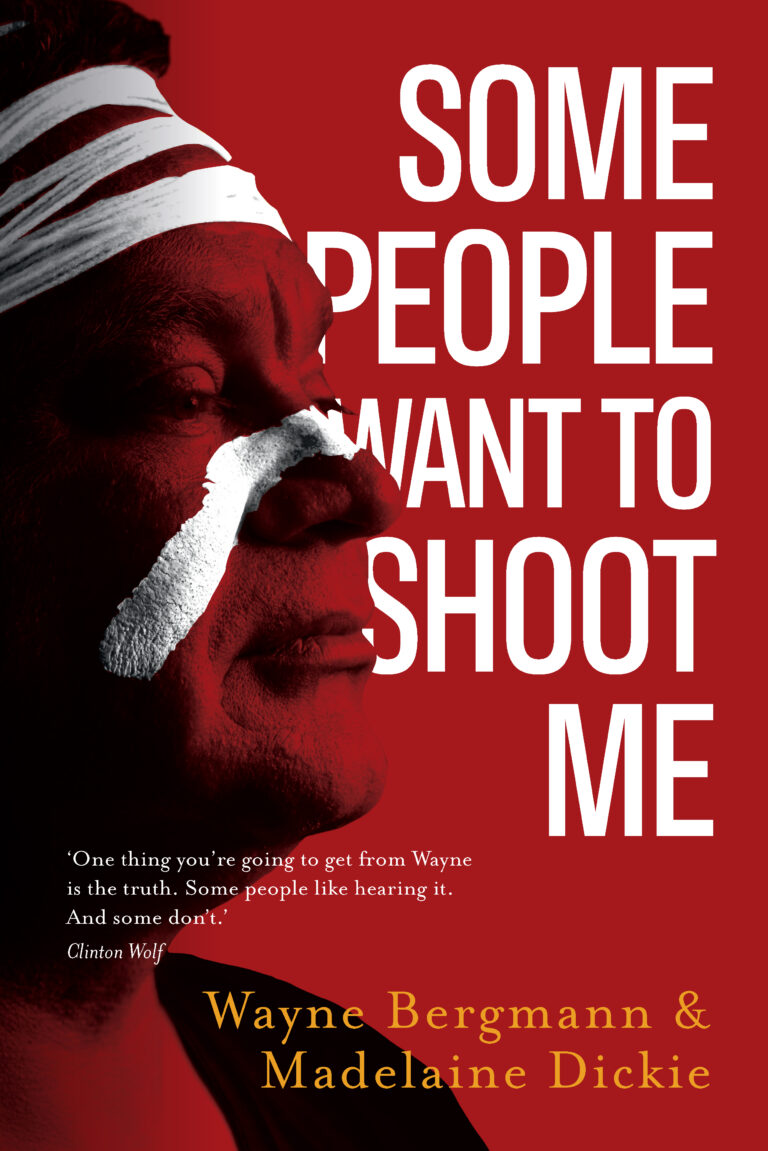
Wayne Bergmann with Madelaine Dickie, Some people want to shoot me (March, Fremantle): First Nations memoir, focusing on native title
Brooke Bland, Gulp, swallow: Essays on change (November, Upswell): memoir-in-essays “about family and friends, life and mortality, memory and forgetting”
Hermina Burns, Barbara Tucker: The art of being (February, MUP)
Samantha Faulkner (ed.), Growing up Torres Strait Islander in Australia (August, Black Inc)
Peter Goldsworthy, The Cancer Finishing School (March, PRH): “shares lessons from his incurable cancer diagnosis”
Jeremy Hill and Ronald Millar, No singing in gum trees: The honest life of Max Martin (no date, Wakefield Press)
Robert Manne, untitled political memoir (December, Black Inc)
Brenda Niall, Joan Lindsay: The hidden life of the woman who wrote Picnic at Hanging Rock (October, Text)
Brigitta Olubas and Susan Wyndham (ed), Shirley Hazzard and Elizabeth Harrower: The letters (May, NewSouth)
Bruce Pascoe and Lyn Harwood, Black duck: A year at Yumburra (April, Thames & Hudson): First Nations memoir, about life on their farm
James Bradley, Deep water (April, PRH): eco-literature
Clint Bracknell and Kylie Bracknell, Shakespeare on the Noongar stage: Language revival and Hecate (May, Upswell): on Macbeth in Nyoongar language
Santilla Chingaipe, Black convicts: How slavery shaped colonised Australia (August, Scribner): examines the First Fleet, investigating the place of people of African descent in colonial Australia.
Simon Cleary, Everything is water (June, UQP): eco-literature
Anne Coombs, Our familiars: The meaning of animals in our lives (August, Upswell): “meditation on the awe-inspiring responsibility we take on with other living creatures”
Helen Garner, untitled nonfiction (July, Text): inspired by time spent with a grandson’s football team
Amy McQuire, Black witness: The power of Indigenous media (June, UQP)
Jasmin McGaughey and The Poets Voice (ed.), Words to sing the world alive (November, UQP): “leading writers discuss their favourite First Nations words”
Amy Remeikis, The truth about nice (July, Hachette): on “the politics of civility – and its pernicious myths”
Clare Wright, The Yirrkala Bark Petition (October, Text): third in her Democracy trilogy
Poetry
Finally, for poetry lovers, I’ve sussed out a few more than were listed by the two newspapers, but even then haven’t listed them all. Poetry in Australian is flourishing, it seems:
Robert Adamson, Birds and fish: Life on the Hawkesbury (February, Upswell): posthumous
Alison Barton, Not telling (no date, Puncher & Wattmann): First Nations
With the year’s end, we come to annual highlights posts – my reading highlights post which I like to do on December 31, and my blogging highlights one on January 1. I do my Reading Highlights on the last day of the year, so I will have read (even if not reviewed) all the books I’m going to read in the year. I call it “highlights” because, as many of you will know, I don’t do a list of “best” or even, really, “favourite” books. Instead, I try to capture a picture of what my reading year looked like. I also include literary highlights, that is, reading-related activities which enhance my reading interests and knowledge.
Literary highlights
I got to a few literary events over the year, though by no means all I would have liked to. I was disappointed, though, to not get to any of this year’s Sydney Writers Festival: Live and Local events, partly because of my busy-ness but partly because I didn’t realise until too late that our usual venue had changed this year and I couldn’t seem to make the new multiple venues work in with my commitments.
As I’ve said before, I don’t have specific reading goals, just some “rules of thumb”. These include reading women writers, reading more First Nations authors, reading some non-anglo literature, and reducing the TBR pile. In recent years, I haven’t made major inroads into any of these but … here’s the thing …
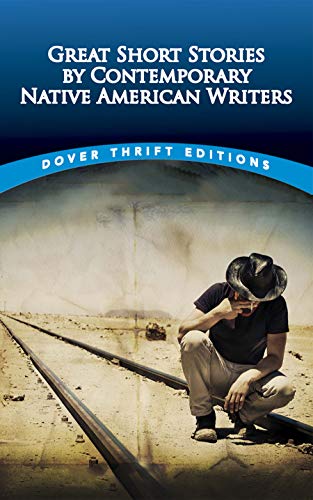
Last year I foreshadowed that this year could be a tricky one with our major downsizing project (along with regular trips to Melbourne) – and so it turned out to be. Decluttering and preparing our house for sale took until July, with our house being sold in mid-August. This was followed by a long settlement which saw us having to maintain the house and garden until early November. It’s been a truly long haul, but we got there. It’s just as well I love short stories because they are ideal for busy, distracted times, and as it turned out, they ended up forming a much larger percentage of my reading diet this year. And, a goodly proportion of that ended up being stories by First Nations authors. Not only did I read more First Nations authors than usual but I read more diversely I read several First Nations American authors, and I read some First Nations Australian speculative fiction – all in short story form.
Each year I present my highlights a bit differently, choosing approaches that I hope will capture the flavour and breadth my reading year. Here are this year’s observations which I hope might entertain, and maybe even enlighten, you. I start by focusing on works/writers/writing, and end with characters (mostly):
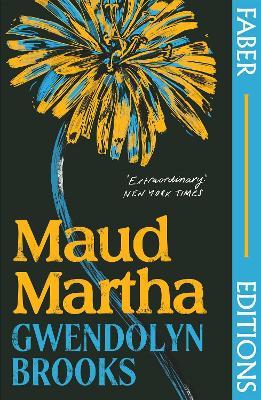
Great finds: A three-way tie between two (older) American works and one (more contemporary) French novel – African-American writer Gwendolyn Brooks’ wonderfully warm but pointed novella Maud Martha; American writer Susan Glaspell’s short story, “A jury of her peers”; and French Nobel prize-winner Patrick Modiano’s novel, Sundays in August.
Dearest to a librarian’s heart: Anthony Doerr’s Cloud cuckoo land made the librarians in my reading group cheer (as would “Special collections” in Rebecca Campbell’s Arboreaility, had they read it. Review to come, but here is Bill’s)
Most surprising speculative fiction: A bit of a misnomer because, almost by definition, speculative fiction is surprising, but the first work I read this year, Ambelin Kwaymullina’s short story, “Fifteen days on Mars“, was not only a great read but surprised me by being my most successful post written this year.
Most mystifying book: JD Vance’s Hillbilly elegy. How can someone with such a story end up aligning with you-know-who?
Truthtellers of the year: Many writers increased my understanding and thinking about First Nations’ issues this year but I’ll share two, First Nations Australian writer Debra Dank in We come with this place, and my (non-Indigenous) brother Ian Terry with his book and exhibition Uninnocent landscapes.
Weirdest voices: I love writers who can pull off writing from unusual or surprising perspectives, and I read two experts this year, both through their short story collections – Carmel Bird’s Love letter to Lola, and Chris Flynn’s Here be Leviathans. I love how these writers can use fresh voices to grapple with meaningful-to-me issues, including but not limited to climate change and the ecology.
Strongest women: There were many women in my reading diet this year who managed to steer a way through the patriarchal societies they found themselves in, but I’ll name three standouts, Briseis in Pat Barker’s retelling The women of Troy, Lucrezia de’ Medici in Maggie O’Farrell’s The marriage portrait, and Elizabeth Zott in Bonnie Garmus’ Lessons in chemistry.
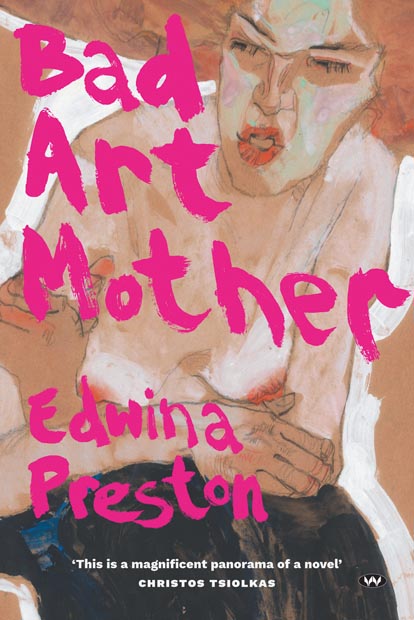
Most challenged mother: Parenting is hard, so who am I to criticise, but patriarchy can make the lives of mothers particularly hard. There were several challenged mothers in my reading this year, such as Frankie’s mother in Rebecca Burton’s Ravenous girls, but the one who struggled most was poor Veda Grey in Edwina Preston’s Bad art mother.
Sweetest man: Most men are decent, and Ned in Robbie Arnott’s Limberlost, is one such, but there were some close runners-up, including Will in Eleanor Limprecht’s The coast.
Most clueless man: Cathal in Claire Keegan’s short story “So late in the day“.
Best neighbours: The quiet women in Susan Glaspell’s above-mentioned story mentioned have to be the winners here, but runners up are the neighbours in Holly Throsby’s Clarke. Gossipy yes, but when the chips are down they are there for you.
Most interesting sportspeople: The Tucson basketballers in Jack D. Forbes’ story “Only approved Indians can play made in USA” showed up their northern opponents by being able to speak their own language, but young pedestrian-cum-jockey, Johnny, in Robert Drewe’s Nimblefoot captured my heart.
Best trees: There is a beautiful old cottonwood tree in Leslie Marmon Silko’s story “The man to send rain clouds“, which took me back to my days America’s southwest, and Tasmania’s gorgeous huon pine features in Robbie Arnott’s Limberlost, but the trees that brought home humanity’s impact on the land won me over – in Ian Terry’s Uninnocent landscapes (colonialism), and Rebecca Campbell’s Arboreality (climate change)
Each of these books … is a door, a gateway to another place and time. (Anthony Doerr, Cloud Cuckoo Land, p. 216)
These are just some of 2023’s highlights in a very strange but, because of that, quite wonderful year of reading … I’m just sorry I can’t list them all.
Some stats …
I don’t read to achieve specific stats but, as I’ve already mentioned, I do have some reading preferences which I like to track. However, this year was so whacky in terms of those preferences, that I’m not even going to bother sharing them, except to reiterate two big positives to come out of the whackiness:
I read more short stories and novellas than usual (and I usually read a good number): over 60% of this year’s reading (as individual stories, collections, anthologies, and linked short stories)
I read more First Nations writers than usual (largely because I read several short stories by First Nations American writers): 30%
Sometimes strange years have silver linings.
Tomorrow, I will post my blogging highlights.
Meanwhile, a huge thanks to all of you who read my posts, engage in discussion, recommend more books and, most importantly, keep me on my toes. Our little community is special, to me! I wish you all an excellent 2024, and thank you so much for hanging in this year.
What were your 2023 reading or literary highlights?




 Whispering Gums