Monday musings on Australian literature: Favourite books 2022, Part 2: Nonfiction and Poetry

Last week, as most of you will know, I shared the favourite Aussie fiction books named by writers in the Sydney Morning Herald’s Best Reads of the Year 2022, Readings Bookshop’s Best Fiction, and the ABC RN’s Bookshelf Panel’s Books of the Year 2022. This week, as promised, I’m sharing their nonfiction and poetry favourites drawing from the same links for the first and third, and the Best Nonfiction of 2022 link for Readings. Again, I’m only including Australian titles (for this Monday Musings post).

Nonfiction

I made the point last year that nonfiction picks tend to speak to the professional interests of their nominators – historians, for example, tend to choose histories. This year though, most of the contributors are writers, journalists and booksellers, resulting in less of this focused sort of choosing.

One, however, was historian Clare Wright. She nominated several books, mostly histories, but rather than give individual reasons she rounded up her list with “fearless, fascinating accounts of rule breakers, rule makers and rule enforcers.”

A few books were picked multiple times, including one that was also nominated a few times last year – Bernadette Brennan’s biography of Gillian Mears, Leaping into waterfalls. Others that were named more than once are Shannon Burns’ Childhood, Chloe Hooper’s Bedtime story, Janine Mikosza’s Homesickness, Oliver Mol’s Train lord, Kylie Moore-Gilbert’s The uncaged sky, Karlie Noon & Krystal De Napoli’s Astronomy: Sky country, Sian Prior’s Childless and Chelsea Watego’s Another day in the colony

The form of nonfiction most favourited this year was the same as last year – memoirs.
  • Tim Baker’s Patting the shark (memoir): “vital” (Jock Serong)
  • Bernadette Brennan’s Leaping into waterfalls: The enigmatic Gillian Mears (biography): “enthralled” (Anna Funder); (Jennifer Down) (Brona’s review) (on my TBR)
  • Shannon Burns’ Childhood: A memoir (memoir): “unsparing self-depiction, coolly detached and brilliantly analytical” (Helen Garner); “powerful … terrific” (Robbie Arnott)
  • Anna Clark’s Making Australian history (history): (Cassie McCullagh)
  • Jessie Cole’s Desire: A reckoning (memoir): “beautifully told” (Sofie Laguna)
  • Sharon Connolly’s My giddy aunt and her sister comedians (history): (Clare Wright)
  • Deborah Dank’s We came with this place (First Nations memoir): “a heart-stopping story into bush Aboriginal life, philosophy and history” (Melissa Lucashenko)
  • Brigid Delaney’s Reason not to worry (philosophy/selfhelp): “fascinating, hilarious and highly practical guide to using the philosophy of Stoicism to help you deal with the vicissitudes of everyday life” (Readings)
  • Peter Doyle’s Suburban noir: Crime and mishap in 1950s and 1960s Sydney (history): “must for crime buffs” (Tony Birch)
  • Meg Foster’s Boundary crossers: The hidden history of Australia’s other bushrangers (history): (Clare Wright)
  • Rachel Franks’ An uncommon hangman: The life and deaths of Robert ‘Nosey Bob’ Howard (history): (Clare Wright)
  • Hannah Gadsby’s Two steps to Nanette (memoir): “deeply moving and extremely funny” (Readings)
  • Mawunyo Gbogbo’s Hip hop and hymns (memoir): “earnest and lyrical missive about growing up in a Black migrant family” (Maxine Beneba Clarke)
  • Joëlle Gergis’ Humanity’s moment: A climate scientist’s case for hope (climate science): “clear-eyed, wounded, humane and above all, honest” (Tim Winton) (Janine’s review)
  • Julia Gillard’s Not now, not ever: Ten years on from the misogyny speech (essays): “good reasons to keep speaking up” (Pip Williams)
  • Julie Gough’s Tense past (art/culture): “vital work” (Tony Birch)
  • Eloise Grills’ Big beautiful female theory (memoir/cultural analysis): “confrontational, honest and everything great nonfiction should be” (Readings)
  • Edna Gunaydin’s Root and branch: Essays on inheritance (essays): “clever, unstintingly self-aware” (Jennifer Down)
  • Linda Jaivin’s The shortest history of China (history): “deep context” (Jock Serong)
  • Kath Kenny’s Staging a revolution: When Betty rocked the Pram (history): (Clare Wright)
  • Lee Kofman’s The writer laid bare: Emotional honesty in a writer’s art, craft and life (part memoir): “intimate look at the process” (Graeme Simsion)
  • Jess Ho’s Raised by wolves (memoir): “straight-talking, sharp-shooting memoir” of the Melbourne hospo scene (Readings)
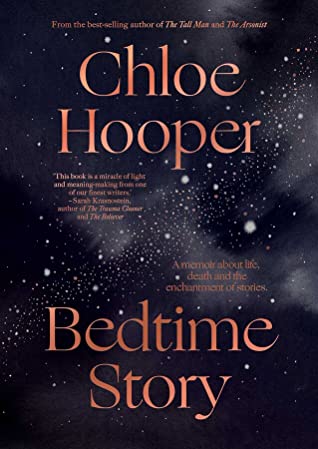
  • Chloe Hooper’s Bedtime story (memoir): “shows the power of words and literature to comfort us during the darkest moments of our lives” (Readings); “beautifully written and illustrated” (Kylie Moore-Gilbert); “exquisite” (Sarah Krasnostein) (Lisa’s review)
  • Danielle Laidley’s Don’t look away: A memoir of identity & acceptance (memoir): “inspiring, disarming, and deeply moving” (Craig Silvey)
  • Chris Macheras’ Old vintage Melbourne 1960-1990 (history): “pure joy” (Readings) (Lisa’s review)
  • Paddy Manning’s The successor: The high stakes life of Lachlan Murdoch (biography): “unflinching book … about power, apprenticeship, and succession” (Readings)
  • Janine Mikosza’s Homesickness (memoir): “brilliant and original” (Lucy Treloar); (Emily Bitto)
  • Oliver Mol’s Train lord: The astonishing true story of one man’s journey to getting his life back on track (memoir): “compelling combination … harrowing, funny, enigmatic” (Sofie Laguna); “shaggy, imperfect, raw and glorious” (Robbie Anrott)
  • Kylie Moore-Gilbert’s The uncaged sky: My 804 days in an Iranian prison (memoir): “powerful story … incapable of hatred … incapable of simplifying” (Alex Miller); “timely … timeless” (Diana Reid) (Lisa’s review)
  • Karlie Noon & Krystal De Napoli’s Astronomy: Sky country (First Nations science): “fascinating and highly engaging” (Readings); (Sarah Krasnostein)
  • Sean O’Beirne’s On Helen Garner: Writers on writers (essay): “a beautifully crafted essay full of great respect for a great writer” (Readings) (Kimbofo’s review)
  • Brigitta Olubas’ Shirley Hazzard: A writing life (biography): “illuminating biography” (Michelle de Kretser)
  • Anne-Marie Priest’s My tongue is my own: A life of Gwen Harwood (biography): (Clare Wright)
  • Sian Prior’s Childless (memoir): “charts the author’s journey to self-acceptance” (Kylie Moore-Gilbert); “exploring the grief and consolations of childlessness” (Lucy Treloar); “gut-wrenched … its honesty a brutal gift” (Michael Winkler)
  • Bronwyn Rennex’s Life with birds (history/memoir): “formal freshness and sweetly bent wit” (Helen Garner)
  • Henry Reynolds and Nicholas Clements’ Tongerlongeter: First Nations leader and Tasmanian war hero (history/biography): “astonishing … compelling” (Amanda Lohrey)
  • Heather Rose’s Nothing bad ever happens here (memoir): “loved … the profundity” (Hannah Kent); (Jason Steger) (my post on a conversation)
  • Natasha Sholl’s Found, wanting (memoir): “darkly funny” (Kylie Moore-Gilbert)
  • Julianne Schultz’s The idea of Australia: A search for the soul of the nation: (Cassie McCullagh) (Lisa’s review)
  • Jonathan Seidler’s It’s a shame about Ray (memoir): (Cassie McCullagh)
  • Anna Spargo-Ryan’s A kind of magic (memoir): “reframing redemption” (Sarah Krasnostein)
  • Simon Tedeschi’s Fugitive (memoir/history): “shimmering meditation on performance, identity and music” (Michael Winkler)
  • Jayne Tuttle’s Paris or die and My sweet guillotine (memoirs): “joltingly alive, beautiful and terrifying” (Helen Garner)
  • Chelsea Watego’s Another day in the colony (essays/memoir): “insights … are personal and profound” (Lucy Treloar); “vital collection” (Laura Jean McKay) (on my TBR) (Bill’s review)
  • Don Watson’s The passing of Private White (biography): (Anna Funder)
  • Nadia Wheatley’s Sneaky little revolutions: The selected essays of Chairman Clift (essays): (Kate Evans)

Poetry

Last year, there was a string of poetry, but this year we have just two. Interesting – and probably partly due to who was asked to contribute.
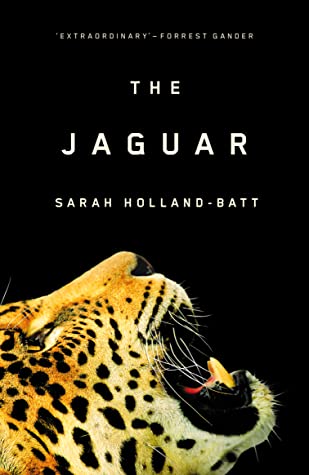
  • Sarah Holland-Batt’s The jaguar: (Emily Bitto); “deep compassion … flawless command of image and line” (Michelle de Kretser); “her artistry … is exhilarating” (Amanda Lohrey)
  • David Stavanger, Mohammad Awad, and Radhiah Chowdhury’s (ed) Admissions anthology: “stunning curation … on mental health” (Maxine Beneba Clarke)

The lists continue to come thick and fast, but I’m interested in any thoughts you have on these, particularly if you like nonfiction and poetry.
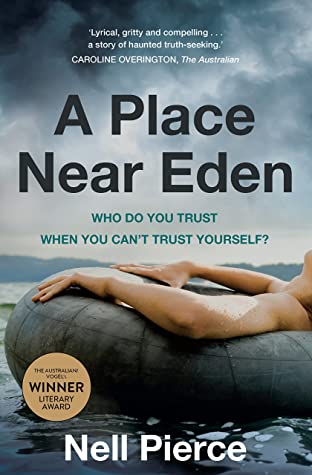
Nell Pierce, A place near Eden (#BookReview)

Nell Pierce’s debut novel, A place near Eden, won the 2022 The Australian/Vogel Literary Award. It was my reading group’s last book of the year, and it engendered a lively discussion, partly because our response was mixed and partly because its setting on the south coast of New South Wales is well-known to us.

Part coming-of-age novel, part mystery, part family drama, A place near Eden is told first person in the voice of Tilly who is around 20 years old when she is telling her story to a mysterious “you” – at least, “you” is not revealed to the reader until around half-way through the novel, so I won’t reveal it now. I can reveal however, that Tilly is trying to tell her side of a story to this “you”, and slowly, what this story is comes out of the murky recesses of her memory.

My reading group’s practice is to start with each of us briefly sharing our first impressions before we settle into deeper discussion. My first impressions for A place near Eden were that I loved its exploration of how truth can be manipulated or twisted, of different versions and perspectives of the same experience, and of the difference between facts and truths, in personal lives, in law, in art, but that I found the tone a bit heavy-handed, with little respite. Respite in tone – as Shakespeare knew – is good. A place near Eden is a reflective novel in which Tilly reviews the events that had happened to her, trying to make sense of them, so its tone is peppered throughout with “perhaps”, “maybe”, “looking back”, “in retrospect”, “now”, “still” and so on. It was a little unremitting. However, A place near Eden is a first novel so can be forgiven some flaws.

As you will have guessed, the title has both literal and metaphorical meanings: it is set near Eden in southern New South Wales, and the characters may be “near” but they don’t achieve being “in” Eden (paradise). Their own flaws prevent it.

The story starts with a prologue which looks back to halcyon days in the life of Tilly, then 13 years old, and her foster brother Sem and friend Celeste who were 14, almost 15 years old. The dynamic is set between them, one in which the younger Tilly is seen by the other two as “just a kid”. There is a bit of an experience gap between them – as can happen at the time of early puberty. An incident happens at the local pool that sets us up for the tone of the book, though it’s not “the” incident on which the book centres. In this incident, a small child falls – or is knocked – and hurts his head. Who did it? Tilly blames Celeste, though she herself “might” have done it. Writing later, she says:

The more I think on things, one way or the other, the more real they seem. That I was afraid of getting in trouble. Or that I wanted to punish Celeste. That it was her fault, or mine. I can believe it either way.

Throughout the novel, which primarily takes place when Tilly and Celeste are around 19 to 21 years old, the story is told in this maybe-this-maybe-that sort of tone. It is, essentially, a story about finding one’s self, one’s identity. In this case, it’s Tilly’s, so we see it all through her eyes, as she struggles to keep up with the just-a-bit-older, just-a-bit more experienced, just-a-bit more confident Celeste. This sort of uneven friendship is difficult to maintain.

“it could play either way” (Tilly)

So we come to the critical incident. Tilly and Celeste have been living at a holiday shack near Eden, while Sem – who is in a relationship with Celeste – comes and goes at will. One night, however, he disappears, and Tilly, who was drunk at the time, is blamed for it. Did she cause it or didn’t she? This is what she is trying to comprehend and explain to “you”.

Tilly is a character who likes facts – her preferred reading is the encyclopaedia – but she is aware that there is often a gap between facts and the truth (which she describes as “something that hissed out”). She is aware that “even when people try to tell the truth about something as mundane as a tomato, they couldn’t help but betray other things about themselves”. So, what are we to believe from this self-consciously unreliable narrator, from this narrator who says to us “saying something with confidence … can make a story real” and that “maybe we all embroider the truth sometimes”? Late in the novel, when she writes about telling her story to her lawyer, she says “I could feel stories emerging in my mind, ways of presenting things that I knew would please her”. She admits to lying to both the police and the lawyer, but that doesn’t, in fact, mean she is guilty of what she is accused of.

Alongside Tilly telling her story is her description of the documentary film being made about the case by her erstwhile boyfriend, Peter, who tells the story from three angles – the lost, troubled boy (Sem); a revenge story (Tilly); the manipulator (Celeste). In each version, different pieces of information are omitted to construct a specific viewpoint about what happened. It’s a clever portrayal of the “art” of the documentary. Tilly sees how “controlled” it is, and admits that she had “thought in art there might be truth”. Not here … though she had seen “truth” in Celeste’s portraits.

The book’s tagline on the cover is, “who do you trust when you can’t trust yourself?” This personal story is part of it, and reminds me of the recent conversation I attended with Heather Rose. She commented that “life is a process of forgiveness for the choices we make in order to be ourselves”. This could easily describe Tilly’s situation, as she struggles to come to terms with what she did – or what she may have done – in that tortuous process of becoming herself.

However, Nell Pierce also has a bigger story to tell, I believe. Late in the novel, Tilly comes to realise that, like her Mum, she is “sceptical of these neat stories we tell about people”. By concluding her book without a neat resolution, Pierce suggests to us that we too should beware of “neat stories”, that we should take nothing at face value. Question everything, just as Tilly seems to do.

Lisa also found this an intriguing book.

Nell Pierce
A place near Eden
Crows Nest: Allen & Unwin, 2022
296pp.
ISBN: 9781761066177

My reading group’s favourites for 2022

As I’ve done for a few years now, I am sharing my reading group’s top picks of 2022. This is, after all, the season of lists, but also, I know that some people, besides me, enjoy hearing about other reading groups.

I’ll start, though, by sharing what we read in the order we read them (with links on titles to my reviews):

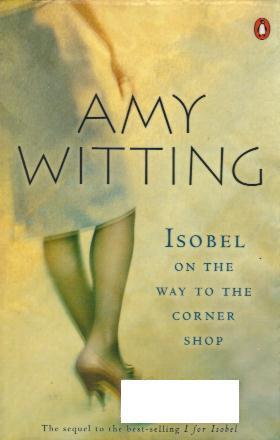
  • Amy Witting, Isobel on the way to the corner shop: novel, Australian author
  • Ida Vitale, Byobu: novel, Uruguayan author
  • Elizabeth von Arnim. Vera: classic, British author
  • Mark McKenna, Return to Uluru: nonfiction, Australian author
  • Damon Galgut, The promise: novel, South African author
  • Marion Frith, Here in the after: novel, Australian author (I was in Melbourne, with COVID, and didn’t manage to read this)
  • Larissa Behrendt, After story: novel, Australian First Nations author
  • Audrey Magee, The colony: novel, Irish author
  • Julian Barnes, Elizabeth Finch: novel, British author
  • Biff Ward, The third chopstick: nonfiction/part-memoir, Australian author
  • Nell Pierce, A place near Eden: novel, Australian debut author (review coming)

This year’s schedule was reasonably diverse. Our overriding interest is Australian women writers but not exclusively. We also like to challenge and broaden our tastes. So, this year’s list included a classic (or two, if you include Amy Witting’s 1999 novel); a translated novel from Uruguay; a First Nations novel; five non-Australian books; two works of nonfiction; and three by male authors. Politics and social justice featured strongly in both the fiction and nonfiction, looking at such issues as coercive control, racism and dispossession, colonialism, war and PTSD.

The winners …

This year only 10 of our twelve active members managed to vote – one was travelling and one moving house, so their excuses were accepted! The rules were the same. We had to name our three favourite works, and all were given equal weighting. It’s interesting how the years vary. In 2020, we had a runaway winner, while last year our favourites were more bunched, with the winning book receiving 8 votes, the second 7 votes, the third 6 and so on down to fifth with 4 votes. This year, however, we returned to the runaway winner mode, with 5 more books, a few votes behind, vying for 2nd and 3rd spots.

  1. The promise by Damon Galgut (8 votes)
  2. Vera by Elizabeth von Arnim and Return to Uluru by Mark McKenna (4 votes each)
  3. Here in the after by Marion Frith, The colony by Audrey Magee and The third chopstick by Biff Ward (3 votes each)

Interestingly, two years ago, all three of the nonfiction titles on our list featured among our favourites, while last year, neither of our two nonfiction works received any votes at all. This year, both nonfiction works appeared among the favourites. I’m not sure this tells you (or us) anything.

Anyhow, if you want to know my three picks, they were Damon Galgut’s The promise, Elizabeth von Arnim’s Vera and Audrey Magee’s The colony. But, it was a great year and I found it truly hard to choose. In the end, although I greatly enjoyed the two nonfiction works, I stuck with my main love, fiction, for my choices. I really wanted to include Byobu, but something had to give!

Selected comments (accompanying the votes)

Not everyone included comments with their votes, and not all books received comments, but here is a selection of what members said about the most liked:

  • The promise: Commenters used descriptions like “insightful”, “compelling”, and “enlightening”.
  • Vera: Comments included “a truly chilling tale”, with a few noting how relevant this 1921 book still is.
  • Return to Uluru: Commenters saw it as a “timely and interesting attempt to balance the record of a sad episode in Australian history”, “a terrific uncovering of history and treatment of First Nations Australians”.
  • Here in the after: One called it “insightful”, while another noted its “many social comments”.
  • The colony: Commenters used terms like “multilayered”, and “subversive, acerbic”. Its sense of place was also mentioned.
  • The third chopstick: One called it “a moving journey” while another focused on the author’s “talent for delving” into a painful time in Australian history.

And, a bonus again

As in 2019 and 2021, a good friend (from my library school days over 45 years ago and who lives on the outskirts of Canberra) sent me her reading group’s schedule for the year:

  • Jock Serong, Preservation (on my TBR)
  • Amor Towles, A gentleman in Moscow
  • Xinran, Buy me the sky
  • Bri Lee, Eggshell skull
  • Don Watson, The bush (on my TBR)
  • Joshua Hammer, The bad-ass librarians of Timbuktu (never heard of this one)
  • John Grogan, Marley and me
  • John Clanchy, Vincenzo’s garden (love John Clanchy but haven’t read this)
  • Amanda Lohrey, The labyrinth (on my TBR)
  • Jane Harper, Force of nature
  • Douglas Stuart, Shuggie Bain
  • Geraldine Brooks, Horse

Links are to my reviews where I’ve read the book too. The two I’ve read are, coincidentally, ones I read with my reading group in previous years. In fact, Shuggie Bain was our top pick last year.

I’d love to hear your thoughts, particularly if you were in a reading group this year. What did your group read and love?

Monday musings on Australian literature: Favourite books 2022, Part 1: Fiction

Over recent years, I’ve shared favourite Aussie reads of the year from various sources, with the specific sources varying a little from time to time. This year, my main sources are The Sydney Morning Herald’s Best Reads of the Year chosen by writers, Readings bookshop’s Best Australian fiction, and ABC RN’s Bookshelf panel. As last year, the picks ranged far and wide, but in this post I am focusing on their Aussie fiction choices. All being well, I’ll do the Aussie nonfiction and poetry picks next week.

For what it’s worth, last year, I noted that five of the “favourite” novels were on my TBR. I can report that I did manage to read two of them, Larissa Behrendt’s After story (my review) and Anita Heiss’s Bila Yarrudhanggalangdhuray (my review). I’m pleased with that!

Novels

  • Robbie Arnott’s Limberlost: “a lovely assiduous book, which explores language and narrative with an old-fashioned joy” (Tom Keneally); “dignified and surprisingly conventional … gem” (Michael Winkler); “calling it (hopefully not cursing it) for next year’s Miles Franklin shortlist” (Jennifer Down); “further underlines his mastery of nature writing” (Jock Serong); “another gem” (Readings); (Cassie McCullagh); (Jason Steger) (on my TBR) (Lisa’s review)
  • Jessica Au’s Cold enough for snow: “a meditative, mesmerising novel” (Anna Funder); “all composure … the elegance of its composition … its meditative contemplation of a mother-daughter relationship” (Hannah Kent) ; “loved the voice and pace (and, well, everything)” (Victoria Hannan); “stayed with me for weeks after I finished it … quietly brilliant” (Robbie Arnott); “more like mists … atmospheres you move through” (Miles Allinson); “exquisite prose and hypnotic pace” (Readings); (Jason Steger) (Lisa’s review; mine coming soon)
  • Isobel Beech’s Sunbathing: “sensitive and lyrical work” (Readings)
  • Gabriel Bergmoser’s The hitchhiker: (Dani Vee)
  • Emily Bitto’s Wild abandon: “such lyricism and dead on the money imagery” (Tom Keneally)
  • Brendan Colley’s The signal line: “speculative gothic fiction … nails it” (Bram Presser)
  • Sophie Cunningham’s This devastating fever: (Emily Bitto); “triumph of tone and lightness” (Miles Allinson); (Jason Steger) (Brona’s review)
  • Paul Daley’s Jesustown: “just loved” (Anna Funder); “scarifying tale of missionary colonialism” (Jock Serong)
  • Rhett Davis’ Hovering: “original and blackly funny story” (Toni Jordan)
  • Robert Drewe’s Nimblefoot: “a bag of picaresque fun” (Tim Winton) (on my TBR)
  • Kate Forsyth’s The crimson thread: (Dani Vee)
  • Peggy Frew’s Wildflowers: “confronting, generous, infectious, acutely observed” (Craig Silvey)
  • Sulari Gentill’s The woman in the library: (Felix Shannon)
  • Michael Winkler’s Grimmish: (Kate Evans)
  • Chris Hammer’s The tilt: (Dani Vee); (Kate Evans)
  • Jane Harper’s Exiles: “captivating read” (Readings)
  • Jack Heath’s Kill your brother: (Dani Vee)
  • Adriane Howell’s Hydra: “genre-busting” (Bram Presser)
  • Pirooz Jafari’s Forty nights: (Emily Bitto)
  • Gail Jones’ Salonika burning: “Dazzles again” (Readings); (Kate Evans) (Lisa’s review)
  • Yumna Kassab’s Australiana: (Emily Bitto); “lyrical, intimate” (Readings)
  • Hannah Kent’s Devotion: “aching and illuminating” (Trent Dalton)
  • Tracey Lien’s All that’s left unsaid: “gripping drama with unforgettable characters” (Readings)
  • Kate McCaffrey’s Double lives: “a really interesting hybrid-transcript format” (Felix Shannon)
  • Scott McCulloch’s Basin: “brutal, apocalyptic” (Miles Allinson)
  • Fiona McFarlane’s The sun walks down: (Emily Bitto); “mesmerising … inclusive … electrifying” (Michelle de Kretser); “best novel I’ve ever read about 19th-century Australia” (Geraldine Brooks); (Jason Steger); (Kate Evans)
  • Fiona Kelly McGregor’s Iris: “The most extraordinary evocation of 1930s Sydney” (Hannah Kent); “vivid and compelling” (Lucy Treloar); “a luscious read” (Readings)
  • Meg Mason’s Sorrow and bliss: “unique and improbable: a witty novel about depression” (Geraldine Brooks) (Kimbofo’s review)
  • Gillian Mears’ Fineflour: “revisit” (Jennifer Down)
  • Paddy O’Reilly’s Other houses: “powerful and captivating depiction of class” (Lucy Treloar); “as gripping as a thriller and yet so tender” (Toni Jordan) (on my TBR) (Lisa’s review)
  • Adam Ouston’s Waypoints: “a literary spectacle” (Bram Presser); “ambitious, Lissajous-curved” (Michale Winkler); “hypnotic and intricately layered … very funny” (Robbie Arnott)
  • Caroline Petit’s The natural history of love: “historical pick” (Toni Jordan)
  • Hayley Scrivenor’s Dirt Creek: “a brilliant take on its varied perspectives” (Felix Shannon); (Kate Evans)
  • Jock Serong’s The settlement: “powerful evocation of colonialism with a reverberant message” (Michael Winkler)
  • Holden Sheppard’s The brink: (Dani Vee)
  • Inga Simpson’s Willowman: “will almost certainly become a new Australian classic” (Readings); (Kate Evans)
  • Steve Toltz’s Here goes nothing: (Cassie McCullagh); (Kate Evans)
  • Emma Viskic’s Those who perish: “writing as immaculate as ever” (Lucy Treloar)
  • Chris Womersley’s The diplomat: “fabulous” (Miles Allinson)

Short stories

  • Kevin Brophy’s The lion in love: (Emily Bitto) (Lisa’s review) (on my TBR)
  • Bryan Brown’s Sweet Jimmy: “frequently hilarious collection of crime yarns” (Trent Dalton)
  • Else Fitzgerald’s Everything feels like the end of the world: (Emily Bitto); “standout post-human climate fiction” (Laura Jean McKay); “inventive and humane” (Craig Silvey)
  • Chris Flynn’s Here be Leviathans: “keeps giving with stories that entertain and make you think” (Pip Williams) (on my TBR)
  • Katerina Gibson’s Women I know: “sardonic, surprising” (Miles Allinson)
  • Mirandi Riwoe’s Burnished sun: a realist beauty that decentres dominant narratives” (Laura Jean McKay)
  • Ben Walter’s What fear was: “a hymn of place, a bravura display of sentence-smithing…” (Michael Winkler)

Finally …

It’s interesting to see what books feature most. Popularity doesn’t equal quality, but it does provides a guide to the books that attracted the most attention in the year. One of last year’s most frequent mentions was this year’s Miles Franklin winner, Jennifer Down’s Bodies of light. Will the same happen to one of this year’s most frequently mentioned books?

Several books were mentioned twice, but these received three or more mentions:

  • Robbie Arnott’s Limberlost; Jessica Au’s Cold enough for snow (7 each)
  • Fiona McFarlane’s The sun walks down (5)
  • Sophie Cunninghma’s This devastating fever; Else Fizgerald’s Everything feels like the end of the world; Fiona Kelly McGregor’s Iris; Adam Ouston’s Waypoints (3 each)

Another interesting thing about lists is discovering new books. There are several in the above lists that I’ve never heard of, because they are genre books. That’s the serendipity that can happen in lists like this. However, there are some here that I hadn’t heard of but that grabbed my attention, like Pirooz Jafari’s Forty nights, Adam Ouston’s Waypoints, and Else Fitzgerald’s Everything feels like the end of the world. You?

Thoughts, anyone – on this or lists from your neck of theod

Lucy Neave, Believe in me (#BookReview)

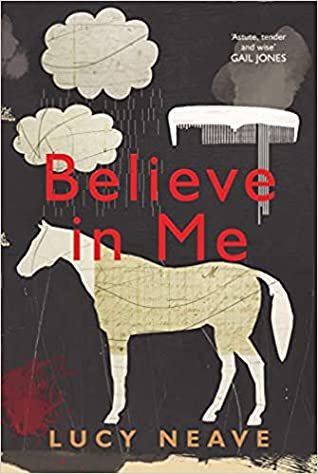
Mother-daughter stories – in fiction and nonfiction – seem to have been particularly popular in recent years. Lucy Neave’s second novel Believe in me is one of these, but just this year I’ve read several others, including Larissa Behrendt’s novel After story and Jane Sinclair’s hybrid biography-memoir Shy love smiles and acid drops.

Their trajectories can vary, but in novels the most common one concerns a fractured relationship. More often than not, they are written from the point of view of the daughter (though in After story, Behrendt alternates the perspective between the two). Believe in me is one of those written from the daughter’s perspective, but in an interesting voice which switches between extended third person telling of her mother’s life and her first person telling of her own. The narrative starts around a year before Bet is born, out of wedlock in 1970s Sydney, to her 19-year-old American mother, Sarah. Why in Sydney and how Sarah became pregnant occupies the first quarter of the book.

However, the novel itself commences in 2004 with Bet telling us:

I would like to write down the portions of my mother’s story that I know, but I’m not exactly sure what happened to her in the year before I was born. At times, the anecdotes she told about her life make sense. At others, I traverse a tightrope high above the ground and have to fill the empty air beneath so that I can move from one place and time to another.

She is doing this because, she says, “if I can inhabit her consciousness, even a little, it might help me see who I am”. Immediately, then, we are clued into a problem, presumably the book’s key problem, that of Bet wanting to understand herself. She’s stalled it seems, but she needs, she continues, “to walk towards the future without always looking back”. Consequently, she tells her mother’s story by drawing on her mother’s scrapbooks “which are filled with overlapping memories and souvenirs and notes” and her own memory.

Sarah’s story is a sad and frustrating one. Bet introduces her in that first chapter as a naive, trusting 18-year-old from Poughkeepsie, New York. She’s being sent away by her mother, and the religious community to which they belong, on a three-month mission to Idaho with their preacher Isaiah. Well, the inevitable happens and Sarah finds herself unbelieved, pregnant and despatched to Sydney, far away from home, to have the baby. Sarah is expected to give her baby up for adoption – to a childless aunt and uncle who show her no warmth. However, with the help of midwife Dora, she manages to escape, and thence begins her new life as a single mother in a strange country. The Whitlam government is in, and things are changing, but life is still not easy for a single mother, particularly one as unprepared for life, and as unsupported, as Sarah was.

While the focus of the novel is Sarah, it is told through the eyes of Bet, and in Bet’s eyes her mother rarely measures up. She frequently describes her as weak, when Bet really wants her mother to be “unbroken, robust”. The child’s eyes, however, seem to be at odds with the reality. For example, one-third into the novel, Sarah realises that her own mother back home is never going to help her:

Sarah had thought that in the end her mom would understand what she needed … Now she understands her longings have always been irrelevant. She’s meant to accept all that she receives. Only sometimes, like now, she can’t. In any case, she’s someone else now, different to the core.

This idea of “acceptance” is an important mantra for Sarah. Religious in origin – accept what God gives you – it often frames her choices, but in fact, she doesn’t always “accept”. Indeed, she flees several men when she realises they are not right for her:

Some things, she realises – and why did it take her so long to work this out – should never be accepted. Some things turn out not to have come from heaven.

Nevertheless, a few pages later, Bet continues with the weakness theme, “a part of her was still weak, the way it had always been”. The story here is one of the child never fully knowing the parent. It’s ironic, in fact, that Bet sees Sarah as naive, which she was, because for much of the novel, so is Bet in terms of understanding the pressures Sarah was under. The result is an uncomfortable but very real tension between these two who both love each other but struggle to make that love work.

The idea of “acceptance” is one motif that runs through the novel, but another involves animals. Sarah becomes a wildlife carer – particularly for injured wildlife – and Bet, a vet, which reflects their mutual desire to nurture. More curious though is the fox motif which threads through the story. A baby fox, back in her American childhood, is the first wildlife Sarah rescues and cares for. She eventually releases him, but “foxes will always be with you” becomes a bit of a grounding talisman for her. The clue to it lies in her mother Greta’s advice when she sends Sarah off: “Don’t worry about us. Be as free as a bird, as a fox”. In the tradition of mothers and daughters, Greta wants more for Sarah than she had, just as Sarah in her turn wants more for Bet – and yet, in their turn, the daughters don’t understand and so don’t appreciate this in their mothers.

I did find one aspect of the novel somewhat challenging, and this relates to its “interesting voice”. I love “interesting voices”, but there were times when Bet’s telling of Sarah’s story felt awkward. How did Bet know this? Was it from the scrapbooks, from conversations, from Sarah’s own confidences, or Bet’s imagining? The uncertainty this occasionally engendered affected my ability to properly engage with Bet’s perspective. However, I did enjoy the novel, particularly the way Neave weaves through it many of the social issues affecting women in the decades she traverses. There’s a political element to this personal story.

So, how to end? Or, more to the point, what does it all mean? When I’m in doubt, there are three things I turn to – the opening paragraphs, the title, and, where it exists, the epigraph. I’ve already mentioned the opening which explains that Bet is writing Sarah’s story in order to understand herself better. This, I’d say, she achieves (but to say how would give too much away).

Believe in me does have an epigraph, and it’s appropriate for a book about fraught mother-daughter love. It’s from Eudora Welty’s The optimist’s daughter, “… any life, she had to believe, was nothing but the continuity of its love”. I’ve read some Welty, but not this one. However, this idea seems perfect for a daughter to take from her mother’s life.

And finally, there’s the title. It’s a little trickier. As I was reading the novel, I wondered who was saying “Believe in me”? Sarah? Bet? God (whom she’s supposed to accept)? The egregious Isaiah who tried to convince Sarah to lie for him? Probably all of these, conveying the challenge we all face regarding who to believe and trust. It’s only through hard experience that we come to really know whom we can believe. Lucy Neave’s Believe in me, with its perceptive exploration of complex relationships, is one of those reads that makes you think, and for that I enjoyed it.

Lisa also reviewed and enjoyed this book.

(Review copy courtesy UQP)

Lucy Neave
Believe in me
St Lucia: UQP, 2021
312pp.
ISBN: 9780702263361

Monday musings on Australian literature: First Nations Classics

Over the years I have written several posts on publishers who have made a commitment to publishing Australian classics, such as Text, Allen and Unwin and the Sydney University Press, to name a few. I was thrilled last week to come across another one, this time from UQP, the University of Queensland Press, which has announced a First Nations Classics series.

UQP is well-known for its longstanding support of First Nations writing – both through publishing and through its sponsoring the annual David Unaipon unpublished manuscript award for First Nations writers. Indeed it describes itself as the first mainstream publisher “to set up a list specifically for Indigenous authors, the Black Australian Writers series”. Now, with this Classics initiative, it is going the next step.

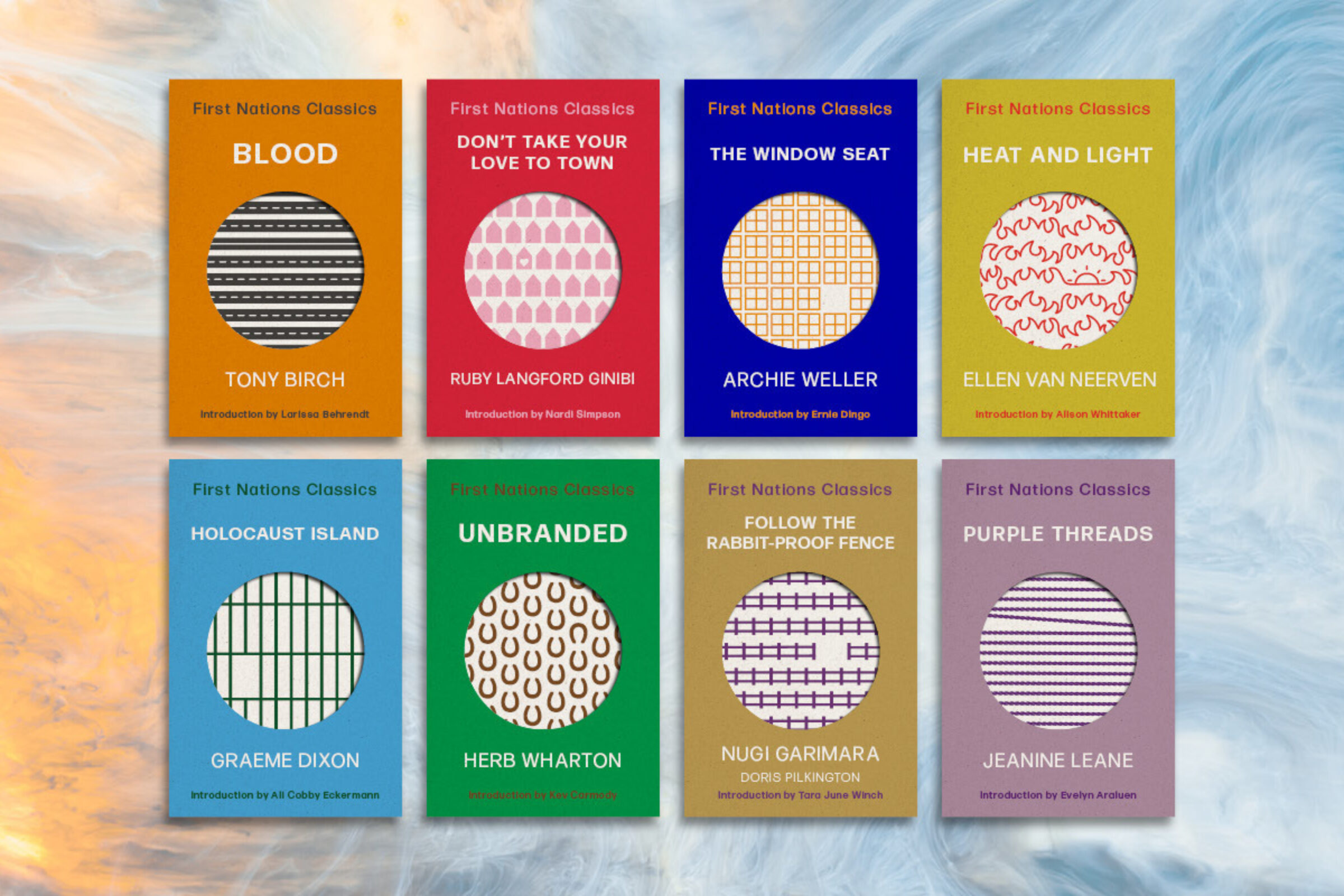
The first set in the series comprises EIGHT titles which will be published in 2023. They are award-winning or shortlisted titles, dating back to 1988, and are well-priced at $19.99 each. Here’s the list (from UQP’s own blog):

(Links on the introduction writers are to my posts on those writers.)

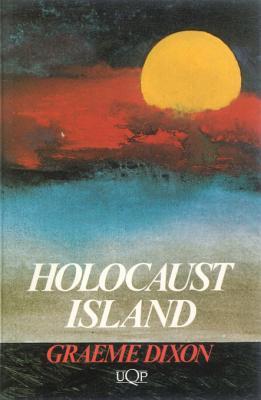
As you can see, like the Text Classics series, for example, this comes with new introductions from contemporary authors – a true value-add. UQP says on its blog that this first set of books includes memoir, novels, short stories and poetry. Some are Unaipon Award winners, including the inaugural 1988 winner, Graeme Dixon’s poetry collection Holocaust Island, which is currently out of print.

You will also notice that among the bloggers I know, we have reviewed five of the eight titles. The three we haven’t, Graham Dixon’s Holocaust Island, Archive Weller’s The window seat and Herb Wharton’s Unbranded aren’t known to me, though I have heard of Archie Weller. So, given you have no reviews for them to click on, here is a little more on them:

  • Dixon’s Holocaust Island (1990): “a dynamic collection of poetry” that speaks out “on contemporary and controversial issues, from Black deaths in custody to the struggles of single mothers. Contrasted with these are poems of spirited humour and sharp satire”. (from GoodReads)
  • Weller’s The window seat, and other stories (2009): “a collection of Weller’s best short fiction and a tribute to his contribution to Australian literature. The stories are honest, brutal and moving” (from UQP website).
  • Wharton’s Unbranded (2000): a novel which offers “an Aboriginal viewpoint on the pastoral industry and race relations … by a masterly yarn teller” (from the book cover on the UQP website)

Now, back to the series – UQP’s publisher Aviva Tuffield articulates, on the above-linked blog, their ambition for this project:

This series will generate renewed interest for these books and their authors – both individually and collectively – and ensure them the contemporary audience they deserve.

She also explains that they’ve been assisted with funding from the Australia Council and the Copyright Agency’s Cultural Fund. I love the work that the latter does, in particular. Over the years of this blog I have referred to many varied programs and projects supported by the Copyright Agency.

The editor of the series is First Nations writer and editor Yasmin Smith who reiterates Tuffield’s ambition:

I hope this series will provide readers a renewed appetite, a greater awareness and a new thoughtfulness towards Indigenous stories and culture. The First Nations Classics are essential reading for all generations.

The blog implies UQP’s selection criteria for the books when it describes them as “some brilliant, timeless books – across all genres – that are as important, engaging and relevant today as they ever were on first publication”.

The blog also shares a little about the cover design for the series, by Jenna Lee, “a Larrakia, Wardaman and Karajarri woman with mixed Asian (Chinese, Japanese and Filipino) and Anglo-Australian ancestry”. The aim of the design is “to highlight and showcase the vibrancy, diversity and nuance of First Nations authors, their voices, and the important stories they share”. The covers are intended “to make sure they are recognisable as a collective set but still allow for individuality to feature, with unique colour combinations and illustrative patterns giving the reader a window into the story within”. I’ve had a look at them, and think they are gorgeous and accessible. Click on the pic and see what you think.

Now, over to you. What – looking at UQP’s inventory – do you think should be in the 2024 set?

(If you are not Aussie, you are welcome to select a First Nations work from your own country if relevant. Of course, you can also name a non-UQP book, as an intellectual exercise, but I’d love to see how close we get to what is selected.)

Six degrees of separation, FROM The snow child TO …

Not the weather this month, except to say that Summer has started well. Instead, I’ll just say that I hope you all have a beautiful December, sharing meaningful, nurturing times with the people who matter most to you. It’s not always possible for us all, I know, with families and friends spread far and wide, but that is my wish for you dear readers. And now, I’ll get to our Six Degrees meme. As always, if you don’t know how it works, please check meme host Kate’s blog – booksaremyfavouriteandbest.

The first rule is that Kate sets our starting book. In December it is another book I haven’t read, Eowyn Ivey’s The snow child, which is partly based on a Russian fairytale about a childless couple who build a little girl out of snow. Next day, the snow girl is gone, but they glimpse a little girl in the woods …

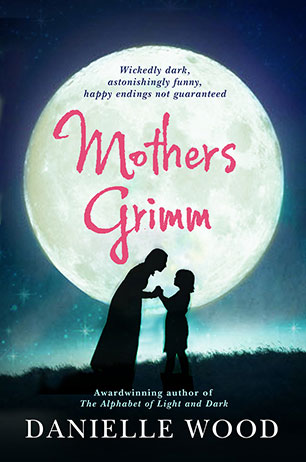
Danielle Wood, Mothers Grimm, book cover

Many writers have taken fairytales and riffed on them to explore an issue they see as relevant or important. I tend not to gravitate to these sorts of books, but one I did and loved is Danielle Wood’s short story collection, Mothers Grimm (my review) which re-visions some Grimm Brothers’ fairytales – “Rapunzel”, “Hansel and Gretel”, “Sleeping Beauty”, and “The Goose Girl” – to reflect on contemporary motherhood.

Book cover

It’s not hard to find links for novels about contemporary motherhood, but I’m going to link to a memoir, Australian filmmaker Jocelyn Moorhouse’s Unconditional love: A memoir of filmmaking and motherhood (my review) because it’s about a mother with a successful profession who had to make some very hard decisions about balancing mothering and career. It is great to see that with her children now grown up, she is picking up her career more actively – and, yes, successfully.

Book cover

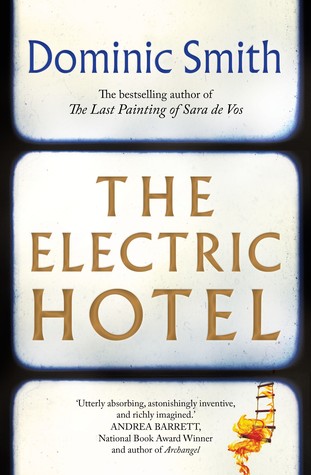
You all know that while I read nonfiction, fiction is my first love, so for my next link I’m returning to fiction and an historical novel about the early years of filmmaking, Dominic Smith’s The electric hotel (my review). It chronicles the life and career of fictional silent filmmaker Claude Ballard. He is sent into bankruptcy through the actions of the nonfictional film inventor Thomas Edison who did his best to exert control over the early film industry.

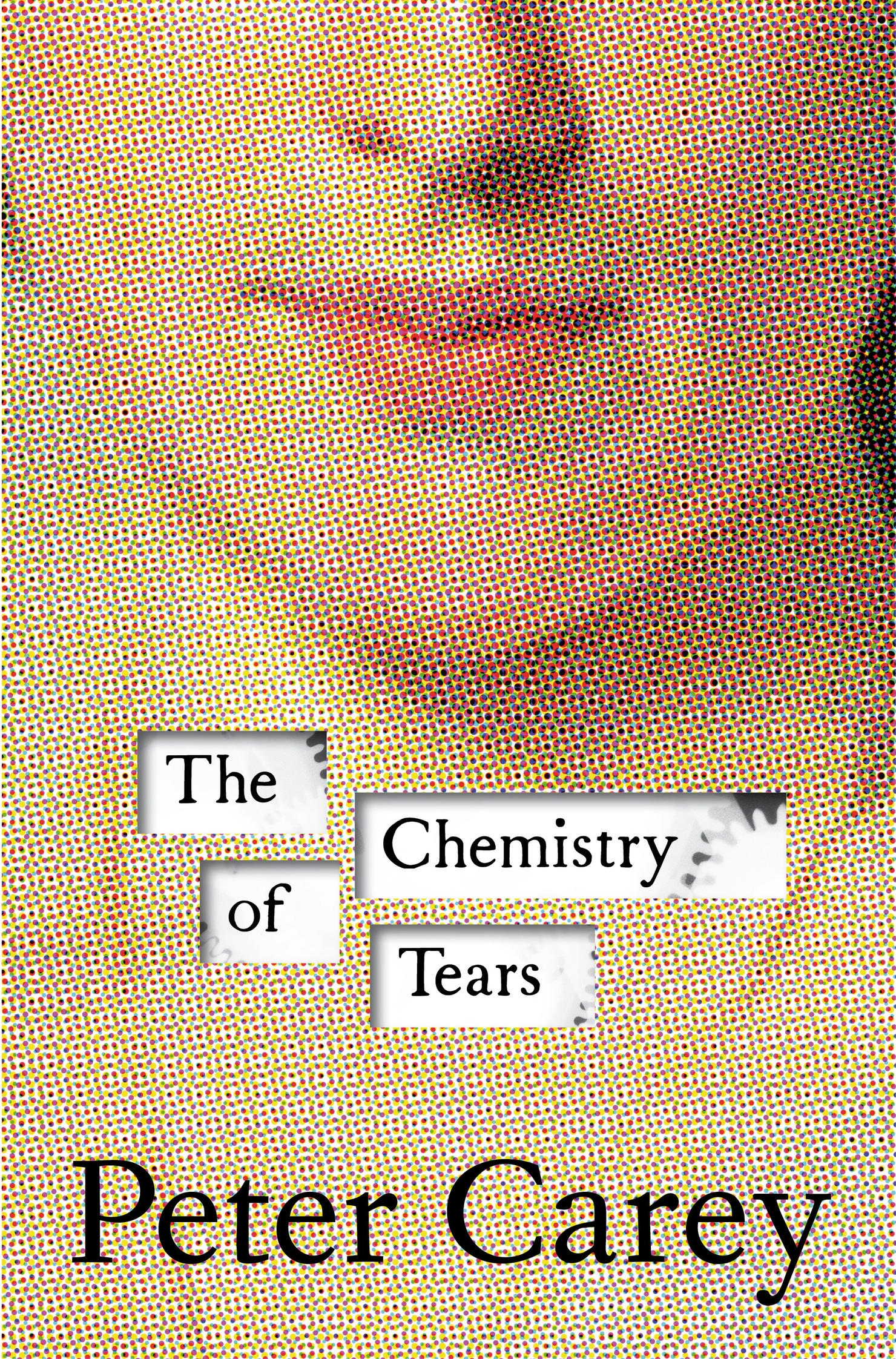
Peter Carey Chemistry of tears bookcover

Dominic Smith is Australian-born but now lives in Seattle, Washington, USA. Another Australian-born writer who has taken up residence in the USA – albeit on the opposite coast – is Peter Carey. I’ve reviewed a few of his books here but the one I’m linking to is another work of historical fiction, The chemistry of tears (my review).

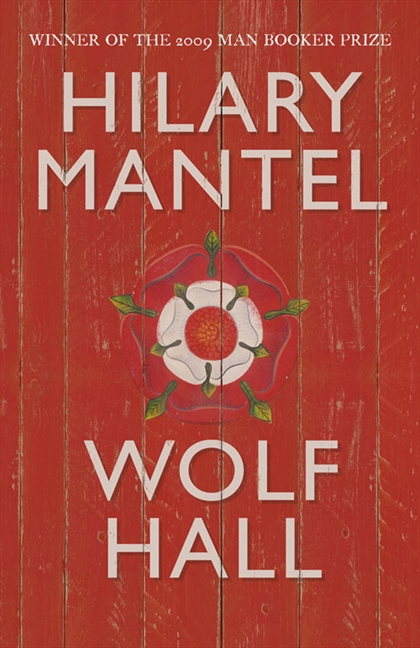
Hilary Mantel, Wolf Hall

The chemistry of tears is set in England and Europe at that time of great industrialisation, but it’s not form or content on which I am linking next. Peter Carey is one of six writers who have won the Booker Prize twice, and I have reviewed books by three of the other five here, JM Coetzee (now Aussie-based), Margaret Atwood, and the one I’m going to link to Hilary Mantel. She won it for Wolf Hall and its sequel Bring up the bodies, but Wolf Hall (my review) is my chosen link, because …

EM Forster, Howards End

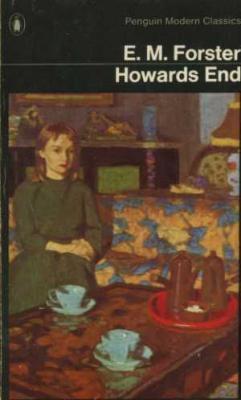
Wolf Hall is the name of a place, a building, a residence in fact, relevant to the novel. It conveys something about the protagonist’s wolfish actions and presages the novel’s sequel (being the home of Henry VIII’s next wife). EM Forster’s Howards End (my review) is also titled for the name of a place, a building, a residence. This place too has a political resonance in the novel, albeit not embedded in the name itself. It stands for traditional culture and values at a time of significant social change, and is where two opposing ideas come together.

This month, I have a rare 50:50 gender split in my selections. We’ve not travelled so far, sticking primarily to Australia, the USA and England – though Dominic Smith does have us scampering a bit around the world and Peter Carey takes us to Germany.

Vale Neil: This morning, Bill (The Australian Legend) emailed me to let me know that one of our commenters, Neil@Kallaroo, had died this week. This was desperately sad news for us. Mr Gums and I attended Neil’s wedding in 1978, and he and his wife ours that same year. Neil frequently commented on my Six Degrees posts in particular, offering his own links. Most recently, though, in late October, he engaged in a discussion about reading eBooks and note-taking on my Telltale post. Neil had been chronically ill for many years, and Mr Gums and I had long been keen to visit him. We finally managed to go to Perth and visit him in hospital in September this year. How great that we did. Neil was his same, lovely, engaged-in-life self. Frustrated by his weakness, he was just getting on with living the best life he could – reading, playing games (online with friends and family), doing puzzles. Vale Neil, you were a good person to know. We will miss your annual Gneillian News!

Now, the usual: Have you read The snow child? And, regardless, what would you link to?

Nonfiction November 2022: New to my TBR

Week 5 on Nonfiction (November 28-Dec 2) is all about what’s New to My TBR, and is hosted by Jaymi (The OC Bookgirl). To be honest, I wasn’t going to play along for this week in which we are supposed to list the books that have made it onto our TBRs from those bloggers have been shared over the month. This is because Last year, for example, I listed EIGHT books in my “New to my TBR” post, and have so far read just one, Gabrielle Carey’s Only happiness here (my review). I rest my case …. However …

Newly found on my TBR

In Week 1, two books were recommended to me on my post, that I knew I would want to read. Indeed, they sounded a bit familiar, one in particular. Funny that, because when I returned home from Melbourne in the middle of the month, and looked at the TBR next to my bed – you know, those books that you hope you’ll read soon – there these two were.

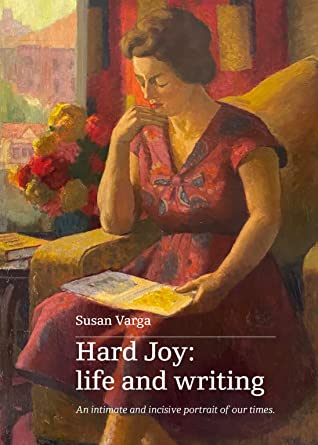
The one I was fairly confident I had was recommended by Australian novelist and feminist Sara Dowse, who has herself appeared several times on my blog. The book she recommended was Susan Varga’s Hard joy: Life and writing. I have reviewed a couple of Susan Varga’s books too – her memoir Heddy and me, and her poetry collection, Rupture – so I am confident that with Sara Dowse’s recommendation and my past enjoyment of Varga’s work, that I will also like this.

The other I was less sure about, but had started to suspect I might have it too. It was recommended by another Australian writer who has appeared several times on my blog, Carmel Bird. She recommended an author I’d never read before, but the topic of his book sounded right up my alley, as Carmel Bird knew – books, nature and words. The book is Gregory Day’s Words are eagles: Selected writings on the nature & language of place. Nature, language and place … this book of essays looks perfect for me.

The reason I have both books is that I advanced ordered them from the relatively new publishing company Upswell. Their inventory is so appealing and I’ve ordered/subscribed to several over the two years of their existence, but have not managed to read them because of the backlog of review copies I have. So, here I’m going to say that I’ve decided that I am going to find a better balance in my reading between the review pile – albeit there are many there I want to read – and those books I have bought because I have specifically chosen them. My next twelve months is going to be very busy as I prepare to downsize and sell our family home of the last 25 or so years and move into something smaller, but, after that, I am very hopeful of having MORE time to read. Yay that!

Eyes bigger than …

Otherwise, I must admit that I’ve jotted down very few other bloggers’ nonfiction reads – not because I wasn’t interested but because I knew I could not justify adding them to my list. However …

Melanie (Grab the Lapels) made these recommendations, with comments, on my Stranger than fiction post:

  • Jessica Chiccehitto Hindman’sSounds like Titanic: this one is a hoot
  • Lee Israel’s Can you ever forgive me?: this one made me hang my mouth open
  • Bruce Goldfarb’s 18 tiny deaths: The untold story of Frances Glessner Lee and the invention of modern forensics: this one surprising because I thought there were more forensic pathologists
  • Janice Erlbaum’s Have you found her?: this one I would love to tell you about but do not want to spoil it.

There were several books in the Worldchangers week, in particular, that also grabbed my reluctant attention, but I’ll just bring a couple to your attention:

Symeon Brown’s Get rich or lie trying, which Liz Dexter described as “an exposé of the world of internet influencers, or rather those who try desperately to monetise their lives for various reasons, including hauling themselves out of poverty, and who are used and abused by companies who know their desperation”.

Alone in the kitchen with an eggplant: Confessions of cooking for one and dining alone, a collection of essays edited by Jenni Ferrari-Adler, which Lou said “helped me to see cooking and eating alone as a privilege and a mark of independence, not a lonely activity”. Many of us either live alone or could very well one day find ourselves alone … this is a great thing to appreciate.

If you are doing Nonfiction November, I‘ll probably see your recommendations. But, if you’re not, do share if any books recommended by bloggers have grabbed your attention this month.

Monday musings on Australian literature: Prime Minister’s Summer Reading List

The Grattan Institute is an Australian non-aligned, public policy think tank that was established in 2008. Since 2009 it has published, at the end of the year, their Prime Minister’s Summer Reading List. This list, as they wrote on the inaugural 2009 list, comprises “books and articles that the Prime Minister, or any Australian interested in public debate, will find both stimulating and cracking good reads”.

The first two lists contained 8 titles, but since then it has been 6. A curious number, but then, any number would be arbitrary, so why not? Literary editor, Jason Steger, shared the 2022 list last week, and provided some interesting background. This included sharing Grattan’s chief executive Danielle Wood’s explanation that they “try to pick books that have something interesting, original, or thought-provoking to say on issues that are relevant to the Australian policy landscape. The books don’t have to be by local writers or about Australia … but they do have to address issues that have relevance in an Australian policy context.” 2022’s list, which will be formally launched on 8 December, has two books by Americans.

Steger says that no-one knows, usually, whether the Prime Minister reads any of the recommendations. Grattan rarely receives a thank-you letter from the PMs, which is poor. Don’t they have minders to do those things? Isn’t it good manners to thank people for gifts? One Prime Minister, though, has shown interest. Wood told Steger that:

We did hear from one. It was Malcolm [Turnbull]. He asked for the books to be couriered to his holiday home rather than the Lodge and I think he read at least some of them that year. He was probably the most receptive PM to the idea of the list.

Here is the 2022 list in their order, with a small excerpt from their reasoning:

  • Career & family: Women’s century-long journey toward equity, by Claudia Goldin (American researcher on gender economics; nonfiction): “essential reading for anyone wanting to understand the barriers to gender equality – and how we got here”.
  • We come with this place, by Debra Dank (First Nations Australian writer; memoir): “As Australia contemplates a Voice to Parliament, this book reminds us to listen. Listen when the land tells her story. Hear the voices of the traditional owners”.
  • My father and other animals, by Sam Vincent (Australian journalist/writer; memoir): “about regeneration, sustainability, and legacy… a story of how a son learns about his own family, just as much as how he learns to become a farmer”. 
  • Cold enough for snow, by Jessica Au (Australian author; novella): “an inner journey, arriving at the realisation that some gaps can never be bridged, some people will never be fully understood, and some baggage will never fully be shed. And that whether we are ready or not, time carries us forward, forcing our roles to adjust to new circumstances”. (On my TBR; Reviews by Lisa and Brona.)
  • Buried Treasure (in Griffith Review, 77), by Jo Chandler (Australian journalist; essay): on Australia’s million-year ice core project, “a beautiful and hopeful essay about building a collaborative understanding of the rhythms of our planet”
  • Healing: Our path from mental illness to mental health, by Thomas R. Insel (American doctor; nonfiction): “offers a hopeful vision of how we can remake our mental healthcare system”.

So, one work of fiction, one essay, two memoirs and two works of nonfiction.

Here are links to all the lists, by year: 2009, 2010, 2011, 2012, 2013, 2014, 2015, 2016, 2017, 2018, 2019, 2020, 2021, 2022. There are some interesting books in there, of which I’m sharing one or two from each year, in listing year order:

  • Chloe Hooper’s The tall man (2009, creative nonfiction) 
  • David Malouf’s Ransom (2009, novella) (my review)
  • Noel Pearson’s Radical Hope: Education and Equality in Australia (Quarterly Essay 35) (2009, essay) 
  • Andrew Leigh, Disconnected (2010, nonfiction)
  • Judith Brett’s Fair share (Quarterly Essay 42) (2011, essay)
  • Frank Moorhouse’s Cold light (2011, novel) (my review)
  • Adrian Hyland’s Kinglake-350 (2012, creative nonfiction) 
  • Richard Flanagan’s The narrow road to the deep north (2013, novel) (my review)
  • Joan London’s The golden age (2014, novel) (Lisa’s review)
  • Samuel Wagan Watson’s Love poems and death threats (2015, poetry collection)
  • Stan Grant’s Talking to my country (2016, nonfiction/memoir) (my review)
  • Judith Brett’s The enigmatic Mr Deakin (2017, political biography) (Nathan’s review)
  • Michelle de Kretser’s The life to come (2017, novel) (my review)
  • Robbie Arnott’s Flames (2018, novel) (Lisa’s review)
  • Behrouz Boochani’s No friend but the mountains: Writing from Manus Prison (2018, memoir)
  • Jess Hill’s See what you made me do (2019, nonfiction) (my review)
  • Alex Miller’s Max (2020, novel) (Lisa’s review)
  • Alison Whittaker’s Fire front: First Nations poetry and power today (2020, poetry anthology) (Brona’s review)
  • Paige Clark, She is haunted (2021, short story collection)
  • Rick Morton’s On money (2021, nonfiction)
  • Henry Reynolds’ Truth-telling: History, sovereignty, and the Uluru Statement (2021, nonfiction) (Janine’s review)

I’m particularly interested in the fiction choices, because they have often gone for non-mainstream, more reflective works, and they have also, on occasion, included poetry. I like that. But, why these particular choices?

Well, for Ransom, they write “it’s a tale of transformations” and “if only government reports were written in language like this”. For Cold light, a more obvious choice, they say it’s “about power, secrecy, the mortal struggle between capitalism and communism – and urban planning” and conclude with:

Frank Moorhouse once lamented the fact that, despite all their riches of human experience, Australian novelists had disdained the realms of government and business as ciphers too corrupt and foul for their art. But writing by journalists, academics and policy wonks cannot provide a complete understanding of our society. Fiction also has a vital role; for some readers, the vital role…

For readers like us, I’d say.

The other comment I’d like to make concerns themes and subject matter. Equality – gender equality, yes, but also more broadly – features often. First Nations authors and issues appear regularly, as they should while so much remains unresolved. Books about democracy and how it is faring also keep popping up, unsurprisingly. On the other hand, climate change and the environment, while they do appear, seem to have a relatively low profile in the list by comparison.

If you had the opportunity to make one recommendation to the leader of your country, what would it be? My guess is that Bill’s would be Chelsea Watego’s Another day in the colony. Let’s see if I’m right. Meanwhile, what will Albo read?

Heather Rose in conversation with Sally Pryor

As I’ve written before, Muse Canberra, a restaurant-cum-bookshop or vice versa, offers a wonderful program of book events, year after year. I don’t get to many, but today I attended a conversation featuring Tasmanian author Heather Rose with local journalist Sally Pryor.

The participants

Heather Rose has written three children’s books and five novels, of which I’ve reviewed two, The Museum of Modern Love (my review) and Bruny (my review). Her latest book, the subject of this event, is different, a memoir, Nothing bad ever happens here: A memoir of loss and recovery.

Sally Pryor is the Features Editor of our newspaper, The Canberra Times, which is now part of Australian Community Media. Since that company changed hands in 2019, it is now publishing local reviews once again, after some years in the dark when most of the arts reviewing we got was syndicated from the big city newspapers.

The conversation

After Dan did the usual intros, Sally spoke a little more about Heather and her book, explaining that while Heather had always planned to write a memoir, she hadn’t planned to publish one, for several reasons, one of which was that she was wary of outing herself as a spiritual person and of putting her views onto others. Sally described the memoir – which Heather has indeed published – as the “least predictable and most enticing memoir” she’d read. Heather then read the book’s first chapter, “Sky”. It places herself as a 6-year-old at school, and then concludes with

I could write a memoir about travelling, the writing life, or my love of making cakes. But I’m still that girl under the tree who wants to get to the big conversations, to the heart of things. So here are some stories about life and death. About experiences that have no easy explanation, but which happened, nevertheless. The unknown, that 95% – maybe it’s an invitation for compassion. Life is a process of forgiveness for the choices we make in order to be ourselves.

On what started it all 

Sally suggested they start with the tragedy that, says the back cover blurb, set her on “a course to explore life and all its mysteries”. Heather commenced by describing her idyllic childhood in Tasmania. It was beaches, paddocks and orchards; days spent outside; a “glorious, wild childhood”. There was the family home on the edge of Hobart and a shack on the Tasman Peninsula, built by her maternal grandfather built the shack. He also taught Heather to appreciate nature, telling her, “Look Heather, that’s what beauty is”. But, just after she turned 12, her grandfather and older brother died in a boating accident. It destroyed the family, and by the time she finished year 12, she found herself alone in the family home. She decided to go overseas, to live her life “very fully” because her brother hadn’t.

On life being “a process of forgiveness for the choices we make”

Sally shared a little of that overseas trip, that “thrilling life”, which had it all, from meeting celebrities, including the Queen, to staying in a Buddhist monastery, not to mention romance, drugs and alcohol. But, asked Sally, what did she mean by life being “a process of forgiveness”?

One of the things I enjoyed about this conversation was Rose’s comments on writing memoir, and one of the places she discussed it was here. One of the most challenging things about writing a memoir, she said, is revisiting who you were in the past. Memories are tough to go back to. She was reckless, but didn’t realise then what dangers she’d put herself in. She made many mistakes, and revisiting all those things is “a hollowing out experience”. She wrote a lot, and then had to decide what to leave out to hone it to the things that shaped her. She needed to confront what she’d inflicted on herself, and to not blame others. It was her life she said, and she was going to own it, hence life being a process of forgiveness for all we’ve done. I found this moving – and something worth thinking about a bit more for myself!

On the book’s spiritual journey

Sally then turned to the spiritual journey aspect of the book, calling it a “very religious book”. She asked, in particular, about Heather’s taking part in a Native American ceremony that lasted several years. I won’t detail it here as it’s all in the book, but it was the Sun Dance. The point is that it changed her world-view entirely because after this she did not see herself as separate. She felt connected to everything (animate and inanimate), and “did not see world as a fixed reality”. She writes in the book, “everything was permeable, malleable, responsive” (p. 132).

Sally, continuing this theme, mentioned that she understands Heather always asks people if they’ve experienced anything they can’t explain, and everyone has! Most are post-death experiences – messages from the recently dead that all is ok – but others include warnings (like “don’t go that way”) that people feel have served them, sometimes to the point of saving their lives. For Heather this is reassuring, the idea that we have other senses, while Sally said she finds it frightening, which resulted in Heather teasing her ideas out a bit more.

Heather’s point is that the hardest thing is to think our lives are meaningless. She goes back to Descartes, but instead of “I think therefore I am” she sees it as “I am, therefore I feel”, “therefore I think”, etc. Life is a finite thing, she continued, and our fear is that maybe it’s all for nothing. Perhaps, she said, but we could also think that maybe it’s all for everything. Don’t we all love people, she said, who are vibrant, alive, who give of themselves?

On the book’s title

Sally suggested that the book’s title was “a way of reframing the narrative”. Heather said that in her 50s she visited the place, Lime Bay, where the tragedy had occurred and “felt nothing”, which brought her to think that “if everything just is, maybe nothing bad ever happens”. (Me: Not sure about this.) She then threw out that she “likes being un-evolved”. In my experience, the idea of being “un-evolved” is usually seen as a bad thing, but I like her understanding of the idea, her sense of never being finished, of always being curious and open.

Q & A

There was a brief Q&A, which I’ll summarise:

  • On what she wanted her children to take away from the memoir: Heather shared that her 22-year-old daughter had said that most of her readers were older, but she thought it was a good book for people HER age 22 because it will make them braver. Heather added that it’s not bad for kids to see their parents 360°.
  • On her family’s response to the book given they were not allowed to talk about the tragedy at the time: This was hard, particularly how her parents would feel about it, but she also felt that it was her story, not theirs. Her sister read various drafts, and said she felt it completed her life. Heather was most concerned about her father, who has been a great supporter of hers but whose grief had been “enormous but unvoiced”. His reaction was “I think we all needed you to write about it”. Heather also commented that writing memoir is hard, because you can’t avoid writing about people who are alive, and then quoted Hemingway’s, “writing is easy, you just sit down and bleed”! Sally commented here that most people can’t get their feelings onto a page, so she can see what it meant for Heather’s dad, at which point, Heather observed that she was relieved to be returning to the novel!
  • On whether characters get away from her: Yes, for example her The butterfly man character “didn’t tell her the truth for two and a half years”! She kept stitching up the end to give him redemption, but had to let that go because it wasn’t him, it was her, the writer. That’s what makes good writing, she said, when the writer stops trying to intervene. She also gave a Bruny example.
  • On her reluctance to wear a “spiritual tag”: This was partly because things go very badly when women put themselves out in the world. It can be a “very vicious world” if you stand up and align with a specific perspective. But, she also wants people to take on their own perspective, rather than imposing her own point-of-view. The questioner appreciated that Heather is still exploring, which she saw as the “heart of spirituality”.
  • On the process of writing, particularly re fiction vs nonfiction: With fiction there are rules, responsibilities, and voice. We know, for example, that with Murakami we will get a “distant, hapless” voice, and with Kingsolver, “heart”. There is so much you can build on in fiction. With the memoir, she had to start with nothingness to find who she was, and she found she is still that 6 year old girl looking for the big conversations. Writing the memoir was “harrowing, and hallowing” but she feels braver, and now owns all she is.
  • On returning to the novel: Heather loves writing fiction because she loves her characters, and she also enjoys the research.

Closing the session, Dan commented on the level of attention he’d observed in all our faces! I’m not surprised. It was such an engaging, different and, at times, surprising discussion – and that always gets my vote.

Brona has reviewed this book.

Heather Rose: Nothing ever happens here (with Sally Pryor)
Muse (Food Wine Books)
Saturday, 26 November 2022, 4-5pm