Monday musings on Australian literature: Collaborative story-telling between First Nations Australian and white writers

National NAIDOC Logo (2025)

NAIDOC Week 2025 started yesterday, and as I have done for many years now, I am devoting my NAIDOC Week Monday Musings to celebrating First Nations writers in some way.

This year is a particularly special year because it marks NAIDOC Week’s 50th anniversary, 50 years it says, “of honoring and elevating Indigenous voices, culture, and resilience”. The 2025 theme is “The Next Generation: Strength, Vision & Legacy,” and is intended to celebrate not only past achievements achievements, “but the bright future ahead, empowered by the strength of our young leaders, the vision of our communities, and the legacy of our ancestors”. 

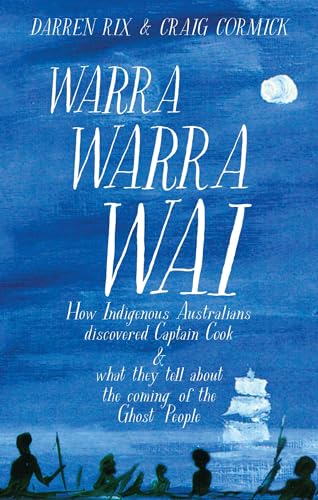
.Now, over the years, I have written posts on a wide range of First Nations writing and storytelling, was wondering what to write about this year, when a couple of weeks ago this idea of collaborative writing projects popped into my head because I’ve come across a few in the last few years. Then, at the ACT Literary Awards last Thursday night, another such collaboration was not only shortlisted but won the Nonfiction award. The book is Warra Warra Wai: How Indigenous Australians discovered Captain Cook & what they tell about the coming of the Ghost People, and is by Darren Rix and Craig Cormick. That sealed the deal!

In the introduction to this book, Darren and Craig, the names they use to sign off the Introduction, say that:

This book has been a blackfella-whitefella collaboration, because too much of our history has been written by one voice only, and we need to find more collaborative ways to tell our past, present and future.

I would love to discuss all the collaborations I’m going to share in this post – including researching how the collaborations worked, who did what, and how differences (if any) were resolved – but that would be a big project. I have, however, met some of the writers involved, and have followed some of the projects on social media, so I am aware of some of the processes the writers followed. For now, though, I will share what Darren and Craig say in their Introduction:

In this collaboration, we each worked to our strengths. Craig did most of the work in the archives, and Darren did most of the oral interviews – and the people we talked to got the final say on the text. The stories we gathered belong to the individuals and communities we visited. This is their book.

Selected list of collaborative books

This list is presented in alphabetical order by the name of the first author listed on the title. I did think about dividing it into two lists – one fiction, one nonfiction – but decided that all these books aim to share truths about our society and culture, whether told within a factual or imaginative framework, so one list it is. (Links on authors’ names are to my posts on that author.)

There has been a lot collaborative publishing in the children’s literature sphere, over a significant period of time, but I’ve been less aware, until relatively recently, of similar activity in the adult sphere.

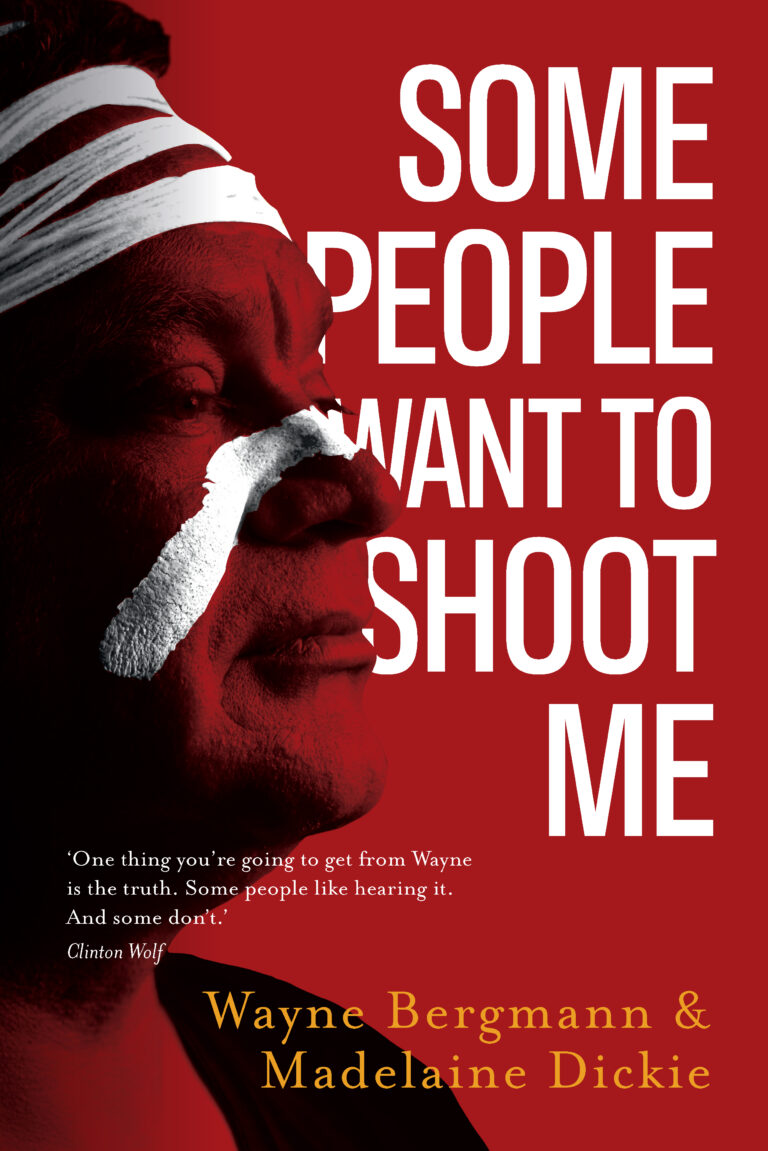
Wayne Bergmann and Madelaine Dickie, Some people want to shoot me (memoir, Fremantle Press, 2024, on my TBR): shortlisted for Nonfiction Book of the Year in the Western Australian Premier’s Book Awards.

Craig Cormick and Harold Ludwick, On a barbarous coast (historical fiction, Allen & Unwin, 2020, my review): a re-imagining of what happened when Captain Cook’s Endeavour was wrecked off the coast of Far North Queensland.

Aaron Fa’Aoso with Michelle Scott Tucker, So far, so good: On connection, loss, laughter and the Torres Strait (memoir, Pantera Press, 2022, Bill’s review): apparently the first memoir by a Torres Strait Islander to be commercially published, which means it addresses “the under-representation of Torres Strait Islander perspectives in Australian life”. You can read more about it on Tucker’s website.

Aaron Fa’Aoso and Michelle Scott Tucker with Lyn White, Spirit of the crocodile (YA fiction, Allen & Unwin, 2025, on my TBR, Bill’s review): a coming-of-age novel set against the challenges to the Saibai island community of climate change.

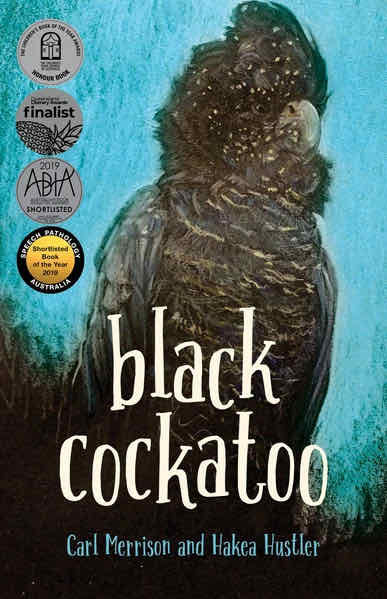
Carl Merrison and Hakea Hustler, with Dub Leffler (illus.), Black cockatoo (YA fiction, Magabala Books, 2018, my review): pleasingly, this book was in my Top 10 visited posts last year, and is in the Top 20 this year to date.

Boori Monty Pryor and Meme McDonald, Maybe tomorrow (memoir, 1998, my review): one of the first books I reviewed on this blog. Pryor has focused much of his life’s work on helping young people feel strong in their culture.

Boori Monty Pryor and Jan Ormerod, Shake a leg (Children’s picture book, Allen & Unwin, 2010): one of several children’s book collaborations involving Boori Monty Pryor.

Darren Rix and Craig Cormick, Warra Warra Wai: How Indigenous Australians discovered Captain Cook & what they tell about the coming of the Ghost People (history, Scribner, 2024, on my TBR): follows Cook’s journey up “Australia’s” east coast, visiting the places he renamed and gathering the local people’s stories.

Nicolas Rothwell and Alison Nampitjinpa Anderson, Yilkari: A desert suite (“unclassifiable” but fiction, Text Publishing, July 2025, on my TBR)

As the word “selected” conveys, this is not intended to be a comprehensive list, but an introduction to the range of collaborative writing that’s been happening. However, I (and readers of this blog I’m sure) would love to hear of other First Nations-settler collaborations, including from other parts of the world.

Click here for my previous NAIDOC Week-related Monday Musings.

Have you read any First Nations-white writer collaborations? And if so, care to recommend any?

Stella Prize 2025 Winner announced

The 2025 Stella Prize winner was announced tonight at a special event at the Sydney Writers’ Festival, and the winner is …

Michelle de Kretser’s Theory & practice

How happy am I that a book I reviewed only last week won the award! It is a provocative and thoroughly engrossing book in all the ways. I don’t feel I did full justice to it, but I did love thinking about what she was doing. It’s playfully mind-bending, but is also very serious about the art of the novel, what it can be, and what it can say. I can’t of course say whether I would have chosen it, as I’ve only read two of the shortlisted books. However, it is a wonderful book, and, when it comes to acceptance speeches, de Kretser is up there with the best. (You can see it at the Stella site) She was compassionate and eloquent. She made a beautiful but pointed statement commemorating two groups of women: the Stella founders who rejected business as usual in the literary world, and the women and girls of Gaza who are suffering under the business-as-usual actions of Israel’s genocide in Gaza.

She also said:

“I’m still afraid. But I’ve just accepted a prize that is not about obedience. It’s not about feel-good narratives, it’s not about marketing, it’s not even about creativity – Stella is about changing the world.”

Michelle de Kretser on a screen

It was pure class.

The announcement was made at a special event at the Sydney Writers’ Festival. It involved: an introduction by Fiona Sweet, Stella’s CEO; a discussion between three of the judges (Astrid Edwards, Leah-Jing McIntosh and Rick Morton) about the shortlisted books; the awarding of the prize; Michelle de Kretser’s recorded acceptance speech (see here); and a conversation between her (in Sussex) and Rick Morton.

Just to remind you, the short list was:

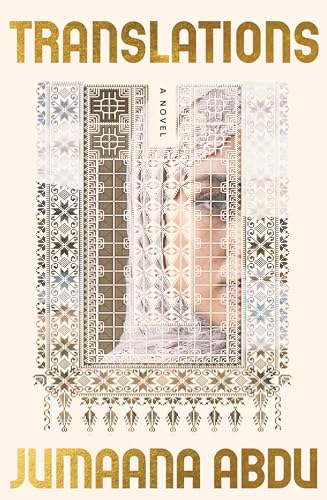
  • Jumaana Abdu, Translations (fiction, kimbofo’s review)
  • Melanie Cheng, The burrow (fiction, my review)
  • Santilla Chingaipe, Black convicts: How slavery shaped Australia (non-fiction/history)
  • Michelle de Kretser, Theory & practice (fiction, my review)
  • Amy McQuire, Black witness: The power of Indigenous media (non-fiction/essays)
  • Samah Sabawi, Cactus pear for my beloved: A family story from Gaza (memoir/non-fiction)

And the judges were Gudanji/Wakaja woman, educator and author Debra Dank; teacher, interviewer/podcaster, and critic Astrid Edwards; writer and photographer Leah-Jing McIntosh; Sudanese–Australian media presenter and writer, Yassmin Abdel-Magied; and journalist and author with a special focus on social policy, Rick Morton. Astrid Edwards was the chair of the panel.

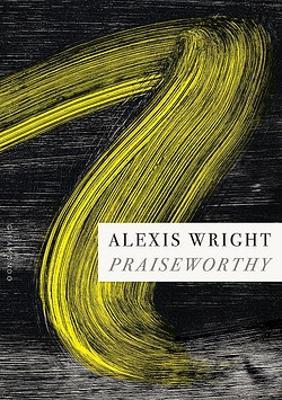
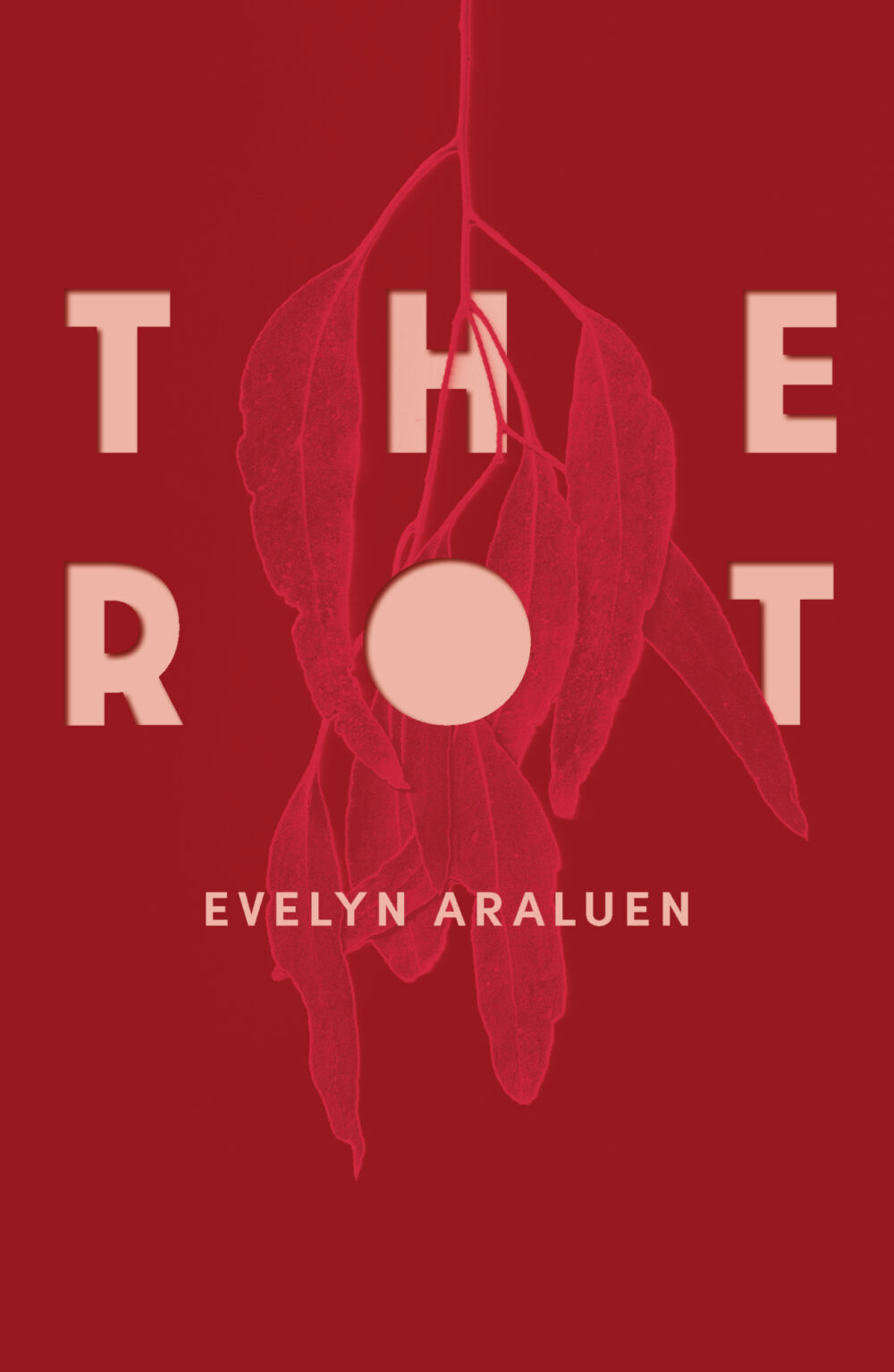
I have now read nine of the 13 winners: Carrie Tiffany’s Mateship with birds (2013, my review), Clare Wright’s The forgotten rebels of Eureka (2014, my review), Emily Bitto’s The strays (2015, my review), Charlotte Wood’s The natural way of things (2016, my review), Heather Rose’s The museum of modern love (2017, my review), Alexis Wright’s Tracker (2018), Vicki Laveau-Harvie’s The erratics (2019, my review), Jess Hill’s See what you made me do (2020, my review), Evie Wyld’s Bass Rock (2021), Evelyn Araluen’s Dropbear (2022, my review), Sarah Holland-Batt’s The jaguar (2023), Alexis Wright’s Praiseworthy (2024), and Michelle de Kretser’s Theory & practice (2025, my review).

Thoughts anyone?

Monday musings on Australian literature: Stella Prize Shortlist 2025

I missed reporting on the Stella Prize shortlist when it was announced in April, which is unusual for me, but it was a busy time and I just didn’t get to it. It was well reported at the time, so I’m sure those who wanted to know didn’t miss the news.

Consequently, my aim here is not so much to share the shortlist – though I do want a record for my blog – but to value-add by sharing some resources that are available which might help those who are interested in checking out or reading the shortlist.

I’ll start, though, with the shortlist – for the record:

  • Jumaana Abdu, Translations (fiction, kimbofo’s review)
  • Melanie Cheng, The burrow (fiction, my review)
  • Santilla Chingaipe, Black convicts: How slavery shaped Australia (non-fiction/history)
  • Michelle de Kretser, Theory & practice (fiction, review coming soon but here is kimbofo’s review)
  • Amy McQuire, Black witness: The power of Indigenous media (non-fiction/essays)
  • Samah Sabawi, Cactus pear for my beloved: A family story from Gaza (memoir/non-fiction)

As Judging panel chair, Astrid Edwards, pointed out, this is the first time that all Stella shortlistees are women of colour:

“This year’s shortlist is consequential for Australian literary history, as it is the first time the Stella Shortlist features only women of colour. Now in its 13th year, these works showcase an incredible command of craft and understanding of our uncertain time. These works are riveting, and they stood out to the judging panel for their integrity, compassion and fearlessness.” 

The winner will be announced at 5pm on 23 May, at the Sydney Writers’ Festival, and will be live-streamed for those of us unable to attend.

Now, here are the value-adds:

  • Shortlist Films: Created by Stella, these short films feature actors presenting extracts from each of the six shortlisted books: Susie Youssef on Cactus pear for my beloved, Tiana Hogben on The burrow, Chika Ikogwe on Black convicts, Salme Geransar on Translations, Ella Ferris on Black witness, and Michelle Perera on Theory & practice.
  • Reading Guide: The ABC’s Kate Evans (The Bookshelf), Claire Nichols (The Book Show), Daniel Browning, Nicola Heath, Anna Kelsey-Sugg, and Declan Fry have put together a Reading Guide for the six shortlisted books. It briefly introduces the Stella, and then provides an overview of each book, along with links to some other content, such as a discussion about it on an ABC program.

However, Stella has created, for each shortlisted book, an almost one-stop-shop page that includes the judges’ comments, the short film, review excerpts with links to the full review, other av content where available such as from the ABC, and podcasts): Juumana Abdu’s Translations, Melanie Cheng’s The burrow, Santilla Chingaipe’s Black convicts, Michelle de Kretser’s Theory & practice, Amy McQuire’s Black witness, and Samah Sabawi’s Cactus pear for my beloved.

A related value-add: Early last year I wrote a Monday Musings on the Stella Book of the Month. Only three had been nominated at the time, but by the end of 2024 they had named ten (here). It looks like they may not be continuing the initiative this year.

Anyhow, I’d love to know if you are reading any of the shortlist, and/or your thoughts on the list.

Stella Prize 2025 Longlist announced

Last year the Stella Prize longlist announcement took place on a Monday, gazumping that week’s Monday Musings. This year it’s a Tuesday, and it was again streamed online from the Adelaide Festival Writers Week …

As I say every year, I don’t do well at having read the Stella Prize longlist at the time of its announcement. In recent years the most I’ve read has been two (in 2019). Last year I’d read none at the time, but have read one since. This year, I have read one of the longlist (see below). I have read 8 of the 12 winners to date, which means I am falling behind! It’s not that I necessarily disagree with the winners, but just that my reading has been leading me in other directions.

In Stella’s spirit of keeping their judging panels fresh, none of this year’s judges were on last year’s panel, though some have judged before. This year’s panel comprises Gudanji/Wakaja woman, educator and author Debra Dank; teacher, interviewer/podcaster, and critic Astrid Edwards; writer and photographer Leah-Jing McIntosh; Sudanese–Australian media presenter and writer, Yassmin Abdel-Magied; and journalist and author with a special focus on social policy, Rick Morton. Astrid Edwards was the chair of the panel, and made the announcement.

The longlist

Here is the list, in alphabetical order by author, which is also how they were presented:
  • Jumaana Abdu, Translations (novel)
  • Manisha Anjali, Naag Mountain (poetry)
  • Melanie Cheng, Burrow (novel, my review)
  • Mantilla Chingaipe, Black convicts: How slavery shaped Australia (nonfiction)
  • Michelle de Kretser, Theory and practice (novel, on my TBR, kimbofo’s review)
  • Dylin Hardcastle, A language of limbs (novel)
  • Emily Maguire, Rapture (novel, my CWF Sessions 2 and 3)
  • Amy McQuire, Black witness: The power of Indigenous media: A family story from Gaza (nonfiction)
  • Samah Sabawi , Cactus pear for my beloved (nonfiction)
  • Mykaela Saunders, Always will be (short stories)
  • Inga Simpson, The thinning (novel) (Brona’s review)
  • Cher Tan, Peripatetic: Notes on (un)belonging (nonfiction)

So, seven fiction (including one short story collection), four nonfiction and one poetry collection, this year. You can read about the longlist, including comments by the judges at the Stella website.

Prior to the announcement, I pre-loaded this post with 15 potential longlistees, as a little test to myself on how many I might identify of the 12. I picked only three, partly because I hadn’t heard of some of the books the judges listed and partly because I didn’t know a lot about many of the others.

As always, I am not going to question the selection. The Stella is a diverse prize that aims to encompass a wide range of forms and styles, including some I don’t necessarily chase, and I haven’t read widely enough from 2024’s output, anyhow. But I have read one here, and gave a couple of the others to family members at Christmas. One was Rapture and it was loved. I’m keen to read the novels and the short story collection, in particular.

Last year there was an interesting panel discussion between the judges, but I don’t know whether there was one of not this year, because the YouTube link dropped out just as Astrid Edwards was finishing the list. Darn it.

Each of the longlisted authors receives $1000 in prize money, donated by the Copyright Agency’s Cultural Fund. The winer will receive $60,000. There were over 180 submissions this year.

“Literary prizes are subjective beasts, but I assure you, the works on this year’s longlist are remarkable.” Astrid Edwards

The shortlist will be announced on 8 April, and the winner on 23 May. You can seen more details on the Stella 2024 page.

Any comments?

Monday musings on Australian literature: First Nations Australian short story collections

NAIDOC Week 2024 National Logo

NAIDOC Week 2024 finished yesterday, but, as I often do, I am bookending the week with Monday Musings posts. Last week, I posted on First Nations Australian Stella listees. This week I’d like to highlight some recent (meaning 21st century) short story collections. In my admittedly limited experience, First Nations people can be wonderful storytellers. Lest this sound like a stereotype or generalisation, see Tara June Winch’s quote below!

As I shared last week, NAIDOC Week’s theme this year was Keep the Fire Burning! Blak, Loud and Proud. It encompasses a number of ideas but one, the website says, relates to forging “a future where the stories, traditions, and achievements of Aboriginal and Torres Strait Islander communities are cherished and celebrated, enriching the fabric of the nation with the oldest living culture in the world.” Short stories make a perfect contribution to this goal, and contemporary First Nations writing is richly served in this form. My aim here is to share a selection in order to provide a resource for anyone interested in reading more First Nations stories.

“we are a culture that has survived by storytelling” (Tara June Winch)*

The first First Nations stories I read were the “myths and legends” which comprised a significant component of the first works of First Nations literature to find its way into the mainstream. Not all of these, I admit, were written by First Nations people, though some were, such as those published in the 1970s and 80s by Dick Roughsey. Some others claimed (and I hope this was honest) to have shared the stories with the agreement of the relevant owners of those stories. I then jump a few decades to journals like The Griffith Review which has, from its start, included writings – fiction and nonfiction – by First Nations writers. Indeed, they write on their website that

One of the things that makes Australia truly unique is being home to the oldest continuous civilisation. What this really means is undervalued and little understood in this country. It is part of the reason Griffith Review has featured Indigenous writing in every edition.

So, we find articles, poetry and fiction by Tony Birch, Melissa Lucashenko, Ellen van Neerven, Alexis Wright, and others. One of the first First Nations short stories I reviewed on my blog was one by Melissa Lucashenko from The Griffith Review.

Selected short story collections and anthologies

  • Tony Birch, Common people (UQP, 2017) (Lisa’s review)
  • Tony Birch, Dark as last night (UQP, 2021)
  • Tony Birch, Father’s day (Hunter Publications, 2009)
  • Tony Birch, The promise (UQP, 2014)
  • John Morrissey, Firelight stories (Text Publishing, 2023)
  • Mykaela Saunders (ed), This all come back now: An anthology of First Nations speculative fiction (UQP, 2022)
  • Adam Thompson, Born into this (UQP, 2021) (my review)
  • Ellen van Neerven (ed.), Flock: First Nations stories then and now (UQP, 2021) (on my TBR)
  • Ellen van Neerven, Heat and light (UQP, 2014) (my review)
  • Archie Weller, The window seat (UQP, 2009)
  • Tara June Winch, After the carnage (UQP, 2016)

As with the Stella listees, UQP leads the pack here too, with such a strong commitment not only to First Nations writing but to that dreaded form, the short story! And, many of these collections have been listed for (or won) some of Australia’s top literary awards. The stories cover all genres – contemporary fiction, speculative, dystopian, historical fiction, satire, ghost stories, and so on.

I would like to add here a title from Fremantle Press, though its ambit is a little wider. Published in 2022 and edited by Ellen van Neerven and Rafeif Ismail, it is Unlimited futures: Speculative, visionary Blak+Black fiction, and it comprises “speculative, visionary fiction from 21 emerging and established First Nations writers and Black writers” (Fremantle website). I’ve reviewed a few pieces from it, including Ambelin Kwaymullina’s Fifteen days on Mars (my review).

I didn’t plan for this to be a treatise, but a taster – or, is it, tempter? I will close on another quote that speaks to me …

We are your original storytellers. Our culture has survived through story and we are the civilisation with songlines etched in the land you inhabit. (Tara June Winch)*

* Tara June Winch, “Decolonising the shelf”, Griffith Review 66 (Nov 2019)

Click here for my previous NAIDOC Week-related Monday Musings.

Have you read any First Nations short stories – Australian or otherwise? And if so, care to recommend any?

Monday musings on Australian literature: First Nations Australian Stella listees

NAIDOC Week 2024 National Logo

Yesterday was the start of NAIDOC Week 2024. As has been my practice since 2013, I’m devoting this week’s Monday Musings to the cause.

NAIDOC Week’s theme this year is Keep the Fire Burning! Blak, Loud and Proud. Without specifically stating it, this theme responds, I’m sure, to the devastating loss of the Voice referendum last year. As the website says, it “celebrates the unyielding spirit of our communities and invites all to stand in solidarity, amplifying the voices that have long been silenced”. They say more, but I’ll just share two other points. One is that “the fire represents the enduring strength and vitality of Indigenous cultures, passed down through generations despite the challenges faced”, and the other is that

Through our collective efforts, we can forge a future where the stories, traditions, and achievements of Aboriginal and Torres Strait Islander communities are cherished and celebrated, enriching the fabric of the nation with the oldest living culture in the world.

For this year’s NAIDOC Week Monday Musings, I thought I’d pick up the point about cherishing and celebrating the stories of Aboriginal and Torres Strait Islander communities. This is simplistic, I know, but one way in which stories are celebrated is through awards – particularly through being short- or long-listed, or winning them. One award which has actively sought to embrace diversity in its foundational purpose is the Stella. Yes, that diversity is limited to “women and non-binary writers”. Nonetheless, the achievements have been significant in encouraging and raising the profile of many writers who may not have been seen otherwise.

So, with 17 years of the prize now in the bag and in the spirit of celebrating their achievement, I am listing all those works by First Nations writers which have featured in the Stellas over that time. This might also give them another little time in the air.

The Stella listees

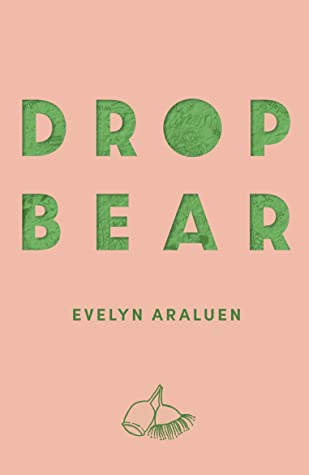
  • Evelyn Araluen, Dropbear (Poetry and prose, UQP) : Winner 2022 (my review)
  • Claire G. Coleman, Terra nullius (Fiction, Hachette Australia) : Shortlisted 2018 (my review)
  • Dylan Coleman, Mazin Grace (Fiction, UQP) : Longlisted 2013 (Lisa’s review)
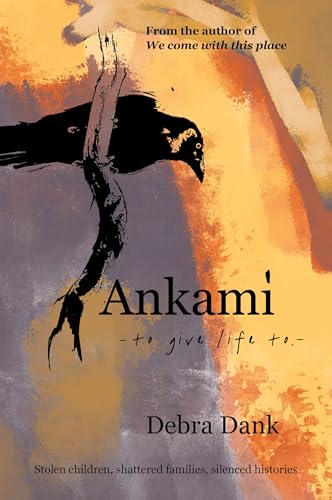
  • Debra Dank, We come with this place (Nonfiction, Echo) : Shortlisted 2023 (my review)
  • Ali Cobby Eckermann, She is the earth (Poetry/Verse novel, Magabala Books) : Longlisted 2024  (on my TBR, kimbofo’s review)
  • Gay’wu Group of Women, Songspirals (Nonfiction, Allen & Unwin) : Longlisted 2020 (Denise’s review)
  • Anita Heiss, Bila Yarrudhanggalangdhuray (Fiction, Simon & Schuster) : Longlisted 2022 (my review)
  • Ngaire Jarro & Jackie Huggins, Jack of Hearts: QX11594 (Nonfiction, Magabala Books) : Longlisted 2023 (kimbofo’s review)
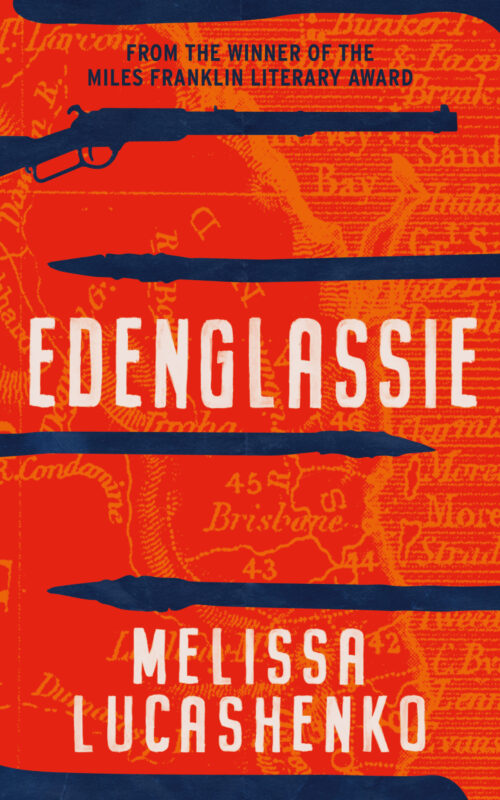
  • Melissa Lucashenko, Edenglassie (Fiction, UQP) : Longlisted 2024 (on my TBR, Brona’s review)
  • Melissa Lucashenko, Mullumbimby (Fiction, UQP) : Longlisted 2014 (Lisa’s review)
  • Melissa Lucashenko, Too much lip (Fiction, UQP) : Shortlisted 2019 (my review)
  • SJ Norman, Permafrost (Fiction, UQP) : Longlisted 2022
  • Elfie Shiosaki, Homecoming (Poetry, Magabala Books) : Longlisted 2022 (Lisa’s review)
  • Nardi Simpson, Song of the crocodile (Fiction, Hachette) : Longlisted 2021 (my review)
  • Ellen van Neerven, Heat and light (Fiction/short stories: UQP) : Shortlisted 2015 (my review)
  • Chelsea Watego, Another day in the colony (Nonfiction, UQP) : Longlisted 2022 (on my TBR, Bill’s review)
  • Tara June Winch, The yield (Fiction, Penguin Random House) : Shortlisted 2020 (my review)
  • Alexis Wright, Praiseworthy (Fiction, Giramondo Publishing) : Shortlisted 2024 (Bill’s second post with a link to his first)
  • Alexis Wright, The swan book (Fiction, Giramondo Publishing) : Shortlisted 2014 (on my TBR, Bill’s review)
  • Alexis Wright, Tracker (Nonfiction, Giramondo Publishing) : Winner 2018  (Bill’s review)

Some comments. There are 20 listed books (if I’ve got them all) out of 204. Of these there have been two winners – Alexis Wright’s Tracker and Evelyn Araluen’s Dropbear – seven shortlists, and 11 longlists. Alexis Wright and Melissa Lucashenko are the most listed authors – out of all authors – through the history of the prize to date. The listed books include novels, poetry and nonfiction.

Certain publishers appear frequently, particularly UQP which has an excellent – and long record – for supporting and publishing First Nations Writers. Eight of the listed books come from them. First Nations publisher, Magabala, has three, and Giramondo which publishes Alexis Wright also has three. Hachette has published two, with Simon & Schuster (which is behind the new First Nations imprint Bundyi I wrote about last week), Allen & Unwin, Penguin Random House and Echo, each having one. It’s healthy to see a spread, but it’s also great to see serious support being reflected here.

You will also see that almost every book has been reviewed by a litblogger. Some have been reviewed more than once, but I’ve just chosen one to share here. I hope that my posting this list will remind us all of some good books out there, and whet our appetites to check out First Nations writing.

Click here for my previous NAIDOC Week-related Monday Musings.

Monday musings on Australian literature: Stella Prize 2024 Winner

The 2024 Stella Prize winner was announced last Thursday, the 2nd of May, but that was the also the day my blog turned 15, and I didn’t want to flood cyberspace with too many posts. Then this weekend was the SixDegrees meme which meant another post coming at you. So, I decided to do my Stella 2024 post, this year, as a Monday Musings. It makes sense to do so, in fact, because it’s an historic win. First though, the winner, for those of you who haven’t heard yet:

Alexis Wright’s Praiseworthy

Why historic? Again, some of you will already know this, but Alexis Wright, one of our leading First Nations writers, is the first writer to win the Stella twice in its 12 year history. An impressive achievement by any measure. I am embarrassed to say, however, that of the now four Stella winners I haven’t read, Wright’s two are among them. This is not because I don’t want to read them, but because they are big tomes, and my life doesn’t seem to lend itself these days to chunksters. I read and loved her multi-award winning novel Carpentaria (my post), which was big enough – at over 500 pages – but that was before blogging when time pressures felt different! Clearly, though, I should make time for this because, from what I can tell, its subject matter is something I care about and it has the wit and playfulness, passion and imagination, that I loved in Carpentaria.

Praiseworthy has already been recognised by the literary establishment. Last year it won the Fiction Book Award in the Queensland Literary Awards. Further, as publisher Giramondo shares, it has been shortlisted for many other awards: The Dublin Literary Award 2024; the People’s Choice Award, the Christine Stead Prize for Fiction and the Indigenous Writers Prize in the 2024 New South Wales Premier’s Literary Award; The James Tait Black Prize for Fiction 2024; and the Queensland Premier’s Award for a Work of State Significance in the 2023 Queensland Literary Awards.

The chair of the judging panel said this about the book:

Praiseworthy is mighty in every conceivable way: mighty of scope, mighty of fury, mighty of craft, mighty of humour, mighty of language, mighty of heart. Praiseworthy is not only a great Australian novel – perhaps the great Australian novel – it is also a great Waanyi novel. And it is written in the wild hope that, one day, all Australian readers might understand just what that means. I do not understand. Not yet. But I can feel history calling to me in these pages. Calling to all of us. Imagine if we listened.

Giramondo’s (above-linked) page for the book, includes excerpts from other critics and reviewers. Samuel Rutter of the New York Times Book Review describes it as “the most ambitious and accomplished Australian novel of this century”, while Jane Gleeson-White wrote in The Conversation that “Praiseworthy is Alexis Wright’s most formidable act of imaginative synthesis yet…a hero’s journey for an age of global warming, a devastating story of young love caught between two laws, and an extended elegy and ode to Aboriginal law and sovereignty”. More than one references Ulysses, such as Ruth Padel, who describes it in The Spectator as “an impassioned environmental Ulysses of the Northern Territory… Playful, formally innovative, multi-storied, allegorical, protean and dizzyingly exhilarating, it is long, lyrical and enraged”. Several, in fact, praise the language; and many comment on its satirical aspect, its lyricism, its comedy. Lynda Ng, in Meanjin, calls it:

The finest distillation yet of Wright’s themes – a bold assertion of Aboriginal sovereignty that successfully encompasses all areas of life: culture, economy, and jurisprudence.

Of course, Giramondo has selected excerpts that praise, but the sources of that praise are impressive.

There are those who think that she should/may/will be Australia’s next Nobel Laureate for Literature.

Returning to the Stella, you can read more on the Stella website, including a link to Alexis Wright’s acceptance speech, and an expressive video performance of a brief scene from the novel by Boonwurrung actor Tasma Walton.

Just to remind you, this year’s Stella judges were writer, literary critic, Artistic Director of the Canberra Writers Festival and this year’s chair, BeeJay Silcox; Filipino-Australian poet, performer, arts producer, and advocate, Eleanor Jackson; First Nations award-winning poet and arts board member, Cheryl Leavy; novelist, occasional critic and full-time dad, Bram Presser; and writer and historian, Dr Yves Rees.

Wikipedia offers a well-presented complete list of the winners and all the short and longlisted books.

Thoughts anyone?

Stella Prize 2024 Shortlist announced

For what it’s worth, given I’ve not read any of them, here is the Stella Prize shortlist. The announcement I received via email this morning describes it as comprising:

a diverse mix, featuring novels, memoir and an essay collection. Three of these works are by debut authors, showcasing fresh voices in Australian literature. 

To summarise from my longlist announcement, this year’s judges are writer, literary critic, Artistic Director of the Canberra Writers Festival and this year’s chair, BeeJay Silcox; Filipino-Australian poet, performer, arts producer, and advocate, Eleanor Jackson; First Nations award-winning poet and arts board member, Cheryl Leavy; noveslist, occasional critic and full-time dad, Bram Presser; and writer and historian, Dr Yves Rees.

The shortlist

Here is the list, in alphabetical order by author, with brief comments from the judges (found on the Stella website’s page for each book, linked on the title):

So four novels, and two works of nonfiction. No poetry on this year’s shortlist. I have added a couple of reviews from my blogger friends, including Bill’s for Praiseworthy (which was also included in my Longlist post). Kate, as you will have seen, has managed to read two of them since the announcement. I am certainly interested in some of these.

The winner will be announced on 2 May. You can seen more details on the Stella 2024 page.

Any comments?

PS: Darn it, I copied my longlist post and then edited the title incorrectly so it was published as “Stella Prize 2023 Longlist” not “Stella Prize 2024 Shortlist!! Shows how distracted I am.

Stella Prize 2024 Longlist announced

As has happened in the past, this week’s Monday Musings has been gazumped by the announcement this evening of the Stella Prize longlist. I attended the online streamed announcement from the Adelaide Festival Writers Week

As I say every year, I don’t do well at having read the Stella Prize longlist at the time of its announcement. In recent years the most I’ve read has been two (in 2019). This year, like the last two years I’ve read none, but a couple are on my TBR! Is the a start?

I was, however, doing better at reading the winners, having read Carrie Tiffany’s Mateship with birds (2013), Clare Wright’s The forgotten rebels of Eureka (2014), Emily Bitto’s The strays (2015), Charlotte Wood’s The natural way of things (2016), Heather Rose’s The museum of modern love (2017), Vicki Laveau-Harvie’s The erratics (2019), Jess Hill’s See what you made me do (2020), Evelyn Araluen’s Dropbear (2022). I have the 2021 and 2023 winners on my TBR, Evie Wyld’s The bass rock and Sarah Holland-Batt’s The jaguar, respectively.

This year’s judges include one from last year, and some newbies, keeping the panel fresh as in Stella’s commitment: writer, literary critic, Artistic Director of the Canberra Writers Festival and this year’s chair, BeeJay Silcox; Filipino-Australian poet, performer, arts producer, and advocate, Eleanor Jackson; First Nations award-winning poet and arts board member, Cheryl Leavy; noveslist, occasional critic and full-time dad, Bram Presser; and writer and historian, Dr Yves Rees.

The longlist

Here is the list, in alphabetical order by author, not the order in which they were presented, and with a few scrabbled notes I made as I listened to the list being read out.

  • Katia Ariel, The swift dark tide (memoir)
  • Stephanie Bishop, The anniversary (novel): “genre fiction at is very best … as clever as it is delicious” (kimbofo’s review)
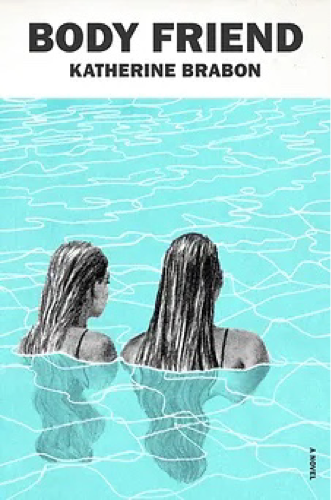
  • Katherine Brabon, Body friend (novel)
  • Ali Cobby Eckermann, She is the earth (verse novel)
  • Melissa Lucashenko, Edenglassie (novel): “triumph of characterisation … gives truth to state sanctioned violence” (Brona’s review)
  • Maggie MacKellar, Graft (memoir/nature writing) (Kate’s brief review)
  • Kate Mildenhall, The hummingbird effect (novel): “speculative fiction at its finest” tackling the issues of our age (Brona’s review)
  • Emily O’Grady, Feast (novel): “country house novel … be wary of deep subjectivity of moral value”
  • Sanya Rushdi, translated by Arunava Sinha, Hospital (novel): “unflinching and insightful work of autofiction”
  • Hayley Singer, Abandon every hope (essays): “no moral shrillness here”
  • Laura Elizabeth Woollett, West girls (novel): “a novel of sad girls that is the antithesis of sad girl novels”
  • Alexis Wright, Praiseworthy (novel) (Bill’s second post): genre-buster, “fierce and gloriously funny – part manifesto, part indictment”

The panel discussion that followed the announcement was wonderfully engaging, with the judges (sans Bram Presser who was home looking after his kids), exploring the individual works, and looking at the “conversations between the books”, that is the ways the books intersected with each other in subject matter and form. They talked about how many of the books critique systems of power wielded over others, how many embodied the idea of the body, how climate change is addressed in different ways, and more. It was too much to capture and listen to at the same time. They talked about form, and how some books were true to form and were great because of that, while in others form was wildly broken (like Alexis Wright’s Praiseworthy). The books, they said, are powerful but without sentiment, asking instead for “the dignity of witness”. They are not hectoring, and many are deeply funny.

I am not going to say anything about the selection, because the Stella is such a wonderfully diverse prize that aims to encompass a wide range of forms and styles. There will always be choices we question. But, I will just say, because I can, that I’d love to have seen Carmel Bird’s Love letter to Lola (my review) recognised, because as they spoke about the books they read, I felt that Bird’s collection has the energy, the wit, the heart, and the awareness of “the issues of our age” that their selected books apparently also have. Did they even read it, I wonder?

Opening the session, Beejay Silcox said that the “heartbeat of Australian writing is here” and it’s damning that our writers cannot make a living from their craft. Amen to that.

You can write a different future and dream the culture forward. (end of the Panel discussion)

The shortlist will be announced on 4 April, and the winner on 2 May. You can seen more details on the Stella 2024 page.

Any comments?

Monday musings on Australian literature: Stella Book of the Month

Most readers here know the origins of the the Stella Prize. I have written about it many times before, but it was in my post on the inaugural longlist in 2013 that I described its origins and goals in a little detail. I wrote then that:

The award was created by a group of 11 women, including the writer Sophie Cunningham, in response to what many of us felt was an abysmal under-representation of women writers in Australia’s major literary awards and other literary activity (such as reviewing and being reviewed). The Stella Prize people want to turn this around …

And I then listed their goals as they expressed them at the time. These goals have remained roughly the same but are expressed on their website now in more depth and with clarity about how they are working to achieve them. They make it very clear that they are about more than the prize. Stella, they say,

delivers a suite of year-round initiatives which actively champion Australian women writers, tackle gender bias in the literary sector, and connect outstanding books with readers. (Accessed 26 February 2024)

As most Australian readers of my blog will know, many of the original drivers have been achieved, quantitatively speaking at least. There is better representation of women writers in our literary awards, and in the reviewing sector, as the Stella Counts of 2019 and 2020 showed.

Most of my posts, however, have been about the annual prize. I have rarely mentioned the other initiatives Stella has implemented, but they are important because Stella knows – we know – that achievement in the social justice arena can never be taken for granted. Their initiatives are many and you can read about them on the Initiative pages on their site. They range in size and reach, but include events, residencies, and a lot of work in education to encourage more reading of books by Australian women writers in schools because, really, that’s where reading habits very often start.

Stella Book of the Month

One of their more recent initiatives was announced in December last year, “the book of the month”. As far as I can tell – as there’s not much that I can find specifically about the initiative – the aim is to shine a light each month on a book which has been listed for, or won, the Stella Prize. We all know how easily books – no matter how good they are – disappear from the shelves and then from public consciousness. With this initiative, Stella is staying true to its aim of keeping Australian women’s writing to the fore, which means not just the latest writing, but the body of writing by women. Of course, the Stella prize is just over 10 years old, so a blip on the radar of Australian women’s writing, but 11 years worth of lists is not inconsequential either, and has a chance of still being available. They list the books on their own site, and on their Facebook page.

It’s a new initiative, so there just three books have been chosen to date:

  • December 2023: Carrie Tiffany’s Mateship with birds (my review): Tiffany’s book, as the prize’s first winner in 2013, is an obvious choice for kicking off this initiative.
  • January 2024: Georgia Blain’s Between a wolf and a dog: Stella introduces this choice by saying it “celebrates … a heartfelt and intelligent book shortlisted for the 2017 Stella Prize, and the life of its author, the late Georgia Blain”. They say that this, Blain’s last novel before she died, has been republished with an introduction by Charlotte Wood. This is what we like to hear, eh?
  • February 2024: Maxine Beneba Clarke’s The hate race (my review): The reason for choosing this memoir seems to be its having been “adapted to the stage”. It was shortlisted for the 2017 award along with Blain’s novel. Clarke was the first author to be shortlisted for the Stella Prize twice, after her short story collection, Foreign Soil, was listed in 2015

Each “book of the month” page (linked on the titles above) contains useful content about the books, such as interviews, and links to reviews and reading notes. This may not be the most exciting of their initiatives, like, say, their Stella Day Out program, but not all initiatives have to be exciting. They just have to play their part in achieving their overall vision. I have chosen it for my post tonight because we are readers, and we all love a list!

I wonder what will be next – and why? In the meantime, all being well, I will be posting on this year’s longlist next Monday, in lieu of Monday Musings.

What do you think about initiatives like this, and, is there a Stella winning or listed book you’d like to see as a “book of the month” selection?