So now, the BIG CLEAN is done, and we are in the lap of the real estate gods. I hope to be able to tell you next month that we have sold, but in the meantime I’m taking my mind off it all to think about something that’s far more fun, this month’s Six Degrees. If you don’t know how this meme works, please check host Kate’s blog – booksaremyfavouriteandbest.

The first rule is that Kate sets our starting book. In August it’s another book I haven’t read – I am doing worse this year than I ever have before in this regard – Curtis Sittenfeld’s Romantic comedy. Those of you who know Sittenfeld and who know me might guess that I’d make my first link, Pride and prejudice, because she wrote a P&P adaptation titled Eligible as part of the Austen Project. I thought about it, but then decided not to do the obvious…
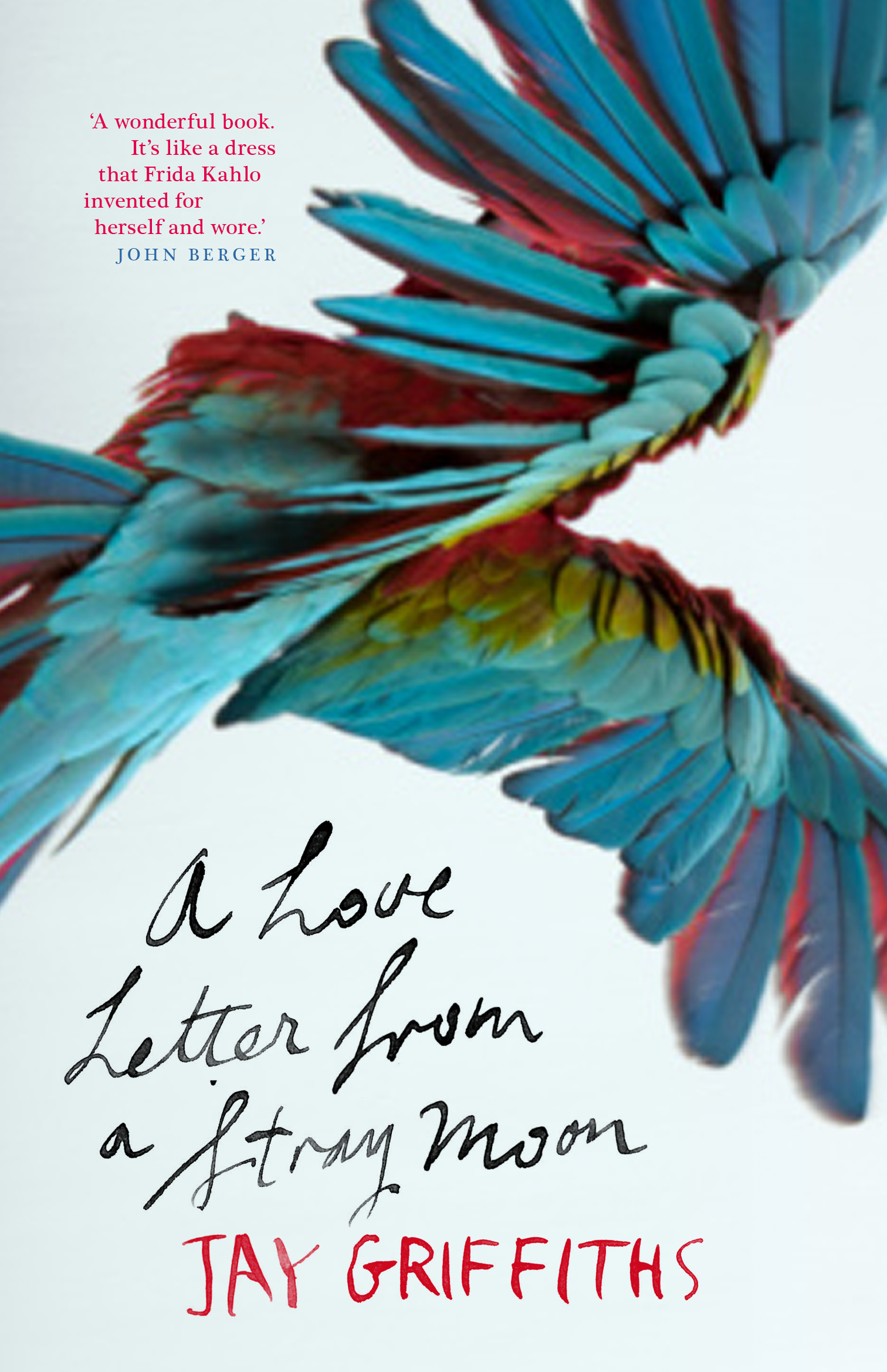
I also decided not to go the rom com/chick lit route, which is the genre to which Romantic comedy belongs, despite having considered a couple of options. Instead, I’ve gone way out on a limb and chosen a book by an author with, like Curtis Sittenfeld, a gender-neutral first name. The book is A love letter from a stray moon (my review) by the British writer, Jay Griffiths. It’s an historical fiction told in the voice of Mexican artist Frida Kahlo.
My next link is a very personal one. I read and reviewed A love letter from a stray moon while travelling in Japan in 2011. I don’t manage to write a lot of review posts when I travel, but another one that I did manage was First Nations author Ali Cobby Eckermann’s memoir, Too afraid to cry (my review), when we were travelling in the USA in 2017. She explores her heritage, including her family’s experience of the Stolen Generations and its impact on her.
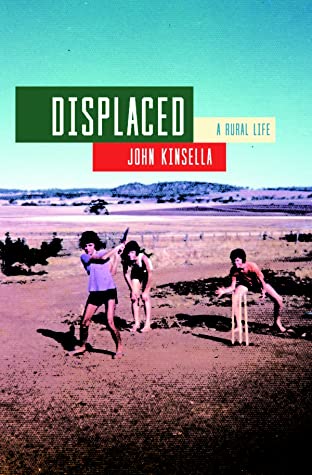
Ali Cobby Eckermann is primarily a poet. Another contemporary Australian poet who has written a memoir is John Kinsella, so it’s to his Displaced: A rural life (my review) that I am linking next. It’s a relevant link for other reasons too because in his memoir, which I described as part manifesto, Kinsella explores such things as finding a meaning for “home” that recognises Indigenous “dispossession” and that also doesn’t encompass exploitative colonial ideas of “ownership”.
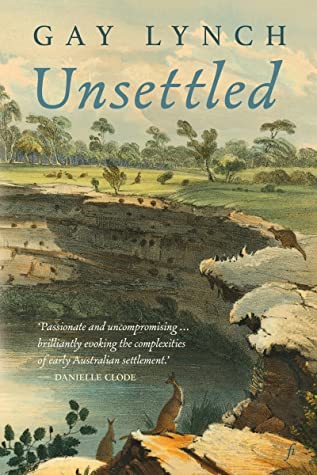
In the opening paragraph of my review of Kinsella’s book, I wrote that it reminded me of the book I had just finished, Gay Lynch’s historical novel Unsettled (my review), so that is my next link. I was reminded of Lynch’s novel for a few reasons: both have one-word titles which play with opposites; in both cases, those opposites refer to physical meanings and more abstract, intellectual, social and/or emotional ones; and, in both again, these meanings draw significantly from the colonial act of settling Australia and displacing its original inhabitants.
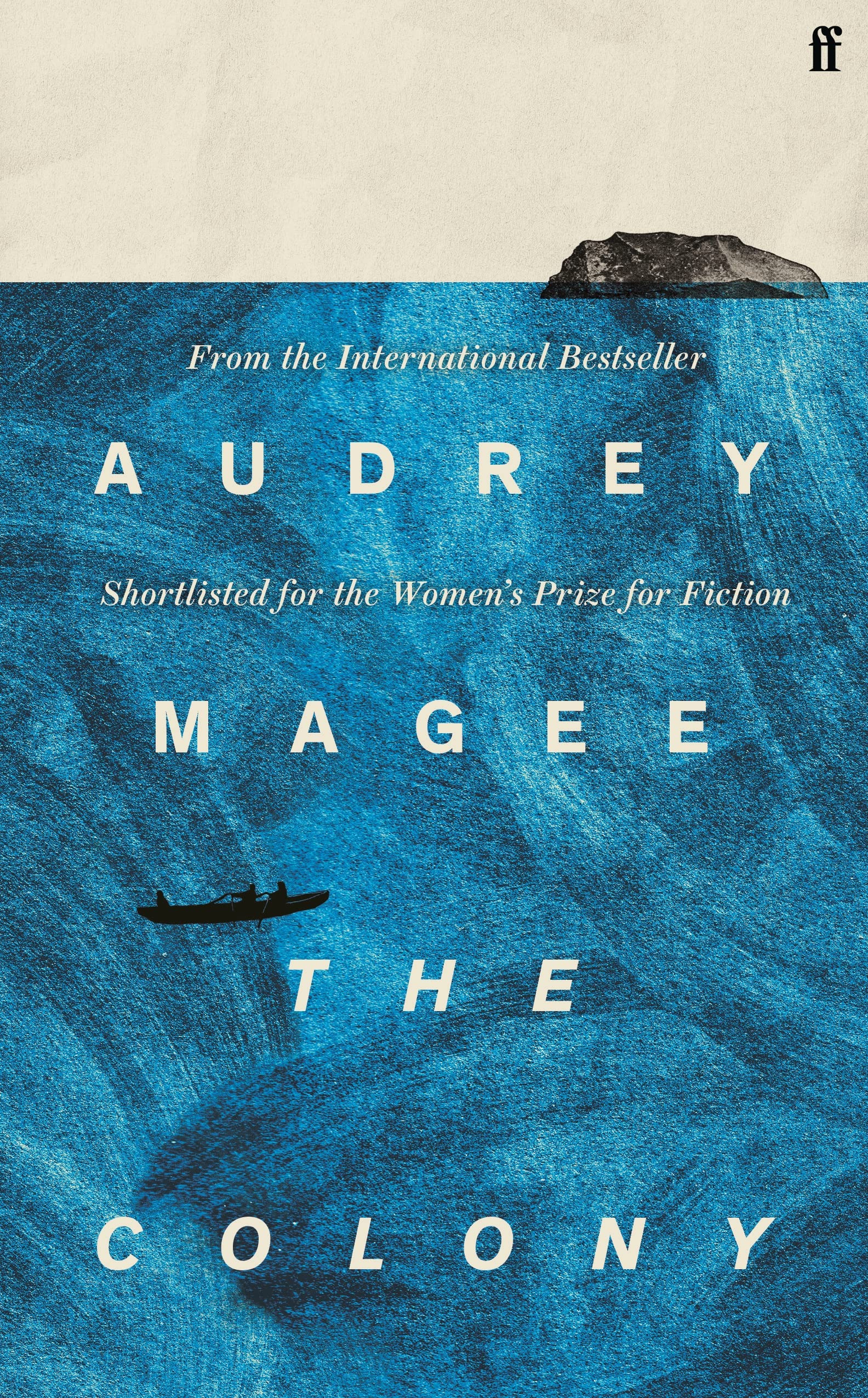
My next link is more obvious. It’s to another work of historical fiction that explores the act of colonisation, Audrey Magee’s The colony (my review), albeit this one is set in Ireland – on a small island off its west coast.
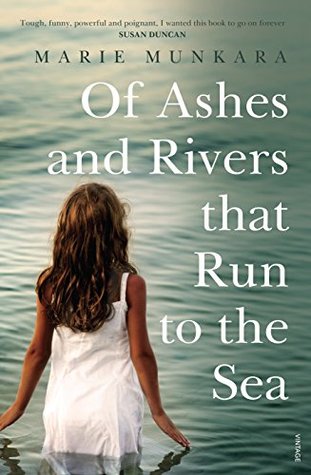
It seems I can’t get away from the issue of colonisation this month, although that theme is not the reason I chose my final link. The reason is that the majority of the book is also set on an island, this time Bathurst Island off the Northern Territory. The book is another memoir by a First Nations author, Marie Munkara’s, Of ashes and rivers that run to the sea (my review). Munkara, like Eckermann, was raised by a non-Indigenous family, and also experienced abuse.
My whole post this month has stayed in the British Isles and its colony, Australia, in terms of authors at least, though we do visit Mexico. That was purely by accident but I’m not sorry because as long as the fallout from colonisation continues to negatively affect people’s lives, I’m fine with keeping the issue front and centre.
Now, the usual: Have you read Romantic comedy? And, regardless, what would you link to?

















 Whispering Gums