As has happened in the past, this week’s Monday Musings has been gazumped by the announcement this evening of the Stella Prize longlist. I attended the online streamed announcement from the Adelaide Festival Writers Week
As I say every year, I don’t do well at having read the Stella Prize longlist at the time of its announcement. In recent years the most I’ve read has been two (in 2019). This year, like the last two years I’ve read none, but a couple are on my TBR! Is the a start?
I was, however, doing better at reading the winners, having read Carrie Tiffany’s Mateship with birds (2013), Clare Wright’s The forgotten rebels of Eureka (2014), Emily Bitto’s The strays (2015), Charlotte Wood’s The natural way of things (2016), Heather Rose’s The museum of modern love (2017), Vicki Laveau-Harvie’s The erratics (2019), Jess Hill’s See what you made me do (2020), Evelyn Araluen’s Dropbear (2022). I have the 2021 and 2023 winners on my TBR, Evie Wyld’s The bass rock and Sarah Holland-Batt’s The jaguar, respectively.
This year’s judges include one from last year, and some newbies, keeping the panel fresh as in Stella’s commitment: writer, literary critic, Artistic Director of the Canberra Writers Festival and this year’s chair, BeeJay Silcox; Filipino-Australian poet, performer, arts producer, and advocate, Eleanor Jackson; First Nations award-winning poet and arts board member, Cheryl Leavy; noveslist, occasional critic and full-time dad, Bram Presser; and writer and historian, Dr Yves Rees.
The longlist
Here is the list, in alphabetical order by author, not the order in which they were presented, and with a few scrabbled notes I made as I listened to the list being read out.
- Katia Ariel, The swift dark tide (memoir)
- Stephanie Bishop, The anniversary (novel): “genre fiction at is very best … as clever as it is delicious” (kimbofo’s review)
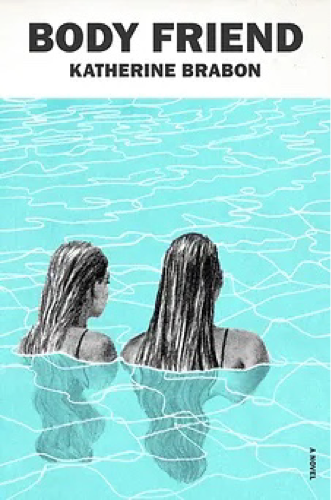
- Katherine Brabon, Body friend (novel)
- Ali Cobby Eckermann, She is the earth (verse novel)
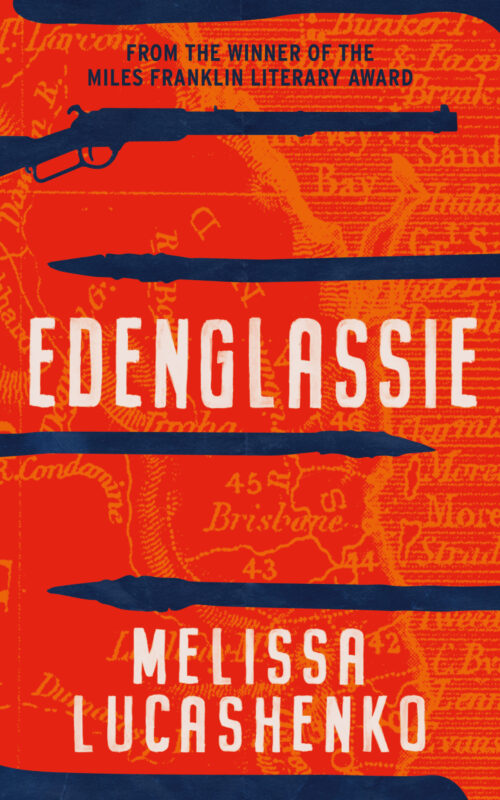
- Melissa Lucashenko, Edenglassie (novel): “triumph of characterisation … gives truth to state sanctioned violence” (Brona’s review)
- Maggie MacKellar, Graft (memoir/nature writing) (Kate’s brief review)
- Kate Mildenhall, The hummingbird effect (novel): “speculative fiction at its finest” tackling the issues of our age (Brona’s review)
- Emily O’Grady, Feast (novel): “country house novel … be wary of deep subjectivity of moral value”
- Sanya Rushdi, translated by Arunava Sinha, Hospital (novel): “unflinching and insightful work of autofiction”
- Hayley Singer, Abandon every hope (essays): “no moral shrillness here”
- Laura Elizabeth Woollett, West girls (novel): “a novel of sad girls that is the antithesis of sad girl novels”
- Alexis Wright, Praiseworthy (novel) (Bill’s second post): genre-buster, “fierce and gloriously funny – part manifesto, part indictment”
The panel discussion that followed the announcement was wonderfully engaging, with the judges (sans Bram Presser who was home looking after his kids), exploring the individual works, and looking at the “conversations between the books”, that is the ways the books intersected with each other in subject matter and form. They talked about how many of the books critique systems of power wielded over others, how many embodied the idea of the body, how climate change is addressed in different ways, and more. It was too much to capture and listen to at the same time. They talked about form, and how some books were true to form and were great because of that, while in others form was wildly broken (like Alexis Wright’s Praiseworthy). The books, they said, are powerful but without sentiment, asking instead for “the dignity of witness”. They are not hectoring, and many are deeply funny.
I am not going to say anything about the selection, because the Stella is such a wonderfully diverse prize that aims to encompass a wide range of forms and styles. There will always be choices we question. But, I will just say, because I can, that I’d love to have seen Carmel Bird’s Love letter to Lola (my review) recognised, because as they spoke about the books they read, I felt that Bird’s collection has the energy, the wit, the heart, and the awareness of “the issues of our age” that their selected books apparently also have. Did they even read it, I wonder?
Opening the session, Beejay Silcox said that the “heartbeat of Australian writing is here” and it’s damning that our writers cannot make a living from their craft. Amen to that.
You can write a different future and dream the culture forward. (end of the Panel discussion)
The shortlist will be announced on 4 April, and the winner on 2 May. You can seen more details on the Stella 2024 page.
Any comments?

 Whispering Gums