Shirley Hazzard, The picnic (#Review, #1962 Club)

As I have done for most “year” reading weeks*, I decided for 1962 to read a short story by an Australian author. I read two, in fact, and may post on the second one later.

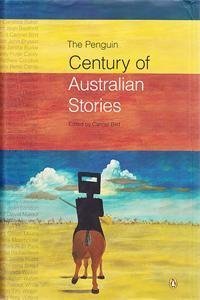
Today’s story, though, is Shirley Hazzard’s “The picnic” which I found in an anthology edited by Carmel Bird, The Penguin century of Australian stories. It was my mother’s book, which Daughter (or Granddaughter to her) Gums gave her for Christmas 2006. I’m glad she kept it when she downsized. Shirley Hazzard is a writer I’ve loved. I have read three of her books, including the novels, Transit of Venus and The great fire, but all of this was long before blogging. I have mentioned her on the blog many times for different reasons, but an early one was in my Monday Musings on expat novelists back in 2010.

Who was Shirley Hazzard?

Hazzard (1931-2016) is difficult to pin down, and can hardly be called Australian given she left Australia in 1947 when she 16, returned here briefly, but left here for good when she was 20. Wikipedia calls her an Australian-born American novelist. As I wrote in my expat post, Hazzard didn’t like to be thought of in terms of nationality. However, she did set some of her writing in Australia, and did win the Miles Franklin Award in 2004 with her novel The great fire, against some stiff competition.

According to Wikipedia, she wrote her first short story, “Woollahra Road”, in 1960, while she was living in Italy, and it was published by The New Yorker magazine the following year. This means, of course, that “The picnic”, first published in 1962, comes from early in her writing career. Her first book, Cliffs of fall, was published in 1963. It was a collection of previously published stories, including this one. Her first novel, The evening of the holiday, was published in 1966, and her second, The bay of noon, was published in 1970, but it was her third novel, The transit of Venus, published in 1980, that established her.

She is known for the quality, particularly the clarity, of her prose, which, it has been suggested, was partly due to her love of poetry

“The picnic”

It didn’t take long for me to discover that “The picnic” is the second story of a linked pair, which were both published in The New Yorker in 1962. Together they tell of an affair between the married Clem and a younger woman, Nettie, his wife May’s cousin. The first story, “A place in the country”, concerns the end of the affair, while in “The picnic” the ex-lovers meet again, eight years later. They are left alone by May, probably deliberately thinks Clem, while she plays with their youngest son down the hillside.

This is a character-driven slice-of-life story in which not a lot happens in terms of action but which offers much insight into human nature – and into that grandest passion of all, love.

In 2020, The Guardian ran a review of Shirley Hazzard’s Collected stories, edited by Hazzard biographer Brigitta Olubas. Reviewer Stephanie Merritt writes that “Hazzard’s recurring themes here – enlarged upon in her novels – are love, self-knowledge and disappointment”. From my memory of Transit of Venus in particular, this rings true. And, it is certainly played out in “The picnic”.

So, love, albeit a failed love, is presumably played out in the first story, but in this story it is still present in its complicated messiness. The two ex-lovers look at each other uncomfortably. Self-knowledge is part of it, but it’s not easily achieved for Clem for whom self-deception has also powerful sway. There’s resignation about love – “an indignity, a reducing thing” which he sees can be a “form of insanity” – and about marriage, which involves “a sort of perseverance, and persistent understanding”. There’s also a male arrogance. He didn’t, he realises, “know much about her [Nettie’s] life these past few years – which alone showed there couldn’t be much to learn”. By the end of his reverie, he comes to some self-understanding, despite earlier denials, about his true feelings and about the decision he’d made. Whether the reader agrees or not, he feels he has “grown”.

Nettie’s reveries tread a roughly similar path. There’s not a lot of regret to start with. She sees he is nearly fifty, and with “a fretful, touchy air”. She sees his self-deceptions, and his caution, and yet her feelings, like his, are conflicted. For her, too, love is a complicated thing:

… one couldn’t cope with love. (In her experience, at any rate, it always got out of hand).

What I haven’t conveyed here, because you have to read it all to see and enjoy it, is the delicious way Hazzard conveys their internal to-ing and fro-ing, through irony and other contradictions. They say nothing to each other, but in their thoughts and observations, while they rationalise what happened and why it was right, they reveal their true feelings. Love and disappointment or disillusion live side by side, never quite resolved.

The story is told third person but from shifting perspectives. First Clem, followed by Nettie, reflect on their situation at some length. Then, in a surprise switch, the short last paragraph moves to May, whose feelings neither of them had seriously considered in all their internal ponderings. But Hazzard makes sure we see them. This technique reminded me of Kevin Brophy’s very different short story “Hillside” which does a similarly powerful switch of perspective in the last paragraph. In both cases, concluding with the perspective of someone who is both outsider but very much affected by the situation just nails it.

Not only did I enjoy this story, but I’m very glad to finally have Hazzard reviewed on my blog.

* Read for the 1962 reading week run by Karen (Kaggsy’s Bookish Rambling) and Simon (Stuck in a Book). This week’s Monday Musings was devoted to the year.
Shirley Hazzard
“The picnic” (orig. pub. The New Yorker, 16 June 1962)
in Carmel Bird (ed.), The Penguin century of Australian short stories
Camberwell: Penguin Books, 2006 (first ed. 2000)
pp. 178-185

Monday musings on Australian literature: 1962 in fiction

Once again it’s Karen’s (Kaggsy’s Bookish Rambling) and Simon’s (Stuck in a Book) “Year Club” week. This time the year is 1962, and it runs from today, 16th to 22nd October. As has become my practice, I am devoting my Monday Musings to the week.

The 1960s was an exciting decade for those of us who lived it. Change was in the air, and we truly thought we were making a fairer society. (Little did we know.) Wikipedia describes it thus:

Known as the “countercultural decade” in the United States and other Western countries, the Sixties is noted for its counterculture. There was a revolution in social norms, including clothing, music (such as the Altamont Free Concert), drugs, dress, sexuality, formalities, civil rights, precepts of military duty, and schooling.

I was in primary school in 1962, and my life was simple and stable. It wasn’t until the mid to late 60s that I became caught up in the excitement in the air. This is not only because I was a bit older, I think, but because the momentum was still building in the early part of the decade. However, there were hints of change in my 1962 research. But, let’s start with the books …

I found books published across all forms, but given my focus is fiction and I want to keep things a bit tight here, I’m just sharing a selection of 1962-published novels:

  • James Aldridge, A captive in the land
  • Thea Astley, The well dressed explorer (Lisa’s review)
  • Elizabeth Backhouse, Death of a clown
  • Martin Boyd, When blackbirds sing (Lisa’s review)
  • Patricia Carlon, Danger in the dark
  • Gavin Casey, Amid the plenty
  • Nancy Cato, But still the stream
  • Jon Cleary, The country of marriage
  • Robert S. Close, She’s my lovely
  • Frank Clune and P.R. Stephenson, The pirates of the brig Cyprus
  • Kenneth Cook, Chain of darkness
  • Dymphna Cusack, Picnic races
  • David Forrest (pseud. for David Denholm), The hollow woodheap
  • Catherine Gaskin, I know my love (Brona’s review)
  • Stuart Gore, Down the golden mile
  • Helen Heney, The leaping blaze
  • George Johnston, The far road
  • Elizabeth Kata, Someone will conquer them
  • Eric Lambert, Ballarat
  • Joan Lindsay, Time without clocks (Brona’s review)
  • David Martin, The young wife
  • John Naish, The cruel field
  • John O’Grady, Gone fishin’
  • Nancy Phelan, The river and the brook
  • Criena Rohan (pseud. for Deirdre Cash), The delinquent
  • Donald Stuart, Yaralie
  • Geoff Taylor, Dreamboat
  • Ron Tullipan, March into morning
  • George Turner, The cupboard under the stairs (Lisa’s review)
  • Arthur Upfield, The will of the tribe

Children’s literature was going strongly at the time, with books published by authors still remembered as writers of our children’s classics, such as Nan Chauncy, Ruth Park, Ivan Southall, P.L. Travers, and Patricia Wrightson.

There were very few literary awards at the time. The ALS Gold Medal went to Vincent Buckley’s Masters in Israel, and for the first time since I started taking part in the Year Club, the Miles Franklin Award was in existence. It was shared by the Thea Astley and George Turner novels listed above. There was also, though Wikipedia doesn’t list it, the ACTU Dame Mary Gilmore Award, but I plan a special post on it, so watch this space.

Writers born this year are mostly still around though I haven’t reviewed many: Matthew Condon, Alison Croggon (my post on her memoir), Luke Davies, and Craig Sherborne. Deaths included the novelist Jean Devanny and poet Mary Gilmore. The librarian Nita Kibble (for whom the Nita B Kibble Awards – now seemingly in abeyance – were named) died this year, as did the critic HM Green.

The state of the art

Of course, I checked Trove to see what newspapers were saying about Australian literature, and fiction in particular, and will just share two threads I found.

First Nations Australians

With the devastating loss of The Voice referendum here last weekend, I would like to start with some First Nations (or Aboriginal) Australians that came up in my Trove travels, which mainly involved references to writers including Aboriginal characters in their books. One was Helen Heney (1907-1990) whose father was the first Australian-born editor of the Sydney Morning Herald. Heney wrote several novels – plus social commentary, translation and a biography – but the one published in 1962 was The leaping blaze. It is set in a station in western New South Wales, which is now in the hands of the latest generation, the “spinster” Evangeline Wade. The Canberra Times’ reviewer (January 5, 1963) explains that Evangeline has been frustrated through her life, and now wants power over others. Part of her plan is to create an “aboriginal station on her property as. an experiment”, but this plan, says our reviewer, is “motivated more by a desire to gain further power than it is to further native welfare”. Unfortunately, our reviewer continues, the novel lacks a clear focus, which 

is a pity because Miss Heney is essentially a writer of ideas. She is not just telling a story. / She is obviously out to give her views on a number of sociological problems but the canvas is too large for anything more than a casual sketching of them.

The other novel I want to share is Yaralie by Donald Stuart (1913- 1982) which tells “the story of the daughter of a white father and a half-caste mother, and the people among whom they live”. The Nepean Times’ reviewer (October 11) writes:

Told with a good deal of warmth, the story is set in a native settlement in north-west Australia during the depression and deals with the ever-present problem concerning the treatment of the aborigines in a white Australia.

Donald Stuart is new to me, but seems worth following up. His work is sure to be dated now we have First Nations people telling their own stories, but he’s part of a tradition. Wikipedia says

Stuart attempts to view the world from the Aboriginal point of view, making him one of the few Australian writers, along with anthropologists such as T.G.H. StrehlowCharles Pearcy MountfordRonald Berndt and Catherine Berndt, to even attempt to come close to a personal knowledge of Aboriginal people.

Realist literature and The Australasian Book Society

The main thread I found through Trove, however, concerned communist writers and realist literature. This emphasis might be partly due to the fact that Trove’s content in this period is somewhat skewed as the Australian Communist Party’s newspaper, Tribune, has been digitised, because, like The Canberra Times, they have given permission despite still being under copyright. 

However, before I searched Trove, I had already noticed the significant number of authors in the list who were Communists – often members of the Communist  Party of Australia (CPA) – or Communist-sympathisers, so the slant may be real to some degree! Anyhow, what these writers tended to write were realist (or social realist) novels, the preferred genre for Communist writers. 

It was clear from several articles that these social realist writers felt under-appreciated at home. The Tribune regularly reported on the success of Australian social realist writers overseas. On January 17, the Tribune wrote that CPA-member Dorothy Hewett’s realist 1959 novel, Bobbin Up, about women in a spinning factory, was “becoming a novel of world repute” with translations being published, or to be published, in the German Democratic Republic, Rumania, Hungary and, very likely, the Netherlands. 

And on February 7, under the heading “Success despite critics”, the Tribune advised that another book by an Australian Communist author was garnering interest overseas ‘despite class-prejudiced criticisms by Australian daily press “experts”.’ Progressive authors like Katharine Prichard, Frank Hardy, Dorothy Hewett, and Mona Brand were being published overseas, it said, and now they’d heard Judah Waten’s Shares in murder, “a murder story that is different because of its social exposure content” was to be serialised in New Berlin Illustrated, and published in book form in Germany, Czechoslovakia, and, they expected, the Soviet Union.  

It is this very Judah Waten who, in another article, is scathing about Australia’s literary darlings of the time. On March 28, again in the Tribune, he wrote:

In Australia today the writers who are acclaimed in the daily press, win awards and prizes are those distinguished for the obscurity of their prose, their irrational characters, their dream symbolism, parallels to ancient myths, feudal attitudes and pornography.

Who are these writers? Patrick White? Hal Porter? Thea Astley too perhaps?

I also noticed that many of the books praised in the Tribune were published by the Australasian Book Society, so I went hunting, and found a seminar was held about it in 2021.  The seminar promo described the Society as

a mid-twentieth-century, book-club style, cooperative publisher with a subscription model that promised four books a year to members and distribution through unions, industry associations, education organisations and the communities of the organised left in Australia, including the communist party. It sought to find readers who did not read literature and to develop writers who did not yet write it.

Fascinating. In 1962, this Society celebrated its 10th anniversary … but, like the Dame Mary Gilmore Prize, I think it deserves its own post.

Meanwhile, just to show that not all my research ended up at the Tribune, I’ll close with a review from The Canberra Times of Ron Tullipan’s novel March into morning, which was published by the Australasian Book Society in 1962, and won the Dame Mary Gilmore prize. It tells the story of a man “who started life as a ward of the State and was hired out to a slave-driving cocky, whose only interest in him was how to exploit him”. Writing on September 29, reviewer G.C.P. says it

may sound like one of those hopeless novels whose authors are only concerned to spit into Authority’s eye and point out wickedness in high places. / Fortunately, it is not, and reads more like an honest piece of reporting.

G.C.P. assesses its strengths and weaknesses, and concludes that “it is not great literature, [but] it is a very readable book”. Judah Waten would probably see this as damning it with faint praise! 

Sources

  • 1962 in Australian Literature (Wikipedia
  • Joy Hooton and Harry Heseltine, Annals of Australian literature, 2nd ed. OUP, 1992 (with Bill’s help)

Previous Monday Musings for the “years”: 1929, 1936, 1954 and 1940.

Do you plan to take part in the 1962 Club – and if so how?

Six degrees of separation, FROM I capture the castle TO …

Daylight savings started in my jurisdiction last week, and I am so happy. I love the longer end of days in summer, and not being woken so early in the morning. I am not so looking forward though to what this forecasted hot, dry summer might bring, but let us be hopeful… meanwhile let’s get to Six Degrees. If you don’t know how this meme works, please check host Kate’s blog – booksaremyfavouriteandbest.

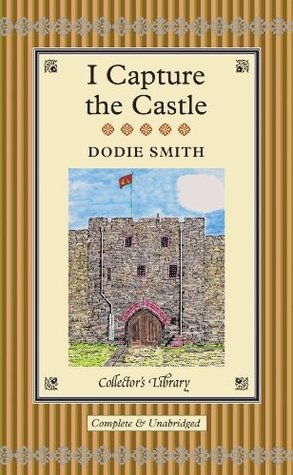
The first rule is that Kate sets our starting book. In October it’s finally a book I have read, but long before blogging, Dodie Smith’s work of historical fiction, I capture the castle. I loved it when I read it as a teenager – who didn’t, really – but I’m going to share the Goodreads description: “Through six turbulent months of 1934, 17-year-old Cassandra Mortmain keeps a journal, filling three notebooks with sharply funny yet poignant entries about her home, a ruined Suffolk castle, and her eccentric and penniless family”. So, a lively coming-of-age story set in a castle.

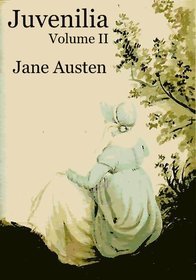
For my first link I am, as last month, going obvious, again in deference to commenter MR, who wants logical links. (But it won’t last MR!) So, the link is another work with castle in the title, Jane Austen’s work of juvenilia, Lesley Castle (my review). Written when Austen was 16, it’s a comic novella that starts with letters sent by Margaret Lesley, from her Lesley Castle abode, complaining about her brother’s adulterous wife and her roué father running amok in London. It gets sillier from there!

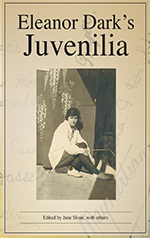
Eleanor Dark's Juvenilia

My next link is on the juvenilia angle, and it’s to Eleanor Dark’s Juvenilia (my review) which was published by Juvenilia Press as part of their inspired program which uses juvenilia to teach the skills of “editing, annotating, designing and illustrating” a scholarly publication, thereby killing two birds with one stone (to use a cliché). I have reviewed several of their books, and have a few more to go – and they are still publishing.

Keeping to obvious links, my next one is on author’s first name. I have reviewed books by a few Eleanors but I want to leave Australia, so it’s to New Zealand author, Eleanor Catton’s The luminaries (my review) that I’m taking you next.

Hilary Mantel, Bring up the bodies

Catton’s novel is a work of historical fiction that won the Booker Prize in 2013. Another work of historical fiction won the Booker Prize the year before in 2012, Hilary Mantel’s Bring up the bodies (my review), so that is my next link. As I recollect, some naysayers didn’t like the emphasis on historical fiction in the shortlist when the first book in Mantel’s Cromwell trilogy, Wolf Hall, won in 2009, but clearly the judges took little notice of them!

As I’ve implied already, Bring up the bodies is the second book in Mantel’s Cromwell trilogy. My next link is another second book in an historical fiction trilogy, Pat Barker’s The women of Troy (my review). Just as an aside, the third book in Barker’s historical fiction Regeneration trilogy, The ghost road, also won the Booker, back in 1995.

BOok cover

And now, you know, to be a bit tricksy, my next link is to Peter Carey’s Amnesia (my review). Why, do you ask? Well, Pat Barker was born on 8 May 1943, and Peter Carey was born the day before, on 7 May 1943. Both have had stellar literary careers. But, one of the reasons I thought to end with this book is because I wrote in my review that I believed Carey wanted us to “maintain the rage”, to remain aware and vigilant of what is happening, and of whose fingers are in which pie. This is still relevant as politics becomes increasingly polarised and mired in misinformation. I’m not a conspiracist, but that doesn’t mean it’s not sensible to think about who is arguing what, and why, as well as about the argument itself.

We’ve rambled quite a bit this month across time and place, but hmmm, I have been rather one-sided in author gender this post, with just one male author bringing up the rear!

FINALLY: A little shout-out on Love Your Bookshop Day to my new (because I’ve moved) neighbourhood independent bookshop, The Book Cow. Not only is it friendly and helpful but it actively supports writers, especially our local ones. And not far down the road from there is the lovely Muse which I’ve written about several times here before and which also regularly runs literary events involving local and other authors.

Now, the usual: Have you read I capture the castle? And, regardless, what would you link to?

Six degrees of separation, FROM Wifedom TO …

Woo hoo, our house is sold (though not quite off our hands), and spring has sprung down under (just), so the Gums are feeling ready to begin the next stage of our lives. We are relieved, but, you know, it’s acceptance that we are on the downward trajectory – to put it bluntly, so let’s just get to Six Degrees. If you don’t know how this meme works, please check host Kate’s blog – booksaremyfavouriteandbest.

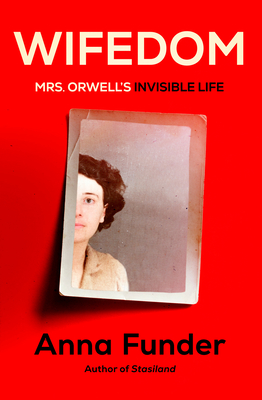
The first rule is that Kate sets our starting book. In August it’s another book I haven’t read, Anna Funder’s Wifedom: Mrs Orwell’s invisible life. It is about Eileen O’Shaughnessy who married Orwell in 1936 but has been barely mentioned in biographies of Orwell. Funder set out to discover why.

Anna Funder's Stasiland bookcover

Now, it appears that some of my links have been a bit obscure lately. So, in deference to regular commenter here, MR, who wants a fighting chance to work out my links, my first one this month is an obvious one, Stasiland (my review), which is another non-fiction work by Anna Funder.

Helen Macdonald, H is for hawk

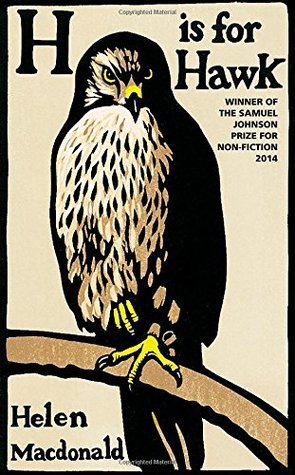
Stasiland was well-reviewed when it came out and was shortlisted for many awards. It won at least one of those, the 2004 Samuel Johnson Prize for the best non-fiction writing in the English language. Ten years later, in 2014, Helen Macdonald won the same prize for her book, H is for Hawk (my review). FYI, in 2015 this prize was renamed, the Baillie Gifford Prize for Non-Fiction.
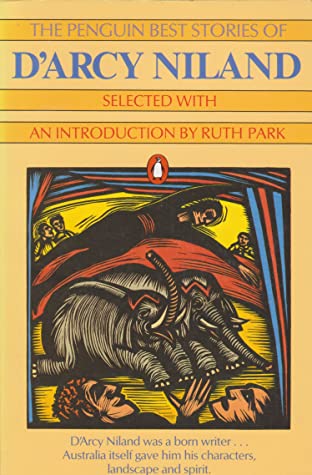
Macdonald writes about training, and hunting with, a hawk, while she works through her grief for her father who died suddenly. A very different work about a hawk is Australian writer D’Arcy Niland’s short story, “The parachutist” (my review) though we do also see the hawk in hunting mode.

Book cover

In “The parachutist”, the hawk preys upon an innocent young kitten who is oblivious to the danger of a predator from the skies. Chris Flynn‘s novel Mammoth (my review) also includes a predator from the skies, Pterodactylus, who tells the other “characters” in the novel, “I was referred to as the Reptilian Eagle, an apex predator who dominated the skies. It would have been a compliment, had it not come from the mouths of maniacs”. (The maniacs were the Nazis.)

Tracy Chevalier, Remarkable creatures

Pterodactylus, like many characters in Mammoth, is a fossil. Another historical fiction novel (if you can call Mammoth historical fiction) that deals with fossils is Tracy Chevalier’s Remarkable creatures (my review). It tells the story of the early 19th-century fossil collector, Mary Anning.

Jane Austen, Persuasion

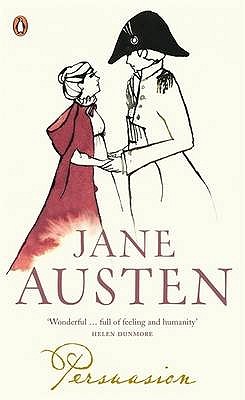
Mary Anning’s collecting work focused on the marine fossil beds in the cliffs at Lyme Regis. Some of you, on hearing this, will immediately guess my last link, and you would be right. It is to Jane Austen’s Persuasion (my post on volume 1), in which a significant (and memorable) event occurs in the same place. 

My post this month started in England with Kate’s choice and ended there, but in between we visited Germany and Australia, and we traversed a wide expanse of time from pre-history to the 21st century. We also, unusually, spent a bit of time in the animal kingdom.

Now, the usual: Have you read Wifedom? And, regardless, what would you link to?

Six degrees of separation, FROM Romantic comedy TO …

So now, the BIG CLEAN is done, and we are in the lap of the real estate gods. I hope to be able to tell you next month that we have sold, but in the meantime I’m taking my mind off it all to think about something that’s far more fun, this month’s Six Degrees. If you don’t know how this meme works, please check host Kate’s blog – booksaremyfavouriteandbest.

The first rule is that Kate sets our starting book. In August it’s another book I haven’t read – I am doing worse this year than I ever have before in this regard – Curtis Sittenfeld’s Romantic comedy. Those of you who know Sittenfeld and who know me might guess that I’d make my first link, Pride and prejudice, because she wrote a P&P adaptation titled Eligible as part of the Austen Project. I thought about it, but then decided not to do the obvious…

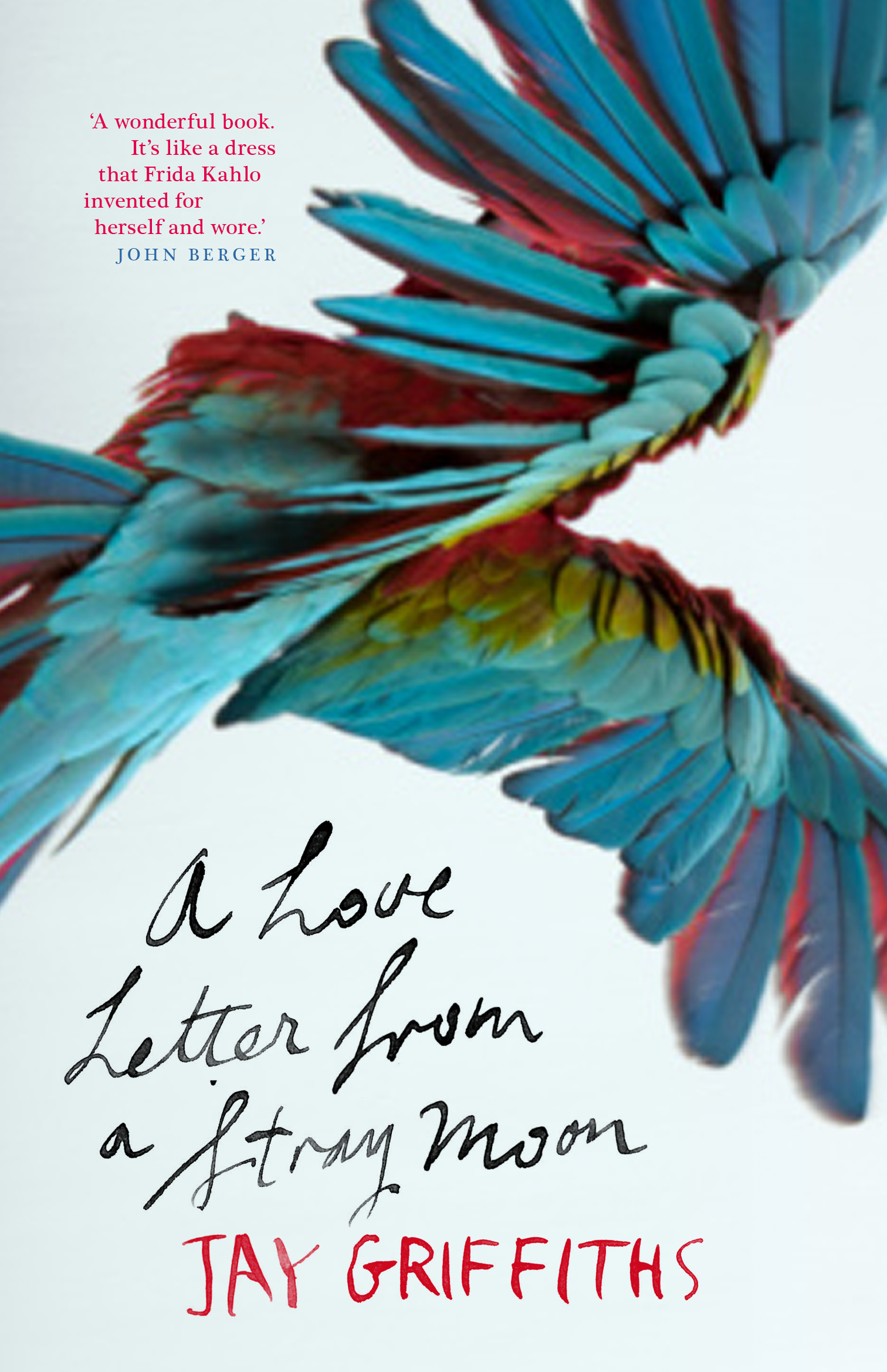
Jay Griffiths, A love letter from a stray moon cover

I also decided not to go the rom com/chick lit route, which is the genre to which Romantic comedy belongs, despite having considered a couple of options. Instead, I’ve gone way out on a limb and chosen a book by an author with, like Curtis Sittenfeld, a gender-neutral first name. The book is A love letter from a stray moon (my review) by the British writer, Jay Griffiths. It’s an historical fiction told in the voice of Mexican artist Frida Kahlo.

Ali Cobby Eckermann, Too afraid to cry

My next link is a very personal one. I read and reviewed A love letter from a stray moon while travelling in Japan in 2011. I don’t manage to write a lot of review posts when I travel, but another one that I did manage was First Nations author Ali Cobby Eckermann’s memoir, Too afraid to cry (my review), when we were travelling in the USA in 2017. She explores her heritage, including her family’s experience of the Stolen Generations and its impact on her.

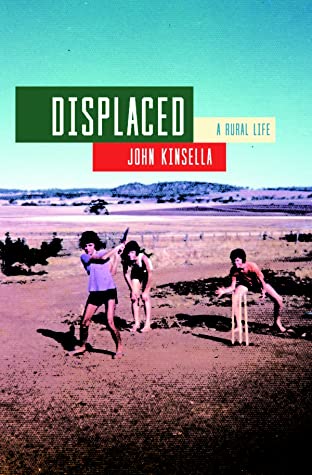
Ali Cobby Eckermann is primarily a poet. Another contemporary Australian poet who has written a memoir is John Kinsella, so it’s to his Displaced: A rural life (my review) that I am linking next. It’s a relevant link for other reasons too because in his memoir, which I described as part manifesto, Kinsella explores such things as finding a meaning for “home” that recognises Indigenous “dispossession” and that also doesn’t encompass exploitative colonial ideas of “ownership”.

Book cover

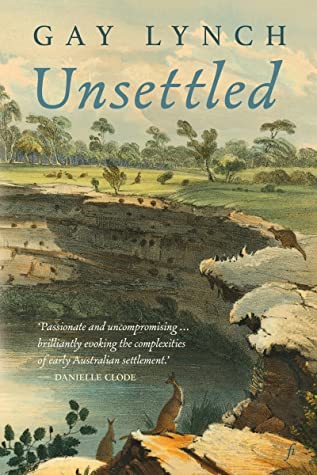
In the opening paragraph of my review of Kinsella’s book, I wrote that it reminded me of the book I had just finished, Gay Lynch’s historical novel Unsettled (my review), so that is my next link. I was reminded of Lynch’s novel for a few reasons: both have one-word titles which play with opposites; in both cases, those opposites refer to physical meanings and more abstract, intellectual, social and/or emotional ones; and, in both again, these meanings draw significantly from the colonial act of settling Australia and displacing its original inhabitants. 

My next link is more obvious. It’s to another work of historical fiction that explores the act of colonisation, Audrey Magee’s The colony (my review), albeit this one is set in Ireland – on a small island off its west coast.

Marie Munkara, Of ashes and rivers than run to the sea

It seems I can’t get away from the issue of colonisation this month, although that theme is not the reason I chose my final link. The reason is that the majority of the book is also set on an island, this time Bathurst Island off the Northern Territory. The book is another memoir by a First Nations author, Marie Munkara’s, Of ashes and rivers that run to the sea (my review). Munkara, like Eckermann, was raised by a non-Indigenous family, and also experienced abuse.

My whole post this month has stayed in the British Isles and its colony, Australia, in terms of authors at least, though we do visit Mexico. That was purely by accident but I’m not sorry because as long as the fallout from colonisation continues to negatively affect people’s lives, I’m fine with keeping the issue front and centre.

Now, the usual: Have you read Romantic comedy? And, regardless, what would you link to?

Six degrees of separation, FROM Time shelter TO …

Well, the BIG DECLUTTER is essentially done. Now it is the BIG CLEAN. Boring! So let’s move on to something far more interesting than how to clean ovens, bathrooms and windows. In other words, let’s think about this month’s Six Degrees meme. If you don’t know how it works, please check host Kate’s blog – booksaremyfavouriteandbest.

The first rule is that Kate sets our starting book. In July, dare I say it, it’s another book I haven’t read, Time shelter, by Bulgarian writer Georgi Gospodinov (and translated by Angela Rodel). It won the 2023 International Booker Prize, and it sounds like a fascinating read. In deed, it sounds like one I’d be interested to read, moreso perhaps than some of this year’s other starting books.

Book cover

Goodreads starts its description of the book with: ‘In Time Shelter, an enigmatic flâneur named Gaustine opens a “clinic for the past” that offers a promising treatment for Alzheimer’s sufferers: each floor reproduces a decade in minute detail, transporting patients back in time’. What to link from this? I could have taken the quick way and chosen a book with “Time” in the title, as I’m afraid I haven’t read any Bulgarian authors. However, instead I’ve gone with a book in which Alzheimer’s or dementia plays a part, though it’s not the book’s main feature by any stretch, Carol Lefevre’s Murmurations (my review).

Marie Munkara, Every secret thing

Murmurations is one of those books that is tricky in terms of its form. Is it a novel? Or, is it short stories? Well, it’s probably best described as a book of connected short stories, so I’m linking to another book I’d describe that way, First Nations Australian writer Marie Munkara’s blackly funny Every secret thing (my review).

Now, each year in Australia, we celebrate NAIDOC Week in the first week of July (this year from 2 to 9 July), so in honour of that I’m linking from First Nations Australian writer Marie Munkara to the most recent work I’ve reviewed by a First Nations Australian writer, Claire G. Coleman’s short story “Nightbird” in the Unlimited futures anthology (my review).

From here I’m linking on two points, another First Nations story in another anthology, this one Native American-based. It’s Leslie Marmon Silko’s “The man to send rain clouds” (my review) in Great short stories by contemporary Native American writers. It is set in a New Mexico pueblo and deals with clashing religious practices over the death and funeral of an elder. Coincidentally, in my review, I wrote that the story reminded me, in a small way, of Munkara’s Every secret thing, so if I hadn’t already linked to that book, I could have done so now! Darn it.

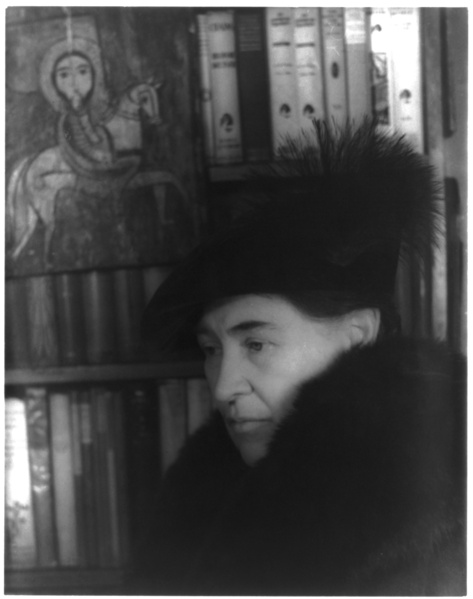
Willa Cather
Willa Cather, 1936 (by Carl Van Vechten; Public domain, via Wikipedia)

So, instead, I’m going to another short story, this one by Willa Cather, “The enchanted bluff” (my review). The story is set, in fact, in Nebraska, and is about six boys on a camping trip at the end of summer, before they return to school. As people do around campfires, the boys share stories and mysteries, and end up talking about the legend of New Mexico’s Enchanted Bluff. They all vow to go there, when they grow up, and to share their experiences when they do so … The story is told by one of the boys from twenty years later.

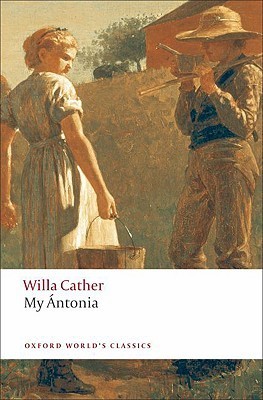
I can’t resist staying with Willa Cather, and linking to another story by her – this time a novel – in which a man reflects on past events. If you haven’t guessed already, the book is My Ántonia (my post), one of the few non-Jane Austen books I’ve read more than once. That tells you something about how much I like it, despite its completely different style, subject matter and tone to Jane’s.

Hmm … we’ve not travelled very far at all this month, having moved smartly from Bulgaria to Australia and then to North America, but we have traversed a few different cultures and eras, so that’s something at least.

Now, the usual: Have you read Time shelter? And, regardless, what would you link to?

Tuesday Atzinger, The River (#Review)

Back in January I reviewed two stories from Ellen van Neerven and Rafeif Ismail’s anthology Unlimited futures: Speculative, visionary Blak+Black fiction for Bill’s (The Australian Legend) Australian Women Writers Gen 5 Week. The stories I reviewed were the second and third in the anthology because they were the first two by Australians in it. The anthology’s first story, however, is African in origin. Titled “The River”, it is by Tuesday Atzinger, who is described in the book’s Biographical Notes as “a poet and emerging writer … [who] … explores and celebrates Afro-blackness, queerness, disability and feminism. They peddle in discomfort and their primary goal is to fling words together to make you squirm”. Atzinger currently lives in Melbourne “on the unceded lands of the Wurundjeri People of the Kulin Nations”.

“The River” is worth discussing for several reasons, but specifically because it’s the first piece in the anthology, so was, presumably, chosen for a reason. Some of that reason is explained in the anthology’s introduction, which, by the by, takes the form of a conversation between the two editors. One of the topics they discuss is the cover, which was designed by Larrakia woman, Jenna Lee. Ismail describes it as looking at “the interaction of separate cultures in the most respectful and wonderful way”, and also sees it as suggesting “infinity”. It does, doesn’t it. Van Neerven adds that it also reflects “the movements of water” in the anthology. She says:

We were going to begin the anthology with water to allow those kinds of threads of connection and continuation to flow into each other. For me the cover really kind of feels like rivers connecting and the light that is created through water, but it’s also water that we protect and have a relationship and a responsibility to.

Water! Such a complex element in our lives. Most of my friends adore the sea, but for me it’s the rivers that draw me most. They can be young, direct, and fast, or slow, meandering, and somehow wise, or anything inbetween. They can be critical to creation stories, and this role is part of Atzinger’s opening story, making it particularly appropriate as the opening piece.

The first thing to say about “The River” is its form – it is a short story in verse. The River is not named, but we know it’s in Africa, partly because an African word, Ubuntu, is repeated throughout the story: “Ubuntu/Together”. According to the New World EncyclopediaUbuntu pronounced [ùbúntú], is a traditional African concept. The word ubuntu comes from the Zulu and Xhola languages, and can be roughly translated as “humanity towards others”.’ It has been adopted more widely around the world for its humanistic concepts – and is also, would you believe, “used by the Linux computer operating system” to convey the sense of bringing “the spirit of Ubuntu to the software world”. Valid appropriation? I didn’t find much concern about this use on the ‘net.

Anyhow, to the story itself. We are immediately introduced to the River, and a village that lies near it. The word “prosperous” is used, but we are warned that things aren’t so simple:

Shallow water so clear that the stones beneath it glistened brightly
Depths dark and mysterious, hiding all that lay below
The River, ever a source of sustenance
                                                                      And of danger

The story starts with creation: “Eons ago/The River had rippled in welcome as the people first arrived”. It provided refuge and sustenance; it saw “passion, grief, joy and courage”; it saw, in other words, the life of the community, of “the people who slept under the sun”. It had also seen “a lineage of Chiefs/Some wise, some brave, some imperious” until the present one “Mehluli – the Warrior Chief”. He is described in words like “proud”, “arrogant”, “dominating” and “greedy”. He desires a woman, Thandeka, but she already has a “perfect love” with Amandla, a hunter. Amandla fears the River, fears the aformentioned danger, and while she’s away hunting her fears are justified when the Warrior Chief makes his move on Thandeka.

The problem is that you “cannot refuse the chief”. Violence ensues. The River acts in an unusual way, and a dramatic story follows as Thandeka fights back, as does the River, to right the balance that has been disturbed. It is, ultimately, a story with a moral, a story to teach proper behaviour, right values.

The story is told in a beautiful, poetic style. The changing rhythms and strong use of repetition convey elemental and opposing tones – prosperity and togetherness versus power and greed. “The River” is a thoroughly enjoyable read. It is founded in the sorts of lesson-giving stories that are part of most belief systems, but its queer-love narrative brings the story and its traditional message into modern thinking and times. A worthy first story for the anthology, I think.

Tuesday Atzinger
“The river”
in Ellen van Neerven and Rafeif Ismail (ed.), Unlimited futures: Speculative, visionary Blak+Black fiction
North Fremantle: Fremantle Press in association with Djed Press, 2022
pp. 23-41
ISBN: 9781760991463 (eBook)

Six degrees of separation, FROM Friendaholic TO …

My posting continues to be irregular and erratic, but things are looking up, and we are coming to the end of the BIG DECLUTTER. I really hope to get back to reading more books, and writing more posts very soon – and, to reading all the other blog posts that I’ve been so neglecting. Meanwhile, let’s move on from, and get onto Six Degrees. If you don’t know how it works, please check host Kate’s blog – booksaremyfavouriteandbest.

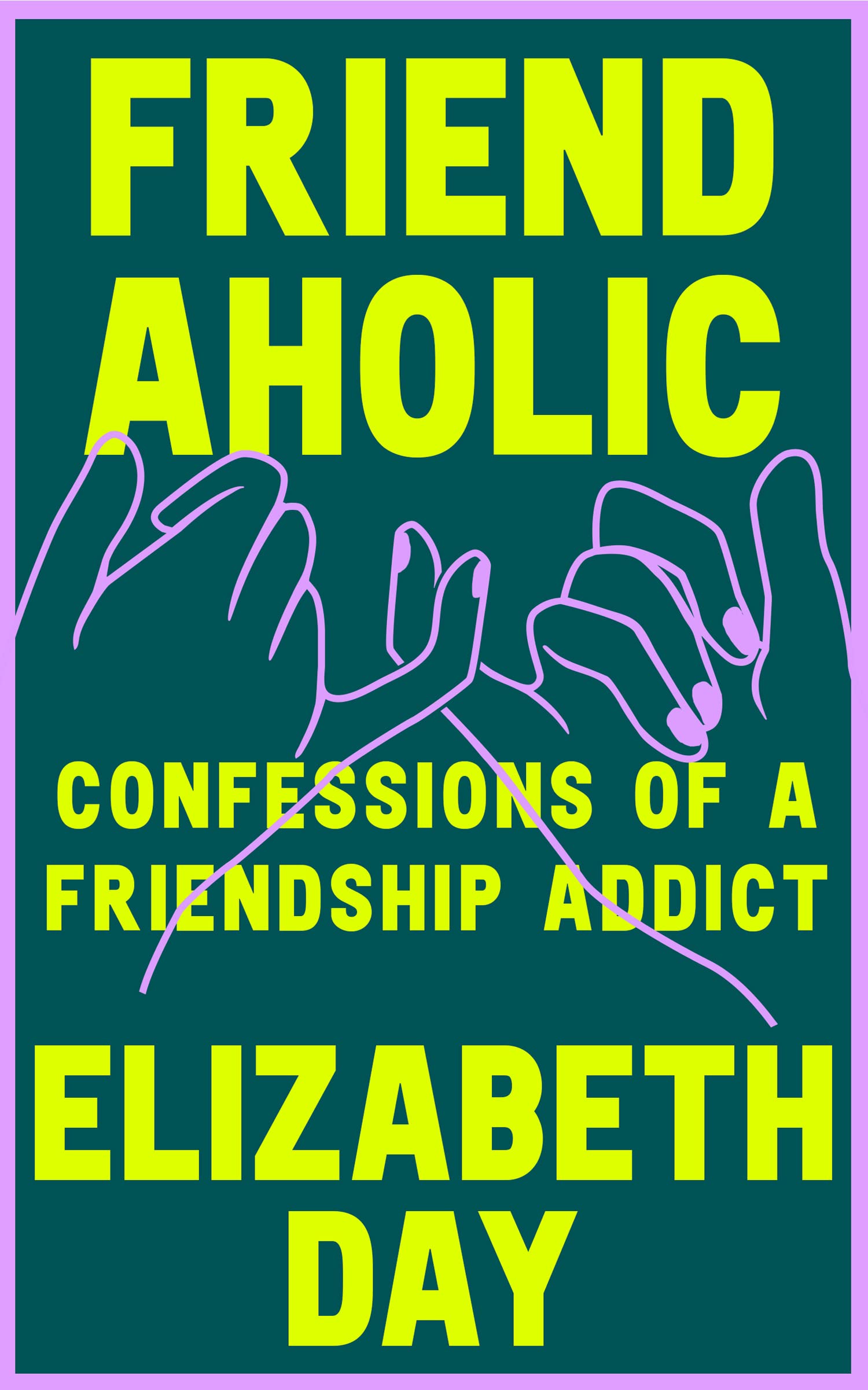
The first rule is that Kate sets our starting book. In June, it’s yes another book I haven’t read, Elizabeth Day’s Friendaholic: Confessions of a friendship addict. It sounds like a book I would enjoy because friends have always been a very important part of my life, but do I need to read a 400+ page book about friendship? Probably not right now, but I’d be interested to read some reviews by bloggers who do read it.

It’s a while since I’ve done Six Degrees title poem but Elizabeth Day’s Friendaholic seemed to be asking for it – and, I could do it in the time I had available. Hope you enjoy. (Links on the titles are to my reviews).

Friendaholic
Mrs Spring Fragrance,
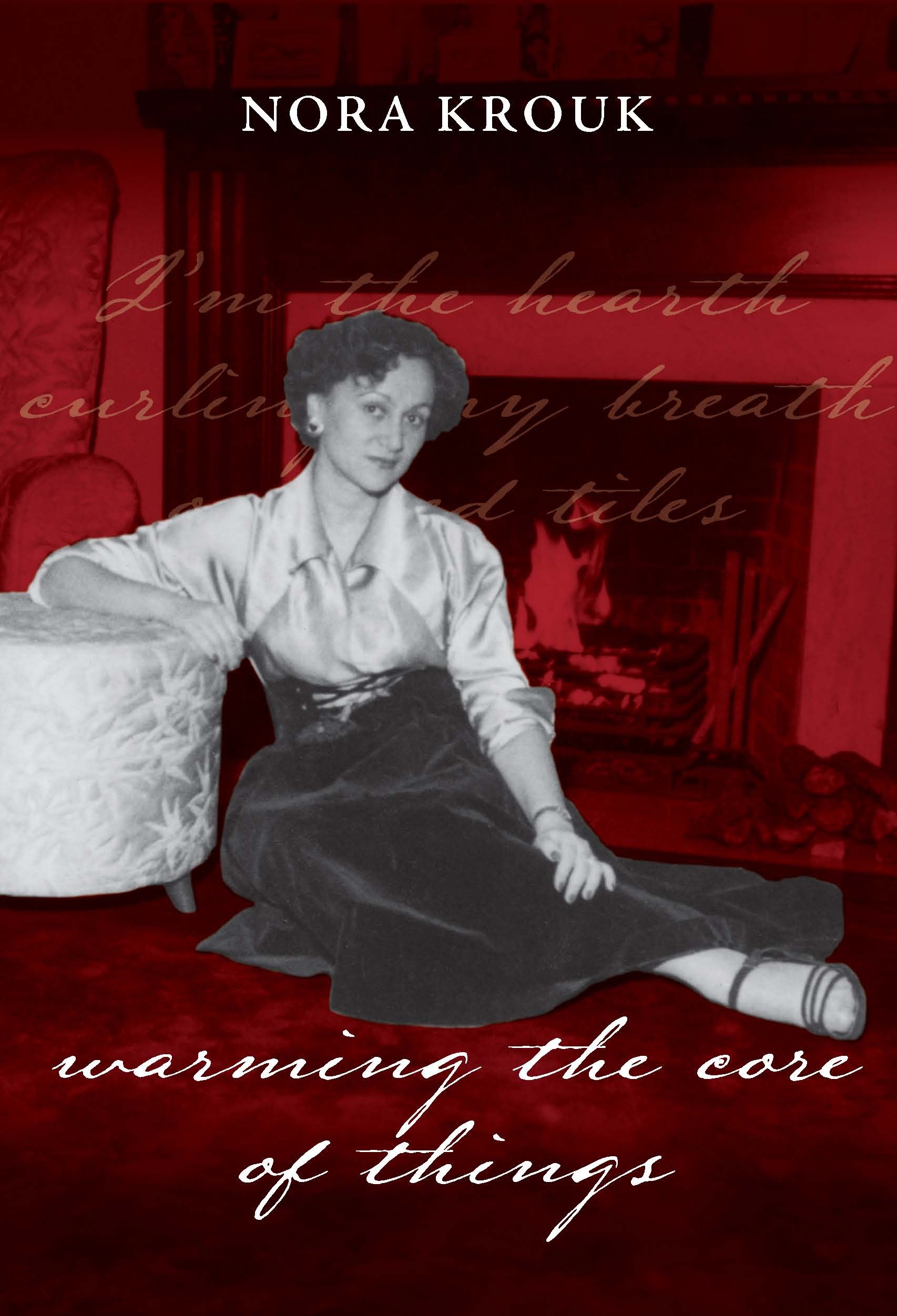
Warming the core of things
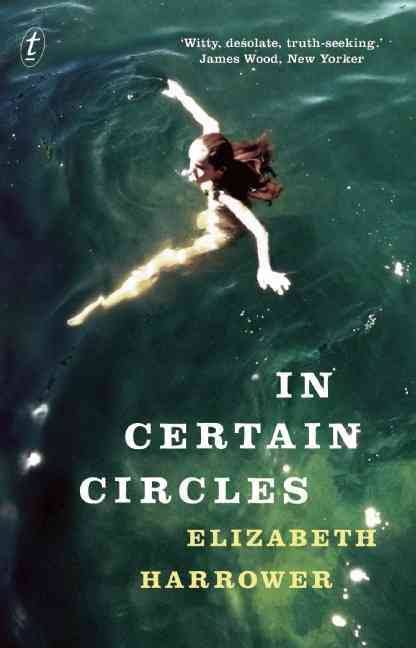
In certain circles,
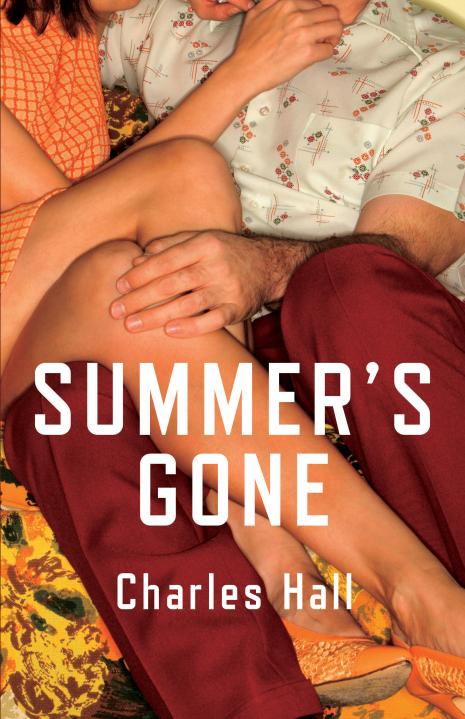
But now, Summer’s gone,
And we’re Paris dreaming
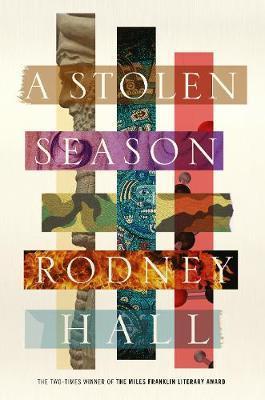
For A stolen season.

With thanks to the authors of my chosen works – Edith Maude Eaton, Elizabeth Harrower, Norma Krouk, Charles Hall, Anita Heiss and Rodney Hall. All are Australian, I’ve just realised, except for Edith Maude Eaton. She was an English-born Chinese American writer who wrote under various names including Sui Sin Far. The work of hers I’ve linked here is a Library of America published short story, hence no book cover.

Now, the usual: Have you read Friendaholic? And, regardless, what would you link to?

William Trevor, The dressmaker’s child (#Review)

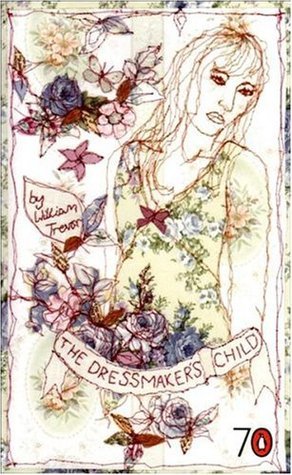
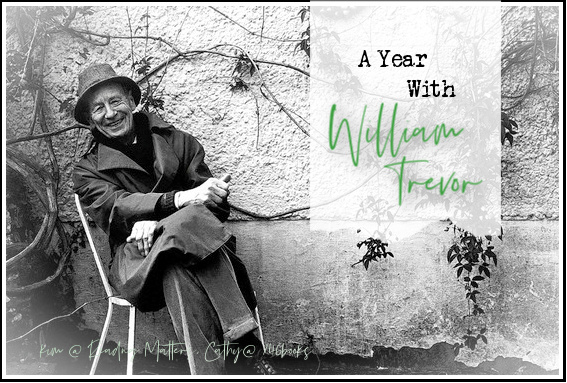
I knew, when Kim (Reading Matters) and Cathy (746 Books) announced their “A year with William Trevor” project, that I had a little book containing some William Trevor short stories but, could I find it? Nope. It was a little book after all. And then, voilà, just the other day while I was doing my book decluttering and packing, I came across it. It’s Pocket Penguin 22 from Penguin’s 70 Years celebration, and is called The dressmaker’s child, but it contains three short stories, so these will be my (very willing) contribution to the project. Two of the stories were chosen by the author from previous collections, but for the titular story this is its first appearance in book form.

Most of you will know of Trevor (1928-2016) but, in a nutshell, he’s an Irish writer of novels and novellas, short stories and plays. He won many literary awards in his life, and was particularly well regarded as a short story writer – making him right up my alley. In fact I have read one of his short stories before, early in this blog.

In her most recent Trevor review (of a novel titled The children of Dynmouth) kimbofo writes that it didn’t take her long to feel that she was in “familiar William Trevor turf in which he takes a seemingly ordinary character with eccentric traits and lets them loose in a confined setting”. This could apply to the short story, “The dressmaker’s child”, as it is about a young nineteen-year-old motor mechanic, Cahal, working for his father in a small town. He’s the only son in a family of girls – all of whom have left – and he is “scrawny” with a “long face usually unsmiling”. The story opens on him applying WD-40 “to the only bolt his spanner wouldn’t shift”, which sets a tone that perhaps other things are, or might be, locked up for our protagonist.

As he continues to work on the car, a young Spanish couple appears, wanting to be driven out to see the Sacred Virgin (Our Lady of Tears) who they believed – that is, they had been told so by a barman – would bless their marriage. Now Cahal knows the statue’s special spiritual status had been disproved and thus rejected by the church, but with a 50-euros job in the offing, he doesn’t actively dissuade them from their mission.

Trevor describes the trip, complete with hints of self-delusions, until on the way home Cahal’s car hits a child – the dressmaker’s child – who is known to run at cars and who, up till then at least, had never been hurt. With the Spanish couple kissing in the back of the car, and choosing avoidance over action, Cahal continues driving despite being aware of “something white lying” on the road behind him. Back in town, nothing is said about the dressmaker’s daughter for a few days, but Cahal remains uncertain. It affects his relationship with his young woman, and when the dressmaker herself starts to appear in town at his side, hinting that she knows what had happened, but is not reporting him, his fears and uncertainty increase.

This is not a thriller, but there is a plot and an ending (of course) so I will leave the story here. It’s nightmarish stuff, but very real too.

Trevor’s writing, his unfolding of story and character, is a pleasure to read. Take Cahal’s character, for example. From the stuck bolt (albeit does start to loosen, hinting at possibilities), he is depicted as rather gormless, bowling along, taking opportunities as they come without a lot of consideration – and somewhat different to his father who, during a conversation about the Swedish couple, shakes his head “as if he doubted his son, which he often did and usually with reason.”

This brings me to the point of the story which, as we are slowly brought to see, is the impact on Cahal of what he did or didn’t do – and the almost catatonic fear it engenders:

Continuing his familiar daily routine of repairs and servicing and answering the petrol bell, Cahal found himself unable to dismiss the connection between them that the dressmaker had made him aware of when she’d walked behind him in the night, and knew that the roots it came from spread and gathered strength and were nurtured, in himself, by fear. Cahal was afraid without knowing what he was afraid of, and when he tried to work this out he was bewildered. 

It changes his life – not in the way we might expect but in a way that shows with absolute clarity how avoidance and inaction can be as potent as anything else. Trevor, like my favourite short story writers, is less about drama and more about the complex realities of human interaction in which accommodations rather than simple resolutions are more often the go. I look forward to the next story.

William Trevor
“The dressmaker’s child”
in William Trevor, The dressmaker’s child
London: Penguin Books, 2005
pp. 1-20
ISBN: 9780141022536
(First published in The New Yorker magazine, October 4, 2004: available online)

Six degrees of separation, FROM Hydra TO …

Oh my, oh my, I have not written a post since Monday. I am so focused on downsizing and packing, and everything else involved in selling a home, that I’m not getting much time for anything else – and when I do finally get time, all I want to do is fall asleep on my nice, new sunny bed (if it’s still the afternoon that is.) So, let’s just move on from all this, and get onto Six Degrees. If you don’t know how it works, please check host Kate’s blog – booksaremyfavouriteandbest.

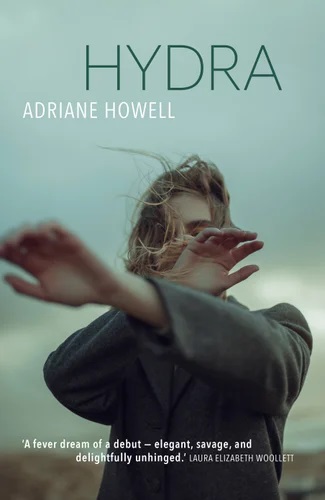
The first rule is that Kate sets our starting book. In May – to sound like a broken record, it’s another book I haven’t read – Adriane Howell’s debut novel, Hydra. I like the sound of the setting – the protagonist works in antiques (where the current focus, as many of you will know, is mid-century furniture, the sort my parents bought!) However, my first link will not relate to this, but to …

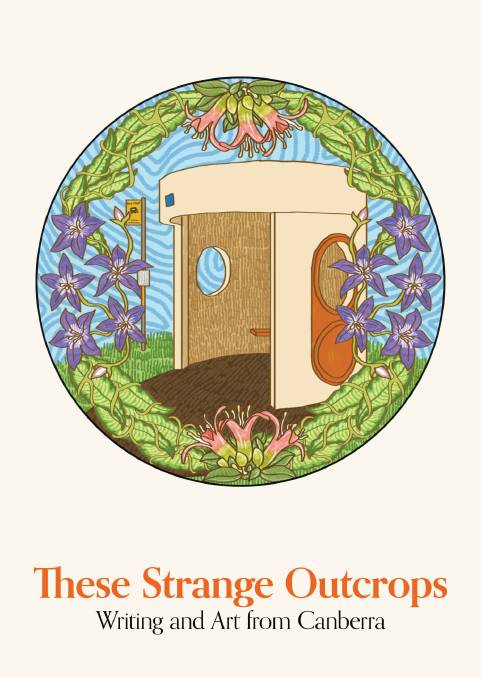
… something pretty obscure but that gives a little air to a different sort of work. Adriane Howell, besides being a novelist, established a literary journal a few years ago. It’s called Gargouille, is published in printed form, and was created with Sarah Wreford. Another literary journal was established by two women a few years ago, albeit an online one, Cicerone. Its focus is emerging writers and the founders are Nancy Jin and Rosalind Moran. Jin and Moran also published an anthology under the Cicerone banner, These strange outcrops: Writing and art from Canberra (my review), and that’s my first link.

I met Rosalind Moran in 2019 when she successfully applied for the New Territory Blogger program. The other successful applicant that year was Shelley Burr whose debut novel Wake (my review) was published last year, to significant acclaim in the crime writing world (and beyond.)

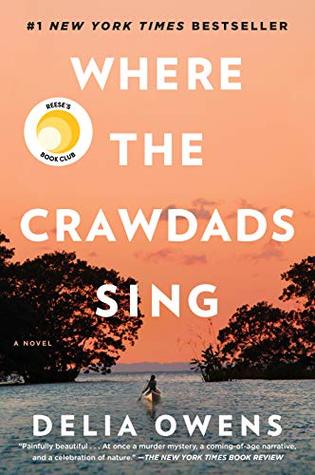
Wake is a debut crime novel in a rural setting – rural noir is one name for its genre. Another debut rural noir crime novel is Delia Owens’ Where the crawdads sing (my review). I could have chosen an Australian one, but felt it was time we sailed to other shores, so was pleased to find a relevant link that we could travel to.

I’m afraid, however, that my next post brings us back to Australia – at least as far as the author is concerned, but not in setting. My link is on titles starting with “Where the”, and the book is a children’s picture book written by Irma Gold and illustrated by Susannah Crispe, Where the heart is (my review). It is set in South America, and concerns a penguin.

Penguins, of course, have a special attraction for readers! And so it is to the publisher Penguin, and their Popular Penguins series of cheaper classics that I’m linking to next. The book I’ve chosen from the many possibilities is Randolph Stow’s Merry-go-round in the sea (my review).

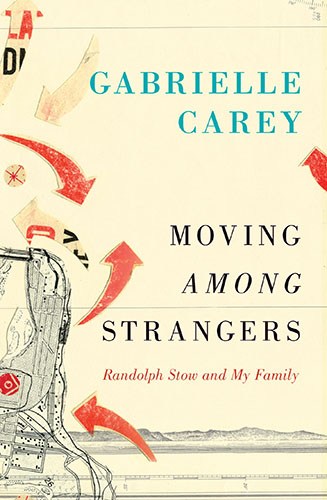
Gabrielle Carey, Moving among strangers

At this point I had planned to take us over the seas again, but things can change quickly … and instead, my final link is by way of a little tribute to a lovely Australian writer whom we lost this week, Gabrielle Carey. Carey made her name with the autobiographical novel Puberty blues which she co-wrote with Kathy Lette, but she then went on to write very different works, nine in fact. One of these was a sort of literary memoir about Randolph Stow, that was inspired by her family’s connection with Stow. The book was Moving among strangers: Randolph Stow and my family (my review). Carey also wrote a thoughtful, enjoyable bibliomemoir about Elizabeth von Arnim which I’ve reviewed, and was apparently working on a book about James Joyce when she died. It’s all very sad, and I pass my condolences onto her family, friends and the wider literary establishment which appreciated what she had to offer.

So, let me just close there. Vale Gabrielle Carey.

Now, the usual: Have you read Hydra? And, regardless, what would you link to?