Six degrees of separation, FROM Time shelter TO …

Well, the BIG DECLUTTER is essentially done. Now it is the BIG CLEAN. Boring! So let’s move on to something far more interesting than how to clean ovens, bathrooms and windows. In other words, let’s think about this month’s Six Degrees meme. If you don’t know how it works, please check host Kate’s blog – booksaremyfavouriteandbest.
The first rule is that Kate sets our starting book. In July, dare I say it, it’s another book I haven’t read, Time shelter, by Bulgarian writer Georgi Gospodinov (and translated by Angela Rodel). It won the 2023 International Booker Prize, and it sounds like a fascinating read. In deed, it sounds like one I’d be interested to read, moreso perhaps than some of this year’s other starting books.

Book cover

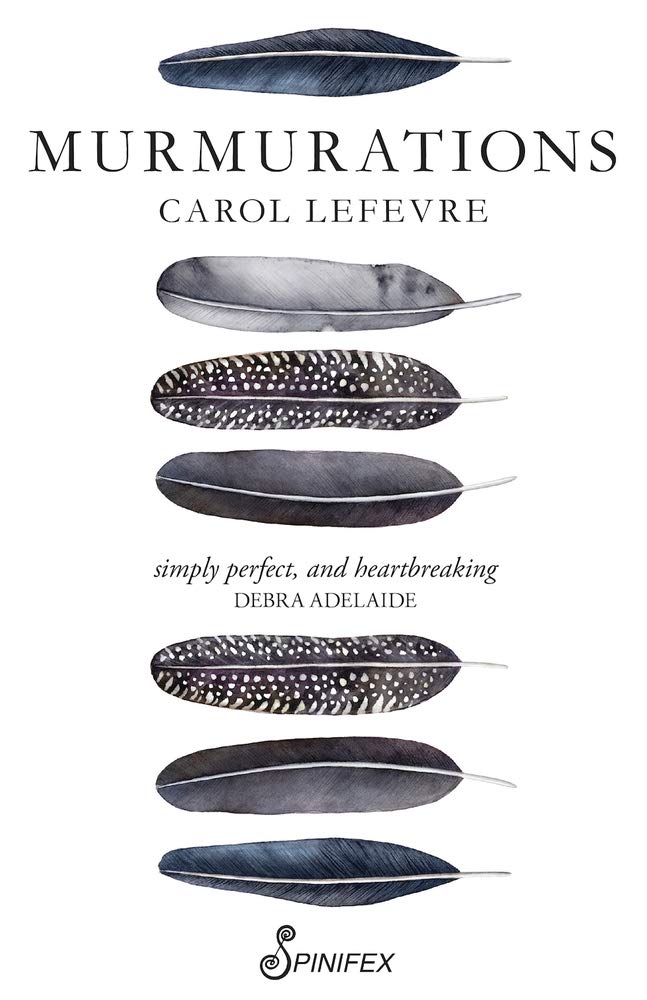
Goodreads starts its description of the book with: ‘In Time Shelter, an enigmatic flâneur named Gaustine opens a “clinic for the past” that offers a promising treatment for Alzheimer’s sufferers: each floor reproduces a decade in minute detail, transporting patients back in time’. What to link from this? I could have taken the quick way and chosen a book with “Time” in the title, as I’m afraid I haven’t read any Bulgarian authors. However, instead I’ve gone with a book in which Alzheimer’s or dementia plays a part, though it’s not the book’s main feature by any stretch, Carol Lefevre’s Murmurations (my review).

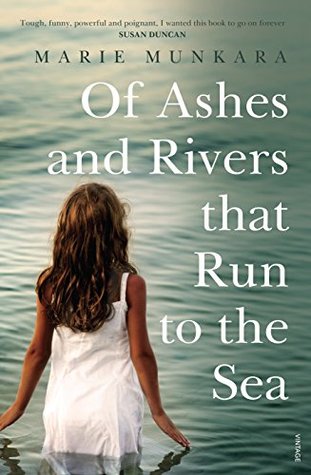
Marie Munkara, Every secret thing

Murmurations is one of those books that is tricky in terms of its form. Is it a novel? Or, is it short stories? Well, it’s probably best described as a book of connected short stories, so I’m linking to another book I’d describe that way, First Nations Australian writer Marie Munkara’s blackly funny Every secret thing (my review).

Now, each year in Australia, we celebrate NAIDOC Week in the first week of July (this year from 2 to 9 July), so in honour of that I’m linking from First Nations Australian writer Marie Munkara to the most recent work I’ve reviewed by a First Nations Australian writer, Claire G. Coleman’s short story “Nightbird” in the Unlimited futures anthology (my review).

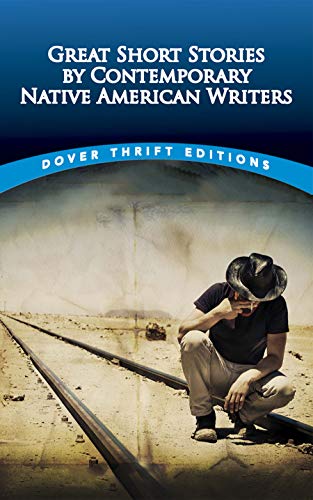
From here I’m linking on two points, another First Nations story in another anthology, this one Native American-based. It’s Leslie Marmon Silko’s “The man to send rain clouds” (my review) in Great short stories by contemporary Native American writers. It is set in a New Mexico pueblo and deals with clashing religious practices over the death and funeral of an elder. Coincidentally, in my review, I wrote that the story reminded me, in a small way, of Munkara’s Every secret thing, so if I hadn’t already linked to that book, I could have done so now! Darn it.

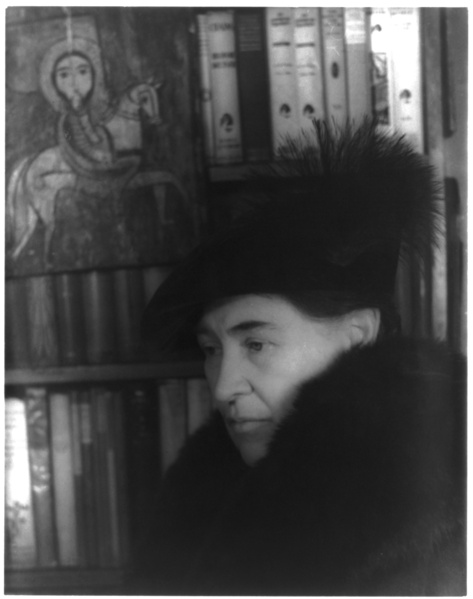
Willa Cather
Willa Cather, 1936 (by Carl Van Vechten; Public domain, via Wikipedia)

So, instead, I’m going to another short story, this one by Willa Cather, “The enchanted bluff” (my review). The story is set, in fact, in Nebraska, and is about six boys on a camping trip at the end of summer, before they return to school. As people do around campfires, the boys share stories and mysteries, and end up talking about the legend of New Mexico’s Enchanted Bluff. They all vow to go there, when they grow up, and to share their experiences when they do so … The story is told by one of the boys from twenty years later.

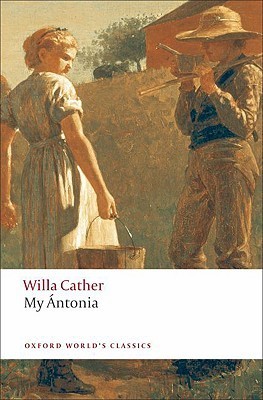
I can’t resist staying with Willa Cather, and linking to another story by her – this time a novel – in which a man reflects on past events. If you haven’t guessed already, the book is My Ántonia (my post), one of the few non-Jane Austen books I’ve read more than once. That tells you something about how much I like it, despite its completely different style, subject matter and tone to Jane’s.

Hmm … we’ve not travelled very far at all this month, having moved smartly from Bulgaria to Australia and then to North America, but we have traversed a few different cultures and eras, so that’s something at least.

Now, the usual: Have you read Time shelter? And, regardless, what would you link to?

Six degrees of separation, FROM Friendaholic TO …

My posting continues to be irregular and erratic, but things are looking up, and we are coming to the end of the BIG DECLUTTER. I really hope to get back to reading more books, and writing more posts very soon – and, to reading all the other blog posts that I’ve been so neglecting. Meanwhile, let’s move on from, and get onto Six Degrees. If you don’t know how it works, please check host Kate’s blog – booksaremyfavouriteandbest.

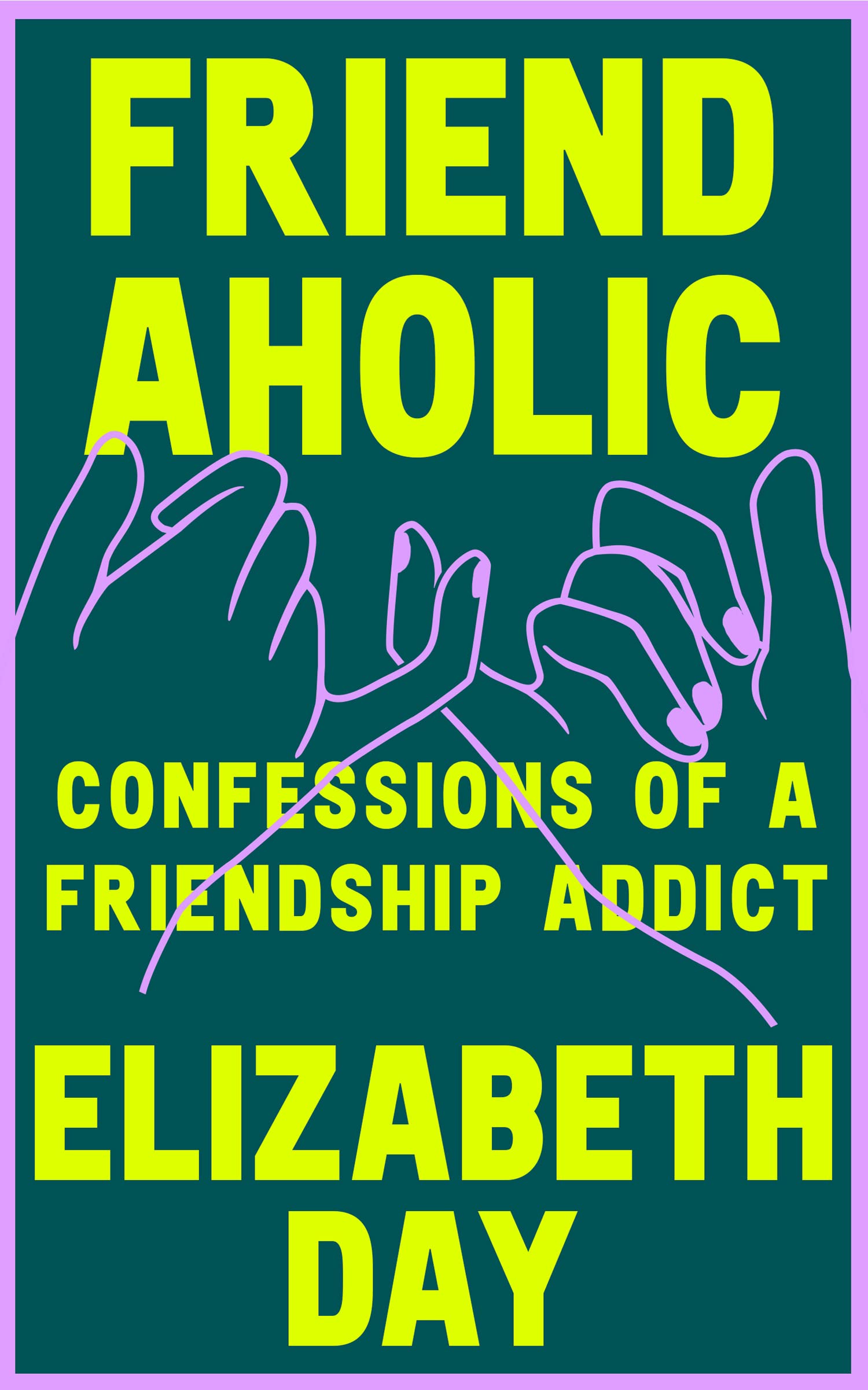
The first rule is that Kate sets our starting book. In June, it’s yes another book I haven’t read, Elizabeth Day’s Friendaholic: Confessions of a friendship addict. It sounds like a book I would enjoy because friends have always been a very important part of my life, but do I need to read a 400+ page book about friendship? Probably not right now, but I’d be interested to read some reviews by bloggers who do read it.

It’s a while since I’ve done Six Degrees title poem but Elizabeth Day’s Friendaholic seemed to be asking for it – and, I could do it in the time I had available. Hope you enjoy. (Links on the titles are to my reviews).

Friendaholic
Mrs Spring Fragrance,
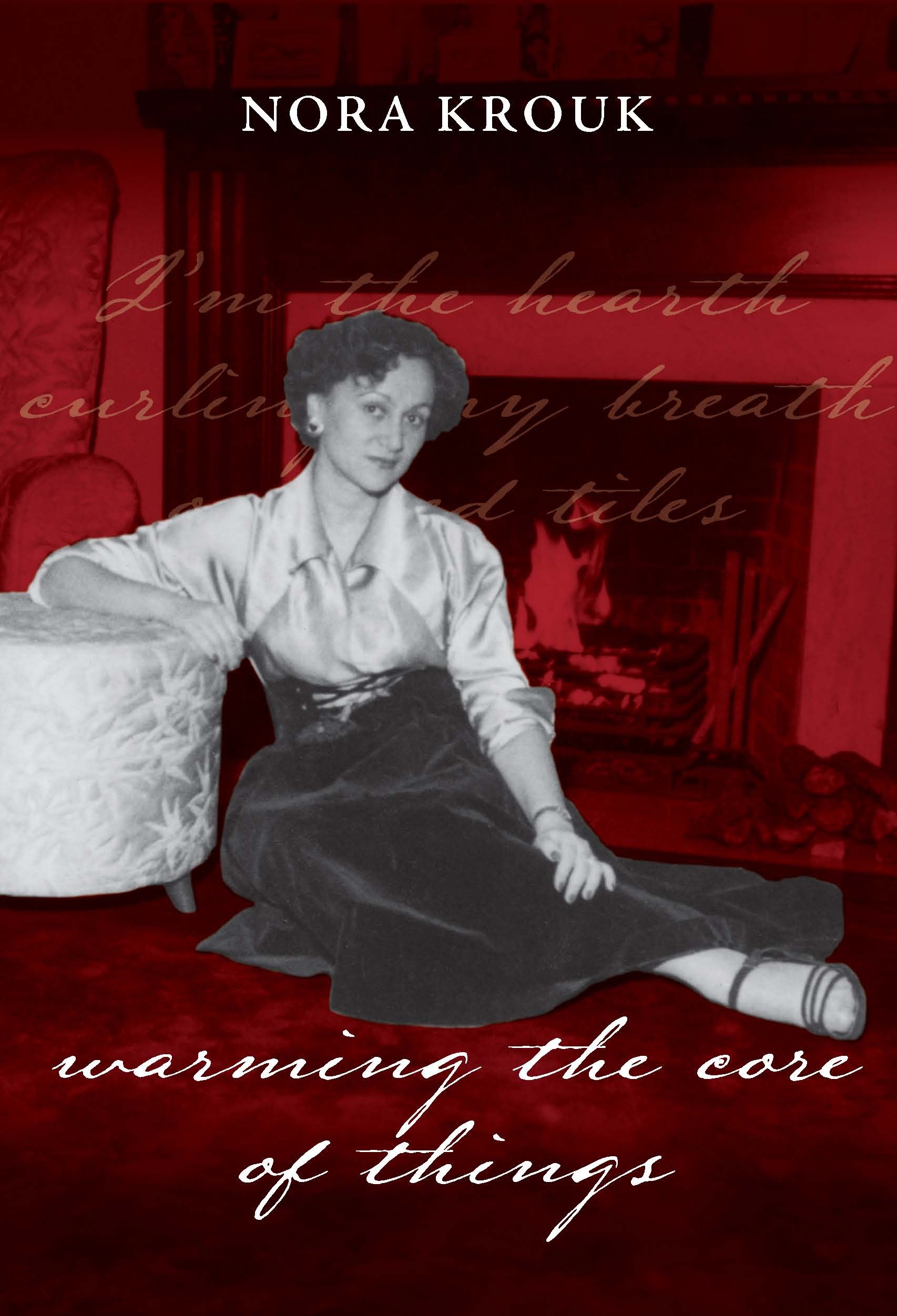
Warming the core of things
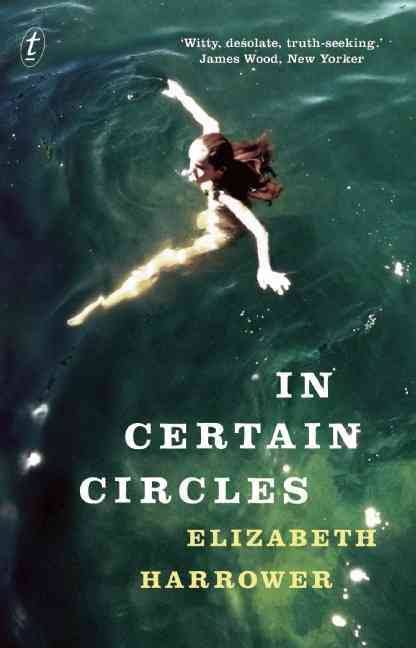
In certain circles,
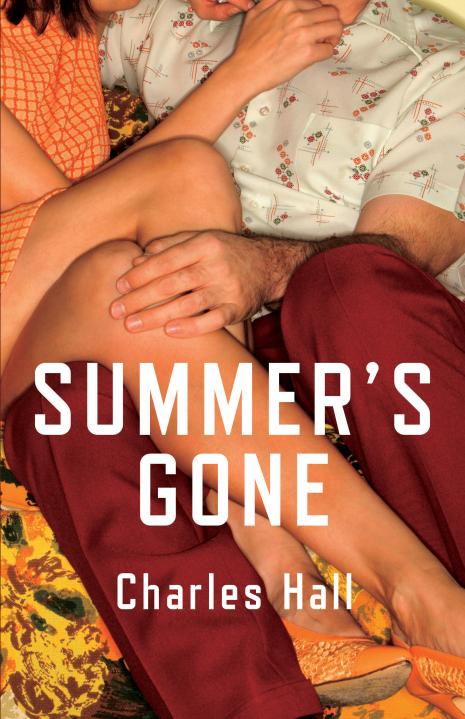
But now, Summer’s gone,
And we’re Paris dreaming
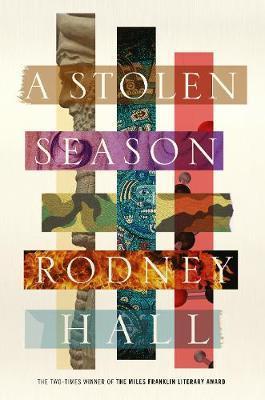
For A stolen season.

With thanks to the authors of my chosen works – Edith Maude Eaton, Elizabeth Harrower, Norma Krouk, Charles Hall, Anita Heiss and Rodney Hall. All are Australian, I’ve just realised, except for Edith Maude Eaton. She was an English-born Chinese American writer who wrote under various names including Sui Sin Far. The work of hers I’ve linked here is a Library of America published short story, hence no book cover.

Now, the usual: Have you read Friendaholic? And, regardless, what would you link to?

Six degrees of separation, FROM Hydra TO …

Oh my, oh my, I have not written a post since Monday. I am so focused on downsizing and packing, and everything else involved in selling a home, that I’m not getting much time for anything else – and when I do finally get time, all I want to do is fall asleep on my nice, new sunny bed (if it’s still the afternoon that is.) So, let’s just move on from all this, and get onto Six Degrees. If you don’t know how it works, please check host Kate’s blog – booksaremyfavouriteandbest.

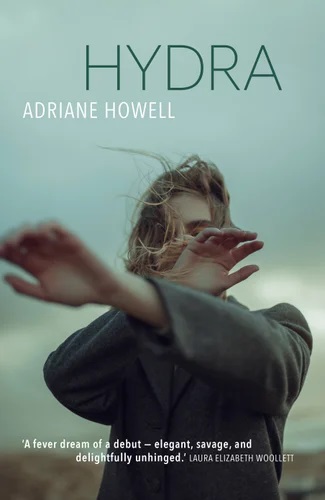
The first rule is that Kate sets our starting book. In May – to sound like a broken record, it’s another book I haven’t read – Adriane Howell’s debut novel, Hydra. I like the sound of the setting – the protagonist works in antiques (where the current focus, as many of you will know, is mid-century furniture, the sort my parents bought!) However, my first link will not relate to this, but to …

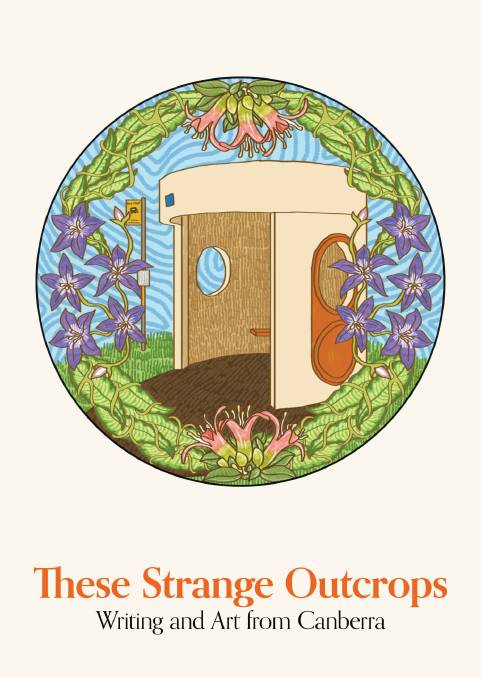
… something pretty obscure but that gives a little air to a different sort of work. Adriane Howell, besides being a novelist, established a literary journal a few years ago. It’s called Gargouille, is published in printed form, and was created with Sarah Wreford. Another literary journal was established by two women a few years ago, albeit an online one, Cicerone. Its focus is emerging writers and the founders are Nancy Jin and Rosalind Moran. Jin and Moran also published an anthology under the Cicerone banner, These strange outcrops: Writing and art from Canberra (my review), and that’s my first link.
I met Rosalind Moran in 2019 when she successfully applied for the New Territory Blogger program. The other successful applicant that year was Shelley Burr whose debut novel Wake (my review) was published last year, to significant acclaim in the crime writing world (and beyond.)

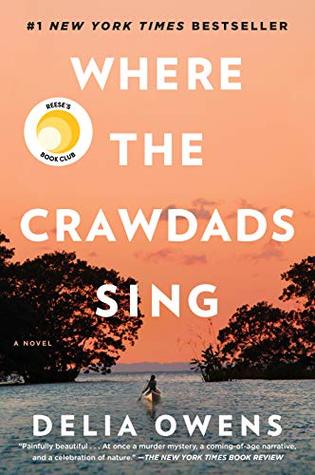
Wake is a debut crime novel in a rural setting – rural noir is one name for its genre. Another debut rural noir crime novel is Delia Owens’ Where the crawdads sing (my review). I could have chosen an Australian one, but felt it was time we sailed to other shores, so was pleased to find a relevant link that we could travel to.
I’m afraid, however, that my next post brings us back to Australia – at least as far as the author is concerned, but not in setting. My link is on titles starting with “Where the”, and the book is a children’s picture book written by Irma Gold and illustrated by Susannah Crispe, Where the heart is (my review). It is set in South America, and concerns a penguin.

Penguins, of course, have a special attraction for readers! And so it is to the publisher Penguin, and their Popular Penguins series of cheaper classics that I’m linking to next. The book I’ve chosen from the many possibilities is Randolph Stow’s Merry-go-round in the sea (my review).

Gabrielle Carey, Moving among strangers

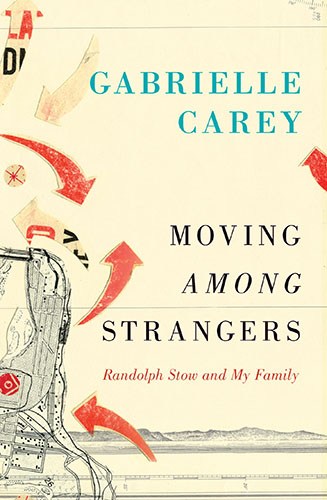
At this point I had planned to take us over the seas again, but things can change quickly … and instead, my final link is by way of a little tribute to a lovely Australian writer whom we lost this week, Gabrielle Carey. Carey made her name with the autobiographical novel Puberty blues which she co-wrote with Kathy Lette, but she then went on to write very different works, nine in fact. One of these was a sort of literary memoir about Randolph Stow, that was inspired by her family’s connection with Stow. The book was Moving among strangers: Randolph Stow and my family (my review). Carey also wrote a thoughtful, enjoyable bibliomemoir about Elizabeth von Arnim which I’ve reviewed, and was apparently working on a book about James Joyce when she died. It’s all very sad, and I pass my condolences onto her family, friends and the wider literary establishment which appreciated what she had to offer.

So, let me just close there. Vale Gabrielle Carey.

Now, the usual: Have you read Hydra? And, regardless, what would you link to?

Six degrees of separation, FROM Born to run TO …

April already, and I am back in Melbourne to spend Easter with the family (and feed grandchildren too much chocolate probably!) But that’s a week away. Today is Six Degrees time. If you don’t know how the meme works, please check meme host Kate’s blog – booksaremyfavouriteandbest.

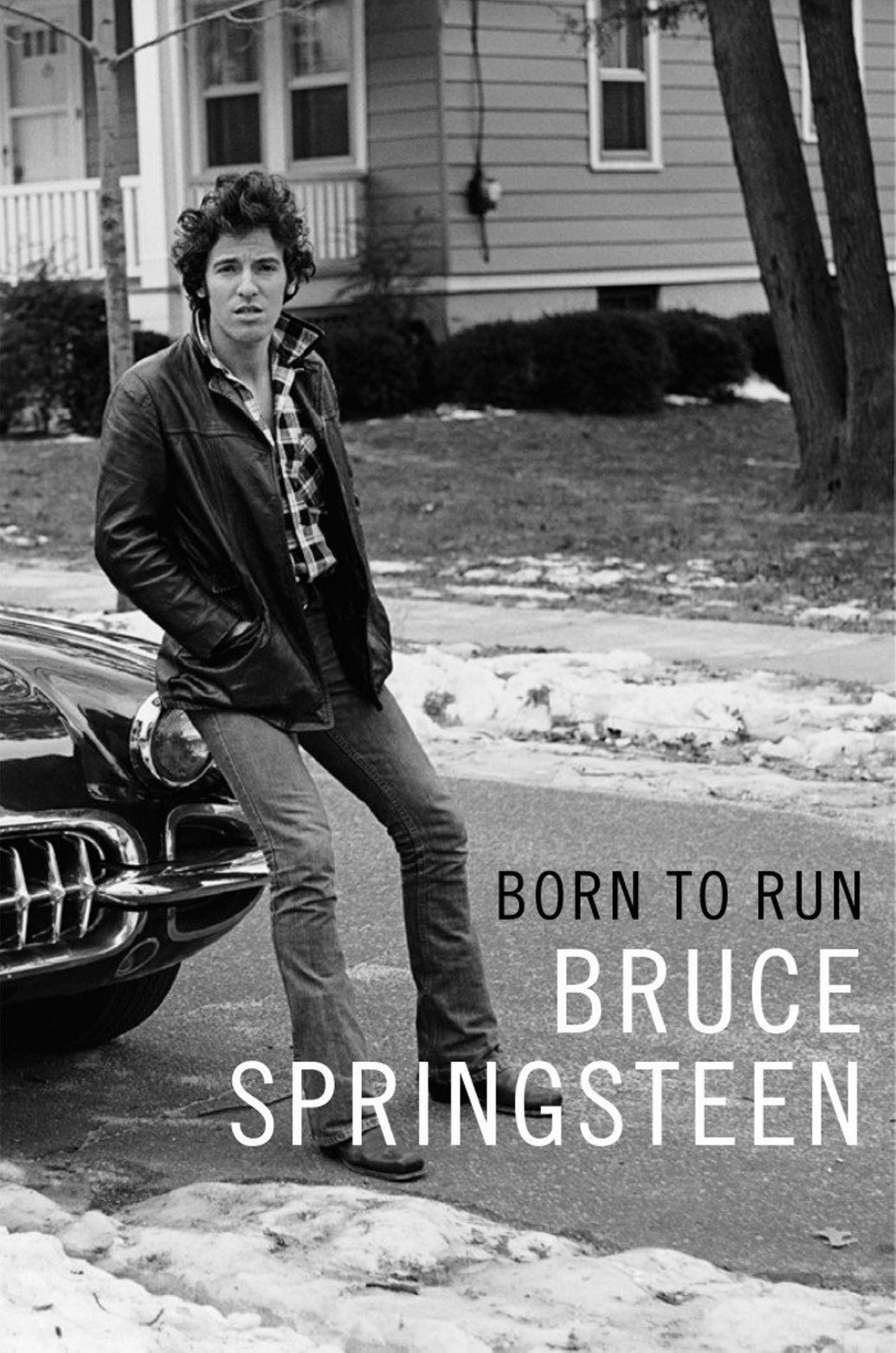
The first rule is that Kate sets our starting book. In April, yep, it’s a book I haven’t read – again – Bruce Springsteen’s autobiography, Kate calls it, Born to run. I make that point about “autobiography” because so often these days the books people write about their own lives tend to be “memoirs” but I presume Springsteen’s book covers more than a memoir typically does?

Book cover

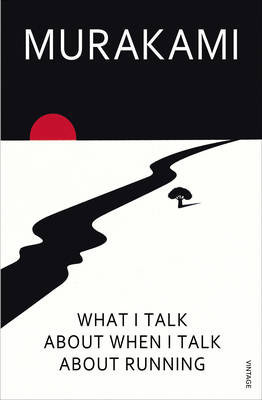
For my first link I’ve gone with something pretty obvious, a memoir with “running” in the title, Haruki Murakami’s What I talk about when I talk about running (my review). This is definitely not autobiography because it really does focus on his running. I had hoped – despite the title – for a bit more about his writing!

Book cover

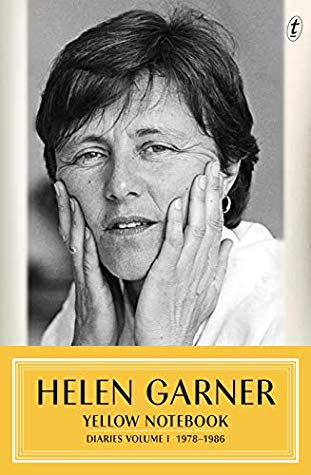
As I recollect, Murakami’s book takes a bit of a log-cum-diary form, so I’m going to another memoir that really is diary form, Helen Garner’s Yellow notebook: Diaries, Volume 1, 1978-1987 (my review). She is a mistress of the form and I hope to get to volume 3 next year – if life would just slow down a bit.

Book cover

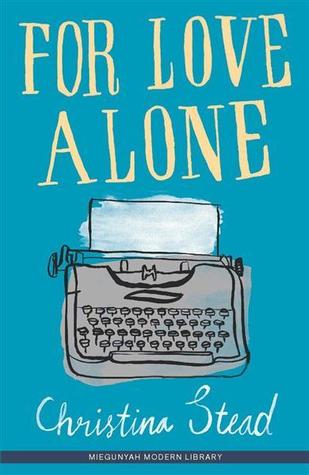
In her book, Garner mentions many authors whom she admires. One of these is Christina Stead, whom she calls “a visionary”. I’m linking to her novel For love alone (my review).

The women in black, Madeleine St John, book cover

Christina Stead left Australia in her 20s, and made her name as a writer after she left our shores. Another Australian writer who made her name as a writer after leaving Australia is Madeleine St John, but it’s to her Australian-set novel, The women in black (my review), that I’m linking.

Jane Austen, Emma, Penguin

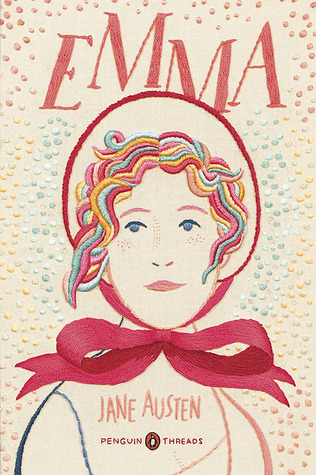
The women in black was adapted to film, but its title was slightly changed to The ladies in black. My next link is a bit cheeky, but not, I think, as cheeky as my last link will be. Jane Austen’s Emma (one of my posts) has been adapted several times to film and TV, but one of my favourites is the one Wikipedia describes as a ““reworking and updating”, Clueless. (Now, that’s a big change in title!)

Book cover

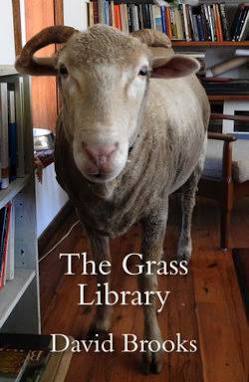
And now for, perhaps, my cheekiest link yet! Alicia Silverstone, who starred in Clueless as Cher (the updated Emma) left the movie world and became interested in animal activism and organic eating/veganism. Australian poet/novelist/essayist/academic David Brooks wrote a memoir-cum-reflection about his journey to vegetarianism and then veganism, The grass library (my review), in which he also talks at length about his relationship with some farm animals.

So, I could argue that I’ve achieved a bit of a circle this month, taking us from Springsteen’s autobiography to Brooks’ sort-of memoir? A circle is not required for the meme, so let’s not argue the point and just move on! We have covered a lot of ground from running, to diary-writing, to Aussie expats, before taking Jane Austen over to the US and ending up on a small farm in Australia’s Blue Mountains.

Now, the usual: Have you read Born to run? And, regardless, what would you link to?

    Six degrees of separation, FROM Passages TO …

    I may as well continue my practice of talking about the weather! Here down under, autumn has started, and we in the nation’s capital at least have had a beautiful start with the warm, mild days we love autumn for. May it continue for some weeks given our non-summer. Now, to this month’s Six Degrees. If you don’t know how the meme works, please check meme host Kate’s blog – booksaremyfavouriteandbest.

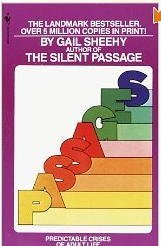
    The first rule is that Kate sets our starting book. In March it is YET another book I haven’t read, though I remember it well, Gail Sheehy’s best-selling self-help book, Passages. GoodReads describes it as “a brilliant road map of adult life” so, what to link?

    Alex Miller, Lovesong

    Well, reader, I was challenged. The closest to self-help I’ve read is Julia Baird’s Phosphorescence but I’ve linked to that before. Perhaps, then, a book that spans adult life? Well, yes, I s’pose. That would certainly be doable, but, I’ve decided to go with author birth-date. Gail Sheehy was born in 1936, and so was the Australian author, Alex Miller, so it’s to his Lovesong (my review) that I’m linking.

    Elizabeth Jolley, The orchard thieves

    Now, another Australian author has also written a book titled Lovesong, Elizabeth Jolley. However, I read that before blogging, so I’m going to link to one of her books I have read since and reviewed here, The orchard thieves (my review). It’s a glorious book about a grandmother thinking about her children and grandchildren, about “little rogues and thieves” who “would, during their lives, do something perfect and noble and wonderful and something absolutely appalling”.

    Karen Viggers, The orchardist's daughter

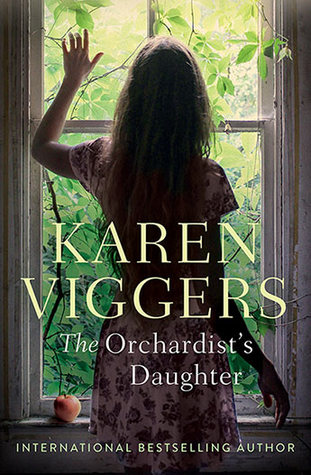
    Somehow, I’ve read a few books about orchards, and one of them is local author Karen Viggers’ The orchardist’s daughter (my review), which is set in northwest Tasmania and deals with two siblings who had grown up on an orchard, though they leave it at the beginning. It’s a strong story about life and tensions in a logging-based town.

    For anyone who is up-to-date on Australian writing, the next link is so obvious I’m almost too embarrassed to make it, Robbie Arnott’s Limberlost (my review). This novel is set in a northeast Tasmanian orchard, and while it is not specifically about siblings, siblings do play a significant role. It also encompasses the issue of logging, though not as centrally as Viggers’ book does.

    Book cover

    Now, we really need to leave Australia, because, much as I love to promote Aussie Lit, I mustn’t be too ethnocentric about all this. So, my next link is on third novels. Limberlost is Robbie Arnott’s third novel. Singaporean author Balli Kaur Jaswal’s Erotic stories for Punjabi widows (my review) is her third novel, so, short and sweet, that’s my next link.

    Hanif Kureishi, The buddha of suburbia

    My final link is on subject matter, as both Jaswal’s novel and Hanif Kureishi’s The buddha of suburbia (my review) deal in some way with subcontinent culture in London. Jaswal’s protagonist, Nikki, is born in England to Punjabi immigrant parents, while Kureishi’s Karim is the English-born son of a Pakistani father from Bombay and an English mother. Both characters, in different ways, have to make their way through the intersection of anglo and immigrant cultures.

    So, we haven’t travelled a lot this month as we started in America with Passages, spent some time in Australia and then went to England! My author gender-split though has been 50-50 which I rarely achieve.

    Now, the usual: Have you read Passages? And, regardless, what would you link to?

    Six degrees of separation, FROM Trust TO …

    A month already into the new year, and of course I can’t believe it! Nor can I believe that I didn’t edit out last month’s opening paragraph when I published this month’s this morning, so this paragraph is different to the one that first went live! Silly me! We have just arrived in Melbourne for three birthdays, so my mind was elsewhere. Anyhow, I’ll put my red-face aside and get on with it. If you don’t know how Six Degrees works, please check meme host Kate’s blog – booksaremyfavouriteandbest.

    The first rule is that Kate sets our starting book. In February it is another book I haven’t read, Hernan Diaz’s Trust. She chose it because it topped her 2022 “best of” book lists. It is about wealth and power in New York so my first thought was Tom Wolfe’s The bonfire of the vanities though I think this is a long bow in terms of the story. However, I haven’t reviewed that on my blog which is my rule-of-thumb for my links, so …

    I’m going the easy route and choosing one of the two books that topped my smaller 2022 list of favourite Aussie books. Of the two, I’ve read one (the other being on my February TBR) so that read one will be my link, Jessica Au’s Cold enough for snow (my review). I’m thrilled to hear that it has just been announced the winner of the 2023 Victorian Premier’s Literary Award Prize for Literature and the Fiction Prize.

    Cold enough for snow concerns a mother and daughter trip to Japan, though what it is about is something a bit different. Another daughter-mother story set in Asia, this time Korea, and told from the daughter’s point-of view, is Elisa Shua Dusapin’s Winter in Sokcho (my review), so that’s my next link.

    Book cover

    Dusapin’s narrator comes across as a bit of a misfit, as one who seems unwilling to follow the expectations of her community. She reminded me, in this sense, of the protagonist of Sayaka Murata’s Convenience store woman (my review). In fact, I’m not the only one who felt this connection because the GoodReads intro to Winter in Sokcho describes it “as if Marguerite Duras wrote Convenience Store Woman“.

    My next link is a bit cheeky, but Murato’s protagonist, Keiko, works, obviously, in a convenience store. Nardi Simpson, in her Song of the crocodile (my review), writes of one of her protagonists that “with guts and confidence, Celie turns her mother’s laundry skills into a business called the Blue Shed, providing work for herself and the other women”. Now, while a laundry isn’t technically a convenience store, I reckon it is a very convenient service, so that’s good enough for me.

    Book cover

    In Song of the crocodile, the crocodile is a totemic being who becomes angry when things in the town go far too awry for it to be tolerated any more. Peter Godwin’s memoir, When a crocodile eats the sun (my review) also invokes a crocodile being. As I wrote in my post, ‘The title comes from an old Zulu and Venda belief that a solar eclipse occurs when a crocodile eats the sun. They see it as the worst of omens, “as a warning that he [the celestial crocodile] is much displeased with the behaviour of man below”‘. (Of course, I could have just said that I was linking on the word in the title but that would be too obvious.)

    Peter Godwin is a Zimbabwean author, and as is Tsitsi Dangarembga. Indeed, they were born two years apart in what was then Southern Rhodesia, but of course to very different families. Anyhow, it’s to her, and her powerful novel This mournable body (my review) that I’m linking for my last book.

    So, a bit of an unusual chain this month, because most of my links draw from the content of the stories, rather than from my usual variety of link options. But this is all I had time to do this month. Five of my six authors are women, which is not very diverse, but we did travel to Japan, Korea, and Zimbabwe, as well as Australia – never once setting foot in the usual places like England and the USA. I’m sort of proud of that!

    Now, the usual: Have you read Trust? And, regardless, what would you link to?

      Six degrees of separation, FROM Beach read TO …

      A new year, and here we are again with our Six Degrees meme. Before I get stuck in, though, I would like to wish you all the best for the New Year, and hope that 2023 proves to be a healthy and peaceful one for us all. We could all do with it, particularly those in troubled and disaster-affected parts of the world. Meanwhile, on with this post’s business. If you don’t know how it works, please check meme host Kate’s blog – booksaremyfavouriteandbest.

      The first rule is that Kate sets our starting book. In January it is another book I haven’t read, Emily Henry’s Beach read, but, what’s new! It sounds somewhat intriguing. According to GoodReads “A romance writer who no longer believes in love and a literary writer stuck in a rut engage in a summer-long challenge that may just upend everything they believe about happily ever afters.” It is of course a perfect title for a down under January book …

      Mary Grant Bruce, Early Tales

      So, it would be easy to go with what my choice of a beach read, but that’s not where I’m going. Instead, I’m looking at author’s name. Emily Henry’s last name can also be a man’s first name. This is also the case with Mary Grant Bruce, so it is to her juvenilia, The early tales (my review), that I’m linking to first.

      From linking on author’s name, I’m next going to title, and another Australian oldie, Price Warung’s Tales of the early days (my review). This title is so similar to that given to Bruce’s juvenilia, but the work is very different. Bruce’s juvenilia are family stories, though not without socio-historical interest, while Warung’s are about convict days and lives, and have clear political intent.

      Next, we are going back to author’s name for the link. Price Warung is a pseudonym used by William Astley (1854-1911). Another Australian writer, pretty much a peer in fact, is Jessie Catherine Couvreur (1848-1897). She wrote under the name Tasma, so it is to her satirical Uncle Piper of Piper’s Hill (my review) that I am linking to next.

      Kate Chopin
      Kate Chopin (Public domain, via Wikipedia)

      And now, enough of names and titles! My next link will likely push your credulity a bit, but, you know, all’s fair in six degrees linking, so here goes. As I recorded above, Tasma died in 1897. That year Kate Chopin’s short story “A pair of silk stockings” (my review) was published. It’s a powerful short story, and I want to leave Australia, so that’s where we are going.

      Now, since I’ve pushed things a bit, I’m going to push it again. If you’ve read any of Chopin’s stories, you won’t be surprised to hear that she was inspired by Guy de Maupassant. In my review of the story above, I shared some of Chopin’s thoughts about de Maupassant, which included that, in him she saw, “Here was life, not fiction”. Another writer who admired de Maupassant, albeit with some reservations about the man I understand, was Henry James. However, he did say that his story “Paste” (my review) was inspired by Maupassant’s famous short story, “The necklace”.

      William James
      William James (Public domain, via Wikipedia)

      For my last link, I am taking the easy path, and linking to Henry James’ brother, the philosopher William James and his essay “On some mental effect of the earthquake” (my review).

      So, a bit of an unusual chain this month. Despite the fact that several of my links are straightforwardly on authors and titles, all of the works I’ve linked to are nowhere near contemporary, and the last three are short works rather than books. Some of you, though, may have read Chopin’s or James’ stories, at least? I’ll be interested to hear. Meanwhile, it does seem that this month we’ve not roamed far … staying essentially with “New World” authors.

      Now, the usual: Have you read Beach Read? And, regardless, what would you link to?

      Six degrees of separation, FROM The snow child TO …

      Not the weather this month, except to say that Summer has started well. Instead, I’ll just say that I hope you all have a beautiful December, sharing meaningful, nurturing times with the people who matter most to you. It’s not always possible for us all, I know, with families and friends spread far and wide, but that is my wish for you dear readers. And now, I’ll get to our Six Degrees meme. As always, if you don’t know how it works, please check meme host Kate’s blog – booksaremyfavouriteandbest.

      The first rule is that Kate sets our starting book. In December it is another book I haven’t read, Eowyn Ivey’s The snow child, which is partly based on a Russian fairytale about a childless couple who build a little girl out of snow. Next day, the snow girl is gone, but they glimpse a little girl in the woods …

      Danielle Wood, Mothers Grimm, book cover

      Many writers have taken fairytales and riffed on them to explore an issue they see as relevant or important. I tend not to gravitate to these sorts of books, but one I did and loved is Danielle Wood’s short story collection, Mothers Grimm (my review) which re-visions some Grimm Brothers’ fairytales – “Rapunzel”, “Hansel and Gretel”, “Sleeping Beauty”, and “The Goose Girl” – to reflect on contemporary motherhood.

      Book cover

      It’s not hard to find links for novels about contemporary motherhood, but I’m going to link to a memoir, Australian filmmaker Jocelyn Moorhouse’s Unconditional love: A memoir of filmmaking and motherhood (my review) because it’s about a mother with a successful profession who had to make some very hard decisions about balancing mothering and career. It is great to see that with her children now grown up, she is picking up her career more actively – and, yes, successfully.

      Book cover

      You all know that while I read nonfiction, fiction is my first love, so for my next link I’m returning to fiction and an historical novel about the early years of filmmaking, Dominic Smith’s The electric hotel (my review). It chronicles the life and career of fictional silent filmmaker Claude Ballard. He is sent into bankruptcy through the actions of the nonfictional film inventor Thomas Edison who did his best to exert control over the early film industry.

      Peter Carey Chemistry of tears bookcover

      Dominic Smith is Australian-born but now lives in Seattle, Washington, USA. Another Australian-born writer who has taken up residence in the USA – albeit on the opposite coast – is Peter Carey. I’ve reviewed a few of his books here but the one I’m linking to is another work of historical fiction, The chemistry of tears (my review).

      Hilary Mantel, Wolf Hall

      The chemistry of tears is set in England and Europe at that time of great industrialisation, but it’s not form or content on which I am linking next. Peter Carey is one of six writers who have won the Booker Prize twice, and I have reviewed books by three of the other five here, JM Coetzee (now Aussie-based), Margaret Atwood, and the one I’m going to link to Hilary Mantel. She won it for Wolf Hall and its sequel Bring up the bodies, but Wolf Hall (my review) is my chosen link, because …

      EM Forster, Howards End

      Wolf Hall is the name of a place, a building, a residence in fact, relevant to the novel. It conveys something about the protagonist’s wolfish actions and presages the novel’s sequel (being the home of Henry VIII’s next wife). EM Forster’s Howards End (my review) is also titled for the name of a place, a building, a residence. This place too has a political resonance in the novel, albeit not embedded in the name itself. It stands for traditional culture and values at a time of significant social change, and is where two opposing ideas come together.

      This month, I have a rare 50:50 gender split in my selections. We’ve not travelled so far, sticking primarily to Australia, the USA and England – though Dominic Smith does have us scampering a bit around the world and Peter Carey takes us to Germany.

      Vale Neil: This morning, Bill (The Australian Legend) emailed me to let me know that one of our commenters, Neil@Kallaroo, had died this week. This was desperately sad news for us. Mr Gums and I attended Neil’s wedding in 1978, and he and his wife ours that same year. Neil frequently commented on my Six Degrees posts in particular, offering his own links. Most recently, though, in late October, he engaged in a discussion about reading eBooks and note-taking on my Telltale post. Neil had been chronically ill for many years, and Mr Gums and I had long been keen to visit him. We finally managed to go to Perth and visit him in hospital in September this year. How great that we did. Neil was his same, lovely, engaged-in-life self. Frustrated by his weakness, he was just getting on with living the best life he could – reading, playing games (online with friends and family), doing puzzles. Vale Neil, you were a good person to know. We will miss your annual Gneillian News!

      Now, the usual: Have you read The snow child? And, regardless, what would you link to?

      Nonfiction November 2022: Book pairings

      Week 2 of Nonfiction November and hanging in. This meme/blog event/reading month/challenge (what do we call it?) is hosted by several bloggers, with Week 2: (November 7-11) – Book Pairing, being hosted by Rennie (of What’s Nonfiction). The challenge is to pair a nonfiction book with something else – a fiction title, another nonfiction work, or even a podcast, film, documentary, TV show, etc. There just has to be some link in terms of subject matter or topic. I really enjoy this week of the challenge, because it’s such fun to do and is also fun to see what other bloggers come up with.

      The no-brainer

      Since much of my nonfiction involves literary topics – literary biographies or memoirs, for example – this pairing challenge is really very easy. Take, for example, Carmel Bird’s bibliomoir Telltale (my review). There are so pairing possibilities, because in it she discusses books she’s read and written. So, for this year’s no-brainer – I did one last year too – I will pair her bibliomemoir with… Hmm, with what? Because here’s the challenge: she mentions so many books. However, if I limit it to those I’ve reviewed, which is my preference, that narrows the field. And, if I narrow it even more to those books by her that I’ve reviewed, I’m getting to something quite manageable.

      Book cover

      So, after a little consideration, the one I’ve chosen for my pairing is her Field of poppies (my review), because, as I wrote in my post, it has many of the hallmarks of her writing, including “all manner of allusions and digressions, underpinned by a clearly-focused intelligence”. This, of course, we also find in Telltale. Unfortunately, though, I am away from home, so I don ‘t have my copy of Telltale with me to share some of Bird’s comments about this novel. However, I do remember her discussing mining, and how she had referenced it in her work, including in Field of poppies.

      This year I have also read several literary essays, and each of these could be paired with their source novel or story, such as Ellen van Neerven’s essay (my post) on Tara June Winch’s Swallow the air (my review).

      But, rather than list all those, I’d like, as I also did last year, to give myself something that’s more of a pairing challenge, so here is …

      Another pairing

      My most recent nonfiction read was Biff Ward’s part memoir, part social history, The third chopstick: Tracks through the Vietnam War (my review). This book covers both her experience as an antiwar protestor and her later decision to meet and understand the men who went to war – the Vietnam Vets. In those meetings, she comes face-to-face with the traumas (the PTSD) many of them suffered on their return and, with their permission, she shares some of this experience with us.

      Josephine Rowe, A loving faithful animal

      Not a lot of fiction, comparatively speaking anyhow, has been written about this War, as I discussed in my recent Monday Musings – and I’ve read only a little of that. However, I have read a little, and one of those is Josephine Rowe’s A loving, faithful animal (my review), which deals very specifically with PTSD from this war and its intergenerational impact. It’s a strong, and unforgettable novel and worthy of pairing with Biff Ward’s book.

      For those of you doing Nonfiction November, I’ll see your pairings I’m sure, but, if you’re not, I’d love to see what you would pair – if you’d like to play along.

      Six degrees of separation, FROM The naked chef TO …

      Oh my, oh my, I’m becoming one of those people who complains about the weather – but really, we’ve had so much rain in our neck of the woods. It’s proving difficult to get our washing dry, to carry out some necessary house maintenance, and so on. The problem is, though, that I feel embarrassed about complaining, given we have brought so much of this upon ourselves. So, that recognised, I think I’d best just move on … to why we are here, our Six Degrees meme. As always, if you don’t know how it works, please check meme host Kate’s blog – booksaremyfavouriteandbest.

      The first rule is that Kate sets our starting book, and in November it is another book I haven’t read, Jamie Oliver’s The naked chef. I don’t have it, but I am forever grateful to Jamie Oliver for teaching Son Gums to cook, through his books and cooking app. Oliver is a wonder. I was impressed with the app.

      Ouyang Yu, Diary of a Naked Official

      So, where to from here? I have in fact posted on a couple of cook books, but I’m not going there. Instead, I’m linking on the word “naked” in the title, and going to Ouyang Yu’s Diary of a naked official (my review). My reason is that this enabled me to link to a book that I haven’t – until now – managed to include in this meme. Ouyang-Yu is a Chinese-born Australian-based writer who has a significant body of work.

      Linda Jaivin, Found in translation Book cover

      Besides writing novels in English, Ouyang Yu translates English (Australian) books into Chinese. My next link is to Linda Jaivin, who not only wrote a Quarterly Essay on translation, Found in translation: In praise of a plural world (my review), but who also does Chinese-English translation, but in the reverse direction to Yu.

      Book Cover

      I have reviewed a handful of Quarterly Essays for this blog, another being Sebastian Smee’s Net loss: The inner life in the digital age (my review). I read this particular issue for my reading group, as the result of a little confusion. We weren’t sure whether we were to read this Quarterly Essay or …

      Penguin collection, translated by Garnett, book cover

      Anton Chekhov’s short story, “The lady with the little dog” (my review). Several of us, myself included, read both. The point was that Smee references Chekhov’s story in his essay, because Chekhov’s Gurov discusses his inner and outer lives. In case you are interested, Gurov argues that the inner life is where “everything that was essential, of interest and of value to him, everything that made the kernel of his life, was hidden from other people”, and Smee is concerned that in our digital age the “notion of an elusive but somehow sustaining inner self is eroding”.

      Chekhov’s short story has been translated multiple times, and is much anthologised. Another frequently anthologised short story is Shirley Jackson’s “The lottery” (my review). Indeed, I wrote in my post that it is “one of the most famous short stories in the history of American literature”.

      Christos Tsiolkas, The slap

      In that post on Jackson’s short story, I also quoted Jackson as saying her story was a “graphic dramatisation of … pointless violence and general inhumanity”, which brings us to my final link, Christos Tsiolkas’ The slap (my review), because I argue that one of its themes is the pervasiveness of violence in western middle-class society.

      This month, we’ve spread our wings wide, visiting England, China, the USA, Russia and Australia. For a rare change, my authors are four males to two females. What came over me! I can’t think of any real way of linking Tsiolkas back to Oliver except to say, perhaps, that both are cool dudes with something to say?

      Now, the usual: Have you read The naked chef? And, regardless, what would you link to?