Six degrees of separation, FROM Dangerous liaisons TO …

It’s the first Saturday in February so it must be Six Degrees time, and this month, I’m not going to engage in any chatty intro but just get into it … as always, if you don’t know how the #SixDegrees meme works, please check Kate’s blog – booksaremyfavouriteandbest.
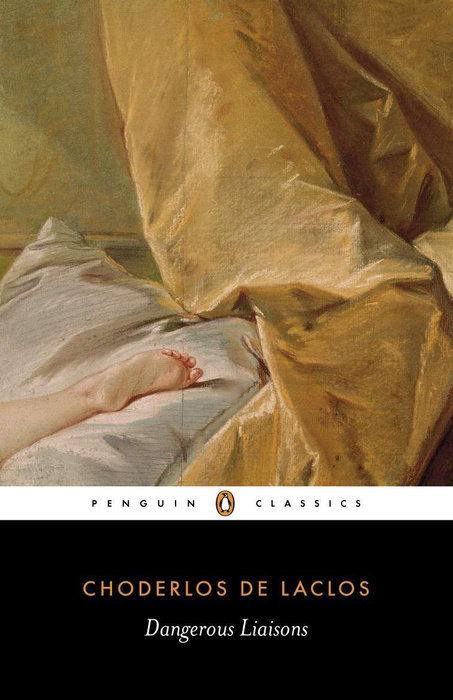
The first rule is that Kate sets our starting book. This month, it’s a book I probably should have read – being a classic – but haven’t. It’s Pierre Choderlos de Laclos, Dangerous Liaisons, an epistolary novel published in 1782.

Now, commenting on last month’s Six Degrees, one of my most loyal commenters here, MR, who often ponders on the – let’s say – quality of my links, suggested that I just list the books and let those of you who read the post work out the reasons. So, this is what I’m doing this post. I did think about giving the reasons in a follow-up post, but have decided that’s pushing the friendship a little too far so I am providing the answers at the end (after the image gallery). I’ve tried not to make the links too hard, and for some there are multiple ways the books could be linked.

So, here goes:

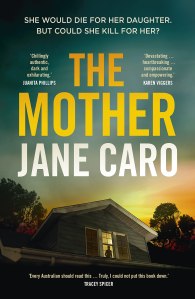
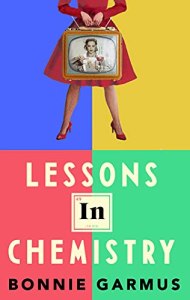
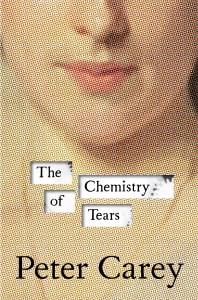
Now, for the link reasons. Dangerous liaisons is an epistolary novel, as is Jane Austen’s Lady Susan. (Both were also published in the 18th century.) Maria Edgeworth’s Leonora, is about a coquette visiting friends, as is Lady Susan, albeit in this case the coquette is not the titular character but Leonora’s friend. (Leonora is also an epistolary novel, and is written by an English-born woman.) Elizabeth von Arnim’s Vera has a woman’s first name as its title. (It was also written by a woman, who is English, though she wasn’t born in England.) Jane Caro’s The mother is about a coercive control by a husband, which is also the idea behind Vera, though coercive control wasn’t known as that then. (Jane Caro is also a woman, though that’s a very broad link!) Bonnie Garmus’ Lessons in chemistry is a debut novel by a 65-year-old-woman, and was The mother. (Like Caro’s novel, it also has a mother-daughter thread, though that’s not the main idea.) And for my last link, I’ve made it super-easy. Peter Carey’s The chemistry of tears has “chemistry” in the title, as does Garmus’ book.

How did you go? Did you find some links I didn’t?

And, have you read Dangerous liaisons and, regardless, what would you link to?
Six degrees of separation, FROM Orbital TO …

Woo hoo, a new year – and a Happy New Year to you all – but our old-faithful Six Degrees meme continues on. I’d like to thank Kate for keeping on with this meme as it’s the only one I like to do, and I do like being part of the Six Degrees community. Now having done that little bit of emotional blackmail, on with the show … as always, if you don’t know how the #SixDegrees meme works, please check Kate’s blog – booksaremyfavouriteandbest.

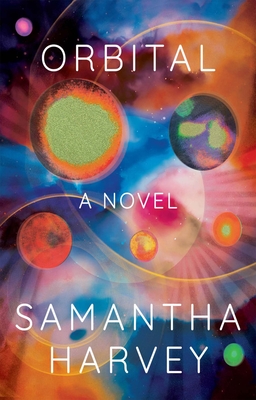
The first rule is that Kate sets our starting book. This month, it’s another book I haven’t read. I did buy it with the best of intentions when Kate announced it, but then forgot to bring it to Melbourne with me. The book is last year’s Booker Prizewinner, Samantha Harvey’s Orbital. As most of you surely know it is a novella about six astronauts orbiting the earth in their spacecraft. 

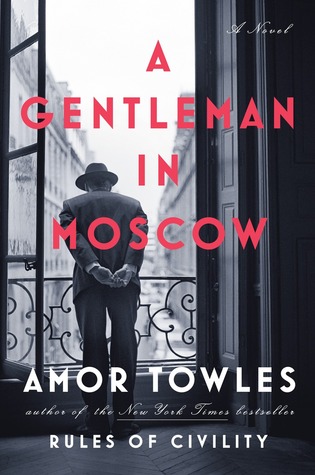
Cover for Amor Towles A gentleman in Moscow

I had many thoughts about this one, starting with another prize-winning novella with a single-word title, Arboreality. However, in the end I chose another novel about confined protagonists, though in this case it’s one confined protagonist. The book is Amor Towles’ A gentleman in Moscow (my review), whose aristocratic protagonist is under house arrest in a hotel in Moscow (in Bolshevik Russia).

The women in black, Madeleine St John, book cover

Towles’ novel is an intriguing book. Why did an American investment banker write such a book. Towles, whether you believe him or not, said he had no central theme. He simply wanted to create a work that would be “satisfyingly cohesive” but “prompt varied responses from reader to reader, and from reading to reading.” One of my responses was that the novel belonged at least in part to the comedy-of-manners tradition – and, no, I am not linking to Jane Austen but to another recent-ish comedy-of-manners, Madeleine St John’s The women in black (my review).

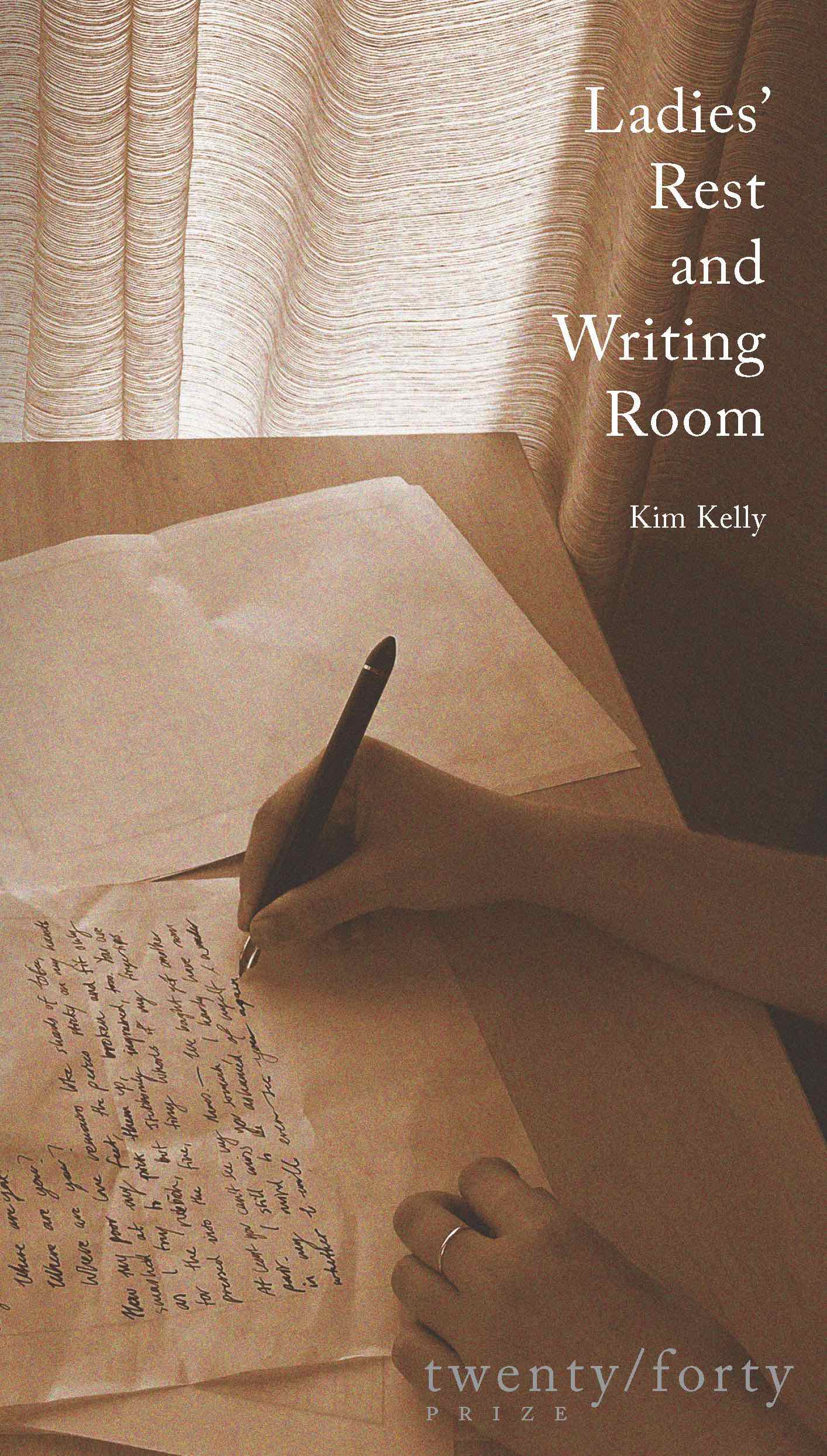
Setting is my next link, because The women in black is set in a Sydney department store. Kim Kelly’s Ladies’ Rest and Writing Room (my review) is also set in a Sydney department store, albeit three decades earlier, in the 1920s.

Kirst Krauth, Just a girl

OK, so now my next link might irritate some, but Kim Kelly’s name is alliterative on “K”, and so is my next author Kirsten Krauth. I’m linking to her debut novel just-a-girl (my review). GoodReads describes it as “A Puberty Blues for the digital age, a Lolita with a webcam”. It’s one of the first novels I read that looked at social media and its (potentially dangerous) use by teenage girls.

Book Cover

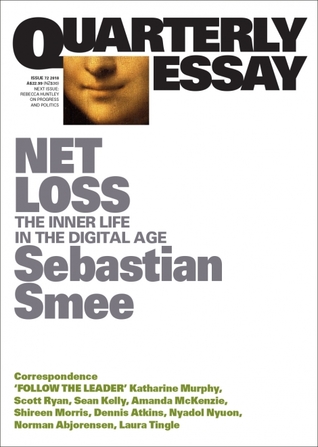
My next link picks up on the issue of the digital age and its impact on our lives, though Sebastian Smee‘s main interest is our inner lives. I’m linking to his Quarterly Essay, “Net loss: The inner life in the digital age” (my review). Among many things, he talks how modern digital media encourages children to “present performative versions of themselves online”, which links nicely with Krauth.

Penguin collection, translated by Wilks, book cover

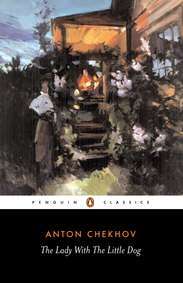
However, it’s the inner life issue that is the basis of my final link. The reason I read Smee’s essay is because it inspired a member of my reading group to recommend we read Anton Chekhov’s short story “The lady with the little dog” (my review). As I wrote in my Smee post, Chekhov’s Gurov discusses his inner and outer lives, making clear that the inner life is where “everything that was essential, of interest and of value to him, everything that made the kernel of his life, was hidden from other people”. This is the inner life that Smee explores.

So, we’ve gone from outer space to inner lives this month! And my links have been three male and three female authors. We’ve spent time in some confined spaces, and, without planning it, I started and ended in Russia.

Have you read Orbital and, regardless, what would you link to?
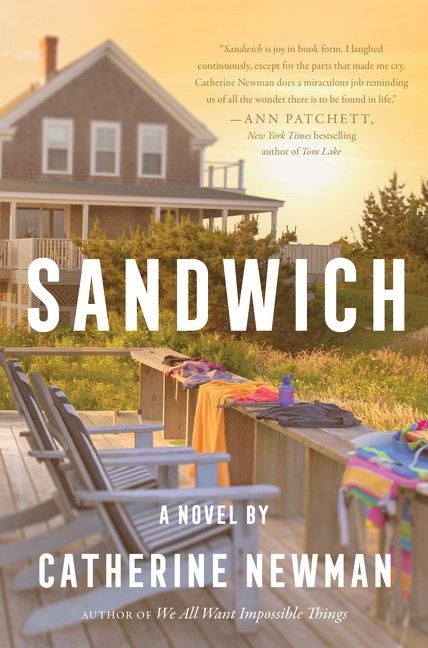
Six degrees of separation, FROM Sandwich TO …

And here we are again at the last Six Degrees of the year. I’m not going to say the obvious about time, as you are all thinking it anyhow, I’m sure. Instead, I will just wish you the best of the season. I hope it’s a contented and peaceful one for you all. Now, on with the show … as always, if you don’t know how the #SixDegrees meme works, please check host Kate’s blog – booksaremyfavouriteandbest.

The first rule is that Kate sets our starting book. This month, it’s another book I haven’t read. Indeed it’s one I hadn’t even heard of, but it was chosen because it’s a beach read (and here, down under, it’s beach-time!) The book is Sandwich by Catherine Newman, and it’s about a family’s annual vacation to Cape Cod in northeast USA.

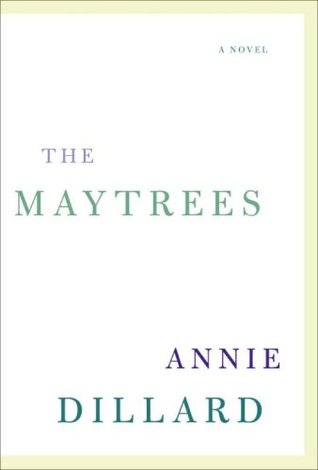
Annie Dillard, The Maytrees

As frequently happens, I considered many options – beach read, a book about someone in the sandwich generation, a book with food in the title, a book by Anne Patchett who appears on the front cover, and so on. However, in the end I went with location, Cape Cod, and a family story, though my choice is a about a family which has lived on Cape Cod for generations rather than one which just visits there, The Maytrees, by Annie Dillard (my review).

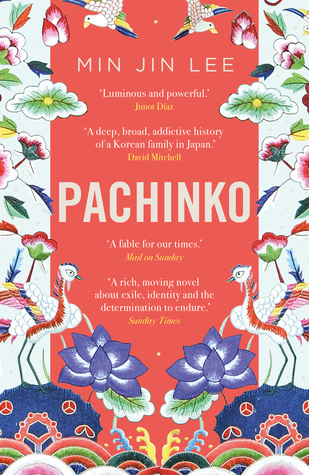
Min Jin Lee, Pachinko

As best as I could determine, The Maytrees tells the story of a family over a period of around 60 years from the 1920s/30s to the 1990s. Min Jin Lee’s Pachinko (my review) is another family saga which spans most of the 20th century, from 1910 to 1989. It starts in a fishing village in Korea, before moving to Japan. (Provincetown in Cape Cod was also well known for fishing, though I suspect tourism might be its main industry now.)

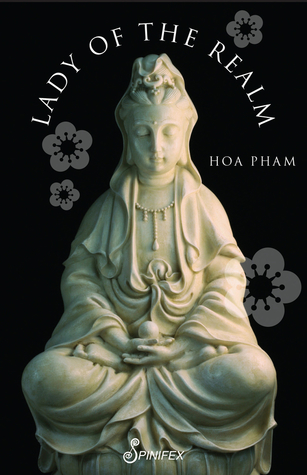
Hoa Pham, Lady of the realm

Fishing village is my next link. Hoa Pham’s The lady of the realm (my review) opens in 1962, by introducing the protagonist Liên, who, as a young girl, has a prescient dream that the Viet Minh will come and destroy her fishing village. And thus starts a novel which explores the suffering wrought by war. The lady of the realm, like Pachinko and The Maytrees, spans multiple decades (albeit, in this case, in just 90 pages!)

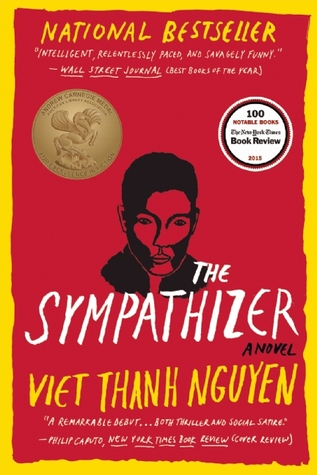
Viet Thanh Nguyen, The sympathizer

Another book I’ve read about the Vietnam War is Viet Thanh Nguyen’s Pulitzer Prize winning novel, The Sympathizer (my review). Quite coincidentally, I read it back in 2017 straight after reading The lady of the realm. They make, I said, an interesting pairing because both deal with the Vietnam (or American) War and its aftermath, both are written in first person from a Vietnamese character’s point of view, and both question what happens when revolutions win. But, the similarity ended there.

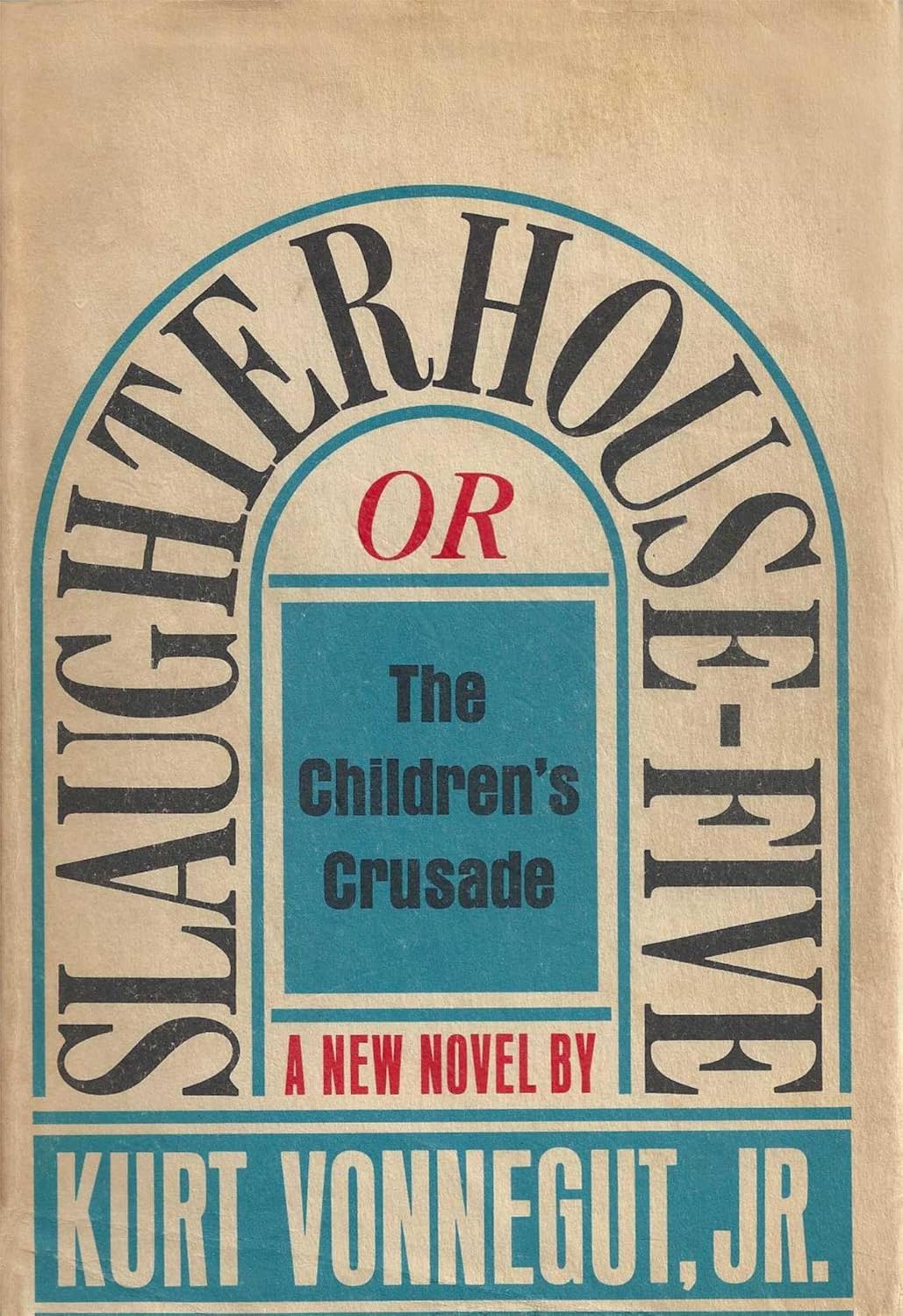
One of the reasons The Sympathizer differs from The lady of the realm, is that The Sympathizer is a satirical novel. Another anti-war satirical novel is Kurt Vonnegut’s now classic Slaughterhouse-Five (my review), so that’s an obvious next link – and I’ll leave it at that.

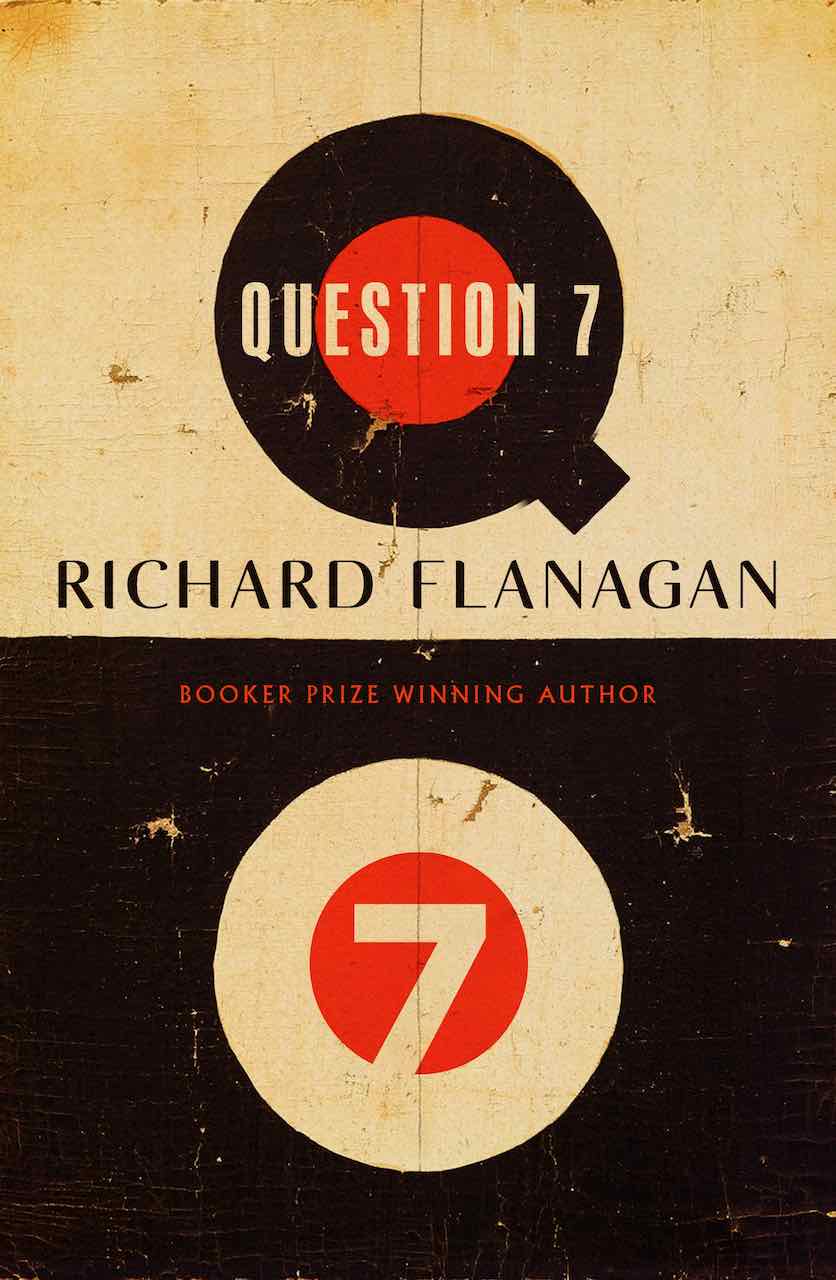
Book cover

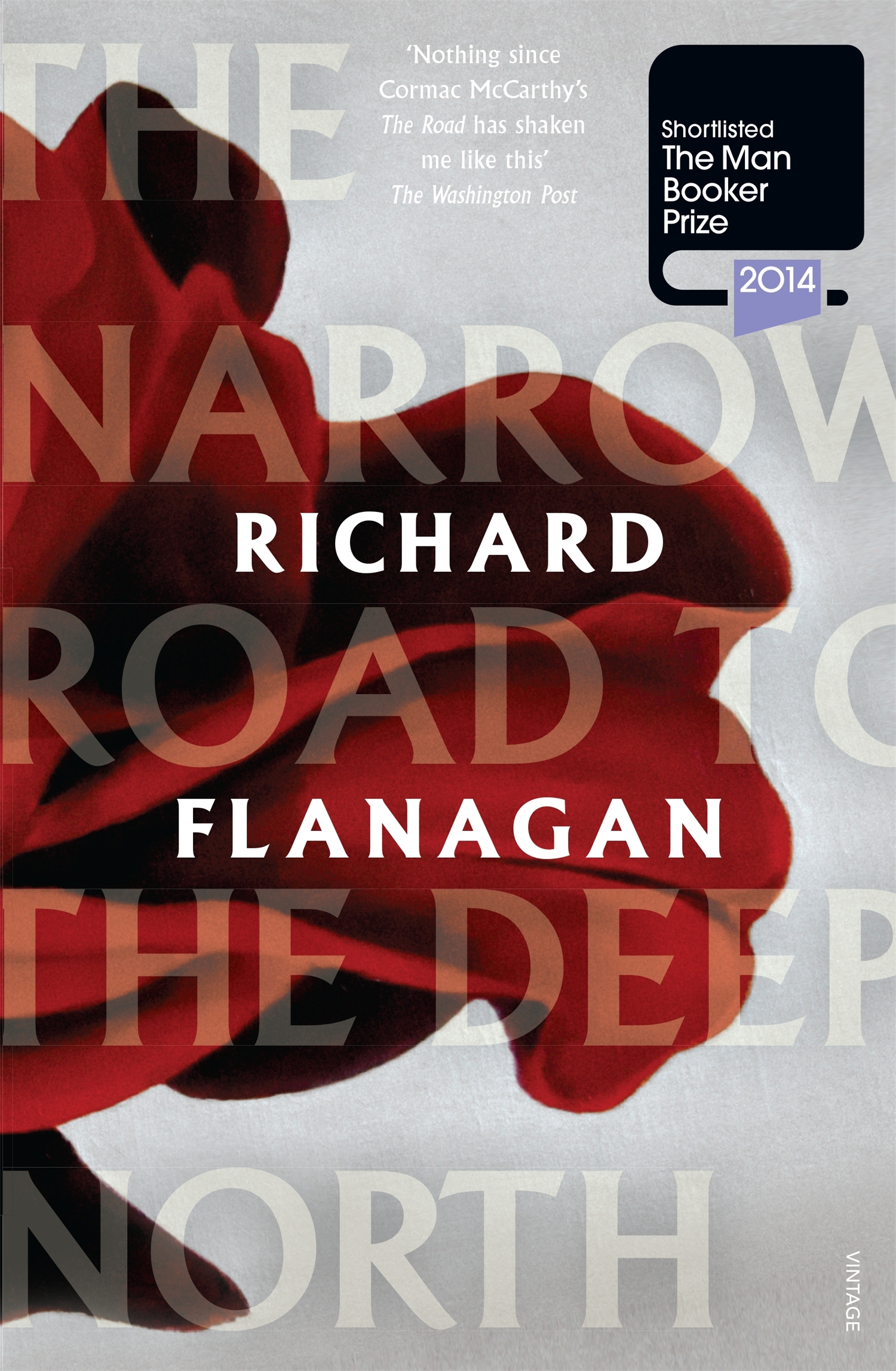
Vonnegut’s Billy Pilgrim spends time in a Dresden prisoner-of-war camp, the titular Slaughterhouse-Five, a place to which he keeps returning in the novel (unless he’s escaped to the alien Tralfalmadore). Dorrigo in Richard Flanagan’s The narrow road to the deep north (my review) also spends time in a POW camp – in the same war, but on the Thai-Burma Railway. It seems the right link to conclude on, though I did, briefly, consider a more tricksy link related to my reading group.

So, we started with Kate’s book in Cape Cod America, and stayed there for the next book before travelling more broadly in Asia, Europe, Australia and some more in the USA (though not necessarily in this order). Four of today’s writers are American born or based, with just two, Hoa Pham and Richard Flanagan, being Australian born. The gender split is 50:50, which is unusual for me. But we have, unfortunately, spent too much time thinking about war, so let’s not any more. Instead, I’ll reiterate my opening wish for you all to have a wonderful holiday season, and leave you with my usual question …

Have you read Sandwich and, regardless, what would you link to?

Six degrees of separation, FROM Intermezzo TO …

For the last two Six Degrees I was away from home – first in outback Queensland and then in Melbourne – but this month we are back in our little apartment enjoying Canberra’s spring. And, I’m rarin’ to go with this month’s Six Degrees. If you don’t know how the #SixDegrees meme works, please check host Kate’s blog – booksaremyfavouriteandbest.

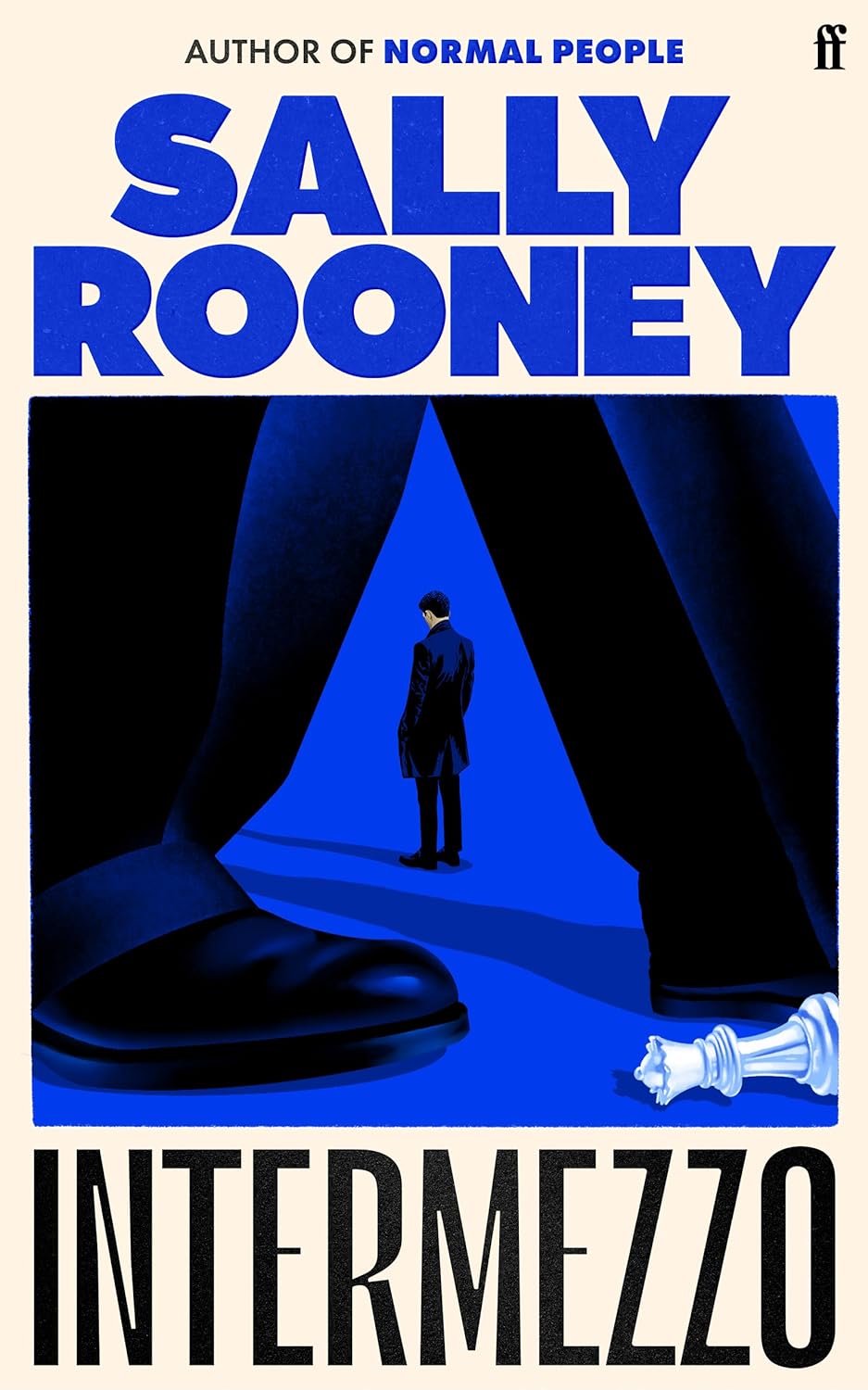
The first rule is that Kate sets our starting book. This month, again, it’s one I haven’t read. Indeed – sorry Bill – but I haven’t yet read any of this author’s books. I’m talking Sally Rooney, and her latest novel, Intermezzo.

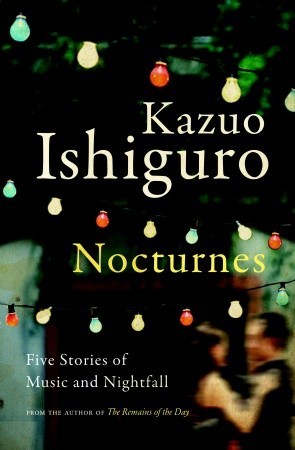
Kazuo Ishiguro, Nocturnes

The word Intermezzo refers to a particular type of music, so for my first link I’m choosing a book titled for another type of music, Kazuo Ishiguro’s Nocturnes (my review). It’s a collection of somewhat connected short stories, and music features strongly in the stories.

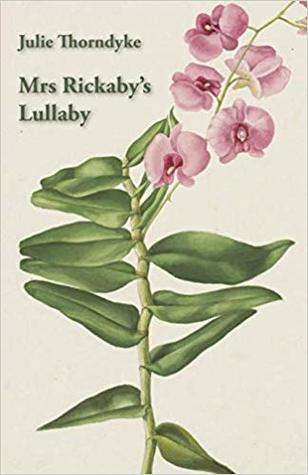
Book cover

I have decided, in fact, to stick with a music theme for this chain. My next link also has a type of music in the title, but, in addition each of the book’s chapters is titled with a piece of music, starting with Nocturne for Chapter 1! The book is Julie Thorndyke’s Mrs Rickaby’s lullaby cosy mystery, (my review) which is set in a retirement village.

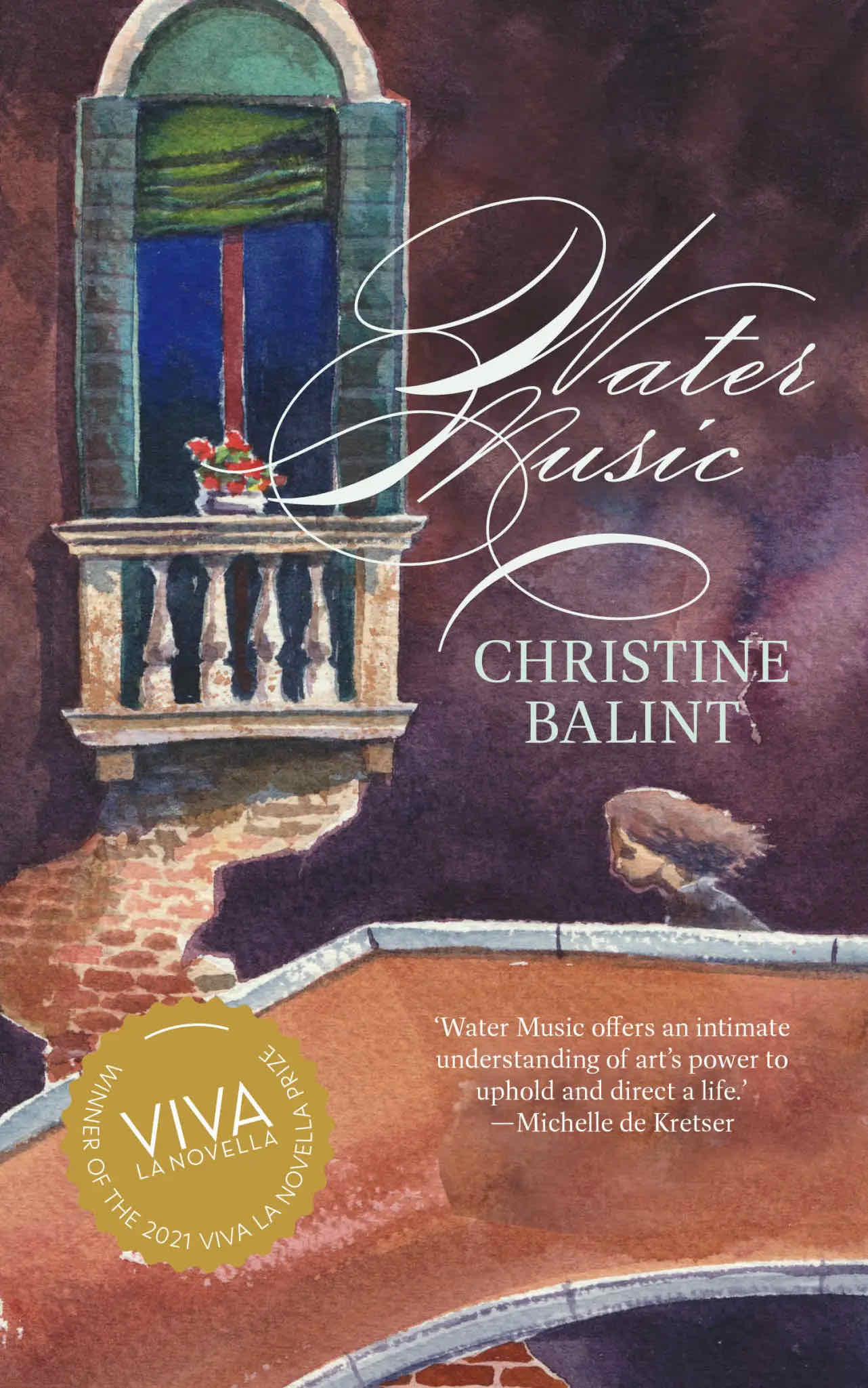
My next link has of course a music theme, as I said all my links would, but it also links to Thorndyke’s novel because it is set in a specific sort of community,. The book is Christine Balint’s Water music (my review), an historical novel set in the 18th century in one of Venice’s musical orphanages for girls. (And, in a little shout out to Novellas in November, Water music is a novella, having co-won the 2021 Seizure Viva La Novella prize.)

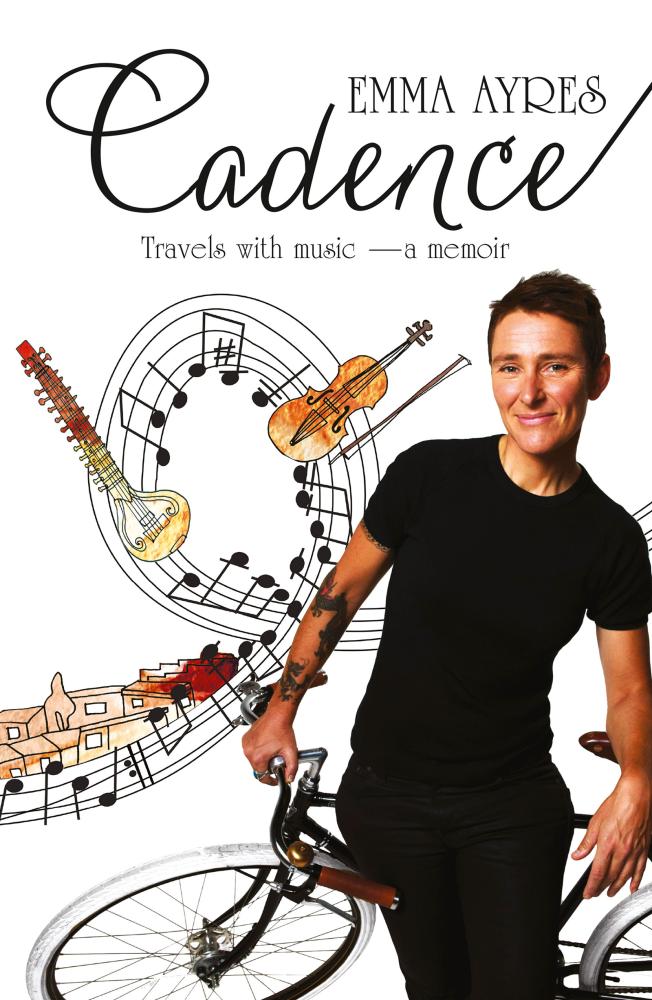
Emma Ayres, Cadence

My next book has a musical term in the title and the word “music” in its subtitle. It is Emma Ayres‘ (now Ed Le Brocq) travel memoir, Cadence: Travels with music (my review). And, with a little six-degrees licence, I’m going to lay claim to another link, which is that Ayres’ next memoir, Danger music, is partly about his working in the Afghanistan National Institute of Music which was created primarily to teach music to disadvantaged children. (The book also chronicles Ayres decision to come out as a transgender man.)

Book cover

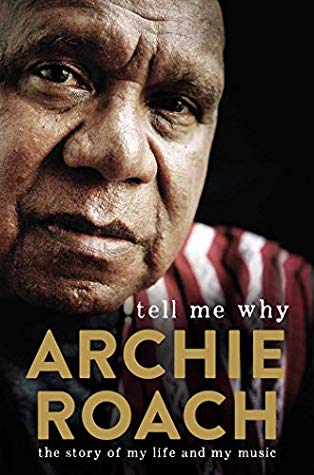
Staying with memoirs (and the word “music” in the subtitle, my next link is an another musician’s memoir, this one by singer-songwriter and Aboriginal activist, Archie Roach. His book is Tell me why: The story of my life and my music (my review).

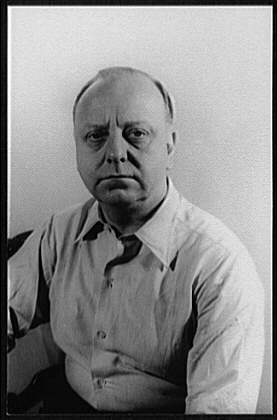
Virgil Thomson portrait, 1947
Virgil Thomson, 1947 (Public Domain, Library of Congress via Wikipedia)

My last link is not a book but an article written by the American composer and critic, Virgil Thomson. Titled “Taste in music” (my review), it was published in 1945 in The musical scene, a book containing a collection of his articles and reviews. I loved this article because Virgil Thomson had composed the music for two wonderful, classic documentaries, The plow that broke the plains (1936) and The river (1938), and because he had some interesting things to say about reviewing/criticism. What he says, I realise now, is similar to what James Jiang said in the CWF session I attended on critics (my post). He said that “in order to be a reviewer, you have to forget whether you liked it or not and tell your reader what it was like”. As I wrote on my Thomson post, and again on the CWF session, this approach is for me. I prefer reviews/criticism that focus on analysing what the work is like, what makes it tick, more than whether the reviewer/critic liked it.

So, we started with Sally Rooney in contemporary Dublin, and moved to contemporary England and Australia, before time-travelling to 18th century Venice. Back in more contemporary times we went on the road from England to Hong Kong with Ed Le Brocq (as Emma Ayres), and experienced Archie Roach’s moving journey from Stolen Generation child to successful musician. We ended in mid-20th century America with a composer who also had some interesting things to say about developing our taste in music (or, by extension, any art form I think).

Now, the usual: have you read Intermezzo and, regardless, what would you link to?
    Six degrees of separation, FROM Long Island TO …

    When last month’s Six Degrees went to air, I was on holiday in outback Queensland. I have since returned from that wonderful trip, but am now in Melbourne for two weeks, catching up with family, including of course our two gorgeous grandchildren. I could do the grandmotherly thing and wax lyrical about what fun they are, but if you have grandchildren, yours will be just as much fun, and if you don’t, then, my stories will bore you very quickly, so let’s get straight to this month’s Six Degrees. As always, if you don’t know how the #SixDegrees meme works, please check host Kate’s blog – booksaremyfavouriteandbest.

    The first rule is that Kate sets our starting book. This month we are back to books I haven’t read, this one being Colm Tóibín’s Long Island. I’ve seen (and loved) the movie of the first novel, Brooklyn, but haven’t read it or this sequel. I’d like to though!

    Louise Mack, Girls together

    I considered many ways to take this chain but in the end, I decided to go with the idea of a sequel. My link is an old Australian novel, Louise Mack’s Girls together (my review), which was published in 1898 and was the sequel to her novel Teens.

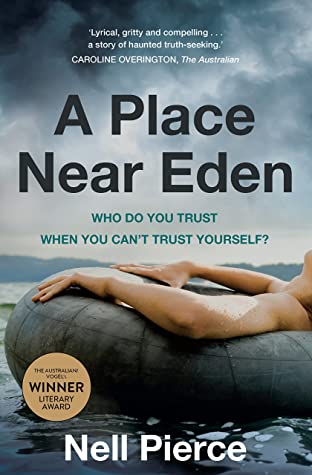
    Girls together is about two friends, 16-year-old Lennie, who is at a point of transition in her life, and 18-year-old Mabel, who returns in the opening chapters from Paris and is training to be an artist. My next link draws on the idea of friendship between two young women. Nell Pierce’s A place near Eden (my review) is very different to Girls together, but the main friends here, Tilly and Celeste, are, like Lennie and Mabel, two years apart in age, meaning that from the start, Tilly is less experienced than Celeste – and she feels it. For the main part of the story, they are 19 and 21, and something happens, near Eden, for which Tilly is blamed.

    Flynn Tiger in Eden

    My next link is simple, obvious, so MR at least is sure to love it! I am linking, in other words, on title. The book is Chris Flynn’s A tiger in Eden (my review). It’s about Billy, “a thug-on-the run” in Thailand from his violent past in Belfast. He is, of course, the “tiger” in Eden, but there are more tigers to the story than just this.

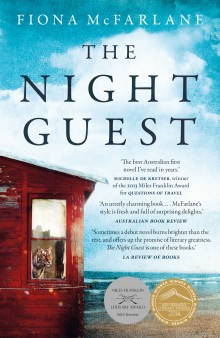
    A tiger also appears in my next novel, Fiona McFarlane’s The night guest (my review) which is about an older woman living on her own, the carer her children organise for her, and a tiger which starts to visit at night. As in Chris Flynn’s novel, there are layers here to the idea of the tiger.

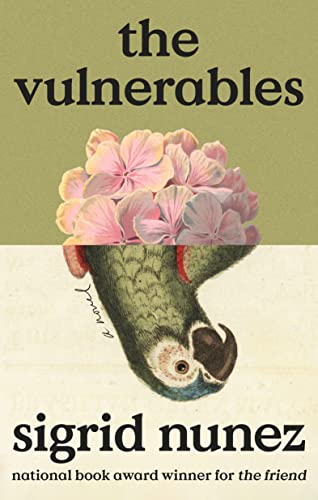
    The older woman in my next link has far more agency than McFarlane’s Frida who is, admittedly, in the early stages of dementia. The woman is the narrator of Sigrid Nunez’s essay-novel cum autofiction work, The vulnerables (my review). It’s the story of a woman who, in the early days of COVID and lockdown, takes on the task of pet-sitting a miniature macaw in a classy New York apartment, but finds herself sharing this role with a disaffected, opinionated Gen Z son of friends of the apartment owner.  An uneasy relationship develops between these two strong-minded people.

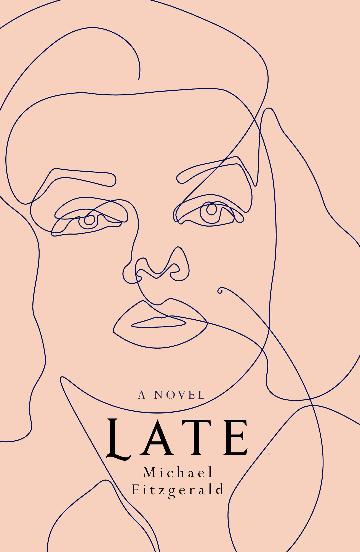
    My last link is about another older woman and a younger man living in the same apartment complex. They become friends when he is locked out of his apartment, but their friendship happens rather more easily than Nunez’s pair because they quickly find points of connection. The novel is Michael Fitzgerald’s Late (my review). It is a “what if” story about Marilyn Munro spun through a story about Sydney’s 1980s gay murders. Late encourages us to think about who Marilyn might have been had she been allowed to be herself, and who her young gay neighbour might be if allowed to be himself!

    So, we started with Kate’s book in greater New York, but moved very quickly to Australia, before popping over to Thailand, back to Australia, and then to New York again, before finally ending up in Australia. We’ve met tigers and thugs (not to mention a macaw), older women and younger men, and we’ve come across some interesting girl friends. We’ve met people to be trusted and some not so much. I hope you’ve been intrigued!

    Now, the usual: have you read Long Island and, regardless, what would you link to?
    Six degrees of separation, FROM After story TO …

    It’s the start of spring down under and, as some of you know, I am on a holiday in outback Queensland. It’s a bit of a sentimental journey for me, but it’s a region that is worth visiting regardless of personal connections. Anyhow, my holiday is not what you are here for, so I’ll get onto the meme. As always, if you don’t know how this #SixDegrees meme works, please check host Kate’s blog – booksaremyfavouriteandbest.

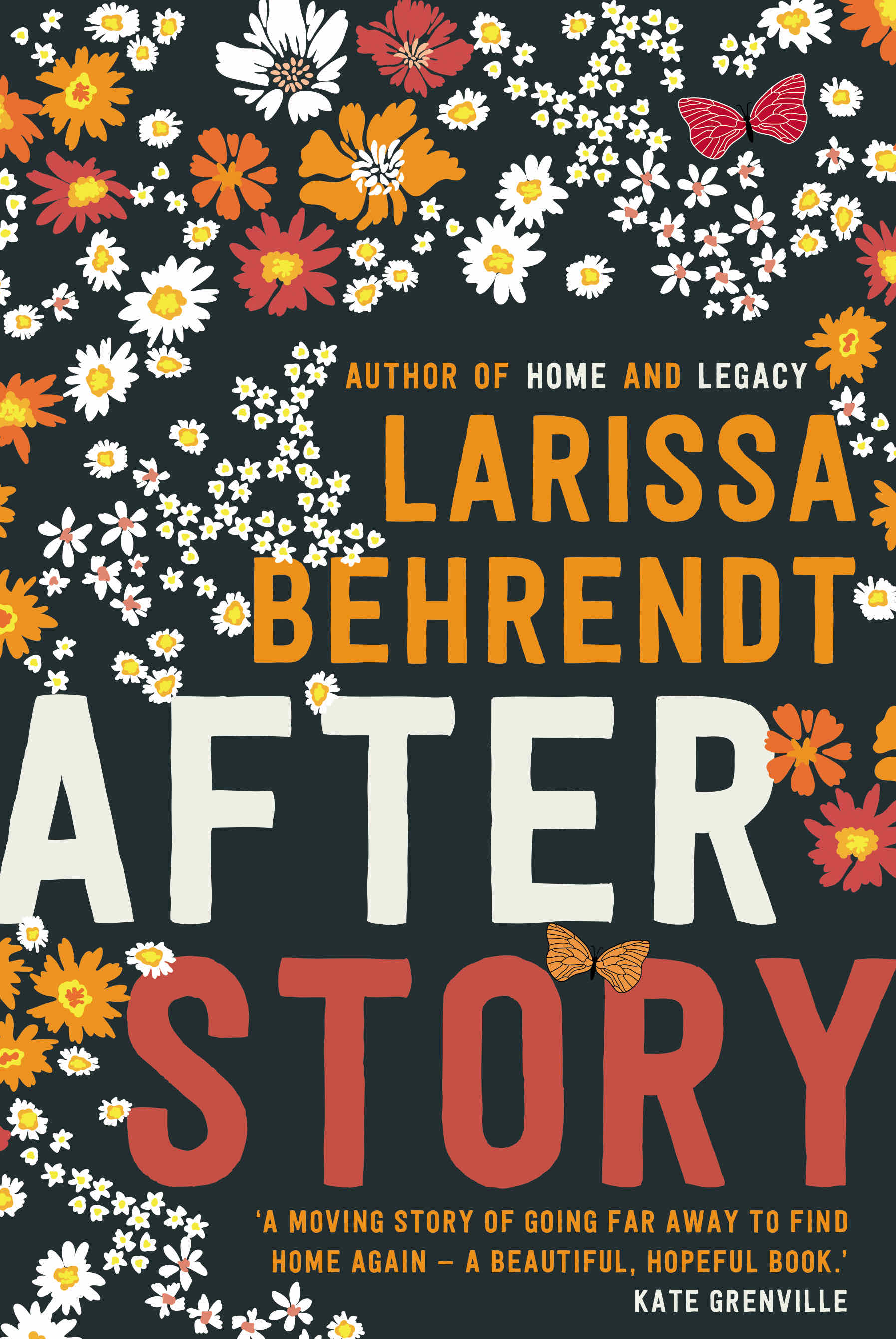
    The first rule is that Kate sets our starting book, and this month she selected another book I have read! That makes two in a row! Unheard of – or, at least, very rare for me. The book is Larissa Behrendt’s After story (my review). As its subject matter is a mother-daughter holiday – this one to England – and as I am currently also on holiday, I plan to use some sort of holiday theme for all the links this month.

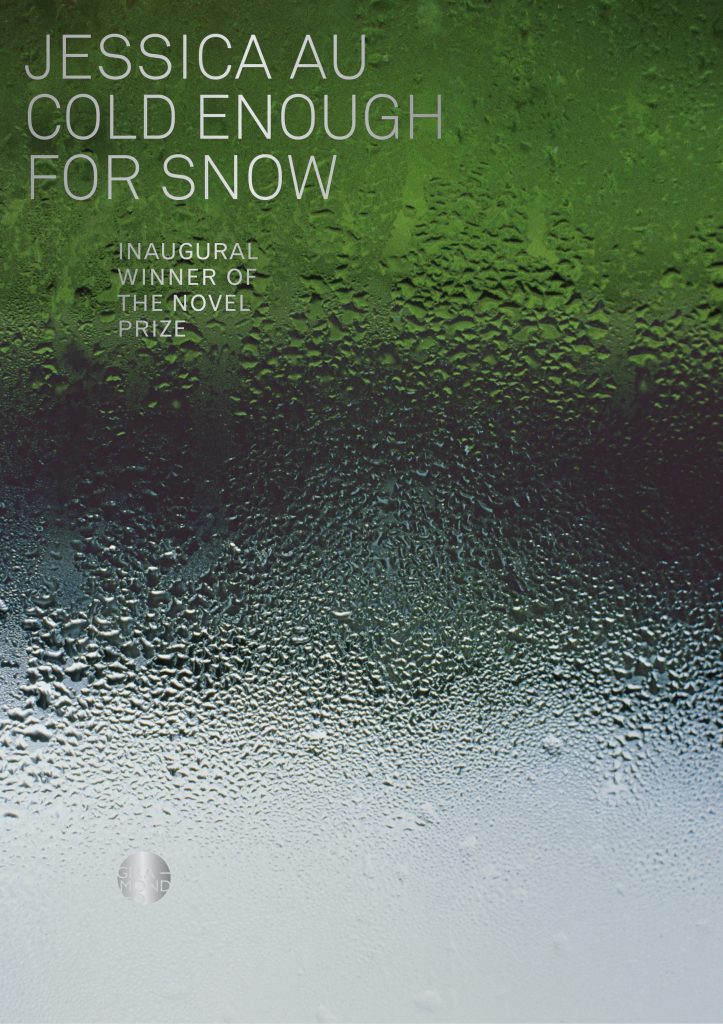
    Given my plan to stick with the holiday idea, my first link is obvious to me, Jessica Au’s Cold enough for snow (my review). Not only is it about a holiday – this one to Japan – it’s also about a mother and daughter with some issues to resolve, from the daughter’s point of view anyhow.

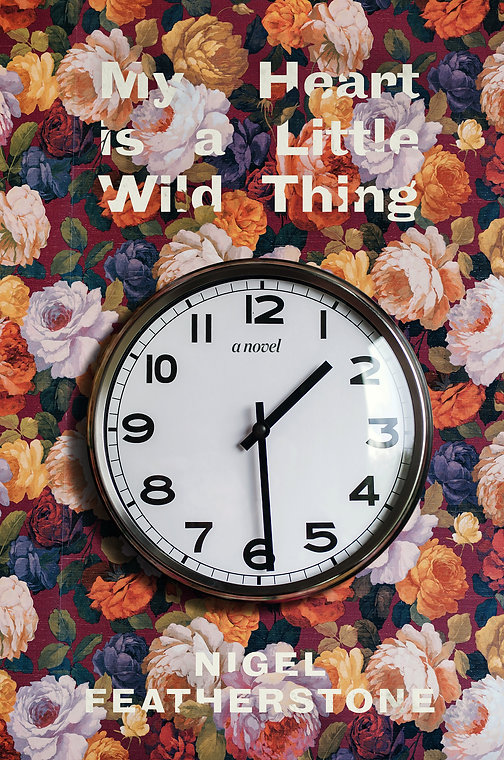
    For my next link, we are staying with the parental theme, but in this case the protagonist, an adult son, is running away from his oppressive elderly mother, to an old holiday haunt from his childhood, a place called Jimenbuen in the Monaro region of New South Wales. The book is Nigel Featherstone’s My heart is a little wild thing (my review), and our character falls passionately in love. It’s a wonderful experience, even though it doesn’t quite end the way he’d like.

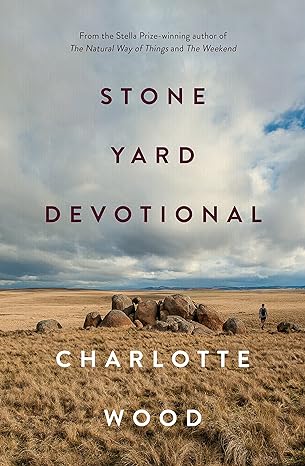
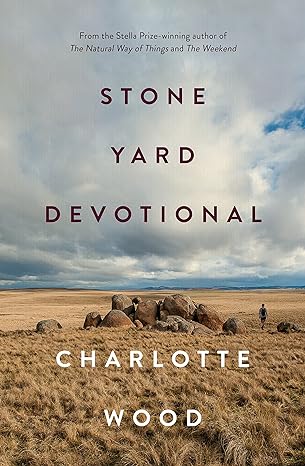
    The Monaro is a beautiful place, and it just so happens that I have another novel set there that fits the bill. Charlotte Wood’s Booker Prize long-listed novel Stone Yard devotional (my review) is about a woman who goes to a place on the Monaro for specific type of holiday, a retreat to heal her troubled spirit. Gradually, we come to understand her troubles, and many stem from unresolved grief over the loss of her parents, decades earlier.

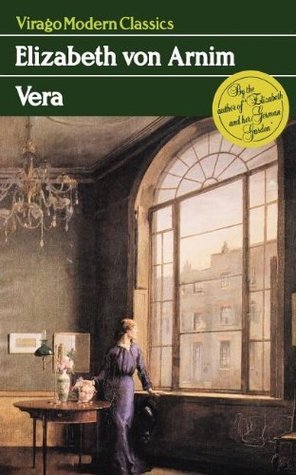
    Now, because I can’t have all Australian authors, I’m taking us back to England, but staying with a parental link. It’s a daughter again, but in this case the novel opens with her father having just died at the place they had taken for late summer. Utterly bereft, she stands at the front gate when a man goes by. Vulnerable in her grief, she falls in love, but as it turns out he’s not what she thought at all. Elizabeth von Arnim’s Vera (my review) is an early, chilling study of coercive control.

    Susan Hawthorne, Limen, book cover

    My next link is a little tenuous in more ways than one. It is about a camping holiday taken by two women, and we are back in Australia, so no connections there. However, I can find one link, besides the holiday one, and that’s the idea that holidays don’t always go to plan. For Lucy, it’s the death of her father that puts paid to the happy times, while for our two camping women it’s a flood, one serious enough for them to have to consider how best to survive it. The book is Susan Hawthorne’s verse novel, Limen (my review).

    And finally, I am concluding with a sort of everylink! That is, a link that should work with any book featuring a holiday because, what do you do when you go on holidays? Hmm, perhaps that should be, what did we used to do when we went on holidays? Send postcards of course. So, my final link is American poet and blogger Jeanne Griggs’ Postcard poems (my review), which enables us to end on a positive note! Thankyou Jeanne!

    So, we started with Kate’s book taking us to England, then I took us to Japan, Australia and England, before ending with Jeanne who takes us all over the USA and a few other places besides. I’m sorry-not-sorry to say, however, that all but one of my authors this month are women. (Sorry, because I do enjoy many male authors, but not sorry because I also love supporting the women!)

    Now, the usual: have you read After story and, regardless, what would you link to?
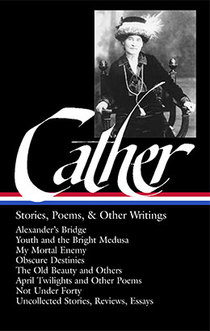
    Six degrees of separation, FROM The Museum of Modern Love TO …

    It’s another new month, meaning time for another Six Degrees. Last month, in my introduction, I said that one of the things I like about doing this meme is seeing what book Kate has chosen next. Little did I know when I was writing that post, that the book she had chosen for this month was inspired by a recent post of mine on writers and artists. What a surprise, but how lovely. However, before I share what that book is, I need to do the formalities, that is, to tell you that if you don’t know how the #SixDegrees meme works, please check host Kate’s blog – booksaremyfavouriteandbest.

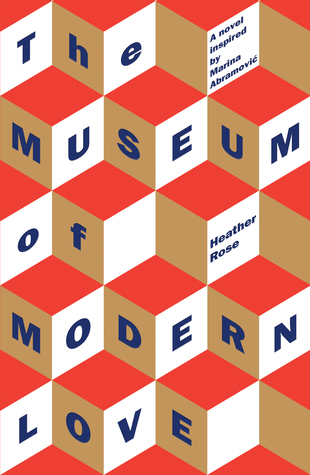
    Heather Rose, The museum of modern love

    So, the first rule is that Kate sets our starting book, and as you know for this month she selected a book from a post of mine. The book is Heather Rose’s novel, The museum of modern love (my review) and – haha – I have actually read it! In case you haven’t, it was inspired by artist Marina Abramović’s 75-day performance piece, The Artist is Present, which she performed at MoMA (the Museum of Modern Art) in 2010. From this, Rose weaves two stories, one about the real Marina Abramović and the other about a fictional musician who regularly attends the performance.

    Where to from here? There were many options, but I decided to go with something fairly obvious, another novel set in a museum, this one a fictional house museum devoted to an artist and her muse, Helen Meany’s novella Every day is Gertie Day (my review). This museum, like MoMA during Abramović’s performance, attracts a lot of attention, albeit for different reasons.

    Meany’s novella was co-winner of Seizure’s 2021 Viva La Novella Prize with Christine Balint’s very different book, Water music (my review). Balint’s book, unlike Meany’s contemporary-near future novel, is an historical novel set in a musical orphanage for girls in 18th century Venice.

    Geoff Dyer, Jeff in Venice, death in Varanasi

    So next we are going to Venice and a book I read quite early in my blogging days, Geoff Dyer’s unusual Jeff in Venice, Death in Varanasi (my review). I could almost call it a double link because this book reads more like two loosely connected novellas, than a single novel, albeit both parts are set in watery cities.

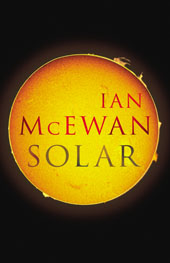
    Ian McEwan Solar bookcover

    My next link didn’t come naturally. Instead, it is the result of some research I did into Dyer’s book which turned up that it won the Bollinger Everyman Wodehouse Prize for Comic Fiction in 2009. Quite coincidentally, I have also read the 2010 winner, Ian McEwan’s climate-change inspired novel Solar (my review).

    Ian McEwan, Nutshell

    Next we go with something more obvious! That is, I’m linking on author’s name to another novel by Ian McEwan, Nutshell (my review), this one a literary mystery inspired more than a little by Hamlet.

    Carmel Bird, Family skeleton

    My final link is not obvious if you don’t know the books, as it is on unusual narrators. Nutshell is narrated by a foetus, while my final book, Carmel Bird’s Family skeleton (my review), is narrated by the proverbial (or is it literal) skeleton in the closet. Either way, these unusual narrators provide a perfect link between two enjoyable – and witty – novels. (And neatly, our first book, The museum of modern love, also has a different sort of narrator.)

    This is a different chain to my usual because four of my six books are witty, humorous and/or satirical. I like humour but it’s not always easy to find. The author gender split is 50/50, and we have travelled in space and time from 18th century Venice to 21st Century Australia.

    Now, the usual: have you read The museum of modern love and, regardless, what would you link to?
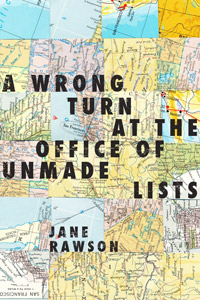
    Six degrees of separation, FROM Kairos TO …

    Another month, another Six Degrees. This is the only meme I do as a regular thing, and sometimes I wonder why I do it. It is fun to think about how to link books, so it’s always exciting to see what book Kate has chosen next. But, is it more than fun? Does it result in our choosing to read books we hadn’t considered before? Is its main value in keeping us connected? Are there other benefits or impacts? Any thoughts?

    While you ponder that, I’ll just get on with it … if you don’t know how the #SixDegrees meme works, please check host Kate’s blog – booksaremyfavouriteandbest.

    The first rule is that Kate sets our starting book. For this month she set the 2024 winner of the International Booker Prize, Jenny Erpenbeck’s Kairos (translated by Michael Hofmann). It is described at GoodReads as “a complicated love story set amidst swirling, cataclysmic events as the GDR collapses and an old world evaporates”. I’d like to read this one but suffice it to say I haven’t, to date.

    WG Sebald, Austerlitz

    I considered choosing another book set in or about the GDR, but I ended up choosing another translated German writer, without specific relevance to the GDR. My link is W.G. Sebald’s Austerlitz (my review), translated by Anthea Bell. If you know Sebald, you will know that this is no ordinary novel, but very broadly its central, titular character is a man who, traumatised by being a kindertransport refugee from Czechoslovakia in 1939, tries to recover his memory and his life some 50 years later.

    Rabih Alameddine, An unnecessary woman

    My next link is to a book in which the protagonist translates Austerlitz, among other books, because translating great books is her hobby, her passion. The book is Rabih Alameddine’s An unnecessary woman (my review). My reading group read this novel, and we did a straw poll on which of the books the protgonist writes about we’d most like to read. There were several, but Austerlitz was the winner. An unnecessary woman is a beautiful book about readers and reading.

    A very different reader is Alan Bennett’s in his novel The uncommon reader (my review). The reader is Queen Elizabeth II, and in his story she discovers reading through a mobile library that visits the palace grounds. In my post, I wrote that Bennett cheekily suggests what the impact might be on her family, staff and the politicians around her when reading becomes not only something she wants to do all the time (instead of her work) but also results in her starting to think and question. A whimsical but not unserious book about readers and reading.

    It’s no accident that Alan Bennett’s Queen discovers books through a library. Bennett is surely making a statement there too. A book which the librarians in my reading group loved for its love and promotion of libraries is Anthony Doerr’s Cloud Cuckoo Land (my review). Among other things, this novel is about the role played by librarians in fostering knowledge and reading. Doerr’s Dedication is “For the librarians then, now, and in the years to come”.

    I cannot resist staying with the libraries and librarian theme. A character in Doerr’s book speaks of how endangered books are, “They die in fires or floods or in the mouths of worms or at the whims of tyrants. If they are not safeguarded, they go out of the world.” Librarians and readers safeguard books, and this is exactly what is happening in the first story in Rebecca Campbell’s dystopian book, Arboreality (my review). A librarian and university researcher are fighting desperately against time to save books which are being destroyed by climate-change induced floods and fires.

    Book cover

    Besides its interest in books, Arboreality is – obviously – about trees. It features many trees, but one species provides a linking thread between the stories, the Golden Arbutus. A very different tree but an equally significant one in terms of the book is the greengage tree in Shokoofeh Azar’s The enlightenment of the greengage tree (my review), translated by Adrien Kijek (pseudonym). It is on top of this tree that the character Roza attains enlightenment. Coincidentally, in this Iran-set politically-driven novel, a library is burnt.

    This chain has taken us around the world – but, unusually for me, not to Australia – and through time, from centuries past and into the future. Also unusually for me, four of my six writers are male. Finally, I’d like to draw your attention to a neat circle – my closing book, like the book that starts this month’s meme, is translated.

    Now, the usual: have you read Kairos and, regardless, what would you link to?
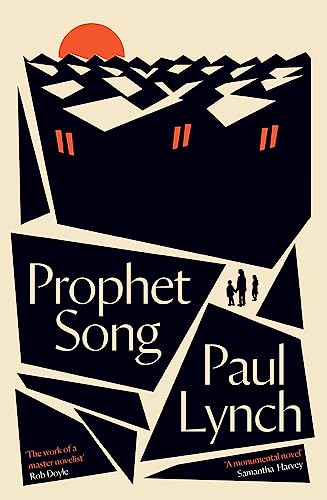
    Six degrees of separation, FROM Butter TO …

    Today is the first day of winter here in Australia, and we can feel the chill in the air here in Ngunnawal/Ngambri country (or Canberra). I don’t like winter, but my new home (apartment) has the best aspect and we get sun streaming in most of the day in winter (if there is sun, as there mostly is here). I am so so happy. My last home had a good aspect, but also a good verandah so most of the sun landed on the verandah. But, let’s get to the meme … and if you don’t know how the #SixDegrees meme works, please check host Kate’s blog – booksaremyfavouriteandbest.

    The first rule is that Kate sets our starting book. This month she set “a crime novel with difference”, Asako Yuzuki’s Butter, which, of course, I haven’t read. GoodReads says it is about “a female gourmet cook and serial killer and the journalist intent on cracking her case, inspired by a true story” and that it is “a vivid, unsettling exploration of misogyny, obsession, romance and the transgressive pleasures of food in Japan”.

    Now, before I go to my next link I’m going to introduce it by saying that after my review of Late, I had an enjoyable email correspondence with one of my wonderful commenters (whom I will leave to out herself if she’d like) about the title. At the end of our to-and-fro, we decided that single-word titles were a trend – and then what do you know but, for this month’s Six Degrees, we have been given a single-word title. So, this chain is going to comprise all single-word titles, but with another link too, if I can manage it. My first is Michael Fitzgerald’s Late (my review), and my link is that, although it is not a crime novel, its background is the gay-hate crime wave in Sydney in the 1980s. So, the link is from the hate of misogyny to gay-hate here.

    Nella Larsen’s Passing (my review) deals with another sort of hate, racism, and the practice of light-coloured people passing as white in order to avoid that hatred and its attendant discrimination. It also contains a death that could be a fall or suicide or murder, which provides another link to the gay deaths in Sydney, many of which were treated as accidents or suicides rather than murders.

    My next link is a crime novel. It starts with a cold case and uncertainty about whether the missing girl – the sister of the protagonist – had run away or been abducted and/or murdered. What did happen to her? What happened is the question we are left with at the end of Passing, and is also a question returned to many years later about the deaths of some of Sydney’s young men. The book is Shelley Burr’s rural noir debut, Wake (my review).

    Peter Temple, Truth

    Staying with crime, I am moving to the only crime genre novel to have won the Miles Franklin Award, Peter Temple’s Truth (my reviews). (Have I made you happy M.R.?) It’s a crime novel, set mainly in the city, but as well as the crime novel link, I’m noting a loose climate-change link. The farm at the centre of Burr’s Wake is struggling, partly due to the father and daughter being distracted by their grief over the missing daughter/sister but also due to the impact of climate change. In Truth, we do get into the country sometimes, where the detective father’s property is being threatened by bushfire. As Australians know, bushfires are increasing in frequency and intensity here due to climate change.

    Catherine McKinnon, Storyland

    Next, stay in Australia, and Catherine McKinnon’s Storyland (my review) which links to Truth on the climate-change issue, as well as the single-word title. Storyland traces the trajectory of Australia’s land from an almost pristine state at the dawn of colonisation through increased farming to climate-change-caused destruction in 2033 followed much later by a mysterious post-apocalyptic world in 2717. It starts as an historical novel and concludes a dystopian one.

    This leads nicely to my last link, Rebecca Campbell’s Arboreality (my review) which is dystopian climate change fiction set in near future Canada, where the land has been devastated but people are using their ingenuity to find new ways of living.

    So, all single-word title novels, in which the titles vary in their intent, but are mostly multi-layered conveying aspects, like setting, plot, character and, in particular, something about their themes. I can’t see much of a link between Butter and Arboreality, except for – yes – their single-word titles, but we’ve been on a challenging journey this month through Asia, Australia and the Americas that confronts some of the world’s harder issues. Two of my six writers this month were male.

    Now, the usual: have you read Butter and, regardless, what would you link to?

    Six degrees of separation, FROM The anniversary TO …

    And so my life settles into its new routine, bouncing between the land of the Wurundjeri Wandoon people of the Greater Kulin Nation (my part of Melbourne) and, where I am this weekend, my home in Ngunnawal/Ngambri country (or Canberra). Autumn is rapidly coming to an end, and it has been mostly a lovely one, weather-wise. But enough small talk, let’s get onto the meme … If you don’t know how the #SixDegrees meme works, please check host Kate’s blog – booksaremyfavouriteandbest.

    The first rule is that Kate sets our starting book. This month she set one of the books longlisted for the Stella Prize, Stephanie Bishop’s The anniversary. Kate opens her review of the novel by telling us the novel starts with an author taking her husband on a cruise to celebrate their anniversary, only to have something terrible happen …

    There’s also a cruise in Rachel Matthews’ novel Never look desperate (my review), but it doesn’t open the novel and is not dramatic in the way like the one in Bishop’s novel. But it does offer an entertaining satire on cruise holidays and those who go on them. (Which is not to cast aspersions on cruises. I have never been on one, but those who know tell me that cruises can be great. You just have to find the style that matches your needs.)

    Matthews’ character who goes on the cruise, Goldie, has a prickly relationship with her son (though he is not on the cruise with her). Another novel in which a mother has a prickly relationship with her son, is local author Nigel Featherstone’s My heart is a little wild thing (my review). The novel opens dramatically with the son leaving his home in a distressed state the day after he’d “tried to kill his mother” – though it’s not as bad as it sounds!

    Featherstone’s protagonist runs off to the Monaro where, through a quoll, he meets the first big love of his life. Another novel in which a quoll plays an important role is Robbie Arnott’s Limberlost (my review). Both books are linked not just through the quoll, however. Both also have sensitive male protagonists. Such men can be rare in contemporary literature, but I’ve come across a few.

    And here is where my chain stalled a bit, not because I had no ideas but because I wanted to travel out of Australia. Then the link came to me. Robbie Arnott’s title Limberlost reminded me of a favourite childhood book, Girl of the Limberlost by Gene Stratton Porter. I haven’t reviewed that here, but I have reviewed an article/essay by her called “The last Passenger Pigeon” (my review). It’s another dual link because Stratton Porter as a young child, like young Ned in Limberlost, lived close to and loved nature, albeit Ned’s relationship to nature is more complex, as he both uses and loves it at the same time.

    But, oh oh, although the Passenger Pigeon was an American bird, we are returning to Australia, and to Carmel Bird’s collection of short stories, Love letter to Lola (my review), because in this collection, which features several stories about extinct animals, we have, yes, a passenger pigeon. (Indeed Carmel Bird commented on my Stratton-Porter post because she was writing this story around the same time!)

    With a title like this, I had many options for my final link, and I’ve gone with an obvious one, that is, a book with the word “love” in the title. However, it too is a dual link because it is also a collection (well, an anthology) of short stories, and it takes us around the world, as does Bird with her various extinct creatures. The book is Love on the road 2015, edited by Sam Tranum and Lois Kapila (my review). As I wrote in my post, this collection takes us from Iran to the Philippines, from Zimbabwe to Costa Rica, from New Zealand to the USA – and we see love in all sorts of guises.

    So, we stayed mostly in Australia, ostensibly, but in fact two books let us and our imaginations take flight to all parts of the world.

    Picture Credit: Gene Stratton-Porter (Uploaded to Wikipedia, by gspmemorial; used under CC-BY-SA-4.0)

    Now, the usual: have you read The anniversary and, regardless, what would you link to?