Reading highlights for 2022

Regular readers of my blog will know two things about my end of year reading highlights post, but I’ll reiterate them here: I always do my list right at the end of the year when I have read (even if not reviewed) all the books I’m going to; and I do not do a list of “best” or even, really, “favourite” books. Instead, I do a sort of overview of the year through highlights which I think reflect my reading year. I also like to include literary highlights, that is, reading related activities which enhance my reading interests and knowledge. All being well, tomorrow I will share my blogging highlights.

Literary highlights

My literary highlights, aka literary events, saw a return to more live events this year, though the pandemic has taught us that there are opportunities to be had by also continuing online experiences – so this year like last I enjoyed a bit of both

Reading highlights

I don’t have specific reading goals, just some “rules of thumb” which include reducing the TBR pile, increasing my reading of First Nations authors, and reading some non-anglo literature. While I didn’t make great inroads into these, I did make some, and, regardless, I had many reading highlights. Last year, I framed this post around my reading preferences, but this year I’m returning to my practice of pulling out random observations that epitomise my year’s reading.

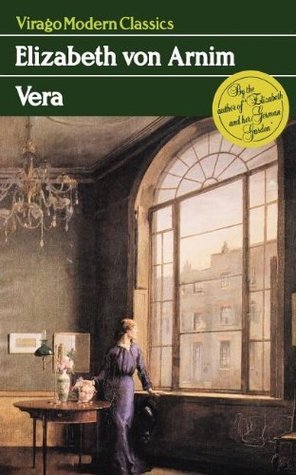
  • Re-find of the year: Elizabeth von Arnim was an author I loved back in the 1990s, and I managed to finally revisit her again this year, via not one but two novels – Vera and Expiation – which reminded me why I enjoy her so much. She is sharply observant about men and women but also witty. I also read this year one of the three biographies recently published about her, Gabrielle Carey’s Only happiness here.
  • Retelling of the year: Retellings can be hit or miss for me but I was greatly moved by Tom Gauld’s graphic novel, Goliath.
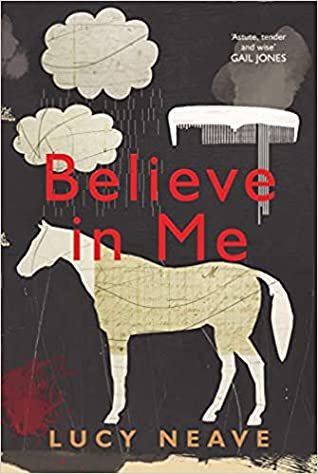
  • Topic of the year (1): Mothers and daughters featured heavily in this year’s reading, through Jane Sinclair’s memoir Shy love smiles and acid drops, Elisa Shua Dusapin’s Winter in Sokcho, Lucy Neave’s Believe in me, Nell Pierce’s A place near Eden, Jessica Au’s Cold enough for snow not to mention that absolute classic, and a reread for me, Jane Austen’s Sense and sensibility.
  • Topic of the year (2): Colonialism and racism are issues that many of us read about in order to educate ourselves, and this year I read some magnificent explorations, from Damon Galgut’s The promise and Audrey Magee’s The colony to several works by people of colour, including Nella Larsen’s classic 1929 novel Passing, Julie Koh’s astonishing Portable curiosities, Evelyn Araluen’s Stella winner Dropbear, and Anita Heiss’s historical novel Bila Yarrudhanggalangdhuray.
  • New nationality (for me): I love to add new nationalities to my reading diet, and this year it was Uruguayan, via Ida Vitale’s intriguing Byobu.
  • New genre: Bibliomemoirs are not new, but the term for them is relatively so! Besides Gabrielle Carey’s Only happiness here (mentioned above), I read Carmel Bird’s thoughtful and engaging Telltale.
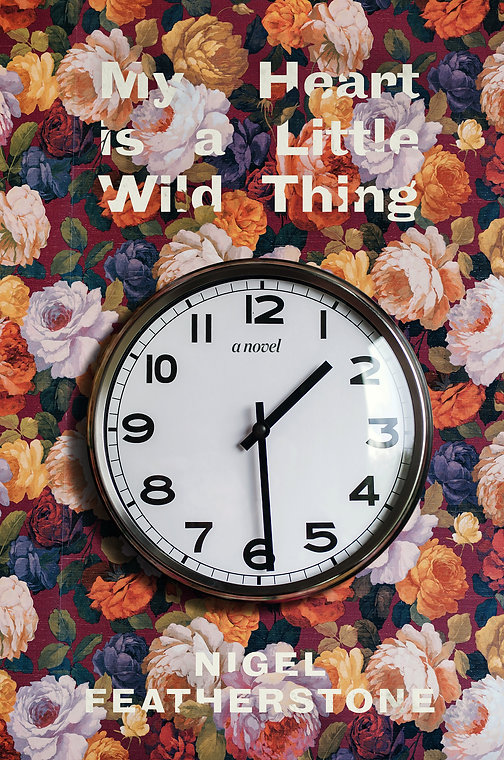
  • Totemic critters: Every year something interesting pops out from my reading. An odd narrator, perhaps – like a skeleton. This year, it was totemic critters with a few books featuring a lurking critter, such as Nigel Featherstone’s quoll (My heart is a little wild thing) and Lucy Neave’s fox (Believe in me).
  • The locals have it: I like to support local authors, and this year I have read more than usual – Nigel Featherstone’s My heart is a little wild thing, Shelley Burr’s debut rural noir Wake, Lucy Neave’s Believe in me, Nell Pierce’s A place near Eden, and (then resident) Margaret Barbalet’s Blood in the rain, plus two nonfiction works, Mark McKenna’s Return to Uluru and Biff Ward’s memoir-of-sorts, The third chopstick. I also read, but didn’t review several books by local picture book creators. For a little region, we achieve a lot!

These are just some of 2022’s highlights…

Some stats …

I don’t read to achieve specific stats, but I do have some reading preferences which I like to track to keep me honest to myself! This year I was closer to my preferred ratios in most of the categories than I have been for years – without specifically trying. It just happened:

My preferences are …

  • to read mostly fiction: 74% of my reading was fiction (meaning, everything not non-fiction, so novels, short stories, and poetry). This is close to my plucked-out-of-the-air 75% rule of thumb, and I’m pleased with that.
  • to give precedence to women: 64% of this year’s reading was by women writers, which is similar to last year’s 65%, and around my preferred two-thirds proportion.
  • to read non-Australian as well as Australian writers: 32% of this year’s reading was by non-Australian writers, which is close to my goal of around one-third non-Australian, two-thirds Australian.
  • to read older books: 34% of the works I read were published before 2000, which is more than in recent years. I did say last year that I wanted to increase this, because I love checking out older works.
  • to support new releases: 19% of this year’s reads were published in 2022, which is rather less than last year’s 25% for that year’s releases, but I’m fine with that – even if my to-be-reviewed pile isn’t.
  • to tackle the TBR, which for me means books I’ve had for over 12 months: This year I read just 5, which is similar to the last few years. I’d really love to lift this number because I have so many good (older) books there waiting to be read!

Overall, it was a perfectly fine reading year but I didn’t read as much as I was hoping, mainly because Mr Gums and I are travelling more often to Melbourne to visit family. This is a good thing so I’m not complaining, but still, I’d like to have read more. 2023 is going to be a challenging year with a downsizing move in the offing, as well as our trips to Melbourne. Watch this space!

Meanwhile, a huge thanks to all of you who read my posts, engage in discussion, recommend more books and, generally, be thoughtful and fun people. Our little community is special, to me!

I wish you all an excellent 2023, and thank you once again for hanging in this year.

What were your 2022 reading or literary highlights?

Monday musings on Australian literature: Australian Women Writers Challenge 2022

For around 10 years I devoted my last Monday Musings of the year to the Australian Women Writers Challenge, which most of you will remember was instigated by Elizabeth Lhuede in 2012 in response to concerns in Australian literary circles about the lack of recognition for women writers. As I explained last year, it would be changing tack in 2022 to focus on past and often under-recognised or overlooked women writers, from the 19th- and 20th-centuries. By the end of the last year, we felt that much of what we had aimed for in the original challenge had been achieved, with women writers seeming to be well-established on Australia’s literary scene, at least by observable measures. We hope that holds, as there have been regressions in the past. Just compare the impressive visibility of Aussie women writers in the 1920s and 30s with a couple of decades later. For now, though, things are looking positive.

So, 2022 started with a new team overseeing this new phase, Elizabeth, Bill, and me. Our plan was to publish articles and reviews about earlier writers, and publish their actual writings – in full or excerpt form, as appropriate – in order to promote what we knew to be Australia’s rich heritage of Australian women’s writing. I’m not going to do a full rundown of the year’s achievements because Elizabeth will be doing an end-of-year round up on the site in January, but I do want to share a little about what we’ve achieved …

What happened in 2022

We have managed to post twice a week: articles and reviews on Wednesdays, and actual writings, related where possible to the previous Wednesday’s post, on Fridays. Bill took on the job of commissioning editor and has done a wonderful job of finding guest posters to fill the spare weekly slots. Elizabeth, who was keen from the start to bring actual writings to the fore, has scheduled all the Friday posts and worked on enhancing the Stories from Online Archives pages. In addition to writing my monthly Wednesday post, as all three of us have done, I have taken a quieter role in the background, including contributing to discussions about guest posts, and our policies and practices, and helping with various behind-the-scenes tasks like Trove editing to support postings.

We made it to the end of the year, with a decent following in tow. Our stats have dropped significantly from the old challenge days, but we expected that with our narrower focus. While it is always encouraging to have readers, we see the main value of what we are doing to be long-term. In bringing past and lesser-known writers into the light, we not only ensure that they are visible and more easily found by people who are looking for them, but we’d like to think that this visibility will inspire, encourage and facilitate further research into Australia’s literary heritage. We have had at least one academic express gratitude for the help the site has provided her in her research. Music to our ears.

Our Wednesday posts have been an eclectic mix. Rather than impose structure – thematic, chronological, whatever – on our posting schedule, we decided to let the posters choose their topic. This made it easier for Bill to lock in guest posters, because he could give them free rein depending on their relevant interests, and resulted in a variety of posts which (hopefully) appealed to our readers. To see what we posted, just head over to the site – with only two postings a week, there are not too many to scroll through.

For now, I’ll briefly summarise what we three have done in particular.

Elizabeth has focused particularly on lost writers, on those women who have all but disappeared from view. She has not only brought them into the light, but has solved a few mysteries along the way. For example, who was R McKay Tully? Male or female? Elizabeth worked it out. Or Netta Walker? A woman yes, but what’s in a name? Again, sleuth Elizabeth was on the case. The thing is that Elizabeth’s posts provide useful insights into the research process as well as into the writers she unearths.

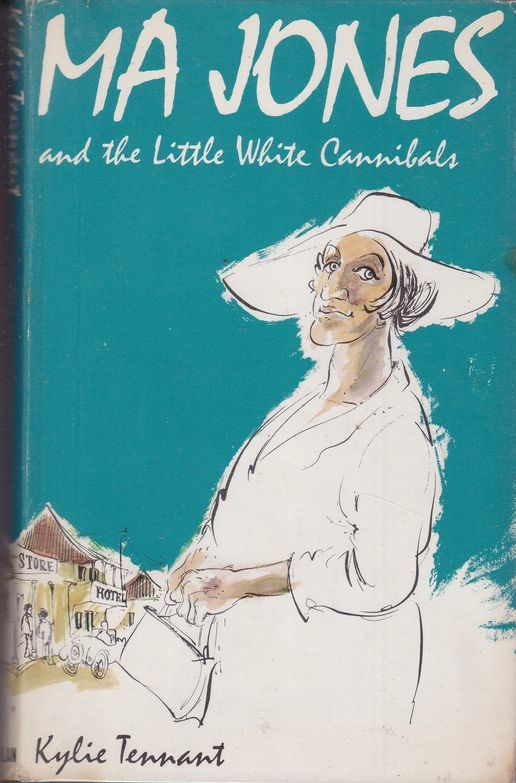
Bill, on the other hand has tended to write reviews – with a little biography thrown in – of authors he’s been keen to explore more, besides his beloved Miles Franklin, like Kylie Tennant (Ma Jones and the little white cannibals), Rosa Praed (The bond of wedlock), and Ada Cambridge (A mere chance). All are authors I’ve read but wish to read more.

I started the year by posting on selected primary and secondary sources for research into Australian women writers, and then moved into posts on specific writers, many of them edited or enhanced versions of posts I’ve written here. These included posts on juvenilia, the poet Eliza Hamilton Dunlop, and journalist-botanist-author Louisa Atkinson.

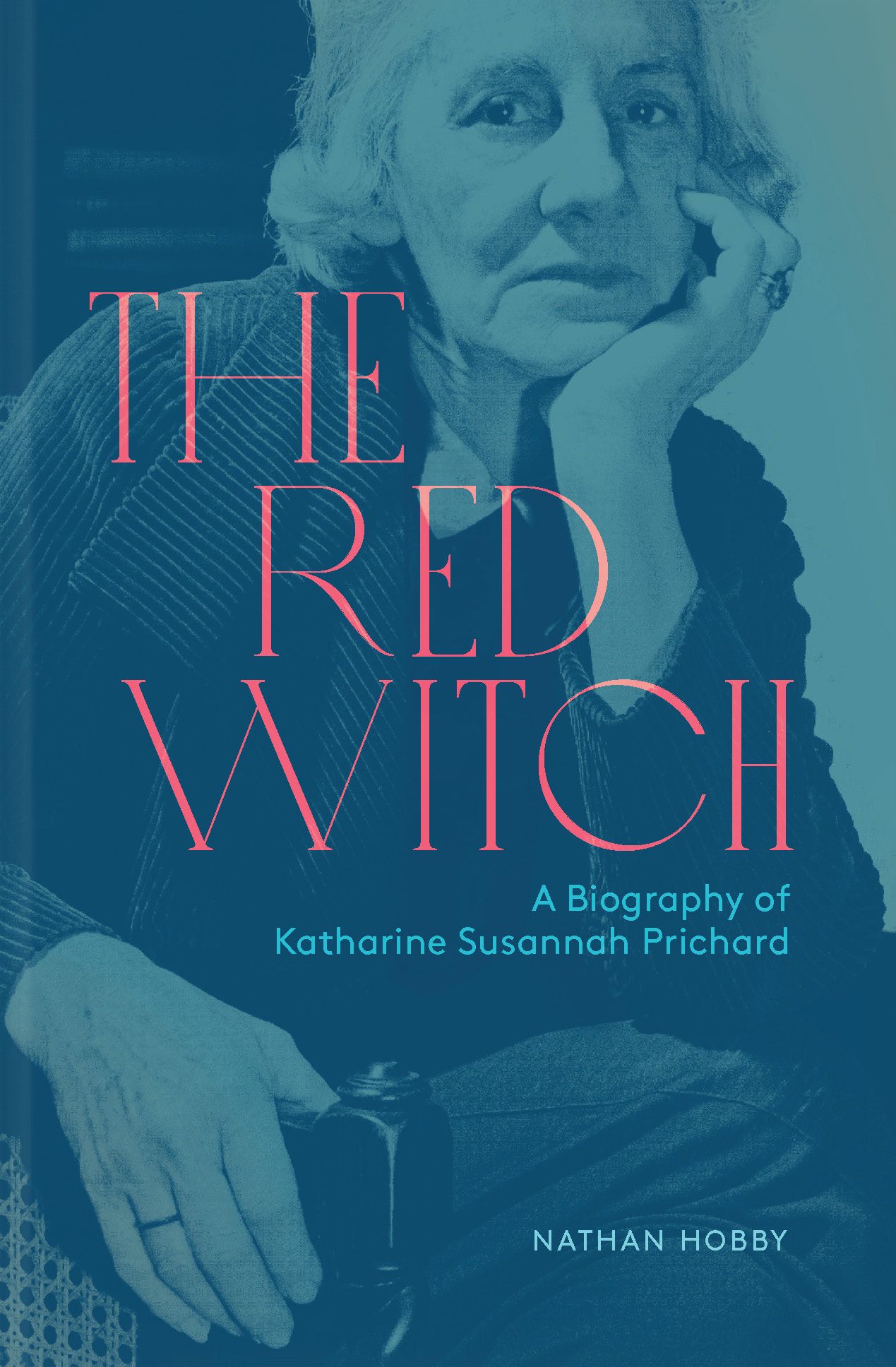
We have also had some wonderfully generous guest posters who accepted Bill’s call to delve into history for us – bloggers Jonathan Shaw and Brona from Australia, Emma from France and Marcie McCauley from Canada; published authors Jessica White, Michelle Scott Tucker, Debbie Robson and Nathan Hobby; and academics and historians Stacey Roberts and Linda Emery. We are hugely grateful to them.

And so, 2023

Although the blog is not generating a lot of traffic, Elizabeth, Bill and I believe it is serving the purpose we identified, and so have decided to continue in 2023. We would love, though, to hear if you have ideas for posts, or would like to offer a post yourself, or have any other suggestions.

Meanwhile, I have enjoyed the year, because of our subject-matter and because Bill and Elizabeth have been so easy to work with. There’s something special about working with others on a shared goal … so roll on 2023. We are ready.

Monday musings on Australian literature: Favourite books 2022, Part 2: Nonfiction and Poetry

Last week, as most of you will know, I shared the favourite Aussie fiction books named by writers in the Sydney Morning Herald’s Best Reads of the Year 2022, Readings Bookshop’s Best Fiction, and the ABC RN’s Bookshelf Panel’s Books of the Year 2022. This week, as promised, I’m sharing their nonfiction and poetry favourites drawing from the same links for the first and third, and the Best Nonfiction of 2022 link for Readings. Again, I’m only including Australian titles (for this Monday Musings post).

Nonfiction

I made the point last year that nonfiction picks tend to speak to the professional interests of their nominators – historians, for example, tend to choose histories. This year though, most of the contributors are writers, journalists and booksellers, resulting in less of this focused sort of choosing.

One, however, was historian Clare Wright. She nominated several books, mostly histories, but rather than give individual reasons she rounded up her list with “fearless, fascinating accounts of rule breakers, rule makers and rule enforcers.”

A few books were picked multiple times, including one that was also nominated a few times last year – Bernadette Brennan’s biography of Gillian Mears, Leaping into waterfalls. Others that were named more than once are Shannon Burns’ Childhood, Chloe Hooper’s Bedtime story, Janine Mikosza’s Homesickness, Oliver Mol’s Train lord, Kylie Moore-Gilbert’s The uncaged sky, Karlie Noon & Krystal De Napoli’s Astronomy: Sky country, Sian Prior’s Childless and Chelsea Watego’s Another day in the colony

The form of nonfiction most favourited this year was the same as last year – memoirs.

  • Tim Baker’s Patting the shark (memoir): “vital” (Jock Serong)
  • Bernadette Brennan’s Leaping into waterfalls: The enigmatic Gillian Mears (biography): “enthralled” (Anna Funder); (Jennifer Down) (Brona’s review) (on my TBR)
  • Shannon Burns’ Childhood: A memoir (memoir): “unsparing self-depiction, coolly detached and brilliantly analytical” (Helen Garner); “powerful … terrific” (Robbie Arnott)
  • Anna Clark’s Making Australian history (history): (Cassie McCullagh)
  • Jessie Cole’s Desire: A reckoning (memoir): “beautifully told” (Sofie Laguna)
  • Sharon Connolly’s My giddy aunt and her sister comedians (history): (Clare Wright)
  • Deborah Dank’s We came with this place (First Nations memoir): “a heart-stopping story into bush Aboriginal life, philosophy and history” (Melissa Lucashenko)
  • Brigid Delaney’s Reason not to worry (philosophy/selfhelp): “fascinating, hilarious and highly practical guide to using the philosophy of Stoicism to help you deal with the vicissitudes of everyday life” (Readings)
  • Peter Doyle’s Suburban noir: Crime and mishap in 1950s and 1960s Sydney (history): “must for crime buffs” (Tony Birch)
  • Meg Foster’s Boundary crossers: The hidden history of Australia’s other bushrangers (history): (Clare Wright)
  • Rachel Franks’ An uncommon hangman: The life and deaths of Robert ‘Nosey Bob’ Howard (history): (Clare Wright)
  • Hannah Gadsby’s Two steps to Nanette (memoir): “deeply moving and extremely funny” (Readings)
  • Mawunyo Gbogbo’s Hip hop and hymns (memoir): “earnest and lyrical missive about growing up in a Black migrant family” (Maxine Beneba Clarke)
  • Joëlle Gergis’ Humanity’s moment: A climate scientist’s case for hope (climate science): “clear-eyed, wounded, humane and above all, honest” (Tim Winton) (Janine’s review)
  • Julia Gillard’s Not now, not ever: Ten years on from the misogyny speech (essays): “good reasons to keep speaking up” (Pip Williams)
  • Julie Gough’s Tense past (art/culture): “vital work” (Tony Birch)
  • Eloise Grills’ Big beautiful female theory (memoir/cultural analysis): “confrontational, honest and everything great nonfiction should be” (Readings)
  • Edna Gunaydin’s Root and branch: Essays on inheritance (essays): “clever, unstintingly self-aware” (Jennifer Down)
  • Linda Jaivin’s The shortest history of China (history): “deep context” (Jock Serong)
  • Kath Kenny’s Staging a revolution: When Betty rocked the Pram (history): (Clare Wright)
  • Lee Kofman’s The writer laid bare: Emotional honesty in a writer’s art, craft and life (part memoir): “intimate look at the process” (Graeme Simsion)
  • Jess Ho’s Raised by wolves (memoir): “straight-talking, sharp-shooting memoir” of the Melbourne hospo scene (Readings)
  • Chloe Hooper’s Bedtime story (memoir): “shows the power of words and literature to comfort us during the darkest moments of our lives” (Readings); “beautifully written and illustrated” (Kylie Moore-Gilbert); “exquisite” (Sarah Krasnostein) (Lisa’s review)
  • Danielle Laidley’s Don’t look away: A memoir of identity & acceptance (memoir): “inspiring, disarming, and deeply moving” (Craig Silvey)
  • Chris Macheras’ Old vintage Melbourne 1960-1990 (history): “pure joy” (Readings) (Lisa’s review)
  • Paddy Manning’s The successor: The high stakes life of Lachlan Murdoch (biography): “unflinching book … about power, apprenticeship, and succession” (Readings)
  • Janine Mikosza’s Homesickness (memoir): “brilliant and original” (Lucy Treloar); (Emily Bitto)
  • Oliver Mol’s Train lord: The astonishing true story of one man’s journey to getting his life back on track (memoir): “compelling combination … harrowing, funny, enigmatic” (Sofie Laguna); “shaggy, imperfect, raw and glorious” (Robbie Anrott)
  • Kylie Moore-Gilbert’s The uncaged sky: My 804 days in an Iranian prison (memoir): “powerful story … incapable of hatred … incapable of simplifying” (Alex Miller); “timely … timeless” (Diana Reid) (Lisa’s review)
  • Karlie Noon & Krystal De Napoli’s Astronomy: Sky country (First Nations science): “fascinating and highly engaging” (Readings); (Sarah Krasnostein)
  • Sean O’Beirne’s On Helen Garner: Writers on writers (essay): “a beautifully crafted essay full of great respect for a great writer” (Readings) (Kimbofo’s review)
  • Brigitta Olubas’ Shirley Hazzard: A writing life (biography): “illuminating biography” (Michelle de Kretser)
  • Anne-Marie Priest’s My tongue is my own: A life of Gwen Harwood (biography): (Clare Wright)
  • Sian Prior’s Childless (memoir): “charts the author’s journey to self-acceptance” (Kylie Moore-Gilbert); “exploring the grief and consolations of childlessness” (Lucy Treloar); “gut-wrenched … its honesty a brutal gift” (Michael Winkler)
  • Bronwyn Rennex’s Life with birds (history/memoir): “formal freshness and sweetly bent wit” (Helen Garner)
  • Henry Reynolds and Nicholas Clements’ Tongerlongeter: First Nations leader and Tasmanian war hero (history/biography): “astonishing … compelling” (Amanda Lohrey)
  • Heather Rose’s Nothing bad ever happens here (memoir): “loved … the profundity” (Hannah Kent); (Jason Steger) (my post on a conversation)
  • Natasha Sholl’s Found, wanting (memoir): “darkly funny” (Kylie Moore-Gilbert)
  • Julianne Schultz’s The idea of Australia: A search for the soul of the nation: (Cassie McCullagh) (Lisa’s review)
  • Jonathan Seidler’s It’s a shame about Ray (memoir): (Cassie McCullagh)
  • Anna Spargo-Ryan’s A kind of magic (memoir): “reframing redemption” (Sarah Krasnostein)
  • Simon Tedeschi’s Fugitive (memoir/history): “shimmering meditation on performance, identity and music” (Michael Winkler)
  • Jayne Tuttle’s Paris or die and My sweet guillotine (memoirs): “joltingly alive, beautiful and terrifying” (Helen Garner)
  • Chelsea Watego’s Another day in the colony (essays/memoir): “insights … are personal and profound” (Lucy Treloar); “vital collection” (Laura Jean McKay) (on my TBR) (Bill’s review)
  • Don Watson’s The passing of Private White (biography): (Anna Funder)
  • Nadia Wheatley’s Sneaky little revolutions: The selected essays of Chairman Clift (essays): (Kate Evans)

Poetry

Last year, there was a string of poetry, but this year we have just two. Interesting – and probably partly due to who was asked to contribute.

  • Sarah Holland-Batt’s The jaguar: (Emily Bitto); “deep compassion … flawless command of image and line” (Michelle de Kretser); “her artistry … is exhilarating” (Amanda Lohrey)
  • David Stavanger, Mohammad Awad, and Radhiah Chowdhury’s (ed) Admissions anthology: “stunning curation … on mental health” (Maxine Beneba Clarke)

The lists continue to come thick and fast, but I’m interested in any thoughts you have on these, particularly if you like nonfiction and poetry.

My reading group’s favourites for 2022

As I’ve done for a few years now, I am sharing my reading group’s top picks of 2022. This is, after all, the season of lists, but also, I know that some people, besides me, enjoy hearing about other reading groups.

I’ll start, though, by sharing what we read in the order we read them (with links on titles to my reviews):

  • Amy Witting, Isobel on the way to the corner shop: novel, Australian author
  • Ida Vitale, Byobu: novel, Uruguayan author
  • Elizabeth von Arnim. Vera: classic, British author
  • Mark McKenna, Return to Uluru: nonfiction, Australian author
  • Damon Galgut, The promise: novel, South African author
  • Marion Frith, Here in the after: novel, Australian author (I was in Melbourne, with COVID, and didn’t manage to read this)
  • Larissa Behrendt, After story: novel, Australian First Nations author
  • Audrey Magee, The colony: novel, Irish author
  • Julian Barnes, Elizabeth Finch: novel, British author
  • Biff Ward, The third chopstick: nonfiction/part-memoir, Australian author
  • Nell Pierce, A place near Eden: novel, Australian debut author (review coming)

This year’s schedule was reasonably diverse. Our overriding interest is Australian women writers but not exclusively. We also like to challenge and broaden our tastes. So, this year’s list included a classic (or two, if you include Amy Witting’s 1999 novel); a translated novel from Uruguay; a First Nations novel; five non-Australian books; two works of nonfiction; and three by male authors. Politics and social justice featured strongly in both the fiction and nonfiction, looking at such issues as coercive control, racism and dispossession, colonialism, war and PTSD.

The winners …

This year only 10 of our twelve active members managed to vote – one was travelling and one moving house, so their excuses were accepted! The rules were the same. We had to name our three favourite works, and all were given equal weighting. It’s interesting how the years vary. In 2020, we had a runaway winner, while last year our favourites were more bunched, with the winning book receiving 8 votes, the second 7 votes, the third 6 and so on down to fifth with 4 votes. This year, however, we returned to the runaway winner mode, with 5 more books, a few votes behind, vying for 2nd and 3rd spots.

  1. The promise by Damon Galgut (8 votes)
  2. Vera by Elizabeth von Arnim and Return to Uluru by Mark McKenna (4 votes each)
  3. Here in the after by Marion Frith, The colony by Audrey Magee and The third chopstick by Biff Ward (3 votes each)

Interestingly, two years ago, all three of the nonfiction titles on our list featured among our favourites, while last year, neither of our two nonfiction works received any votes at all. This year, both nonfiction works appeared among the favourites. I’m not sure this tells you (or us) anything.

Anyhow, if you want to know my three picks, they were Damon Galgut’s The promise, Elizabeth von Arnim’s Vera and Audrey Magee’s The colony. But, it was a great year and I found it truly hard to choose. In the end, although I greatly enjoyed the two nonfiction works, I stuck with my main love, fiction, for my choices. I really wanted to include Byobu, but something had to give!

Selected comments (accompanying the votes)

Not everyone included comments with their votes, and not all books received comments, but here is a selection of what members said about the most liked:

  • The promise: Commenters used descriptions like “insightful”, “compelling”, and “enlightening”.
  • Vera: Comments included “a truly chilling tale”, with a few noting how relevant this 1921 book still is.
  • Return to Uluru: Commenters saw it as a “timely and interesting attempt to balance the record of a sad episode in Australian history”, “a terrific uncovering of history and treatment of First Nations Australians”.
  • Here in the after: One called it “insightful”, while another noted its “many social comments”.
  • The colony: Commenters used terms like “multilayered”, and “subversive, acerbic”. Its sense of place was also mentioned.
  • The third chopstick: One called it “a moving journey” while another focused on the author’s “talent for delving” into a painful time in Australian history.

And, a bonus again

As in 2019 and 2021, a good friend (from my library school days over 45 years ago and who lives on the outskirts of Canberra) sent me her reading group’s schedule for the year:

  • Jock Serong, Preservation (on my TBR)
  • Amor Towles, A gentleman in Moscow
  • Xinran, Buy me the sky
  • Bri Lee, Eggshell skull
  • Don Watson, The bush (on my TBR)
  • Joshua Hammer, The bad-ass librarians of Timbuktu (never heard of this one)
  • John Grogan, Marley and me
  • John Clanchy, Vincenzo’s garden (love John Clanchy but haven’t read this)
  • Amanda Lohrey, The labyrinth (on my TBR)
  • Jane Harper, Force of nature
  • Douglas Stuart, Shuggie Bain
  • Geraldine Brooks, Horse

Links are to my reviews where I’ve read the book too. The two I’ve read are, coincidentally, ones I read with my reading group in previous years. In fact, Shuggie Bain was our top pick last year.

I’d love to hear your thoughts, particularly if you were in a reading group this year. What did your group read and love?

Monday musings on Australian literature: Favourite books 2022, Part 1: Fiction

Over recent years, I’ve shared favourite Aussie reads of the year from various sources, with the specific sources varying a little from time to time. This year, my main sources are The Sydney Morning Herald’s Best Reads of the Year chosen by writers, Readings bookshop’s Best Australian fiction, and ABC RN’s Bookshelf panel. As last year, the picks ranged far and wide, but in this post I am focusing on their Aussie fiction choices. All being well, I’ll do the Aussie nonfiction and poetry picks next week.

For what it’s worth, last year, I noted that five of the “favourite” novels were on my TBR. I can report that I did manage to read two of them, Larissa Behrendt’s After story (my review) and Anita Heiss’s Bila Yarrudhanggalangdhuray (my review). I’m pleased with that!

Novels

  • Robbie Arnott’s Limberlost: “a lovely assiduous book, which explores language and narrative with an old-fashioned joy” (Tom Keneally); “dignified and surprisingly conventional … gem” (Michael Winkler); “calling it (hopefully not cursing it) for next year’s Miles Franklin shortlist” (Jennifer Down); “further underlines his mastery of nature writing” (Jock Serong); “another gem” (Readings); (Cassie McCullagh); (Jason Steger) (on my TBR) (Lisa’s review)
  • Jessica Au’s Cold enough for snow: “a meditative, mesmerising novel” (Anna Funder); “all composure … the elegance of its composition … its meditative contemplation of a mother-daughter relationship” (Hannah Kent) ; “loved the voice and pace (and, well, everything)” (Victoria Hannan); “stayed with me for weeks after I finished it … quietly brilliant” (Robbie Arnott); “more like mists … atmospheres you move through” (Miles Allinson); “exquisite prose and hypnotic pace” (Readings); (Jason Steger) (Lisa’s review; mine coming soon)
  • Isobel Beech’s Sunbathing: “sensitive and lyrical work” (Readings)
  • Gabriel Bergmoser’s The hitchhiker: (Dani Vee)
  • Emily Bitto’s Wild abandon: “such lyricism and dead on the money imagery” (Tom Keneally)
  • Brendan Colley’s The signal line: “speculative gothic fiction … nails it” (Bram Presser)
  • Sophie Cunningham’s This devastating fever: (Emily Bitto); “triumph of tone and lightness” (Miles Allinson); (Jason Steger) (Brona’s review)
  • Paul Daley’s Jesustown: “just loved” (Anna Funder); “scarifying tale of missionary colonialism” (Jock Serong)
  • Rhett Davis’ Hovering: “original and blackly funny story” (Toni Jordan)
  • Robert Drewe’s Nimblefoot: “a bag of picaresque fun” (Tim Winton) (on my TBR)
  • Kate Forsyth’s The crimson thread: (Dani Vee)
  • Peggy Frew’s Wildflowers: “confronting, generous, infectious, acutely observed” (Craig Silvey)
  • Sulari Gentill’s The woman in the library: (Felix Shannon)
  • Michael Winkler’s Grimmish: (Kate Evans)
  • Chris Hammer’s The tilt: (Dani Vee); (Kate Evans)
  • Jane Harper’s Exiles: “captivating read” (Readings)
  • Jack Heath’s Kill your brother: (Dani Vee)
  • Adriane Howell’s Hydra: “genre-busting” (Bram Presser)
  • Pirooz Jafari’s Forty nights: (Emily Bitto)
  • Gail Jones’ Salonika burning: “Dazzles again” (Readings); (Kate Evans) (Lisa’s review)
  • Yumna Kassab’s Australiana: (Emily Bitto); “lyrical, intimate” (Readings)
  • Hannah Kent’s Devotion: “aching and illuminating” (Trent Dalton)
  • Tracey Lien’s All that’s left unsaid: “gripping drama with unforgettable characters” (Readings)
  • Kate McCaffrey’s Double lives: “a really interesting hybrid-transcript format” (Felix Shannon)
  • Scott McCulloch’s Basin: “brutal, apocalyptic” (Miles Allinson)
  • Fiona McFarlane’s The sun walks down: (Emily Bitto); “mesmerising … inclusive … electrifying” (Michelle de Kretser); “best novel I’ve ever read about 19th-century Australia” (Geraldine Brooks); (Jason Steger); (Kate Evans)
  • Fiona Kelly McGregor’s Iris: “The most extraordinary evocation of 1930s Sydney” (Hannah Kent); “vivid and compelling” (Lucy Treloar); “a luscious read” (Readings)
  • Meg Mason’s Sorrow and bliss: “unique and improbable: a witty novel about depression” (Geraldine Brooks) (Kimbofo’s review)
  • Gillian Mears’ Fineflour: “revisit” (Jennifer Down)
  • Paddy O’Reilly’s Other houses: “powerful and captivating depiction of class” (Lucy Treloar); “as gripping as a thriller and yet so tender” (Toni Jordan) (on my TBR) (Lisa’s review)
  • Adam Ouston’s Waypoints: “a literary spectacle” (Bram Presser); “ambitious, Lissajous-curved” (Michale Winkler); “hypnotic and intricately layered … very funny” (Robbie Arnott)
  • Caroline Petit’s The natural history of love: “historical pick” (Toni Jordan)
  • Hayley Scrivenor’s Dirt Creek: “a brilliant take on its varied perspectives” (Felix Shannon); (Kate Evans)
  • Jock Serong’s The settlement: “powerful evocation of colonialism with a reverberant message” (Michael Winkler)
  • Holden Sheppard’s The brink: (Dani Vee)
  • Inga Simpson’s Willowman: “will almost certainly become a new Australian classic” (Readings); (Kate Evans)
  • Steve Toltz’s Here goes nothing: (Cassie McCullagh); (Kate Evans)
  • Emma Viskic’s Those who perish: “writing as immaculate as ever” (Lucy Treloar)
  • Chris Womersley’s The diplomat: “fabulous” (Miles Allinson)

Short stories

  • Kevin Brophy’s The lion in love: (Emily Bitto) (Lisa’s review) (on my TBR)
  • Bryan Brown’s Sweet Jimmy: “frequently hilarious collection of crime yarns” (Trent Dalton)
  • Else Fitzgerald’s Everything feels like the end of the world: (Emily Bitto); “standout post-human climate fiction” (Laura Jean McKay); “inventive and humane” (Craig Silvey)
  • Chris Flynn’s Here be Leviathans: “keeps giving with stories that entertain and make you think” (Pip Williams) (on my TBR)
  • Katerina Gibson’s Women I know: “sardonic, surprising” (Miles Allinson)
  • Mirandi Riwoe’s Burnished sun: a realist beauty that decentres dominant narratives” (Laura Jean McKay)
  • Ben Walter’s What fear was: “a hymn of place, a bravura display of sentence-smithing…” (Michael Winkler)

Finally …

It’s interesting to see what books feature most. Popularity doesn’t equal quality, but it does provides a guide to the books that attracted the most attention in the year. One of last year’s most frequent mentions was this year’s Miles Franklin winner, Jennifer Down’s Bodies of light. Will the same happen to one of this year’s most frequently mentioned books?

Several books were mentioned twice, but these received three or more mentions:

  • Robbie Arnott’s Limberlost; Jessica Au’s Cold enough for snow (7 each)
  • Fiona McFarlane’s The sun walks down (5)
  • Sophie Cunninghma’s This devastating fever; Else Fizgerald’s Everything feels like the end of the world; Fiona Kelly McGregor’s Iris; Adam Ouston’s Waypoints (3 each)

Another interesting thing about lists is discovering new books. There are several in the above lists that I’ve never heard of, because they are genre books. That’s the serendipity that can happen in lists like this. However, there are some here that I hadn’t heard of but that grabbed my attention, like Pirooz Jafari’s Forty nights, Adam Ouston’s Waypoints, and Else Fitzgerald’s Everything feels like the end of the world. You?

Thoughts, anyone – on this or lists from your neck of theod

Monday musings on Australian literature: Prime Minister’s Summer Reading List

The Grattan Institute is an Australian non-aligned, public policy think tank that was established in 2008. Since 2009 it has published, at the end of the year, their Prime Minister’s Summer Reading List. This list, as they wrote on the inaugural 2009 list, comprises “books and articles that the Prime Minister, or any Australian interested in public debate, will find both stimulating and cracking good reads”.

The first two lists contained 8 titles, but since then it has been 6. A curious number, but then, any number would be arbitrary, so why not? Literary editor, Jason Steger, shared the 2022 list last week, and provided some interesting background. This included sharing Grattan’s chief executive Danielle Wood’s explanation that they “try to pick books that have something interesting, original, or thought-provoking to say on issues that are relevant to the Australian policy landscape. The books don’t have to be by local writers or about Australia … but they do have to address issues that have relevance in an Australian policy context.” 2022’s list, which will be formally launched on 8 December, has two books by Americans.

Steger says that no-one knows, usually, whether the Prime Minister reads any of the recommendations. Grattan rarely receives a thank-you letter from the PMs, which is poor. Don’t they have minders to do those things? Isn’t it good manners to thank people for gifts? One Prime Minister, though, has shown interest. Wood told Steger that:

We did hear from one. It was Malcolm [Turnbull]. He asked for the books to be couriered to his holiday home rather than the Lodge and I think he read at least some of them that year. He was probably the most receptive PM to the idea of the list.

Here is the 2022 list in their order, with a small excerpt from their reasoning:

  • Career & family: Women’s century-long journey toward equity, by Claudia Goldin (American researcher on gender economics; nonfiction): “essential reading for anyone wanting to understand the barriers to gender equality – and how we got here”.
  • We come with this place, by Debra Dank (First Nations Australian writer; memoir): “As Australia contemplates a Voice to Parliament, this book reminds us to listen. Listen when the land tells her story. Hear the voices of the traditional owners”.
  • My father and other animals, by Sam Vincent (Australian journalist/writer; memoir): “about regeneration, sustainability, and legacy… a story of how a son learns about his own family, just as much as how he learns to become a farmer”. 
  • Cold enough for snow, by Jessica Au (Australian author; novella): “an inner journey, arriving at the realisation that some gaps can never be bridged, some people will never be fully understood, and some baggage will never fully be shed. And that whether we are ready or not, time carries us forward, forcing our roles to adjust to new circumstances”. (On my TBR; Reviews by Lisa and Brona.)
  • Buried Treasure (in Griffith Review, 77), by Jo Chandler (Australian journalist; essay): on Australia’s million-year ice core project, “a beautiful and hopeful essay about building a collaborative understanding of the rhythms of our planet”
  • Healing: Our path from mental illness to mental health, by Thomas R. Insel (American doctor; nonfiction): “offers a hopeful vision of how we can remake our mental healthcare system”.

So, one work of fiction, one essay, two memoirs and two works of nonfiction.

Here are links to all the lists, by year: 2009, 2010, 2011, 2012, 2013, 2014, 2015, 2016, 2017, 2018, 2019, 2020, 2021, 2022. There are some interesting books in there, of which I’m sharing one or two from each year, in listing year order:

  • Chloe Hooper’s The tall man (2009, creative nonfiction) 
  • David Malouf’s Ransom (2009, novella) (my review)
  • Noel Pearson’s Radical Hope: Education and Equality in Australia (Quarterly Essay 35) (2009, essay) 
  • Andrew Leigh, Disconnected (2010, nonfiction)
  • Judith Brett’s Fair share (Quarterly Essay 42) (2011, essay)
  • Frank Moorhouse’s Cold light (2011, novel) (my review)
  • Adrian Hyland’s Kinglake-350 (2012, creative nonfiction) 
  • Richard Flanagan’s The narrow road to the deep north (2013, novel) (my review)
  • Joan London’s The golden age (2014, novel) (Lisa’s review)
  • Samuel Wagan Watson’s Love poems and death threats (2015, poetry collection)
  • Stan Grant’s Talking to my country (2016, nonfiction/memoir) (my review)
  • Judith Brett’s The enigmatic Mr Deakin (2017, political biography) (Nathan’s review)
  • Michelle de Kretser’s The life to come (2017, novel) (my review)
  • Robbie Arnott’s Flames (2018, novel) (Lisa’s review)
  • Behrouz Boochani’s No friend but the mountains: Writing from Manus Prison (2018, memoir)
  • Jess Hill’s See what you made me do (2019, nonfiction) (my review)
  • Alex Miller’s Max (2020, novel) (Lisa’s review)
  • Alison Whittaker’s Fire front: First Nations poetry and power today (2020, poetry anthology) (Brona’s review)
  • Paige Clark, She is haunted (2021, short story collection)
  • Rick Morton’s On money (2021, nonfiction)
  • Henry Reynolds’ Truth-telling: History, sovereignty, and the Uluru Statement (2021, nonfiction) (Janine’s review)

I’m particularly interested in the fiction choices, because they have often gone for non-mainstream, more reflective works, and they have also, on occasion, included poetry. I like that. But, why these particular choices?

Well, for Ransom, they write “it’s a tale of transformations” and “if only government reports were written in language like this”. For Cold light, a more obvious choice, they say it’s “about power, secrecy, the mortal struggle between capitalism and communism – and urban planning” and conclude with:

Frank Moorhouse once lamented the fact that, despite all their riches of human experience, Australian novelists had disdained the realms of government and business as ciphers too corrupt and foul for their art. But writing by journalists, academics and policy wonks cannot provide a complete understanding of our society. Fiction also has a vital role; for some readers, the vital role…

For readers like us, I’d say.

The other comment I’d like to make concerns themes and subject matter. Equality – gender equality, yes, but also more broadly – features often. First Nations authors and issues appear regularly, as they should while so much remains unresolved. Books about democracy and how it is faring also keep popping up, unsurprisingly. On the other hand, climate change and the environment, while they do appear, seem to have a relatively low profile in the list by comparison.

If you had the opportunity to make one recommendation to the leader of your country, what would it be? My guess is that Bill’s would be Chelsea Watego’s Another day in the colony. Let’s see if I’m right. Meanwhile, what will Albo read?

#54321 Challenge – Just for fun

Lisa posted this challenge, which she got from Lizzy Siddal, who nicked it from somewhere on Instagram! Love the provenance here!

Each of us has interpreted it in ways that suits us. For me, my interpretation is to draw on authors who have died (except for #1) because there are too many living authors that I love for me to choose from. So, with that proviso, here goes …

#5 Books I love

In author’s birth order:

Jane Austen, Persuasion
  • Pick an Austen any Austen, let’s go with Persuasion (my post), which has such a lovely, mature heroine who, nonetheless, had to learn to make her own decisions. 
  • Edith Wharton’s The house of mirth, which I read before blogging, but which has left a lasting impression for its story of a woman who was torn between love and integrity, and (what she thought would be) security.
  • Patrick White’s Voss, which I read in my teens, long long before blogging. It was the book that turned me on to White.
  • Albert Camus’ The plague/La peste (my post) which I also first read in my late teens, which I encouraged my reading group to read many years later, and which continues to resonate with me.
  • Thea Astley’s Drylands (my post), which is just one of Astley’s novels that has stuck with me for its expressive writing and intellect.

#4 Autobuy authors

Albert Camus, The plague

After the 19th century classics, my first autobuy author was

  • Albert Camus

who was followed by …

  • Edith Wharton, whom I discovered in the 1980s during our first posting in the USA, and
  • E.H. Young, who was recommended to me by a Kiama, NSW, bookseller, in the late 1980s. I subsequently bought, or was given, all of her books that were published by Virago.

And then an Aussie, but which one? Perhaps the first Aussie, besides Patrick White, whom I wanted to autobuy was

#3 Genres I love

Most of you could probably guess this:

  • Literary fiction
  • Classics
  • Literary biographies

#2 Places I like to read

Where else but stretched out on a sofa, or in bed.

#1 Book I’m Going to Read Next

I haven’t quite decided, but my next reading group book is Audrey Magee’s The colony. This will not be my next review, however, as I am currently reading a First Nations’ book, and will probably read a couple more before I read my reading group book!

Miles Franklin Award 2022 winner announced

While once again I haven’t read (yet, anyhow) any of the Miles Franklin shortlist, I do try each year to announce the winner of this significant Australian literary award.

You may remember that this year’s shortlist was:

  • Michael Mohammed Ahmed’s The other half of you
  • Michelle de Kretser’s Scary monsters (Lisa’s review)
  • Jennifer Down’s Bodies of light 
  • Alice Pung’s One hundred days (kimbofo’s review)
  • Michael Winkler’s Grimmish

And the winner is: Jennifer Down’s Bodies of light

Each of the shortlisted writers received $5000 from the Copyright Agency’s Cultural Fund, with the winner receiving $60,000 prize. This year’s judges comprise, as always, continuing judges and new ones: Richard Neville (State Library of NSW), critics Bernadette Brennan and James Ley (both also on last year’s panel), and new members, scholar Mridula Nath Chakraborty, and writer and editor Elfie Shiosaki. 

So, more on the winner …

The book was published by Text Publishing, and in their email announcing the winner they shared the thoughts of Michael Heyward, Text’s publisher:

Bodies of Light  is a transformative novel that gives epic scope to the life of a single soul. To read it is to be immersed in it. All of us at Text are thrilled at the news of Jennifer Down’s Miles Franklin win, and offer her our heartfelt congratulations.’

And of senior editor Alaina Gougoulis:

‘What an incredible recognition of Jennifer Down and all she has achieved with Bodies of Light. The abundant talent on display in her debut novel, Our Magic Hour, has been fully realised in this book, an intimate story of one life told on an epic scale: heartbreaking, and yet brimming with hope and beauty. That she is still so early in her career should fill us with optimism about the future of Australian writing. I am beyond thrilled for her, as her editor and as her friend. Warmest congratulations to Jenn, from all at Text.’

The announcement has already been reported by the usual sources, like the ABC, The Guardian, The Conversation, and so on. Canberra’s Jen Webb wrote The Conversation’s article. As she says, Down already has some runs on the board: she won the Sydney Morning Herald Young Novelist of the Year award for her debut novel, Our magic hour in 2017, and again in 2018 for her short story collection Pulse points.

Webb shares that the judges commended the book as “a novel of affirmation, resilience and survival, told through an astonishing voice that reinvents itself from six to 60”, and she describes it herself as follows:

Under interrogation-level lighting, it confronts the institutional “care” offered to the most vulnerable of people: little children, labile adolescents, and traumatised youth. Any society that routinely fails to provide children with the care they need to grow into secure adulthood is a society that needs a critical light shone on it. In the most lyrical, gentle language, this is precisely what Bodies of light does.

It’s a book that interests me. Indeed, Down has interested me since Pulse points appeared (and for which there is a guest post on my blog).

(BTW: In last year’s winner post, I provided a link to an article by Pallavi Singhal in The Sydney Morning Herald published an article on How to win the Miles Franklin: Analysing 64 years of data. You might like to revisit that in the light of today’s win!)

Do you have any thoughts on this year’s winner?

Miles Franklin Award 2022 shortlist

I didn’t post this year’s longlist when it came out last month, and if any of you have been following the award you will know that controversy has, once again, hit it, with one of the longlisted books, John Hughes’ The dogs, being withdrawn on the grounds of plagiarism. That’s a shame for me, as it was the only one on the longlist that I had read, although I will be reading another longlisted book next month.

The shortlist

  • Michael Mohammed Ahmed’s The other half of you, is, writes The Guardian*, “the third instalment of an auto-fictional series exploring the life of a young Muslim boy in western Sydney named Bani Adam”. It follows The Lebs which was also shortlisted for the Award.
  • Michelle de Kretser’s Scary monsters (Lisa’s review, not her favourite de Kretser, and kimbofo’s, also mixed), which, the judges described, as “a witty, meticulously witnessed and boldly imaginative work that rages against racism, ageism and misogyny”. De Kretser has won the award twice before.
  • Jennifer Down’s Bodies of light which deals with the state child care system and is told, say the judges, in an “astonishing voice that reinvents itself from age six to sixty”.
  • Alice Pung’s One hundred days (kimbofo’s review) is about a pregnant 16-year-old girl who is “locked into her housing commission flat by her Philippines-born Chinese mother for 100 days before the birth”. Among other things, the judges commented on the book’s “making visible the stories of those deemed powerless”.
  • Michael Winkler’s Grimmish is the first self-published novel to be shortlisted. It was also one of Jock Serong’s recommendations in the Warm Winter Read program I recently posted about. Publishers apparently found it “wearisome” and “repellant”, but it has been praised by some writers, whom I would call bold and fearless, like Helen Garner, Murray Bail and JM Coetzee. That tells us something (perhaps!) The judges called it “a uniquely witty and original contribution to Australian literature.”

Some random observations:

  • There are only five books this year, as against last year’s six. Did they only think five were worth it, or was The dogs going to be the sixth? I guess we’ll never know.
  • It is a nicely diverse list with more than half being by, to use modern terminology, people of colour. (I hate labelling but what to do?)
  • It looks like, for want of a better word, an “edgy” list, with little of the tried-and-true in terms of style, form and content. Excellent to see.

For posterity’s sake, here was the longlist

  • Michael Mohammed Ahmed’s The other half of you
  • Larissa Behrendt’s After story
  • Michelle de Kretser’s Scary monsters
  • Jennifer Down’s Bodies of light
  • Briohny Doyle’s Echolalia
  • Max Easton’s The magpie wing
  • Joh Hughes’ The dogs (withdrawn)
  • Jennifer Mills’ The airways
  • Alice Pung’s One hundred days
  • Claire Thomas’ The performance
  • Christos Tsiolkas’ 7 1/2
  • Michael Winkler’s Grimmish

A note on The dogs

I am not going to buy into the plagiarism debate, as I can’t know what Hughes did or didn’t know he was doing. However, I would like to comment on the publisher of this book, Upswell Publishing. This is an exciting new venture by Terri-ann White who did such a wonderful job at the University of Western Australia Press for many many years. The Guardian’s report (first link above) on the issue quoted White as saying that she “stands steadfast alongside the author, despite the appropriations now evident in this text”.

However, as more examples of parts of the text being identical or similar to various other works have been identified, White has realised the situation is not as she originally felt able to support. She has made a statement on her website, that:

I have published many writers who use collage and bricolage and other approaches to weaving in other voices and materials to their own work. All of them have acknowledged their sources within the book, usually in a listing of precisely where these borrowings come from. I should have pushed John Hughes harder on his lack of the standard mode of book acknowledgements where any credits to other writers (with permissions or otherwise), and the thanks to those nearest and dearest, are held. I regret that now, as you might expect. To have provided a note in this book with attribution would have been the only way to treat it.  I now recognise this as a breach of my trust.

The point I’d like to make is that we should not let this upsetting situation affect our support of Upswell. I subscribed to their list last year, and have again this year. The books are beautifully designed, the list is wonderfully varied in content, and White has a reputable track record. She and her stable deserve to be supported and encouraged.

Now, back to the Award

The chair of the judging panel, Richard Neville, praised the shortlist for its

range of dynamic and diverse voices that address the experience of pain, intergenerational trauma and intergenerational dialogue with compassion, exceptional craft and rigorous unsentimentality.

Each of the shortlisted writers will receive $5000 from the Copyright Agency’s Cultural Fund, with the winner receiving $60,000 prize.

This year’s judges comprise, as always, continuing judges and new ones, providing I think a good mix of experience and fresh ideas: Richard Neville (State Library of NSW), critics Bernadette Brennan and James Ley (both also on last year’s panel), and new members, scholar Mridula Nath Chakraborty, and writer and editor Elfie Shiosaki.

The winner will be announced on 20 July.

What do you think of the shortlist?

* All other quotes in the Shortlist section come from the same The Guardian article.

Monday musings on Australian literature: Warm Winter Read

For several years now, Cathy of 746 books has been running a 20 Books of Summer challenge, which many Southern Hemisphere bloggers re-frame as “of Winter”. It’s a great initiative, and this year has over 120 participants. You go, Cathy! However, for something closer to home that’s geared to this winter, I thought I’d share with you Warm Winter Read. It is an initiative of Public Libraries Victoria, and I read about it on Angela Savage’s blog. Well-known as an author, Angela is also the CEO of Public Libraries Victoria.

As a retired librarian, I love checking out what libraries are doing – and when they encourage reading AND Australian authors and books, then I’m on side.

The program’s aim, Angela says, is “to encourage readers to develop a daily reading habit by tracking the days they read over June and July 2022”. It has been taken up by most of Victoria’s library services, and involves an app – the Beanstack app (here) – through which participants can log daily reading, take part in optional challenges and share book reviews. Apparently the optional challenges include things like, Angela writes, “read outside your home; read aloud to a pet, person or plant; and talk about what you’re reading in person or online”.

This is all great, but I’m mainly sharing it with you because the campaign has eight ambassadors, who are all “high-profile” Victorian authors. Each of these was asked to recommend four books to get readers started (although people can read any books). There are apparently bookmarks for each author, containing their recommendations.

The ambassadors are a diverse bunch (links on their names are to my posts on them) and so are their recommended books, which range across a wide variety of forms and genres, fiction and non-fiction. Their recommendations are:

  • Maxine Beneba Clarke: Maria Takolander’s Trigger warning; Claire G. Coleman’s Lies, damned lies; Alice Pung’s One hundred days; Ennis Cehić’s Sadvertising
  • Claire G Coleman: Omar Sakr’s Son of sin; Maxine Beneba Clarke’s How decent folk behave; Ellen van Neerven and Rafeif Ismail’s (ed), Unlimited futures; Evelyn Araluen’s Drop bear
  • Helen Garner: Sean O’Beirne’s A couple of things before the end; David Owen Kelly’s State of origin; Larissa Behrendt’s After story; Gabbie Stroud’s Teacher
  • Jane Harper: Sally Hepworth’s The younger wife; Karina Kilmore’s Where the truth lies; Kate Mildenhall’s The mother fault; Benjamin Stevenson’s Everyone in my family has killed someone
  • Toni Jordan: Genevieve Novak’s No hard feelings; Emily Spurr’s A million things; R.W.R. McDonald’s The Nancys; Paddy O’Reilly’s Other people’s houses
  • Rebecca Lim: Amani Haydar’s The mother wound; Trent Jamieson’s Day boy; Cixin Liu’s The three-body problem; Emma Viskic’s Resurrection Bay
  • Jock Serong: Emma Viskic’s Those who perish; Robert Gott’s The orchard thieves; Emily Brugman’s The islands; Michael Winkler’s Grimmish
  • Christos Tsiolkas: Emily Bitto’s Wild abandon; Angela Savage’s Mother of Pearl; Andy Jackson’s Music our bodies can’t hold; Judith Brett’s The enigmatic Mr Deakin

I have not heard of all these books, let alone read them, but I can see that the list offers something for most readers and should kickstart some thinking about what to read.

Different library services are promoting the program in different ways. Here are some: Goldfields Libraries; Hume Libraries; and Yarra Plenty Regional Library. BUT as I pottered around some of the sites, I also picked up other things that libraries are doing. For example, the Warrnambool Library advertises that it can help members access their vaccination certificates. What a great service for the less technologically proficient in our communities. I love how modern public libraries are comprehending and expressing their role as community information centres.

Also, in some communities, the local newspaper has got behind the program too. What about this one from the Shepparton News:

Come into your local library to check out a Warm Winter Read. You’ll find hot romances, spicy thrillers and toasty tales of fun and adventure. You can register and log your participation via the Beanstack website at www.plv.beanstack.orgor by downloading the Beanstack Tracker app from the Google Play Store or Apple App Store.

For readers who prefer ‘old-school’, pick up a tracking sheet from your local library. Lots of challenges to keep the next few months interesting.

And here I will leave you. This is a pretty short and simple Monday Musings, partly because I have joined the growing number of bloggers who have contracted COVID-19. So, while I’m not very sick, thanks to being fully vaccinated, I’m also not wonderfully chipper and need now to go take a nap!

Meanwhile, here’s a job for you: what would you have recommended if you’d been asked to suggest four books for a program like this? (And if you’re not Aussie, you can choose non-Aussie books!)