My reading group’s favourites for 2024

Once again, I am sharing my reading group’s top picks for the year, because I know I’m not the only one who enjoys hearing about other reading groups.

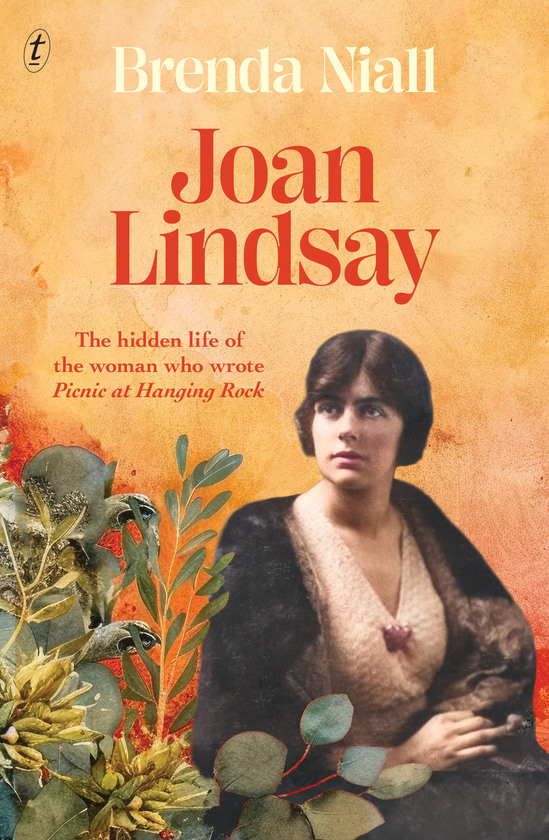
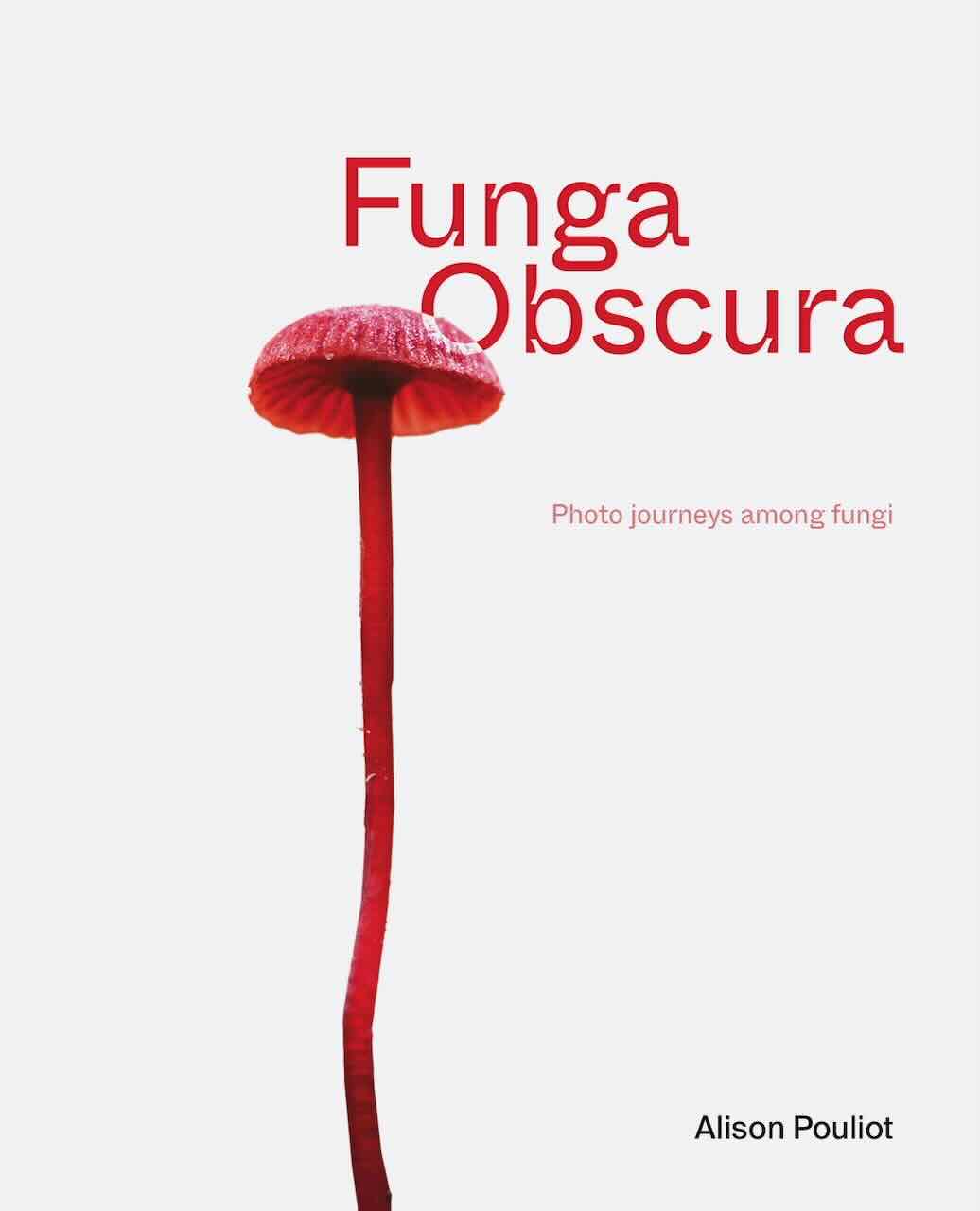
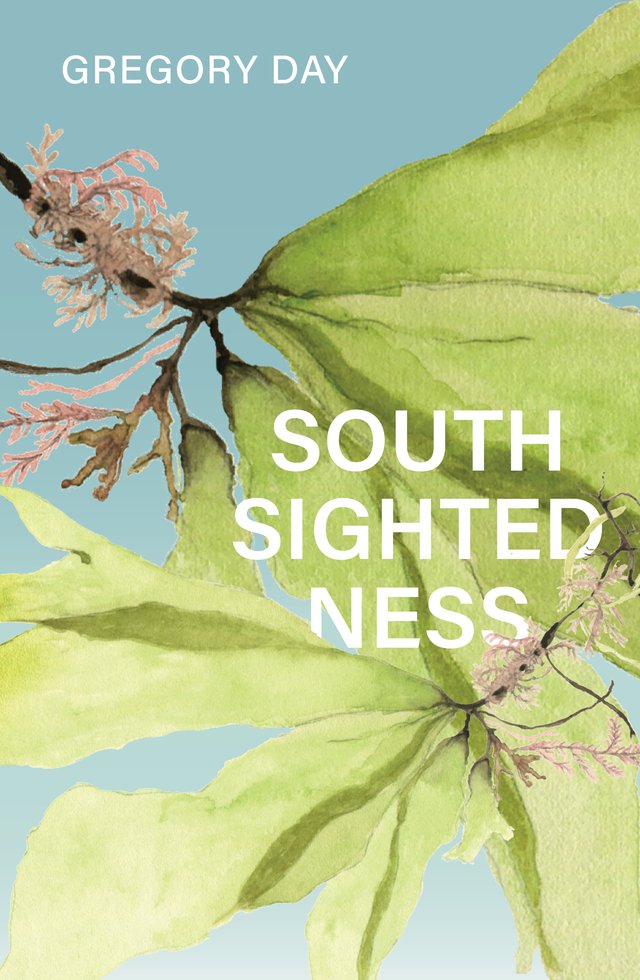
I’ll start by sharing what we read in the order we read them (with links on titles to my reviews):

This year’s schedule was rather less diverse than we’ve done for a while, with eight of our eleven authors being Australian. (Next year will see some “correction” to this.) Last year we read only four Australian women, while this year we read seven (plus an Australian man). We did, however, schedule a classic (Vonnegut) which we omitted to do last year, but we read no books in translation, which is a bit ethnocentric of us. We read more nonfiction than we have for a while, with books by Flanagan, Funder and Winn, and we read fewer male authors, just two. However, despite the list looking less diverse from the author origin point of view, it is more diverse in subject matter, with nothing like the concentration we had last year on the status and condition of women’s lives. If I were pushed to name a flavour for this year, I’d say that there was a strong serving of (socio)political and/or philosophical issues in this year’s books.

The winners …

This year all eleven of our regularly attending members voted, meaning the maximum a book could get was 11 votes, and that there were 33 votes all up. The rules were the same. We had to name our three favourite works, and all were given equal weighting. This year, unlike last year, the top three positions were closely fought and we ended up with three clear winners. Last year, there was a runaway winner, and then two second and two third place getters. 2024’s top three places were:

  1. Demon Copperhead by Barbara Kingsolver (8 votes)
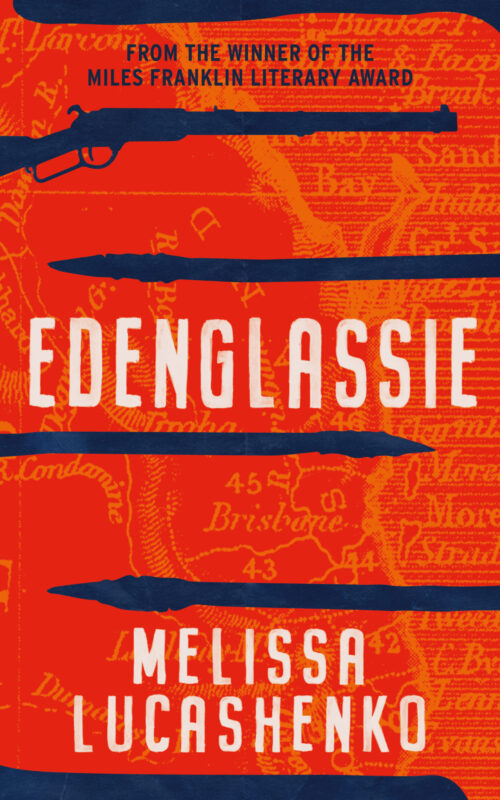
  2. Edenglassie by Melissa Lucashenko (7 votes)
  3. Stone Yard devotional by Charlotte Wood (6 votes )

Last year, the highly-commendeds right behind the two third place getters, but this year, the next two books were a few votes behind, at three votes each: Question 7 by Richard Flanagan and Chai time at Cinnamon Gardens by Shankari Chandran.

As for my three picks, it was very tough (as it usually is). I got something out of every book I read, and many will stay with me for a long time, but, like last year, the group’s number 1 pick was not in my top three. This is not to say I didn’t like Demon Copperhead, because I did very much, but that I loved something else more. My three books, in alphabetical order, were Marion Halligan’s Wishbone, Melissa Lucashenko’s Edenglassie, and Charlotte Wood’s Stone Yard devotional. I chose these because Halligan just knows human beings and uses wit and humour to show us ourselves; because Lucashenko tells us our history from a First Nations perspective and does it with fierce honesty but also with humour and generosity; and because Wood explores the place of stillness, silence, solitude, contemplation in our noisy, troubling world.

Selected comments

Not everyone included comments with their picks, and not all books received comments, but here’s a flavour of what was said:

  • Demon Copperhead: Commenters used superlatives like “huge”, “outstanding”, “brilliant”, “powerful” but also commented on its exploration of poverty and disadvantage, and its relevance to now.
  • Edenglassie: Commenters focused on the value, the importance, of seeing our history through a First Nations perspective, and how it brought our intellectual knowledge to life.
  • Stone Yard devotional: Commenters talked about its gorgeous evocation of place (as we all know the Monaro), and loved its sparseness, introspection, meditativeness, its exploration of solitude and silence.
  • Chai time at Cinnamon Gardens: Commenters liked its exposing the traumas involved in human movement, of its mix of politics, culture and human suffering, with one calling Chandran a “true story-teller”.

I’d love to hear your thoughts, particularly if you were in a reading group this year. What did your group read and love?

Monday musings on Australian literature: Aussie Booker Prize listees

Charlotte Wood, Stone Yard Devotional

In terms of the Booker Prize, it’s been a long time between drinks for Aussie writers. By this I mean that Charlotte Wood’s shortlisting for the 2024 prize with Stone Yard devotional, breaks the longest drought Australian writers have had in terms of being listed for the prize since its commencement in 1969. It has been eight years since longlisting and a full decade since shortlisting. This is probably largely due to the widening of the playing field in 2014 to include English language novels from any nationality.

This year’s winner will be announced on 12 November, but rather than wait until then, I’ve decided to share now the Australian books which have been listed for (or won) this prize because listing for this prize is a win in itself (even if it doesn’t come with the big bucks!) As Wikipedia shows, and the Booker Prize website confirms, longlists were not published for the Prize until 2001. The Booker Prizes website – particularly the year by year highlights – is worth exploring if you are interested in the prize.

Now, the order of my listing. While an alphabetical listing by author would make it easy to quickly see whether authors/books we love were listed, and how often authors have been listed, my main point here is to show when Australian authors/books have been listed, so, chronological it is.

Book cover
  • 1970 Shortlist (Lost Man Booker Prize*): Shirley Hazzard, The bay of noon (on my TBR)
  • 1970 Shortlist (Lost Man Booker Prize*): Patrick White, The vivisector (on my TBR)
  • 1972 Shortlist: Thomas Keneally, The chant of Jimmie Blacksmith (read before blogging)
  • 1975 Shortlist: Thomas Keneally, Gossip from the forest
  • 1979 Shortlist: Thomas Keneally, Confederates
  • 1982 Winner: Thomas Keneally, Schindler’s Ark
  • 1985 Shortlist: Peter Carey, Illywhacker
  • 1988 Winner: Peter Carey, Oscar and Lucinda (read before blogging)
  • 1993 Shortlist: David Malouf, Remembering Babylon (read before blogging)
  • 1995 Shortlist: Tim Winton, The riders (read before blogging)
  • 1997 Shortlist: Madeleine St John, The essence of the thing (on my TBR)
  • 2001 Winner: Peter Carey, True history of the Kelly Gang (read before blogging)
  • 2002 Shortlist: Tim Winton, Dirt music (read before blogging)
  • 2003 Winner: DBC Pierre, Vernon God Little (read before blogging)
  • 2003 Longlist: J.M. Coetzee, Elizabeth Costello (read before blogging)
  • 2004 Longlist: Shirley Hazzard, The great fire (read before blogging)
  • 2004 Longlist: Gail Jones, Sixty lights
  • 2005 Longlist: J. M. Coetzee , Slow man
  • 2006 Shortlist: Kate Grenville, The secret river (read before blogging)
  • 2006 Longlist: Peter Carey, Theft: A love story (read before blogging)
  • 2008 Shortlist: Steve Toltz, A fraction of the whole (my review)
  • 2008 Longlist: Michelle de Kretser, The lost dog (read before blogging)
  • 2009 Shortlist: J. M. Coetzee, Summertime
  • 2010 Shortlist: Peter Carey, Parrot and Olivier in America (my review)
  • 2010 Longlist: Christos Tsiolkas, The slap (my post)
  • 2014 Winner: Richard Flanagan, The narrow road to the deep north (my review)
  • 2016 Longlist: J. M. Coetzee, The schooldays of Jesus
  • 2024 Shortlist: Charlotte Wood, Stone Yard Devotional (my review)

* The Lost Man Booker Prize was made in 2010 to retrospectively correct a 1970/1 chronological glitch.

Only 5 writers have won the award twice, and one of those is Australian, Peter Carey. J.M. Coetzee, who is now Australian, has also won twice, and has been listed for the award four times since he moved to Australia from South Africa in 2002. However, his two wins, which I have not listed above, occurred while he was a “South African” writer.

Of the many Booker Prize controversies over the years, an early one involved Thomas Keneally in 1975, when the judges deemed only two novels worth shortlisting, of which Keneally’s Gossip from the forest was one. I am familiar with much of Keneally’s oeuvre (though I’ve not read a lot) but this one is new to me! The winner was the other (Ruth Prawer Jhabvala’s Heat and dust).

The most nominated Australian writers are:

  • J.M. Coetzee (6, if we fold in those two pre-Australian resident wins)
  • Peter Carey (5)
  • Thomas Keneally (4)
  • Shirley Hazzard (2)
  • Tim Winton (2)

The Man Booker International Prize was made biennially between 2005 – 2015 to recognise one writer for their achievement in fiction, and Australian writers have been shortlisted three times:

  • 2007 Shortlist: Peter Carey
  • 2009 Shortlist: Peter Carey
  • 2011 Shortlist: David Malouf

In 2106, this award came into line with the Man Booker Prize and is now made annually for a work of translated fiction. This will rarely include Australian books given the majority of our writers write in English. However, in 2020, Shokoofeh Azar was shortlisted for The enlightenment of the greengage tree (my review).

Any thoughts?

2024 Mark and Evette Moran Nib Literary Award shortlist

Recently, I posted on the shortlist for the Barbara Jefferis Award, which has a very specific goal concerning the depiction of women and girls in a positive way or in a way that empowers the status of women and girls in society. Today, I’m sharing another shortlist for another award with a specific focus. The award is the Mark and Evette Moran Nib Literary Award and its focus is “Australian research-based literature”. It is offered through a municipal council, the Waverley Council in Sydney, which also makes it unusual.

Like the Barbara Jefferis award, and indeed the Stella Prize, this award is not limited by genre or form – that is both fiction and non-fiction are eligible. The judging is based on “on literary merit, research, readability, and value to the community”. I have written about it before, so if you are interested in its origins and intentions please check that link. Previous winners include historians Alison Bashford and Claire Wright, biologist Tim Low, novelists Helen Garner and Delia Falconer, and journalist Gideon Haigh.

Last year, the winner’s prize doubled in value from $20,000 to $40,000, due “to an ongoing multiyear commitment by the award’s principal sponsors, Sydney philanthropists, Mark and Evette Moran, Co-Founders/Co-CEOs of the Mark Moran Group”. This makes it a significant prize. There is also a People’s Choice Prize of $4,000 and the six shortlisted books receive $1,500 each.

The judges for the 2024 award are poet Jamie Grant, publisher Julia Carlomagno, and writer Angela Meyer (whom I’ve reviewed a few times here). They narrowed the shortlist to 6 books, from 175 submissions. The announcement quotes them as saying:

“We were impressed with the breadth and calibre of this year’s entries, which ranged across genres, forms and styles. The six chosen books cast a lens both global and intimate, exploring issues of gender, class, nation and family, and emphasising the importance of community. We congratulate all the shortlisted authors.”

The 2024 shortlist

  • Shauna Bostock, Reaching through time: Finding my family’s stories (Allen & Unwin, First Nations family history)
  • Deborah Conway, Book of life (Allen & Unwin, memoir, kimbofo’s review)
  • Ryan Cropp, Donald Horne: A life in the lucky country (La Trobe University Press, biography, Lisa’s review)
  • Anna Funder, Wifedom (Hamish Hamiliton, biography, my review)
  • Melissa Lucashenko, Edenglassie (UQP, historical fiction, my review)
  • Dave Witty, What the trees see: A wander through millennia of natural history in Australia (Monash University Press, ecoliterature/nature writing)

As commonly happens with this award, life-writing features heavily in the shortlist. Like last year, there is just one work of fiction. But, unlike some years, I’m pleased to have read two of the shortlist!

If you wish to vote for the Nib People’s Choice Awards, you can do so from now until 17th October, so click here to register your choice. For more information on the award overall, check out Waverley Council’s announcement.

The winner of the overall prize and the People’s Choice Award will be announced on 27 November.

Have you read any of these books?

Barbara Jefferis Award 2024 Shortlist Announced

I didn’t report on this biennial award in 2022, but with the 2024 shortlist just having been announced, and my having read half of them, I am reminding us all again of this interesting award. Worth $50,000, this award, for those of you who don’t remember it, has very specific criteria:

“the best novel written by an Australian author that depicts women and girls in a positive way or otherwise empowers the status of women and girls in society”.

What this means is that it is not the sex of the writer that’s relevant here (nor, in fact, the genre). This award is for books about women and girls – and so can be written by anyone of any sex – but they must present women and girls in a positive or empowering way. I wrote a Monday Musings post about this “positive or empowering” requirement a few years ago.

This year’s shortlist of six books are all by women, but you’ll see that a male writer, Tony Birch, is among the highly commendeds.

  • Gail Jones, Salonika Burning (Text Publishing) (my review)
  • Melissa Lucashenko, Edenglassie (University of Queensland Press) (my review)
  • Miranda Riwoe, Sunbirds (University of Queensland Press)
  • Sara M Saleh, Songs for the dead and living  (Affirm Press)
  • Lucy Treloar, Days of innocence and wonder (Pan Macmillan Australia)
  • Charlotte Wood, Stone Yard devotional  (Allen & Unwin) (my review)

This year, the judges also named three Highly Commended titles:

  • Tony, Birch, Women & children (University of Queensland Press)
  • Shankari Chandran, Chai time at Cinnamon Gardens (Ultimo Press) (my review)
  • Katerina Gibson, Women I know  (Scribner)

The judging panel for the 2024 Barbara Jefferis Award comprises Hannah Kent (Chair), Jennifer Mills, and Melanie Saward. You can read the full judges’ comments on their decision and the individual books on the Australian Society of Authors website, but overall they said that:

“The many entries to this year’s prize reflected a healthy diversity of genre, form, settings and narratives. Common to many were themes of migration and exile, resilience and recovery from trauma, social isolation and renewed connection, thwarted ambition, and violence against bodies and minds. The representations of women and girls were varied and often original. We would welcome more expansive representations of gender diversity. […]

We found all six books deeply affecting, and many highly memorable for their unswerving demands for social justice and reclamations of power. We would like to extend our congratulations to their authors.”

They did make an interesting observation that “few writers focused on the future” and “wondered whether this revealed a wider desire for, and interest in, historical reckoning for this country”. Could be so. Having just spent two weeks in outback Australia, I sense some movement in understanding of what our dispossession of land has meant for our First Nations people. But so much has been lost and needs to be recovered, and progress in reconciliation seems very slow. Easy for a city-slicker to say, I do appreciate, but my heart tells me it has to be said.

The winner will be announced on 13 November 2024.

Apologies for the quick post, but I do like this award, and wanted to share it. However, I am on holidays still, and time is short.

Any thoughts?

Monday musings on Australian literature: Best Australian books, 21st century (to date)

I do think it’s jumping the gun, rather, to be listing best books of a century when that century is barely a quarter through! However, it seems that critics and reviewers around the world are giving it a go, including the esteemed New York Times, so who am I to quibble? Certainly Readings Bookshop and The Conversation, motivated by the non-inclusion of even one Australian book in NYT’s list, decided they wouldn’t. And, after all, what reader doesn’t love a list?

That said, listmakers rarely agree with each other, neither in their actual lists, nor in their approach to making their list. Some take it deadly seriously, and do their best to produce something authoritative (however you define that) whilst others see, perhaps, that authoritative lists in artistic/creative endeavours are not possible so take a looser approach. So it seems to be here. Readings, for example, asked members of the Australian literary community to nominate their best Australian books of the 21st century, and created a ranked top 30. The Conversation, on the other hand, asked 50 Australian literary experts for their top pick, and they listed all 50, starting with the books that had the most “top pick” nominations. Their experts were allowed to identify two honourable mentions. These “mentions” are not included in the list, but they are in the pickers’ comments. (Check out the lists, including NYT’s, at the end of the post.)

In The Conversation’s list, five of the 50 books were nominated by more than one expert, and they are listed first, but this is not a ranking they say – and perhaps that’s a fair point given their survey was very small. So, their list is indicative rather than thorough in any way, but indicative is still interesting:

  • Alexis Wright’s Praiseworthy (3, Bill’s second post)
  • Alexis Wright’s Carpentaria (3, my review)
  • Helen Garner’s How to end a story (2) (on my TBR)
  • Michelle de Kretser’s Questions of travel (2, my review)
  • Kim Scott’s That deadman dance (2, my review)

Three books by First Nations authors, and four by women writers. Interesting. Some authors appear more than once in the list, including, obviously Alexis Wright, whose The swan book is also in the list, but also Kim Scott and Fiona McFarlane. Theirs is a diverse list reflecting the diverse experts, and that makes it a “good” list to me, because it will speak to different readers.

For me, the most significant book published anywhere this century is Carpentaria (2006). Wright’s larger-than-life, all-too-human characters enact their dreams across a vast tract of earth, water, sky and the “alltimes”. The writing crackles. In this story of Country, ancestral voices offer wisdom and hope. (Nicholas Jose)

Readings’ list on the other hand was drawn from 600 “votes” from members of the Australian literary community – writers, publishers, and Readings’ own booksellers. They were asked “to nominate their favourite Australian books, published since 2000”. I don’t know whether 600 people nominated one book each or whether some nominated one and others more. Whatever method Readings used, they came up with a ranking, presumably based on the number of times each book was nominated. Their top 5 is:

Christos Tsiolkas, The slap

A more popular list, dare I say, than The Conversations’, which is not surprising given its genesis in a bookseller. I have read all of these. Indeed, it’s not until no. 15 on their list – the Garner that also appears in The Conversation’s list – that I hit a book I’ve not read.

Conclusion

Jason Steger wrote about these three lists in his most recent weekly email. He explained that NYT’s aim was to “take a first swing at determining the most important, influential books of the era”. Which of those will still be there in 75 years time? Care to take a guess? You may as well go out on a limb as I’m assuming most people reading this post will not be here on 1 January 2100 to say “I told you so”, or not, as the case may be!

Links to the Lists

Monday musings on Australian literature: Et toi, France!

With a certain event happening in Paris, and other parts of France at the moment, I thought it would be fun to briefly explore, some literary connections between Australia and France. I say “some” because there’s no way I could know, let alone list, all the ways in which our countries have connected over the years through literature. My aim, instead, as I often do in Monday Musings, is to introduce the topic with some ideas and let you all do the rest.

Settler Australia’s connection with France starts right back at the time of the arrival of the British in 1788, when French explorer Jean François de Galaup, comte de Lapérouse, and his expedition, met Captain Phillip’s First Fleet in Botany Bay in January 1788. After spending a few weeks in the settlement, the French left, and, as Wikipedia reports, “neither he nor any members of his expedition were seen again by Europeans”. In early 1801, another French explorer, Nicholas Baudin, led an expedition to map the coast of New Holland, as Australia was called back then, not leaving until July 1803. During this time they met Matthew Flinders’ expedition which was also charting the coast. Baudin stopped in Mauritius en route home, and died there of tuberculosis.

These were just the start of many links between France and Australia over time. Some have been negative (often military in origin, like nuclear testing and a certain submarine cancellation) and some positive (mostly cultural, like the work of Alliance Française and an interesting organisation called ISFAR, or Institute for the Study of French-Australian Relations), but overall there are strong and continuing connections. After all, who can resist some French pastries with their coffee?

Now, though, my main point, literature …

Australian novels set in France

Australians being the travellers they are, it’s not surprising that our novelists sometimes set their stories in places other than Australia, like, say, France, albeit their reasons vary as greatly as their novels. War is one reason characters find themselves in France, and work is another, while for others it is travel, or study, or following lovers. Many of the novels I list here are not fully set in France, but all spend some time there – and they are almost all from this century.

  • Diana Blackwood’s Chaconne (2017, my review): starting in Cold War Paris, about a young Australian who goes to Paris for love only to find it’s not what she expected.
  • Michelle de Kretser’s The life to come (2017, my review): a big novel about contemporary social issues including emigration and personal challenges, one of its five parts is set in Paris.
  • Alan Gould’s The lake woman (2009, my review): a “romance” involving an Australian airman who parachutes into a lake in France just before D-Day.
  • Marion Halligan’s The golden dress (1988, read before blogging): multigenerational novel set in Newcastle, Paris and Sydney.
  • Marion Halligan’s Valley of Grace (2009, my review): set wholly in contemporary Paris, and about fertility, babies and children.
  • Anita Heiss’ Paris dreaming (2011, my review): one of Heiss’ “choc lit” books about professional First Nations’ women, this one about a young art curator mounting an Indigenous Australian art exhibition in Paris.
  • Mark Henshaw’s The snow kimono (2014, my review): a mystery set mainly in mid-late 20th century Paris and Japan about two men, their fractured lives, lies and memory.
  • Katherine Johnson’s Paris savages (2019): historical fiction based on the true story of three Badtjala people from Queensland’s Fraser Island, who, in 1882, were taken to European cities, including Paris, as ethnographic curiosities. 
  • Mary Rose MacColl, In falling snow (2013): historical fiction about an elderly woman in 1970s Australia reflecting on her life as a nurse in France during WW1.
  • David Malouf’s Fly away Peter (1982, read before blogging): about three very different Australians, and the impact on them of their experience of WW1 in France.
  • Alex Miller’s Lovesong (2009, my review): the love story of Sabiha and John who met in Paris, told to a writer in Melbourne, who ponders the art and responsibilities of storytelling.

There are also Australian short story collections which contain stories, sometimes just one, set in or referencing France, including Emma Ashmere’s Dreams they forgot, Irma Gold’s Two steps forward, Paddy O’Reilly’s Peripheral visions, and Tara June Winch’s After the carnage.

Australian novels written or published in France

Too many Australian novels have been translated into French over the years, so here I’m sharing some different examples of connections that can happen.

John Clanchy, Sisters

Writers’ retreats are loved by many writers for the opportunity they provide for dedicated, uninterrupted writing time, but not many Australian writers get to do so in France. This however is what John Clanchy did in 2008. His novel Sisters (2017, my review) was originally drafted at the La Muse writers retreat in southern France, and was later published by the retreat. The retreat is open to all sorts of creators, besides writers.

When it comes to translation, a highly successful contemporary Australian writer is Karen Viggers (see my posts). She is a bestselling author in France, with her novel The lightkeeper’s wife having also been awarded the Les Petits Mots de Libraires literary prize. Her latest novel (her fifth) is being translated. On why she is so popular in France, she says that they love her “big landscapes”. Most of her novels have strong environmental themes and are set in gorgeous Australian landscapes. (She has a French page on her website.)

Book cover

Then, in a different again example of Australia-France literary connections, there is Wiradjuri author Tara June Winch who moved to a French country town when, as a young woman in her 20s, she found herself caught up in the Andrew Bolt “It’s so hip to be black” discrimination case. She withdrew from the legal action taken by several First Nations Australian identities, and disappeared from view for some years, during which, living on her French farm, she wrote her award-winning novel The yield (2020, my review). As far as I know, she is still based in France.

Different again, but still relevant, is Noumea-born Jean-François Vernay, whose somewhat quirky book about Australian novels, Panorama du roman Australien, was published in France in 2009. (It was later revised and expanded, and published in Australia as A brief take on the Australian novel, on my TBR).

Finally, there is our lovely French blogger, Emma (bookaroundthecorner) who includes Australian books in her reading diet, giving our often strange idioms her very best shot.

Now, you know what to do – share your love of bookish France.

Stella Prize 2024 Shortlist announced

For what it’s worth, given I’ve not read any of them, here is the Stella Prize shortlist. The announcement I received via email this morning describes it as comprising:

a diverse mix, featuring novels, memoir and an essay collection. Three of these works are by debut authors, showcasing fresh voices in Australian literature. 

To summarise from my longlist announcement, this year’s judges are writer, literary critic, Artistic Director of the Canberra Writers Festival and this year’s chair, BeeJay Silcox; Filipino-Australian poet, performer, arts producer, and advocate, Eleanor Jackson; First Nations award-winning poet and arts board member, Cheryl Leavy; noveslist, occasional critic and full-time dad, Bram Presser; and writer and historian, Dr Yves Rees.

The shortlist

Here is the list, in alphabetical order by author, with brief comments from the judges (found on the Stella website’s page for each book, linked on the title):

So four novels, and two works of nonfiction. No poetry on this year’s shortlist. I have added a couple of reviews from my blogger friends, including Bill’s for Praiseworthy (which was also included in my Longlist post). Kate, as you will have seen, has managed to read two of them since the announcement. I am certainly interested in some of these.

The winner will be announced on 2 May. You can seen more details on the Stella 2024 page.

Any comments?

PS: Darn it, I copied my longlist post and then edited the title incorrectly so it was published as “Stella Prize 2023 Longlist” not “Stella Prize 2024 Shortlist!! Shows how distracted I am.

Monday musings on Australian literature: Trove treasures (11), A short list of masterpieces of fiction

Today’s post is not especially Australian, but it was published in Australian newspapers as a recommended list of “masterpieces” or classics for Australians to read. It is in that sense that I am posting it in my Monday Musings series!

The list was published in 1910, with the heading “Best novels: A short list of masterpieces of fiction”. It explains that “an American paper offers the following as an excellent though, of course, limited list of the best books for one to read”. The interesting thing is that the books are categorised. See what you think.

It was replicated in many newspapers but the one I used for this post, because it needed little editing (as I recollect), is from Victoria’s Elmore Standard of 12 February (accessed 10 July 2023).

The list

I have value added with the author’s name, as this – curiously – was not included. Sure, most people probably knew the authors of these classics, but that’s not the point. The authors deserve recognition! I’ve also added first publication date, for interest.

William Makepeace Thackeray, Vanity Fair
  • The best historical novel: Ivanhoe (Sir Walter Scott, 1820)
  • The best dramatic novel: The Count of Monte Cristo (Alexandre Dumas, 1844-46 serialised)
  • The best domestic novel: The Vicar of Wakefield (Oliver Goldsmith, 1766)
  • The best marine novel: Mr. Midshipman Easy (Frederick Marryat, 1836)
  • The best country-life novel: Adam Bede (George Eliot, 1859)
  • The best military novel: Charles O’Malley (Charles James Lever, 1841)
  • The best religious novel: Ben Hur (Lew Wallace, 1880)
  • The best political novel: Lothair (Benjamin Disraeli, 1870)
  • The best novel written for a purpose: Uncle Tom’s Cabin (Harriet Beecher Stowe, 1852)
  • The best imaginative novel: She (H. Rider Haggard, 1887)
  • The best pathetic novel: The Old Curiosity Shop (Charles Dickens, 1840-41 serialised)
  • The best humorous novel: The Pickwick Papers (Charles Dickens, 1836-37 serialised)
  • The best Irish novel: Handy Andy (Samuel Lover, 1841)
  • The best Scotch novel: The Heart of Midlothian (Sir Walter Scott, 1818)
  • The best English novel: Vanity Fair (William Makepeace Thackeray, 1848)
  • The best American novel: The Scarlet Letter (Nathaniel Hawthorne, 1850)
  • The best sensational novel: The Woman in White (Wilkie Collins, 1859)
  • The best of all: Vanity Fair (William Makepeace Thackeray, 1848)

Don’t you just love these categories?

I’ve read some of these authors, but only a few of these particular books. Some I had to check who the authors were, like the author of Handy Andy. It is a male dominated list, though we do have George Eliot and Harriet Beecher Stowe, but what about Jane Austen! Ok, I’ll leave it there because my point is not to reconsider the list but share it as one reflection of the times, and what some American paper, apparently thought (though we don’t really know the provenance of the list).

All thoughts on any aspects of this list are welcome.

Stella Prize 2024 Longlist announced

As has happened in the past, this week’s Monday Musings has been gazumped by the announcement this evening of the Stella Prize longlist. I attended the online streamed announcement from the Adelaide Festival Writers Week

As I say every year, I don’t do well at having read the Stella Prize longlist at the time of its announcement. In recent years the most I’ve read has been two (in 2019). This year, like the last two years I’ve read none, but a couple are on my TBR! Is the a start?

I was, however, doing better at reading the winners, having read Carrie Tiffany’s Mateship with birds (2013), Clare Wright’s The forgotten rebels of Eureka (2014), Emily Bitto’s The strays (2015), Charlotte Wood’s The natural way of things (2016), Heather Rose’s The museum of modern love (2017), Vicki Laveau-Harvie’s The erratics (2019), Jess Hill’s See what you made me do (2020), Evelyn Araluen’s Dropbear (2022). I have the 2021 and 2023 winners on my TBR, Evie Wyld’s The bass rock and Sarah Holland-Batt’s The jaguar, respectively.

This year’s judges include one from last year, and some newbies, keeping the panel fresh as in Stella’s commitment: writer, literary critic, Artistic Director of the Canberra Writers Festival and this year’s chair, BeeJay Silcox; Filipino-Australian poet, performer, arts producer, and advocate, Eleanor Jackson; First Nations award-winning poet and arts board member, Cheryl Leavy; noveslist, occasional critic and full-time dad, Bram Presser; and writer and historian, Dr Yves Rees.

The longlist

Here is the list, in alphabetical order by author, not the order in which they were presented, and with a few scrabbled notes I made as I listened to the list being read out.

  • Katia Ariel, The swift dark tide (memoir)
  • Stephanie Bishop, The anniversary (novel): “genre fiction at is very best … as clever as it is delicious” (kimbofo’s review)
  • Katherine Brabon, Body friend (novel)
  • Ali Cobby Eckermann, She is the earth (verse novel)
  • Melissa Lucashenko, Edenglassie (novel): “triumph of characterisation … gives truth to state sanctioned violence” (Brona’s review)
  • Maggie MacKellar, Graft (memoir/nature writing) (Kate’s brief review)
  • Kate Mildenhall, The hummingbird effect (novel): “speculative fiction at its finest” tackling the issues of our age (Brona’s review)
  • Emily O’Grady, Feast (novel): “country house novel … be wary of deep subjectivity of moral value”
  • Sanya Rushdi, translated by Arunava Sinha, Hospital (novel): “unflinching and insightful work of autofiction”
  • Hayley Singer, Abandon every hope (essays): “no moral shrillness here”
  • Laura Elizabeth Woollett, West girls (novel): “a novel of sad girls that is the antithesis of sad girl novels”
  • Alexis Wright, Praiseworthy (novel) (Bill’s second post): genre-buster, “fierce and gloriously funny – part manifesto, part indictment”

The panel discussion that followed the announcement was wonderfully engaging, with the judges (sans Bram Presser who was home looking after his kids), exploring the individual works, and looking at the “conversations between the books”, that is the ways the books intersected with each other in subject matter and form. They talked about how many of the books critique systems of power wielded over others, how many embodied the idea of the body, how climate change is addressed in different ways, and more. It was too much to capture and listen to at the same time. They talked about form, and how some books were true to form and were great because of that, while in others form was wildly broken (like Alexis Wright’s Praiseworthy). The books, they said, are powerful but without sentiment, asking instead for “the dignity of witness”. They are not hectoring, and many are deeply funny.

I am not going to say anything about the selection, because the Stella is such a wonderfully diverse prize that aims to encompass a wide range of forms and styles. There will always be choices we question. But, I will just say, because I can, that I’d love to have seen Carmel Bird’s Love letter to Lola (my review) recognised, because as they spoke about the books they read, I felt that Bird’s collection has the energy, the wit, the heart, and the awareness of “the issues of our age” that their selected books apparently also have. Did they even read it, I wonder?

Opening the session, Beejay Silcox said that the “heartbeat of Australian writing is here” and it’s damning that our writers cannot make a living from their craft. Amen to that.

You can write a different future and dream the culture forward. (end of the Panel discussion)

The shortlist will be announced on 4 April, and the winner on 2 May. You can seen more details on the Stella 2024 page.

Any comments?

Monday musings on Australian literature: My favourite (Australian) fictional character(s)

Over the last twelve months or so, The Conversation has published occasional articles titled “My favourite fictional character“. In each article the writer names a character and justifies their choice.

As far as I can tell, there have been six so far, and most have chosen non-Australian characters. The choosers and their choices have been:

Ethel Turner, Seven Little Australians
  • Carol Lefevre, whose Murmurations I’ve reviewed: Ivy Eckdorf in William Trevor’s O’Neill’s Hotel (1969), for her “crazed, compelling voice”.
  • Edwina Preston, whose Bad art mother I’ve reviewed: Judy in Ethel Turner’s Seven little Australians (1894), who was “wild … equipped to conquer the world, but not to survive it”.
  • Melanie Saward: Queenie in Candice Carty-Williams’ Queenie (2019), who is “complex, funny, broken, fun”.
  • Jane Gleeson-White, whose book, Australian classics: 50 great writers and their celebrated works, is in my reference collection: Lyra in Philip Pullman’s Northern lights (1995) AND (she cheekily chose two) Lila Cerullo in Elena Ferrante’s My brilliant friend (2011), for being “half-wild, ‘too much’ heroines”.
  • Amy Walters, who was a blogger in the New Territory program: Esme Lennox in Maggie O’Farrell’s The vanishing act of Esme Lennox (2006), who “refuses to be the ‘perfect victim’ – even in an asylum”.
  • Alexander Howard: John Le Carré’s George Smiley (first appeared, 1961), who is “unattractive, overweight, a terrible dresser – and a better spy than James Bond”

If you are interested in their justifications, you can find all the articles at the link in my opening paragraph. I note that to date only Preston has chosen an Australian character. Also, her character is the only one from a bona fide classic, which surprised me a little. So far, there have been five female choosers to one male, and their choices have matched their genders. Telling?

Meanwhile, I’ll share a few (yes, I’m allowing myself a few) of my favourite Australian fictional characters. It’s a challenge not just because it’s always hard to choose favourites, or because “favourite” is a slippery concept, but because favourite characters don’t necessarily come from favourite books. Most do, but, for example, a longtime favourite novel of mine is Voss, but I wouldn’t say the characters were favourites.

I’m giving you my favourites in six random categories:

Favourite childhood character: Ethel Turner’s Judy in Seven little Australians. I’m with Edwina Preston. How could any red-blooded Australian girl not want to be the brave, warm-hearted, rebellious Judy.

Kim Scott That Deadman Dance

Favourite First Nations character: Bobby Wabalanginy in Kim Scott’s That deadman dance (my review). While not the only voice in the book, young Nyoongar boy Bobby is our guide, and he fulfils that role with wit, intelligence and honesty. But I have others, like the flawed Kerry in Melissa Lucashenko’s Too much lip (my post) and the motherly Odette in Tony Birch’s The white girl (my post).

Favourite older character: Kathleen in Thea Astley’s Coda (my post). Being a woman of a certain age, I’m interested in women traversing the closing decades of their lives. There are more around in our literature than you might think, and I’ve liked many of them, but Kathleen is a favourite because she’s a memorable, wily, acerbic, old woman, a self-styled “feral-grandmother”, who is not ready to be, as she says, “corpsed”. She knows the “four ages of women: bimbo, breeder, babysitter, burden” and she’s doing her darnedest to rise above it. I’m not really like her, but that doesn’t mean I can’t love her.

Favourite nice guy: Russell Bass in Trevor Shearston’s Hare fur (my review). OK, I admit it. I’m a sucker for “nice guys”, in fiction as well as in life. I’m not one of those (see below) who find nice guys boring or unbelievable. Fiction is full of unpleasant men, or, if not that, of dull, dithery, helpless, “dun-coloured” (to quote Patrick White) men. But there are good men too, like Will the doctor in Eleanor Limprecht’s The coast (my post). I’m going with Russell Bass, however, because of how, with humanity, he navigates the tricky human, legal and moral territory of supporting kids who are hiding from welfare authorities.

Favourite villain: Father Pearse in John Clanchy’s In whom we trust (my review). What makes a villain a favourite? Their villainy? Their redemptive qualities? Or, that they are only villainous because of their circumstances? For me, certainly not their villainy. I was never one of those girls who liked “the bad boys”, though “favourite” doesn’t necessarily mean “like” does it? Grenouille in Patrick Süskind’s Perfume could be a favourite character because he is pure villainy perfectly rendered, but I don’t like him. Father Pearse is not the worst character in Clanchy’s book, so is perhaps not, literally, a “villain”, but he is a weak man whose cowardice impacts the the children in his charge, until he is confronted.

Favourite independent woman (in a nod to Bill): Sybylla in Miles Franklin’s My brilliant career, of course. Like Ethel Turner’s Judy, she’s impossible to go past. She set the standard. But I must also give a nod to two femocrats, Cassie Armstrong in Sara Dowse’s West block (my review) and Edith Campbell Berry in Frank Moorhouse’s Edith trilogy. I’ve only read and reviewed the third, Cold light, since blogging, but she has energy and force that might land her in trouble at times but she keeps on going.

So, an eclectic lot, really, and I’ve sidestepped – because I can – the challenge of choosing ONE favourite character, but I hope I’ve got you thinking.

Would you care to share one or two favourite characters (and, if you are Australian, I’d really love to hear your Australian ones!)