Monday musings on Australian literature: Henry Mayer Book Prize

This last week I have become aware, via two different paths, of the Henry Mayer Book Prize. I feel I’ve seen it referenced before, but it hasn’t fully registered. I certainly haven’t written about it before, so, now’s the time.

I’ll start by introducing the person for whom the prize is named, Henry Mayer (1919-1991). He has a well-detailed entry in the Australian Dictionary of Biography, but in a nutshell, he was – surprise, surprise – a professor of politics. German-born, he moved with his father to Nice, France, in 1934 after Hitler had become Chancellor in 1933. From there he went to Switzerland, and thence England, where, after the war started, he was identified as an “enemy alien”. He was among the group of over 2,500 enemy aliens transported on the infamous Dunera from Liverpool to Australia, became an academic, and was a foundation member of the Australasian Political Studies Association (APSA). ADB characterises him as having “wide reading, love of argument, and disdain for sacred cows”.

Now, to the award. Offered by APSA, the Henry Mayer Book Prize is a biennial prize is for “the best book on Australian politics (including political history) published during the previous two years”. It is funded by income generated by the APSA endowment established, in 2009, by the Henry Mayer Trust. The prize is $1000.

To add a little more detail to the criteria, the current website for the prize (linked above) says that book can be “published by a university or commercial publisher (in Australia or overseas)” and that preference is “given to a monograph that focuses on one or more of Mayer’s special interests: the media, political parties or Indigenous affairs”.

The prize, says the same website, judges by a panel which is chaired by a member of the APSA Executive, and will “consist of at least three judges (including the chair), of which at least one will be a woman”. (Interestingly, there’s no similar qualification that “at least one will be a man”. That rather presumes that male judges are a given?)

The reason this prize came to my attention this week was because:
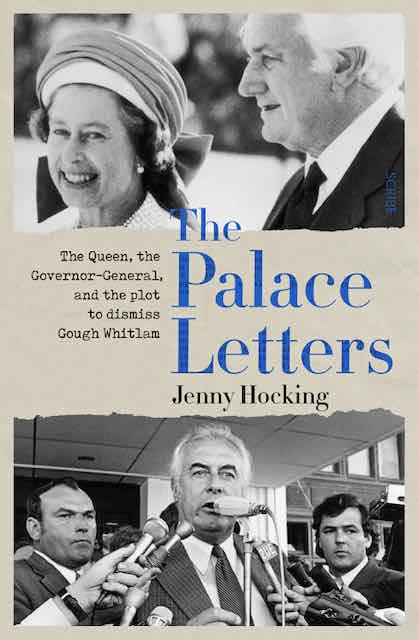
  • On Tuesday, I attended the second Rod Wallace Memorial Lecture, held by the Friends of the National Film and Sound Archive. Our lecturer was Jenny Hocking, whose book, The Palace letters: The Queen, the Governor-General and the plot to dismiss Whitlam, was highly commended for the 2021 award.
  • On Friday, I attended the announcement of the 2023 ACT Book of the Year Award (my post), and the winning book, Frank Bongiorno’s Dreamers and schemers: A political history of Australia, also won the 2023 Henry Mayer Book Prize.

I love it when serendipity strikes like this.

Henry Mayer Book Prize winners to date
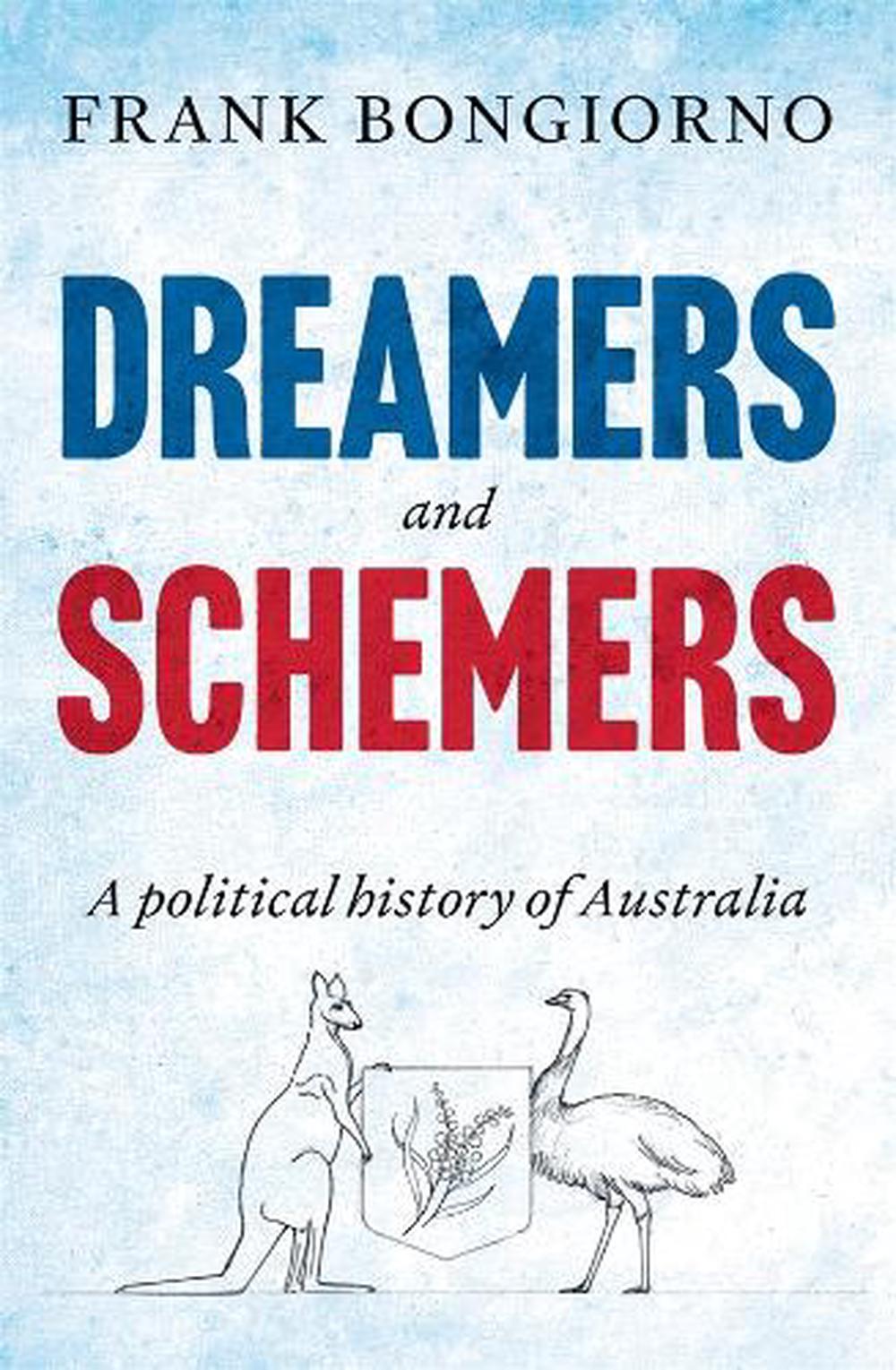
  • 2023: Frank Bongiorno, Dreamers and schemers: A political history of Australia, Black Inc, 2022.
  • 2021: Sally Young, Paper emperors: The rise of Australia’s newspaper empires, UNSW Press, 2019.
  • 2019: Paul Strangio, Paul ‘T Hart & James Walter, The pivot of power: Australian Prime Ministers and political leadership, 1949–2016, Melbourne University Press, 2017.
  • 2017: Sarah Ferguson and Patricia Drum, The killing season uncut, Melbourne University Press, 2016.
  • 2015Stephen Mills, The professionals: Strategy, money and the rise of the political campaigner in Australia, Black Inc, 2014.
  • 2013Paul StrangioNeither power nor glory: 100 years of political Labor in Victoria, 1856 – 1956, Melbourne University Press, 2012.
  • 2011: James Walter, What were they thinking? The politics of ideas in Australia, UNSW Press, 2010.
  • 2009: Sarah Maddison, Black politics: Inside the complexity of Aboriginal political culture, Allen & Unwin, 2008 AND David McKnight, Beyond Right and Left: New politics and the Culture Wars, Allen & Unwin, 2007.

Since 2016, the prize has been alternated with the Crisp Prize, which is offered for a similar topic but with a different qualification -“the best scholarly book on political science by an early or mid-career researcher“, which they define as someone who has graduated with a PhD within the previous 10 years.

How many more specialist book awards are there out there?

Holly Throsby, Clarke (#BookReview)

My reading group’s last book of the year, Holly Throsby’s third novel, Clarke, was a popular end-of-year choice. It’s a straightforward but compelling read that was inspired by a story we were all across, the Lynette Dawson story. Inspired, though, is the operative word, as Clarke is not Lynette Dawson’s story.

For a start, while Clarke’s missing woman disappears in the same decade as Lynette, the 1980s, Throsby’s story is set in a different location (a regional town not a capital city) with a different sort of husband (a physiotherapist, not a teacher). Further, there is some sort of resolution a few years, not forty years, later. This was a wise choice by Throsby. It decouples the story from Lynette Dawson, which encourages us to see it as part of a bigger story. And, setting it in a smaller environment lets Throsby explore regional town life. This latter is one of the strengths of the book.

The novel opens with fifty-something Barney being visited by the police at the house he is renting. They have a warrant to excavate the backyard as the result of their having received new information concerning the disappearance of Ginny Lawson five years previously. Clarke tracks this new police investigation through the eyes of the neighbourhood, primarily Barney, his next-door neighbour Leonie, and Dorrie and Clive across the road. Leonie, Dorrie and Clive all knew Ginny and believe her husband Lou, now living in Queensland, is implicated. They have wanted this investigation ever since Ginny disappeared, but the police at the time weren’t much interested in missing women.

The main joy in reading the novel comes from Throsby’s handling of the relationships between her characters, and the way she conveys how neighbours and communities chat or gossip about and try to second-guess situations like these. They phone each other, visit each other, talk over the fence, and discuss it with their workmates. It’s so realistic, you can hear yourself doing the same over similar scenarios.

It’s a fundamentally tough story – a disappeared wife with its hints of domestic abuse, among other griefs – but Throsby handles it with a light touch, including occasional black humour. Here, for example is Leonie talking to her workmates about some concrete in Barney’s backyard that the police are now excavating. It’s clear that it had been a topic of conversation at the time of the disappearance:

The suspicious concrete’, said Varden.
‘Yes, because that’s what you do when your wife and the mother of your child has just disappeared’, said Leonie. ‘You landscape.’

There is also some subtle wordplay. For example, Ginny’s husband Lou’s “disturbing the dirt and who knows what else” in his back yard after his wife’s disappearance mirrors the disturbance felt by the neighbours. And there are some wonderful descriptions, like Leonie’s on her tricky relationship with her mother: “Leonie remembered the warmth of her mother as a heady storm that blew in fast but never stayed long”. Or on sad Barney: “His skin was kind of grey and rough and reminded Leonie of an egg carton”.

“It would be fantastic to be able to choose one’s memories. It would make life so much more bearable.” (Barney)

There are, as I hinted above, other layers to the the narrative besides the disappeared-Ginny plot line. Barney is no longer living with his wife Deb (but why?) and Leonie has her four-year-old nephew Joe living with her (why too?). Both people, it’s clear, are dealing with some sort of grief. Throsby drip-feeds us their backstories as we get to know them, and as they get to know each other. Dorrie, across the road, provides a voice of reason for Leonie, while also engaging in the neighbourhood speculations about Ginny.

I’ll leave the narrative there, and move onto the form. Clarke is fundamentally a crime story or mystery, but it doesn’t fit those genre expectations. It’s a cold case, but the criminal investigation occurs in the background. There is no protagonist detective, and we only meet the police through their interactions with the main characters. There is, admittedly, an element of the amateur-sleuth cosy-mystery going on. Our main characters do a little of their own “amateur surveillance”, as Barney calls it, and we would, of course, like to know what happened to Ginny. But, the main focus is on what is going on for Barney and Leonie, personally, and whether they will resolve the griefs in their lives that are holding them back. It reminded me of that idea that if you scratch just beneath the surface of most people’s lives you will find a sadness or tragedy.

So, my overall assessment? I thoroughly enjoyed the read. Throsby’s language, excellent characterisation, and authentic evocation of suburban 80s-90s Australia made it a compelling read. However, the twist near the end felt a bit forced, and the ending is a bit neat, albeit there was some restraint. Generally, I prefer edgier books, books that keep me thinking about where they are going. With Clarke, I wondered about what happened to Ginny, whether we’d find out, and whether a relationship would develop between Leonie and Barney, but it didn’t, for example, delve deeply into the fundamental issues that brought about the situation in the first place. As a result, it called more on my emotions than my mind, and I do like both.

Nonetheless, Clarke is an enjoyable read – and I’d happily recommend it to readers looking for generous stories about real people grappling with life’s challenges.

Holly Throsby
Clarke
Crows Nest: Allen & Unwin, 2022
346pp.
eISBN: 9781761185540

ACT Book of the Year Award 2023 shortlist and winner

This year I attended, for the first time, the announcement of the ACT Book of the Year award, which was held at the Woden Public Library. For some reason our award doesn’t get the media recognition or attention that it deserves. Sure, it is not one of the wealthiest literary prizes in the country, and it is geographically limited to local authors, but, we have some impressive authors here. They produce good books that are worth shouting about – within and without the ACT.

The ACT Book of the Year is one those broad-based awards, meaning that it encompasses fiction, nonfiction, plays, and poetry. The award is presented by the ACT Government, and was first made in 1993, making this year its 30th anniversary. The first award was shared by poet AD Hope and novelist Marion Halligan. Halligan has won it three times.

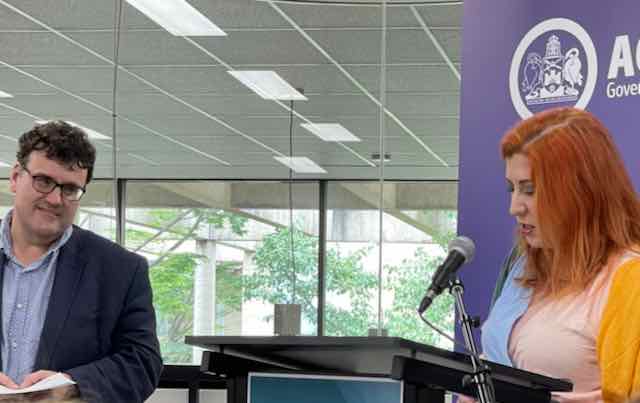
The award was announced by ACT Minister for the Arts, Tara Cheyne. She advised that the winner would receive $10,000, and the highly commended authors, $2,000.

I posted last year on the 2022 shortlist. It had seven finalists from 43 eligible nominations, and comprised a play, a short story collection, a book of poetry, a novel, and three works of non-fiction (two histories and a memoir). The novel, Lucy Neave, Believe in me (my review) won.

The 2023 shortlist was very different. It comprised ALL nonfiction, which Tara Cheyne said was not surprising coming from Canberra, the “knowledge capital”. There were 38 entries – books published in 2022 – and they included books which have been shortlisted in other awards over the last year. The shortlist comprised 6 titles.

The 2023 shortlist and winner

  • Frank Bongiorno, Dreamers and schemers: A political history of Australia (political history; winner of the Henry Mayer Book Prize; shortlisted for this year’s NSW Premier’s History Awards)
  • Robert Bowker, Tomorrow there will be Apricots: An Australian diplomat in the Arab world (memoir)
  • Marion Halligan, Words for Lucy (memoir; on my TBR)
  • Julieanne Lamond, Lohrey (literary criticism; Lisa’s review)
  • Katrina Marson, Legitimate Sexpectations: the power of sex-ed (social science)
  • Niki Savva, Bulldozed: Scott Morrison’s fall and Anthony Albanese’s rise (political history; winner of the the 2023 Australian Political Book of the Year)

Cheyne announced that the judges had made two Highly Commended awards, Marion Halligan’s book which the judges described as ““empathetic … and relatable” and Julieanne Lamond’s which they called, among other things, “immersive”. But, the winner was:

Frank Bongiorno’s Dreamers and schemers: A political history of Australia

Bongiorno, who is one of Canberra’s well-loved and generous academics, spoke briefly. He described himself as an academic historian, but one who believes that academics should be writing “accessible and affordable” books. I liked that he included “affordable” because so many academic books have stratospheric prices which put them out of the market for the general reader. The judges’ statement included that:

Through Dreamers and Schemers Frank Bongiorno has skilfully combined multiple elements to deliver a captivating account of Australia’s political history. The book’s perceptive honesty and contemporary sensibility shine throughout the narrative, providing readers with a fresh perspective on the subject.

With this win, Frank Bongiorno joins Marion Halligan as a three-time winner of the award.

This year’s judges were fiction writer Kaaron Warren, writer Adam Broinowski, and playwright Dylan Van Den Berg.

Big thanks to my reading group friend and Marion Board Member, Deb, for inviting me to join her at the announcement.

Tara Cheyne closed the event by encouraging us all to share “literary joy” in 2024! Couldn’t have said it better myself.

Nonfiction November 2023: Worldview Shapers AND New to my TBR

Once again, I am combining my Nonfiction November weeks because this month has been very busy personally as well as blog-wise.(I did Week 1, on its own, and then combined Weeks 2 and 3).

Nonfiction November is hosted by several bloggers, each one managing one of the weeks. This year, Week 4 – Worldview Shapers is hosted by Rebekah at She seeks nonfiction, and Week 5 – New to my TBR, by Lisa at Hopewell’s Library of Life.

Worldview Shapers

This week the questions relate to the fact that

One of the greatest things about reading nonfiction is learning all kinds of things about our world which you never would have known without it. There’s the intriguing, the beautiful, the appalling, and the profound. What nonfiction book or books have impacted the way you see the world in a powerful way? Is there one book that made you rethink everything? Do you think there is a book that should be required reading for everyone?

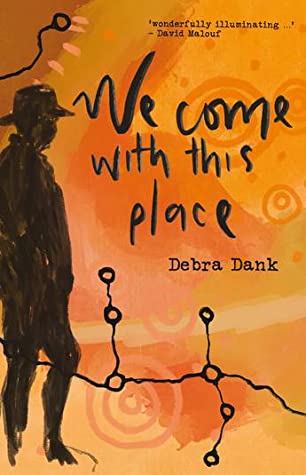
“Everyone” is a big call but I’m going to say it anyhow. I believe that, in the interests of truth-telling (or, is it, truth-receiving) that everyone in Australia should read more First Nations authors, fiction and non-fiction. I have read a few that I’d recommend, starting with this year’s standout read, Debra Danks’ We come with this place (my review), which I have already written about a couple of times this Nonfiction November. As I wrote in my last post, through it, I learnt new things about First Nations history and culture; I better understand this history and culture, particularly in terms of connection to Country; and, as a result, I can better explain and defend my support for First Nations’ people’s fight for fairness.

So, I thought I would add two more books on the topic that I have read in recent years, books that are readable, confronting but also generous in outlook, like Stan Grant’s Talking to my country (my review) and Anita Heiss’s Growing up Aboriginal in Australia (my review). I have read other First Nations nonfiction, but these two provide excellent introductions to the experience of living as a First Nations person in Australia.

Although written by an old-ish white man, my brother Ian Terry, I’d like to add to this list his book published this year, Uninnocent landscapes (my post, review to come), which is part of his truth-telling journey on the impact of colonialism on the Australian landscape, and thus, by extension, on First Nations Australians.

New to my TBR

Our instruction is obvious, to identify any nonfiction books that have made it onto our TBRs through the month (and noting the blogger who posted on that book).

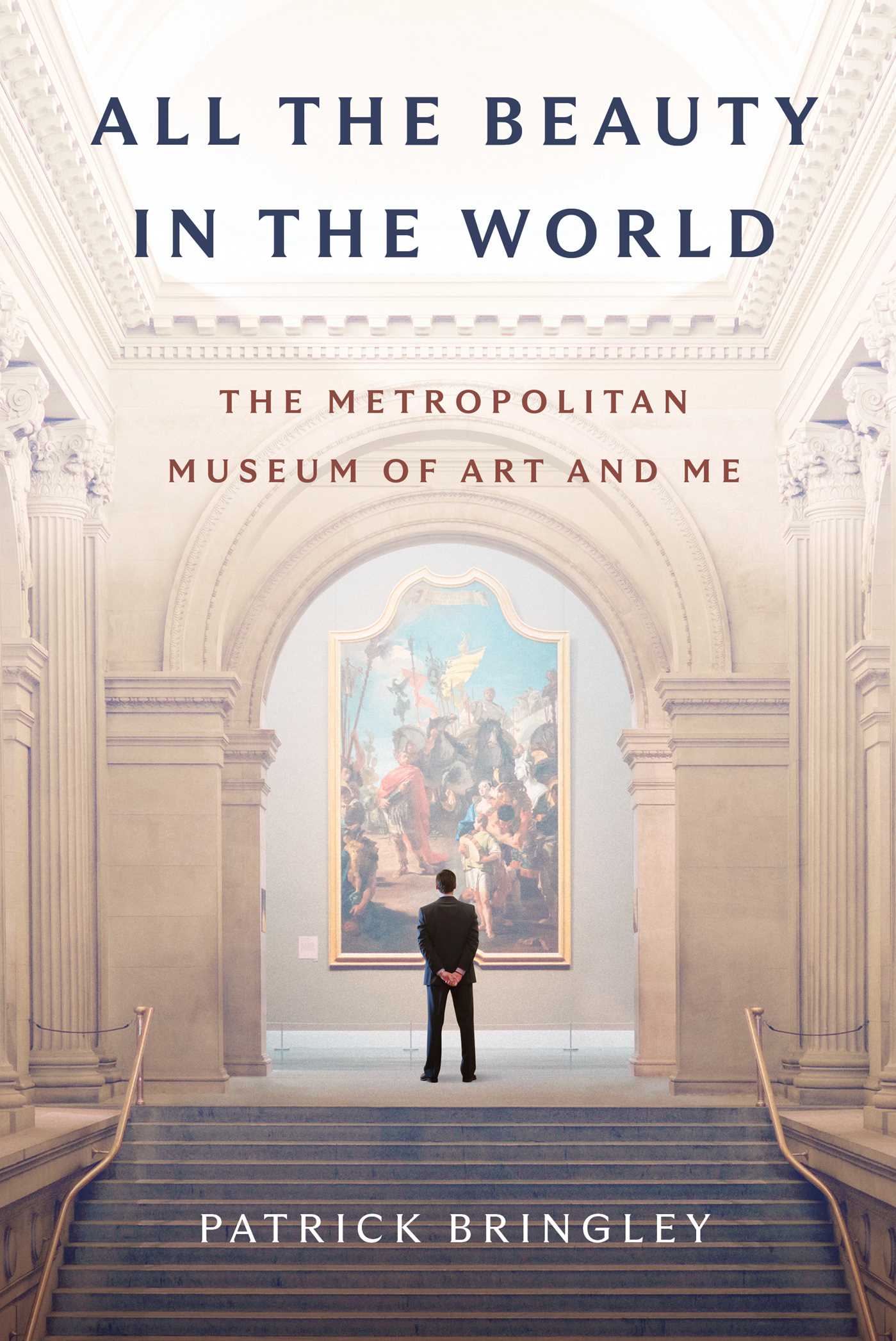
I’m sorry, but I tried very hard not to be tempted as I have a pile of nonfiction books already on my TBR and I’ve read so very few of them this year. I was intrigued though by Patrick Bringley’s All the beauty in the world: A museum guard’s adventures in life, loss and art posted by Frances (Volatile Rune). I love going to museums and galleries, and often wonder about those people who stand guard in the various rooms. Do they like their job? Are they interested in the collections they are guarding? How do they cope with being on their feet for so long? Bringley apparently answers these questions, and many more, including some I hadn’t thought of.

I am also hoping to read in the next few months two recent Aussie nonfiction books, Anna Funder’s Wifedom (which Brona has reviewed), and Richard Flanagan’s just published Question 7. I think that’s more than enough to keep me out of mischief.

A big thanks to the bloggers who ran Nonfiction November this year. I wasn’t as assiduous as I could have been, but I did appreciate reading the bloggers I did get to, and I enjoyed taking part on my own blog in the little way I did.

Any Worldshapers for you? Or, new nonfiction must-reads?

Monday musings on Australian literature: on 1923: 7, Humour

With 1923 nearly over, I’m running out of time to share more of the thoughts and ideas I found regarding Australian literature in 1923 from Trove. This post, I thought to share some of the ideas expressed about humour in Australian literature.

Humour wasn’t always specifically mentioned in 1923 as being a feature of Australian literature, but was mentioned enough to suggest that some, at least, appreciated its use.

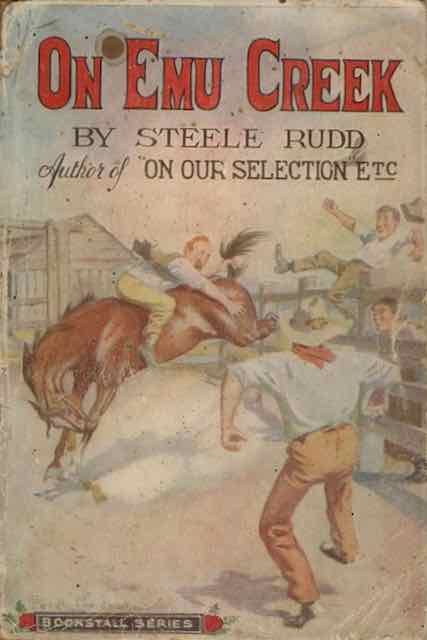
The most frequent mention I found concerned, Steele Rudd, famous for the Dad and Dave stories. He is praised for using humour to make interesting and enjoyable the truths he has to tell about Australian lives. The Queensland Times (2 May) introduced Rudd’s new book, On Emu Creek, and describes it as giving “full play to his whimsical humour, his knowledge of the rural dwellers, and his sympathy with their struggles”. Melbourne’s The Age (5 May) is more measured, but seems also to like the humour, describing it as “an agreeable story, without any affectation of style, and containing points of humor”.

Others, though, are a little less enamoured, with various reviewers qualifying their approval. One of these is J.Penn, writing in Adelaide’s The Register (19 May). There is some satire, he says,

But the main idea of nearly every chapter is someone being knocked over. It is difficult to think of any other humourist who would not seek to find humorous terms in which to describe intendedly humorous incidents. But Steele Rudd is firmly convinced that his readers will find sufficient fun in the mere fact of some one being humiliated or hurt, without the author’s having to worry to hunt for words.

Presumed Public Domain, from the NLA

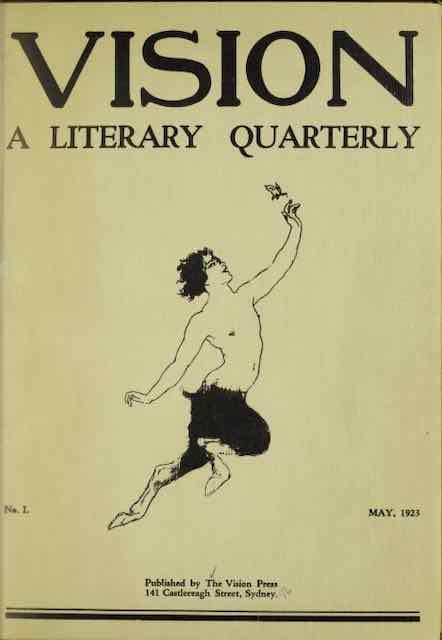
Ouch … This is not to say that J.Penn doesn’t like humour. He clearly likes satire. And, he critiques another 1923 literary endeavour for lacking “gaiety”. It was a literary magazine titled Vision: A Literary Quarterly, that was edited by Frank C Johnson (comic book and pulp magazine publisher), Jack Lindsay (writer and son of Norman Lindsay), and Kenneth Slessor (poet). The quarterly, which only lasted 4 issues, aimed, says AustLit, “to usher in an Australian renaissance to bolster the literary and artistic traditions rejected by European modernists”, but they also wanted to “invigorate an Australian culture they claimed was stifled by the regressive provincialism of publications such as the Bulletin“. 

Anti-modernist in ethos, Vision, continues AustLit, was influenced by “Norman Lindsay’s principles of beauty, passion, youth, vitality, sexuality and courage” and “consistently provided readers with potentially offensive content”. Penn was thoughtful about the first issue:

It is a welcome guest, as giving outlet for a lot of good work which might not find a fair chance elsewhere. But it has three faults, one of outlook, two of detail. Contemplation of sex matters is not the only way to brighten life; yet they constitute quite four-fifths of this opening number.

Not only that, but, he says, ‘while it would seem difficult to be heavy, even “stodgy,” on matters of sex, that feat has been accomplished here’. Indeed, it has “no spark of gaiety”, which is exactly what Norman Lindsay, in the same issue, accuses James Joyce of. (Excuse the prepositional ending!) However, not all of Vision is like this:

The poetry in this volume, by Kenneth Slessor and others, has much of the desired element of gaiety; and a page of brief quotations from modern writers in other countries, with satirical footnotes, is delightful. There remain the pictures. These are as bright and gay as could be wished—a riot of triumphant nudity, in which Norman Lindsay in particular finds full opportunity.

Overall, he feels that “with some judicious editing, this endeavour to brighten Australia should have at any rate an artistic success”. (Also, he does like Jack Lindsay’s “valuable essay … on Australian poetry and nationalism, with a theory that we must get away from shearers and horses”.) 

A very different magazine is one praised for its cheerfulness, Aussie. It ran from 1918 to 1931, and had various subtitles, The Cheerful Monthly, The National Monthly, and The Australian Soldiers’ Magazine. I had not heard of it before, but AustLit once again came to my rescue. Created for soldiers in Europe, most of its early contents came from them, and comprised, says AustLit, “jokes, anecdotes, poems and drawings” which reflected “the character (most likely censored) of the Australian soldier in World War One”. In 1920, it was revived as a civilian magazine, but “the humour … was maintained”. Now, though, its contributors were established writers and artists, like AG Stephens, Myra Morris, and Roderic Quinn. I found a review of a 1923 issue in The Armidale Chronicle (19 September). It is unfailingly positive, telling its readers that “every page of Aussie breathes cheerfulness, and there is not a joke, a picture, or a story that fails to portray some phase of Australasian humor”. I wish it described what it meant by “Australasian humor” but the word it uses most is “cheerfulness”. This perhaps makes sense, given AustLit’s assessment that “it maintained its position between political extremes, addressing the views of a predominantly middle-class audience”. 

Humour is also mentioned reviews of books for children, such as The sunshine family, by Ethel Turner and her daughter Jean Curlewis. It is described in the Newcastle Morning Herald and Miners’ Advocate (14 December) as having “rare good humour”, but is that unusual for a book for children?

The descriptions of the 100 books chosen by AG Stevens for Canada, that I wrote about earlier this year, include several references to humour – in fiction, such as EG Dyson’s 1906 Factory ‘ands, with its “brilliant satirical humour”; in children’s books, like C Lloyd’s 1921 The house of just fancy, whose pictures “have quaint loving humour”; and in much of the poetry, including JP Bourke’s 1915 Off the bluebush, which contains “verses of sardonic humour”.

Humour is such a tricky thing – from the sort of situational humour in Rudd’s On Emu Creek, through the apparent “cheerfulness” of Aussie, to the more satirical humour liked by J.Penn – but unfortunately, most of the references I found don’t analyse it in much detail. I will keep an eye out as we go through the years.

Meanwhile, do you like humour in your reading? And if so, what do you like most?

Other posts in the series: 1. Bookstall Co (update); 2. Platypus Series; 3 & 4. Austra-Zealand’s best books and Canada (1) and (2); 5. Novels and their subjects; 6. A postal controversy

Novellas in November 2023: Week 4, The short and the long of it

This week’s question is the Novella version of Nonfiction November’s Book Pairings. It goes like this

Pair a novella with a nonfiction book or novel that deals with similar themes or topics.

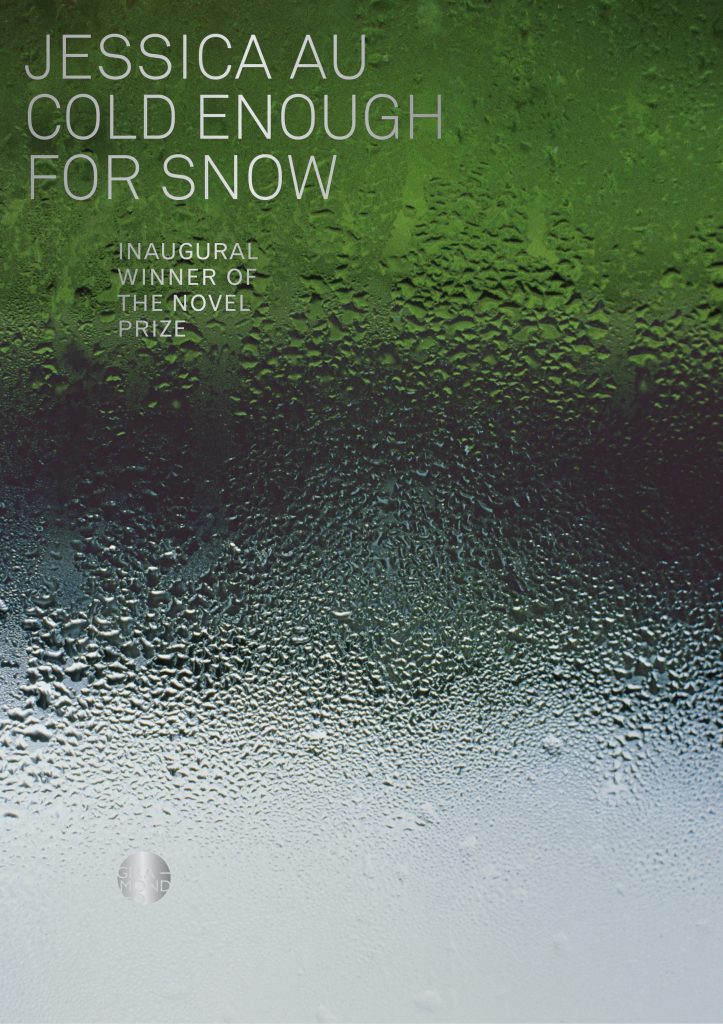
I am doing several pairings with Jessica Au’s novella Cold enough for snow (my review), because although it’s a “little” book, it’s so rich.

  • Mother-daughter trip instigated by a daughter, novella-novel pairing: Larissa Behrendt’s novel, After story (my review), is about a daughter taking her mother on a literary tour of England. Behrendt’s novel, however, had a clearer resolution than Au’s complex “little” book in which the issues to be resolved are more subtle and internal.
  • Mother-daughter migration stories, novella-memoir pairing: I’m pairing three books here, Susan Varga’s Heddy and me (my review), Anna Rosner Blay’s Sister, sister (my review), and Halina Rubin’s Journeys with my mother (my review). These three hybrid biography-memoirs are all about post-war migrations, and in each the daughter is challenged by her mother, though in different ways. Sometimes it’s that the mother is hesitant to share a painful past, while in others the mother is a challenging personality. In Cold enough for snow, the issue seems to be a sense of distance or difference that the narrator feels with her migrant mother, and their respective expectations, and a desire to work that through.
  • Mother-daughter disconnect, novella-novella pairing: Elisa Shua Dusapin’s Winter in Sokcho (my review) is about a daughter who struggles to live up to her mother’s expectations and those of the society she lives in. Both daughters seem uncertain about their relationship with their mothers, and both have decisions to make about the way forward in their own lives. Both novellas have open endings.
  • Daughters questioning their relationships with their mothers, novella-memoir anthology pairing: Rebellious daughters (my review), edited by Maria Katsonis and Lee Kofman, contains stories about rebellions against mothers (and also some against fathers and grandmothers). Not all are resolved but as I wrote in my post, in most of the stories, age and experience eventually bring rapprochement: daughters come to understand their mothers (or whomever) a little more, while their mothers likewise learn to accept the daughter they have. In Au’s book, there is a sense that the daughter has come to understand her mother more but also to understand that there are limits to this understanding.

Do you have any pairing ideas?

Written for Novellas in November 2023

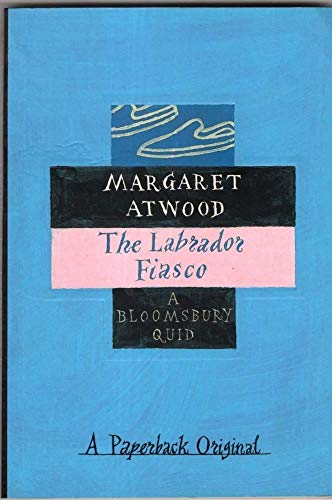
Margaret Atwood, The Labrador fiasco (#Review)

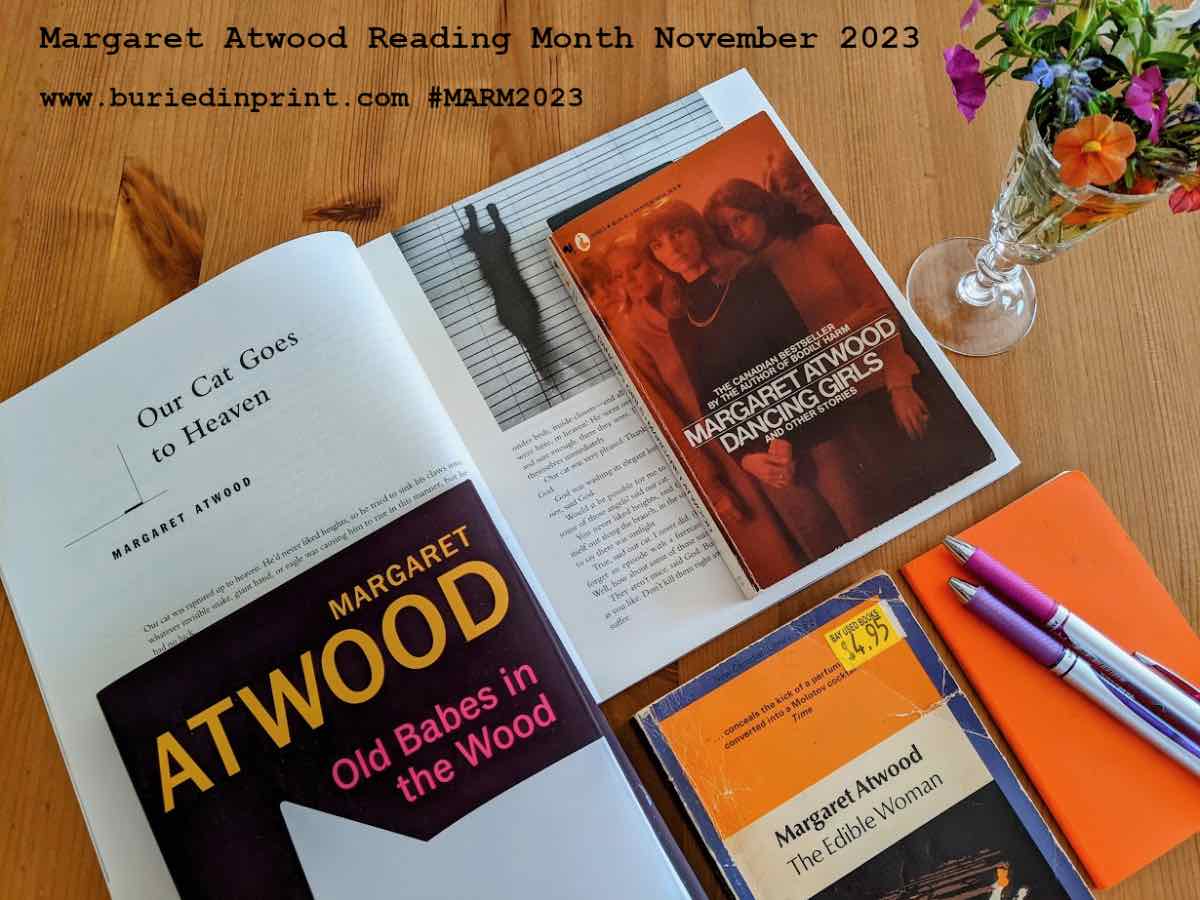
Although I am an Atwood fan from way back, I haven’t, to date, taken part in Marcie’s (Buried in Print) MARM (Margaret Atwood Reading Month) event. But I promised her I would this month, albeit with just one little short story probably, this one. I have had The Labrador fiasco on my “little book” TBR shelf since it was produced as a Bloomsbury Quid back in the 1996. I have no idea why I have not read all my little books, but, there you go!

Most of you will know Margaret Atwood (b. 1939). I read several of her books before blogging – including her dystopian novel, The handmaid’s tale; her historical fiction novels, Alias Grace and The blind assassin; and her more contemporary novels Cat’s eye and The robber bride – and I have more on my TBR. But, I have only reviewed her twice here, her novella, The Penelopiad (my review), and her recent poetry collection, Dearly (my review). Now, I bring you a short story. This woman is versatile.

As far as I can tell, “The Labrador fiasco” was first published in this edition. Many of my “little books” comprise previously published short prose works, but this doesn’t seem to be the case here. I have three other Bloomsbury Quids, two of which were previously published, with the other, Nadine Gordimer’s Harald, Claudia and the son Duncan (my review), also seeming to have been first published as a Quid. Interesting, but not relevant to my discussion of Atwood’s story, so let’s move on. The Quids, though, are gorgeous little books.

“The Labrador fiasco” is a “story-within-a-story” story. (Ha!) The framing story concerns the narrator and her aging father and mother. (The narrator’s sex is not provided, but let’s go with female as Atwood is female.) The father, in particular, is declining, having experienced a stroke six years before the story’s opening. It is told first person by the daughter, who regularly visits her parents.

The story within comes from Dillon Wallace’s The lure of the Labrador wild, published in 1905. Wallace was, says Wikipedia, “an American lawyer, outdoorsman, author of non-fiction, fiction and magazine articles” and this, his first book, was a bestseller. It tells of an exploratory trip through Labrador undertaken by Wallace and a man called Leonidas Hubbard, with their Cree Indian guide, George. The Cree bit is important as the Cree are not from the region they were travelling in. Anyhow, the aim was to explore a part of Labrador that hadn’t been explored by Europeans, with Hubbard wanting to “make his name”. However, as Wikipedia (and Atwood’s story) explains, they took the wrong river from the start, with tragic consequences.

Atwood’s story opens with:

It’s October; but which October? One of those Octobers, with quick intensities of light, their diminuendos, their red and orange leaves. My father is sitting in his armchair by the fire. He has on his black and white checked dressing gown, over his other clothes, and his old leather slippers, with his feet, propped up on a hassock. Therefore it must be evening.

There’s so much going on here, besides the gorgeously structure sentences. We are immediately put on the back foot with “which October”, and “it must be evening”, but at least the father is very much present. The uncertainty suggests that the story is being told from a later time. Whichever October it is, however, it is autumn – or fall – and that means the season of decline. Within a couple of paragraphs, we learn of the father’s stroke, and know he is declining. But, the question, “which October”, also hints at the October in the Wallace-Hubbard story when things have really started to sour – because not only is it cold of course, but our explorers have taken the wrong route and are running out of supplies.

This is the set up. As the story progresses, the narrator’s father, who was an experienced outdoorsman himself in his day, provides a running commentary on the explorers, with the narrator adding her own layer. “They took the wrong supplies”, the father says, pleased because he would have known what to take. However, our narrator wonders “what supplies could they have taken other than the wrong ones” … “No freeze-drying then” or “nylon vests”, for example.

“harsh and unmarked and jumbled”

What Margaret Atwood does in this story, then, is parallel the deterioration in the condition of the explorers as their expedition goes awry, with the narrator’s father’s decline as he ages. The explorers leave things behind, their feet suffer because they don’t have effective footwear. The father leaves hobbies behind, and says his feet are too sore to walk. The father thinks he would have done the expedition better, but he faces his own “forest” and in fact, like the explorers, he and his supporters are not fully equipped to deal with it.

And so it goes. In under 40 (very small) pages, Atwood combines commentary on a failed (colonial) expedition, conveying the poor planning and hubris of those involved, with a tender family story of an adult child and mother coping with a failing father. To do this she calls on her obvious love and knowledge of Canada’s history and “wilderness” (a contested term now, I know), and her keen interest in humans and how our lives play out.

We are all explorers, I think Atwood is saying, and the way, at least some of the time, can be “harsh and unmarked and jumbled”. It takes all our energy to traverse it. Good planning and the help of others can ease the way, but in the end, we each have to do it on our own. A clear-eyed, clever and tight story with an ending that encompasses genuine warmth with an acceptance of life’s realities. Beautiful.

Read for MARM 2023

Margaret Atwood
“The Labrador fiasco”
London: Bloomsbury, 1996 (A Bloomsbury Quid)
64pp.
ISBN: 9780747528890
Available online at Independent, 1996

Monday musings on Australian literature: Your 7-year-old self

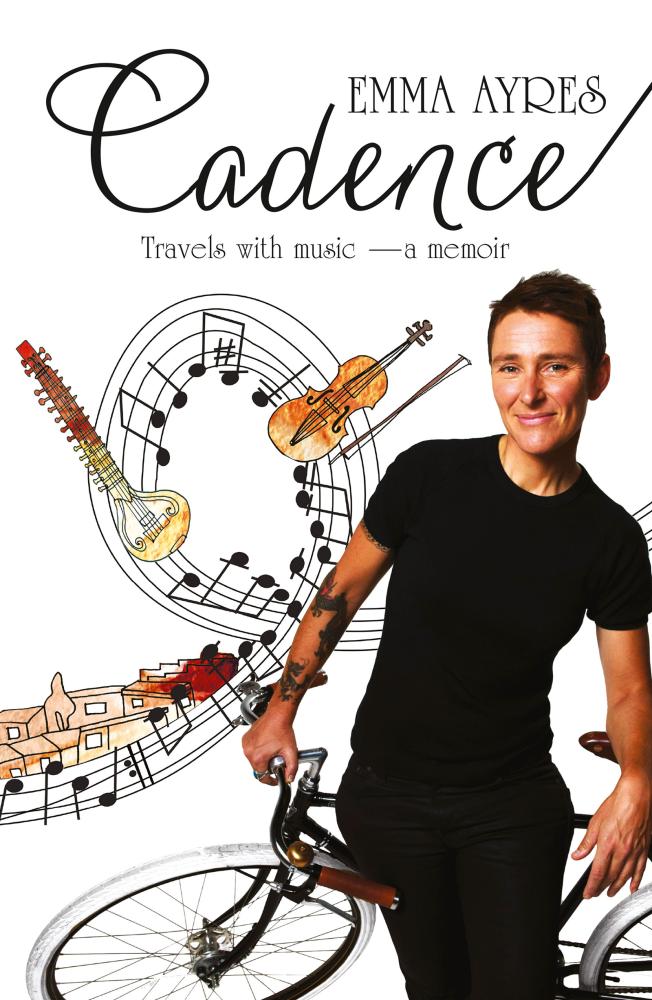
Emma Ayres, Cadence

Ok, I admit it. This post’s link to Australian literature is tenuous, but there is a link, even though it’s not the subject of this post. The link is that the person who inspired this post, Ed Le Brocq, previously known as Emma Ayres, has written several books – memoirs, mostly – of which I’ve read and posted on one, Cadence. Since then, as Eddie/Ed Ayres and Ed Le Brocq (married name), he has published Danger music, Whole notes and Sound bites. None of these, however, have much to do with this post, though they all interest me.

Ed Le Brocq became known to many of us – starting back when he was Emma – as a radio announcer on our ABC Classic FM. She was hugely popular. Since then, she left radio, travelled some more, transitioned to Ed, and in 2019 returned to ABC Classic FM, doing the Weekend Breakfast show. I often listen in. This last weekend, he told a little story and asked us a question – and I thought, for a change of pace, that I would ask it of you too.

The story goes this way – but needs a little explanation first. As well as radio announcing, Ed Le Brocq performs music, and teaches it – the viola and cello. The story concerns a lesson he was conducting recently from his garage because his usual venue in a school wasn’t available. A mother walked by with her 7-year-old son and apparently the son was attracted to the music. He came into the garage, and asked, “What’s that you’re playing?” and, on being given the answer, said, “I want to play that too”. He will start lessons next year – on one of those two stringed instruments.

Ed was fascinated by the child’s recognition of something that he really wanted to do, and asked the radio audience whether they knew around that age what they wanted to do – and whether they’d done it. So:

Did you realise when you were around 7 years old (give or take a couple of years) what your interest or passion was, and is that what you ended up doing in some way or another?

It seems I did. When I was around 5, my father was President of the local Apex group (a service organisation roughly like Lions and Rotary). I was fascinated by his papers, and am reported as saying, “When you die, can I have your Apex stuff?” Jump a few years to when I was around 11, and I remember myself creating a little neighbourhood library, complete with Date Due notations in the back of my books. Around the age of 14, I encouraged my sister to help me write an encyclopaedia, starting with one article per letter (though we didn’t get far because adolescence hit!)

Is it any wonder that I ended up being a librarian-archivist – and that it was a career I loved?

Now, over to you …

Novellas in November 2023: Week 3, Broadening my horizons

This week’s question is new to me, and I like it. It goes:

Pick your top novellas in translation and think about new genres or authors you’ve been introduced to through novellas.

I love this question because it feels like I’ve read almost more novellas in translation than English language novellas. Is this because translation is such a difficult and expensive task that publishers tend to commission translations for shorter books more than for longer ones? But no, I don’t really think so. Just look at all those big Russian classics that have been translated – and translated more than once. My guess is something more simple, that perhaps some literary cultures value novellas more than others.

This idea is supported by something I read only a few months ago in Trove. The article, which appeared on 6 July 1907 in Sydney’s The Australian Star, cites an English writer named Basil Tozer, who had made a “plea for shorter novels”. He commented that

The habit of loading a story with indifferent descriptive passages still prevails to a great extent, though it might with considerable advantage be dispensed with. A beautiful woman loses her charm when every good point she possesses, from the creamy smoothness of her complexion to the alluring, curve of her eyebrow, is described separately and in detail; and in the same way a glorious scenic panorama metaphorically falls flat when every square mile of it is analysed and dissected. 

He says these “faults” are “commonest among young writers” but also occur “among some of our novelists who have served a long apprenticeship”. He doesn’t name these offending writers, but he does name the opposite, French writers like Daudet, Hugo and de Maupassant, whose writing includes no “superfluous verbiage”. These are, he admits, three of France’s most polished fiction writers, but even “the rank and file” French novelists “seldom err upon the side of overloading their work with unnecessary vocables and third-rate descriptive passages”. He argued that British novels would be strengthened if they were more condensed. That was over 100 years ago, but I wonder – without much evidence to support it – whether there really is something cultural in this?

Whatever … I can say that of the translated fiction I’ve read over the years, novellas represent a large proportion. This started way before blogging, and is not because I specifically chose to read novellas. They just seemed to be the books most often recommended to me.

So, before blogging, my favourites included Albert Camus’ The outsider (French, and which I did first read in French, as L’étranger, at school), Alexander Solzhenitsyn’s One day in the life of Ivan Denisovich (Russian), and Gabriel Garcia Marquez’s Chronicle of a death foretold (Colombian). These three have stuck with me over a long time. Marquez’s has such a mesmerising opening, “On the day they were going to kill him…”

Since blogging, I have read so many compelling translated novellas that I find it hard to choose, but I’ll name three, in alphabetical order by author, that have captured my interest:

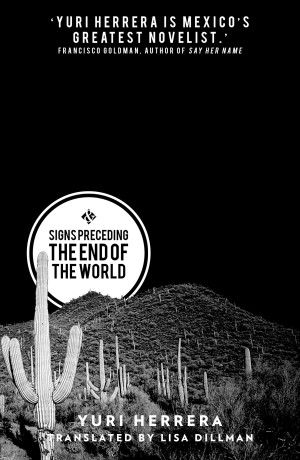
Yuri Herrera, Signs preceding the end of the world
  • Yuri Herrera, Signs preceding the end of the world (Mexican, my review), because it deals with the Mexican-USA migration issue, but with an almost mythical tone that overlays it with a bigger story about crossings and transitions.
  • Patrick Modiano’s Sundays in August (French, my review), because of the carefully structured journey we are taken on, one that leaves us at the end with so many questions to think about, while also revealing enough about what had happened that we know its impact on the protagonist.
  • Sayaka Murata’s Convenience store woman (Japanese, my review), because of the way Murata gets into the head of her mystified outsider in a culture that values conformity.

I found it hard limiting myself to three but, it had to be done or I’d go on forever.

In terms of how these have broadened my horizons, well, there’s the obvious thing to do with reading different cultures. Herrera’s and Murata’s books deal with issues I know to be significant in their cultures, but it means something to read about them from artists working within the culture rather than from the perspective of the news. Modiano’s exploration of disappearance, loss and memory is less obviously a specifically French issue, but it does I think have roots in a postwar European sensibility.

Each book uses the novella form a bit differently, but each is characterised by a sustained tone which can denote a novella. By this I mean that novels, being longer, will often vary the tone because not to do so could become oppressive, whereas the intensity of a sustained tone (whatever that tone may be) is part of what makes a novella. I’m generalising of course, but this seems to be the case in the novellas I love.

As for the other part of the question. I don’t think I’ve been introduced to new genres through novellas, just to different ways of writing those genres, but I have certainly been introduced to many great new writers – like the three above, for a start. But, moving away from translation, I have been introduced to other writers too through their novellas, such as Edith Wharton through her intense Ethan Frome. From that introduction, I went on to fall in love with Edith Wharton.

Novellas … any whichway, I love them.

What about you?

Written for Novellas in November 2023

Finlay Lloyd 20/40 Publishing Prize 2023 Winning Books Launch with Conversation

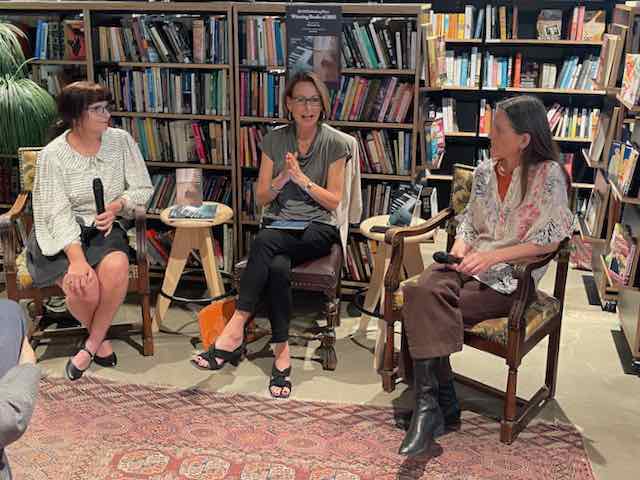
I have written about Finlay Lloyd’s 20/40 Publishing Prize a few times now, so I hope I’m not imposing too much on your precious time. However, this weekend was the launch here in Canberra, and it involved a conversation led by a favourite Canberra journalist, Virginia Hausseger, with the two winning authors. I had to go.

The participants

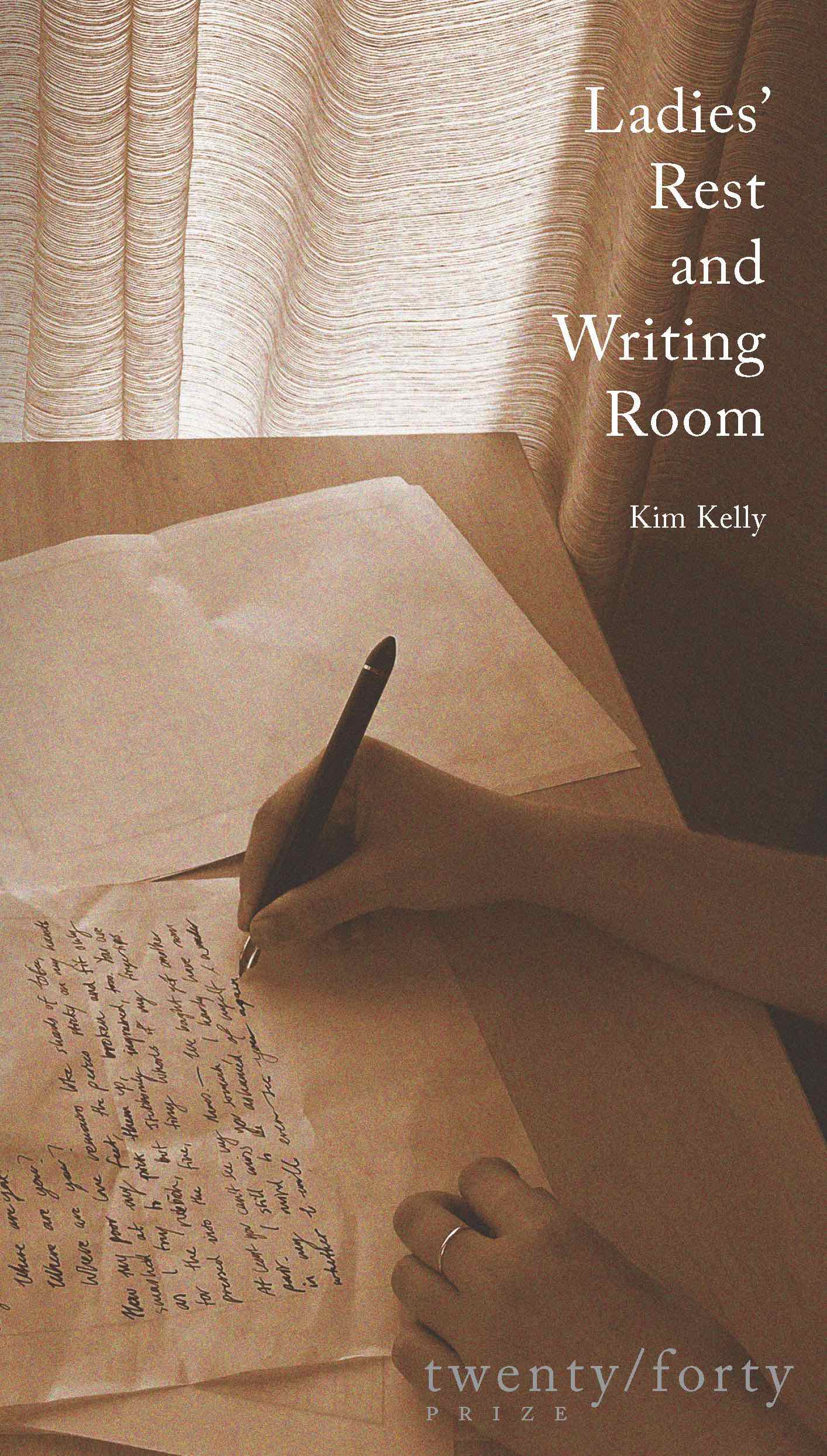
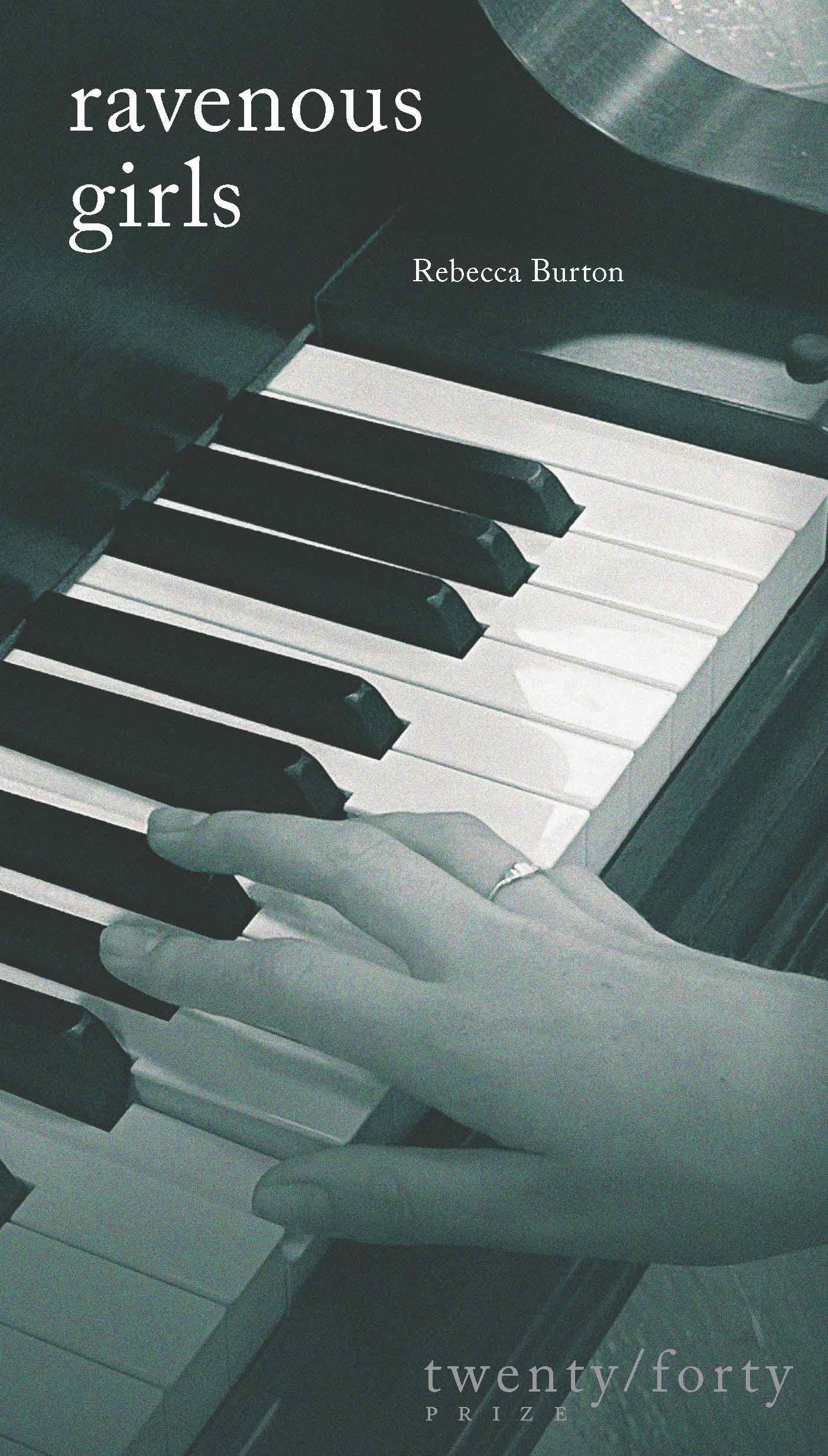
Rebecca Burton and Kim Kelly are the two winners, and I’ve introduced them before, so just to recap, Burton is an editor and author of two young adult novels, while Kelly is also an editor and the author of twelve adult historical fiction novels.

Virginia Hausseger is, to use Wikipedia’s description, an “Australian journalist, academic advocate for gender equity, media commentator and television presenter”. She is well-known to Canberra audiences, having been our local ABC news presenter from 2001 to 2016.

Julian Davies did the introductions. He is the inspiring publisher and editor behind Finlay Lloyd, a company he runs with great heart and grace (or so it seems to me from the outside.)

The conversation

Before the conversation started proper, Julian provided some background to the prize. Human nature, he said, seems drawn to large things. Why else would we have things like the Big Potato! What is it about large things? He sees it related to the “tussle between quality and quantity” and thinks there’s something problematic in our tendency to admire the grand and overlook the miniature. (Yes!) He believes restrictions can liberate writers, and sees the novella form as perfect for this. It can encourage succinctness while allowing room for development. I don’t expect he had any argument about that in the room.

He reminded us that it was judged blind (by two old men and three young women). That it was won by published writers shows that those who have developed their craft are likely to shine through.

Then, Virginia took over …

On their novellas

Kim described her novella with beautiful succinctness saying it was set in 1922 Sydney in the wake of World War 1, just as the city was starting to wake up. It’s about grief, and about how recognising pain in the other leads to the young women rescuing each other. She added a little later that many novels have been written about the War, but not so many about after it, and even fewer about young women’s experience of that time.

She has written three novellas, and “kind of” knows at the beginning which form the story will be. The impetus for this one was wanting to impress a potential PhD supervisor. While researching Trove she saw the ad for the Room (which she included as an epigraph.) Virginia remarked that the closing pages set up a whole new story.

Rebecca said that hers was about two teenage sisters over six weeks of summer in 1986. The old sister, who is anorexic, has been admitted to hospital for bed-rest, and the younger sister visits her daily. It’s about what the sisters learn about each other, and the impact of this condition on the family.

She said that she hadn’t set out to write a novella, but she is comfortable with a word length which is shorter than the standard novel. Then she saw the prize! Writing adult fiction is a new genre for her, but she had stopped reading YA fiction and adores literary fiction. A friend suggested that she write what she reads. Sounds good advice to me.

On Ladies Rest and Writing Room

Kim explained that rest and writing rooms “were a thing” in the late 19th and early 20th centuries, for men and women. What is special about hers is that it was in a department store, and how it was advertised.

Dotty’s grief comes out in shopping addiction and behaving as though she had a death wish. She is so tied up in herself that she doesn’t notice her old schoolmate Clarinda. The book is built around the moment of recognition, that is, when Dotty “sees” Clarinda.

When Virginia commented on how well the “story gallops along” while still being “tight, descriptive, elegant”, Kim said that was the “magic of editorial process”. Also, she said, she knows that Sydney well.

On Ravenous girls

Answering where her story came from, Rebecca said that it was a story she had to write. Frankie had been with her for a long time, and a story about her childhood kept coming to her. The trickiness was not so much the 1986 summer story, but managing the way the time telescopes at the end. She wanted to nod at the years that go by after someone comes out of hospital.

When Virginia commented on how well she’d handled the scene of another girl post-hospital, providing an alternative glimpse of how it goes, Rebecca said she wanted to tell other stories because every story is different.

Young Frankie loves her sister, but is bewildered. An enlightening moment for her is when she realises that sister Justine is the only one allowed to suffer, that her own pain is not seen. She realises that the story she’s been told is not right. Hers is a story of loss, grief, sadness. She’s left to her own resources, and because her older sister is sick, she’s left with no role model.

As for Justine, she uses hunger to mute her desires. Rebecca said that her working title was Yearn, and quoted that great line from the novella, “I don’t want to want the things I want”. Justine feels shame for wanting things, and so starves herself for wanting them.

On the physical process of writing

Kim throws her whole self into a new project, trying to get it all down before she loses her emotional or imaginative connection. Then she goes away, coming back some time later to a “full tub of play dough” that she can then mould. She is able to quarantine the time to work this way because as a freelancer she can manage her time. She loves to be free to fly through the story.

Rebecca has a very different more measured process. She works part-time to a set roster, so has a “chipping away” process. Since her new job, she has created a ritual involving getting up an hour earlier than usual, making a cup of tea and writing for an hour. This helps her manage the peaks and troughs that happen with writing. If things go badly she can get up and go away, leaving it for the next time, and if they go well, she can get up feeling good! It’s important for her not to get obsessed with writing.

On the editing process

Rebecca said for her it went structural edit, then copy edit, then the final proofread. The delight of working with small publisher was that time was allowed for growth.

Kim seconded Rebecca’s comment about the delight of working with Julian, who “cares about words and ideas”. In her worklife as commercial fiction editor, time is of the essence, so she luxuriated in the “nurturing” experience of working with Julian.

On what’s next

Kim’s next project is her PhD, which will include a story about an ancestral grandfather who intersects with Dickens. It’s an idea she has had for a long time, but she will need to try Rebecca’s “chipping away” approach for this!

Rebecca has these characters in head, and wants to see these young girls into adulthood. This could mean three related novellas, the next set in 1993 with Justine in recovery and in her first relationship. She wants to explore recovery because some never move beyond “functional recovery”. The third book she’d like to be about Frankie in her 30s or 40s to see how things have worked out for her. Some of these futures are hinted at in Ravenous girls.

Virginia was an excellent, well-prepared and enthusiastic interviewer. She knew the books well and showed genuine interest in them and their authors.

There was no Q&A which suited me, as I had to rush off to get to my monthly Jane Austen meeting where we were to discuss the up-and-comers in Austen’s novels. However, I did have a very brief chat, as I was leaving, with the other “old man” judge, John Clanchy whose writing I love and who had commented on my recent novella post. He talked about his interest in the form and the choices writers need to make when working within it, such as which characters or stories to develop and which to leave by the wayside.

The Finlay Lloyd 20/40 Publishing Prize Winning Books of 2023 Launch
Harry Hartog Booksellers, Kambri Centre, ANU
Saturday, 18 November, 12.30-1.30pm