With two shortlists being announced on the heels of each other, I thought I would combine them into one post, so here goes …
Stella Prize Shortlist
The Stella Prize shortlist was announced this morning and is, I suppose, a bit of a surprise for me – though I haven’t read the books so I have nothing to base that on. I was hoping Ellen Savage’s Blueberries, Nardi Simpson’s Song of the crocodile and Elizabeth Savage’s Smart ovens for lonely people would be in the list as they are on my TBR or I’m keen to read them. However, besides the Stella judges, I have it on good authority from other bloggers that many of the books below are excellent reads, so … on with the show … and I’ll see what I can read!
The shortlist

- Rebecca Giggs’ Fathoms: The world in the whale (non-fiction) (Brona’s review)
- SL Lim’s Revenge (fiction) (Lisa’s review)
- Laura Jean McKay’s The animals in that country (fiction) (Kim’s Reading Matters review)
- Louise Milligan’s Witness (non-fiction)
- Mirandi Riwoe’s Stone sky gold mountain (fiction) (on TBR; Kate’s mini-review)
- Evie Wyld’s The bass rock (fiction) (Theresa’s review)
Stella’s Executive Director, Jaclyn Booton makes a political point – which is very Stella!:
As recent events have shown, there’s significant cultural change needed in this country to ensure women’s voices are heard. Books can be a tool for positive social change – I encourage everyone to seek out these books and delve into the stories and perspectives within.
The judge’s chair, Zoya Patel, says:
“The 2021 Stella Prize shortlist truly demonstrates the immensity of talent in Australian women and non-binary authors. This shortlist is varied, diverse, and reflects on urgent themes across the gamut of human experience.
To read the judges on each of the shortlisted books, do check out the Stella website.
The winner will be announced on April 22.
NSW Premiers Literary Awards
Unlike the Stella, these awards comprise several categories, but I’m just going to share the two fiction ones.
The Christina Stead Prize for Fiction
- Kate Grenville’s A room made of leaves
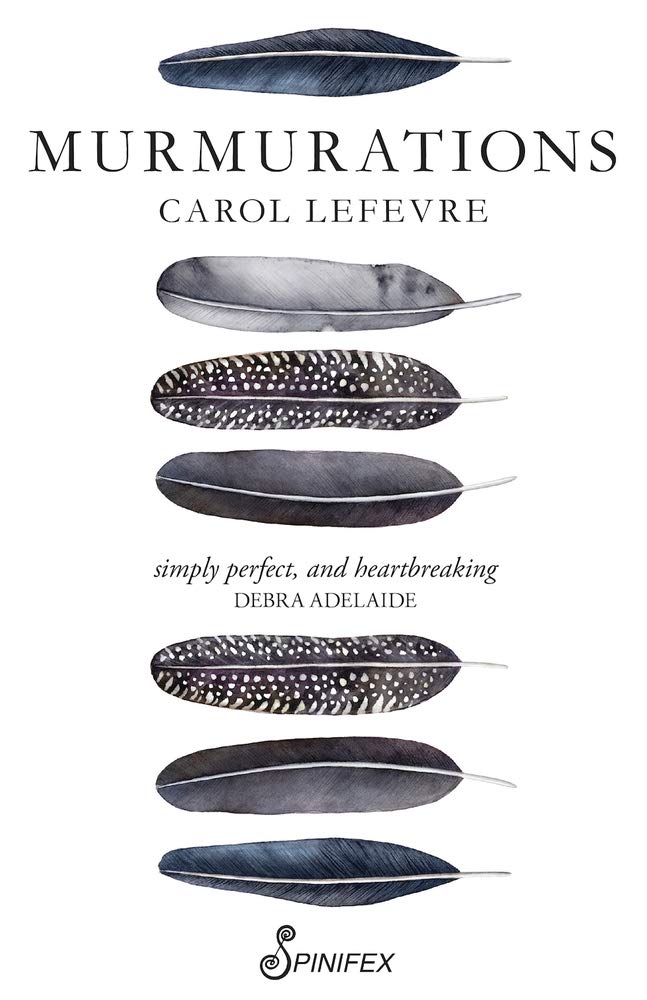
- Carol LeFevre’s Murmurations (my review)
- Laura McPhee-Browne’s Cherry Beach
- Pip Williams’ The dictionary of lost words
- Charlotte Wood’s The weekend (my review)
- Evie Wyld’s The bass rock
UTS Glenda Adams Award for New Writing
- Erin Hortle’s The octopus and I
- Laura McPhee-Browne’s Cherry Beach
- Sean O’Beirne’s A couple of things before the end
- Nardi Simpson’s Song of the crocodile
- Madeleine Watts’ The Inland Sea
For more categories in these awards, and links to her own and other bloggers’ reviews, please see Lisa’s post on them.
Any comments?
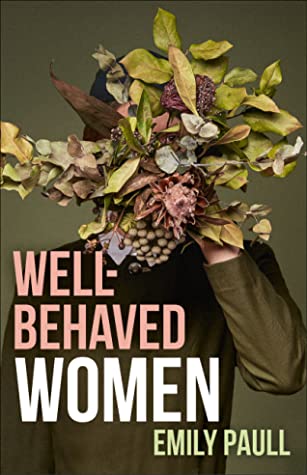
 The eagle-eyed amongst you will realise that it is not the sex of the writer that’s relevant here (nor, in fact, the genre). This award is for books about women and girls – and so can be written by anyone of any sex – but it must also present them in a positive or empowering way. I wrote a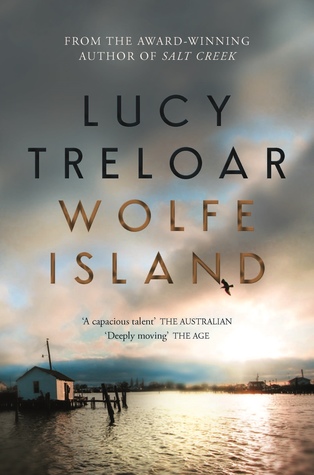


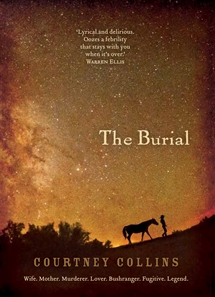
 I haven’t been able to find anything about the 2020 Military History Prize, so am not sure about its continuation or, at least, its being awarded this year.
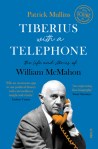 The overall winner, announced last night, 28 August, is Patrick Mullins’ Tiberius with a telephone: The life and stories of William McMahon. I attended and
 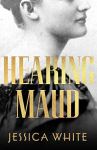 The winner of the Michael Crouch Award for a Debut Work was Jessica White’s Hearing Maud, which I have reviewed here (see link above). In her acceptance speech, White talked about how no-one listened to Maud (daughter of Australian novelist Rosa Praed) while she was alive, and that in paralleling Maud’s experience of profound deafness with her own, a century later, she wanted to show that little had changed in terms of discrimination and “the expectations that we hide our deafness.” I attended and
  Whispering Gums