I didn’t report on this biennial award in 2022, but with the 2024 shortlist just having been announced, and my having read half of them, I am reminding us all again of this interesting award. Worth $50,000, this award, for those of you who don’t remember it, has very specific criteria:
“the best novel written by an Australian author that depicts women and girls in a positive way or otherwise empowers the status of women and girls in society”.
What this means is that it is not the sex of the writer that’s relevant here (nor, in fact, the genre). This award is for books about women and girls – and so can be written by anyone of any sex – but they must present women and girls in a positive or empowering way. I wrote a Monday Musings post about this “positive or empowering” requirement a few years ago.
This year’s shortlist of six books are all by women, but you’ll see that a male writer, Tony Birch, is among the highly commendeds.

- Gail Jones, Salonika Burning (Text Publishing) (my review)
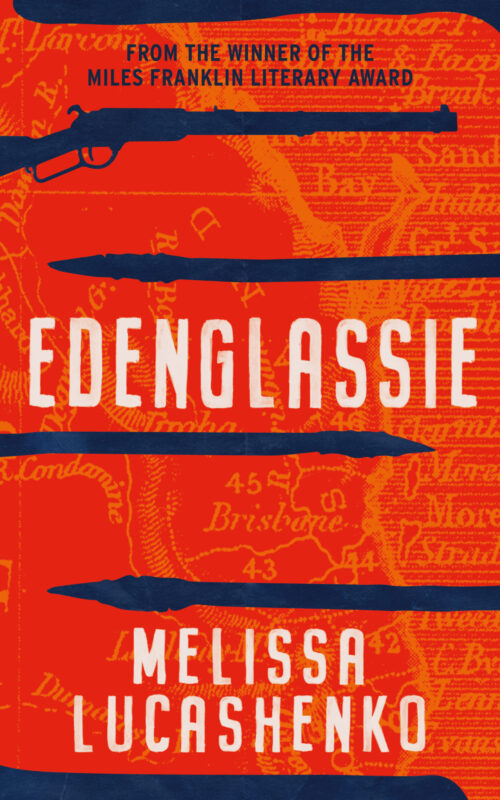
- Melissa Lucashenko, Edenglassie (University of Queensland Press) (my review)
- Miranda Riwoe, Sunbirds (University of Queensland Press)
- Sara M Saleh, Songs for the dead and living (Affirm Press)
- Lucy Treloar, Days of innocence and wonder (Pan Macmillan Australia)
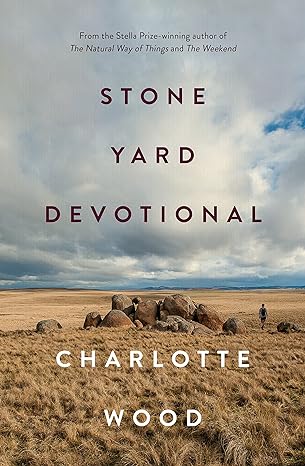
- Charlotte Wood, Stone Yard devotional (Allen & Unwin) (my review)
This year, the judges also named three Highly Commended titles:
- Tony, Birch, Women & children (University of Queensland Press)
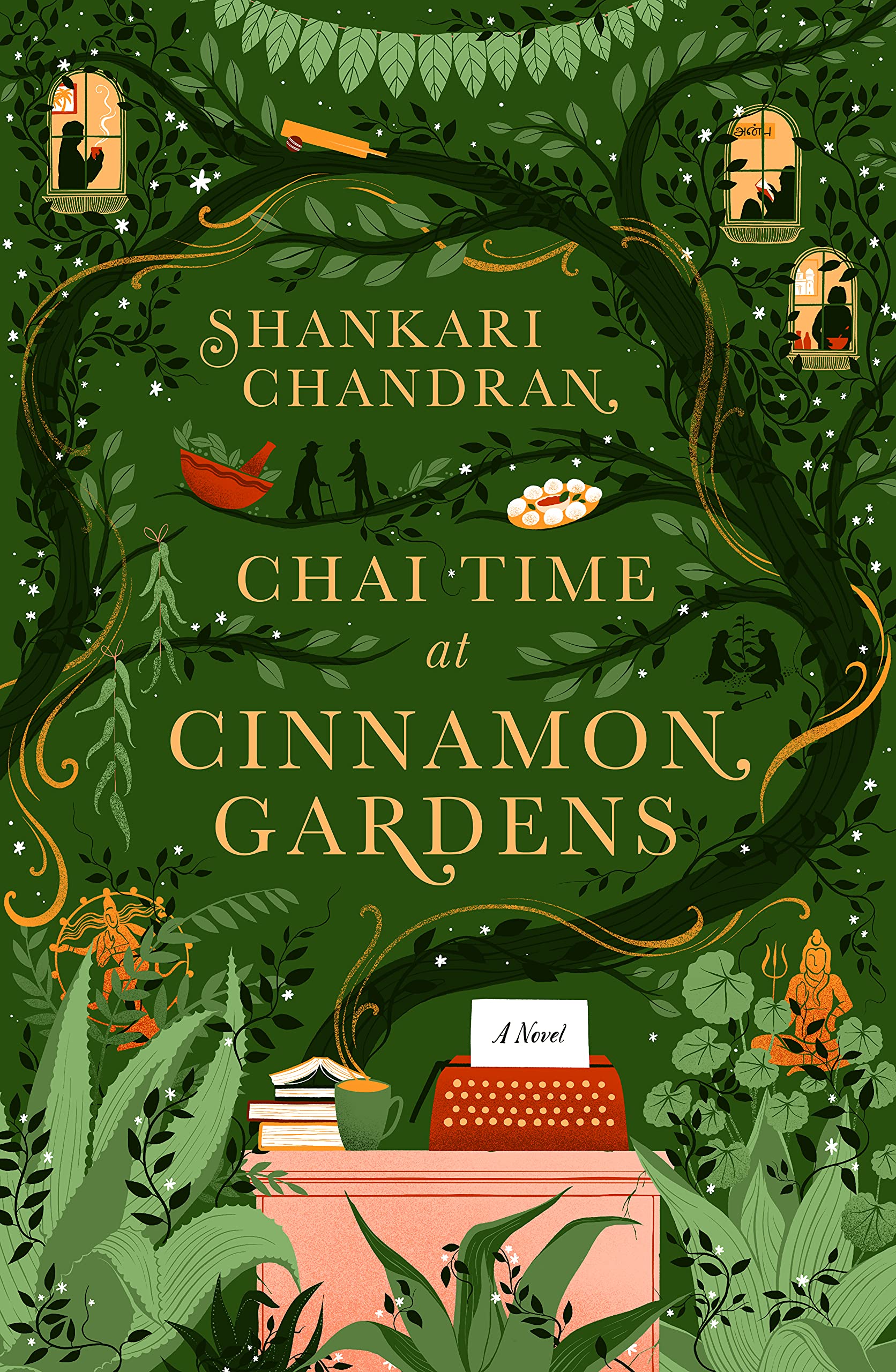
- Shankari Chandran, Chai time at Cinnamon Gardens (Ultimo Press) (my review)
- Katerina Gibson, Women I know (Scribner)
The judging panel for the 2024 Barbara Jefferis Award comprises Hannah Kent (Chair), Jennifer Mills, and Melanie Saward. You can read the full judges’ comments on their decision and the individual books on the Australian Society of Authors website, but overall they said that:
“The many entries to this year’s prize reflected a healthy diversity of genre, form, settings and narratives. Common to many were themes of migration and exile, resilience and recovery from trauma, social isolation and renewed connection, thwarted ambition, and violence against bodies and minds. The representations of women and girls were varied and often original. We would welcome more expansive representations of gender diversity. […]
We found all six books deeply affecting, and many highly memorable for their unswerving demands for social justice and reclamations of power. We would like to extend our congratulations to their authors.”
They did make an interesting observation that “few writers focused on the future” and “wondered whether this revealed a wider desire for, and interest in, historical reckoning for this country”. Could be so. Having just spent two weeks in outback Australia, I sense some movement in understanding of what our dispossession of land has meant for our First Nations people. But so much has been lost and needs to be recovered, and progress in reconciliation seems very slow. Easy for a city-slicker to say, I do appreciate, but my heart tells me it has to be said.
The winner will be announced on 13 November 2024.
Apologies for the quick post, but I do like this award, and wanted to share it. However, I am on holidays still, and time is short.
Any thoughts?



 Whispering Gums