Australian writers have been capturing attention – here and overseas – in the last few months. I’ve been noting these stories as they’ve popped up, and kept planning to post on them, but somehow, time just slipped by and more stories kept coming. Consequently, most Aussie readers here will know most of these news items by now, but there might be a surprise, and, anyhow, I’m hoping they might interest non-Aussie readers of my blog. (I am numbering this post because I just might be inspired to write another one sometime.)
Alexis Wright’s multiple awards
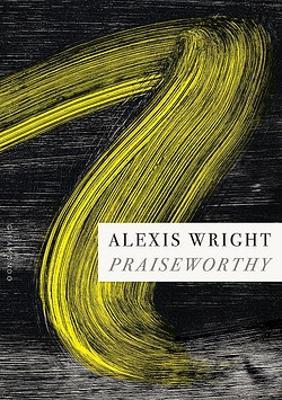
This year, Alexis Wright has won several significant literary awards. She was awarded the Stella Prize in March and the Miles Franklin Prize in August for Praiseworthy, making her the first author to win these two prizes in one year. (Each of these is worth $60,000). In May, it was also announced that she’d won the UK’s James Tait Black Prize for Fiction (worth 10,000 British pounds or $19,000), also for Praiseworthy. Then, this month, she was awarded the triennial Melbourne Prize for Literature which is a body-of-work prize to a writer who has made an “outstanding contribution to Australian literature and to cultural and intellectual life”. It too is worth $60,000.
Melissa Lucashenko’s multiple awards
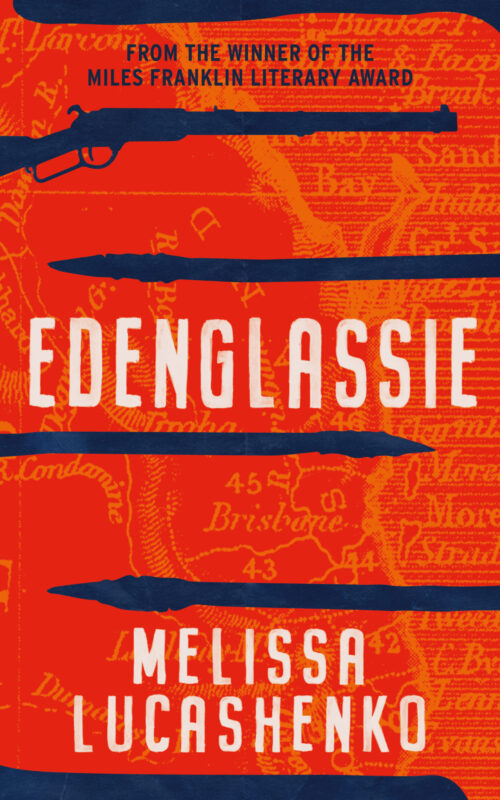
Lucashenko, like Wright, is no stranger to literary awards, but this year, she too has taken out several significant awards, all of them for her first work of historical fiction, Edenglassie (my review): the $100,000 ARA Historical Novel Prize, the $50,000 Margaret and Colin Roderick Literary award; the $30,000 Queensland Premier’s Award for a Work of State Significance, and the $25,000 Premier’s Prize for Fiction. She also won the Fiction award in this year’s Indie Book Awards.
Richard Flanagan’s prize and ethical stand
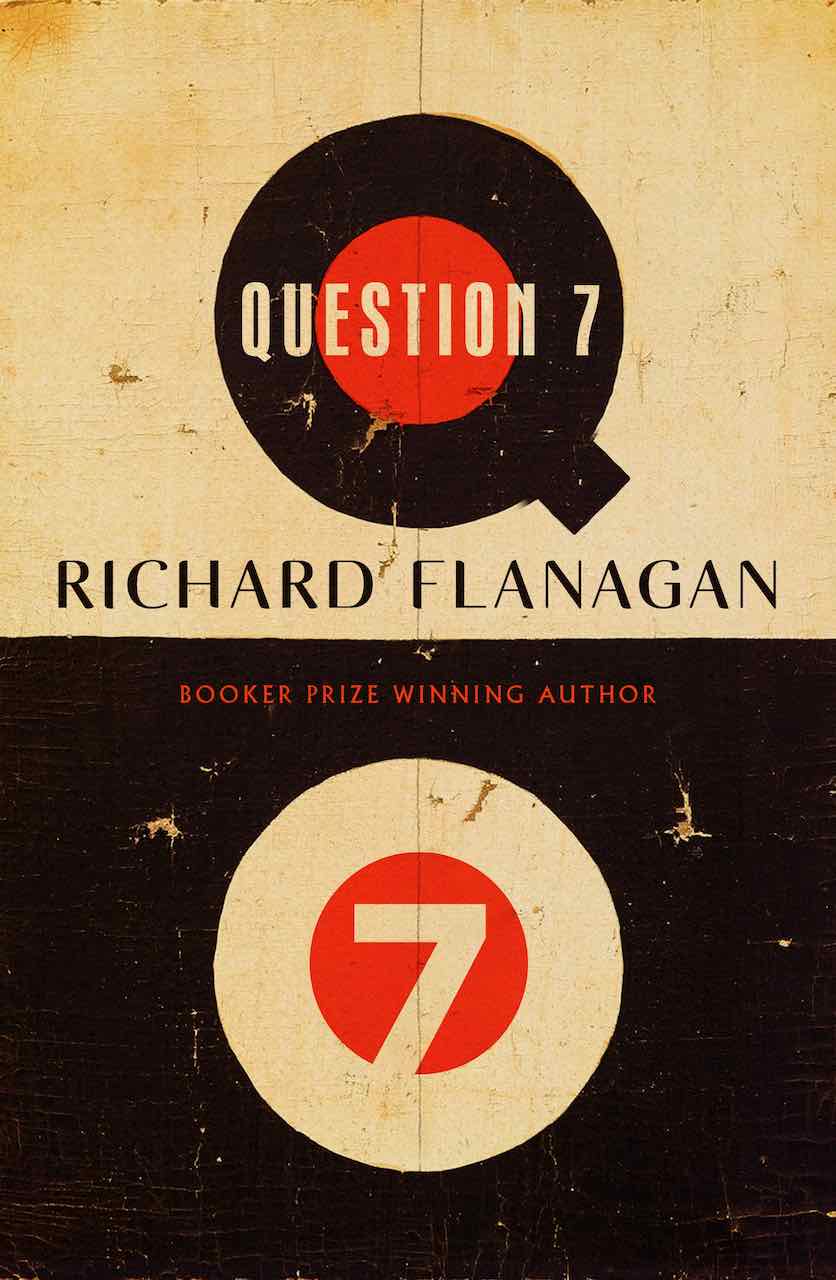
Another recently announced award is Richard Flanagan winning UK’s 2024 Baillie Gifford Prize for Nonfiction for his most recent book Question 7 (my review). This prize is worth £50,000 (or, AUD97,000). If you’ve heard this news, you will also know, as the ABC reported, that Flanagan had pre-recorded his acceptance speech because he was trekking in the Tasmanian wilderness at the time. In this speech, he said he had “delayed” accepting the prize money until sponsor Baillie Gifford put forward a plan to reduce its investment in fossil fuels and increase investment in renewable energy. Flanagan said that “on that day, I will be grateful not only for this generous gift, but for the knowledge that by coming together in good faith, with respect and goodwill, it remains possible yet to make this world better.”
Flanagan is not a rose-coloured glasses idealist. He is not asking for the world, but simply for a plan. The ABC quotes him further:
“… were I not to speak of the terrifying impact fossil fuels are having on my island home, that same vanishing world that spurred me to write Question 7, I would be untrue to the spirit of my book.
[BUT]
“The world is complex. These matters are difficult. None of us are clean. All of us are complicit. Major booksellers that sell my books are owned by oil companies, major publishers that publish my friends are owned by fascists and authoritarians … As each of us is guilty, each of us too bears a responsibility to act.”
I like this honesty and realism. Let’s see what happens next. Will a writer’s stand – which compounds what I believe is already increasing criticism of Baillie Gifford – see a company decide it too can make a stand?
Jessica Au’s novella to be filmed
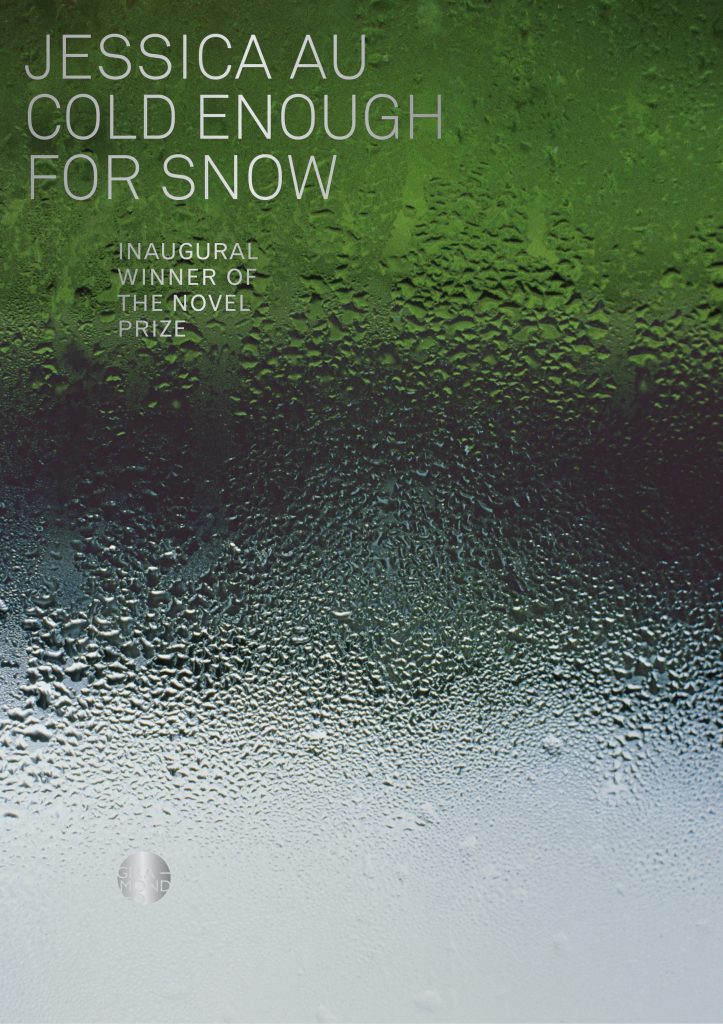
Meanwhile, in non-award news, Jessica Au’s award-wining (ha!) novella, Cold enough for snow (my review), is to be made into a film. According to Variety it will be a U.K.-Japan-Australia-Hong Kong co-production and filming will begin “in fall 2025” (which presumably means next September to December). I first read about it on publisher Giramondo’s Instagram account. They quoted theatre veteran-debut director Jemima James,
I hope the film, like the book, creates space for audiences to think and feel deeply about the important people in their lives, about the relationships that are central to them …I hope it provokes shifts of perspective, new understanding, new compassion for the people they love, however complex or complicated that love might be!
Gail Jones’ Lifetime Achievement Award

I also saw on Instagram – this time Text Publishing’s account – that Gail Jones had received Creative Australia’s Award for Lifetime Achievement in Literature. In other words I’m bookending, more or less, this news post with body-of-work awards. As Text writes, the award “recognises her impressive body of work, and her ongoing mentoring of young writers”.
Creative Australia’s website tells me that Jones was one of “eleven leading artists to receive 2024 Creative Australia Awards”. They quote their CEO, Adrian Collette AM:
‘It is our immense honour to celebrate these remarkable artists whose work is making an impact in communities across the nation. Each of the recipients contributes their unique voice to our cultural story.’
I recently reviewed Jones’ novel Salonika burning (my review) but I have more on my TBR.
Any comments on these news items? Or, indeed, do you have any to add? (Not that my aim here is to be comprehensive. That would be impossible!)
 Whispering Gums
Praiseworthy has so many awards that I looked it up at my library. Surely, this must be a book I have to read if the consensus is that it is wonderful. My library does have this book; however, I was looking at some reviews that quote the work, and I think the language would grate on me. Here is an example from a review:
Dance Steel, Widespread’s wife, who’s “like a haven for butterflies or moths” because she speaks “the moths’ frequency, a language of millennia which she had learnt in dreams which were only ever about butterflies and moths.”
I don’t even know what that means.
Why did this go to Spam I wonder, Melanie, but it did hence my delay in responding. Because you cast aspersions on Praiseworthy, perhaps? Haha. I think you, Bill and I have discussed this book before and Bill suggested it was not for you. I have read her Carpentaria which is somewhat similar in style but I think this one is more so perhaps. I would like to read it, but it’s long and I have so much on my TBR that I feel I could read two or three books in the time it would take me to read this one. My reading group is doing a 650-page book in January. (We only do this as a January/summer-for-us read). I’d rather not, though my guess is I’ll like the book, for the same reason. I know I would also like the three books I could read instead!
650 pages is quite a commitment for a book club. I’ve never been in one that read something much more than 400 pages, and even then a lot of folks don’t finish or complain about the length.
Haha Melanie. When we started most of us were mums with young children so our rules wee nothing longer than 350 pages (or, was it 300?) Anyhow, the point was that we limited the pages. But those days are long gone. Nonetheless, we are busy and mostly still keep to that length except for the first book of the year.
I find that I cannot be enthusiastic about so small a group’s picking up so financially rewarding a collection of prizes: surely there must be more writers worthy of having their bank balances increased in this fashion ?!
While I understand where you are coming from, MR, I also find it hard to be churlish about some FN writers having their day. My guess is that they will use their winnings well (though I have no idea of course.) I did find some of the reports’ focus on the amount money a bit unnecessary but I guess the point is that it is good that there are now many prizes with serious money attached to them.
It is great to see all these recent news stories presented in one place. Thank you.
Thanks Carmel … I’m glad you see some value in my doing this. It’s going to be useful to me as a record I think.
Great post, Sue. I have another one for you that didn’t get much attention. I went to the ceremony but never got around to writing it on my blog. Yirga Gelaw Woldeyes won the 2024 City of Fremantle Hungerford Award for የተስፋ ፈተና / Trials of Hope, which was written in English and Amharic poetry and prose. It will be published next year.
Oh thanks Kimbofo … it’s good to see people writing in their own language isn’t it?
You just have to love our Tassie Flanagan. Snubbing 97,000 dollars to make a very important point about the environment. I have heard about all these awards and no doubt the writers deserve them. Strong Australian writers. I think the Au book into film could be tricky. There is a lot of subtlety throughout the book and I wonder if film can capture it. Especially if Hollywood doesn’t touch it. Haha
Yes, I agree re Au. It’s a theatrical person directing it so maybe she’ll bring the right nuance to it. It will be interesting to see.
Hi Sue, I was at the Melbourne Literature Prize. Alexis Wright was so humble and gave a graceful speech on receiving her prize. Also, on the night other writers received monetary awards. Carrie Tiffany won $10,000 for her essay Seven Snakes. (Carrie couldn’t be there as she was in New Zealand, marrying another author Lloyd Jones). The Falls Creek 3 week Residency Prize – young playwrights Angus Cerini and Claire Thomas; and Judith Bishop won the Civic Choice Award.
Oh thanks for this Meg … what a great event to have been at, and I love that gossip about Carrie Tiffany marrying Lloyd Jones. What a pairing!
It so interesting to hear about the film adaptation of Cold Enough for Snow. I wondered if it might be adapted, especially give the resonances with other recent films featuring enigmatic mother-daughter stories (e.g. Joanna Hogg’s The Eternal Daughter and Celine Sciamma’s Petite Maman)!
Oh I haven’t seen either of those Jacqui. I will look out for them. Are they also based on novels? I can look I guess!
During the week I posted about a new award – The Climate Fiction Prize. One of the longlistee’s is Alexis Wright and Praiseworthy.
Looking forward to the Au movie already! And I greatly admire Flanagan’s stance on his prizemoney.
Thanks Brona, particularly for adding the Climate Fiction Prize shortlisting to the. accolades .
You know it’s literary news when Flanagan, Lucashenko, and Wright get into the news over here (not arguing for a North American-centric perspective, if you get news about Canadian authors over there that’s literary news too, just the other way ’round).