And so, suddenly, it’s December and the last Six Degrees post of the year. What will 2021 bring. This time last year we could never have imagined what 2020 was going to be for us. I hope we don’t have another one like it again, but … it’s not over yet isn it? Anyhow, on to this month’s Six Degrees of Separation meme. But first, if you don’t know this meme and how it works, please check out meme host Kate’s blog – booksaremyfavouriteandbest.

The first rule is that Kate sets our starting book. This month, she’s chosen a book that’s celebrating its 50th birthday this year – Judy Blume’s Are you there God? It’s me Margaret! I haven’t read it, though I know that Judy Blume is a huge favourite with young adults, or was, in those early days of her writing when YA was a relatively new genre.
What to do? I could go with another book celebrating its 50th anniversary, or a YA novel, but I’m going to look at questions, specifically How, What, When, Where, Why and Who, though many of my titles aren’t actually questions. They just start with a word that often starts a question. Sorry, but you’ll have to live with that, and that the links are simply from one of these words to the next! (BTW See notesinthemargin’s last six degrees post on questions in titles.)

So, HOW. Melissa Lucashenko’s essay (not Richard Llewellyn’s novel), “How green was my valley?” (my review) appeared in Griffith Review’s Hot Air issue. It’s an excellent essay that talks about climate change, indigenous Australian culture, and the possibilities of connection between Indigenous and settler Australians to save our country.
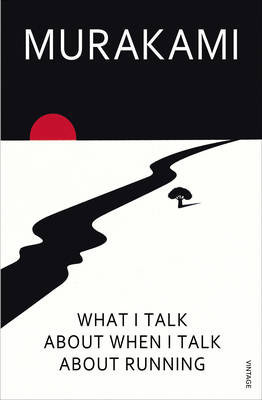
WHAT. For “what” I go to a favourite writer whom I haven’t read for a while, Haruki Murakami. I love memoirs that aren’t quite memoirs, and Murakami’s What I talk about when I talk about running (my review) is such a book. It purports to be about his running, but you learn a lot more besides.

WHEN. My next book is another memoir, but a traditional one this time, white Zimbabwean writer Peter Godwin’s When a crocodile eats the sun (my review). It’s a tough book about a tough place, Robert Mugabe’s Zimbabwe.
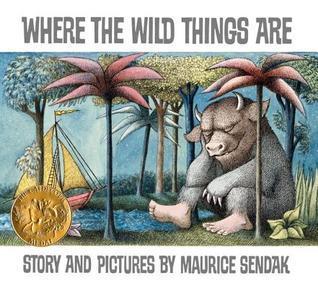
WHERE. This was my biggest challenge, as I’ve not reviewed any book starting with “where”. I nearly cheated and used Helen Garner’s EveryWHERE I look, but then remembered that I had suggested to Kate that we start a Six Degrees chain with Maurice Sendak’s Where the wild things are, so, why not get more mileage out of that! Otherwise, I could have used Delia Owens’ Where the crawdads sing, which my reading group has scheduled for next year.
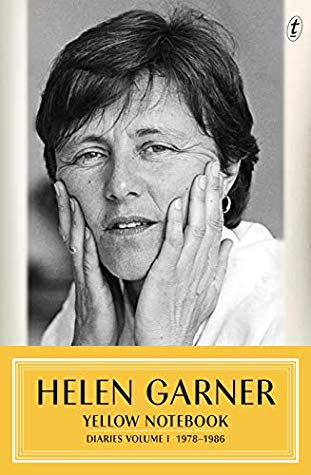
WHY. One reason for not “cheating” with Helen Garner’s Everywhere I look, was that my “why” link was going to be Garner. It’s her powerful Walkely-award-winning essay, “Why she broke: the woman, her children and the lake” (my review). It appeared in The monthly in 2017, and is an interesting companion piece to her earlier longform work, This house of grief. (It doesn’t appear in Yellow notebook, which I’ve used here for its pic of Garner!)
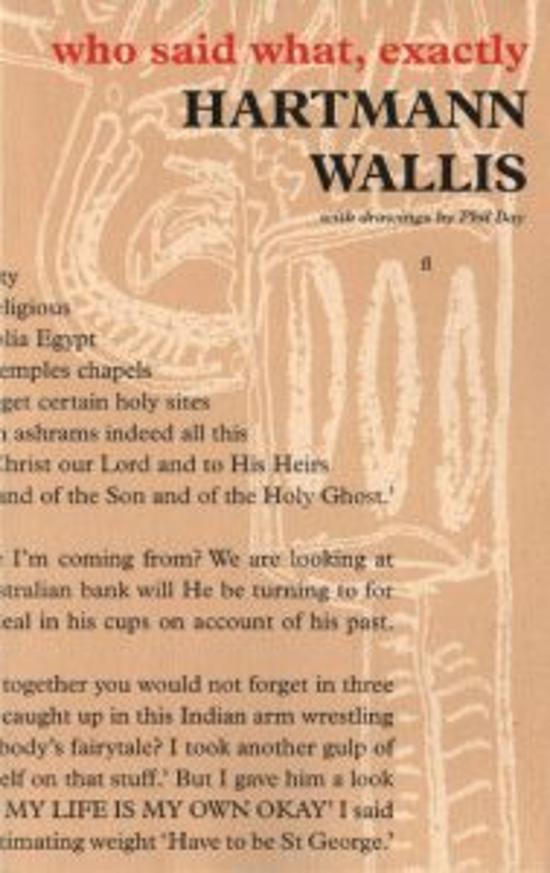
WHO. Like my “How” choice, my “who” title is a real question, though the import of the question is possibly obscure. I’m talking Hartman Wallis’ Who said what, exactly? (my review). It’s a cheeky and challenging book, but, given this month’s starting book, I must share this line from one of the book’s poems:
‘Think about it God is dead …
Hmm … what would Judy Blume’s Margaret say?
So, exactly reversing my usual Six degrees posts, four of my six links here are by men. However, like last month, we have travelled a bit, to Australia, Japan, Africa and the USA. We have also considered, one way or another, quite a few questions, and have, somehow, returned to God. Seems like a good point on which to close this year’s Six degrees. Thanks, Kate, for another enjoyable set of starting books. All being well, I’ll be back in 2021.
Now, the usual: Have you read Are you there God? It’s me Margaret!? And, regardless, what would you link to?
 Whispering Gums