In last week’s Monday Musings on Parramatta’s inaugural Laureate for Literature, I mentioned that Parramatta had been chosen as the second location for the non-profit organisation, the Story Factory. I said I’d do a separate Monday Musings on it, and have decided it might as well be now.
So, who or what is the Story Factory?
I love that like any good storyteller, and unlike many websites, they have a page on their history – and it’s a good one, the history I mean, because it has an inspiration that is truly inspiring. This inspiration comes from San Francisco, where, in 2002, the novelist Dave Eggers and educator Ninive Caligari founded something called 826 Valencia. This is “a creative writing centre for under-resourced young people” in the city.
Apparently, the idea spread quickly across the USA, “with seven more 826 chapters in places including New Orleans, Boston and Brooklyn, New York”. From here, the idea has spread internationally, with similar creative centres set up, some also by or with the help of successful authors. These include London’s the Ministry of Stories (with help from Nick Hornby); Dublin’s Fighting Words in Dublin (with Roddy Doyle); and Melbourne’s 100 Story Building, which started life in 2009 as Pigeons, becoming 100 Story Building in 2012.
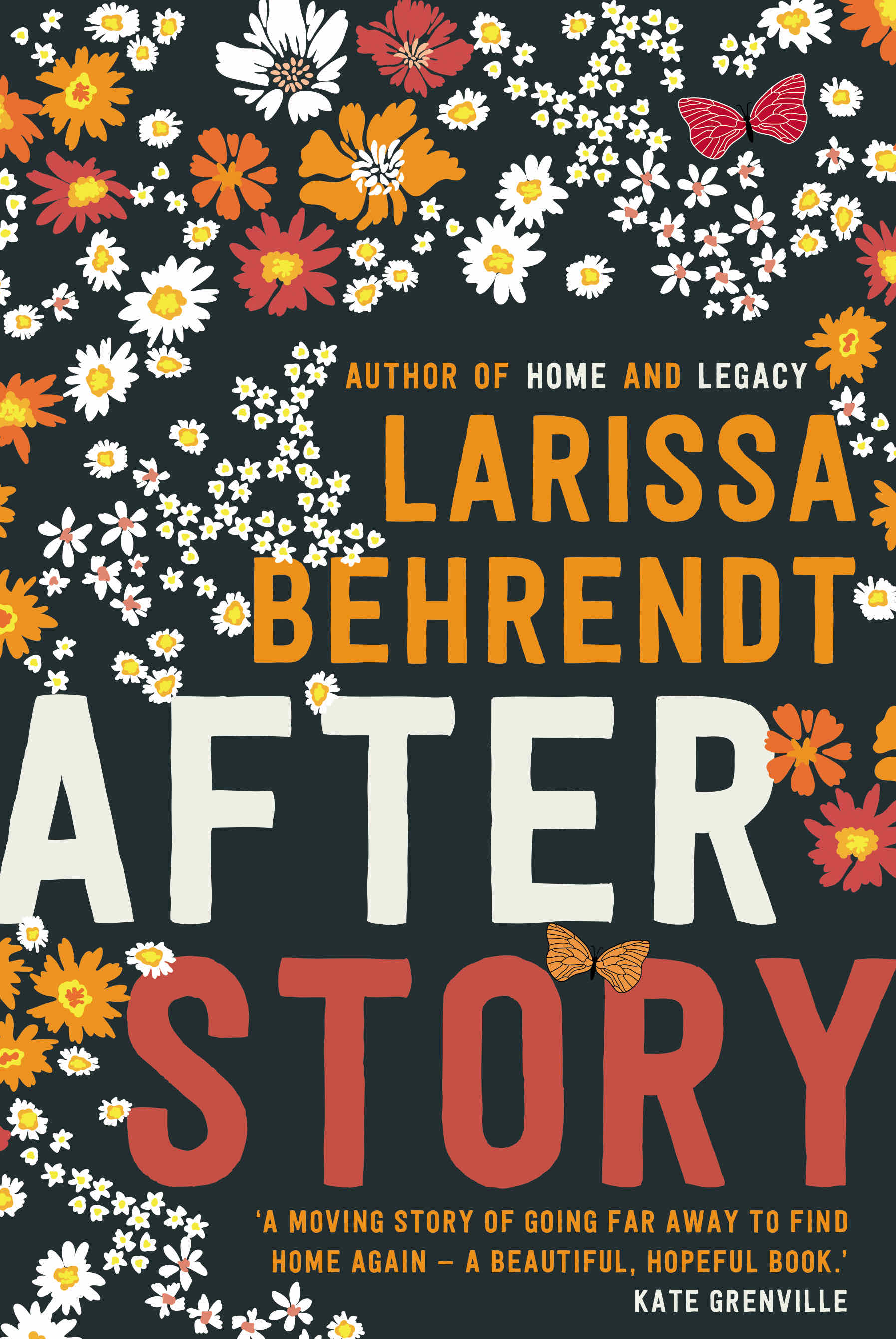
The Story Factory was also founded in 2012 – in Sydney – after Sydney Morning Herald journalists Cath Keenan and Tim Dick had visited 826 Valencia in 2011. Their aim, says the website, was “finding a solution to the growing concern about writing skills rates and limited creative opportunities among marginalised children”. That year, a Board was established. Members included Michael Gonski, the Chair and “a solicitor and leading young philanthropist”; educator and well-known First Nations author to us, Professor Larissa Behrendt (my posts); and Professor Robyn Ewing, “an expert in creativity in education”. They launched in May 2011, but were not officially opened at the Redfern premises until July 2012. Their initial focus was the Redfern/Waterloo area, but increasingly they were asked to work in Western Sydney, resulting in Parramatta being opened in 2018. They make very clear on their website that they “only work with young people from communities that are under-resourced”.
They are part of over 60 organisations that form the International Alliance of Youth Writing Centres, which they describe as “a coalition inspired by 826 and united by a common belief that young people need places where they can write and be heard, and where they can have their voices polished, published, and amplified”. The organisations names vary, but there are places over the US, the UK, and in places like Chile, Argentina, Denmark, Italy, the Netherlands, Iceland, and Pakistan. There is even a travelling program, Story Board, based in the Northern Rivers of New South Wales.
So, what do they do?
They offer a wide range of programs, which mostly sit under the following umbrellas::
- Digital Programs: online interactive programs, across many age levels, run via Zoom and bookable by classroom teachers.
- School Programs: face-to-face, “one-off, term-long, and year-long, curriculum-aligned writing programs”.
- Special Projects: often run in collaboration with other arts organisation, and bringing students together from different schools.
- After School and Holiday Programs: in-person and online.
Clicking on their Programs link and navigating around will give you a sense of the sorts of programs they offer – in different forms; for different age-groups, from primary to secondary; and exploring different ideas, from magic to cli-fi, from literary form to developing the imagination.
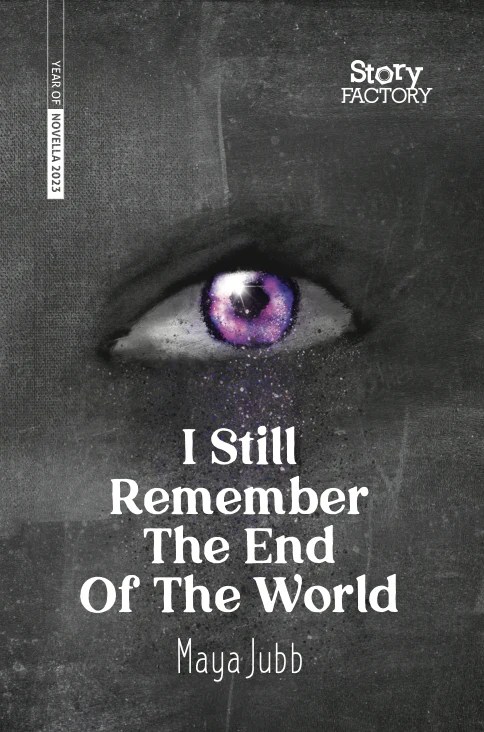
They also produce stuff! You can read some of the stories produced by young writers, online on the Stories pages. Or, you can buy books, because they also publish writings. For example, they run annual programs like Year of Poetry and Year of the Novella, and publish selected output. You can see 2023’s here, but to see all their publications, this link will take you to the first of NINE pages.
Maya Jubb’s I still remember the end of the world was one of the books published from the 2023 Year of the Novella program. This year long program aims for the participants to complete a novella. The page says that “Maya is a 17-year-old writer who loves to write fantasy novellas”. All the books look gorgeously designed, which is probably at least partly due to “the unstinting support of the editorial and production teams at Penguin Random House”. So nice to see a big publisher helping out.
As for how effective they are at achieving their goals, that’s harder to tell:
- the University of Sydney wrote in 2016 about a formal impact evaluation that had commenced in early 2014. This was very early days, but they said that “focusing on case study methodology, the preliminary findings of the longitudinal evaluation suggest that some students have demonstrated substantial development in their creative writing and literacy skills, as well as improved problem solving, persistence, collaboration and discipline – all important indicators of creativity”. This is somewhat qualified, “some students”, but it’s indicative of potential.
- Canterbury Boys High School was clearly so happy with the Story Factory’s role in their “literacy achievements” in 2017 that they continued the partnership in 2018. (They reference an independent evaluation which concluded the partnership had been “a huge success”, but the link is broken).
- Better Reading shared some statistics in 2018, saying that the Story Factory had had “16,000 enrolments from young people, with 20% Indigenous and 40% from language backgrounds other than English”.
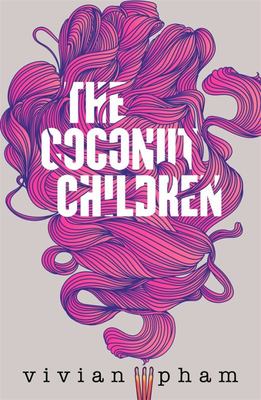
But the best piece of evidence I can give readers is the achievement of Vivian Pham. Her debut novel, The coconut children, which is set in 1990s Cabramatta, was published by Penguin Random House in 2020 when she was just 19. Some of you might remember it as it made quite a splash. She was named one of the Sydney Morning Herald’s Best Australian Novelists in 2021 (my post) and won ABIA’s Matt Richell Award for New Writer of the Year. The novella was also shortlisted for that year’s Victorian Premier’s Prize for Fiction and the Voss Literary Prize. In an interview for Writing NSW, she said that:
Every Sunday when I was in Year 11, I attended Story Factory’s Novella Project workshops at the local arts centre.
Her book was published as part of that year’s program, and she thought that was it. But through the intercession of others, it was picked up by Penguin and, after more editing, was published. There’s more in the interview, but I’ll just share her answer to the question about “marginalised voices in Australian society” and “the responsibility of fiction authors to explore diverse perspectives in their writing”:
I don’t think of this as a responsibility so much as an imperative.
How better to conclude a post on the Story Factory?
Do you know of other organisations like this? I’d love to hear about them.
 Whispering Gums