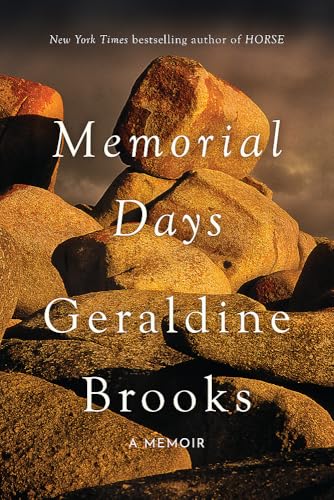
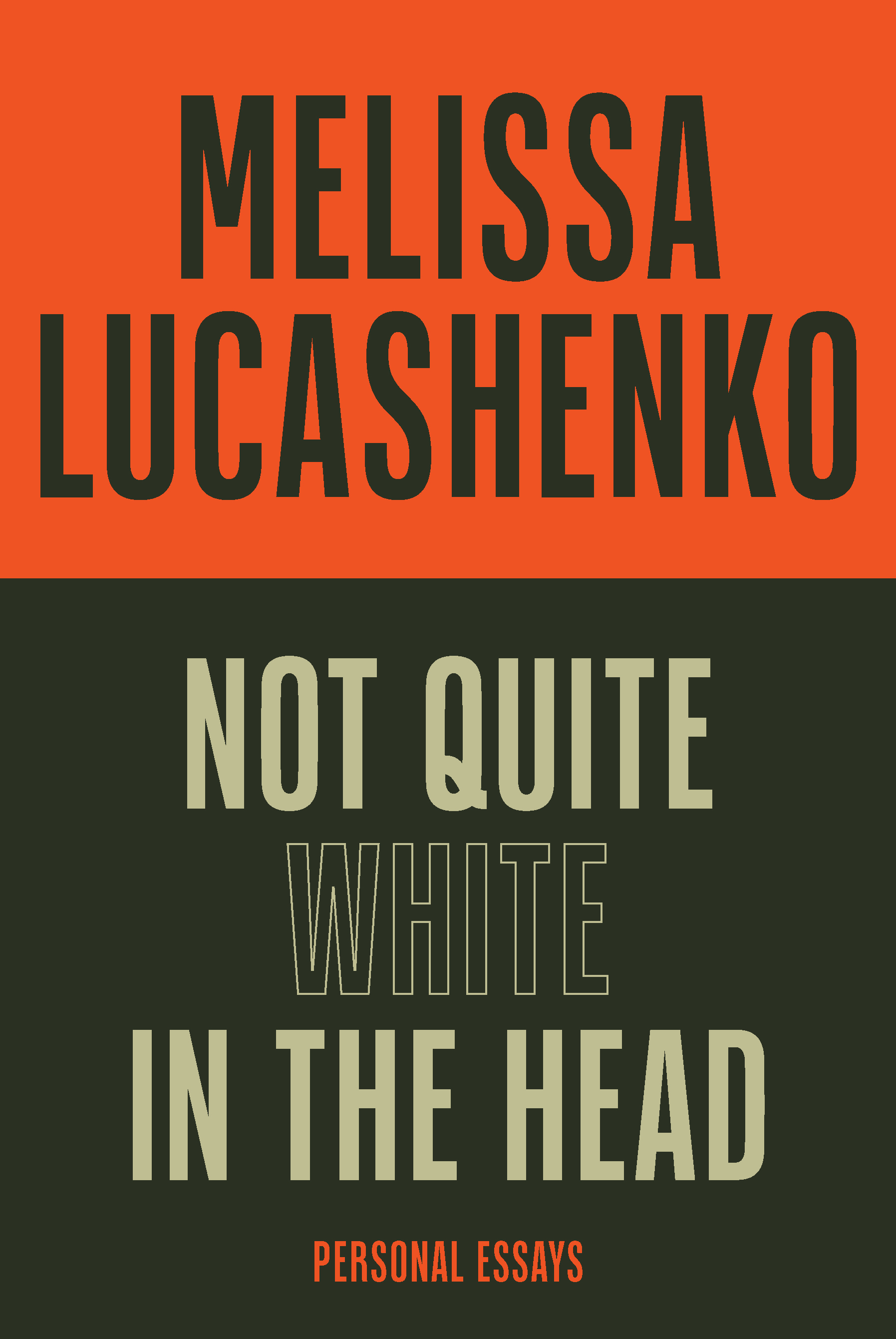
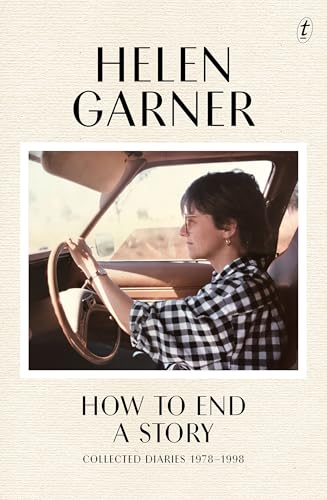
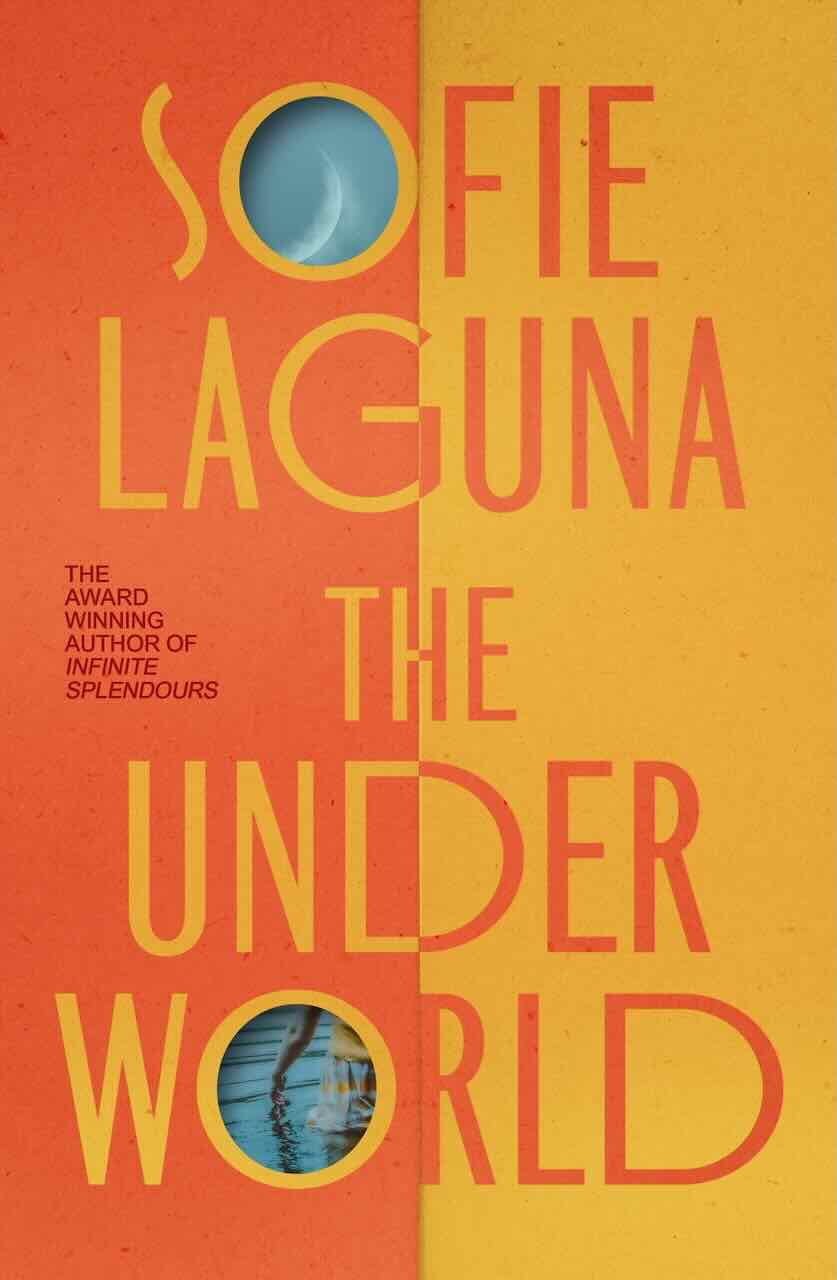
Monday musings on Australian literature: Favourite fiction 2024

Around this time of December, I have, for a few years now, shared favourite Aussie reads of the year from various sources. The specific sources have varied a little from time to time. Last year, a significant source – The Sydney Morning Herald/The Age – became unavailable to me as it is now paywalled, and I haven’t prioritised going to the library to access the paper. I have no problem with paywalling. We should pay for journalism, and I do, but for different news sources (such as The Canberra Times, because it’s my local; The Guardian via its app; The Saturday Paper and The Monthly digital editions; and The Conversation by donation). Not being able to access The Age/SMH is a bit disappointing, because theirs is a comprehensive listing. I’d love it if more sites offered the option to buy individual articles.

Anyhow, these lists are all subjective, of course. Plus, the pickers vary. There are critics and reviewers, commentators and subject specialists, and publishers and booksellers. Also, different pickers use different criteria, besides the fact that what they are asked to do, in the first place, varies. For example, some pickers are “allowed” to name several books while others are limited to “one” best (or favourite). Further, as The Conversation wrote, these lists rely not only on what each person has read, but what they remember, all of which means this exercise of mine is more serendipitous than authoritative. But, I think it is still interesting!

As always, I’m only including the Aussie choices, but I am providing links, where they exist, to the original article/post so you can read all about it yourselves, should you so wish.

Here are the sources I used:

  • ABC RN (radio broadcaster), in which presenters and guests named their recommendations from their reading of the year
  • Allen & Unwin (publisher) email, which shared one favourite A&U book per staff member
  • Australian Financial Review (newspaper, traditional and online), which shared “the top picks from our journalists to make your summer reading list sizzle” 
  • The Conversation (online news source), which invited 30 of their writers, “from fields as disparate as wildlife ecology and mathematics to literature and politics, to share their best books of 2024”, as well as letting the Books and Ideas team name theirs!
  • The Guardian (online news source), which promotes its list as “Guardian Australia’s critics and staff pick[ing] out the best of the best”
  • Readings (independent bookseller), which has its staff “vote” for their favourite books of the year, and then lists the Top Ten in various categories – Australian fiction, picture books, international fiction, junior & middle grade fiction, nonfiction, and adult nonfiction.

I apologise in advance for those of you who love poetry, nonfiction, and children’s books – which I also enjoy – but to keep this post a manageable length, I have decided this year to limit the list to my main interest, fiction.

Novels

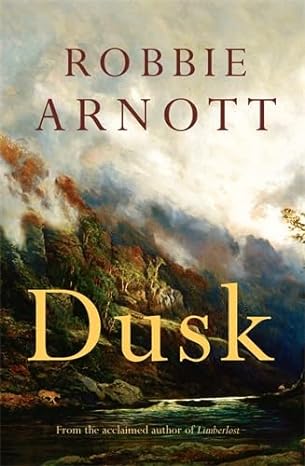
  • Robbie Arnott, Dusk (Michaela Kalowski and Kate Evans, ABC RN; James Bradley, The Guardian; Readings Staff; see my CWF conversation) (Lisa’s review)
  • Ella Baxter, Woo woo (Bec Kavanagh, The Guardian; Readings Staff)
  • Brian Castro, Chinese postman (Tony Hughes-d’Aeth, The Conversation)
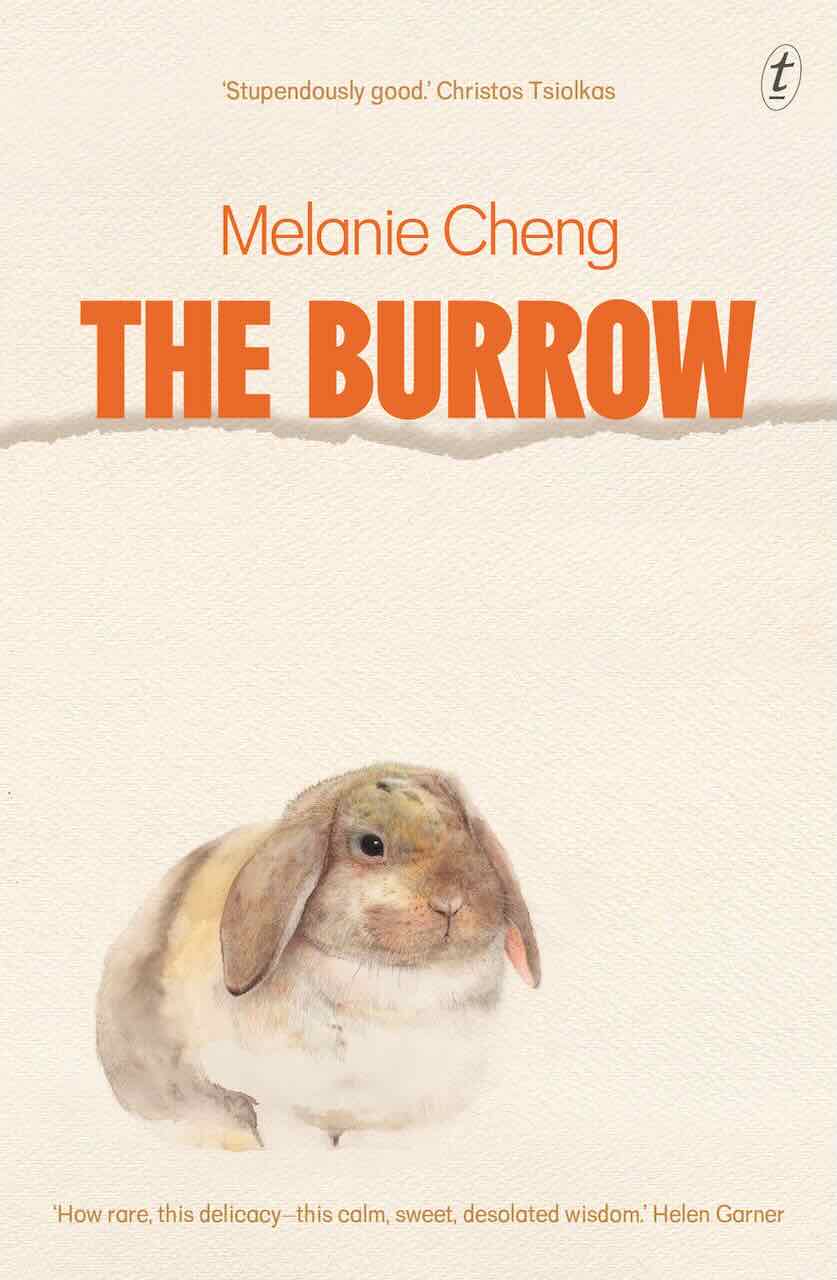
  • Melanie Cheng, The burrow (Jason Steger, ABC RN; Steph Harmon, The Guardian; Readings Staff; on my TBR)
  • Pitaya Chin, The director and the demon (Giselle Au-Nhien Nguyen, The Guardian)
  • Miranda Darling, Thunderhead (Readings Staff)
  • Emma Darragh, Thanks for having me (Readings Staff)
  • Michelle de Kretser, Theory & practice (Julianne Van Loon, The Conversation; Susan Wyndham, The Guardian; on my TBR)
  • Alison Edwards, Two daughters (Jess, Allen & Unwin)
  • Lexi Freiman, The Book of Ayn (Michaela Kalowski, ABC RN)
  • Katerina Gibson, The temperature (Readings Staff)
  • Sara Haddad, The sunbird (Jumana Bayeh, The Conversation)
  • Dylin Hardcastle, A language of limbs (Kate Evans)
  • Anita Heiss, Dirrayawadha (Charmaine Papertalk-Green, The Conversation; see my CWF Conversation)
  • Heather Taylor Johnson, Little bit (Jason Steger, ABC RN)
  • Malcolm Knox, The first friend (James Bradley, The Guardian)
  • Siang Lu, Ghost cities (Beejay Silcox, The Guardian; Readings Staff)
  • Catherine McKinnon, To sing of war (Michaela Kalowski and Kate Evans, ABC RN; see my CWF Conversation)
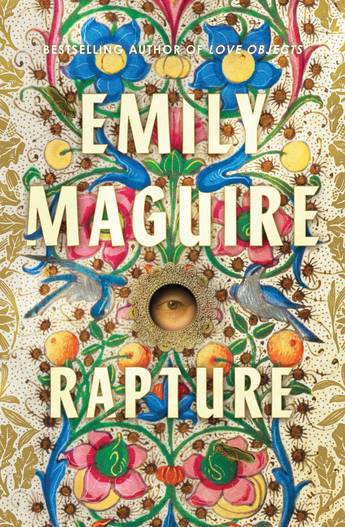
  • Emily Maguire, Rapture (Rafqa Touma, The Guardian; see my CWF conversations one and two) (Lisa’s review)
  • Murray Middleton, No church in the wild (Readings Staff)
  • Louise Milligan, Pheasants Nest (Eleanor, Allen & Unwin)
  • Kylie Mirmohamadi, Diving, falling (Sian Cain, The Guardian)
  • Liane Moriarty, Here one moment (Cosima Marriner, Australian Financial Review)
  • Bruce Pascoe, Imperial harvest (Joseph Cummins, The Guardian)
  • Ailsa Piper, For life (Michaela Kalowski, ABC RN)
  • Jordan Prosser, Big time (Steph Harmon, The Guardian)
  • Jock Serong, Cherrywood (Dennis Altman, The Conversation) (Lisa’s review)
  • Inga Simpson, The thinning (Kate Evans, ABC RN; James Bradley, The Guardian) (Brona’s review)
  • Jessica Tu, The honeyeater (Anabel, Allen & Unwin)
  • Tim Winton, Juice (Michaela Kalowski, ABC RN; Sian Cain, The Guardian; Readings Staff; on my TBR)
  • Charlotte Wood, Stone Yard devotional (Cosima Marriner, Australian Financial Review) (my review)
  • Evie Wyld, The echoes (Readings Staff)

Short stories

  • Ceridwen Dovey, Only the Astronauts (Cassie McCullagh, ABC RN) (Melanie’s review)
  • Fiona McFarlane, Highway Thirteen: Stories (Jo Case, Honorable Mention, The Conversation; Kate Evans, ABC RN; Ash, Allen & Unwin) (Brona’s review)

Finally …

It’s interesting to see what books feature most. Popularity doesn’t equal quality, but it does provides a guide to the books that attracted the most attention in the year. Of last year’s six most mentioned books, three did receive significant notice at awards time, particularly the most popular 2023 pick, Alexis Wright’s Praiseworthy (as I noted in a recent post). The other two of the six which also featured well at awards time were Melissa Lucashenko’s Edenglassie and Charlotte Wood’s Stone yard devotional.

This year, I have a bit of help with identifying the most popular picks, because, thanks to Colin Steele again, I can report that Books + Publishing (an online book trade site) listed the most mentioned Australian books from five sources, three of which I’ve accessed (Guardian Australia, ABC RN and the Australian Financial Review) and two of which I’ve not been able to (The Age/Sydney Morning Herald and Australian Book Review)

These are the fiction books which received at least three mentions across the publications were (in alphabetical order):

  • Ella Baxter, Woo woo
  • Melanie Cheng, The burrow 
  • Michelle de Kretser, Theory & practice
  • Malcolm Knox, The first friend 
  • Emily Maguire, Rapture 
  • Tim Winton, Juice 
  • Charlotte Wood, Stone Yard devotional 

To these, I would add, from my sites:

  • Robbie Arnott, Dusk
  • Fiona McFarlane, Highway Thirteen

In 2024, I read five books from 2023’s lists, three novels (Shankari Chandran’s Chai time at Cinnamon Gardens, Melissa Lucashenko’s Edenglassie and Charlotte Wood’s Stone yard devotional) and two works of nonfiction (Anna Funder’s Wifedom, and Richard Flanagan’s Question 7). I would love to have read more, but I can attest that those I read were all worthy favourites.

So, what has caught my eye from this year’s list. Those on my TBR, of course, and those I heard about at this year’s Canberra Writers Festival. Several more have now caught my eye, but as I’m unlikely to read many of them, I’ll just keep them to myself, and pass the baton over to you for your …

Thoughts – on this or lists from your neck of the wood?

Monday musings on Australian literature: Favourite books 2023

Over recent years, I’ve shared favourite Aussie reads of the year from various sources, with the specific sources varying a little from time to time. This year, a significant source – The Sydney Morning Herald/The Age – is unavailable to me as it is behind a paywall, and at this time of year I just don’t have the time to go to the library to access the paper. I have no problem with paywalling. We should pay for journalism, and I do. Just not these ones. (But, I am disappointed as they invite writers to identify their favourites and I always enjoy seeing their choices. I wish I could just buy an article.)

However, I still have other sources: ABC RN’s panel, Australian Book Review, The Australian Financial Review, The Conversation and Readings bookshop’s Ten Best Australian fiction. The picks range widely, with different “pickers” use different criteria, making this more of a serendipitous than an authoritative list. As always, I’m only including their Aussie choices. Do check the links if you’d like to see complete choices.

Last year, I noted that five of the “favourite” novels and short story collections were on my TBR, and this year I read four of those: Robbie Arnott’s Limberlost, Robert Drewe’s Nimblefoot, Kevin Brophy’s The lion in love, and Chris Flynn’s Here be Leviathans. This must be a record for me.

Novels

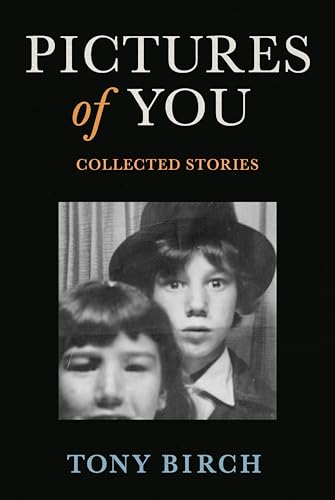
  • Graham Akhurst, Borderland (Heidi Norman; Tony Hughes-D’Aeth; Tony Birch )
  • Tony Birch, Women and children (“poignant novel about strong women, family, and the loss of innocence…”, Readings; Claire Nicholls; Kate Evans)
  • Stephanie Bishop, The anniversary (“a tense and superb literary novel”, Readings; “addictive”, Carol Lefevre) (Kimbofo’s review)
  • Shankari Chandran, Chai time at Cinnamon Gardens (Jason Steger) (on my TBR)
  • JM Coetzee, The Pole and other stories (Cassie McCullagh; Geordie Williamson)
  • Trent Dalton, Lola in the mirror (Hannah Wootton)
  • Briohny Doyle, Why we are here (Tony Birch)
  • Nicholas Jose, The idealist (“sophisticated and artfully restrained espionage thriller, Tony Hughes-d’Aeth) (Lisa’s review)
  • Simone Lazaroo, Between water and the night sky (Julienne van Loon)
  • Amanda Lohrey, The conversation (Felicity Plunkett) (Lisa’s review)
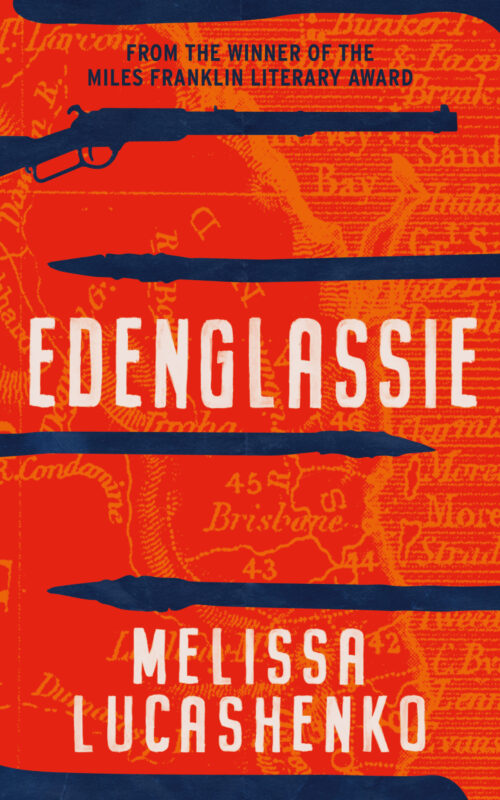
  • Melissa Lucashenko, Edenglassie (“a tour de force”, Readings; Kate Evans; Jennifer Mills) (on my TBR – see my conversation post)
  • Laura Jean Mackay, Gunflower (“McKay’s prose both illuminates and psychedelically reimagines our world”, Readings)
  • Angela O’Keeffe, The sitter (“execution and reading experience are second to none”, Readings) (Lisa’s review)
  • Matthew Reilly, Mr Einstein’s secretary (Jason Steger)
  • Sara M Saleh, Songs for the dead and living (Jason Steger)
  • Gretchen Shirm, The crying room (James Bradley) (Lisa’s review)
  • Amy Taylor, Search history (“witty and insightful novel of our times”, Readings) (Kimbofo’s review)
  • Lucy Treloar, Days of innocence and wonder (Kate Evans)
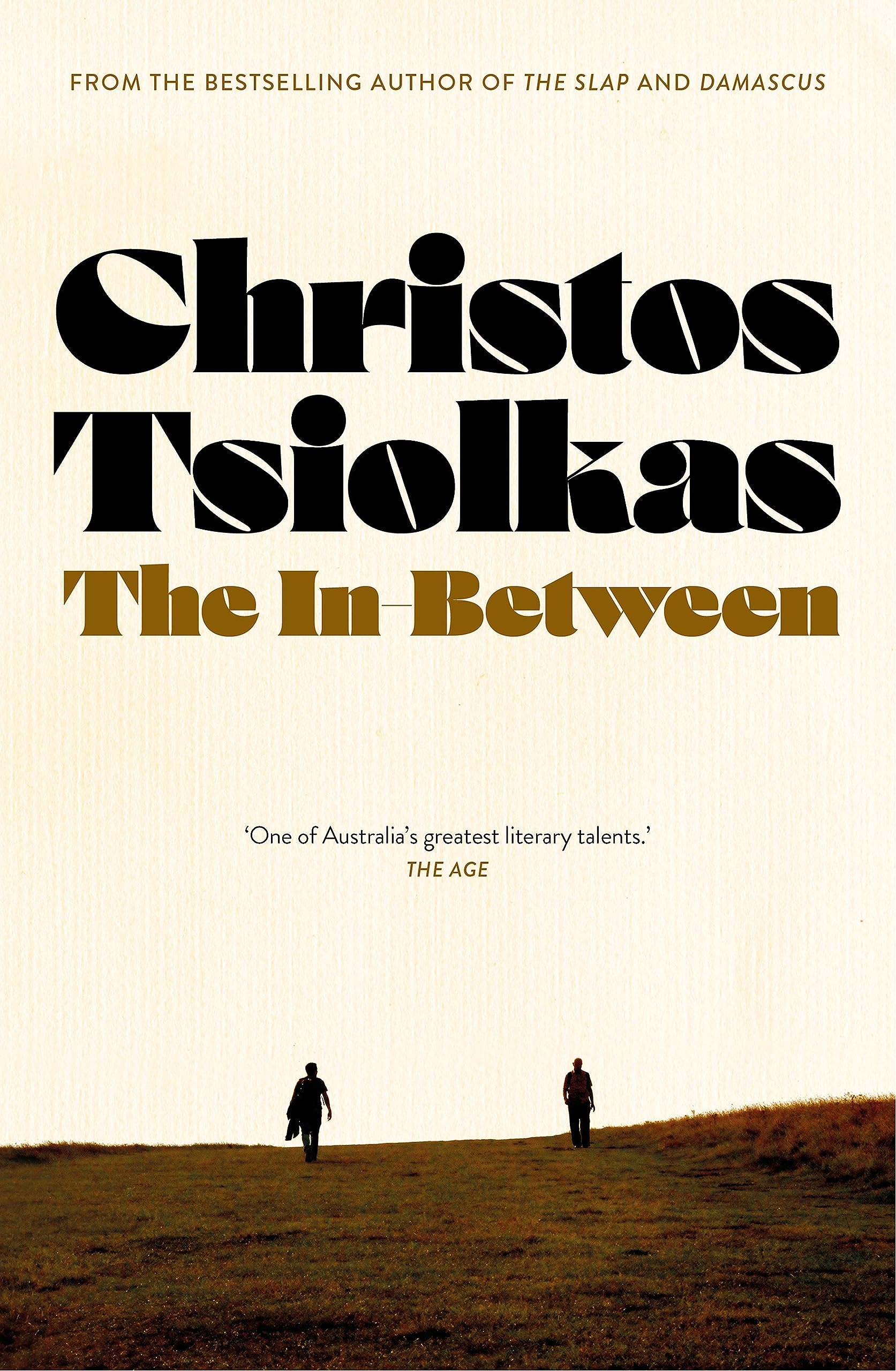
  • Christos Tsiolkas, The in-between (changed her mind about the author, Beejay Silcox; “captivating novel by a writer in top form which has already won over new readers and old fans alike”, Readings; Jason Steger; Kate Evans) (Kimbofo’s review)
  • Pip Williams, The bookbinder of Jericho (Readings; Jason Steger) (Lisa’s review)
  • Charlotte Wood, Stone yard devotional (Kate Evans; “the haunting grammar of its title, the restrained artistry of its structure, and the elusive way that it explores modes of memory, grief, and regret”, Kerryn Goldsworthy; James Bradley) (Lisa’s review)
  • Alexis Wright,  Praiseworthy (Tony Hughes-d’Aeth; “resists political simplifications”, Paul Giles; Philip Mead; “magnificent work of politics and imagination”, Jennifer Mills; “epic, addled, visionary examination of the contemporary implications of those foundational crimes”, Geordie Williamson) (Bill’s second post which includes a link to his first)
  • Jessica Zhan Mei Yu, But the girl (“astute and witty coming-of-age novel”, Readings)

In a little shout out to our friends across the ditch – in new Zealand: Eleanor Catton’s Birnam Wood was chosen by AFR’s Hannah Wootton and ABC’s Claire Nicholls, and Pip Adams’ Audition by ABR’s Jennifer Mills and Emma Shortis.

Short stories

  • John Morrissey, Firelight (“already widely considered the first instalment in a [First Nations] career to watch”, Readings)

Poetry

  • Dan Hogan, Secret third thing (“a wildly inventive wordsmith whose work is as playful as it is political”, Yves Rees)
  • Kathryn Lomer, AfterLife (Glyn Davis)
  • Alan Wearne, Near believing (John Hawke)

Nonfiction

  • Dean Ashenden, Telling Tennant’s story (Peter Mares)
  • Ryan Cropp, Donald Horne: A life in the lucky country (Patrick Mullins; Glyn Davis; Mark McKenna)
  • Graeme Davison, My Grandfather’s Clock: Four centuries of a British-Australian family (Bain Attwood; Penny Russell)
  • Sarah Firth, Eventually everything connects: Eight essays on uncertainty (Jen Webb)
  • Hannah Forsyth, Virtue capitalists: The rise and fall of the professional class in the Anglophone world, 1870–2008 (Penny Russell; Marilyn Lake)
  • Kate Fullagar, Bennelong & Phillip: A history unravelled (“an inventive structure and humanistic care”, Patrick Mullins; Frank Bongiorno; Mark McKenna)
  • Anna Funder, Wifedom (Jason Steger; Lisa Murray; Frances Wilson) (on my TBR)
  • Richard Flanagan, Question 7 (Claire Nicholls; Jason Steger; Cassie McCullagh; “meditation on the mutability of family, place, the past, is imbued with wistful nostalgia, one that resonates deeply”, Des Cowley) (on my TBR)
  • Richard King, Here Be Monsters: Is technology reducing our humanity? (James Ley)
  • Catherine Lumby, Frank Moorhouse: A life (Glyn Davis; Mark McKenna) (Lisa’s review)
  • Maggie MacKellar, Graft: Motherhood, family and a year on the land (Anna Clark)
  • Kim Mahood, Wandering with intent (Peter Mares)
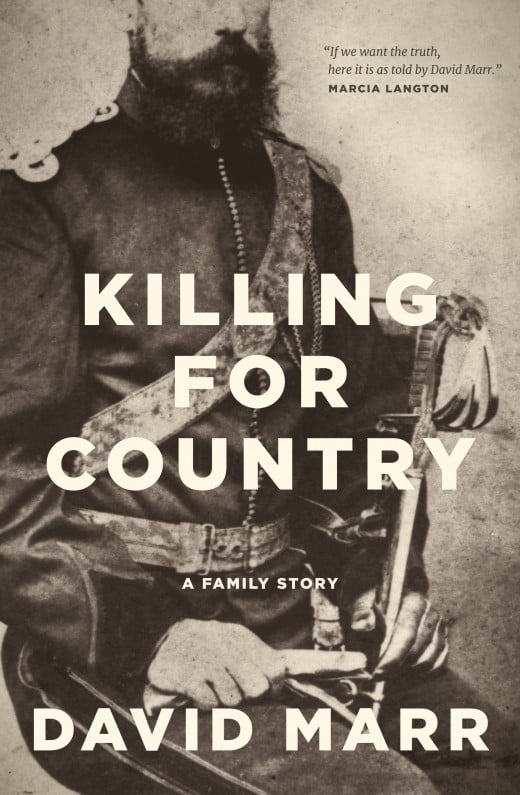
  • David Marr, Killing for country: A family story (Geordie Williamson; Frank Bongiorno; Glyn Davis; Kieran Pender; Brenda Walker; Mark McKenna)
  • Walter Marsh, Young Rupert: The making of the Murdoch empire (Patrick Mullins)
  • Thomas Mayo, The Voice to Parliament handbook (Glyn Davis)
  • Gemma Nisbet, The things we live withEssays on uncertainty (Lynette Russell)
  • Brigitta Olubas, Shirley Hazzard: A writing life (“one of the finest literary biographies published in Australia”, Peter Rose)
  • Noah Riseman, Transgender Australia: A history since 1900 (Yves Rees)
  • Alexandra Roginski, Science and power in the nineteenth-century Tasman world: Popular phrenology in Australia and Aotearoa New Zealand (“rich, enthralling account”, Penny Russell)
  • Heather Rose, Nothing bad ever happens here (Tristan Banck) (on my TBR – see my conversation post)
  • Alecia Simmonds, Courting: An intimate history of love and the law (“uniting zest for narrative with immense research and hard-hitting analysis”, Penny Russell)
  • Ellen van Neerven, Personal score: Sport, culture, identity (“unique, poetic memoir and meditation on gender, sexuality, identity, and sport”, Kieran Pender)
  • Chris Wallace, Political lives (Tom McIlroy)
  • Sally Young, Media monsters: The transformation of Australia’s newspaper empires  (Frank Bongiorno)

Finally …

It’s interesting to see what books feature most. Popularity doesn’t equal quality, but it does provides a guide to the books that attracted the most attention in the year. Last year I noted that one of 2021’s most frequent mentions had won the 2022 Miles Franklin. In 2022, the two most frequently mentioned books were Robbie Arnott’s Limberlost and Jessica Au’s Cold enough for snow. Neither won the Miles Franklin, but both won significant awards during 2023 including the Prime Minister’s (Fiction) Literary Award for Jessica Au.

This year’s most mentioned books are fewer this year because that paywall issue significantly reduced significantly my “haul” but we still have some (and all are well-established authors):

Fiction

  • Alexis Wright’s Praiseworthy (5 picks)
  • Christos Tsiolkas’ The in-between (4 picks)
  • Graham Akhurst’s Borderland, Tony Birch’s Women and children, Melissa Lucashenko’s Edenglassie, and Charlotte Wood’s Stone yard devotional (3 picks)

Nonfiction

Did you notice two books in this section were subtitled, “essays on uncertainty”? I’m intrigued.

  • David Marr’s Killing for country (6 picks)
  • Richard Flanagan’s Question 7 (4 picks)
  • Ryan Cropp’s Donald Horne, Kate Fullagar’s Bennelong & Phillip, and Anna Funder’s Wifedom (3 picks)

An advantage of lists like this is discovering new books. I was excited to read about First Nations Kalkadoon writer John Morrissey’s Firelight, because it’s short stories and because the Kalkadoons were the first First Nations people I knew (back in the 1960s). Gemma Nisbet’s The things we live withEssays on uncertainty has also caught my eye.

Besides the books which are already on my TBR, and hence known to me, there are others I had heard about and that interest me. David Marr’s Killing for country feels a bit close to home, but worth reading, as I too have “skin in the game”, as my brother calls it. The literary biographies I missed this year, including Olubas’s Shirley Hazzard and Lumby’s Frank Moorhouse, are also in my sights. And there are several First Nations books here, besides the Morrissey and Lucashenko, that I am keen to read. Birch and Ellen van Neerven, for example.

I could go on because, you know, readers love talking about books we’d like to read, but I also know when it’s time to stop and pass the baton on …

POSTSCRIPT: The day I posted this The Guardian Australia, as kimbofo shared in the comments, published their Top 25, which more or less reinforces these but adds some books not here, including one I’ve read, Rebecca Burton’s Ravenous girls (my review)!

Thoughts, anyone – on this or lists from your neck of the wood?

Monday musings on Australian literature: Thinking about historiography

Last week I wrote a post on Cindy Solonec’s hybrid biography-memoir, Debesa: The story of Frank and Katie Rodriguez. This book, as I explained in my post, is a rewriting of her 2016 PhD thesis which “explored a social history in the West Kimberley based on the way her parents and extended family lived during the mid-1900s.” Immediately, perhaps, you can see what inspired this post.

It has been accepted for some time now that social history, particularly that involving the stories of ordinary people, is a valid and important part of history, of the historical record. But, ordinary people’s lives aren’t well documented, history normally being, as we know, the province of the victors.

Solonec did have significant documentary sources to draw on, as the Kimberley has fascinated people for a long time. She also had her Spanish-born father’s diaries, which were not particularly detailed but they did provide the book’s “chronological framework”. Diaries are a common source for historians, so there’s nothing new about that. But, what about the First Nations side of her family? For that she had to rely on the stories her mother and extended family passed on through oral tradition. She writes that, fortunately,

Aboriginal peoples still uphold past events through oral histories … I was excited to find that their stories were not that hard to cross reference with the literature. Their memory vaults with stories that have been handed down served them well, confirming the reliability of Indigenous intelligence.

This comment reminded me of an essay “On listening to new national storytellers” in The Conversation. Written five years ago by academic Anna Clark, it considers Australian historiography and the historical record, and covers some issues that are discussed in longer tomes like Tom Griffiths’ The art of time travel. But her focus is specific.

Clark refers briefly to the “history wars” before moving on to say that

Debates over Australian history aren’t simply ideological, but also disciplinary, and reflect the historical challenges wrought by changing approaches to the past. 

She makes the point that history isn’t a simple matter of what happened and why, but is affected by “persuasions, politics and prejudices” of the historians writing it. So, a history of the “first settlement” written in, say, the 1930s, is very different to one written today, though the actual events are the same.

Clark goes on to say that Australia’s history has been viewed, at least until the 1960s, in terms of “progress” or advancement. It “privileged the written record” which is “located in archives, libraries and universities (themselves imperial institutions)”. Where did that leave the story of First Nations’ people? Clark writes that:

Dispossessed from their country, Indigenous people were in turn dispossessed from Australian historiography. It was, in the words of the anthropologist, W.E.H. Stanner, our “Great Australian Silence”, and his phrase has come to characterise the nation’s own historiographical “dark ages”.

Gradually, historians, inspired by the likes of Henry Reynolds, started to write histories that looked through lenses different to the “simple story of progress and advancement”. To do this, they used “Indigenous testimony and oral history sources”. This challenged traditional “historical research methods, which depended on written primary sources”.

Contributing to this shift have been Indigenous historians – such as Steve Kinnane, Noel Pearson and Larissa Behrendt – who have promoted “the inclusion of new historical lenses to read between the lines of colonial sources”.

Other storytellers?

That’s a good thing, but Clark has more questions, such as: while historians were “erasing the impact of settler-colonial society on Indigenous people in Australia”, were other “national storytellers” doing the same? And here is where it becomes interesting in terms of what we call “history”.

Take poetry, for example. Clark writes that

the sound of colonial violence and Aboriginal dispossession was ringing loud and clear in Judith Wright’s poem Nigger’s Leap, New England. Published in 1945, it’s based on the story of an Aboriginal massacre told to Wright by her father, and is a powerful antidote to Australian historiography of the time.

Or novels, like Eleanor Dark’s The timeless land (1941). In it “Dark tries to capture the cultural clash between the Eora people and the British colonisers in early Sydney”. This might be historical fiction, but Tom Griffiths, she says, argued in his book that “Dark deserves recognition as a historian for the work she did, and her impact on Australians’ historical consciousness”.

This doesn’t mean, she continues, that historians should ignore

the conventions of truth-seeking and critical inquiry. But as Griffiths intimates in his recent book, the relationship between history and fiction is surely more a dance than a clash, despite the heated debate over Kate Grenville’s historical novel, The Secret River. And historians who ignore the potential of fiction to imagine their way into some of those undocumented encounters diminish their own historical imaginations, he concludes.

Regular readers here will know that this accords with my – admittedly non-expert – views on the matter.

Anyhow, she goes on … mentions Mudrooroo’s Doctor Wooreddy’s Prescription for Enduring the Ending of the World, and other potential sources of history …

I think you get the gist. The point she is making is that there is increasing recognition of “the need to broaden our conception of historiography to reflect the many ways we make history, and consume it”. Aboriginal rock art is an obvious example, and other forms of “material culture”. Clark argues, and here we loop back to Cindy Solonec, that there is a need:

in Australia to expand and reconceptualise our understanding of historiography in order to recognise that history is frequently captured and made outside the academy ­– in fiction, poetry, art and even beyond the public domain altogether, such as local and family histories.

Clark has more to say, but concludes that she’s interested in how less traditional records or stories, these “vernacular epistemologies”, “can add both to our understanding of the past and the discipline itself”. I’ve been fascinated by historiography since I read EH Carr’s What is history at university, and so I loved this article.

Any thoughts?

Monday musings on Australian literature: Hidden Women of History

Every now and then I share some content from The Conversation, and so I am again today. This time, it’s an occasional series they have featuring the “hidden women of history”, in which they “look at under-acknowledged women through the ages”. Not all of these are Australian but around half, so far, are.

The most recent article in the series (see link below) is about Catherine Hay Thomson. It starts:

In 1886, a year before American journalist Nellie Bly feigned insanity to enter an asylum in New York and became a household name, Catherine Hay Thomson arrived at the entrance of Kew Asylum in Melbourne on “a hot grey morning with a lowering sky”.

Hay Thomson’s two-part article, The Female Side of Kew Asylum for The Argus newspaper revealed the conditions women endured in Melbourne’s public institutions.

Her articles were controversial, engaging, empathetic, and most likely the first known by an Australian female undercover journalist.

Before this, the intrepid Thomson had written about Melbourne Hospital, having obtained work there as an assistant nurse. She was quite a social justice mover-and-shaker, and worth reading about.

Here, though, I want to share with you some of the other women in this series which, at the point of writing, numbers 31 articles. The first was published on 31 December 2018, and featured  Elsie Masson, a journalist who became an advocate for Aboriginal people. Lydon writes in her article (see link below) that:

As one of the “first white women” to travel in the Northern Territory, Masson’s newspaper articles and book An Untamed Territory – a profusely-illustrated narrative of life in the wild north – show how she popularized the “expert” views of her circle: an elite global network of colonial administrators, including the famous anthropologist Walter Baldwin Spencer.

Lydon writes of Masson’s “transition from dislike to respect” not only of Indigenous Australians but of “others” as well, such as Chinese people. Attending the trial of nine Indigenous men arrested for the murder of trepanger James Campbell also changed her views. Lydon writes that her

account of this trial ultimately argued for the need to acknowledge the coherence of Indigenous tradition, and what today is termed customary law.

These articles cover a wide range of women – Indigenous, immigrant and Australian-born – from the early nineteenth century to well into the twentieth. They cover a wide range of professions and achievements, from the arts and sport to social justice and activism.

Listed below are the articles featuring Australian women (alphabetical by last name):

I haven’t read all of these articles yet, but once again, I thank The Conversation for bringing these women – few of whom appear, for example, in the Australian Dictionary of Biography (ADB) – to our attention.

Monday musings on Australian literature: The Conversation’s Writing History

This is the post I planned for last week, when Jessica White hijacked me. Like that post, this one too was inspired by another person, this time my historian brother who sent me a link to an article in a new series by The Conversation called Writing History. This series aims to “examine the links, problems and dynamics of writing, recording and recreating history, whether in fiction or non-fiction”. A topic, as regular readers here will know, of interest to me.

I’m not sure how many articles are planned for the series, but here are the five that have been published to date:

I haven’t read them all yet, but I have read the first two, and dipped into another. In the first one, Nelson and de Matos explain that the series draws from essays that were published in a special issue of TEXT, an open-access academic journal. The issue is titled Fictional Histories and Historical Fictions, and its aim is to “get beyond … the often acrimonious exchanges between writers and historians that have been such a characteristic of the History Wars of the last ten years, with its boundary-riding rhetoric.”

The secret River cover

Now, if you are an Australian interested in this subject, you won’t be surprised to hear that both articles I’ve read refer to the conflict between historians and novelists inspired by Kate Grenville’s award-winning, best-selling novel The secret river – or, to be honest, by comments Grenville made about history in relation to her novel. Nelson and de Matos write that the question of who should interpret and write about the past and how the past should be taught or written about has been around for centuries but it was “made palpable” in the tussle over The secret river.

Nelson and de Matos discuss the accessibility of history – and the fact that historians can write accessible history, as proved by writers like Clare Wright in her award-winning The forgotten rebels of Eureka (my review). And they talk about the politicisation of history, referring to comments by politicians like Christopher Pyne bemoaning “the ostensible disappearance of western civilisation from the curriculum” and John Howard’s critiquing of “the black armband view of history”. While political interference is not a good thing, they suggest that in a sense, all history – in its relationship to debates about democracy, identity and social justice – is public history. It makes it even more critical, then, doesn’t it, that we understand what we are talking about and the grounds upon which we are doing it.

In the second article, Tom Griffiths tackles the intertwining of fiction and history. He argues that it was Eleanor Dark, a novelist, who confronted the complacent imperial view of history in Australia’s sesquicentenary, a view that ignored the place of “Aborigines, convicts and women”. She led the way in rethinking our history. Paradoxically, the poet Judith Wright, a few decades later, wrote a history, Cry for the dead, which “gave a secure scholarly foundation to the political campaign of the Aboriginal Treaty committee”. His point is that both writers chose the form that best suited their needs at the time. “Like Eleanor Dark”, he writes, “Judith Wright carefully set about becoming a historian”.

By 1990s, the idea of “frontier conflict” was an accepted part of our historiography but there was a conservative backlash which tried to discredit research by arguing detail such as the number of people who died “as if it decided the ethics of the issue”. It was into this “moral vacuum”, Griffiths writes, that books like Inga Clendinnen’s history Dancing with strangers (2003) and Kate Grenville’s novel The secret river (2005) appeared.

Unfortunately, Grenville’s comments on the value of fiction to history –

The voice of debate might stimulate the brain, the dry voice of ‘facts’ might make us comfortable, even relaxed. It takes the voice of fiction to get the feet walking in a new direction.

– got her involved in the wrong debates, in discussions about history and fiction rather than the topic she wanted, frontier violence. Griffiths suggested this occurred partly because of the timing, because the conservatives were interested, at that time, in debating the “precise, grounded, evidenced truths of history”. To debate on that ground you needed “time, place and specificity”. Grenville, in other words, “found herself at the centre of a debate that goes to the heart of the discipline of history”. I like this explanation. It explains for me some of the reactions to Grenville that never completely made sense, it explains why historians I admired came out so strongly against Grenville, whose story seemed to make a valid contribution to the discussion.

Griffiths concludes that history and fiction are “a tag team” in the study of the past, “sometimes taking turns, sometimes working in tandem”. “History doesn’t own the truth”, he writes, “and fiction doesn’t own the imagination”. We need to understand the distinctions and how they play out, but we shouldn’t see this discussion as “defending territory”.

I look forward to reading the other articles. But for now, I’ll close on a quote my brother also sent me last week. It’s from Jose Saramago’s The Elephant’s Journey (2008):

… that is how it’s set down in history, as an incontrovertible, documented fact, supported by historians and confirmed by the novelist, who must be forgiven for taking certain liberties with names, not only because it is his right to invent, but also because he had to fill in certain gaps so that the sacred coherence of the story was not lost. It must be said that history is always selective, and discriminatory too, selecting from life only what society deems to be historical and scorning the rest, which is precisely where we might find the true explanation of facts, of things, of wretched reality itself. In truth, I say to you, it is better to be a novelist, a fiction writer, a liar.

And so the discussion continues …

Monday musings on Australian literature: The case for …

Back in February, the online journal, The Conversation, about which I’ve written before, started a occasional series they call The case for …. They described it simply as …

If you had to argue for the merits of one Australian book, one piece of writing, what would it be?

That’s very open-ended and I did think the intention might have been for contributors to argue for a book of controversial standing or, perhaps, one that has not received the recognition the casemaker thinks it deserves. But neither of these work for the first book, which was …

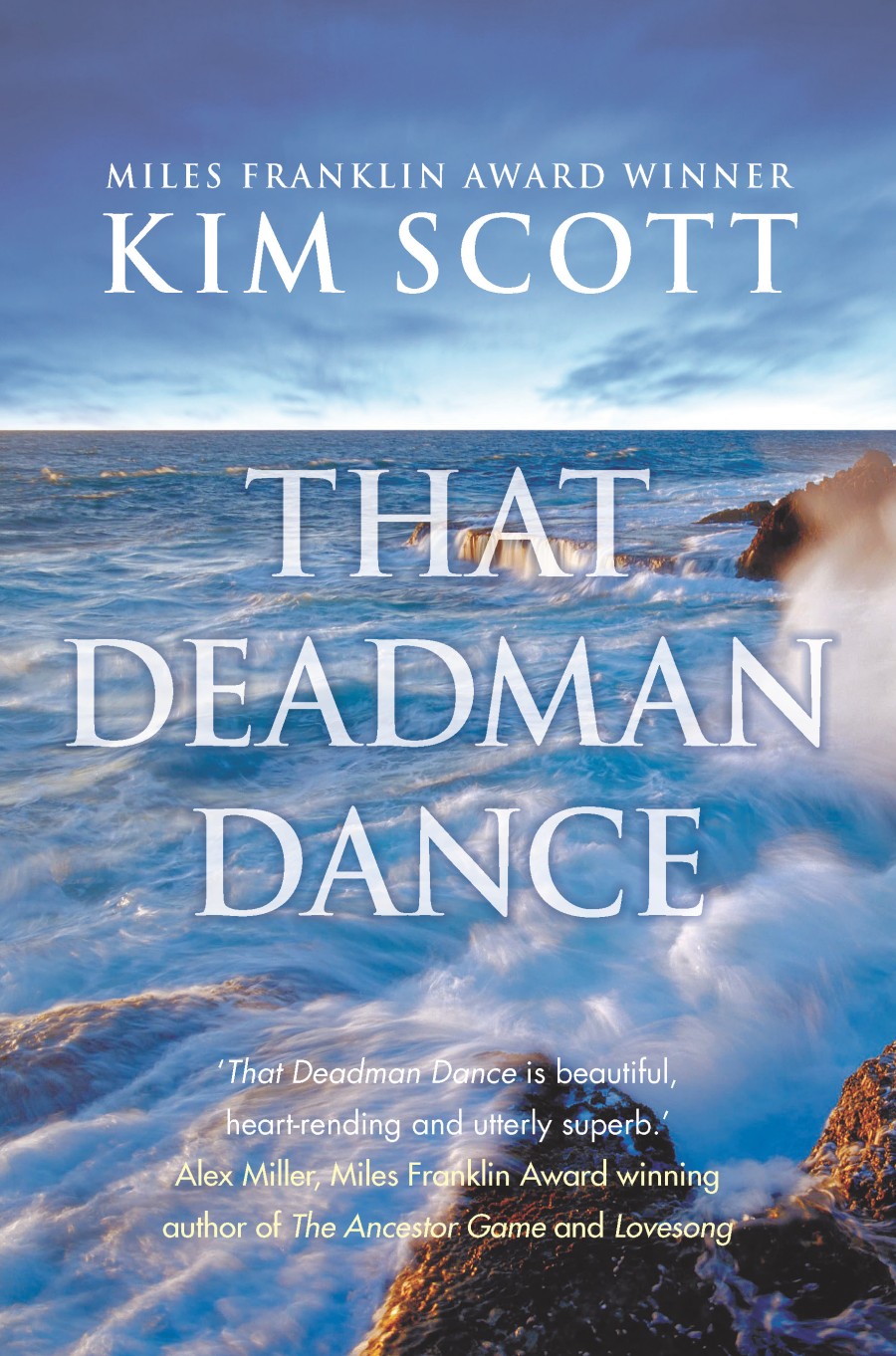
Kim Scott That Deadman Dance

(Courtesy Picador Australia)

Kim Scott’s That deadman dance, chosen by Tony Hughes-D’Aeth, Associate Professor, English and Cultural Studies, University of Western Australia. (See my review). It is not controversial, though some readers found it a little hard to read, and it won a swag of awards, as Hughes-D’Aeth tells us at the start of his case. However, he makes a case on the basis of its importance and relevance to the ongoing discussion in Australia about the facts and implications of first contact. And his case has to do with what he calls Scott’s “bold wager” that “he wanted to write a novel from the point of view of Aboriginal confidence” and that he was “inspired [to do so] by history”. Hughes-D’Aeth discusses his surprise at this idea of “confidence”, given that the history is one of “decimation” and “cultural annihilation”. You can read his “case” if you’d like.

I should clarify, before I continue, that The Conversation also says that the work can be “fiction or non-fiction, contemporary or historical”.

So far there have been eighteen cases put. Several are for books I know or have read (often before blogging), such as (links are to the “case”):

But some cases are for books, I don’t know at all (which probably just demonstrates my ignorance). These include:

Of the eighteen cases listed on the site, the one that stands out as a bit odd to me is Johnny Warren’s book, published in 2002. Warren was a legendary Australian footballer. Casemaker Lee McGowan (Senior Lecturer, Postgraduate Coursework Studies, Queensland University of Technology) admits that the book has its weaknesses, but argues that it’s important nonetheless. He says that “the book’s title refers to what Warren described as a ‘mentality’ that exists around football in its early days in Australia, a mentality he implied was borne of fear.” McGowan suggests this seems outdated now – though I’m not sure exactly what he’s saying is outdated. The words in the title? The mentality? The fear? He doesn’t explore this further, but moves on to say that the book’s main value is that it “remains the best, most insightful account of the Australian game’s contemporary development”. I guess I wouldn’t see the development of football as a critical issue warranting my attention, but to each their own I suppose.

I’m intrigued – though not surprised – to note that several of the books for which cases have been made are by indigenous writers or confront indigenous issues (including Kim Scott, Randolph Stow, Peter Temple, Paddy Roe, and Gail Jones’ Sorry). The cases, in other words, reflect the zeitgeist of our times. Suzie Gibson from Charles Sturt University, arguing for Stow’s To the islands (1958), for example, writes that in it

contemporary readers are confronted with the fruits of Australia’s racist policies concerning Aboriginal peoples.

She argues that, in addition to its literary merit, it is relevant to modern Australia

which tends to function in ignorance of the ongoing cultural disenfranchisement of Australia’s first peoples.

Literature, as we all know, comes in and out of fashion, sometimes for reasons that aren’t immediately obvious. I love this initiative by The Conversation – and hope further academics and researchers take up their offer to present cases.

Anyhow, I’m sharing this series for a couple of reasons. One is that it provides yet another list to look at when considering what to read next. And the other is, as you’ve probably guessed, to ask, What book* would you make a case for – and why? I will make a case for a book in a future Monday musings!

* Preferably from your own national literature.


Monday musings on Australian literature: The Conversation launches its Arts + Culture Section

I think I’ve mentioned The Conversation before. It’s a blog produced by a consortium of Australian academic institutions. The posts are written by writers who are academics, and each post has a disclosure statement regarding whether the writer has affiliations with/receives funding from organisations that could “benefit” from their article. It’s a good source of thoughtful commentary.

They have “sections” such as Politics + Policy, Business + Economy, and Education. Today they launched their newest section, Arts + Culture. That’s exciting because while there have been articles before on arts-related topics, they’ve been scattered. I was a bit disappointed, though, I must admit, to see that on this launch day there are no articles (as they call their posts) devoted to literature but I suppose that’s the luck of the draw. There are articles on Visual Arts, Music, Film, TV and Gaming. I’ll be watching out for Literature.

Julian Meyrick, Professor of Strategic Arts at Flinders University, wrote the new section’s foundation essay, “Does Australia get culture“. He suggests we don’t. He says:

We are a country not without culture but without a sense of culture. That distinction is crucial. Australia does not lack art, artists or audiences. But as a nation we find it hard to see culture in any but consumerist terms.

He suggests two reasons for this – the fact that our language is English makes it easy to “free-ride the cultural goods and services” of the UK and USA, and that our history is ‘peaceful’. ‘Our cultural consciousness’, he says, ‘has never been pushed into sharp awareness by invasion or forced colonisation … unless you are indigenous of course’. Funnily enough, I read a similar point in my current novel, Christina Stead‘s For love alone. In it, an American character keeps describing an Australian character as English, and in terms of her Englishness. I was starting to wonder about this when he says, “She’s not English but Australian of course, but it’s the English race unadulterated by any revolution”!

But, that’s a bit by the by. The article is interesting but a little odd. For example, the author suggests that Australia doesn’t have a written constitution? Huh? What about this? But, I guess my main question to Meyrick is what does he mean by “culture”? It’s a rather nebulous term that can range from something quite narrow to something that encompasses pretty well everything about how we live. It’s not clearly defined in the article. I assume he’s focussing on “the arts”. And I think by “sense of culture” he is concerned about something that seems to have been crossing my reading quite a bit lately, the “Australian identity” – or what he calls “the internal order of value that allows us to articulate who we are”. Since “the arts” are the prime means by which we explore and present who we are, Meyrick’s “culture”, as I read him, is the exploration and presentation of the who we are via “the arts”.

At least I think that’s at the bottom of what he is saying, but I could very well be putting my own spin on it. Regardless, his concern is that these arts are constantly being frustrated, by a

situation whereby commercial imperatives block artistic ones because the internal order of value that should keep them in productive tension is not present to the needed degree.

I’m not sure that Meyrick completely explains what he means by this but I think I get his point. He concludes that Australia is good, however, at strong and bold cultural policy, and that all we need is good leadership from the centre. What do you think?