This month’s SixDegrees occurs the weekend we here in Australia celebrate (or, commemorate, depending your point-of-view) Easter. Yes, I know that we are not the only country to do this, but I also know that not all countries make it a four-day weekend as we do. So, I just thought I’d share this little bit of Aussie culture. The other point of course is that for us it is autumn so all the spring-focused cards and decorations that we used to be – and still do tend to be – regaled with, really don’t make literal sense for us. Now, having burbled on too much, I’ll move on to the meme, starting with the usual reminder that if you don’t know this meme and how it works, please check Kate’s blog – booksaremyfavouriteandbest.
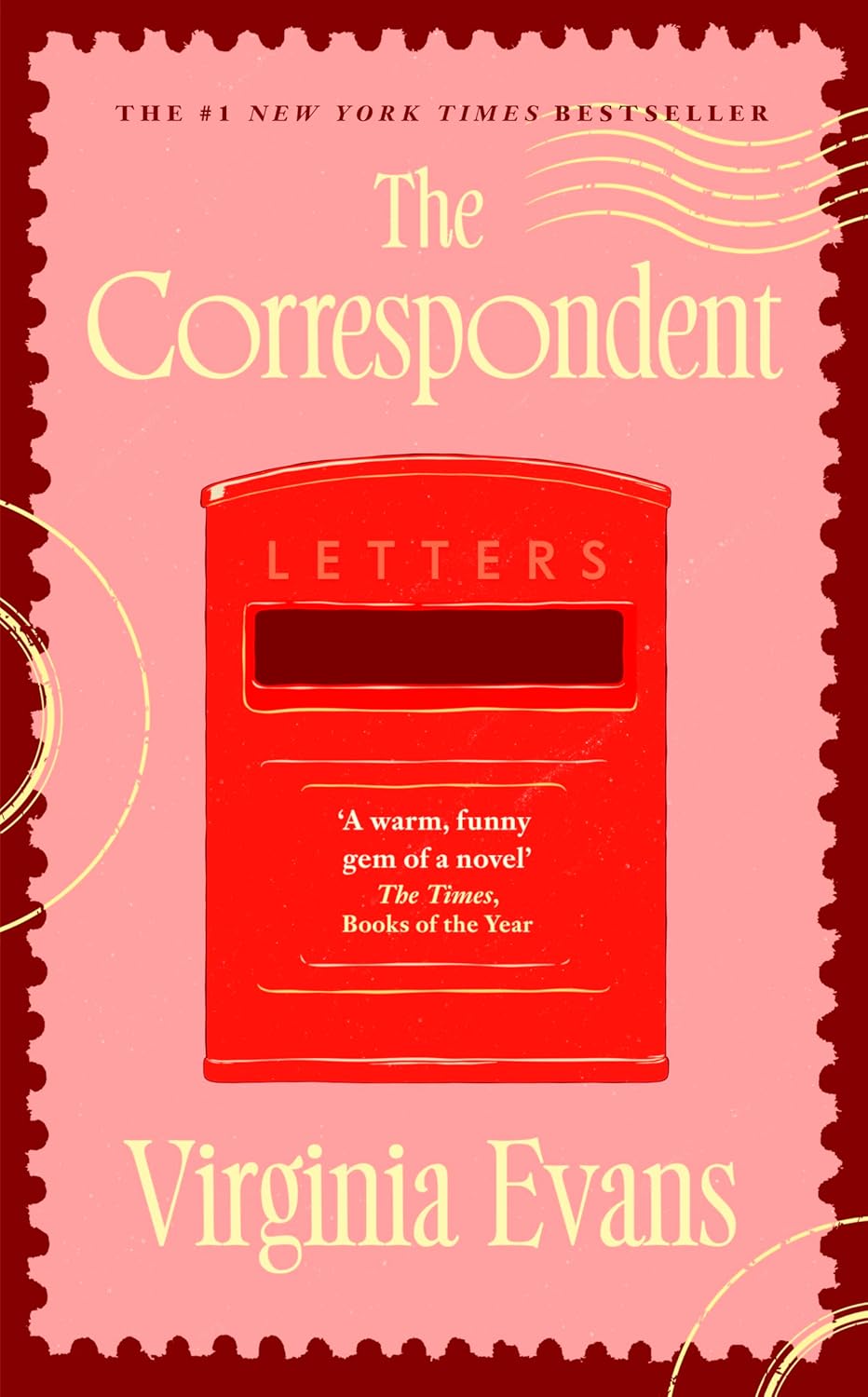
The first rule is that Kate sets our starting book. This month, she nominated a book I haven’t read, though I have been told I would like it, Virginia Evans’ The correspondent. From what I’ve heard, I suspect it would be up my alley but whether I’ll get to it is another thing. It is apparently about a 73-year-old woman who writes letters every morning – to friends, family and others including apparently someone to whom she never actually mails the letter. It is also, apparently, an epistolary novel as the story is told through these letters and emails.
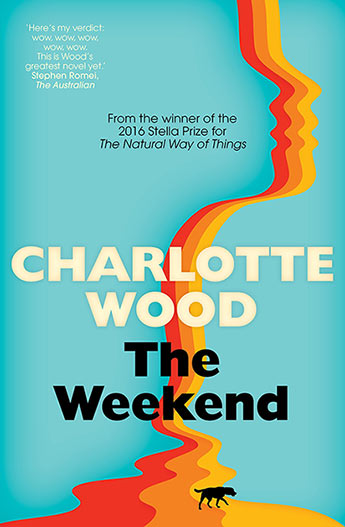
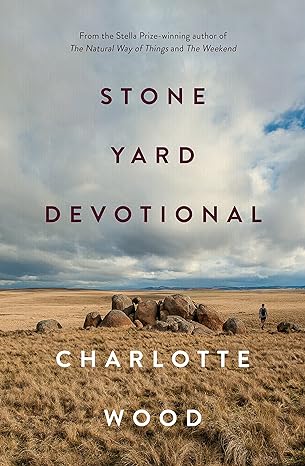
The obvious thing for me would be to link to an epistolary novel, but most of those I’ve reviewed here I’ve linked before and I don’t feel like going down that path. Instead, I’m going down the 70-something woman path. Charlotte Wood’s The weekend (my review) features not one or two, but three 70-something women. The story takes place over a weekend during which they come together to clear out the house of the recently departed fourth member of their group. Without her as their glue, their relationship is tested but, the centre holds in the end.
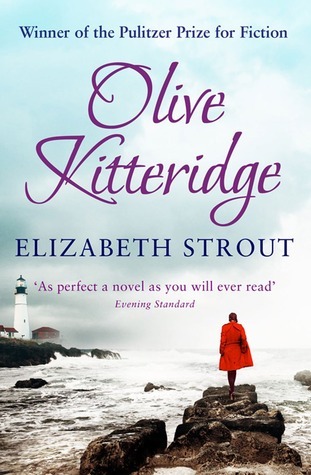
The women in The weekend are not your stereotypical older woman – the invisible grandma who cooks and knits for the family. They are professional women who are facing aging and ageism, and are still actively engaged in life, ready to fight for what they want (when they are not arguing amongst themselves). Another character who is definitely not your stereotypical sweet old lady is Elizabeth Strout’s Olive Kitteridge (my review). She is retired (and moves into her 70s during the novel), but is still a force around town, compassionate at times but definitely not the cuddly, apple-pie type.

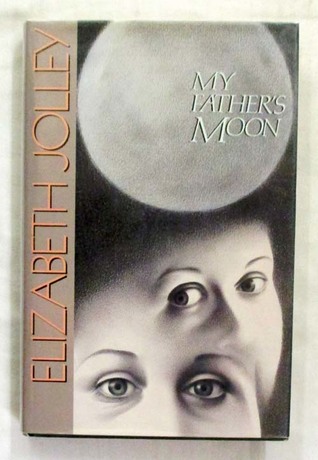
Another strong, older 70-something woman, albeit getting us into grandmother territory, is the protagonist in Elizabeth Jolley’s Orchard thieves (my review). This is a deliciously wise and meditative, warm and witty book about generations, seen from a grandmother who worries about her daughters and grandsons, and uses all the wisdom she can to re-stabilise rising tensions. There are no pat answers, but a realistic understanding of the changes we all go through in life and how those changes impact family relationships as stresses – financial, health, the pressures of just plain living – rise and fall.
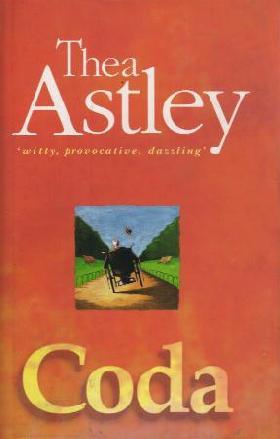
Shining a very different light on ageing women is Thea Astley in her memorable novella, Coda (my post). Kathleen’s age is not given, but she must be at least 70s. The point is she is moving into dementia. “I’m losing my nouns” is the novel’s opening line. This is a witty, but darkly clear-eyed interrogation of ageing and the loss of agency that comes with it – with or without dementia, really – and of children who are unable to cope let alone empathise with what is happening to their mother.
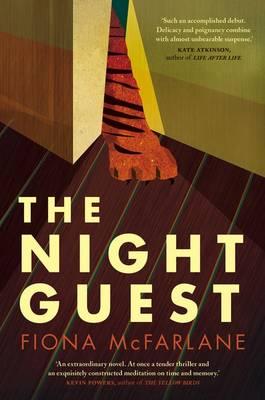
Another older woman who is losing her memory is 75-year-old Ruth in Fiona McFarlane’s The night guest (my review). This is not a satirical novel like Astley’s but its subject matter – including ageing, the loss of agency, and duty of care – are similar. McFarlane tells her story through a number of visitors and/or visitations – real and imaginary – and keeps us about as unsettled as Ruth is while we try to comprehend what is going on for her.

Another woman living alone, but not experiencing dementia, is Rabih Almeddine’s 72-year-old divorced, childless protagonist in An unnecessary woman (my review). Living in Beirut, she is a reader and a translator of the books she reads into Arabic. It is her life’s work, though her translations are never published. She has lived through war. Both lonely and alone, she is aware of how others see her, and of challenges to come, but when I read it, I was most interested in what she had to say about reading and literature.
I did something different this month, which was to stick with one theme – older women protagonists. Most ended up being Australian, mainly because, while I have read many non-Australian older protagonists, most were before blogging. I liked the range of women I met in these books. They all face their challenges with strong presence of mind (even where the mind is going). They prove what most of us know. Age does not stop us engaging with life. These books provide a great opportunity for us to learn from the experiences of those ahead of us, and to think about how we want to do it.
Have you read The correspondent and, regardless, what would you link to?












 Whispering Gums