Canberra Writers Festival 2025: 6, Poems of love and rage

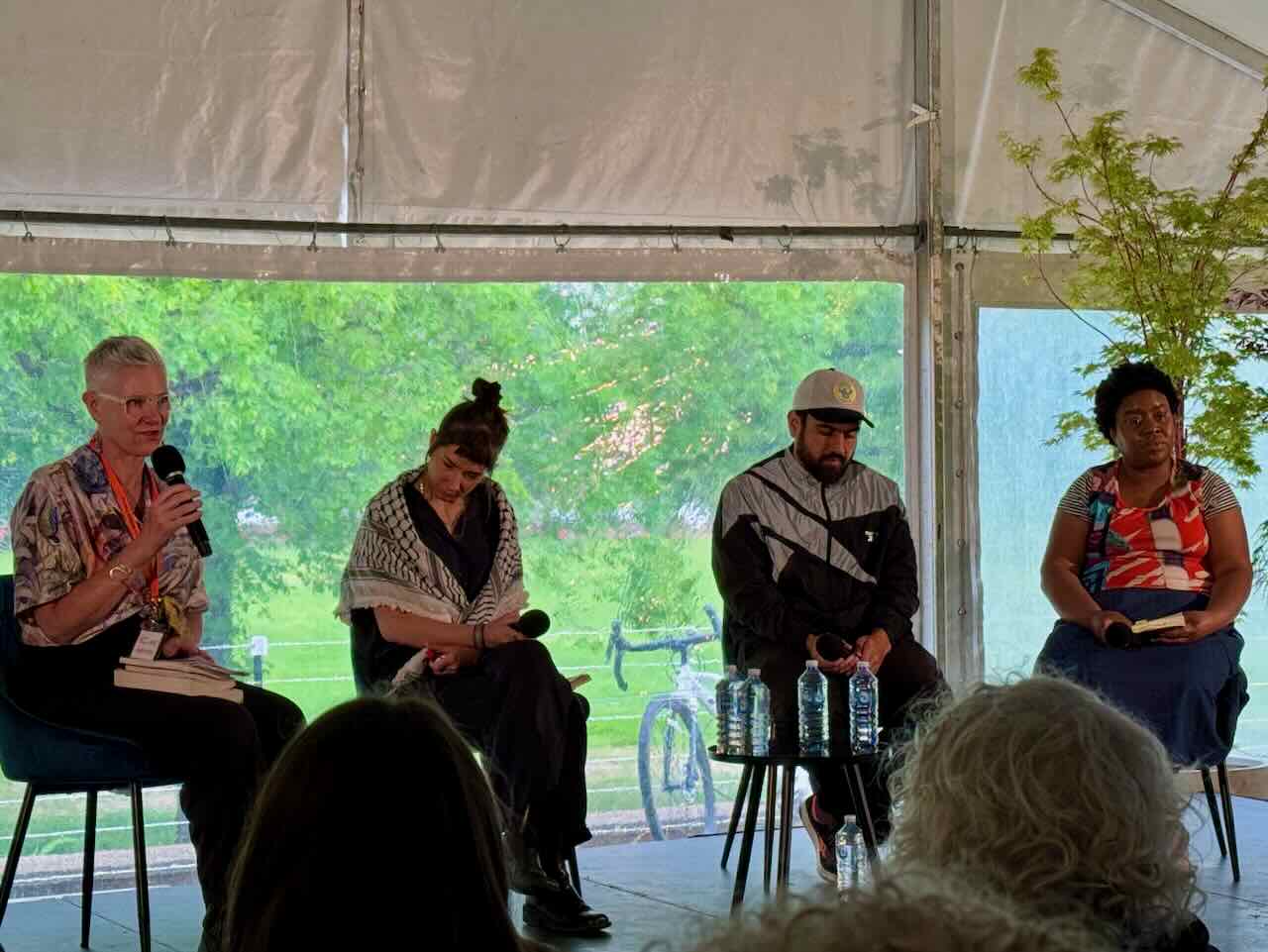
Evelyn Araluen, Maxine Beneba Clarke and Omar Musa with Jacqui Malins

The program described the session as follows:

An electrifying highlight of this year’s program, our poetry panel features some of Australia’s most acclaimed and innovative poets putting love and rage on the page. Overland Poetry Prize winner Evelyn Araluen (The Rot) joins Maxine Beneba Clarke with Beautiful Changelings, and hometown spoken word artist Omar Musa. This session delves into the power of love, and the ongoing fight against oppression in its many forms. Don’t miss this powerful event. Moderated by Canberra author, artist and performance poet, Jacqui Malins.

For this event, we hardy festival attendees had to leave the warmth of the National Library building (or whatever building we’d previously been in), and walk through a little rain to a marquis on the Patrick White Lawns. It was worth the effort. Actually, it wasn’t that cold and wet, and the venue, with chairs on the grass and some lovely potted trees, made for a nice change.

As this session included poetry reading and performance, your scribe had a bit of a break from intense scribbling, but the notes I took have still ballooned. After acknowledging country, Jacqui asked each of the poets to choose a poem to read (or perform) that explores rage.

On rage

Evelyn explained that her collection is all love and rage, that it was written in the context of love of communities, network and solidarity, but informed by rage, by the futility of witnessing genocide from our phones while the government continues to provide material for weapons. She was thinking specifically about global capitalism. She read her poem “Girl work” from The rot. As I’m sure you all know, there’s something special about hearing a poem read by the poet. They know what nuances and rhythms they intended for their words. This is a deeply satiric and ironic poem about girls and work, girls and girly aspirations, set against “the machine” that will swallow them up. It’s confronting (“girly, you glisten in your soft tailoring … your coolgirl cleangirl chic”) and confrontational (“o girly, lift your head…”). The words are cleverly angry.

Jacqui commented on its exploration of how to live in the face of the onslaught while also trying to live day-to-day. She likes the thread in the collection of what to do with our hands, the twitching to act.

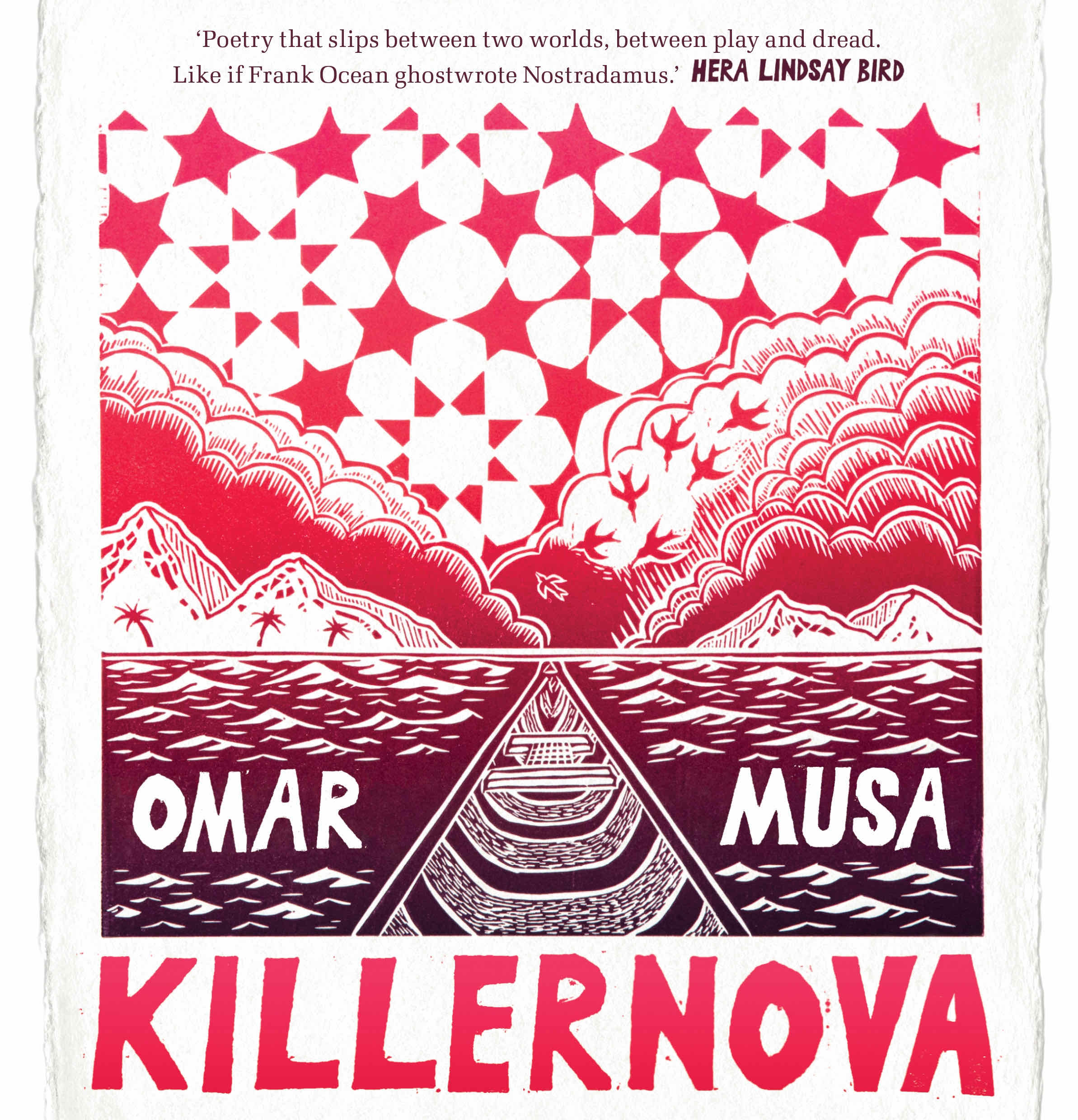
Omar, poet, novelist, musician and artist from Queanbeyan, “Palace of the Palarang, Venice of the Eden Monaro”, has published four books of poetry (the last being Killernova, see my post on its launch). A performance poet, he performed rather than read two poems, “To burning” (which you can see on YouTube performed with music by his wife Mariel Roberts) and an older one I’ve heard before, “UnAustralia” (on YouTube too). He too is enraged by politics which cares more about money than people (particularly brown, Muslim, and “other”) and the environment.

As Jacqui said, his poems contained an “extensive catalogue of rage” that hasn’t changed over the years since they were written.

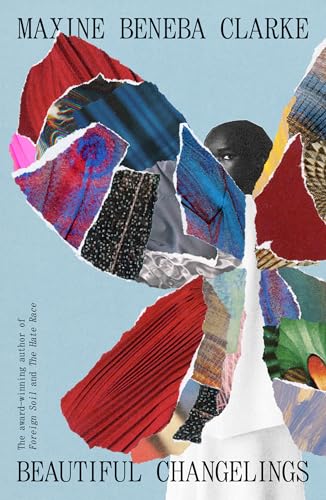
Maxine, reading from her just published book, Beautiful changelings, took us to somewhat different places. Like Araluen’s book, her focus is women. Araluen’s is described as a “liturgy for girlhood in the dying days of late-stage capitalism” while Clarke’s is about “ageing, womanhood, motherhood” with “wrecking-ball revisitings of the myths, mantras and fairy tales fed to girls” (from back covers and promotional materials). The first poem she read, “A good wait”, was inspired by her role as chauffeur for teenage children. It is more humorous than overtly angry, but has a layer of anger all the same for parents, particularly women, who are expected to put their needs – including their work/careers – second to those of their children.

She then read a section from a longer poem, “Major complications”, which explores rifts in contemporary feminism. It was inspired by feminist witch t-shirts and the Salem witch-hunts, and draws on the story of Tituba, “the witch that would not burn”. I loved the line – I think I got it right – “Tituba made sure they got the complication they asked for”.

On writing poetry inspired by rage

Omar grew up angry. Ppoetry was is pressure relief valve. He talked about his Malaysian inheritance and a way of expressing yourself that alchemically transforms rage to a different state, that enables you to legitimate anger. (I missed the details because I didn’t catch the Malaysian word.) It’s reductive to delegitimise rage.

For Evelyn, rage was explicit to her project. Referring to the success of Dropbear (my review), she said what an enormous privilege it is for a poet to be read. It’s unusual. Her book is in schools, and she hears from teenage girls. This made her think about her responsibility to her audience. She feared she could be immobilising girls into despair. She was inspired by Revolutionary letters, a poetry collection by Beat poet Diane di Prima, who turned practical things into revolutionary action.

Maxine (whose memoir, The hate racemy review – is also in schools) related to this audience idea. She talked about being a woman and getting older, and the rage that brings. There’s poetry and reaching for poetry. Bigots, she said, aren’t going to pick up poetry. Further, more than with prose, people come to poetry with openness. An interesting point. How, she said, does she make sure that her rage is poetry.

Jacqui wondered about rage turning into polemic, and love into sentimentality. Are these risks ?

Omar said not necessarily. “UnAustralia” is a polemic poem. He hopes poems can work on different levels, such as rallying the base and educating others. Poets use their tools to smash open the door, using different weapons for different battles. Jacqui agreed that preaching to the converted has a role.

Evelyn commented that “people like shitting on sincerity”, that the elite will say they “hate slam poetry” but don’t go into those rooms and see the work. This is “cringe culture”, at work. We have a bad relationship with sincerity. (This idea spoke to me.) Performance offers a strong introduction to poetry, performance poets put their whole heart into their work. What is it that brings people through the door? How much affect is effective? Research suggests that the most significant trigger for engaging people is to activate emotional sensibilities.

Maxine added that in 2025 earnestness is not cool, but then people will perform emotions on Instagram!

On love

Jacqui asked the poets to end with a poem written through the lens of love. Maxine read her tribute to being an aging woman, her love letter to growing older, “I want to grow old”. It mentioned several older women models, like the late Toni Morrison, and included lines like “speaking slow and exact and only sense” and “I want to grow old spectacularly”. Omar read two poems, one to his cellist wife, and one to a childhood friend (noting that friendship can be our greatest love affair.) Evelyn, who at first feared she didn’t have one, read the last poem in her collection, “I will love”.

This event was in a small venue, but had a decent-sized audience. Poetry always moves me a little out of my comfort zone, but I’m glad I took the risk!

Postscript: It was notable that the three poets were people of colour, albeit from very different backgrounds. Interestingly, of the 7 sessions session I attended, five comprised only white (I believe) participants, and two comprised all people of colour. I did, however, only attend 7 of a large number of sessions, so mine may not be a good sample. Nonetheless, shaking it all up a bit – people’s backgrounds, genres, forms, and so on – could energise discussions.

Canberra Writers Festival, 2025
Poems of love and rage
Sunday 26 October 2025, 12-1pm

Monday musings on Australian literature: National Poetry Month 2025

National Poetry Month – in Australia – is now five years old, and once again it is spearheaded by Red Room Poetry, which should not need any introduction by now to regular readers here. This year it runs a bit over a month, from 30 July to 3 September.

As before, they have appointed Poetry Month Ambassadors, with 2025’s being author and journalist Stan Grant, comedian Suren Jayemanne, screenwriter Luke Davies, rapper Dobby, musician Leah Senior, model Nyaluak Leth, and author and broadcaster Julia Baird. (You can read more about the Ambassadors on this dedicated page.) Arts Hub reports that this year they are introducing a Youth Ambassadors program “to showcase and foster the next generation of Australian poetic talent”. I understand that there will be four Poetry Month Youth Ambassadors, and that they will be announced online, tomorrow, 12 August, in time for International Youth Day.

Red Room is running similar events and activities to those they’ve run before – the 30in30 daily poems/reflections/writing prompts, and the National Poetry Month Gala, which will be on 28 August at the State Library of NSW (and also live-streamed via Red Room Poetry’s YouTube). This year’s 30in30 features, reported thatshowblog, “an impressive roster of contemporary Australian voices including Evelyn Araluen, David Brooks, Winnie Dunn, Nardi Simpson, and Tyson Yunkaporta, alongside emerging talents like Grace Yee and Madison Godfrey”.

New events and initiatives this year include (though some are now past!):

  • Art After Hours: Ekphastic Fantastic at AGNSW (Wednesday 6 August)
  • Middle of the Air: Lyric Writing Workshop (Wednesday 6 August)
  • Hatred of Poetry Great Debate (Thursday 14 August) at the Wheeler Centre in Melbourne: arguing that the hatred of poetry is justified will be Evelyn Araluen, Sez, and Suren Jayemanne, with their opponents being Eloise Grills, PiO, and Vidya Rajan.
  • Poetry After Dark: Panel & Performance at Dymocks, Sydney (Friday 22 August)
  • Middle of the Air Competition for poetry set to song, offered in partnership with the ABC: entries close on 1 September. The two winning songs/poems will be broadcast on The Music Show in November (More info here)
  • Poetry and Film Showcase (Wednesday 3 September) at the Sydney Opera House

Internet searches reveal more events – such as this page from What’s On City of Sydney. It feels like this month is becoming established in Australia’s literary calendar.

Poetry posts since the 2024 National Poetry Month

How slack have I been? I have only written two posts on poetry since last August:

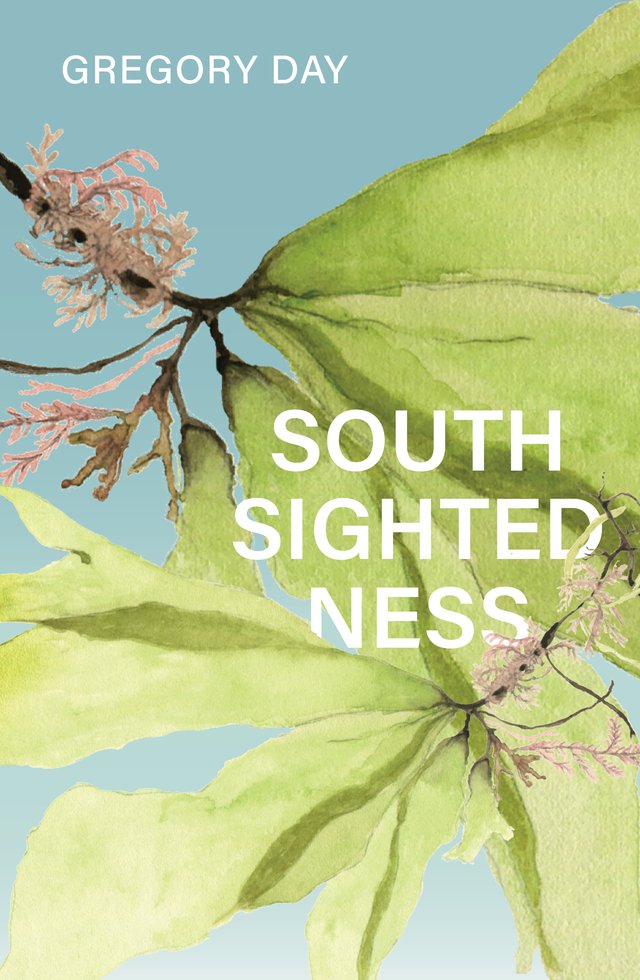
I do have several poetry books on my TBR, including those mentioned in the World Poetry Day post, and Gregory Day’s gorgeously produced Southsightedness.

Red Room’s 10 essential Australian poetry collections

On 31 July, to herald National Poetry Month, The Guardian published “10 essential Australian collections that will change how you read”. It was compiled by Red Room Poetry’s artistic directors, David Stavanger and Nicole Smede, who said in their introduction:

This list isn’t about ranking or canon-building, but about spotlighting collections that crack language open, unsettle expectations, and echo long after the last line. From poetic noir, epic love lines and jazz-inflected dreamscapes to sovereign storytelling and lyrical confrontations with history, these books remind us of poetry’s unmatched ability to hold truth, tension, and transformation.

The collections are, in the (mysterious to me) order given:

Ali Cobby Eckermann, Inside my mother
  • Ali Cobby Eckermann, Inside my mother (2015, my review)
  • Dorothy Porter, The monkey’s mask (2000, on my TBR still, but I have read Porter’s The bee hut)
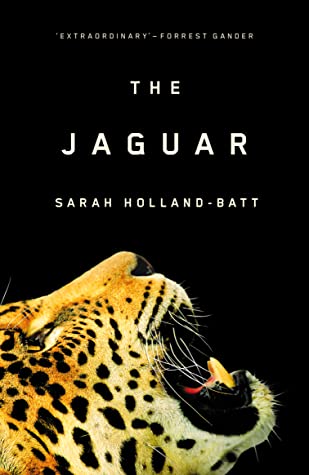
  • Sarah Holland-Batt, The jaguar (2022, on my TBR, Kate’s and kimbofo’s review)
  • Samuel Wagan Watson, Smoke encrypted whispers (2004)
  • Bill Neidjie, Story about feeling (1989)
  • Luke Davies, Totem (2004)
  • Judith Wright, The moving image (1946)
  • Alison Whittaker, Blakwork (2018, Bill’s and Brona’s posts)
  • Nam Le, 36 Ways of writing a Vietnamese poem (2024)
  • Shastra Deo and Kate Lilley, Best of Australian poems 2024 (2024)

It’s a good list, not the only list, because nothing is, but a good list. It’s diverse in authorship, and it includes a verse novel, a Stella winner, Judith Wright from the 1940s, and a Best of … anthology.

At the end of the article, The Guardian asks a question, so I’m asking it too:

Do you have a favourite Australian poetry book that wasn’t mentioned here? (Or any other poetry collection, particularly if you are not Australian!) Please share it in the comments.

Notes:

  • Links on writers’ names are to my posts for the writer (though the posts aren’t always about poetry).
  • Image: I assume Red Room Poetry is happy for their Poetry Month banner to be used in articles and posts about the month.

Monday musings on Australian literature: Les Murray Award for Refugee Recognition

Now THIS is something different for Monday Musings. Yes, it is Australian, but it’s not a literary award. Its full title is The Australia for UNHCR – SBS Les Murray Award for Refugee Recognition and, according to Australia’s UNHCR website, it “recognises and celebrates the contribution of refugees who are shining a light on the situation of forcibly displaced people”. The winner receives $10,000, which is donated by SBS, as part of their goal to promote positive awareness and understanding of refugees.

The site explains that the Award, which is supported by Murray’s daughters, Tania and Natalie Murray, is “offered in memory of Les Murray AM, the iconic sports broadcaster and much-loved host of The World Game on SBS television”. In other words, NOT Les Murray the poet. This Les Murray (1945-2017) was born László Ürge in Hungary, but fled Hungary with his family as a refugee in 1956, arriving in Australia in 1957.

Wikipedia’s page, linked on his name, says that he began work as a journalist in 1971, and was also lead singer of a small rock music group, The Rubber Band. He joined the Australian television station, Network Ten, as a commentator in 1977, which is apparently when he changed his name to Les Murray. He moved to Australia’s multicultural broadcasting service, SBS in 1980, initially as a Hungarian language subtitler, but soon turned to sports commentary – football, primarily. In 2011, he won the inaugural “Blogger of the Year” award at the FFDU Australian Football Media awards.

UNHCR says he used his public profile and his own refugee experience to advocate for refugee rights, and this, of course, is what’s behind these awards. To be eligible for the Award nominates must “have settled in Australia as refugees”; “demonstrate significant contributions to raising awareness of refugees and forcibly displaced people in Australia”; “be committed to continuing to engage the Australian public in support of refugees”; and be willing “to engage in Australia for UNHCR and SBS events” including participating in media coverage as requested.

The award was first made in 2022, and the winners have been:

  • 2022: Danijel Malbasa: former Yugoslav refugee, now “a powerful advocate, writer and lawyer”
  • 2023: Anyier Yuol: former South Sudanese refugee, recognised for “her diverse achievements across sport, women’s empowerment and refugee advocacy”.
  • 2024: Hedayat Osyan: a former refugee from Afghanistan, founder of a leading social enterprise that employs refugees in the construction industry

So, as I said, not a literary award per se. However, the 2025 winner, whom I read about in With You (Australia for UNHCR’s newsletter), is Huda Fadlelmawla, otherwise known as Huda the Goddess. She is an “internationally renowned slam poet”, hence her relevance to my Monday Musings.

Huda the Goddess

Fadlelmawla tells her story in With You (Issue 1, 2025, p. 7). I’ll provide a quick summary, but you can read it at the link. Her mother decided they should flee Sudan when Huda was 5 years old, because, under the dictatorship, her mother couldn’t work properly, put her daughter through school, help the family, or “even move around freely as a woman”. They spent 5 years in Egypt, living in poverty, before coming to Australia, when Huda was 10.

She writes of her mother’s telling her this was her chance to be what she wanted to be, and she was determined to take it. But, school wasn’t easy:

In school, I wasn’t good at English at all. Writing was just not my subject. But I had a very, very good teacher in Grade 7. She was the one who motivated me to master verbal language. She also asked me to do the graduation speech. It was the first time I was properly on stage. I thought I was going to throw up. I don’t even remember what I said, but I got a standing ovation from everyone.

After school, she started a nursing degree, but also started attending events. It was here that she saw/heard/met a poet named Anisa Nandaula, who encouraged her to do an open mic. She writes of the impact of the experience of doing open mics:

That was a time in my life when I didn’t know who I was outside of being smart and being a good oldest daughter, a good refugee. It was the first time it wasn’t about how good I was. It was about how I made people feel. I wanted to make people feel better – that was now my objective.

She must have been “good” because in 2021 she won the Australian Poetry Slam. She describes herself as “an improvised poet”, meaning she makes up her poems on stage. They are “not pre-written, edited” works. What she does is “deeply spiritual … deeply ancestral”. She talks about her activism as things she’s “had to do”, because, for her, “activists are not birthed out of choice … [but] … out of urgency … out of care … out of obligation”.

She wants to speak for her country and advocate for the youth. Refugees, she points out, do not need to be saved. Indeed, “sometimes they just need people to get the hell out of their way so they can rebuild countries that were taken from them”. She ends on this:

I am here for every Black girl who does not get to dream out loud. I have to stay in the room so that, when they step through the door, there is another Black face waiting for them.

That of course is the critical thing – for there to be role models, for us all to see people like us on the stage, in print, on TV, in art, and so on.

She will perform at Australia for UNHCR’s World Refugee Day lunch, Sydney, Thursday 19 June 2025. Click here for more info.

In the meantime, here she is on a UNHCR-published YouTube – and doing a TedX talk/improvisation a few months ago:

Art has been my greatest gift.
It is my greatest privilege.
It is my greatest weapon.

Have you either heard, or heard of, Huda the Goddess?

PS Oops, this is late. I scheduled it and then forgot to press the green button!

World Poetry Day 2025 – a day late

World Poetry Day was declared by UNESCO in 1999. It is a day, says UNESCO “to honour poets, revive oral traditions of poetry recitals, promote the reading, writing and teaching of poetry, foster the convergence between poetry and other arts such as theatre, dance, music and painting, and raise the visibility of poetry in the media”. In Australia, and we are not unique in this, we also have National Poetry Month that aims to do this too, but that is in August.

I’ve let World Poetry Day slip in recent years, and I let it slip a day this year as the actual day is 21 March, but … I have two recent poetry books on my TBR so decided to use this day to give them a little outing.

Australia’s version of the Twinkl educational resource site, tells me that the theme for the 2025 World Poetry Day is – and it’s not surprising – Poetry as a Bridge for Peace and Inclusion. It aims “to highlight poetry’s transformative role in the promotion of peace, inclusion and creativity”. Do my two books suit this theme?

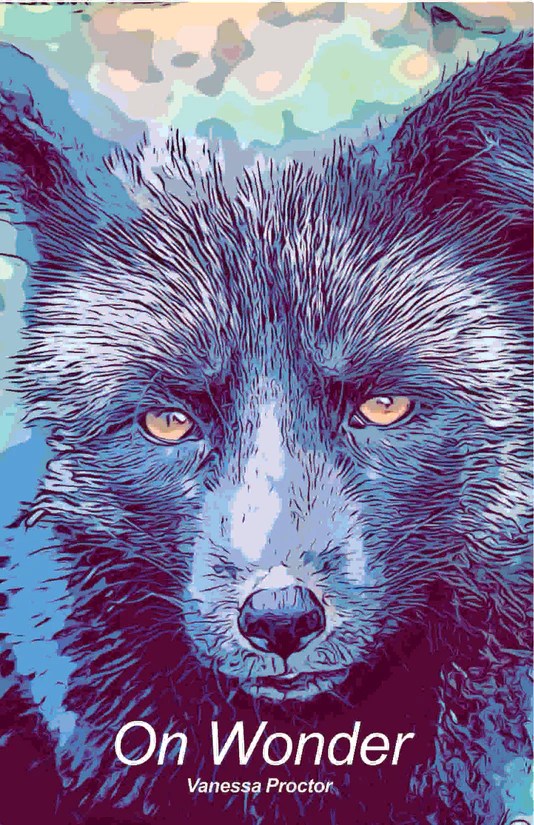
The two books were both published in 2024, and it’s a little amusing because Tasmanian poet Helen Swain’s collection, Calibrating home, was published by the New South Wales-based 5 Islands Press, while Sydney poet Vanessa Proctor’s collection, On wonder, was published by the Tasmanian-based Walleah Press.

Helen Swain’s Calibrating home is the second of hers given to me by my Tasmanian-based brother. I still hope to read the previous one, a verse novel titled When the time comes. It is speaking to me! (Sometimes I think I should give up blogging so I can read more.) The brief bio in the book tells me that Swain “lives and works on the foothills of kunanyi/Mt Wellington” and that “she works as a poet in residence in the health sector”. Calibrating home is her third poetry book.

I read the first few poems when I received the book, and then put it on my bedside table for more reading – but, well, you all know how that goes! So, I picked it up again, and somehow the very first poem, “Traced”, seems to speak to the theme. It’s about a fossilised creature, possibly a moth, that has been transformed over time. The poet asks about the traces she finds of an “unnamed creature” in the rock:

How to tell what will leave a mark,
Which struggle will be recorded?

How indeed?

She wants to hold, to own this little piece of rock. She wants to set it on a ledge in her kitchen and

draw from a soft compressible insect
rock-solid endurance.

Wouldn’t we all? I love the language, the imagery here, from the domestic kitchen and the idea of softness but also of violence in the insect’s compressibility, to a desire – and need for – something hard, for endurance. It’s a strong end to the poem – and a strong opening to the collection.

The poems in this collection slip between past, present and future, often within the same poem, as you can see in “Traced”. There is a sense of struggle, but also of tenacity and endurance. War is evident, in specific poems like “Meeting up (for Michael O’Neill, killed in Ukraine May 2022” and in gentle poems like “Teacups” (“Grandmother’s teacups/survived the war”) where the domestic collides with violence. The shock of violence or war, and the cold displacement of people, is never far away in these poems. But, neither is the domestic, the peace, the connections, the gentleness (in “Suzi and the Spider”), and the humour (in “Mary”).

And of course, there is thinking and wondering. Listening to her neighbour who is bemoaning capitalism and the ills of the world, the poet says:

and I don’t know what to think
but I do think…
and somehow
I still know deeply
about the goodness of people
(“Leaning on the Fence Listening to my Neighbour in the Garden”)

Vanessa Proctor’s On wonder was given to me by on old schoolfriend. It comes from a poet steeped in the haiku tradition, but it meets Swain at various points. One delightful synchronicity occurs between Swain’s “Suzi and the spider” which tells of Suzi gently releasing back into the wild a spider that has come into her house, and Proctor’s “A dragonfly” in which the narrator carefully unravels a spider’s silk from a dragonfly to set it free. Both speak of gentleness and respect for nature, and of connections between living things.

But now, a bit about Proctor. On wonder is her first volume of free verse, but she is an experienced haiku poet of over thirty years standing. She has been published in Australia and overseas, and her poems have been translated into many languages including Croatian, French, Hungarian, Japanese and Romanian. Her haiku artistry is evident throughout this collection in the tight gorgeous little images that appear in so many of the poems.

Other poems, however, branch out into something more expansive – not that tight images can’t also be expansive, of course. I enjoyed the gentle humour in the title poem, which, referencing Rosemary Dobson’s poem, “Wonder”, suggests a gap in understanding between teacher and student. Or, is there? There is cheeky humour too in “Helleborus Niger” whose

… roots may be used in witchcraft
to summon demons or to fight them.
Such a practical plant to grow
in the quiet of the suburbs.

Like Swain’s poems, many here are grounded in the domestic. Here too are kitchen sinks, bathrooms and gardens, but Proctor also opens with nature “stripped down” (“In the park”), albeit in her case it’s to “this moment/this place, this now”. It’s a centring to what is essential – now. “Bathroom orchid”, partway through the collection, conveys a different, but perhaps related, sense of being. “An impulse buy … a guilty pleasure”, it is “placed by the sink”:

With its glossy leaves
and velvet tongue
it knows exactly
how to be.

There’s something both unsettling and grounded here.

Proctor’s poems range widely over place – across Australia, and overseas – and over time, from 11th century Japan through world wars to now. Some respond to, or reflect on other works – on an Olive Cotton photograph, for example – or we meet historical figures like Chiune Sugihara and Murasaki Shikibu. We visit gardens and museums, experience childhood and other family memories, and are nurtured by nature. The titular theme of wonder is not laboured, but through the poems that I have read, we confront it in its various meanings of awe, curiosity, amazement, fascination – and, in the final poem, joy.

While I haven’t read these books thoroughly, my sense is they engage deeply with ideas about peace, inclusion and creativity.

This is my sixth World Poetry Day post.

And now, do you enjoy poetry? And if so, care to share any favourite poets or poems?

Monday musings on Australian literature: Poetry Month 2024

National Poetry Month – in Australia – is now four years old, and once again it is spearheaded by Red Room Poetry, which is described by ArtsHub as “Australia’s leading organisation that commissions poets and produces live poetry events nationally”. ArtsHub adds that this Month is “a festival that celebrates emerging and established writers, as well as public figures with an unexpected passion for poetry”. I don’t know how successful it is at reaching its goal of increasing “access, awareness and visibility of poetry in all its forms and for all audiences” but something must be working. I was thrilled to not only hear the month mentioned on our national ABC radio station but to hear that the ABC would be featuring poems during the month.

Red Room is running similar events and activities to those they’ve run before – their 30in30 daily writing competition with prompts from Red Room commissioned poets, poetry ambassadors, online workshops, showcases, a community calendar, and more. And this year, “more” includes something new which is that they are closing out the month with “the UK’s biggest poetry and performance festival, Contains Strong Language” in Sydney from August 28-31. 

Poetry is beyond time. It’s a way of bringing together the countless generations of humanity. It’s a means of connecting past and present. It’s a way of imagining the future~ L-Fresh the Lion (via Red Room Poetry).

National Poetry Gala … and more

This year their National Poetry Month Gala, if I read the website correctly, will happen in Sydney on 29 August at the State Library of New South Wales. It will be hosted by Chika Ikogwe (an award-winning Nigerian born actor and writer) and will feature Julia Baird, Ali Cobby Eckermann, Lorna Munro, Felicity Plunkett, Hasib Hourani, Rob Waters, Dan Hogan and Pascalle Burton, plus guests from the UK, Simon Armitage (their current Poet Laureate) and Princess Arinola Adegbite, and live music from Paul Kelly.

Contains Strong Language is a four-day festival in which local poets and spoken word artists will appear on stage alongside visiting UK poets including Simon Armitage. It’s the first time this annual broadcast festival, founded by the BBC in 2017, has left Britain. Events will be held across Gadigal and Dharug land in Greater Sydney (including one in the Blue Mountains) and will also be broadcast to Australia and around the world, through the BBC and ABC. The events include “performances, masterclasses, panels, galas, slams, live and online workshops, and international writing collaborations featuring 70+ artists”. Sounds like a real coup. The program, which includes free and paid events, can be found here.

Line Break is a new podcast from Red Room Poetry, and is presented in partnership with the Community Radio Network. It will include, over August, their daily 30in30 poetry commissions and writing prompts, plus various special series hosted by our Red Room producers. Some of Australia’s poetry-loving favourite public figures will apparently also share their ‘gateway’ poems. Who are they, and what will they share?

If you would like to know what is happening through the month – in various locations, including online – this Showcase page is a good place to start (or Red Room’s main site which I’ve linked in the opening paragraph).

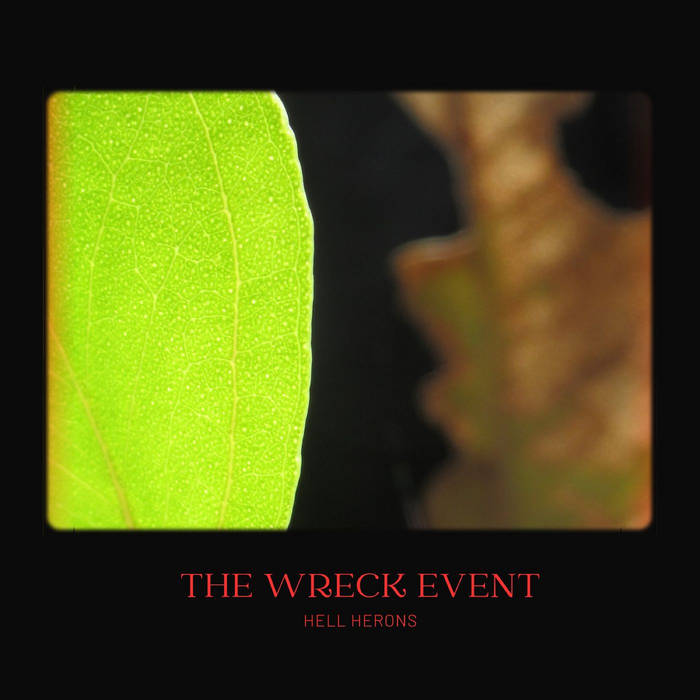
And, I’ll just add that this might be a good month to check out – on your preferred music streaming service – the Hell Herons’ debut spoken word (poetry and music) album, The Wreck Event, about which I posted recently.

Musica Viva, the Choir of Kings College Cambridge, and a Poem

On Saturday night, we attended the Canberra Concert of the Kings College Choir of Cambridge’s current Musica Viva Australian tour. As regularly happens when this choir comes to Canberra, Llewellyn Hall was packed. It was a wonderful program which included some different programming decisions, but my focus here is the commissioned piece they performed*.

This piece was a setting to music of a prose-poem by, coincidentally, the Canberra-based poet and visual artist, Judith Nangala Crispin, who traces her ancestry to the Bpangerang people of North-Eastern Victoria and the NSW Riverina, as well as to Ghana, the Ivory Coast, France, Ireland and Scotland. Titled On finding Charlotte in the anthropological record, the poem won the Blake Poetry Prize in 2020 – read it online here – and was set to music by composer Daniel Barbeler. He says, in the program, that the poem captures “the real-life experiences and reflections” which came from Crispin’s “20-year search through paper records and via physical travels” to find information about her Indigenous Australian heritage. She eventually found “a solitary photograph of her great-great-grandmother, Charlotte”.

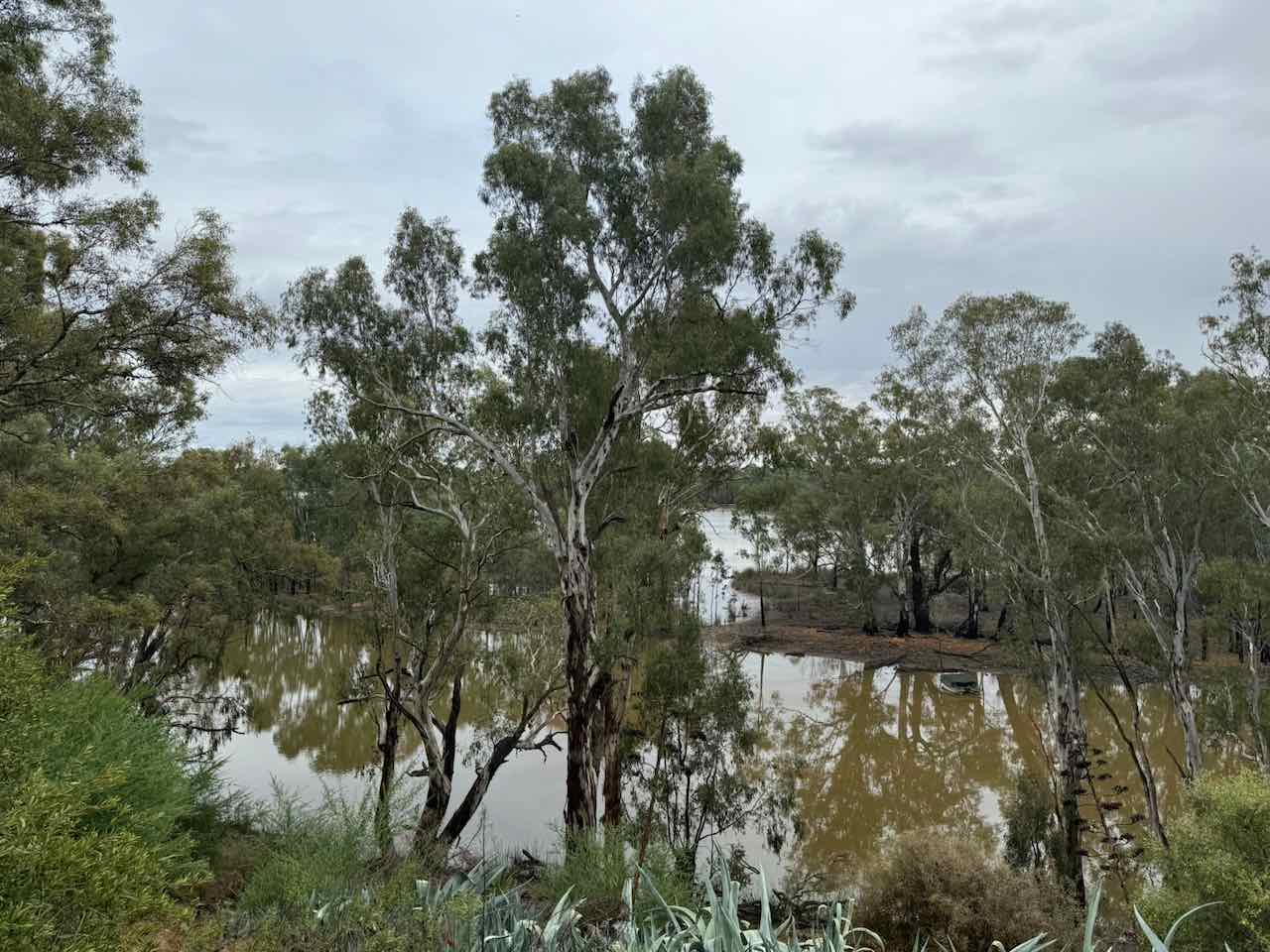
Among other things, Barbeler says his music captures the Australian landscape, specifically Lake Moodemere (pictured) in Northern Victoria where it’s likely Charlotte was born and died. Barbeler describes this part of the country as “peaceful but haunting” and, having visited this lake a few times (including earlier this year), I concur. The poem is certainly haunting, and one particular line from it – “Charlotte is a map of a Country stained by massacres: Skull Creek, Poison Well, Black Gin’s Leap” – is repeated a few times in the musical version. I wondered what these (some very) young British choristers made of it. (You can listen to the piece via music streaming services, as a single under the Choir of Kings College Cambridge.)

* A special thing about Musica Viva concerts is that they regularly commission new Australian pieces for the visiting international artists to perform in their program.

Image: I assume Red Room Poetry is happy for their Poetry Month banner to be used in articles and posts about the month.

Thinking about the Line Break program, I’d love to know if you have a “gateway” poem, and what it is.

Monday musings on Australian literature: Australian literary biographies (2, poets)

Eight years ago, I wrote a Monday Musings on Australian literary biographies, but the main focus there was on novelists. With this month being National Poetry Month and with, coincidentally, this year’s National Biography Award going to a biography of a poet, it seemed a match made in heaven. In other words, it seemed appropriate to share some biographies of Australian poets, on those writers, that is, for whom poetry was their main literary output.

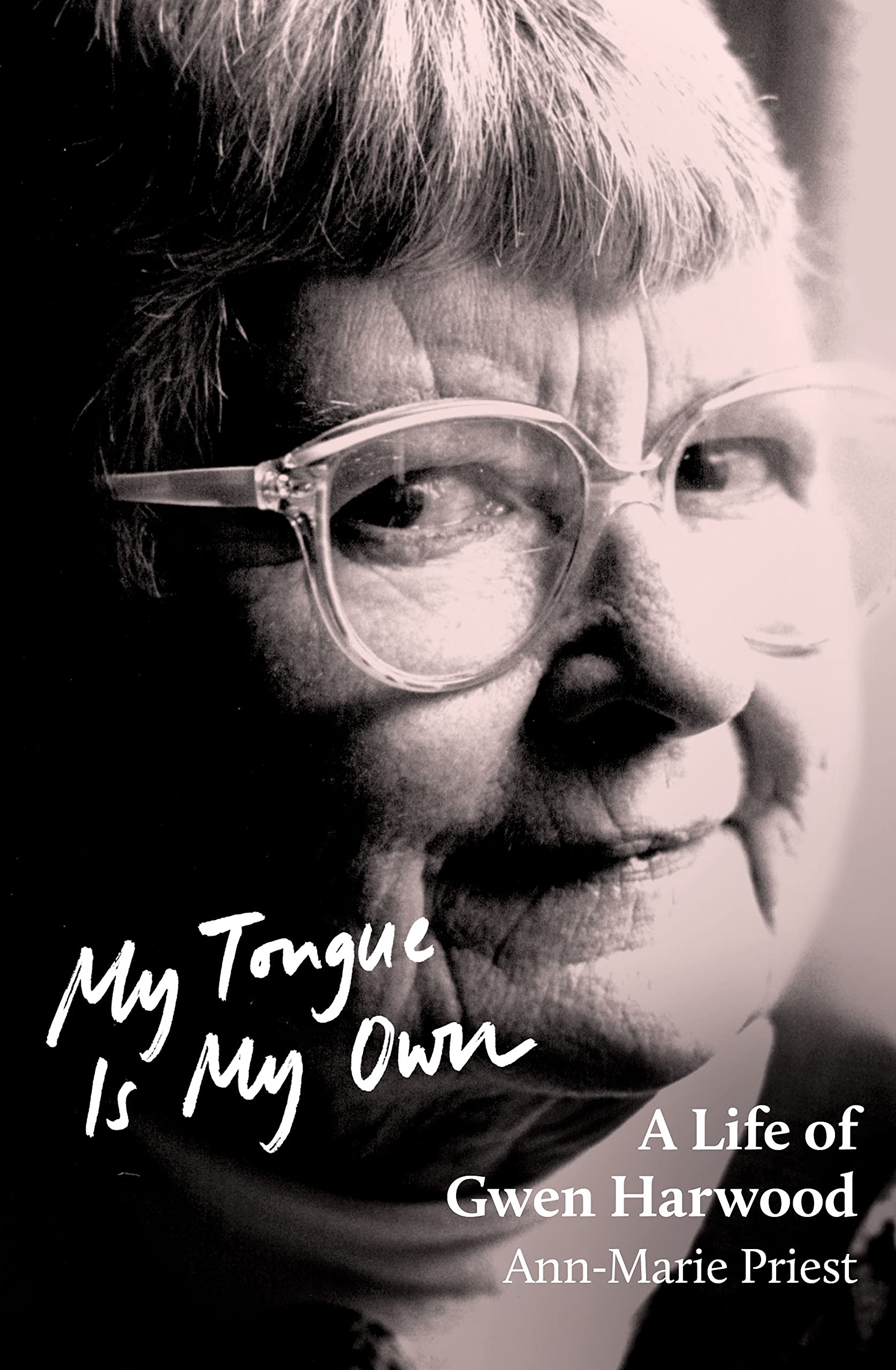
In his latest emailed newsletter, Jason Steger, Literary Editor of the Sydney Morning Herald and The Age, writes about this year’s National Biography Award winner, Ann-Marie Priest’s, My tongue is my own: A life of Gwen Harwood (2020). Harwood, some of you might remember, was one of Edwina Preston’s inspirations for her novel Bad art mother (my review). As a woman poet, she had to fight hard for recognition by the male-dominated publishing world. Steger explains that “Harwood’s was a complex life and Priest had to persevere to sort it all out”. Two would-be biographers, Alison Hoddinott and the late Gregory Kratzmann, who edited her collected poems, were, he explains, defeated by the task. Not Priest, though, for which we should be grateful. One of the judges, Suzanne Falkiner, says Steger, put it this way:

Ann-Marie Priest has captured completely the sprite-like nature of one of Australia’s finest poets; a woman who used a fierce intellect and penchant for trickery to upend dusty institutions that steadfastly refused to see women as capable or talented. Through these pages, the great poet feels so alive.

To completely capture the nature of their subject must surely be a biographer’s goal, by which I mean it is not to fill up the pages with unending chronicling of carefully researched facts, albeit facts are important, but to give readers a sense of who the person was. Sounds like Priest has done this.

Selected biographies of Australian poets

These are listed, in the time-honoured vein of biography sorting, by the last name of the poet being written about. It’s a small select list to get us started:

  • Sarah Mirams, Coasts of dream: A biography of E.J. Brady (2018): I had never heard of Edwin Brady (as a poet or otherwise) when this turned up in my search, but he was apparently “a socialist and bohemian who knew Henry Lawson and many other well-known writers”. He was mainly a composer of sea ballads. I haven’t read this but I am hoping to do a post on him next week, now that I’m on a Poetry Month roll.
  • Cathy Perkins, The shelf life of Zora Cross (2019, on my TBR): on poet and journalist Cross, who could be provocative and should, I think, be better known than she is. (See article by Jonathan Shaw on AWW.)
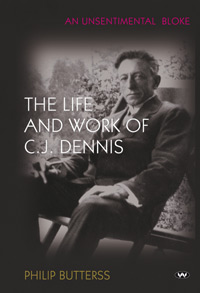
  • Phillip Buttress, An unsentimental bloke the life and work of C.J. Dennis( 2014): (my review)
  • W.H. Wilde, Courage, a grace: A biography of Dame Mary Gilmore (1985)
  • Gregory Bryan, Mates: The friendship that sustained Henry Lawson and Colin Roderick, Henry Lawson: A life (1999)
  • Deborah Fitzgerald, Her sunburnt country: The extraordinary literary life of Dorothea McKellar (2023, available for pre-order): apparently “the first definitive biography” of the author of one of Australia’s most favourite poems
  • Kathie Cochrane and Judith Wright, Oodgeroo (1994, on Oodgeroo Noonuccal)
  • Georgina Arnott, The unknown Judith Wright (2016) and Veronica Brady, South of my days: A biography of Judith Wright (1998)

“Enjoyably controversial” (John Docker)

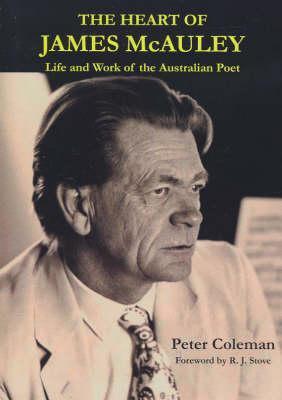
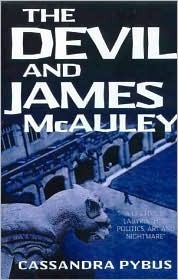
Biographies, of course, can be quite the battleground when there is disagreement about the legacy of the subject, particularly when that subject may have been controversial to start with. I found such an example in my research. It concerns the poet James McAuley, who was known for the Ern Malley modernist poetry hoax. I came across two biographies of him. One, The heart of James McAuley: life and work of the Australian poet, was published in 1980 and is by Peter Coleman. He was editor of Australia’s conservative journal Quadrant – which was founded by McAuley – and is on record as saying of McAuley that “no one else in Australian letters has so effectively exposed or ridiculed modernist verse, leftie politics and mindless liberalism”. The other was by Cassandra Pybus who could be described as Coleman’s political opposite. Her biography, published in 1999, was provocatively titled, The devil and James McAuley. Coleman wrote an excoriating review of it in which he detailed multiple inaccuracies and called it “a silly book degrading a great writer”. Literary critic and cultural historian, John Docker, launched Pybus’ “enjoyably controversial” book, concluding with:

Cassandra has written a lively, entertaining and enjoyable book, very alive to the conflicts and differences within conservative groupings. She has the daring to break with the stifling convention of Australian literary criticism, which bizarrely is that critics should abandon the critical function, they should be obsequious to Australian writers living and dead, they should puff and promote and endlessly praise them – as Leonie Kramer, Cassandra points out, has tirelessly effected for her friend McAuley.

Now that was a book launch! Not having read either book, I can’t make any judgements. It is possible that Pybus, writing 19 years after Coleman, had found more information on McAuley’s life that was not available to Coleman. It’s also possible that Coleman’s sharing political values with McAuley affected his assessment, just as Pybus’ different political views may have affected hers. Whatever the merits of this particular situation, it reminds readers of biographies to consider who is writing the biography and why. I do like biographies in which the biographer introduces their book with this sort of background.

(A revised edition of Coleman’s book was published in 2008, and Coleman spoke at the launch. Pybus still rankles. Ignore Tony Staley’s and Tony Abbott’s comments, if you like, and move on down to Coleman. I enjoyed his closing story.)

Can you share any favourite biographies of poets?

Monday musings on Australian literature: Poetry Month 2023

This year Red Room Poetry is running their third annual National Poetry Month. How excellent is that? I don’t know how successful it is at reaching its goal of increasing “access, awareness and visibility of poetry in all its forms and for all audiences” but sometimes you just have to hang in there and build recognition. Poetry Month runs throughout August.

They are offering similar events and activities to last year with their 30in30 daily writing competition with prompts from Red Room commissioned poets, poetry ambassadors, online workshops, showcases, a community calendar, and more. Do check their page, for events that might interest you.

National Poetry Gala … and more

This year they also, they said, returned their National Poetry Gala to celebrate Red Room’s 20th anniversary. It was held, unfortunately, on 4 August! It was emceed by Benjamin Law, and was held at the Australian Chamber Orchestra’s new venue near Sydney Harbour Bridge. It featured some of Australia’s “finest contemporary poets” including Jazz Money, Sara Saleh, Freya Daly Sadgrove (NZ), Rebecca Shaw, Red Room’s 2023 Fellow Charmaine Papertalk Green, and this year’s Stella Prize winner, Sarah Holland-Batt.

There was also to be a musical performance by First Nations choir Mudjingaal Yangamba and the current Minister for the Arts, Tony Burke, was a special guest.

Also to commemorate their 20th anniversary, Red Room has published a poetry anthology titled A line in the sand: 20 years of Red Room Poetry. Its introduction is by Ali Cobby Eckermann, and it contains “over eighty pieces from leading poets and public figures in a retrospective that covers twenty years of the best commissioned Australian poetry”. They include writers I have heard of, and some of whom I’ve read, though not always their poetry, like Yassmin Abdel-Magied, Maxine Beneba Clarke, Tony Birch, Dorothy Porter, Eloise Grills, Sarah Holland-Batt, Jazz Money, Omar Musa, Bruce Pascoe, Maria Tumarkin and Uncle Archie Roach AC. Tomorrow night, Tuesday 8 August, they are holding an online showcase via Facebook. The event is free but you need to book.

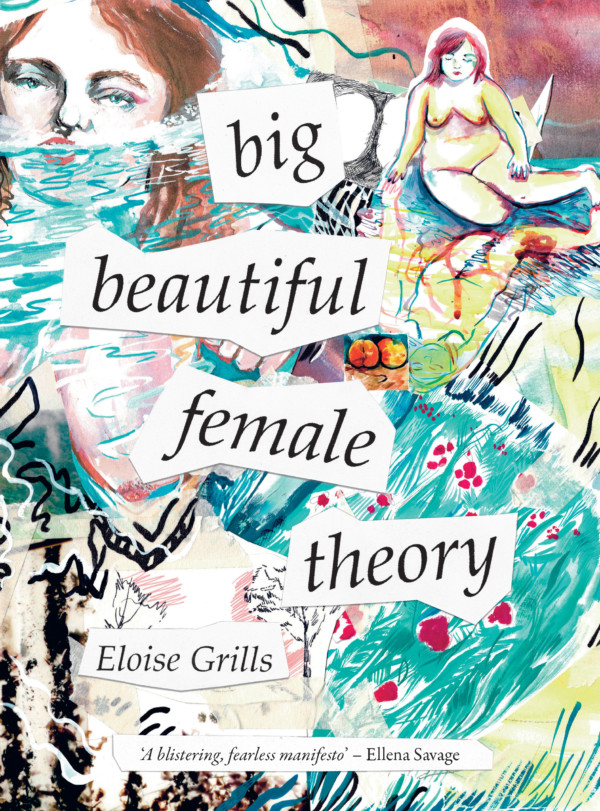
Meanwhile, if you missed the National Poetry Gala, you might be interested to know that the Victorian Poetry Month Gala has not been held yet. It is scheduled for 17 August at the Wheeler Centre. The host is a poet-playright I haven’t heard of before, Izzy Roberts-Orr, and the event will feature, says the promotion, “new work from a dazzling line-up of poets working across forms – from spoken word and performance to music and multimedia”. I don’t know many of the names those I do include Andrea Goldsmith reading unpublished poems by Dorothy Porter, and Eloise Grills whose book big beautiful female theory has been shortlisted for several literary awards this year. There is also a mention of “a collaboration” between journalist and author Erik Jensen and musician Evelyn Ida Morris. For other state and regional showcases and galas, check Red Room’s Showcases page.

These are just three of many events – online and live – scheduled during the month. If you are interested, check out the Community Calendar which lists events from across the country.

Do you attend poetry events – of any sort?

Tuesday Atzinger, The River (#Review)

Back in January I reviewed two stories from Ellen van Neerven and Rafeif Ismail’s anthology Unlimited futures: Speculative, visionary Blak+Black fiction for Bill’s (The Australian Legend) Australian Women Writers Gen 5 Week. The stories I reviewed were the second and third in the anthology because they were the first two by Australians in it. The anthology’s first story, however, is African in origin. Titled “The River”, it is by Tuesday Atzinger, who is described in the book’s Biographical Notes as “a poet and emerging writer … [who] … explores and celebrates Afro-blackness, queerness, disability and feminism. They peddle in discomfort and their primary goal is to fling words together to make you squirm”. Atzinger currently lives in Melbourne “on the unceded lands of the Wurundjeri People of the Kulin Nations”.

“The River” is worth discussing for several reasons, but specifically because it’s the first piece in the anthology, so was, presumably, chosen for a reason. Some of that reason is explained in the anthology’s introduction, which, by the by, takes the form of a conversation between the two editors. One of the topics they discuss is the cover, which was designed by Larrakia woman, Jenna Lee. Ismail describes it as looking at “the interaction of separate cultures in the most respectful and wonderful way”, and also sees it as suggesting “infinity”. It does, doesn’t it. Van Neerven adds that it also reflects “the movements of water” in the anthology. She says:

We were going to begin the anthology with water to allow those kinds of threads of connection and continuation to flow into each other. For me the cover really kind of feels like rivers connecting and the light that is created through water, but it’s also water that we protect and have a relationship and a responsibility to.

Water! Such a complex element in our lives. Most of my friends adore the sea, but for me it’s the rivers that draw me most. They can be young, direct, and fast, or slow, meandering, and somehow wise, or anything inbetween. They can be critical to creation stories, and this role is part of Atzinger’s opening story, making it particularly appropriate as the opening piece.

The first thing to say about “The River” is its form – it is a short story in verse. The River is not named, but we know it’s in Africa, partly because an African word, Ubuntu, is repeated throughout the story: “Ubuntu/Together”. According to the New World EncyclopediaUbuntu pronounced [ùbúntú], is a traditional African concept. The word ubuntu comes from the Zulu and Xhola languages, and can be roughly translated as “humanity towards others”.’ It has been adopted more widely around the world for its humanistic concepts – and is also, would you believe, “used by the Linux computer operating system” to convey the sense of bringing “the spirit of Ubuntu to the software world”. Valid appropriation? I didn’t find much concern about this use on the ‘net.

Anyhow, to the story itself. We are immediately introduced to the River, and a village that lies near it. The word “prosperous” is used, but we are warned that things aren’t so simple:

Shallow water so clear that the stones beneath it glistened brightly
Depths dark and mysterious, hiding all that lay below
The River, ever a source of sustenance
                                                                      And of danger

The story starts with creation: “Eons ago/The River had rippled in welcome as the people first arrived”. It provided refuge and sustenance; it saw “passion, grief, joy and courage”; it saw, in other words, the life of the community, of “the people who slept under the sun”. It had also seen “a lineage of Chiefs/Some wise, some brave, some imperious” until the present one “Mehluli – the Warrior Chief”. He is described in words like “proud”, “arrogant”, “dominating” and “greedy”. He desires a woman, Thandeka, but she already has a “perfect love” with Amandla, a hunter. Amandla fears the River, fears the aformentioned danger, and while she’s away hunting her fears are justified when the Warrior Chief makes his move on Thandeka.

The problem is that you “cannot refuse the chief”. Violence ensues. The River acts in an unusual way, and a dramatic story follows as Thandeka fights back, as does the River, to right the balance that has been disturbed. It is, ultimately, a story with a moral, a story to teach proper behaviour, right values.

The story is told in a beautiful, poetic style. The changing rhythms and strong use of repetition convey elemental and opposing tones – prosperity and togetherness versus power and greed. “The River” is a thoroughly enjoyable read. It is founded in the sorts of lesson-giving stories that are part of most belief systems, but its queer-love narrative brings the story and its traditional message into modern thinking and times. A worthy first story for the anthology, I think.

Tuesday Atzinger
“The river”
in Ellen van Neerven and Rafeif Ismail (ed.), Unlimited futures: Speculative, visionary Blak+Black fiction
North Fremantle: Fremantle Press in association with Djed Press, 2022
pp. 23-41
ISBN: 9781760991463 (eBook)

Monday musings on Australian literature: Supporting genres, 7: Poetry

As with the last post in this series, which was on novellas, poetry isn’t so much a genre as a form. However, to repeat what I said then, when I started this sub-series, I couldn’t find one all-inclusive word to cover all the types of literary works I thought I’d cover, so settled on “genres”. With August being National Poetry Month, it seemed a good time to do the poetry post.

I’ll start by saying that over the years of this blog, I have written several posts that could be seen to cover ways in which poetry is supported in Australia … so I’m going to begin with some of those posts, all Monday Musings:

  • Australian Poetry Library: In 2011, I wrote on a wonderful initiative, the online Australian Poetry Library which was launched that May. Unfortunately, as those of you who have read last week’s Monday Musings comment trail will know, the site is off-line at the moment. It’s a fabulous site, and we believe the hiatus is technical rather than permanent. We urge that “fixing” it be given priority.
  • National Poetry Month: This has to be a major initiative for supporting Australian poets and poetry and I have written two Monday Musings posts on it, one in 2021 and one in 2022.
  • Poetry Awards: In 2014, I wrote a Monday Musings on Poetry Awards, in which I listed many of Australia’s best-known poetry awards.

Publishers

In my 2021 National Poetry Month post (linked above), I mentioned two publishers which focus specifically, or heavily, on poetry – Giramondo and Pitt Street Poetry – so you can read more about those there. Other more general publishers also support poetry. There are too many for me to include here, but I will exemplify with a few:

  • Black Inc: an independent Melbourne-based publisher which supports poetry, with a focus (I’d say) on established poets. They have published annual Best Australian poems anthologies (though not since 2017 it seems); they publish The best 100 poems of [poet, like Dorothy Porter] series, and they also publish poetry collections, including, most recently the posthumous Les Murray collection, Continuous creation.
  • Fremantle Press: an independent Western Australia-based publisher which publishes poetry regularly, both as single poet collections (including John Kinsella and Tracy Ryan) and anthologies.
  • UQP: a university-based publisher in Queensland, which is also a strong publisher of poetry. Not surprisingly, given their track record in publishing First Nations writing, they are a major publisher of First Nations poets, like Evelyn Araluen, Tony Birch, Jazz Money, and Ellen van Neerven, alongside many other new and established poets.

I have reviewed poetry from all of the above. For more publishers, check out this Poetry Sydney page which includes these, plus more, like Ginninderra Press, Magabala Books, and Wakefield Press.

Awards

I covered several of Australia’s significant poetry awards in my dedicated Monday Musings post linked above, and Wikipedia has a useful list too. I love that the majority of poetry awards are named for poets. Here I will share a few that I didn’t include in my 2014 post:

  • Anne Elder Award has gone through some changes since its establishment in 1976 by the Victorian Branch of the Fellowship of Australian Writers. It goes to the best first book of poetry published in Australia, and since 2018 has been managed by Australian Poetry.
  • Biennial Helen Anne Bell Poetry Bequest Award is a more recent poetry prize, with the inaugural award being made in 2013. The original prize was $7,000 but it’s now described as Australia’s richest poetry prize, with $40,000 going to the 2021 winner. It is “dedicated to celebrating women poets”, with, says AustLit, the award going to “an Australian woman poet for a collection of previously unpublished poems”. It is managed by the University of Sydney.
  • Mary Gilmore Award has gone through a number of permutations and slight name changes since it was established by the ACTU (Australian Council of Trade Unions) in 1956. Love this. It is currently an annual prize for a first book of poetry published in Australia, and is managed by the Association for the Study of Australian Literature. The 2022 winner was Jelena Dinic’s In the Room with the She Wolf published by Wakefield Press.

Festivals

Many writers festivals include a poetry panel or two, and those of you who attend folk festivals will know that these festivals often include poetry sessions (mostly, in my experience, of the bush verse variety).

However, there are some specialist poetry festivals, like the following:

  • Perth Poetry Festival, is an annual festival with this year’s being its 18th. Its webpage is brief but you can read more about it there. It is run by WA Poets Inc.
  • Poetry on the Move is a festival that was established in Canberra in 2015 by the University of Canberra. Its website describes its aims as being “to promote poetry as a vibrant art form through the engagement with international, national and local poetry communities”.
  • Queensland Poetry has operated as an incorporated association, the Queensland Poetry Festival Inc, since 2007. Their aim, according to their home page, is “Supporting poets on page and stage across Queensland”. Check out their website for the range of their activities, but as far as I can tell, this year’s festival, Emerge, ran from June 3rd to 6th.
  • Red Dirt Poetry Festival has already appeared on this blog, through Glen Hunting who often comments here. As its website says, it is a “4-day International poetry and spoken word celebration in Mparntwe/Alice Springs”. It’s a hybrid festival offering both in-person and digital sessions, and involves national and international poets. The sessions include “presentations, workshops, showcases and exclusive commissioned works”.
  • Tasmanian Poetry Festival is a longstanding festival which started in 1985 ran its 37th event in 2021.

It goes without saying that many festivals, including these, have been significantly affected by COVID and so what were annual, in-person events, have in some cases missed a year or two, recently, and/or become hybrid events. Some are run by poetry associations which offer many more programs than “just” the festival. You can find out more by navigating the links I’ve provided.

Do you like poetry and, if so, how do you engage with it?

Previous supporting genre posts: 1. Historical fiction; 2. Short stories; 3. Biography; 4. Literary nonfiction; 5. Crime; 6. Novellas.

Monday musings on Australian literature: Poetry Month 2022 and Verse novels

Having launched their Poetry Month in 2021 which I wrote about at the time, Red Room Company (or, Red Room Poetry) clearly felt it was successful, because they are back again this year with another Poetry Month. Its aim is to “increase access, awareness and visibility of poetry in all its forms and for all audiences”, and it will run throughout the month of August.

From what I can tell, they are following a similar plan to last year with their 30in30 daily poetry commissions, poetry ambassadors, online workshops, prizes and residencies, and more. Do check their page, which includes a link to a calendar, to find ways in which you can take part, or, simply, introduce yourself to some new poets and poems.

Meanwhile, I thought I’d celebrate the month by writing a little tribute to verse novels.

Verse novels

When I decided to write this post, I found a good introduction to verse novels at The Australian Poetry Library. However, when I checked the link I’d saved, it said “currently unavailable”. I will share what it said, but you may not be able to find it online any more. (They do still have a Facebook page.)

A verse novel tells a long and complex story with many characters, much as a prose novel would, through the medium of narrative verse. The verse may be blank verse in the manner of Shakespeare, or free verse, or (less often) formal rhymed verse of any type.

The ancient epics were verse novels, of a sort, and so were the Alexandrian epyllia such as Apollonius’ Argonautica, but the modern verse novel, like the novel itself, is a fashion that found a large audience in the nineteenth-century: Don Juan (Byron), Amours de Voyage (Arthur Hugh Clough), The Ring and the Book (Robert Browning).

Movies, paperback novels and television seem to have killed it off in the early twentieth century, but it found a strong revival after the 1970s: Another life (Derek Walcott), The golden gate (Vikram Seth) and The changing light at Sandover (James Merrill).

Notable Australian verse novelists are Alan Wearne, Dorothy Porter, Les Murray, Steven Herrick and John Tranter.

A selection of Australian verse novels

Susan Hawthorne, Limen, book cover

Wikipedia’s article on the form provides a brief history, going back to epics like Gilgamesh. After appearing to have declined with Modernism, it has, Wikipedia continues, “undergone a remarkable revival” since the 1960s-70s, and is particularly popular in the Caribbean, Australia and New Zealand. I wonder why these particular regions?

I should add, though, that verse novels do have a longer history in Australia than this later 20th century revival suggests. CJ Dennis’ The songs of a Sentimental Bloke (1915) and The moods of Ginger Mick (1916)(my post) are earlier, and very popular, examples.

Of course, I did a little search of Trove, but, given the form’s apparent recent revival and the fact that Trove is not so useful yet for recent decades, I didn’t find much. However, I was intrigued to find reference to a satirical work called Solstice, by 20-year-old Matt Rubenstein. It was shortlisted for The Australian-Vogel award (in 1994, I presume). Sen, writing in The Canberra Times, was reasonably positive, saying that “the narrative has its share of sentimental blokes as well as philosophers like the homeless Arthur, and the relationships and issues it explores are treated relevantly as well as entertainingly. It could start a verse-novel cult. Could, I said.”

I’m not sure that there’s been quite a cult, but my little list below confirms some level of ongoing popularity in Australia. But, back to Rubenstein’s Solstice, I also found through Trove that it had been adapted by the author into a play to be performed at the Adelaide Festival of Arts in 1996, with Kate Ceberano as the featured singer. That says something about the quality of the work. I note that the play is available from Ligature Digital Publishing.

Anyhow, I do enjoy a verse novel, and have reviewed several on my blog, as have some other Aussie litbloggers. Here is a selection of some of the verse novels we have reviewed on our blogs:

  • Ali Cobby Eckermann, Ruby Moonlight (2012) (my post, and Lisa’s): this is particularly interesting because it is a First Nations historical fiction verse novel. It is a moving, and generous read.
  • Lesley Lebkowicz, The Petrov poems (2013) (my post): also historical fiction, this work tells the story of the Petrov affair providing a personal perspective on a very political event.
  • Susan Hawthorne, Limen (2013) (my post): Hawthorne’s quiet yet forceful work explores women going camping, the threats and vulnerabilities that confront them, and how they navigate the lines that appear.
  • Geoff Page, The scarring (1999) (my post): Page has written other verse novels, including Freehold, which I have also read, but The scarring is particularly strong and gut-wrenching about war, the mistakes people make, and the power men can wield over women.
  • Dorothy Porter, El Dorado (2007) (Brona): Porter’s last verse novel is described by Brona as “another dark crime story with a psychological twist”.
  • Dorothy Porter, The monkey’s mask (1994) (Brona): Porter’s most famous verse novel is also a psychological crime story, and, says Brona is “gritty, exciting & passionate”. It surely qualifies now as a classic, particularly given it is taught in schools and universities. It was also adapted for a feature film.
  • Alan Wearne, The night markets (1986) (Bill): this book was highly praised when it came out, and won significant awards including the ALS Gold Medal and the National Book Council Award. Bill knew Wearne at school, and has read this book a few times “because it feels so intensely familiar”. The Canberra Times reported on its ALS Gold Medal win, saying the judges ‘were impressed by the ambition and confidence with which Wearne approached his task. The novel’s subject, political and social change in the past two decades, had rarely been approached, they said, and its verse form was “bold and exciting”‘.

Readings Bookshop has provided lists of Australian and non-Australian children’s and YA verse novels, for those of you interested in these audiences.

Do you read verse novels? And if so, care to share your favourites (Aussie or otherwise)?