Monday musings on Australian literature: Writers in the news (1)

Australian writers have been capturing attention – here and overseas – in the last few months. I’ve been noting these stories as they’ve popped up, and kept planning to post on them, but somehow, time just slipped by and more stories kept coming. Consequently, most Aussie readers here will know most of these news items by now, but there might be a surprise, and, anyhow, I’m hoping they might interest non-Aussie readers of my blog. (I am numbering this post because I just might be inspired to write another one sometime.)

Alexis Wright’s multiple awards
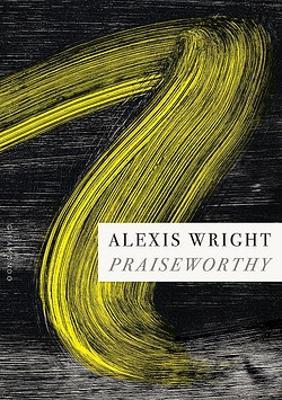
This year, Alexis Wright has won several significant literary awards. She was awarded the Stella Prize in March and the Miles Franklin Prize in August for Praiseworthy, making her the first author to win these two prizes in one year. (Each of these is worth $60,000). In May, it was also announced that she’d won the UK’s James Tait Black Prize for Fiction (worth 10,000 British pounds or $19,000), also for Praiseworthy. Then, this month, she was awarded the triennial Melbourne Prize for Literature which is a body-of-work prize to a writer who has made an “outstanding contribution to Australian literature and to cultural and intellectual life”. It too is worth $60,000.

Melissa Lucashenko’s multiple awards
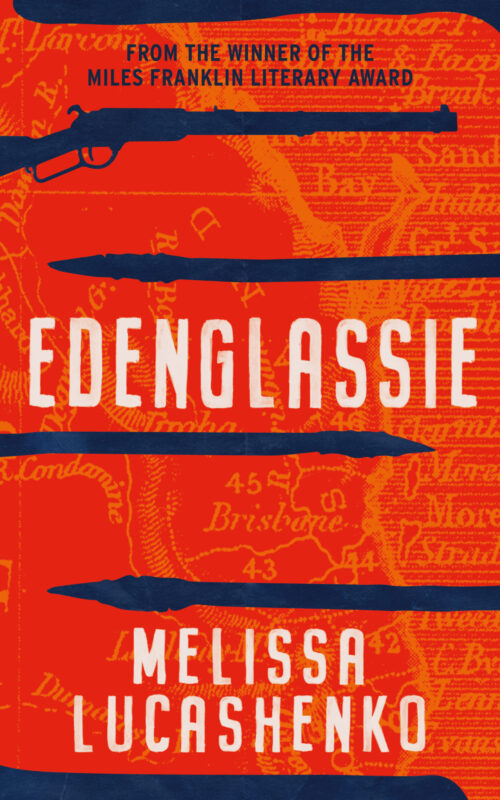
Lucashenko, like Wright, is no stranger to literary awards, but this year, she too has taken out several significant awards, all of them for her first work of historical fiction, Edenglassie (my review): the $100,000 ARA Historical Novel Prize, the $50,000 Margaret and Colin Roderick Literary award; the $30,000 Queensland Premier’s Award for a Work of State Significance, and the $25,000  Premier’s Prize for Fiction. She also won the Fiction award in this year’s Indie Book Awards.

Richard Flanagan’s prize and ethical stand
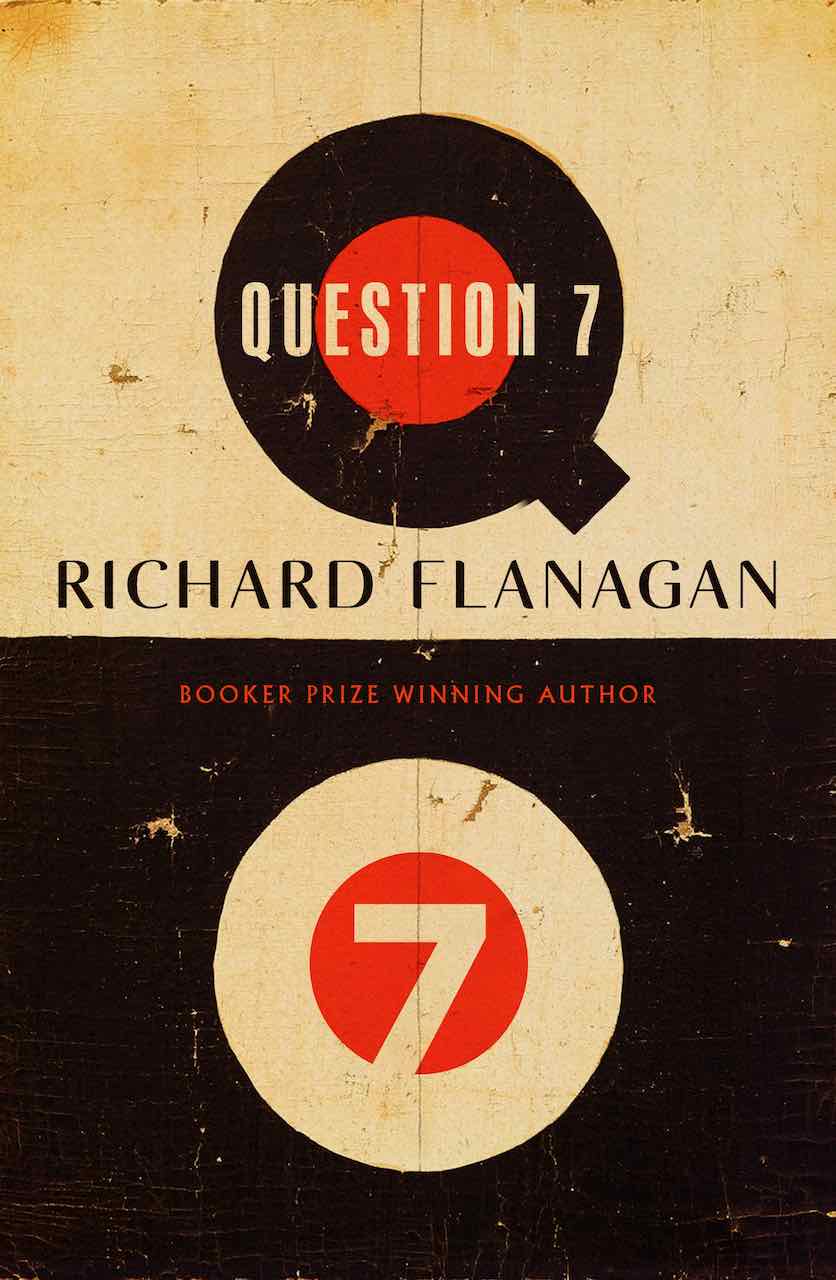
Another recently announced award is Richard Flanagan winning UK’s 2024 Baillie Gifford Prize for Nonfiction for his most recent book Question 7 (my review). This prize is worth £50,000 (or, AUD97,000). If you’ve heard this news, you will also know, as the ABC reported, that Flanagan had pre-recorded his acceptance speech because he was trekking in the Tasmanian wilderness at the time. In this speech, he said he had “delayed” accepting the prize money until sponsor Baillie Gifford put forward a plan to reduce its investment in fossil fuels and increase investment in renewable energy. Flanagan said that “on that day, I will be grateful not only for this generous gift, but for the knowledge that by coming together in good faith, with respect and goodwill, it remains possible yet to make this world better.”

Flanagan is not a rose-coloured glasses idealist. He is not asking for the world, but simply for a plan. The ABC quotes him further:

“… were I not to speak of the terrifying impact fossil fuels are having on my island home, that same vanishing world that spurred me to write Question 7, I would be untrue to the spirit of my book.

[BUT]

“The world is complex. These matters are difficult. None of us are clean. All of us are complicit. Major booksellers that sell my books are owned by oil companies, major publishers that publish my friends are owned by fascists and authoritarians … As each of us is guilty, each of us too bears a responsibility to act.”

I like this honesty and realism. Let’s see what happens next. Will a writer’s stand – which compounds what I believe is already increasing criticism of Baillie Gifford – see a company decide it too can make a stand?

Jessica Au’s novella to be filmed
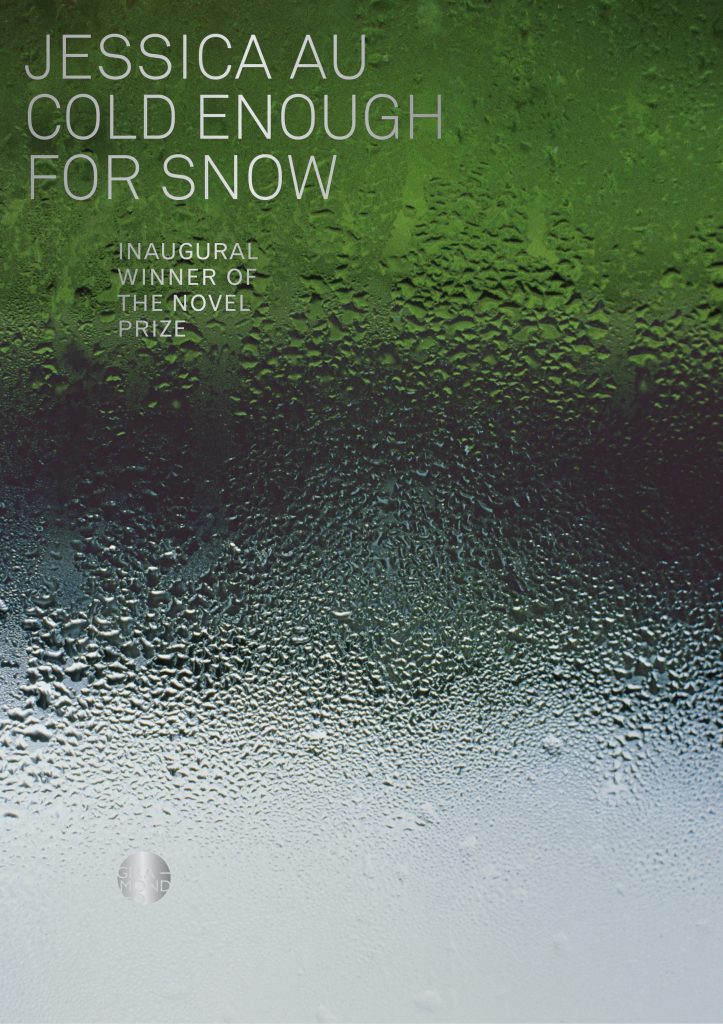
Meanwhile, in non-award news, Jessica Au’s award-wining (ha!) novella, Cold enough for snow (my review), is to be made into a film. According to Variety it will be a U.K.-Japan-Australia-Hong Kong co-production and filming will begin “in fall 2025” (which presumably means next September to December). I first read about it on publisher Giramondo’s Instagram account. They quoted theatre veteran-debut director Jemima James,

I hope the film, like the book, creates space for audiences to think and feel deeply about the important people in their lives, about the relationships that are central to them …I hope it provokes shifts of perspective, new understanding, new compassion for the people they love, however complex or complicated that love might be!

Gail Jones’ Lifetime Achievement Award

I also saw on Instagram – this time Text Publishing’s account – that Gail Jones had received Creative Australia’s Award for Lifetime Achievement in Literature. In other words I’m bookending, more or less, this news post with body-of-work awards. As Text writes, the award “recognises her impressive body of work, and her ongoing mentoring of young writers”.

Creative Australia’s website tells me that Jones was one of “eleven leading artists to receive 2024 Creative Australia Awards”.  They quote their CEO, Adrian Collette AM:

‘It is our immense honour to celebrate these remarkable artists whose work is making an impact in communities across the nation. Each of the recipients contributes their unique voice to our cultural story.’

I recently reviewed Jones’ novel Salonika burning (my review) but I have more on my TBR.

Any comments on these news items? Or, indeed, do you have any to add? (Not that my aim here is to be comprehensive. That would be impossible!)
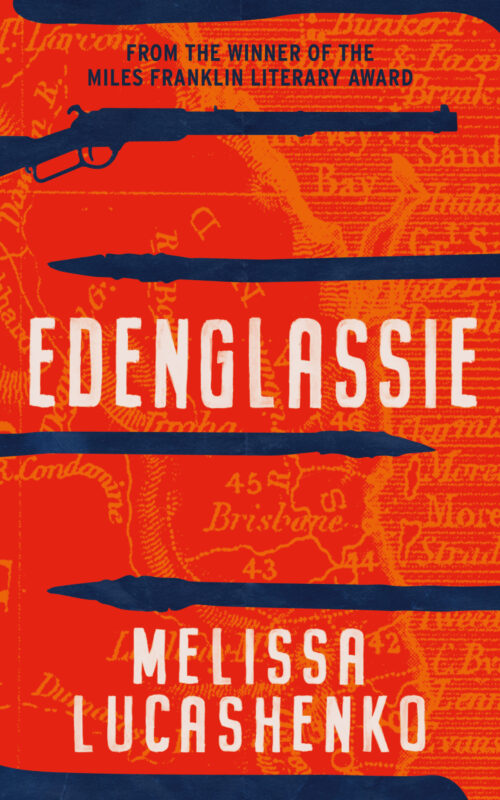
Melissa Lucashenko, Edenglassie (#BookReview)

Broadly speaking, Melissa Lucashenko’s latest novel, Edenglassie, does for southeast Queensland what Kim Scott’s That deadman dance does for Noongar country in southwest Western Australia. Both tell of the early days of their respective colonies from a First Nations perspective; both are written in a generous spirit but with absolute clarity about the dispossession that took place; and both suggest things could have been different.

Unlike That deadman dance, however, Edenglassie, is a dual narrative story. The main storyline, featuring two young people, Mulanyin and Nita, is set around the Magandjin or Meanjin (Brisbane) region during the mid-1850s, making it just a little later than Scott’s first contact narrative. Dispossession, massacres and other brutalities from the colonisers were met with armed resistance, but there were also attempts to work together. Paralleling this historical story is a modern one, featuring Granny Eddie, Winona, and Dr Johnny, set in the same area at the time of its 2024 bicentenary. These stories, one using historical realism and the other modern humour, riff off each other to provide a complex picture of the colonial project – then and now.

Melissa Lucashenko said much that interested me in the conversation I attended for this book, but here I’ll focus on two points she made. One is that the book’s central question is “what was going through these people’s [the colonisers’] minds?” Things could have been different then, she said, and could still be now. The other point is that she wanted to counteract the trope of the dying race. This idea has been slowly changing since Mabo, she said, but is still evident. The modern storyline, with its confident and politically involved Goorie characters, ensures that we see a vibrant, living culture in action.

Realising these two ideas is a big ask, and in my reading group there were some equivocations, but I think Lucashenko pulls it off, through creating engaging characters who come alive on the page and narratives that ring true to their times. Mulanyin, the kippa (young initiated man) from the historical period, and Winona, the fiery young woman in modern times, represent the passion of youth. They are impatient and want things to happen – or change – now. Both, however, also have elders guiding them – in the Goorie way, which is to encourage people to work it out for themselves and to remedy their mistakes.

“needing to endure the unendurable” (Mulanyin)

So, what is it that these young characters must contend with? The novel starts with two pointed events. In the modern storyline, Granny Eddie trips over a jutting tree root and is ignored by passersby until two young brown faces – Malaysian students as it turns out – help her up and get her to hospital. The modern scene is set, and all is not well.

We then flash back to 1840 where members of the Goorie Federation are looking forward to the imminent departure of the dagai, only to be told that this is now unlikely. A Goorie mother wonders what

If life never returned to normal. If the rule of law was never restored. What would her son see as a man? … Would her daughters be subject to the terrors the dagai brought?

What indeed?

Having asked the question, Lucashenko then moves her historical story to 1854-1855. Mulanyin is living with his law-brother Murree north of his own saltwater Nerang/Yugambeh home. Here, he is in close contact with the colonisers, and particularly with the Petries. At this time, the Petries, particularly the young Tom Petrie, were sympathetic to, and tried in their own way to work with, the Goories on whose land they resided. Lucashenko seems to be saying that, given colonisation was happening and wasn’t going to be undone, there were ways in which it might have been made to work (or, at least, work better). Conversations between Tom, Mulanyin, and other characters, explore their differences, particularly regarding attitudes to country. Mulanyin wants to know

what goes on in the brain of an Englishman? When he arrives in another man’s country to steal his land, and water, and game, and then with a straight face, calls those he steals from thieves? Is this how it is in Scotland? Is this why your people have fled that terrible place?’

The ensuing discussion has Tom struggling to explain the English, but admitting that “in their ignorance, they don’t understand that the land here has its own Law. They think that only their British law exists”. However, he says, they “respect some boundaries still … Those that are well defended”.

What did ‘well defended’ look like, Mulanyin wondered, if not like a thousand Goories assembled at the Woolloongabba pullen pullen? If not like Dundalli, leading the warriors who had willingly assembled under him, from Dugulumba to K’gari?

Fair point, Mulanyin.

Meanwhile, the modern-day characters are living with the fall-out from the failure of the colonisers to make it work and of the colonised to succeed in their resistance. Goories are still here, yes, but life is a struggle, and Winona wants to fight back, wants “to bite em hard onetime, while we got the chance”. She can’t understand why Granny Eddie, who grew up “with a dirt floor and empty belly” doesn’t think she deserves more. Granny, though, is two things. A pragmatist who sees that “Dagai not going away! We gotta get on with them”. And she’s an elder well-versed in her culture, so when Winona takes a hardline with Dr Johnny, who claims Aboriginal heritage, Granny says

“You’re thinking like a whitefella when ya close him out. That’s not our way. We bring people in, we bring our Mob home, and we care about them. We teach them how to behave proper way…”

Further, she argues,

“We can’t be sunk in bitterness … Or stuck in the past. We need to focus on the good dagais, like Cathy and Zainab, and them Petries, and –.”

Winona, Granny Eddie and Mulanyin all make sense, but they speak from different angles. What makes Edenglassie so interesting is the way Lucashenko gives space and respect to these angles. She certainly shows what was lost – and the utter unfairness of it. But, with the generosity of spirit we keep seeing, she also shares through her characters what living with deep connection to country means. And, she encourages everyone to think about alternative ways we can do this.

Towards the end of the novel, Gaja (Aunty) Iris shares an important story with our modern protagonists, introducing it with

we all know how important our stories are … People all over the world keep their stories close. Middle Eastern people believe … that by telling a story you can change the world, and nothing is as powerful as the right story at the right time.

With ideas about truth-telling and decolonisation becoming part of modern Australian culture, now feels like the right time for stories like Edenglassie. It might be an uncomfortable time to be a settler Australian, but that’s nothing compared with what First Nations people have endured and continue to endure. The least we can do is try to understand. Books like Lucashenko’s not only help us along this path but give us a lively read at the same time.

Melissa Lucashenko
Edenglassie
St Lucia: UQP, 2023
306pp.
ISBN: 9780702266126

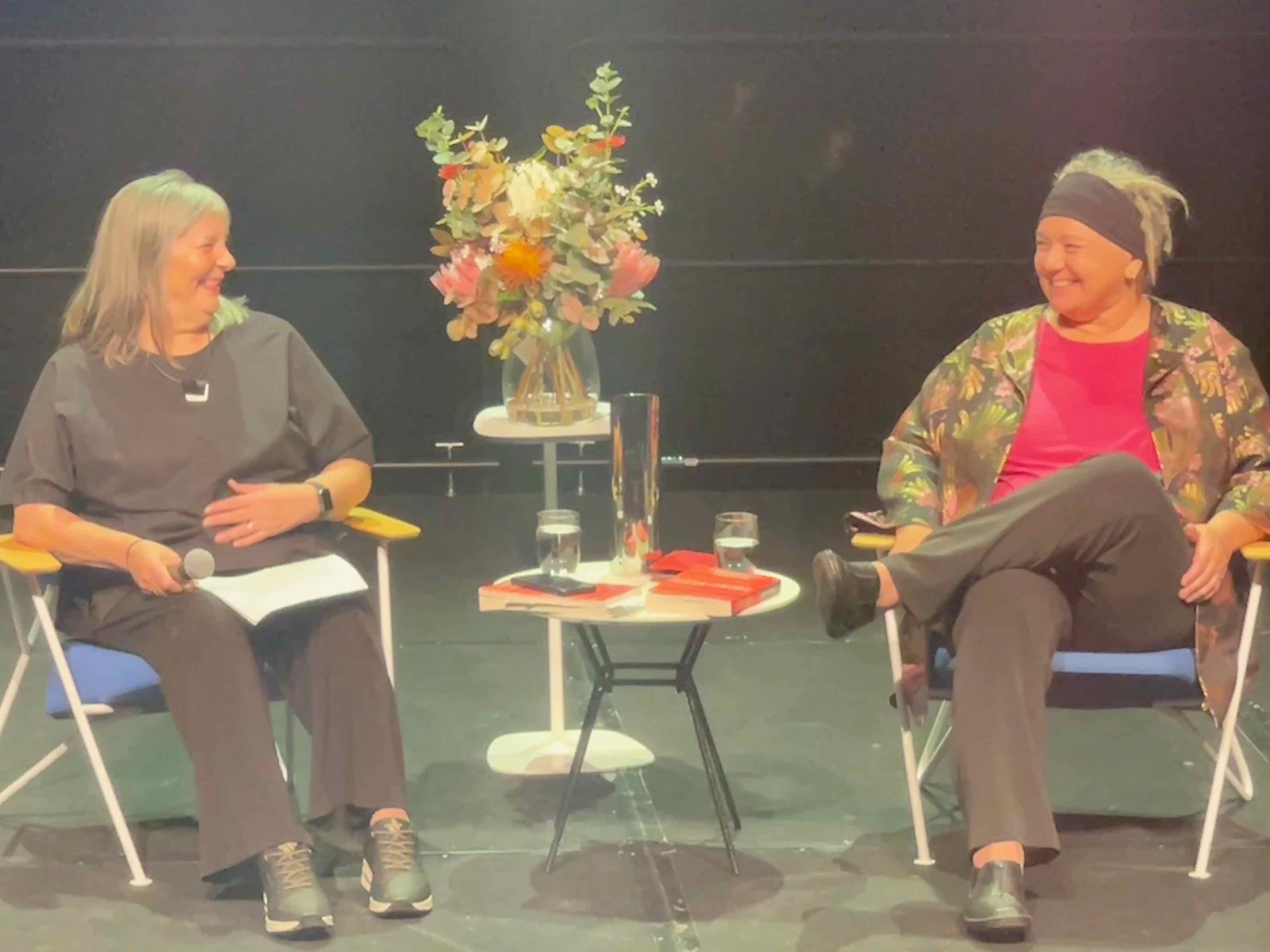
Melissa Lucashenko in conversation with Alex Sloan

I can’t believe it’s been a year since I attended an ANU/The Canberra Times Meet the Author event, but this year has been packed. Finally, though, we were free on at the right time – and the event happened to be one of high interest for me, Melissa Lucashenko being interviewed about her latest book, Edenglassie. The interviewer was popular ex-radio journalist and well-known Canberra booklover, Alex Sloan.

I have posted on Lucashenko several times before, including on her Miles Franklin award winning novel, Too much lip. I don’t always hang around for book signings these days – do authors really like doing them? – but we thought we’d see how long the line was. It wasn’t too long, so I decided to hang around. When it got to my turn I told her that I loved that she could write with humour about serious things. It’s a skill. Quick as a flash, she signed my book “For Sue / Keep laughing/ Melissa Lucashenko”. It was worth lining up for.

The conversation

The event started as always with MC Colin Steele, acknowledging country and introducing the speakers. He explained that the title of Lucashenko’s latest book Edenglassie, comes from the name, combining Edinburgh and Glasgow, that was nearly given to Brisbane in early colonial times. He summarised the book as being about the “impact of loss of country” but also being a “novel of strength and love”.

Before getting into the conversation, Alex Sloan referred to the elders at Uluru and their request of us, the Voice, that we are now voting on in this weekend’s referendum – and asked us all “to do the right thing”. Problem is she was probably preaching to the converted.

I’m going to use first names, mostly, in the rest of the report where the alternative would feel too formal.

Alex started the conversation by referring to a review in The Guardian which described the novel in terms of its “flair, humour, generosity” and as being a novel about ongoing resistance. She then asked Melissa to share the origins of her novel.

Melissa commenced with “hello friends” and said she’d like to “extend good feelings to anyone touched by events in the Middle East”. There’s nothing much else she can say, she said, but “war crimes are never ok”.

She then introduced her novel, describing it as a historical novel, with a contemporary thread to add some humour. She said it had grown out of the memoir she’d read of the Queensland “pioneer” Tom Petrie. She told an amusing story about being in London at the same time as Alexis Wright, then working on Carpentaria (my post), and as Peter Carey, who had won the Booker Prize with True history of the Kelly Gang. We are talking around 2001, I guess. Apparently, after they’d had a brief moment with Carey, Wright, who liked Carey’s book, also said that the problem was that Australians “write too many historical novels”.

Melissa took this to heart, and so her first three novels were contemporary novels. But, on catching up with Alexis Wright several years later, she reminded Wright of her comment. Wright looked at her, and clarified that she meant “white people write too many historical novels, not us”. Lucashenko went back to her historical novel interest!

Alex then moved the discussion on to place, noting the epigraph from Jean Rhys’ Wide Sargasso Sea. It comes from when the now locked-up Antoinette is told she is in England, and responds “I don’t believe it…and I will never believe it”. Lucashenko explained its application to her novel, to the fact that Australia is “aways Aboriginal land”. All her books are about place she said.

Alex asked about the novel’s first line, which describes Granny Eddie “falling, falling, falling”. Lucashenko said that besides Granny’s literal fall, it also alludes to an old woman “falling, falling, falling” in a Thea Astley* novel, and to the biblical fall.

Next, Alex turned to the novel’s love theme. Lucashenko said it has two love stories, one in each time period. Blackfellas are human too, she said, and deserve “love, joy and peace” like anyone else. I hate that she feels she has to say this. What sort of world do we live in? Anyhow, Alex described the historical lover Mulanyin as “hot, move over Mr Darcy”, she said. She asked Melissa to do a reading, which she did, from Chapter 8, when the historical section lovers meet. “Love at first sight,” said Alex.

The conversation moved from Mulanyin and his love interest Nita to the modern storyline and the character of Winona, who, Lucashenko said, is around 27 or 28, and “likes to tell it straight”. Alex asked her why she interlinked this modern story with the historical one, and the answer was clear and to the point. She wanted to counteract the trope of the dying race. It has been slowly changing since Mabo, but is still evident. Because of it, she never kills off her Aboriginal characters. She also wanted to balance feisty characters still here in 2024, who are talking back, with her historical figures.

From here, Alex asked Melissa about Edenglassie being a work of fiction. Lucashenko responded that although it was a work of fiction, she’d done a lot of research. She’d agonised on getting facts right, because she had Keith Windschuttle on one shoulder and Andrew Bolt on the other (an image that tickled Alex.) She knew her novel would be attacked because she was telling the story from a non-conservative position. Her historian friend reassured her, though, that “it’s all fiction” – a position I don’t disagree with. Melissa also shared Barry Lopez’s point that everything in life is “story and compassion”.

At this point we returned to the title. Lucashenko elaborated on Colin Steele’s intro, saying it had come from the Scottish Chief Justice Forbes who had established a property in NSW called Edenglassie, and had liked it so much that he tried to later give this name to Brisbane. It’s a great find for a writer. Lucashenko loved it with its “Eden” and “lassie” (for a feminist like her) references. 

In terms of the novel’s perspective, she said that at the time the historical part of the novel is set, the Aboriginal people, who were in the majority at that point, felt the whites would go away. This brought us back to discussing Mulanyin, whom Lucashenko described as brave, and a fisherman. She did another wonderful reading from early in the book, when he is taught some lessons by his elders, but taught in the way First Nations culture does it, which, as Lucashenko describes it, is “you go work it out”. In this case, the lesson involved honouring old ones and not being destructive out of greed. 

Lucashenko also explained that her idea for the novel had its origins in the fact that next year will be the bicentenary of white Queensland. She wanted to provide an Aboriginal perspective on the story but it developed into something more complex, that included love, and also encompassed the idea of “what could have been”. 

She talked quite a bit about Tom Petrie who had established a pastoral station with the permission of the local Aboriginal headman – in a location that was strategically chosen by that headman. The central question of the novel concerns “what was going through these people’s minds”. Things could have been different then, she said, and could still be now. There’s the paradoxical idea of British pluck and courage versus the facts involving murder, mayhem, theft. The conversation teased out several complex ideas about colonisation – attitudes to law, and to beliefs, for example. Lucashenko talked about pastoral workers being branded, and how that can be seen in two ways – it marks a person as a slave, but it can also work as protection (as in “don’t shoot me, I belong to Petrie”.)

Her story explores how colonisation could have been done differently. In Petrie’s case, for example, it was still colonisation, but the way he did it saved Aboriginal lives and partly at least protected their culture. I’m intrigued. Without having read it yet, I can see why she felt the need to prepare herself for attacks. (She’s been attacked before for her “non-conservative”, confronting exploration of difficult subjects.)

Alex talked about the section in the book where Mulanyin asks for permission to marry Nita. She felt it explained things about Aboriginal practices and beliefs that she had not known (which is how Debra Dank’s We come with this place impacted me, so I look forward to continuing that journey here.) Lucashenko then talked about the novel’s modern thread, about Winona confronting the wanna-be (my term) Aboriginal, and her upfront message to him. About this, Lucashenko said that “being harsh is not blackfella law” but there is also a “right way”.

Q & A

On what she learnt about herself through writing each novel: That she has stamina for writing, though not for much else. So, the lesson is, “Do what you are good at”! 

On not providing a glossary for words in language: Meaning can be understood with a little work; knowledge is best earned not given. (Love this.) 

On the novel taking four years: She has been writing this novel her own life, but serious research for it started in 2019, just before the fires, floods and pestilence!

On how Brisbane is affected by its history: All Australia is affected by colonisation, but in Brisbane’s case it was a brutal penal settlement, giving meaning to that phrase, “Another day in the colony”, which still has meaning today. Melissa talked about the question “Are you a monkey or an ape” experienced by an Aboriginal woman prisoner in Logan in 2014.

Vote of thanks

Lucy Neave (whose novel Believe in me I’ve reviewed), gave a sincere vote of thanks, which included thanking Melissa for the special readings from her book (there were three.) She described Edenglassie as a generous book, that’s “compelling, accessible, and meticulously researched”. It encompasses diverse values, she said, and shows what enormous value we can get “if we listen”. 

I would add thanks to Lucashenko for her gracious handling of occasional clumsiness from her questioners, because we whitefellas can be hamfisted at times.

* First Chris Flynn (Here be Leviathans) and now Lucashenko admit to the influence of Thea Astley. Love it

ANU/The Canberra Times Meet the Author
MC: Colin Steele
Australian National University
12 October 2023

Miles Franklin Award 2019 Winner announced!

Melissa Lucashenko, Too Much LipWell, good news for me (because it’s all about me of course!) Not only had I read more of the longlist and the shortlist than is my usual achievement, but one of those books is the winner – and a wonderful winner it is too, Melissa Lucashenko’s Too much lip (my review)!
Really, as much as I liked the other contenders I’d read, I did hope this would win – because it is truth-telling of the most honest sort. Indeed, Lucashenko has said that she expected backlash (which didn’t come) from indigenous communities for her no-holds barred story about a rather dysfunctional indigenous family in which violence and substance abuse, in particular, is no stranger.  Lucashenko, does, of course, underpin this squarely with references to/evocation of the causes, that is, the intergenerational trauma indigenous people have experienced after two centuries of dispossession (and all the policies and practices that have ensued to deny them equality, dignity, and thus the health and security that we all deserve as citizens of this country.)

But, in addition to this honest, real story about contemporary indigenous lives and culture – about the challenge of marrying traditional beliefs and values with contemporary life – is the fact that it’s a rip-roaring tale. Humorous, page-turning, with colourful, individuated characters. If you haven’t read it yet, you surely will now!?

Jason Steger, writing in The Sydney Morning Herald, says

It’s not surprising that Melissa Lucashenko says Too Much Lip was her most difficult book to write. After all, it deals with physical and substance abuse, violence, marginalisation, displacement and dispossession, racism and incarceration within the experience of one Indigenous family.

He quotes the judges as saying that she “weaves a (sometimes) fabulous tale with the very real politics of cultural survival to offer a story of hope and redemption for all Australians”. Exactly!

I apologise for the delayed announcement – I was at reading group last night, and was distracted by our exciting discussions!

But, woo hoo! This is an inspired and inspiring choice! Well done judges, I say.

What do you think?

Melissa Lucashenko, Too much lip (#BookReview)

Melissa Lucashenko, Too Much LipMelissa Lucashenko’s title for her latest novel Too much lip conveys a lot about what she is trying to do here. Superficially, the title refers to protagonist Kerry’s refusal (or inability) “to swallow her opinions”, but there are layers to the title which reflect the layers in the novel. Kerry is female and indigenous, and she is lippy, which gets her into trouble, sometimes rightly because she’s not always sensible and measured in her responses, but sometimes there’s a political layer. Sometimes she has something relevant to say but because she’s a woman, or because she’s indigenous, or because, “truesgod”, she’s a woman and indigenous, her “lippiness” is ignored or put down. I’d venture to say – and I don’t think this is a long bow – that this political layer extends to imply that all indigenous people can be seen by white Australians as having “too much lip”. It is this clever, wicked multilayering in Too much lip that makes it such an engrossing and confronting book to read.

Essentially, Too much lip is a contemporary story about an indigenous family living in the small fictional country town of Durrongo in Bundjalung country, in northeast New South Wales. The family struggles to keep it together – and, as the book progresses, we come to see why. And it’s no surprise: colonial dispossession, the massacres, the stolen children policies, not to mention the ongoing racism, result in poverty and dysfunction, in unemployment, drug-taking, violence and withdrawal from wider society. Lucashenko does not shy from exposing violence and conflict within the novel’s indigenous community but she also makes clear that the cause can be found in long-standing, intergenerational traumas experienced by the community – as individuals and as a group.

Now this might all sound very earnest, but it’s not. This is a ripping read with a strong plot about vibrant, beautifully differentiated characters. After a somewhat mysterious opening chapter whose import is not clear until well into the novel, we meet protagonist Kerry, the 34-year-old daughter of Pretty Mary. She’s coming home, riding into town on her stolen Harley, no less. It’s to be a quick trip. She wants to say goodbye to her dying grandfather and then get out of there. It’s clear there’s not much love lost between Kerry and her remaining family in town. However, she is at a bit of a personal crossroads. She’s fleeing a botched armed robbery which resulted in the imprisonment of her partner Allie, who has broken their relationship. Kerry is grieving this. When she and her family catch wind of plans to develop Granny Ava’s island, a sacred place for their people, she decides to stay a bit longer and fight the fight.

So, this becomes, also, a story about land and connection to country versus greedy developers and corrupt politicians who, in this small town, combine in the form of one man, Mayor Jim Buckley. There’s enough thrills and action in the novel, not to mention a romance, to keep lovers of exciting plots engaged, but there’s also enough about characters and their relationships, to keep us more character-oriented readers interested.

This is a confronting novel for non-indigenous Australian readers – but it’s a confrontation we need. It shows (not, didactically tells) what colonial settler societies have done to indigenous inhabitants and how this reverberates through the generations. My back cover blurb calls the novel “gritty and darkly hilarious” – and that’s a perfect description of its tone. Lucashenko privileges us to sit in on an indigenous family’s life. We get to see the world from their perspective, their pain, their frustrations, but also the jokes they make about white people’s ignorance.

Kerry had managed, on the surface anyhow, to rise above the racism she experienced at high school, but

her indifference – part pretence, part real – meant the insults quickly found their targets elsewhere, in the small handful of other Goories who usually decided to fight back, and who were quickly expelled for expecting a bit of common decency in their lives.

Disgusting, isn’t it? Examples of racism abound in the book, but there are also times where Lucashenko’s Goories critique white culture. One of these occurs when policemen, Jim Buckley’s henchmen, turn up at Pretty Mary’s home. The family retaliates by suggesting, at one point in the confrontation, that white people need a refresher on their old ways, and more:

‘How to invade other people’s countries and murder em, and call it civilisation …’ Ken couldn’t remember when he’d enjoyed himself this much.

‘Child stealing 101,’ Black Superman nodded enthusiastically. ‘Interventions for fun and profit.’

‘Globalised capitalism for the one per cent,’ Zippo called out.

Eventually they force the police to retreat, and feel a great sense of victory. They rework the story, savour and analyse it, embellish it, agreeing that “Glenrowan had nothing on Durrongo”. Haha! It’s a wonderfully written scene that makes us whitefellas squirm.

It’s not all hilarious though. The dysfunction is serious. There’s heavy drinking and violence. Brother Ken is irrational, violent, and neglectful of his adolescent son Donny, who is struggling to find his way. Kerry sees this, but is struggling with her own demons, including living in a gendered world where her word counts for little. Even her mother, Pretty Mary, is more likely to turn to Ken than to her daughter. It’s tough. There is hope though, and it comes mainly in the form of two characters – Ken and Kerry’s younger, successful city-dwelling brother, Black Superman, and Uncle Richard.

Uncle Richard, in particular, embodies both strength and wisdom. He’s not a push-over, but he exerts leadership when it’s needed. He says to the incendiary Ken:

‘Yeah, okay. We need to fight. But first I think you’d better come to Men’s Camp this weekend. Get yer head clear, neph. Manage your anger so you use it, not it using you.’

It takes some talking, but he eventually prevails. A little later, Uncle Richard brokers a reconciliation amongst the family, encouraging past hurts to be put into context rather than poison their futures:

‘History’s made us all hard … We had to grow hard just to survive, had to get  as hard as that ol’ rock sitting there. But the hardness that saved us, it’s gonna kill us if it goes on much longer. People ain’t rocks …’

Pervading all this is a strong sense of indigenous culture. Connection to the land is palpable, as is its power to revive the family. Birds, particularly crows, play a subtle role. There’s the “king plate” with a power “too dangerous” to leave lying around. There are references to totems, including tongue-in-cheek jokes that suggest indigenous people are serious but not humourless about their culture. And then there’s the Doctor, a shark which swims around Granny Ava’s island, waiting for a blood debt to be paid.

There are some books you read that you just really want to write about. Too much lip is one such book. I so looked forward to writing this post, but I was challenged at the same time. How to do justice to Melissa Lucashenko’s achievement? By wrapping a rich contribution to truth-telling inside an entertaining story guaranteed to keep you turning the page, she has pulled off something impressive. I really hope I’ve been up to the task. Perhaps you’d better read the book – if you haven’t already – to judge for yourself!

Lisa at ANZLitLovers was also impressed by the book.

AWW Challenge 2019 BadgeMelissa Lucashenko
Too much lip
St Lucia: UQP, 2018
318pp.
ISBN: 9780702259968

(Review copy courtesy UQP)

Melissa Lucashenko, Sinking below sight (Review)

In this week’s Monday Musings about the Walkley Awards, I noted that Melissa Lucashenko had won the award for Long Feature Writing for her essay “Sinking below sight: Down and out in Brisbane and Logan” in the Griffith Review. I’ve now read the essay, and thought I’d share it with you. I’ve reviewed Lucashenko before, an essay and a short story. I really must get to one of her novels one day!

With her mixed European and indigenous Australian heritage, Lucashenko is well placed to tackle significant contemporary issues and see them from multiple perspectives. The last essay of hers that I reviewed, “How green is my valley”, dealt with stewardship of the land and the threat imposed by climate change. In “Sinking below sight” her subject is poverty. Lucashenko’s essays make engaging reading. Instead of dry reportage, she starts from the personal, and from that draws conclusions that make sense. And so, while “How green is my valley” drew from her experience on a farm in northern New South Wales, this essay draws from her return, after losing her farm through divorce, to the town of Logan, one of Australia’s ten poorest urban areas.

You’ve probably noticed that her subtitle alludes to Orwell’s autobiographical work Down and out in Paris and London which chronicles his experience of poverty. Similarly, Lucashenko writes that she’s been poor before, so “I had the skill set”. But, this essay is not about her. She starts by setting the scene, describing this “Black Belt” region as one in which

Welfare recipients and the working poor … don’t necessarily realise they are hard up. More accurately, many don’t realise just how poor they are, since everyone in their lives is battling.

She then moves on to the main topic of her essay, which is to find out “How do my Black Belt peers manage? How do single mums, in particular, get by on current levels of welfare? And what dreams are possible for the Brisbane underclass in 2013?” To answer this interviews three women currently living in poverty – Selma (27), Marie (38) and Charmaine (49) – and discusses their situations.

Selma, a Yugoslavian of Serbian and Croatian parents, has four children under ten and a partner who is in and out of jail. Having been a refugee and then involved with an abusive Aboriginal man, Selma has some clear views on her situation:

What I don’t like in society … is the judgments put on Indigenous and refugee and domestic violence people. I was in that situation for nine years. They say you make a choice, but I don’t ever remember choosing to be beaten up! From the age of seventeen ’til about two years ago, domestic violence was part of my everyday life.

She blames poverty for violence, saying that “poverty breeds hate”. Lucashenko suggests that the abuse she experienced “had roots also in the trauma and racism of the refugee experience.”

Marie is also a mother of four, with an “on-again, off-again partner”. She is a member of the “working poor” so not quite as poor as Selma. She grew up in a troubled home, had been sexually molested as a child, and was living independently by the time she was 14 years old. She, like Selma, had a history of “severe emotional and physical abuse from her previous partners, who were all, bar one, Anglo-Australian men”. Lucashenko writes:

Marie spoke to me of feeling enormous rage about the past abuses in her life, rage which sits constantly just beneath the surface.

The third woman is Charmaine, “blond, slim and still able to laugh despite a life that would crush most of us [and] the white Australian mother of four Aboriginal kids”. She too was raped and molested as a child, and ended up in a violent relationship in which she stayed too long.

Australian Women Writers Challenge

While recognising that her examples are more anecdotal than statistical, Lucashenko nonetheless draws some conclusions. They include:

  • Underclass expectations, which see people who grow up with nothing, expecting little
  • The importance of public housing in providing some “minimal prospect of safety”
  • Loneliness and isolation, which drive single mums back to “untenable situations”
  • Violence and mental illness in parents and partners, which entrench poverty for women
  • Childhood molestation and/or rape, which all three women had experienced
  • Women seeking relief in drugs, which of course can initiate new downward trajectories

Her three women, Lucashenko finds, have hopes for the future. Selma and Charmaine are studying, because, as Lucashenko writes

Realising that poverty is a creation of society and its choices, these two women also know that their lives might shift through higher education.

Pragmatic Marie has a saving plan. Their situations though are tenuous. To achieve their goals, they’ll need strength. Better still, though, would be if they got effective financial and other practical support.

Lucashenko opens the essay with the epigraph that “the opposite of poverty isn’t wealth. It’s justice”. Her essay may not be statistically significant from an academic perspective, but anyone who reads contemporary social commentary knows that what she writes rings true – and this, clearly, is why she won the Walkley.

Melissa Lucashenko
“Sinking below sight”
Published in the Griffith Review, Edition 41, 2013
Available: Online at the Griffith Review

Melissa Lucashenko, How green is my valley (Review)

Almost a year ago I reviewed a short story, “The silent majority”, by Melissa Lucashenko. It was published in the Griffith Review of November 2009. I enjoyed the story and so, in honour of NAIDOC Week and ANZLitLovers Indigenous Literature Week, I thought I’d review another of her Griffith Review contributions. This one, “How green is my valley”, is described as a memoir, and was published in Winter 2006.

I love how Lucashenko, with her dual Aboriginal and European heritage, traverses both in her writing. She commences “The silent majority” with the famous opening words of Pride and prejudice – “”It is a truth universally acknowledged”. The title of this piece immediately brings to mind Richard Llewellyn‘s classic novel How green was my valley, and clues us into her themes: beauty under threat, complicated relationships with land, and the precarious balances involved in maintaining it.

Lucashenko starts her memoir – though, really, I’d call it a personal essay – with a Mark Twain quote, which has a prescience now that he could not have guessed:

Everybody talks about the weather/but nobody does anything about it.

She then describes the experience of torrential rain in Bundjalung country, the coastal regions of north-east New South Wales/southeast Queensland. She’s moved, she says, to “one of Australia’s wettest shires”. The first half of the essay describes how residents manage – or don’t – the rain. She talks of students being let off school, of the weather not distinguishing between rich and poor, and of how community is fostered as people with 4WDs deliver food to the stranded who don’t. “The information we receive from land”, she says, “is tightly nuanced”. Farmers watch closely and know how the days will pan out once the rain sets in:

We who live on Bundjalung land know that eventually the rain will stop, the mould will retreat and the mud will dry. Whatever climate change is going to mean for our kids, in the short term life for us will return to normal.

Then, halfway through the essay, comes the sting in the tail: she reminds us that the inhabitants of Tuvalu will lose their home in the next few decades as their island is submerged, and the semi-traditional hunting lifestyle of the Inuit of the Arctic Circle “will be shattered by global warming even sooner”. She wonders whether indigenous people like the Inuit will be able to translate “the clan, the traditions of egalitarianism, stoicism and intensely valued community, to life in suburbs and towns.”

Lucashenko’s thesis is that it can be done, that it is possible to be “bicultural”, to span the chasm “between industrial and indigenous views of the ‘good life’ and what constitutes a proper society”. She argues that the egalitarian ethic espoused by Henry Lawson and Banjo Paterson

the traditions of mateship that faithfully mimic the brotherhood of initiated Aboriginal men and the myriad skills of surviving from and maintaining the land – were learned by some colonial whites from Aboriginal people.

Hmm … I haven’t heard that before. I suspect Australia’s mateship tradition has rather multi-pronged origins but this could certainly be part of it.

Lucashenko’s point though is to draw a parallel between white Australians’ love of land and indigenous people’s. She says that any Australian who has holidayed at the same beach every summer, or “diligently looked after” their own little patch, has “walked in Aboriginal footsteps” whether they know it or not. Hmmm … again I think this is a little bit of a long bow, in the sense that there are people all over the world who love their bit of land. But it doesn’t spoil her argument that it would have been good had the influence of Aboriginal knowledge and practice been greater, because then

More Australians might have learned not just to love the place (as some indisputably do) but to listen to the land more seriously. Had more Aboriginal philosophers been valued rather than shot or packed off to missions, all Australians might have learned the careful and intense attention to detail that many of us in the valley are still forced to practise as a matter of course.

With climate change breathing down our necks, will we all “be rooned”, she asks (alluding to one of my favourite old ballads “Said Hanrahan“). Will our “valley” be destroyed by our inability to tame our capitalistic consumerist urges, or will we learn in time how to be true custodians of our land?

Melissa Lucashenko
“How green is my valley”
Published in the Griffith Review, Edition 12, Winter 2006
Available: Online at the Griffith Review

Melissa Lucashenko, The silent majority (Review)

I have reviewed many individual short stories by Americans (through the Library of America), but not by Australians. Time to rectify that a little, and why not with a short story by Melissa Lucashenko, an Australian writer of European and indigenous Australian heritage. She is an award-winning novelist and an essayist, but I hadn’t read her – until now.

You might be wondering why I chose her and this story? But it’s obvious really. I was pottering around the web and came across this:

It is a truth universally acknowledged, Jo decided, that a bored teenager with a permanent marker is a pain in the bloody neck.

How could I go past it? I had to read it to see what it – and Lucashenko whom I was keen to read – was all about. It’s a short, short story, well suited, I suppose, to publication in a magazine like the Griffith Review. Jo is a single mum of indigenous heritage and during the course of the story is mowing the grounds of the cemetery in the small northeastern NSW town of Mullumbimby. Her teenage daughter Ellen is supposed to be babysitting her young nephew Timbo while Jo does her mowing but, like a teenager, gets bored and “tags” Timbo with slogans such as “Better Conditions or I ring DOCS*” and “Pay me a living wage”. The daughter is needling her mother, but there is of course double meaning for the reader in these slogans, messages about the conditions many indigenous Australians face.

The story mainly comprises Jo’s thoughts as she gets on with her mowing. She reflects on those who lie in the ground beneath her – the Protestants and Catholics, in their separate sections. They are the literal “silent majority” of the title, and she wonders about their stories, now lost with the erasure by time of their details on the gravestones. Jo wonders about

These stories that had once been so important to the town, that had needed carving in granite: where were they now.

Stories, though, are important to Jo – and, in my experience, are an important treasured part of indigenous Australian culture. Jo is a little worn by her “previous life and its discontents” in which an Eeyore-like man Gerry kept dragging her into “his tight white world”. In fact, she appears not to have much time for people, with her “favourite humans living in the pages of books” and her preferred living creatures being horses. She quotes Walt Whitman – I found that interesting – on horses:

They do not sweat and whine about their condition.
They do not lie awake in the dark and weep for their sins.
… not one is demented with the mania of owning things.

Hmmm … this certainly conveys to me a sense of cynicism about humans, of all colours. But the real point of the story comes in the third last paragraph, with her pondering on what the land was like before, when it was

not yet doomed by the axes and greed of men who – months and years from anything they thought of as home – had tried to slash and burn their way to freedom here.

So what we have here is a meditation, in a way, on stories and their importance, on animals and land, and on walking a line between white and indigenous culture. It’s not all melancholic, as what I’ve said here might suggest. There are some touches of humour. Overall, I was intrigued by her writing and I liked the story, though it felt a little undeveloped. I understand that Lucashenko’s next novel is set in the Mullumbimby area. I wonder whether this story is part of it – or, at least, whether Jo appears in it. I hope so.

Melissa Lucashenko
“The silent majority”
Published in the Griffith Review, Edition 26, November 2009
Available: Online at the Griffith Review

*The Department of Community Services which is feared by struggling parents for fear their children will be taken away.