For some years now, my first Monday Musings of the year has comprised a selected list of new Australian book releases for the coming year. And, for many years, the bulk of this post came from a comprehensive list prepared by Jane Sullivan for the Sydney Morning Herald. However, this year’s SMH’s list, prepared by Melanie Kembrey, is highly selective, comprising just fifteen fiction and fifteen nonfiction titles. Further, it only covers the first half of the year, and as usual includes non-Australian books – meaning it has only a handful of Aussie titles.
So, I did a lot more research than usual. I checked many publisher websites, and found a couple of publisher emails useful. I also found The ArtsHub’s list prepared by Thuy On, which is a little longer than Kembrey’s and comprises selected Australian new releases for the first half of the year. I gleaned my list from these disparate sources, which varied in how well and thoroughly they shared their forthcoming titles.
The information I provide for each title varies a little, depending on what information I found easily. Links on the authors’ names are to my posts on those authors.
Fiction
As always, I have included some but not all the genre fiction I found to keep the list manageable and somewhat focused. Here’s my selection:

- Mandy Beaumont, The thrill of it (March, Hachette)
- Ashley Kalagian Blunt, Cold truth (February, Ultimo)
- Tara Calaby, The spirit circle (historical fiction, January, Text)
- Jane Caro, Lyrebird (April)
- Shankari Chandran, Unfinished business (January, Ultimo)
- Madeleine Cleary, The butterfly women (historical crime, April, Affirm Press)
- Rachel Coad, Stray cats and bad fish: Silence of the eels (graphic novel, September, Upswell)
- Anna Dombroski, After the great storm (February, Transit Lounge)
- Laura Elvey, Nightingale (genre-bender, May, UQP)
- Beverley Farmer, The seal woman (repub. of 1992 edition, March, Giramondo)
- Irma Gold, Shift (March, MidnightSun)
- Andrea Goldsmith, The buried life (March, Transit Lounge)
- CE Grimes, The Guts (literary thriller, April, Puncher and Wattman)
- Joanna Horton, Catching the light (April, Ultimo Press)
- Luke Horton, Time together (March, Scribe)
- Catherine Jinks, Panic (crime, January, Text)
- Gail Jones, The name of the sister (June, Text)
- Yumna Kassab, The theory of everything (March, Ultimo Press)
- Vijay Khurana, The passenger seat (April, Ultimo Press)
- William Lane, Saturation (May, Transit Lounge)
- Zane Lovitt, The body next door (crime, March, Text)
- Charlotte McConaghy, Wild dark shore (March, Penguin)
- Nadia Mahjouri, Half truth (February, Penguin)
- Steve MinOn, First name second name (March, UQP)
- Debra Oswald, One hundred years of Betty (March, Allen & Unwin)
- Jacquie Pham, Those opulent days (February, Upswell)
- Sophie Quick, Confidence woman (April)
- Diana Reid, Signs of damage (March)
- Madeleine Ryan, The knowing (February, Scribe)
- Josephine Rowe, Little world (April, Black Inc)
- Ronni Salt, Gunnawah (historical rural crime fiction, January, Hachette)
- Gretchen Shirm, Out of the woods (April, Transit Lounge)
- Anna Snoekstra, The ones we love (June, Ultimo Press)
- Jessica Stanley, Consider yourself kissed (April, Text)
- Sinéad Stubbins, Stinkbug (May/June, Affirm Press)
- Marion Taffe, By her hand (historical fiction, HarperCollins)
- Hannah Tunnicliffe, The pool (January, Ultimo Press)
- Madeleine Watts, Elegy, southwest (March, Ultimo Press)
- Chloe Elisabeth Wilson, Rytual (May, Penguin)
- Sean Wilson, You must remember this (January, Affirm Press)
- Ouyang Yu, The sun at eight or nine (February, Puncher and Wattman)
Short stories
- Peter M. Ball, What we talk about when we talk about brains: The Red Rain stories (January)
Nonfiction
I am sorting these into two broad categories …
Life-writing (loosely defined)
- Clem Bastow and Jo Case, Someone like me: An anthology of nonfiction by autistic writers (anthology, March, UQP)
- Bron Bateman (ed), Women of a certain courage: Life stories (anthology, no month, Fremantle Press)
- Brooke Boney, All of it (memoir, April)
- Judith Brett, Fearless Beatrice Faust: Sex, feminism and body politics (biography, April, Text)
- Geraldine Brooks, Memorial days (memoir, January)
- Kerrie Davies, My brilliant career, Miles Franklin undercover (autobiography, March)
- Robert Dessaix, Chameleon: A memoir of art, travel, ideas and love (memoir, March, Text)
- Kate Grenville, Unsettled: A journey through time and place (Black Inc, April)
- Hannah Kent, Always home, always homesick (memoir, May)
- Sukhjit Kaur Khalsa, Fully Sikh: Hot chips and turmeric stains (memoir, February, Upswell)
- Josie McSkimming, Gutsy girls (memoir, February, UQP)
- Robert Manne, A political memoir: Intellectual combat in the Cold War and the Culture Wars (Black Inc, April)
- Dean Manning, Mr Blank (memoir/biography, March, Puncher and Wattman)
- Paul Marshall (ed), Raparapa: Stories from the Fitzroy River drovers (anthology, February, Magabala Books)
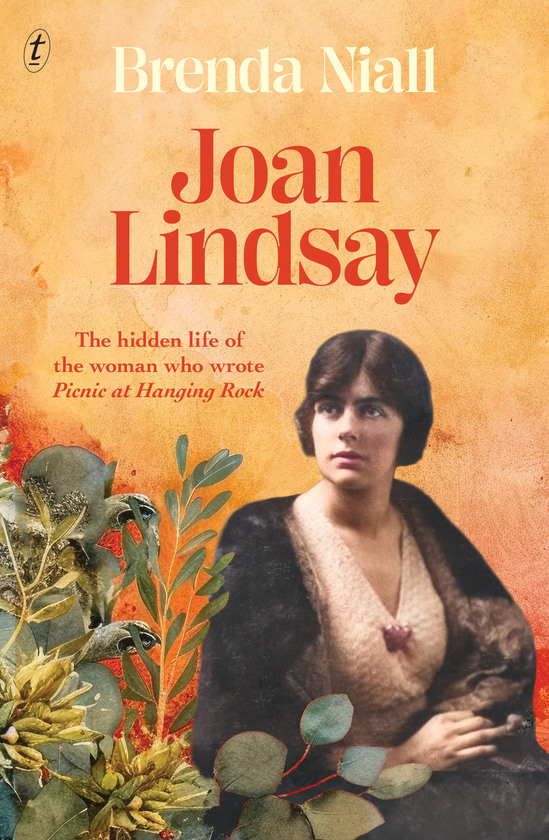
- Brenda Niall, Joan Lindsay: The hidden life of the woman who wrote Picnic at Hanging Rock (biography, February, Text)
- Sonia Orchard, Groomed: A memoir about abuse, the search for justice and how we fail to keep our children safe (memoir, January, Affirm Press)
- Lucy Sussex and Megan Brown, Outrageous fortunes: The adventures of Mary Fortune, crime-writer, and her criminal son George (biography, Black Inc, February)
- Grace Tame, The ninth life of a diamond miner: A memoir (memoir, repub., March, Pan Australia)
- Naomi Watts, Dare I say it (memoir, January)
- Jessica White, Silence is my habitat: Ecobiographical essays (memoir/ecoliterature, October, Upswell)
History and other non-fiction
- Vanessa Berry, Calendar (essays, October, Upswell)
- Anne-Marie Conde, The prime minister’s potato and other essays (June, Upswell)
- Stephen Gapps, The Rising War in the colony of New South Wales, 1838-1944 (history, April)
- Joshua Gilbert, Australia’s agricultural identity: an Aboriginal yarn (First Nations, Penguin, May)
- Robert Godfree, Drought country: The dry times that have shaped Australia (eco-literature, February, CSIRO Publishing)
- Alyx Gorman, All women want (women’s studies, March, HarperCollins)
- Tom McIlroy, Blue Poles: Jackson Pollock, Gough Whitlam and the painting that changed a nation (history/biography, February/March, Hachette)
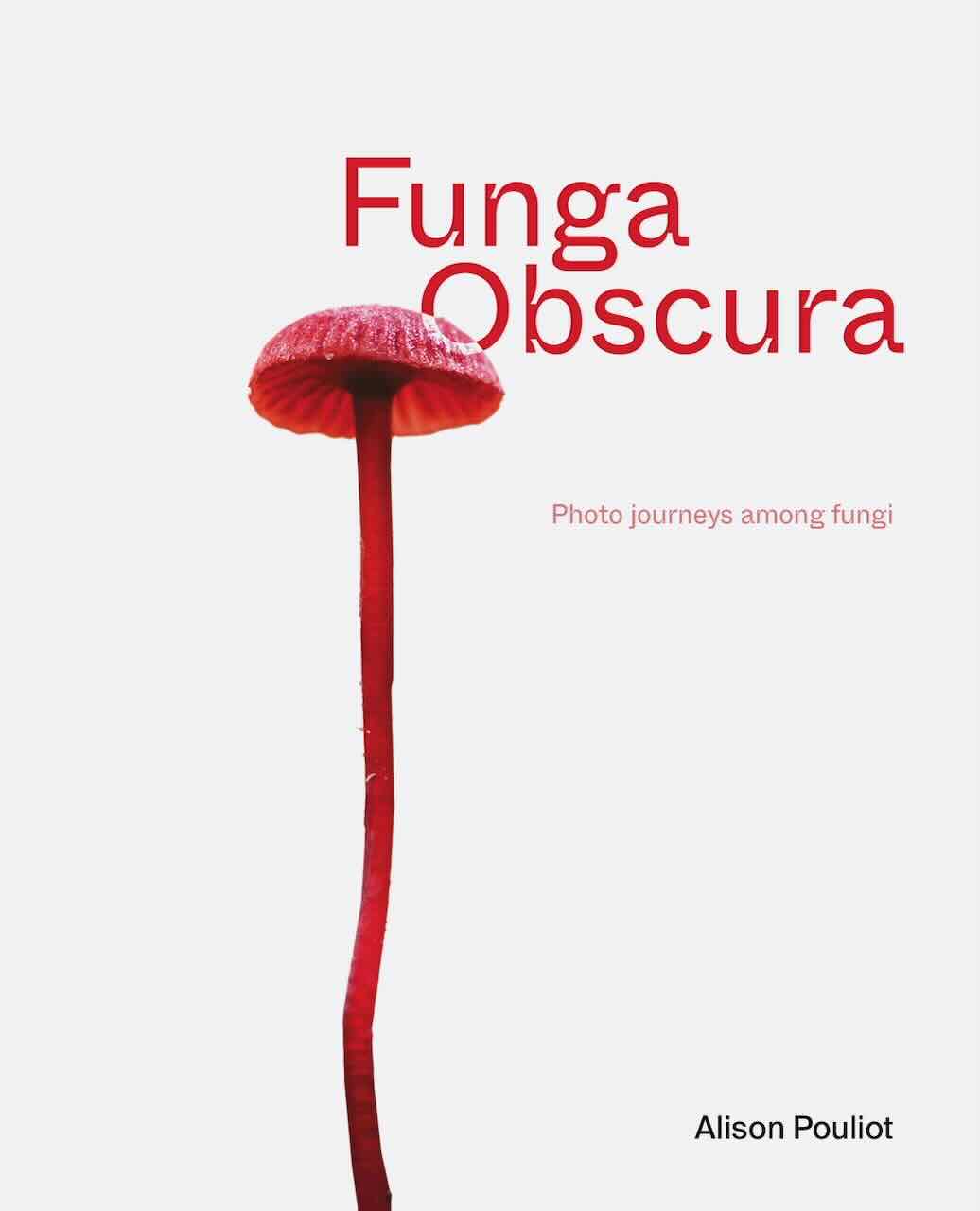
- Alison Pouliot, Funga obscura: Photo journeys among fungi (photography/ecology, March, New South)
- Belinda Probert, Bill’s secrets: Class, war and ambition (narrative nonfiction, January, Upswell)
Poetry
Finally, for poetry lovers, I found these, almost entirely from publisher websites:
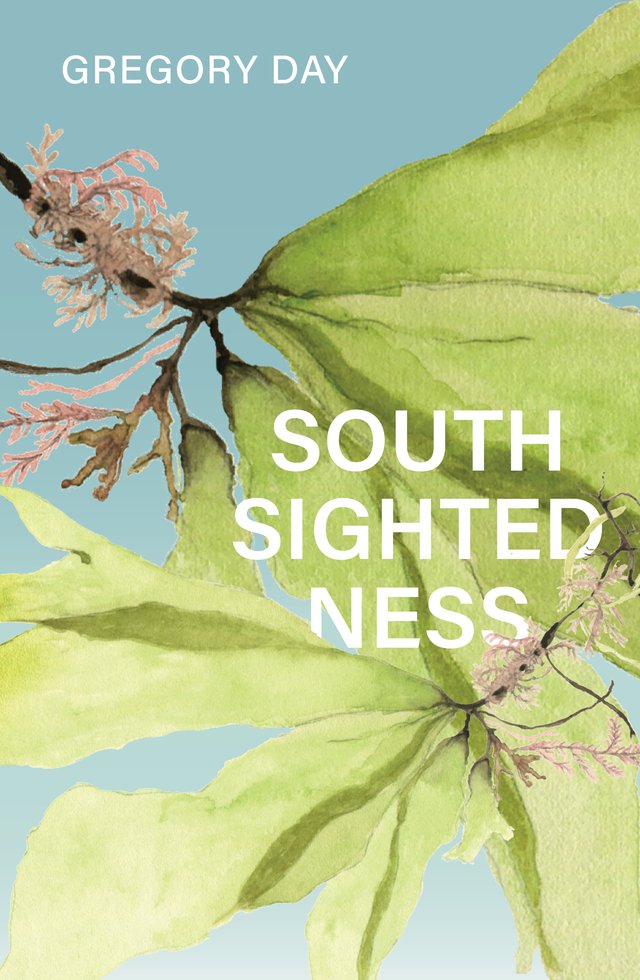
- Gregory Day, Southsightedness (April, Transit Lounge)
- Yvette Henry Holt, Fitzroy North 3068 (March, Upswell)
- Anna Jacobson, All rage blaze light (September, Upswell)
- Šime Knežević, In your dreams (February, Giramondo)
- Cameron Lowe, BliNk (February, Puncher and Wattman)
- Thuy On, Essence (February, UWAP)
- Helena Pantsis, Captcha (February, Puncher and Wattman)
- Omar Sakr and Safdar Ahmed, The nightmare sequence (April, UQP)
- David Stavanger, The drop off (April, Upswell)
So far I have read only three from my 2024 lists, though have several more on the TBR. How will I go this year?
Meanwhile, anything here interest you?




 Whispering Gums