Last week, to commemorate the beginning of NAIDOC Week, I devoted Monday Musings to Anita Heiss’s series of interviews with indigenous Australian writers, In conversation with BlackWords. I said then that this week’s post would also draw from the series – and so here it is.
I’m not 100% sure of Heiss’s process, but I think she sent the same set of questions to all writers, and they answered some or all of questions as they desired. I am focusing, in this post, on one of the questions. Seventeen of the twenty writers responded to it. The question is:
What book do you think every Australian should read?
Courtesy: Random House
The answers are fascinating. Most, as you would expect, recommend books that would help all Australians learn and understand more about indigenous culture and history, and the books they recommend are mostly by indigenous Australians. But, the interesting thing is that there’s a lot less duplication than I expected. I like this. It suggests the existence of an active indigenous literary culture. No simple, easily defined cannon here! It provides a great list for us all to go to – both now, and when we are planning for ANZLitLovers’ 2015 Indigenous Literature Week.
Anyhow, I thought, when I decided to do this post, that I could tally up the recommendations and list them in popularity order. But, given what I actually found, I have decided instead to simply list them in alphabetical order by author/editor, with the name of the recommender/s and comments where appropriate.
- Berendt, Larissa: Home. Ellen van Neerven called this “A very important book.”
- Carey, Peter*: True history of the Kelly Gang. Jared Thomas said it “alerted me to class struggle – the fact that it is not only Aboriginal people who have endured persecution in this country.”
- Chi, Jimmy: Bran Nue Dae (script). Kim Scott.
- Eckermann, Ali Cobby and Fogarty, Lionel (eds): Southerly, Vol 71, No. 2, 2011, “A Handful of Sand: Words to the Frontline”. Lorraine McGee-Sippel described this as “An invaluable resource of Australia’s First Nations writers … Across all genres, ages and life experiences”. She believes is should be “compulsory reading … in all high schools and universities”.
- Eckermann, Ali Cobby: Ruby Moonlight. Bruce Pascoe.
- Gammage, Bill*: The biggest estate on earth. Kim Scott simply said “an important book”.
- Gilbert, Kevin: Because a white man’ll never do it. Kerry Reed-Gilbert, his daughter.
- Green, Evan*: Adam’s empire. Sue McPherson described it as “a good Aussie story. It should be made into a film.”
- Haebich, Anna*: For Their Own Good. Kim Scott said that it “focuses on south-west Western Australia, but the power relationship it articulates applies across the continent”.
- Heiss, Anita: any book. Lionel Fogarty gave Heiss as an example in recommending “Indigenous-authored books such as those by Anita Heiss.
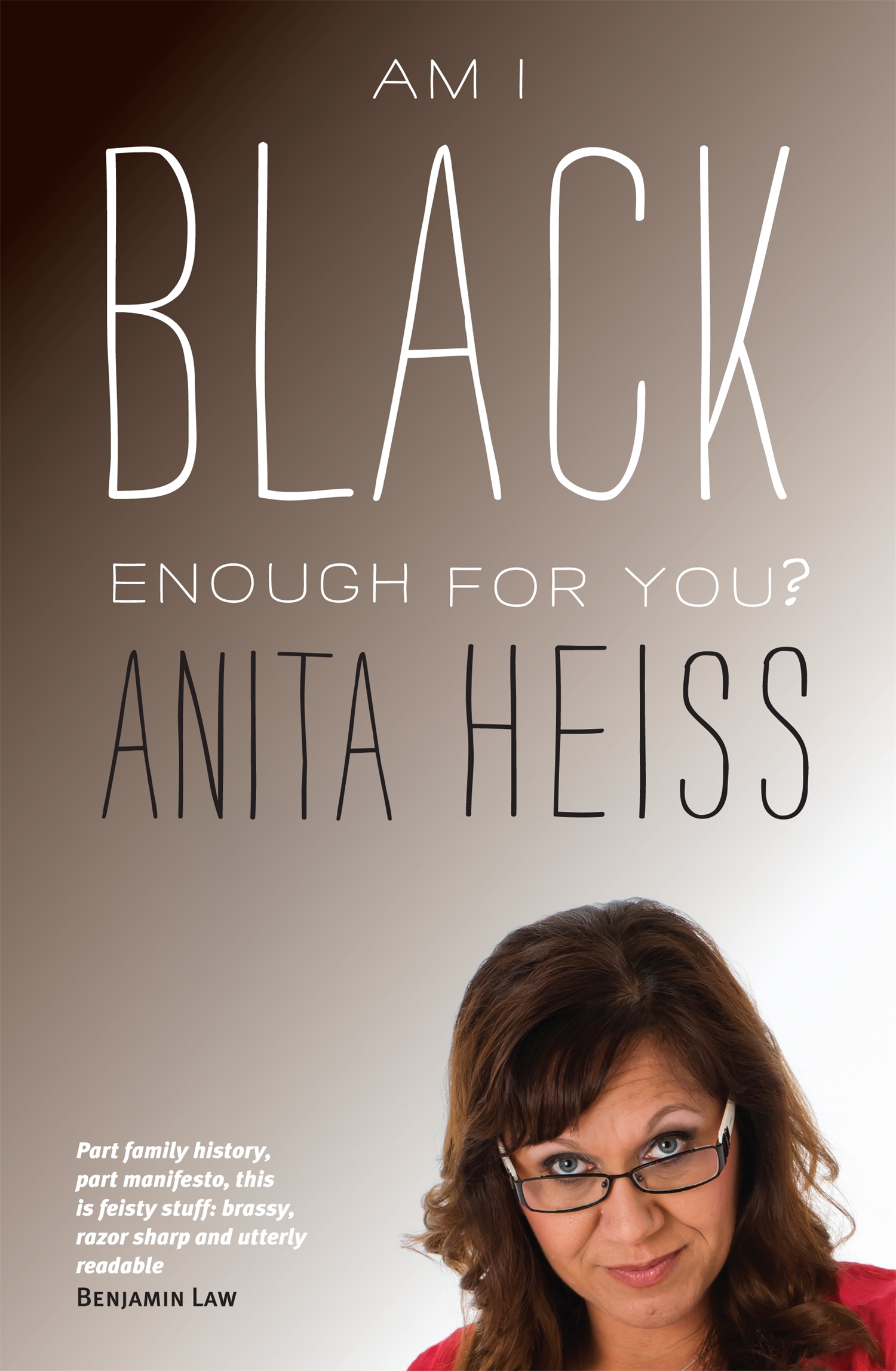
- Heiss, Anita: Am I black enough for you? Jared Thomas, Bruce Pascoe (my review)
- Heiss, Anita and Minter, Peter (eds): The Macquarie PEN Anthology of Aboriginal Literature. Kerry Reed-Gilbert.
- Leane, Jeanine: Purple threads. Melissa Lucashenko (my review).
- McMullen, Jeff*: any writing. Samuel Wagan Watson.
- Maynard, John: Fight for liberty and freedom. Recommended by himself.
- Munkara, Marie: Every secret thing. Bruce Pascoe (my review).
- Papunya School with Nadia Wheatley and Ken Searle: The Papunya School Book of Country and History. Anita Heiss likes this because it is “accessible to all”.
- Pascoe, Bruce: works by him. Recommended by himself.
- Pascoe, Bruce: Earth. Melissa Lucashenko.
- Pilger, John*: A secret country. Kate Howarth.
- Reynolds, Henry*: any book. Kerry Reed-Gilbert argued that “it’s time for people to know the truth of this country”; Samuel Wagan Watson.
- Reynolds, Henry*: Forgotten War. Lorraine McGee-Sippel said that it “addresses Australia’s selective amnesia in relation to the wars fought between Traditional Owners and the Invaders. Where are our memorials?”
- Reynolds, Henry*: This whispering in our hearts. Jackie Huggins.
- Scott, Kim: Benang: From the heart. Bruce Pascoe.
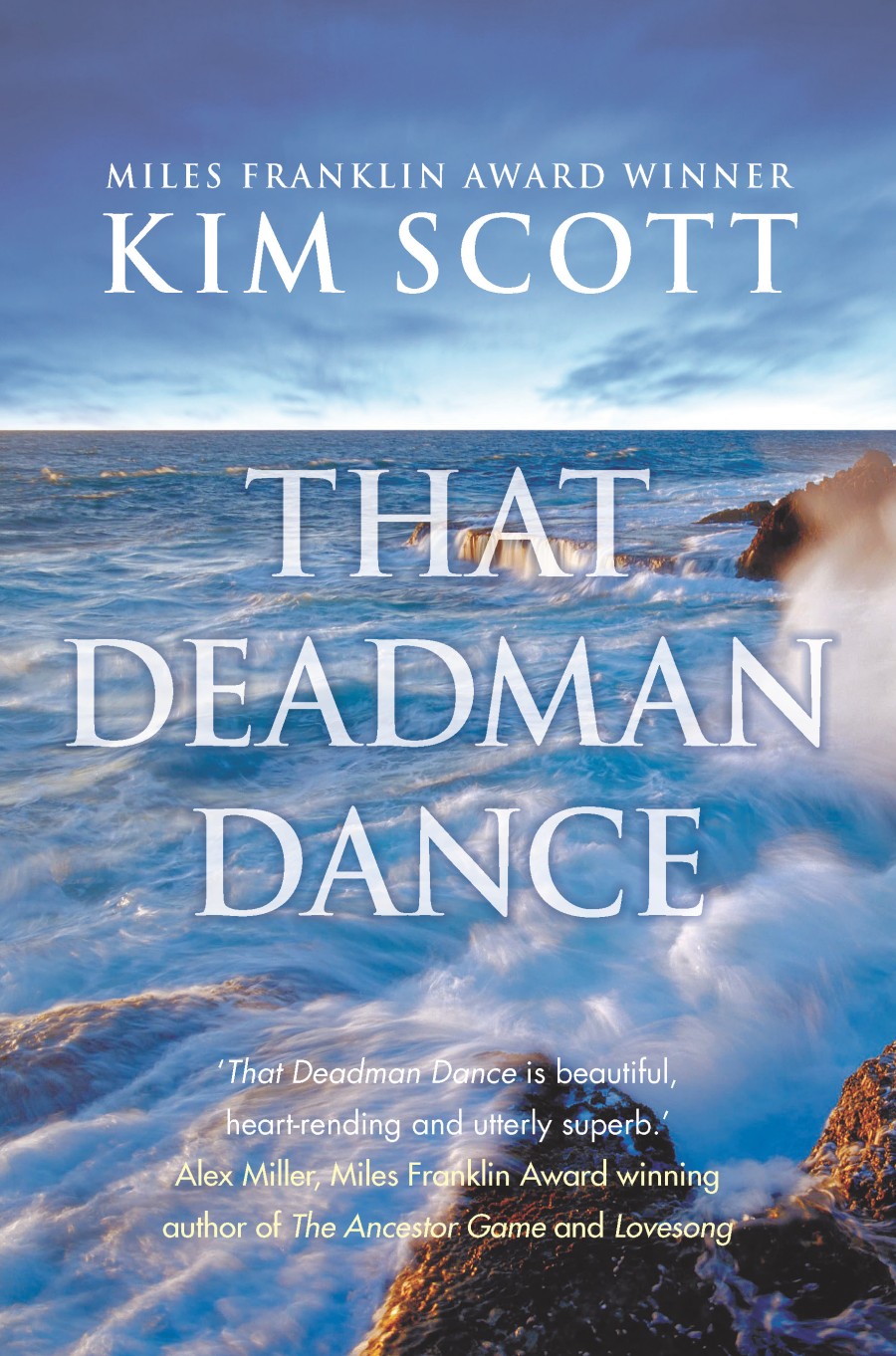
- Scott, Kim: That deadman dance. Kerry Reed-Gilbert; Bruce Pascoe (my review).
- Scott, Kim: True country. Melissa Lucashenko.
- Thiele, Colin*: Labourers in the vineyard. Bruce Pascoe.
- Weller, Archie: stories by him. Bruce Pascoe.
- Willmot, Eric: Pemulwuy: The rainbow warrior. Dub Leffler.
- Wright, Alexis: Carpentaria. Bruce Pascoe (my review).
- Wright, Judith*: stories and poems by her. Bruce Pascoe.
Tegan Chillcott and Samuel Wagan Watson were a little wary of being prescriptive. Chillcott said, simply, ““whatever book seems most interesting to them”. Watson, though was a little more explanatory. He said:
Every Australian?’ Hmmm … It’s hard to say, and I know mature Australians who have admitted to having never finished reading a book because literature bores them. I can’t answer that question? I’ve never watched a cricket match in my 41 years either … So I must seem weird to people who don’t pick up a book. If I was on a ‘soapbox’, I’d say any writing by Uncle Henry Reynolds or Uncle Jeff McMullen.
But some people can be turned off literature – altogether – by books that are too confronting. And that’s the delicate balance that needs to be dealt by a writer when you’re thinking about audiences. I do believe some writers have no idea that they are either not engaging with an audience or they don’t care? As a writer, on the journey of composing your work or novel or music, you need to consider your audience at every turning point. If you don’t think about the needs of your reader, you are simply writing in a very tight vacuum.
Another respondent who didn’t seem keen to name specific titles or authors was Samantha Faulkner.
(Courtesy: Allen & Unwin)
I’d like to conclude with her lovely, generous statement. She wrote:
Any book by an Aboriginal and/or Torres Strait Islander writer. Reading a book by a First Nations Australian writer will identify similarities that connect us, and bring us together, rather than divide us. After all, we live on this beautiful country together.



 Whispering Gums