It’s Monday, and I did have a post planned, until I remembered that this Monday has a very particular date, 26th January. So, I decided to postpone that post in order to make a brief statement about this date which, for many decades, has been designated Australia Day. And we have a public holiday in its honour. The problem is that this day – 26th January – commemorates the 1788 landing at Sydney Cove of Arthur Phillip and his First Fleet and the raising of the flag of Great Britain to establish a penal colony in Britain’s name. In so doing, Britain effectively invaded Australia. (On what legal basis this happened, there is discussion, but the legalities are a distraction from the fact that the British occupied land, that was already occupied, as their own.)
Although Australia Day has been a much loved day, not all Australians have been oblivious to its origins and implications. Wikipedia’s article on the Day provides a brief history of some of this recognition. For example, in 1888, before the first centennial anniversary of the First Fleet’s arrival, Henry Parkes, New South Wales’s premier at the time, was asked about including Aboriginal people in the celebrations. He apparently replied: “And remind them that we have robbed them?” (from Calla Wahlquist and Paul Karp in The Guardian, 2018)
Wikipedia also summarises the history of First Nations people’s response to the Day, including their identifying the 150th anniversary celebrations in 1938 as an Aboriginal Day of Mourning. By the nation’s Bicentennial in 1988, they were framing the day as Invasion Day. Since then, this idea has increasingly taken hold among not only First Nations but many other Australians. With the rise of social media, hashtags like “invasionday and “changethedate have appeared and have also gained traction. Momentum is building.
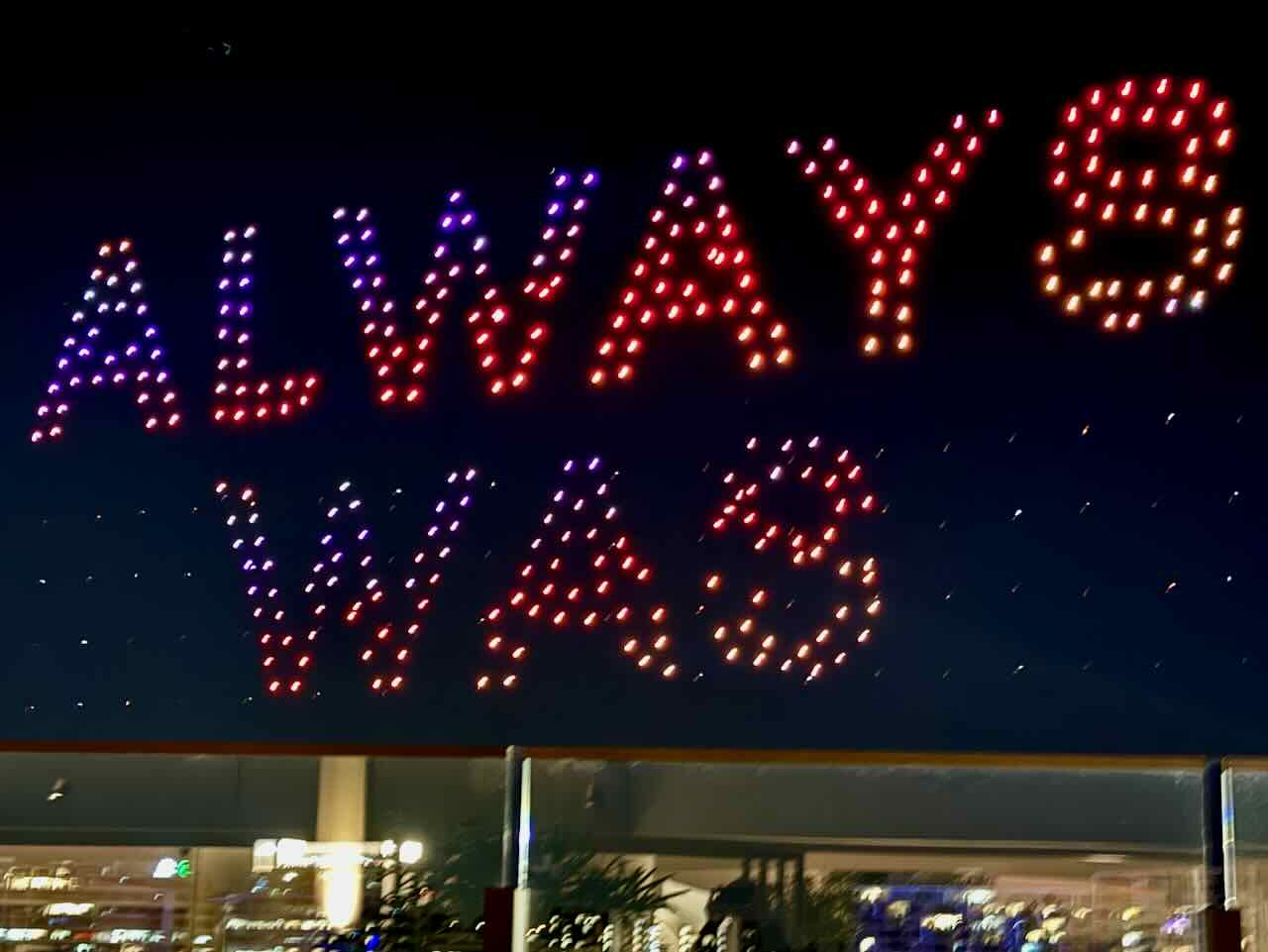
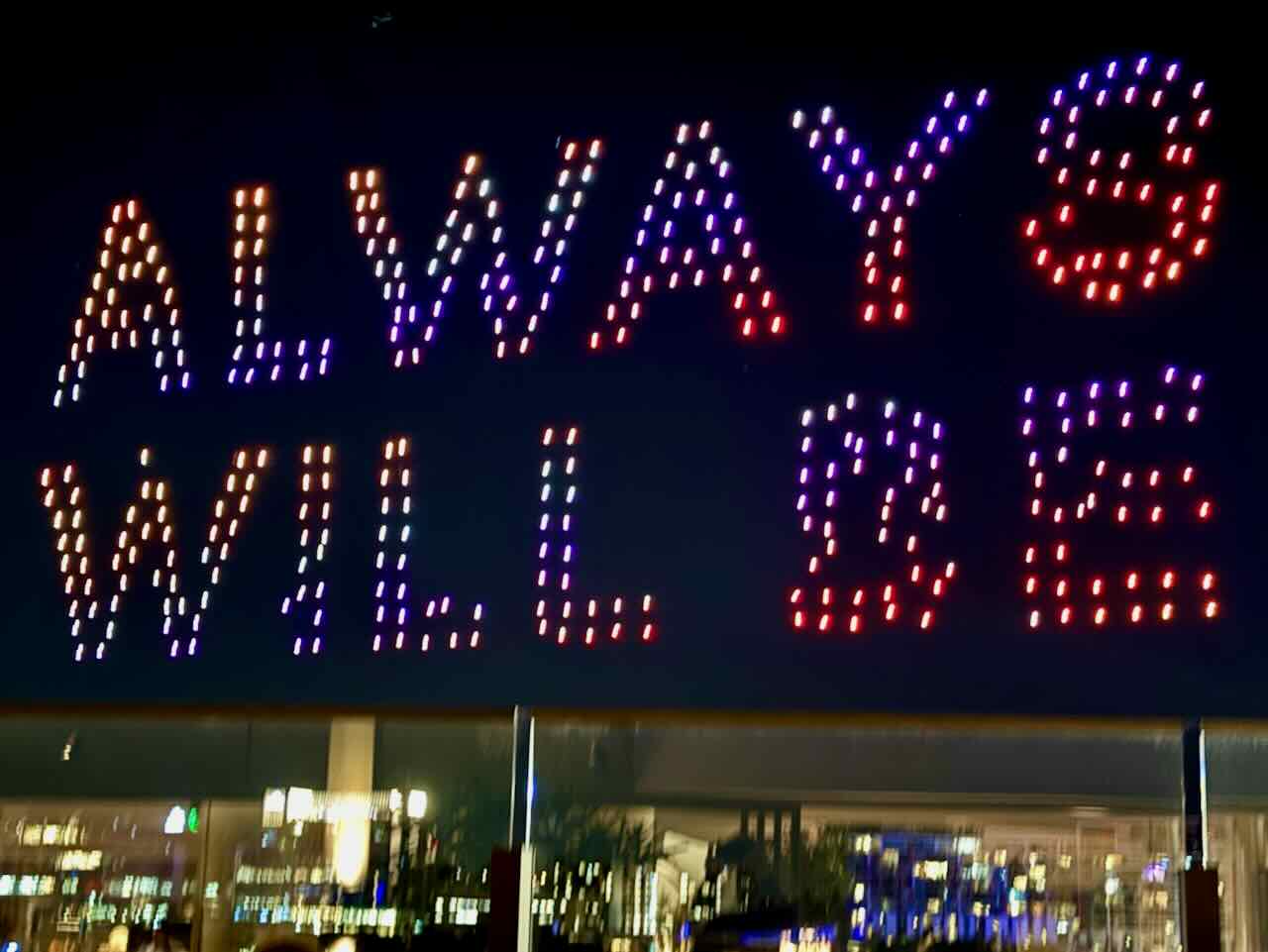
So, where do I stand? I love Australia, and am very glad to be Australian. I would, therefore, like to celebrate our nation in some way on some day BUT I do not think January the 26th is the day to do it. Consequently, I am with the #changethedate proponents. And, I believe it will come. The voices are rising, and increasingly more Australians are feeling uncomfortable about celebrating a day that feels dishonest and that disrespects and brings pain to the country’s first peoples. We can find another date – that is not hard. We just have to do it.
POSTSCRIPT (28/1/2026): I fear I spoke too soon re change coming. According to a report in The Conversation, there has been little change in numbers supporting a date change. In 2021, around 38% of Australians agreed Australia Day should not be celebrated on January 26, while just over 60% disagreed. By late 2025, those figures were around the same, with 37% opposing the date and 62% supporting its retention. But, the worrying thing is that, also according to the report, there has been an increase in the strength of opposition to changing the date. That is a worry for those of us who believe change is a necessary part of the reconciliation journey.
 Whispering Gums
I am opposed to the division of the world into armed and mutually hostile communities.
I was in my 50s before I decided I could do more good by voting John Howard out, than I could by abstaining from participating in this artificial and largely non beneficial division.
So I was never a supporter of Australia Day or any other day of patriotism, but I can see a lot of merit in Invasion Day.
Thanks Bill … I always enjoy hearing your perspective, including on compulsory voting! I’m glad you came to see that voting had value, but I would say that wouldn’t I!
And I agree with you about patriotism. Australia Day started to turn ugly when the aggressive patriotism began to take over. Changing the date would not stop recognition of/marking Invasion Day, would it, but it would remove the in-your-face celebration of a day that should not be seen as a happy one.
I am in the camp of changing the date so that all Australians can celebrate what we have today. I think for our indigenous population, this may always be a difficult day no matter when it is, because the Australia of today was created through such violence. But for me, I would like an Australia day that is about multicultural inclusion and to celebrate that we are largely now an inclusive and racially accepting society. (Though I know sadly this is not always the case)
Thanks Rach. Yes, agree, any day celebrating the nation will have problems but disentangling the day from that date would (or should) at least move the discussion on to the real issues rather than that confronting, aggressive date.
Many of us in Canada have similar feelings about Canada Day. It is hard to imagine celebrating a country built on the colonization and brutalization of another culture when the practices still continue and reparations have not been made. I hope we will find a way to do both.
Thanks Lisa … agree of course. It’s so in your face here when the date chosen to celebrate the nation is the very date that colonisation and that flows from it started.
I can’t even imagine 😦
No, agree we can try to imagine but we can’t really can we.
I could probably count on one hand the number of times I’ve posted to coincide with Canada Day, for just the reasons you’ve articulated/shared here, and I often choose to write about Indigenous books/writers instead. I don’t think there’s a parallel to Change the Date here (but I could be wrong), but the idea that settlers have not always been here and there were civilisations already inhabiting this space does enter the conversation on July 1 every year at least… which is a relatively new phenomenon to see in the media (compared to, say, 25 years ago).
Thanks Marcie … sounds a bit similar to us except that it has serious momentum here one that has steadily grown since 1988 but has built significantly over this century. I think most Australians know #changethedate because it has been discussed in the media every Australia Day for a long time now. I used to think the date could be developed to encompass a more complex history but I now think the community as a whole is not up to such nuance and that a new date would be far better.
I’m absolutely with you in the Change the Date Camp. The only way I mark 26th Jan is to attend a local or a Sydney indigenous event. Otherwise I stay home. Like you I’d like to be able to celebrate the good things about this country, but not on a day that is hurtful to my fellow citizens. There is a campaign to create a new national holiday, in January, but not the 26th. What is so hard about that? It bewilders me that there is such little goodwill on the part of opponents of this idea.
Thanks so much Denise. Yes, what is so hard about that. I can’t bring myself to attend celebratory events on the day. Attending an FN event is a good option but yesterday we just lunched with like thinking friends and watched the tennis!
I couldnt agree more.
Thanks Becky … great to have this agreement, particularly from Aussies. I’m not surprised though about readers agreeing.
We don’t celebrate Australia day but will when they change the date. Good post!
I’m not a fan of Australia Day and think the flag should be changed too (but that’s another story). I’m proud to live in Fremantle because the council voted to abandon Australia Day celebrations 10 years ago; instead it hosts a more inclusive event called “one day in Freo” and it’s usually on the Saturday before Australia Day.
Oh that’s great Kimbofo. I was just thinking this morning that any jurisdiction could do something like that. Wouldn’t it be great if the national capital did that!
We’re in heated agreement about #changethedate
It must come don’t you think Kate?
Hopefully in my lifetime!
You have more chance than I of seeing it!
I wish there was an appreciation day in all the different countries instead of a push toward patriotism, which I associate with, here in the US, being macho, shouting, and chest beating. Why not pick a day when we did something useful to the country, something productive and future thinking. I could easily see Australia have a day of appreciation for when you passed that law about not having guns.
Agree Melanie … I similarly associate nationalism here with those behaviours. Good point re our day – though we still do have guns, just tighter controls than you have. The big thing here is that we don’t have a national mindset that we need guns to protect ourselves. But, let’s not go there because there is no answer to that one is there.
I stupidly didn’t realize Australians still have access to guns…
I don’t think that’s stupid. My guess is that our gun control responses have been so hyped over there that the actual nuances have not been conveyed.
I’m in the change the date camp too Sue. And I wonder if a large portion of those who don’t want to change the date, don’t want to lose their public holiday at the end of January?
Thanks Brona … somehow though I think that’s a generous spin. It’s probably true for some but the fact that the opinion had hardened and that it’s about the same percentage that said NO to the Voice suggests something else? The Conversation article on this is cautious but suggests it is part of a move to “more hardline right-wing populism”
And here in Perth, an idiot racist threw a homemade bomb into the crowd marking invasion day, luckily it didn’t detonate, but it says a lot about how emboldened the Far Right have become in publicly pushing their agenda. I know they have always been there, but the last 10 or so years has almost given them permission to yell their bigotry, much like the US President and expect applause
Rats, I meant to edit that so it read better, sorry.
I support the Change the Date campaign and I would like to see the flag altered to reflect Australia as it is now, the pessimist within me thinks it unlikely to happen anytime soon . Where did this rise in Far Right Nationalism come from? It depresses me, but then I think of the history of this country in the 1960s and ’70s and I realise it has probably always been there, mostly festering underneath the surface with the occasional bursting through to the surface.
Don’t worry, Jenny, I understood it. I agree re the flag too.My friends and I were discussing this nationalism too on Thursday. While there’s always been an element of Right Wing Nationalism, we talked about our growing up in the 1960s and 70s. We felt that it really picked up with the Bicentennial, and then with John Howard. We felt that in the 60s and the 70s, Australia Day was a hedonistic holiday – there wasn’t much thinking, unfortunately, about First Nations people but flag waving (and pushing a superior white agenda) was not popular. We also remembered Australians, in general, being uncomfortable about, and downplaying Anzac Day.
Thanks Jenny. I was talking about this event with some friends on Thursday, and then that evening read an article, coincidentally, in Crikey that analysed the political and media response to it. Because so little had been said over here in the east, I had thought, as had been initially intimated, that it was a fake bomb. But the Crikey article put me right, and made so clear how little air it’s been given because it was well, you know, just Indigenous Australians and supporting protestors. What if it had been thrown into a group of – well, I know need to say it do I? What would the response have been then?