Evelyn Araluen, Jasmin McGaughey and Lisa Fuller with Casey Mulder
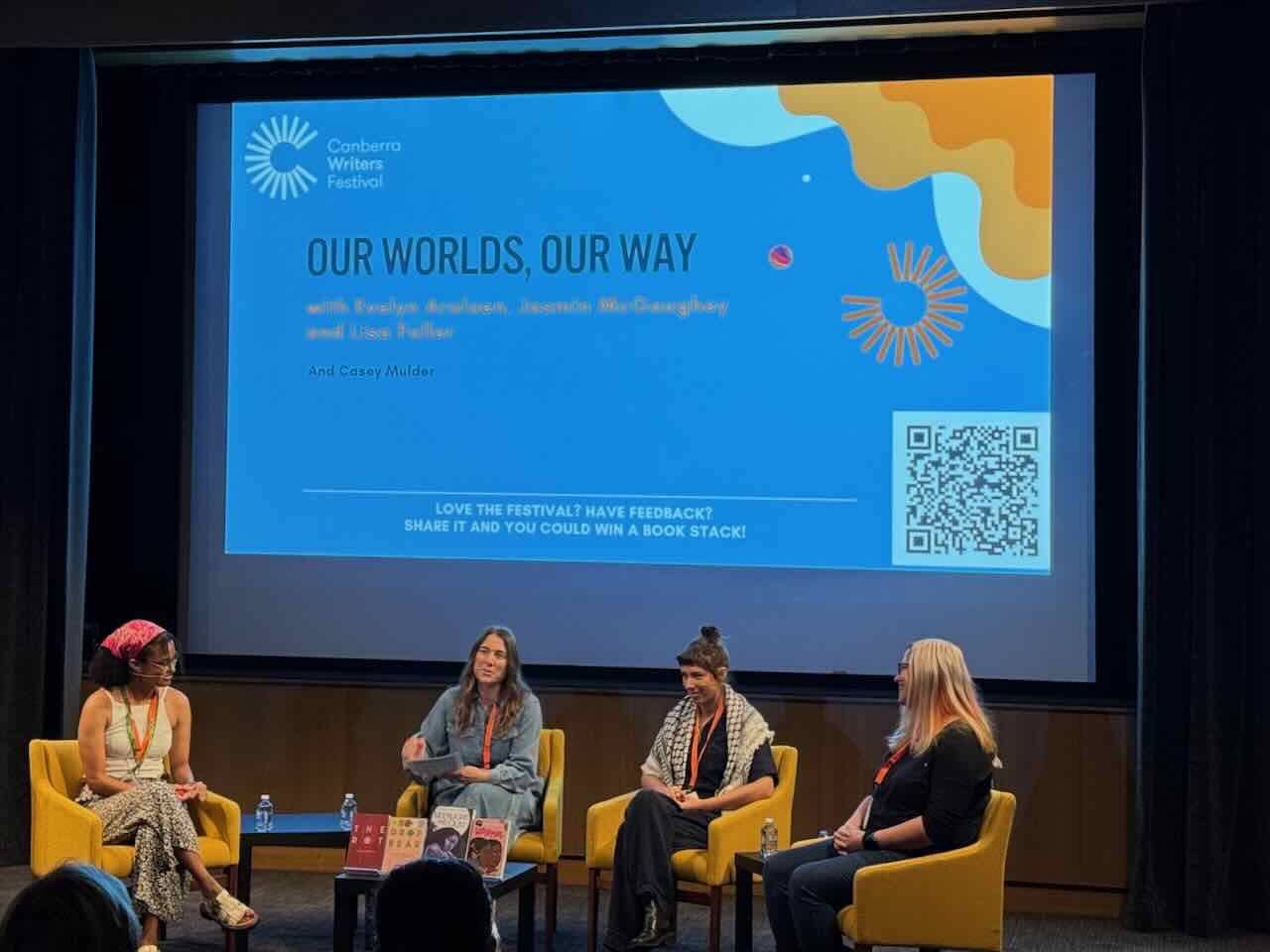
The program described the session as follows:
Join this exciting First Nations panel including Evelyn Araluen, Jasmin McCaughey and Lisa Fuller to explore how culture and Country influence each author’s writing. Spanning poetry, YA and children’s novels, how do Indigenous worldviews emerge? As First Nations writing and publishing thrives in Australia, this event offers a unique chance to look across genres and celebrate creativity and connection. Moderated by Ballardong Noongar educator and writer Casey Mulder, co-curator of Rivers Flow.
Casey Mulder asked Lisa Fuller to acknowledge country, which of course she did, and then introduced herself as from Noongar country but having been a high school English teacher in the East Kimberley, before obtaining a mentorship at Magabala Books. She is now a freelancer editor.
She then introduced the three panel members:
- Jasmine McGaughey, Torres Strait Islander and African American writer who has written the YA fantasy novel Moonlight and dust and Ash Barty’s Little Ash series.
- Evelyn Araluen, Goorie and Koori poet, editor and researcher, born and raised on Dharug Country and in the Western Sydney Black community; writer of two poetry collections, the Stella winning, Dropbear (my review) and The rot.
- Lisa Fuller, Eidsvold Murri writer, now living on Ngunnawal and Ngambri lands; writer of children’s literature, short stories, poems and memoir, including YA fantasy novel Ghost bird, picture book Big big love (with Samantha Campbell, and winner in the 2025 ACT Literary Awards, my post), and the middle grade fantasy Washpool.
Then the conversation began … I’ll add first though, that I kept thinking this session was “our words, our way”. As it turned out, it was all about Worlds and Words.
On their experience of storytelling when growing up and how country speaks to their work
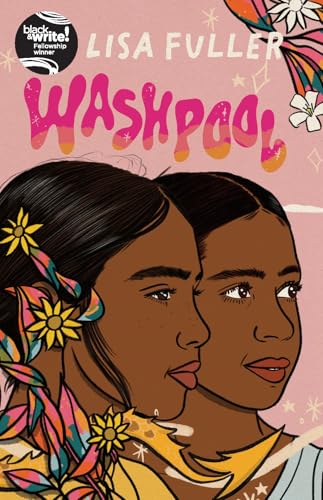
Lisa spoke of her origins in a small place inland of Bundaberg, brought up by a single mother and with no internet or mobile phone. She grew up with books. Washpool is fantasy, so she did not need go through the permissions and protocols which First Nations writers do when writing about country. However, she’s been told the book has a strong sense of country, which the panel agreed is because the First Nations worldview of country as alive seeps through it. The book was written for her “niblings”, and was intended as fun.
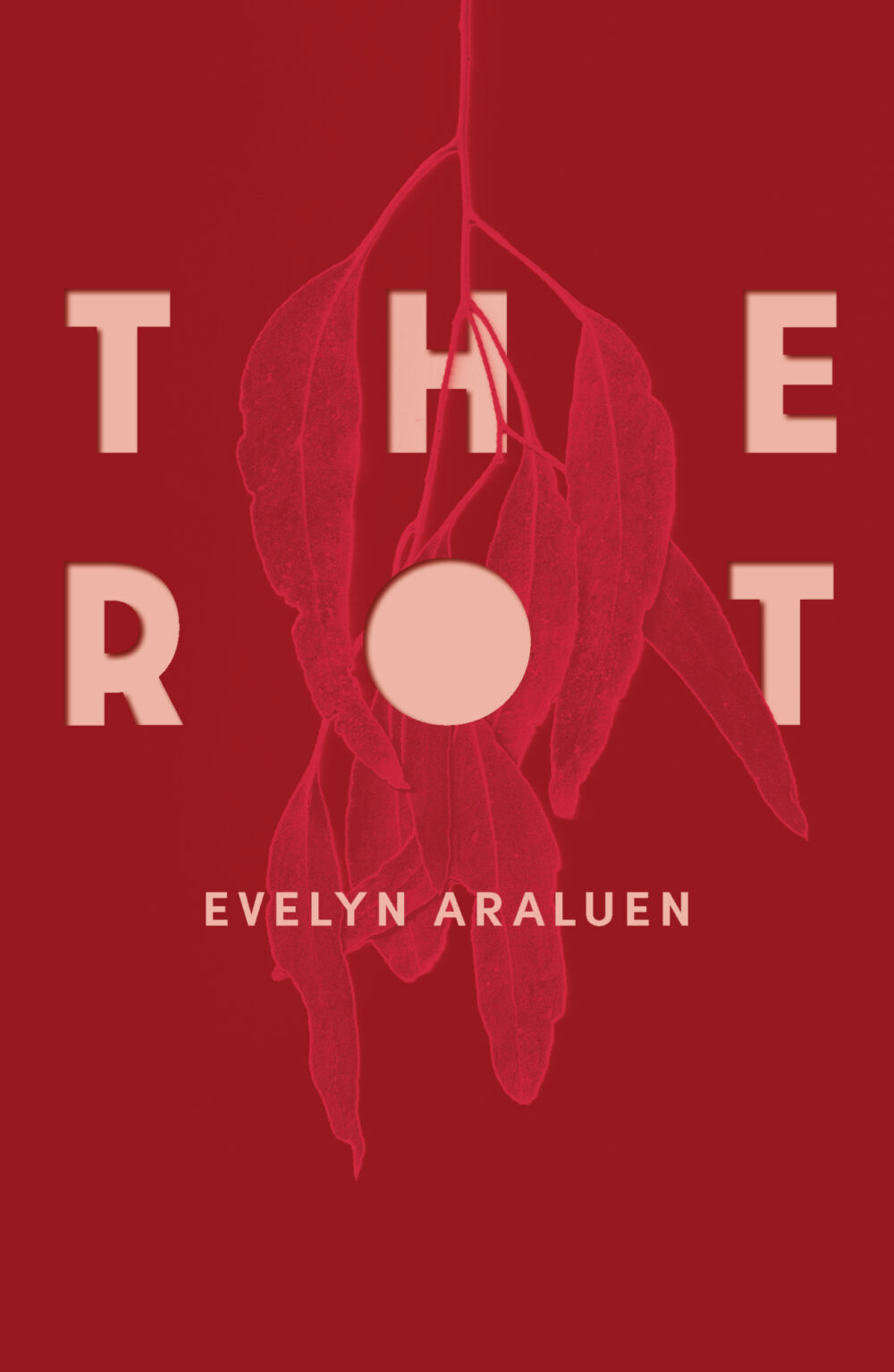
Evelyn started by commenting that her niece loved the pink cover of Washpool. She grew up within the diaspora Aboriginal communities between the Hawkesbury Valley and Blacktown in Western Sydney. Her great grandfather is from Bandjalung (near Clarence River). Her mother’s side is from Dirty Swamp near Molong in Wiradjri country but due to aggressive pastoralism (colonisation) they don’t know their clan name. Fragments of culture are coming back through oral traditions. The country she grew up on is being destroyed by industry, and she has lost family through mesothelioma. She, like so many, didn’t grow up on country, because of the colonial project. Many in her diaspora community do not know where they come from. People on missions learnt songs from each other, and are transmitting songs and stories that belong to other nations. It is a constant process of healing and repair, as oral traditions are shared and passed on. The biggest “place” in The rot is the Internet, but she couldn’t stop thinking about Bandjalung.
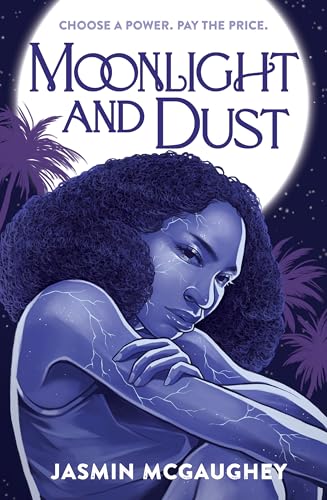
Jasmine grew up in Cairns, but with a father from Alabama, and a mother from the central islands in the Torres Strait (low lying sandy islands, which are dying because of rising water). She currently lives in Darwin, but misses Queensland, which she described as a “casual version of Australia”. That got a chuckle from the audience. (I loved hearing her story because of my recent trip to Cape York and the Torres Strait, and because I am Queensland-born.) She has a “love-hate” relationship with Cairns, but believes it doesn’t get enough “page-time”. There were no stories for her to read about TI when she was growing up. Storytelling is big in her family. Her mother would try to find books with people like her. Then she made the point of the session for me, which is that the stories told in fantasy and sci fi, with their plots of colonisation, of dispossession, are their lives. Lisa Fuller’s Ghost bird felt like her life, because it was about teen adventures, but they were still connected to family. (How lovely is that.)
She then referenced the State Library of Queensland’s black&write! program, which she described as best practice for First Nations publishing. Casey agreed, saying it is great having First Nations people involved in editing and publishing, rather than always having to educate white editors and publishers.
On their writing and story-telling practices
Jasmine spoke, somewhat laughingly, of being a millennial so was “a Twilight girl”. She mentioned Lisa Fuller’s article, “Why culturally aware reviews matter” (see here), which articulated the tension she was dealing with. She wrote a short story, “The breaker”, which became a novella, and then her novel. It is nothing like Twilight!
Lisa spoke to how culture is embedded in work. She was struggling with writing Ghost bird. She was in Canberra, surrounded by other cultures, and couldn’t write, so she had to go home. She wrote for the teenagers who want to see themselves in books. She talked about books in libraries, about romances set on stations in which First Nations people were either invisible, or idiotic station workers or the noble savage. Her niece asked for her book to be in the school library, but Lisa has never been asked to speak at the school. First Nations kids need to have books that show good things about their lives and cultures. Fantasy speaks to otherness and the post apocalyptic world they live everyday! (There’s that point again.)
Evelyn spoke to where “our world, our way” fits into her practice. Drop bear was all about colonialism, about things like May Gibbs’ little white bush babies getting about on First Nations lands. The Rot is about how young girls are configured socially, politically, economically; about the fetishisation of their deaths; about Palestine, and the constant documenting of the brutalisation of bodies on our phones; about the compulsion in western media to tell some stories and not others, to fixate on pain and violence. She talked about the glorifying of youth, the devaluing of women as they age, and that she is loving growing older as a woman. She wanted to understand the damage she felt, and the resentment she had (through reading things like Wuthering Heights at the age of 11.) She sees her role as doing analysis. We weren’t imagined as readers, she said. She wants to make First Nations people visible, and to make visible the impact of the erasure they’ve experienced.
The discussion turned to white writers asking about writing “Aboriginal characters” because they see a problem and want to fix it! Evelyn tells such writers is to read all the work they can by First Nations writers, and then they won’t ask the question. They’ll see that the best they can to is to lift and support First Nations writers. Casey added that white Australians need to go on the journey ourselves, and not ask them to do it for us.
There was some sharing of pet hates, such as being asked, “if we write Aboriginal characters, is it an Aboriginal story”, or describing a fantasy written by a First Nations person as allegory. First Nations editors and publishers don’t make these mistakes.
Q & A
I’d like to write high fantasy from different cultures, can I (or should I not) include First Nations cultures? The response was that the question to ask is, why do you want to do it? Without educating yourself, you will inadvertently write stereotypes. You would need sensitively readers. You need to think about what harm you might do, because you want to lift up, not put down. The panel admitted that even coming from a culture, there are things they don’t know. There are permission and protocol processes because First Nations cultures are community-based.
Is there an international community of First Nations writers supporting each other as there seems to be within Australia? The panel mentioned various initiatives and experiences, but noted that Australian is remote. There is Red Room Poetry’s anthology Woven, comprising poems from First Nations poets from around the world; and the Trans-Indigenous literary studies movement that started around 2012. There are communities and networks, and members of the panel had their own connections, such as Jasmine finding peers in the Oceanic region. Despite what we think about the US, they are ahead in what they are doing, publishing-wise.
This was valuable session, but hard to write up. I hope I have been respectful and accurate.
Canberra Writers Festival, 2025
Our worlds, our way
Sunday 26 October 2025, 10-11am
 Whispering Gums
The best white writers can do is lift and support Black writers!!!
It was a good point, Bill. It didn’t mean I think that white writers shouldn’t write their own stuff but if they want to “fix” something, this is what they can do.
BTW no Monday Musings today as I have two more sessions to write up.
I’m loving your festival commentaries. I’m volunteering at the Blue Mountains Writers Festival next weekend and hope to hear some sessions there, but it’s hard tine and money wise to get to many others. Your little snippets are like a window to another festival for me. Thank you.
Thanks Denise … they aren’t cheap I know. And writing these up take time. I don’t think I could manage to write up any more!! I don’t volunteer because I want to ho to sessions – I can’t do that and volunteer and write them up, haha.
Like Denise I will be at the BMWF next weekend, but only for one day. I will be working in our bricks and mortar shop for two days but Saturday I am manning of one the pop up shops so I hope to hear some of the sessions too.
I hope you share something about what you attend Brona?
I will try (it is the aim at least!) but I’m working lots of extra shifts this week, so I will see how I go. I tend to find Writer’s Festivals over-stimularing at the best of times!
I completely understand – I think I limited my number of sessions for this reason …
Thank you for attending and writing this up.
Lisa Fuller was also part of CWF’s inaugural schools day, and as well as being an editor and writer, she is our country’s first Indigenous literary agent (!) and UC lecturer/academic https://alexadsett.com.au/literary-agency/#:~:text=Lisa%20Fuller%2C%20Literary%20Agent
Thanks Qin Qin. I knew about the UC but not the rest. How great that she’s a literary agent. That’s a wonderful move forward for First Nations writers.
blackwrite! Love that! (Word play is one of my favourite things. I’ll have none of this idea that it’s an inferior sort of humour. hee hee)
Interesting that she did not have to go through protocols because her book is fantasy; I recall Eden Robinson (a Haisla-Heiltsuk nation writer, from what’s today the west coast of Canada) speaking about conversations about what she could include/discuss in her triilogy, which settler readers would probably tend to view as fantasy stories but actually include mythic cultural elements).
I think the idea of whether or not North American publishers are ahead of publishers in other countries, I think it sometimes appears that way but isn’t necessarily so. There are a lot of well-publicised actions, but one must ponder whether they are ongoing commitments? Still, I guess the question was about community which maybe is different for each writer’s experience, depending how connected they feel?
I love wordplay too Marcie and I’ll have none of that idea either. One of the things I so enjoyed about Brian Castro’s Chinese postman was all the wordplay in it. It;s not only clever, but it makes you think so much more about meaning if it’s well done.
I think you are right to some degree that it was somewhat about community and that indeed does depend on how well you feel part of, welcomed by, inlcuded in the community.