For the last two Six Degrees I was away from home – first in outback Queensland and then in Melbourne – but this month we are back in our little apartment enjoying Canberra’s spring. And, I’m rarin’ to go with this month’s Six Degrees. If you don’t know how the #SixDegrees meme works, please check host Kate’s blog – booksaremyfavouriteandbest.
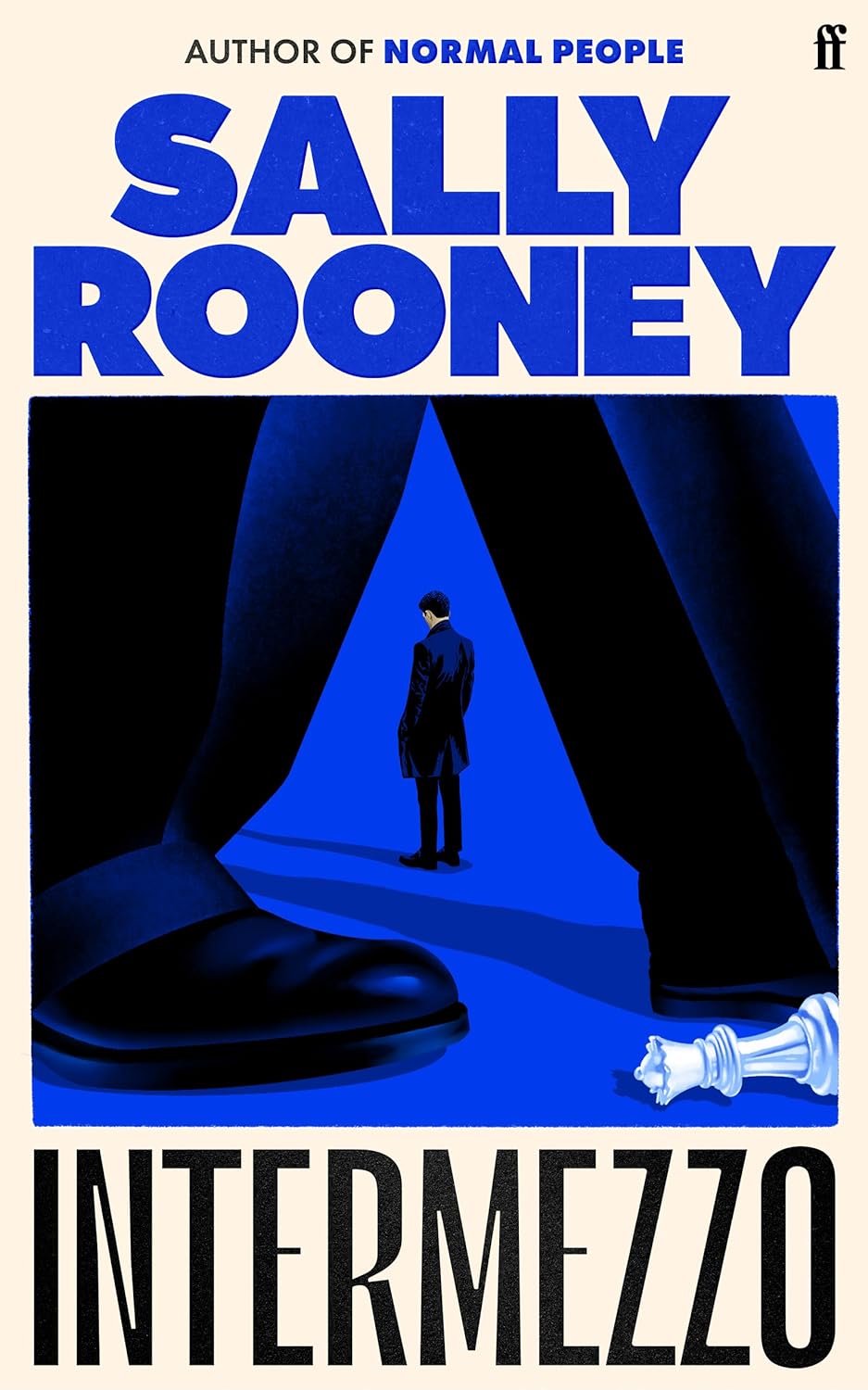
The first rule is that Kate sets our starting book. This month, again, it’s one I haven’t read. Indeed – sorry Bill – but I haven’t yet read any of this author’s books. I’m talking Sally Rooney, and her latest novel, Intermezzo.
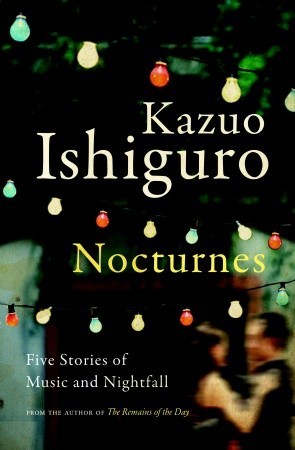
The word Intermezzo refers to a particular type of music, so for my first link I’m choosing a book titled for another type of music, Kazuo Ishiguro’s Nocturnes (my review). It’s a collection of somewhat connected short stories, and music features strongly in the stories.
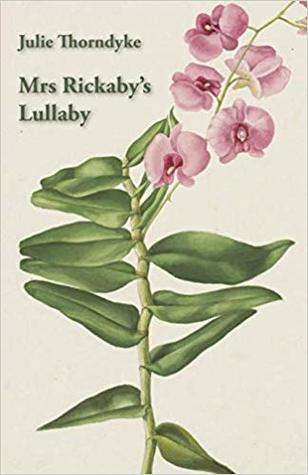
I have decided, in fact, to stick with a music theme for this chain. My next link also has a type of music in the title, but, in addition each of the book’s chapters is titled with a piece of music, starting with Nocturne for Chapter 1! The book is Julie Thorndyke’s Mrs Rickaby’s lullaby cosy mystery, (my review) which is set in a retirement village.
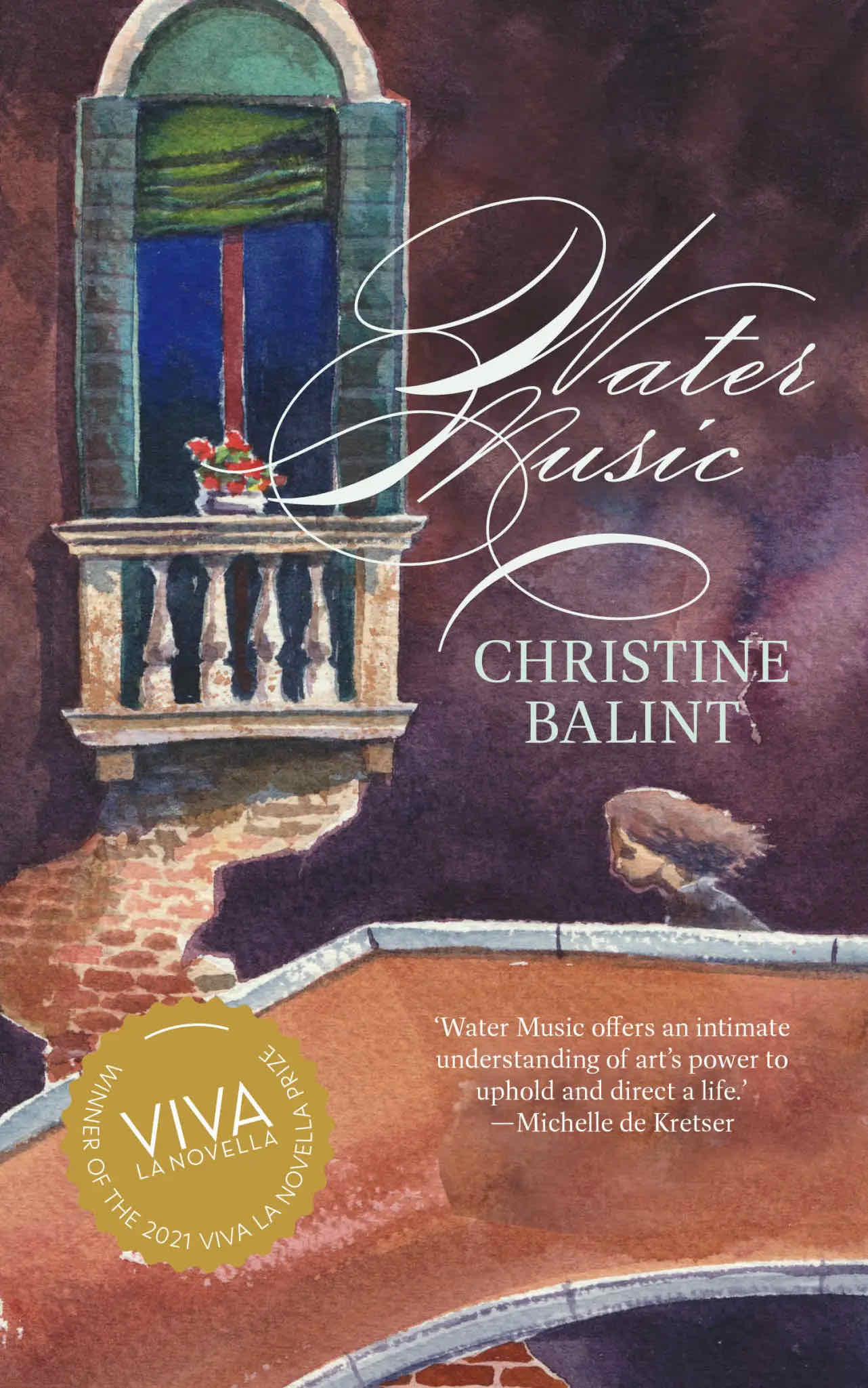
My next link has of course a music theme, as I said all my links would, but it also links to Thorndyke’s novel because it is set in a specific sort of community,. The book is Christine Balint’s Water music (my review), an historical novel set in the 18th century in one of Venice’s musical orphanages for girls. (And, in a little shout out to Novellas in November, Water music is a novella, having co-won the 2021 Seizure Viva La Novella prize.)
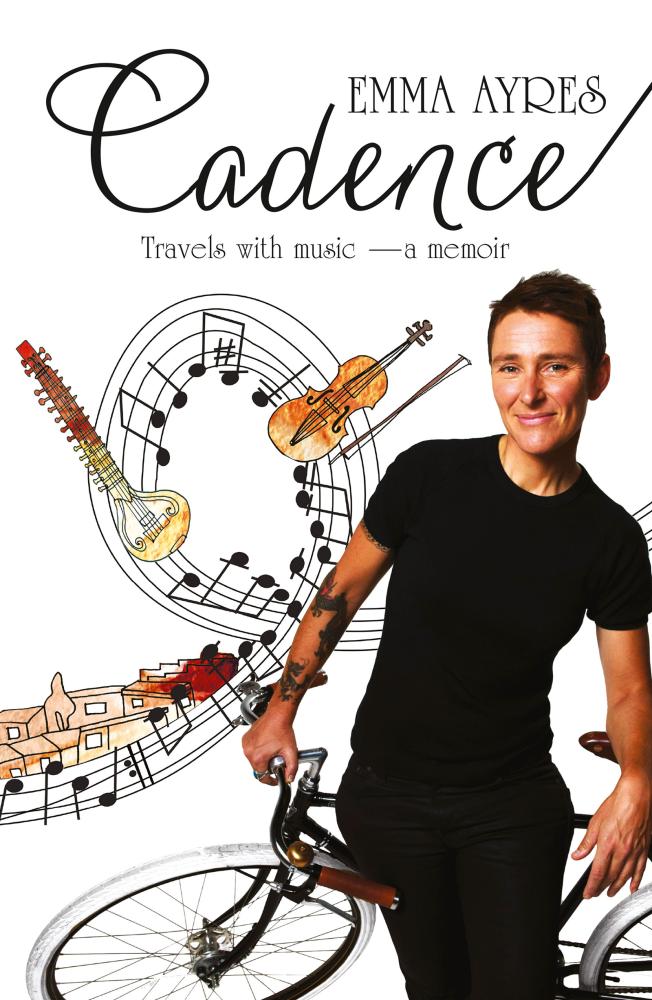
My next book has a musical term in the title and the word “music” in its subtitle. It is Emma Ayres‘ (now Ed Le Brocq) travel memoir, Cadence: Travels with music (my review). And, with a little six-degrees licence, I’m going to lay claim to another link, which is that Ayres’ next memoir, Danger music, is partly about his working in the Afghanistan National Institute of Music which was created primarily to teach music to disadvantaged children. (The book also chronicles Ayres decision to come out as a transgender man.)
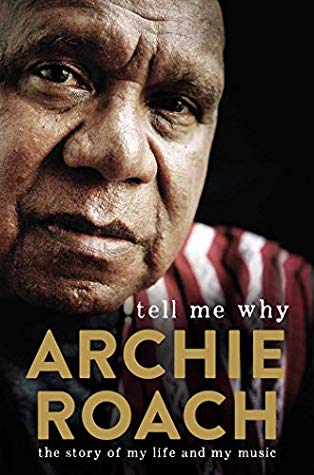
Staying with memoirs (and the word “music” in the subtitle, my next link is an another musician’s memoir, this one by singer-songwriter and Aboriginal activist, Archie Roach. His book is Tell me why: The story of my life and my music (my review).
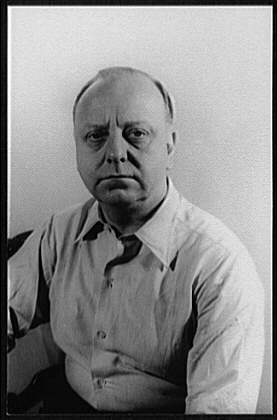
My last link is not a book but an article written by the American composer and critic, Virgil Thomson. Titled “Taste in music” (my review), it was published in 1945 in The musical scene, a book containing a collection of his articles and reviews. I loved this article because Virgil Thomson had composed the music for two wonderful, classic documentaries, The plow that broke the plains (1936) and The river (1938), and because he had some interesting things to say about reviewing/criticism. What he says, I realise now, is similar to what James Jiang said in the CWF session I attended on critics (my post). He said that “in order to be a reviewer, you have to forget whether you liked it or not and tell your reader what it was like”. As I wrote on my Thomson post, and again on the CWF session, this approach is for me. I prefer reviews/criticism that focus on analysing what the work is like, what makes it tick, more than whether the reviewer/critic liked it.
So, we started with Sally Rooney in contemporary Dublin, and moved to contemporary England and Australia, before time-travelling to 18th century Venice. Back in more contemporary times we went on the road from England to Hong Kong with Ed Le Brocq (as Emma Ayres), and experienced Archie Roach’s moving journey from Stolen Generation child to successful musician. We ended in mid-20th century America with a composer who also had some interesting things to say about developing our taste in music (or, by extension, any art form I think).
Now, the usual: have you read Intermezzo and, regardless, what would you link to?
 Whispering Gums
