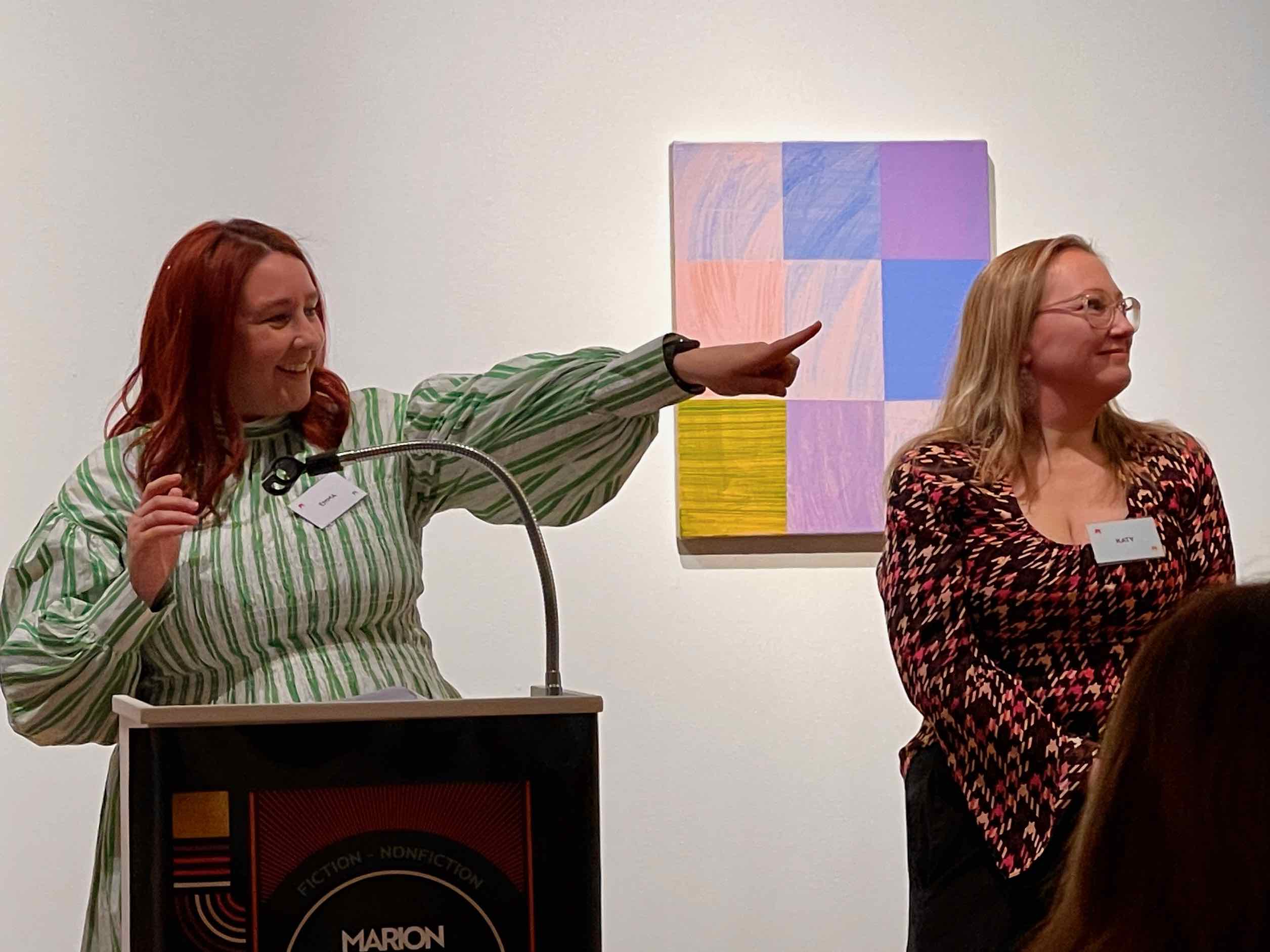
Tonight I attended the presentation of the ACT Notable Book Awards which are made by Marion (the ACT Writers Centre). It was a well-organised event, but had a wonderfully natural and friendly feel to it at the same time, appeals to me. I’ll take natural over glitz every time. The venue was the Canberra Contemporary Art Space, where the featured exhibition was Bodies without Organs, a group show, says the website, by queer and non-binary artists, exploring “how contemporary artists transgress and subvert our understanding of materiality and form”. There was a little time to view the art before the formalities started, but I’m afraid I used that time to catch up with people.
As I didn’t share the shortlists for these awards, I am listing those, and highlighting the winners in bold.
Poetry
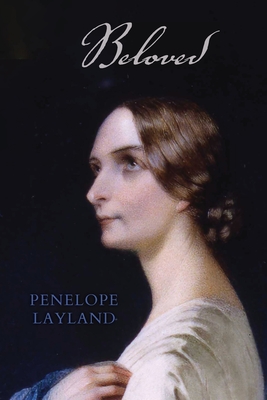
The shortlist:
- Penelope Layland, Beloved (Recent Work Press)
- Maurice Nevile, Translating loss: A haiku collection
- Peter Ramm, Waterlines (Vagabond Press)
- Kimberly K. Williams, Still lives (Life before man) (Gazebo Books)
Maurice Nevile won the self-published award, and Peter Ramm was highly commended.
Non fiction
The shortlist was:
- Tabitha Carvan, This is not a book about Benedict Cumberbatch (HarperCollins)
- Katrina Marson, Legitimate sexpectations (Scribe Publications)
- Michael Richards, A maker of books: Alec Bolton and his Brindabella Press (NLA Publishing)
- Helen Topor, Neither king nor saint
- Biff Ward, The third chopstick (my review)
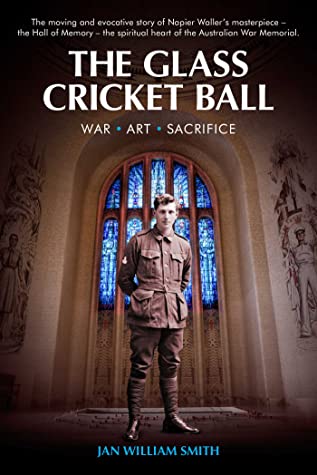
- Jan Williams Smith, The glass cricket ball (Big Sky)
Helen Topor won the self-published award, and Katrina Marson was highly commended.
Children’s
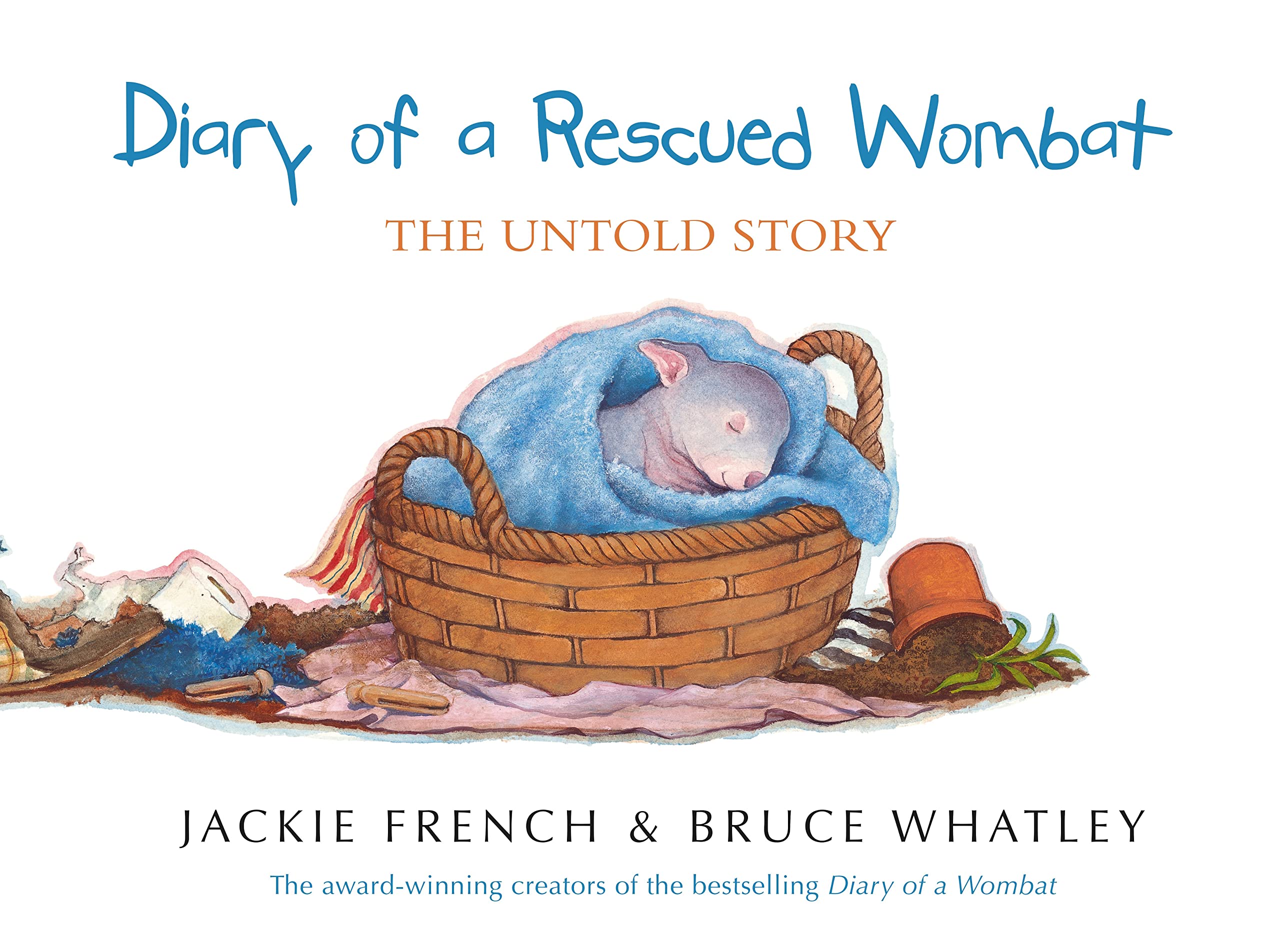
- Jackie French and Bruce Whatley, Diary of a rescued wombat: The untold story (HarperCollins Australia)
- Irma Gold and Wayne Harris, Seree’s story (Walker Books Australia)
- Dr Bryan Lessard (Dr Bry the Fly Guy), Eyes on flied (Pan Macmillan)
- Stephanie Owen Reeder and Astred Hicks, Swifty the super-fast parrot (CSIRO Publishing)
- Barbie Robinson and Ian Robertson, Charles the gallery dog (For Pity Sake Publishing)
- Krys Saclier and Cathy Wilcox, Camp Canberra (Wild Dog Books)
Barbie Robinson and Ian Robertson won the self-published award. Two highly commendeds were announced: Irma Gold and Wayne Harris, and Stephanie Owen Reeder and Astred Hicks. It’s interesting, but perhaps not unusual, how many of the shortlisted books feature, as an American friend of mine would say, “critters”.
Fiction
- S G Bryant, A death in black and white
- Paul Daley, Jesustown (Allen & Unwin)
- Tanya Davies, Then Eve
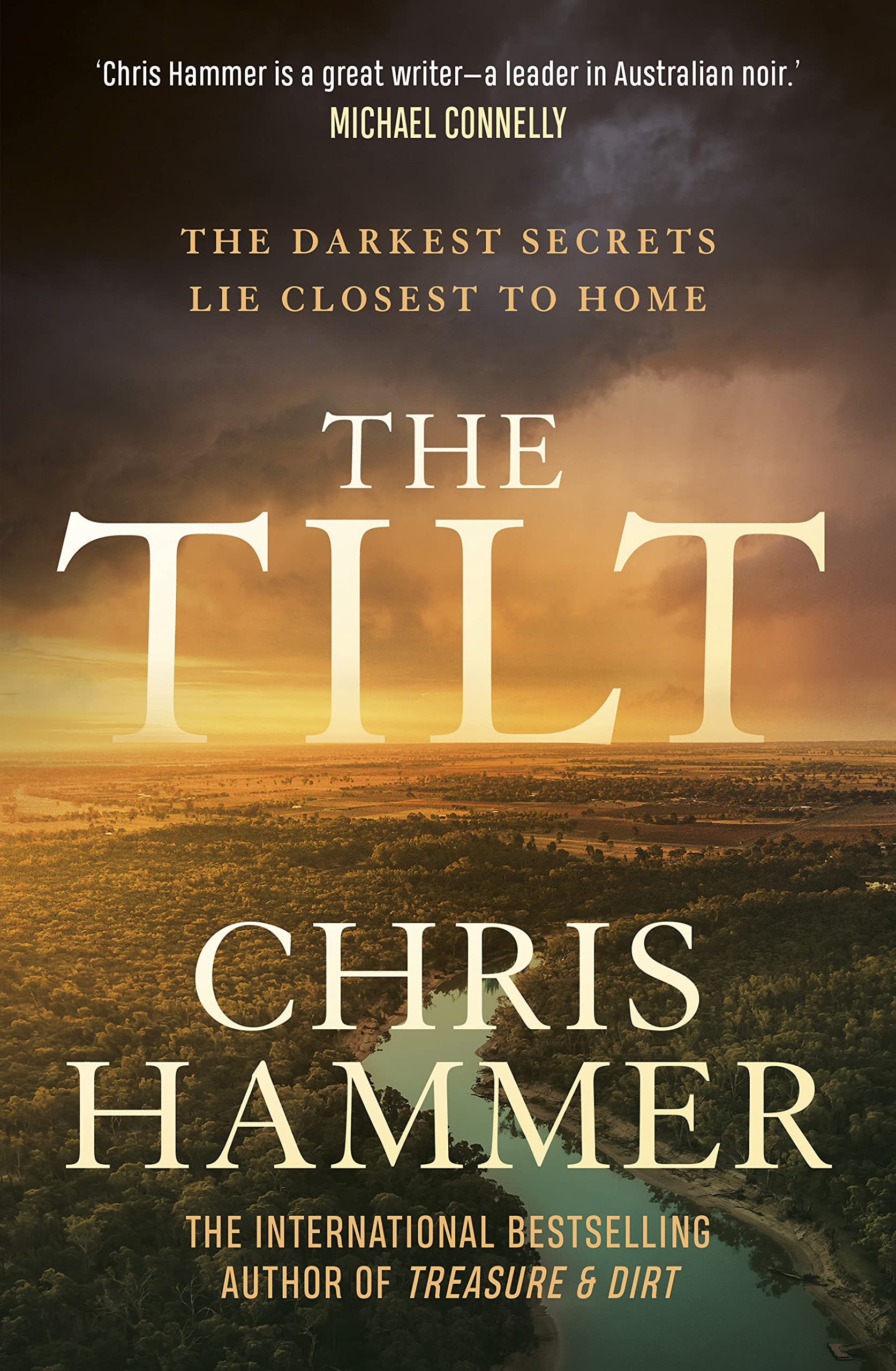
- Chris Hammer, The tilt (Allen & Unwin)
- Peter Papathanasiou, The invisible (Hachette)
- Inga Simpson, The willowman (Hachette)
The self-published award went to Tanya Davies.
Marion Special Book Award

This award is not limited by genre, and this year’s was won by Dylan van Den Berg’s play, Whitefella yella tree.
Other awards
Two other awards were made:
- The Anne Edgeworth Emerging Writers Award, now in its 11th year, is made to an emerging writer and this year’s winner was a screenwriter, Linda Chen.
- The June Shenfield National Poetry Award for an individual poem was won by Rhian Healy from Western Australia for her poem “The gunshot”. ACT poet Rebecca Fleming won third prize for her poem “Anticipation”.
Canberra (the ACT) is a small jurisdiction, but has an active, engaged and, I’ve found, warm literary community that was well in evidence despite the awfully chilly evening outside. I’m glad I made the effort to go.
 Whispering Gums
For Pity Sake a self-publisher? Not true. Yet I see that Barbie Robinson and Ian Robertson’s book was classified as such. Why?
Hi Sara, yes I saw that too but left For Pity Sake in the shortlist as that’s how it was listed on Marion’s site. I think that was the original intention, but because of Jen’s health Barbie took on publishing the book herself. I did speak to Barbie briefly after the award, but I didn’t ask about this specifically because I hadn’t taken note of that detail in the shortlist prior to the event. However, she talked about how because of Jen’s health she had taken on the work herself, but that Jen had seen the book before she died. (I think I heard all this correctly – it was noisy and I’m suffering a bit of tinnitus at the moment!)
Also, is (was) For Pity’s Sake a hybrid publisher? I can’t remember. If so, maybe that’s included in Marion’s definition?
I rather like that they had that self-published category, and had intended to mention it in the post but then I thought thatl awards for self-publishing might be worth a post on its own.
I’m not sure what you mean by a hybrid publisher, but when For Pity Sake took on the manuscript of As the Lonely Fly, Jen, its principal, paid for the publishing costs but we also raised money by subscription for some of the expense because it was such a big book. I also contributed a small amount to cover some of the editing costs. I was paid for editing other manuscripts for her and also for manuscript assessments – Jen was punctilious about that.
It matters when applying for lending rights – if a book is self-published it isn’t eligible. As for writers paying editors, it’s as common as cabbage now to give a manuscript to a freelance editor before sending it to a publisher or agent. With As the Lonely Fly I paid such an editor but didn’t go along with her suggestion, which was to cut out one of the three main characters, or making her a minor one, which would have massively changed the story. For the new edition of West Block I accepted payment of half the royalties so Barbie Robinson could be paid for the design and the cover. For Pity Sake’s attraction for me was that it was such a bold venture, a local publisher on Sydney’s Northern Beaches! That and their enthusiasm for the manuscript, when no other publisher then was game to take on a novel that raised questions about Israel.
PS Is the Marion Special Award to do with Marion Halligan?
As I understand it the whole rebranding of the ACT Writers Centre to be called Marion is intended to recognise both Marion Mahony Griffin and Marion Halligan. No specific mention was made last night regarding that award so my assumption is that it indirectly has something “to do with Marion Halligan” but that its name references the organisation’s name.
Thanks Sara for all this. My understanding about hybrid publishing is that there is some sharing of costs versus traditional publishing. But my suspicion is that the field is changing rapidly and that there are many permutations ranging from the author contributing little to a lot. I do remember your description of some of the processes behind As the lonely fly. I didn’t realise though that many authors now use a freelance editor before sending to a publisher. Our lives are filled, it seems, with more and more “middlemen” (is there a gender-free term for this?)
I can understand the attraction of For Pity Sake. Jen McDonald had such commitment and energy. (I met her briefly). So sad what happened to her.
She was absolutely lovely. Both Dorothy Johnston and I thought she was the best publisher we’d ever worked with. With Penguin, who were very good to me, I was still one of a stable. And when it was taken over by Random House so-called middle list writers had a rough time of it. I had a contract but it was cancelled after I presented them with a ms, which was too late, too long, and a mix of fiction and non-fiction. Verboten then, but now perfectly acceptable. BTW, my editor at Penguin, Bruce Sims, who left after the amalgamation, went to Magabala Books, then hung out his shingle as a freelancer. I saw him in Melbourne in April and shortly afterwards he died. Another great loss.
Thanks Sara. It was when Dorothy was here for her new detective novel series that I met Jennifer. She was so positive so I am not surprised.
Thanks for sharing about Penguin and Bruce Sims. Magabala is a wonderful publisher of First Nations writing isn’t it.
But, what a shame about the fiction-nonfiction issue. Those big publishers can be so inflexible – or perhaps “conservative” is the better word – it seems.
More from me. I was wrong in the previous reply about self-publishers not being eligible – I think. A lot of mixed messages from the lending rights body. Apparently if you are a self-publisher you have to identify yourself as a publisher. (I think I’ve got that right.)
It’s all becoming very complex isn’t it … but thanks for clarifying that.
Good on you Sue, braving the cold!
It was pretty bitter, Lisa, but Warmhearted inside!
The nonfiction titles are a hoot. A great title will always catch my attention.
Me too, Melanie.
A maker of books: Alec Bolton and his Brindabella has had me looking up Brindabella Press. Nothing at a reasonable price online.
It was a very small press fourtriplezed so I’m not surprised. I knew Alec Bolton as his office was for some years next to my section’s at the National Library. A very nice man, and I’d like to read this book one day.