Over the years I have started several Monday Musings sub-series, some of which I’ve nearly completed (such as those on writers centres and on supporting genres) while others are still continuing (like Forgotten writers). Today, I’m introducing a new one. It was inspired by an email I received the other day from Terri-ann White of Upswell Publishing. It occurred to me that not only was here a quiet achiever, but that people like her were worth posting about.
Okay, so those in the industry will say that White is no quiet achiever. After all, she’s been around publishing for a long time, and successfully so. However, for the general reading public, people in the industry are not necessarily well-known, hence this new little sub-series. I hope to focus on the people more than their companies, but they and their jobs are intertwined. Still, I hope to at least give a sense of who they are. I start with Terri-ann White, but there will be more …
Terri-ann White
In 2022, I wrote about two new indie publishers, of which Upswell Publishing was one. As I wrote then, it came across as a passion project, but the passion project of someone with significant cred. It was triggered by – hmm – adversity. White had been running UWAP (University of Western Australia Press) since 2006 when, in 2019, the University announced that it would close its publishing arm. As most of us know, that didn’t happen, but White left in 2020 anyhow, unhappy with how she had been treated.
Not long after, on 25 December 2020 in fact, the Sydney Morning Herald’s Jason Steger reported that White had a plan. She wanted to publish books that for some reason couldn’t find an easy route to publication, “books that are too quiet, or the authors are older than 25, that are not about misery, that are not about trends”. She wanted to publish books, wrote Jason, “that speak to each other across a set of intellectual interests, and how they work language and revere it”. And so, Upswell Publishing was born.
Books are in White’s blood. As Upswell’s About page tells it, all her working life, from 1980 on, “has been arranged around books and ideas: as a bookseller, writer, publisher and organiser of public events involving literature and writing”. This new venture, however, broke new ground. For a start, it has been set up as a not-for-profit company, with three impressive women, Carmen Lawrence, Linda Savage and White, as its directors. It also has DGR status, which means that (Australian) donations to them are tax-deductible. Their tagline is “Support the future of Australian literary writing and publishing”. They hope that “the generosity of rusted-on, passionate readers” will help them extend their “work of commissioning writers and building audiences”.
Upswell is also selling a bit differently. While individual books can be bought from them directly or from booksellers, they also have a subscription program. I subscribed the first two years, but not since. They have been experimenting with their subscription packages, but my main issue is that I’m a bit too overwhelmed with books to keep subscribing (for a while, at least). I did however preorder two of their 2025 books. One has arrived, with Jessica White’s Silence is my habitat: Ecobiographical essays, to come.
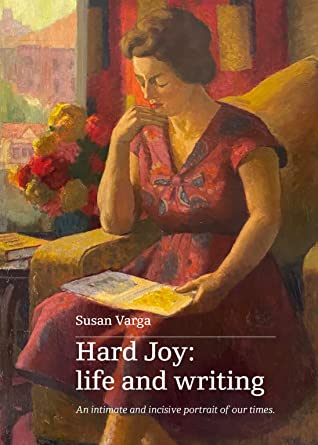
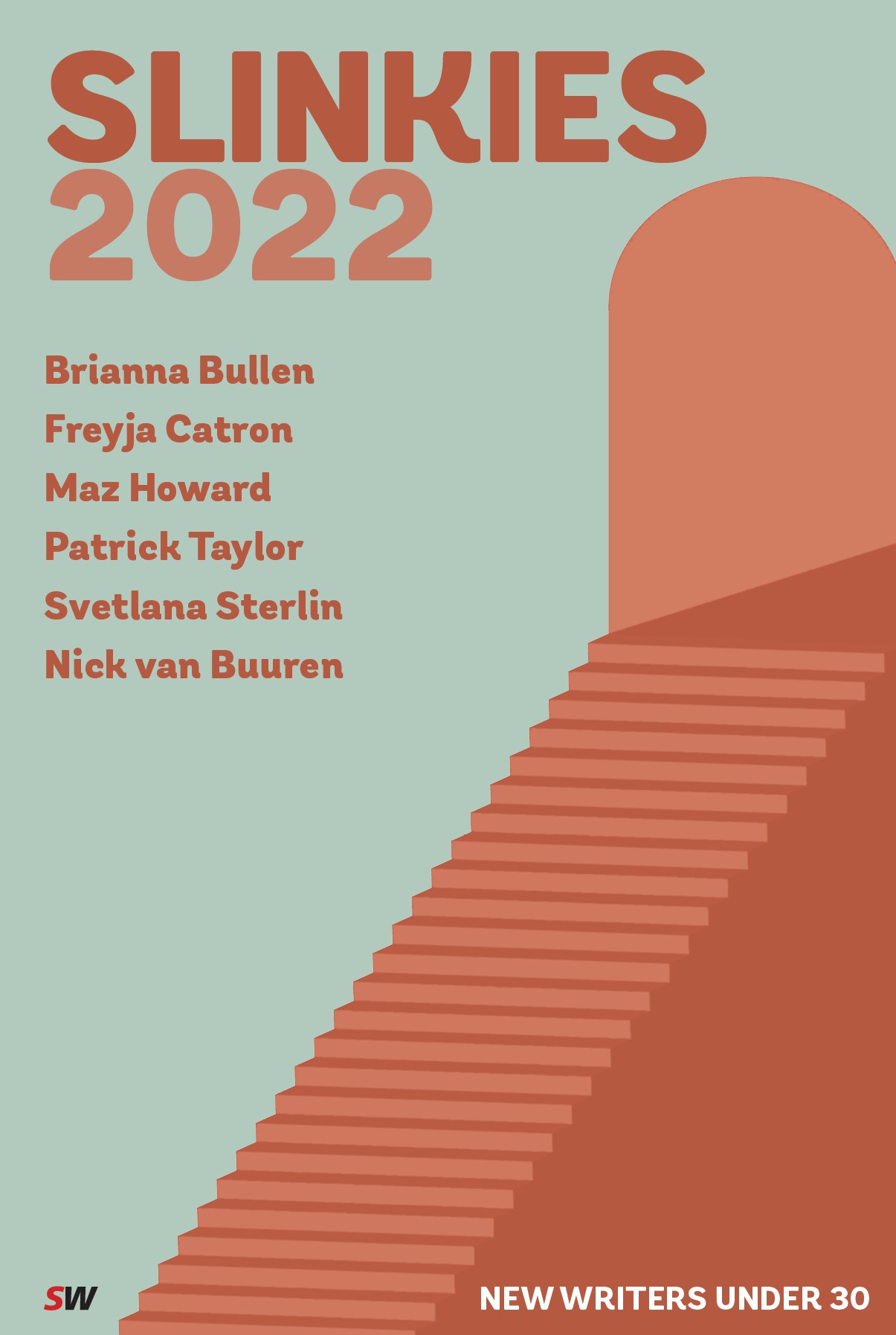
Despite this, however, I have been watching and drooling, partially attracted, I admit, to their recognisable and gorgeous design, but also the content. White is, I believe, achieving what she set out to do, which was to publish distinctive works across narrative nonfiction, fiction and poetry, to publish books that “elude easy categorising and work somewhat against the grain of current trends … books that may have trouble finding a home in the contemporary Australian publishing sector”.
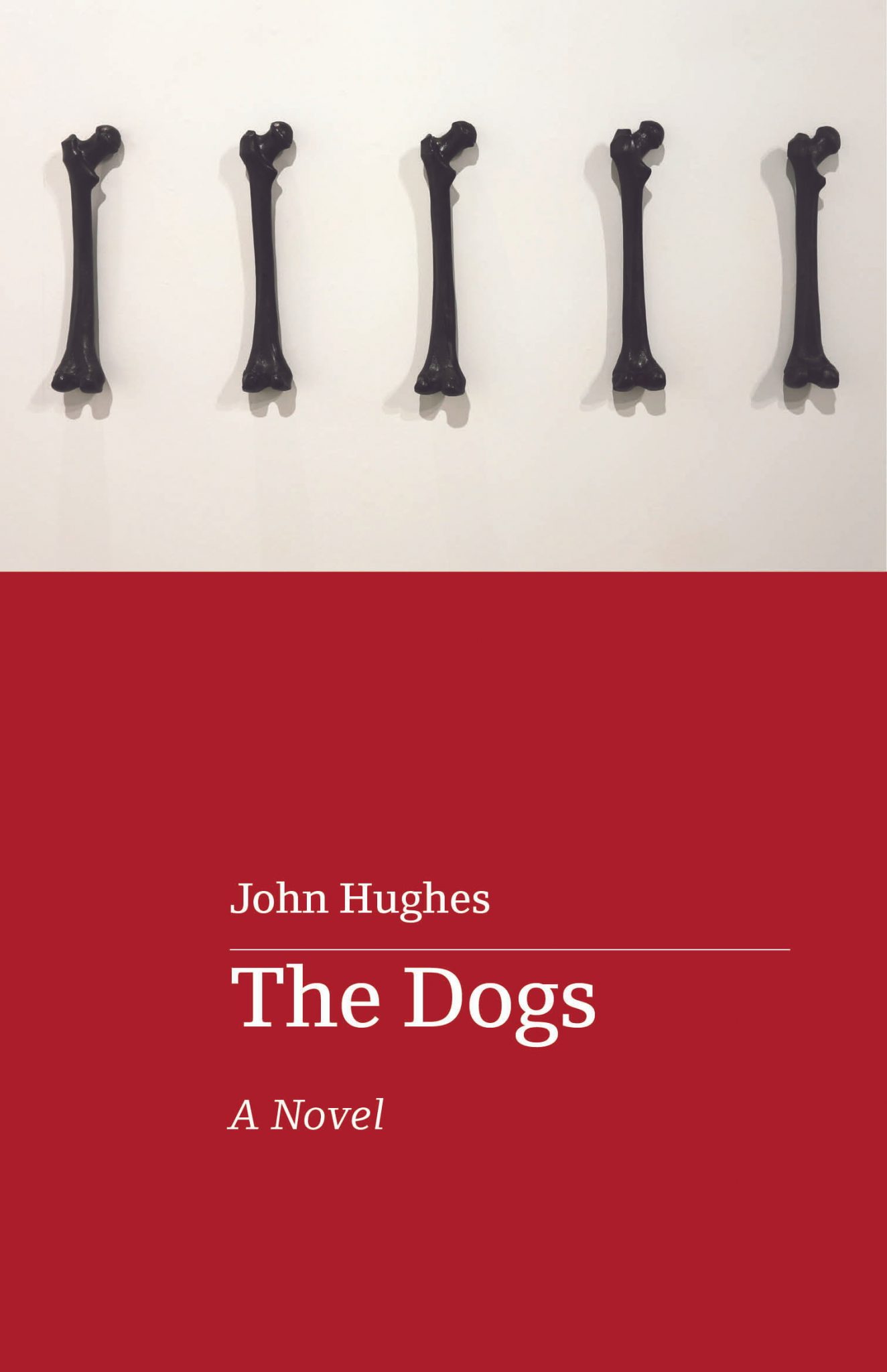
It hasn’t all been smooth sailing. In 2022 she was, as publisher, unwittingly caught up in the plagiarism controversy over John Hughes’ novel The dogs (my review) which was initially longlisted for the Miles Franklin Award.
If you really want to understand who she is, and what she believes, check out this opinion piece she wrote for Seesaw in September 2021. She wrote of
a withering of success for Australian literature of the ground-breaking variety. I think you’ll know what I’m getting at here: books that take more concentration, perhaps, with less of a direct connection to the idea of entertainment. By which I don’t mean the equivalence of cod liver oil – good for you but it’s unfathomable that you are sinking it down your gullet. I could be more explicit and name some names often cited as difficult writers: Shirley Hazzard, Randolph Stow, Beverley Farmer, Elizabeth Jolley, Kim Scott, Gerard Murnane. Or I could name literary forms that are not novels (including poetry and short stories, for instance).
Or, see her report, ‘There is nothing else quite like it’, in Books+Publishing about the Sharjah Publishers Conference, which she describes as “a corrective from the world of English-language commercial publishing, and a rich chance to meet the Arab world’s publishing enterprises, along with a raft of Eastern European book people and representatives from the wide-ranging Indian book industry.” Tells you something about her publishing philosophy.
Then there’s her interview in the Australian Book Review (ABR, November 2022, paywalled). Regarding the value of reviews, she says that they are “Very significant for the author and, to a lesser extent, the publisher. Potentially useful for finding readers”. And, regarding whether she thought individuality was a casualty of a highly competitive market, she responded:
No. I’m in this for the long haul. Even books that flop in their time end up in libraries and second-hand bookshops, ripe for discovery. The prospect of a living wage for writers, on the other hand, is even less likely these days.
I love this long view of what writing an publishing is about.
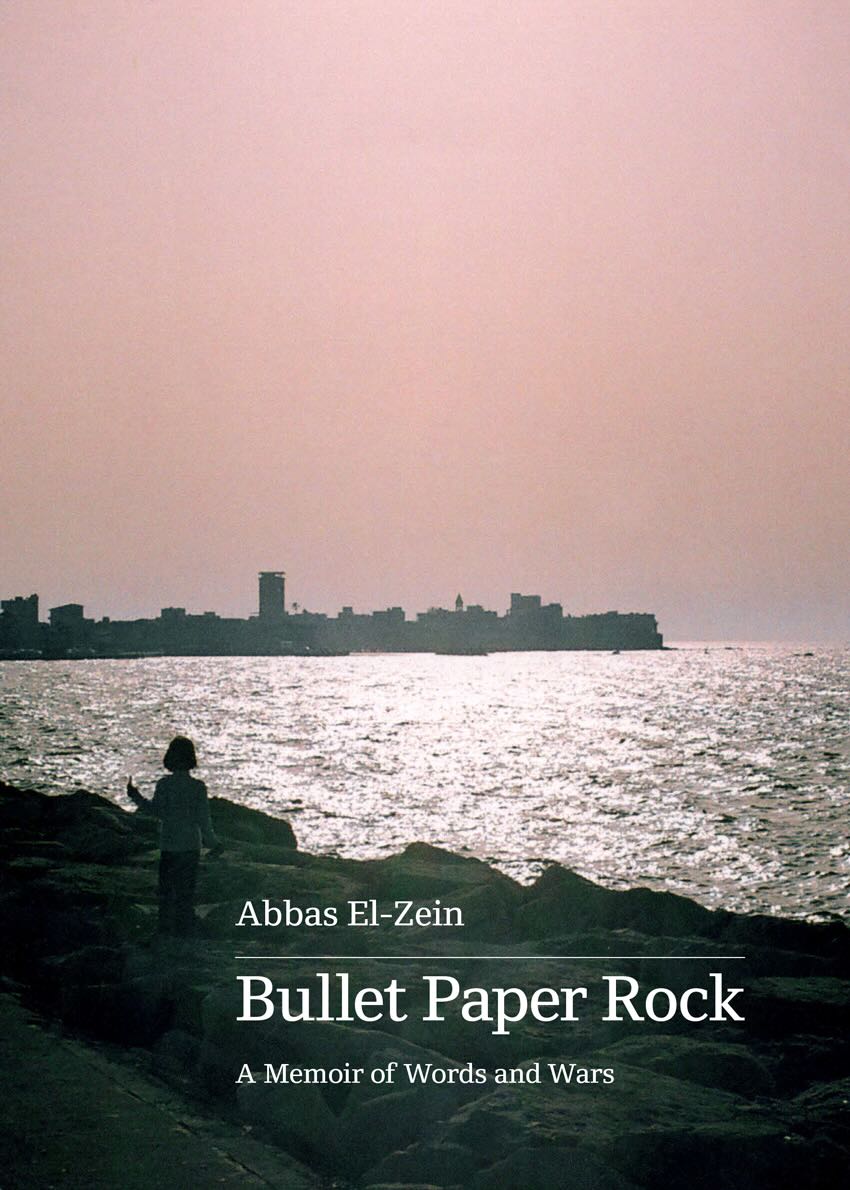
Finally, I’ll return to the email that inspired this post. It announced that Upswell’s book, Abbas El-Zein’s memoir, Bullet paper rock: A memoir of words and wars, had won the 2025 National Biography Award (having already won in the 2024 Queensland Literary Awards and been shortlisted in the 2024 NSW Premier’s Literary Awards). The NBA judges called it “a work of rare linguistic and emotional insight, and a tribute to the resilience of the human condition”. Awards aren’t the be-all and end-all of publishing, but it is still be a thrill for authors and their publishers when they win.
Any thoughts on this quiet achiever – and her contribution to the Australian literary scene?






 Whispering Gums