It might be spring but it’s not a particularly appealing one here, with so much grey and rain, which is unusual for my corner of the world. But, Daylight Savings starts this weekend, which is always a plus, and the spring blossoms and bulbs are out which cheer up the grey. What also cheers up the grey is that it’s Six Degrees time again, which is a time of reconnecting with bloggers I don’t always catch up with over the month. As always, if you don’t know how it works, please check meme host Kate’s blog – booksaremyfavouriteandbest.

The first rule is that Kate sets our starting book, and in September it is another book I haven’t read, though I did see the movie, Zoë Heller’s Notes on a scandal. It was also published under another title, What was she thinking? If I’d realised that before – I only discovered it when I was searching for the book cover – I might have started my chain with the idea of different titles, but I didn’t and so I’m not!
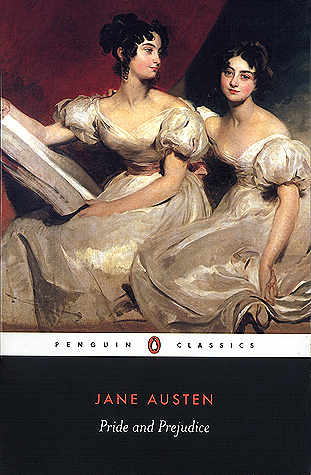
As I said above, I have not read the book but have seen the movie, which stars Cate Blanchett and Judi Dench, so I’ve decided to go with a book that was adapted to a film in which Judi Dench played a role. There are of course many many such books in her long career but I couldn’t resist the opportunity to include a Jane Austen novel again. Judi Dench played Lady Catherine de Bourgh in the 2005 Pride and prejudice (a post on the novel), so that’s what I’m linking to.
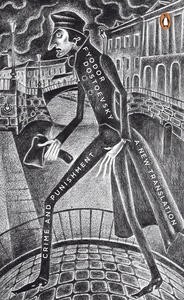
Next up is a simple link, another book with a three-word-title with “and” in the middle. I think I’ve done this sort of link before, but no matter, it works and my time is limited. The books is Fyodor Dostoevsky’s Crime and punishment (my review).

In Crime and punchishment, our antihero protagonist, Raskolnikov, is sentenced to Siberia for eight years. Diego Marani’s protagonist in his The last of Vostyachs (my review) is Ivan, who is the eponymous last of the Vostyachs, an ancient Siberian shamanic tribe – hence my link!

My next link is a more usual one, the nationality of the author. Diego Marani is Italian, and so is Vincenzo Cerami, whose novella, A very normal man (my post) has remained in my mind ever since. Perhaps because ….

… its protagonist was a civil or public servant, as I was (though in libraries/archives rather than a government department.) This public-servant subject matter, and the fact that it’s set in Canberra, is partly why my next book also remains memorable for me, Sara Dowse’s West Block (my review). It also happens to be an excellent read, and a novel with a slightly different structure that I found enjoyable to think about as I read. However, that’s not what I’m linking on next.
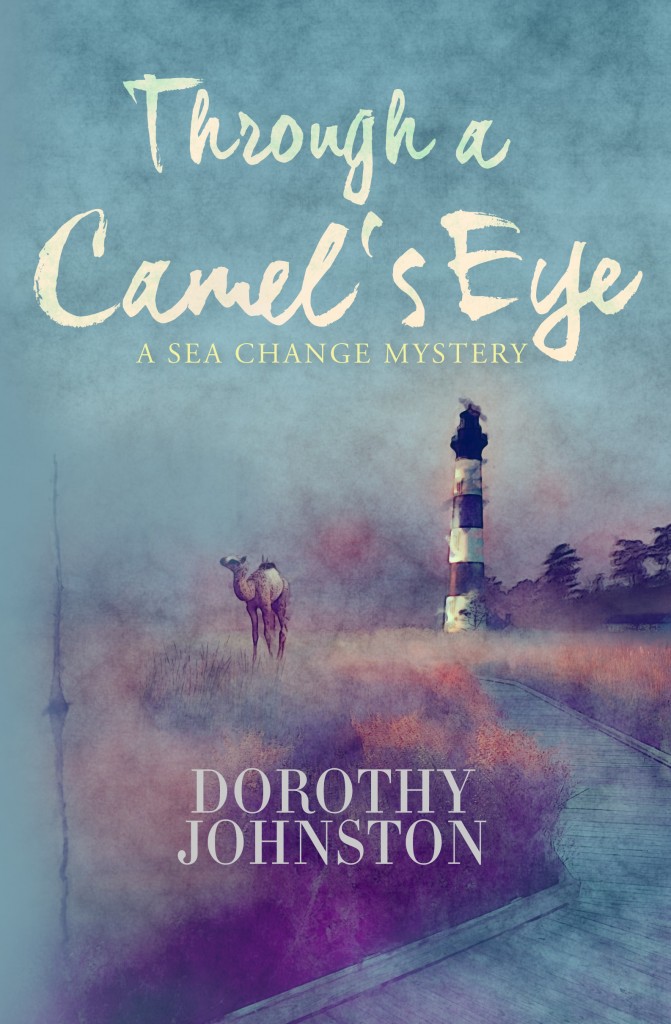
My final link is on publisher. Both Dowse’s book and Dorothy Johnston’s Through a camel’s eye (my review) were published by a small and, I gather, highly personal publishing company For Pity Sake Publishing. I wanted to mention this because I did once meet the publisher, Jen McDonald, and found her a lovely, warm person. Tragically, however, she died this year, way too young. Sara Dowse has written a beautiful tribute on her blog. (I should add that I could also have linked Johnston to Dowse through their joint membership of Canberra’s Seven Writers group).
This month, we’ve traveled from England through Russia to Italy and across to Australia. We’ve stayed mainly in the 20th and 21st centuries but have also popped into the nineteenth century. Oh, and we’ve read a few translated novels. This month the gender split is 50:50.
Now, the usual: Have you read or seen Notes on a scandal? And, regardless, what would you link to?


























 Whispering Gums