I have planned to write about the Secrets from the Green Room podcast series pretty much since it started in late 2020, but for one reason or another time has got away from me and here we are, some four years later … and I’m finally there. The good thing is that it is still going so, you know, better late than never.
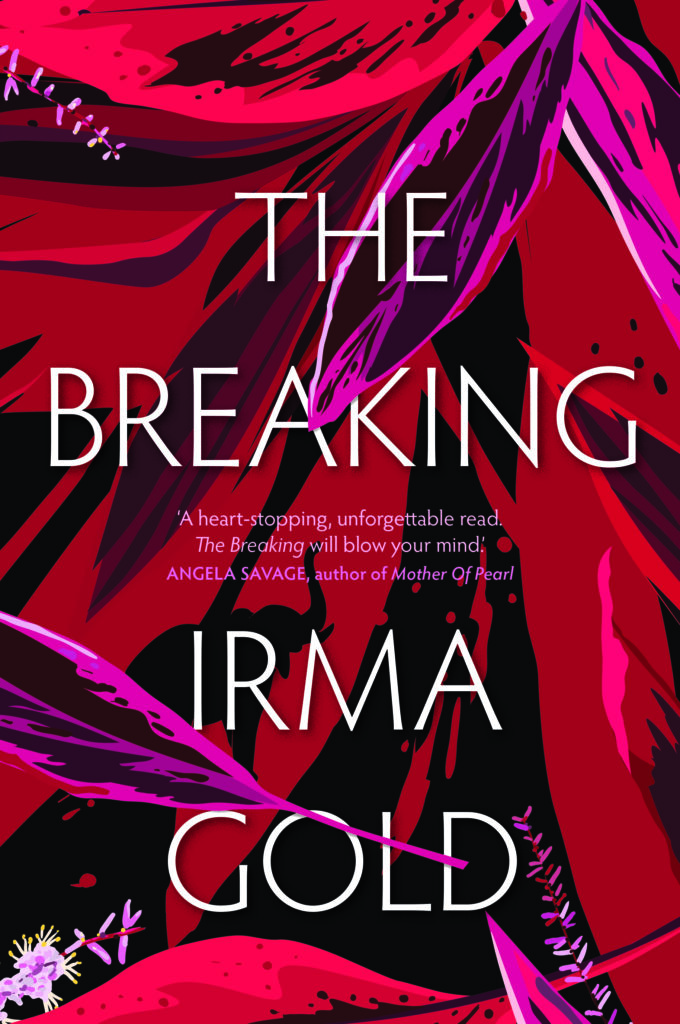
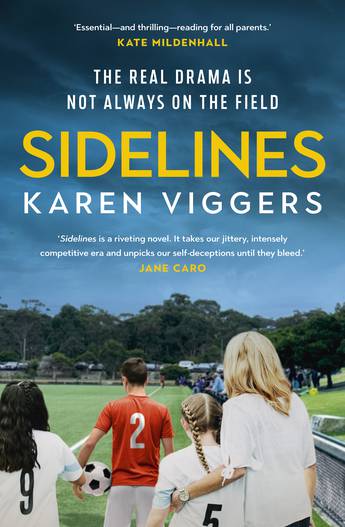
This podcast series was created by two (then) Canberra-based writers, Irma Gold and Craig Cormick (links on their names go to my posts featuring them), and first went to air, mid-pandemic, in November 2020. The latest episode, no. 40, went live just a week ago, on 30 January. During this time, Irma Gold moved to Melbourne, and Craig Cormick handed over his baton to another Canberra author, Karen Viggers, but, the show went on …
As I’m sure you all know, there are thousands of literary podcasts out there. I don’t listen to many because, despite my enthusiasm for literary matters, when I get a spare moment I tend to go for quiet. You just can’t do everything. But, for podcast lovers, it can be hard to track down what to listen to. Early this year The Conversation shared “15 literary podcasts to make you laugh, learn and join conversations about books”. The article’s writer, Amber Gwynne, quotes another writer Tom McCallister who claims that ‘while traditional reviews may be in decline, literary podcasts are not just “filling the void”. They’re “fracturing and reshaping” the “world of book discussion”’.
Gwynne adds that
like community reviews and the more recent surge of #BookTok and #Bookstagram content on social media, literary podcasts feed the rich social networks that form around books. They transform what’s often a solitary activity – reading – into a widely (but intimately) shared experience.
These networks are what keep most of us bloggers involved in social media, aren’t they? But, back to Gwynne. She explains that the format’s mainstays are author interviews and criticism that ranges from comprehensive reviews to casual banter, with the end result being that they “invite audiences to engage with books and writing in all kinds of ways”.
Some podcasts work primarily for readers. They introduce us to loved authors or to new authors; they show us other ways of finding out about the literary landscape; and they offer us options to focus narrowly on specific genres or to cast our nets more widely. Whatever your reading interest, there is likely to be a podcast out there. Many of these podcasts have a side-benefit for authors. By providing opportunities for writers to do readings and/or engage in conversations, podcasts can help promote authors. Indeed, as Gwynne says, podcasts “can be a valuable platform for emerging authors, providing exposure and amplifying diverse voices.”
Other podcasts, though, focus specifically on the writers. Their aim is to support writers and help them develop their craft. This latter is where Secrets from the Green Room primarily slots. The title, in fact, gives that away. Promotion for the series explains that in each episode the hosts
chat with a writer about their experience of the writing and publishing process in honest green room-style, uncovering some of the plain and simple truths, as well as some of the secrets — whether they be mundane or salubrious — and having a lot of fun in the process.
The episodes usually start with the hosts chatting about their own practices and experiences – such as whether they find writers’ retreats useful, or how much (or whether) they plot out their stories in advance, or whether they take notes and if so how, and so on. Then they move onto, mostly, a conversation with a single author, who is drawn from across the spectrum (literary, crime, cli-fi, to name a few). The conversation focuses on the craft aspect – how do they write, how did they get published, how did they find the editing process, and so on. But, there are also episodes devoted to other aspects of the trade that could be useful to writers, such as conversations with booksellers, a sales rep and a festival director. Again, the focus is on what writers need to know about these activities and functions. Should writers, for example, turn up at a bookshop offering to promote their book? Are there right and wrong ways to go about approaching a bookshop? This must surely be gold (excuse the pun) for writers, but for readers like me who are interested in – nay fascinated by – the wider literary landscape, this “stuff” is just wonderful to hear.
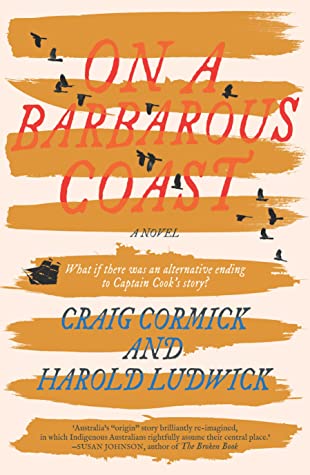
Gwynne’s The Conversation article starts with Australian podcasts, and has Secrets from the Green Room second in the list. Her description is that Irma and Karen “invite guests to candidly share their own experiences navigating the world of publication, landing on topics as varied as ghostwriting [Aaron Faaso and Michell Scott Tucker], the “creep” of imposter syndrome [Nikki Gemmell], and the challenges of teaching writing at university [Tony Birch]”.
Secrets from the Green Room is available, free of charge and from multiple platforms, like most podcasts that I know, but here is the Spotify entry with list of episodes.
Do you listen to literary podcasts, and, if so, care to make a recommendation or two?
 Some years, I’ve written an indigenous Australian focused Monday Musings post to start and conclude
  Birch speaks to Claire Nichols “about trauma, bravery and writing stories of the past” regarding his latest book The white girl (
 Conversations: Stan Grant
 Conversation with AWAYE!’s Daniel Bowning, including Lucashenko reading from Too much lip (
 A truer history of Australia,
 Alison Whittaker in conversation at Sydney Writers Festival,
 Documenting ‘the old language’ in Tara June Winch’s The Yield
 Alexis Wright in conversation with Elizabeth McCarthy,
 Whispering Gums