Canberra Writers Festival 2025: 6, Poems of love and rage

Evelyn Araluen, Maxine Beneba Clarke and Omar Musa with Jacqui Malins
The program described the session as follows:

An electrifying highlight of this year’s program, our poetry panel features some of Australia’s most acclaimed and innovative poets putting love and rage on the page. Overland Poetry Prize winner Evelyn Araluen (The Rot) joins Maxine Beneba Clarke with Beautiful Changelings, and hometown spoken word artist Omar Musa. This session delves into the power of love, and the ongoing fight against oppression in its many forms. Don’t miss this powerful event. Moderated by Canberra author, artist and performance poet, Jacqui Malins.

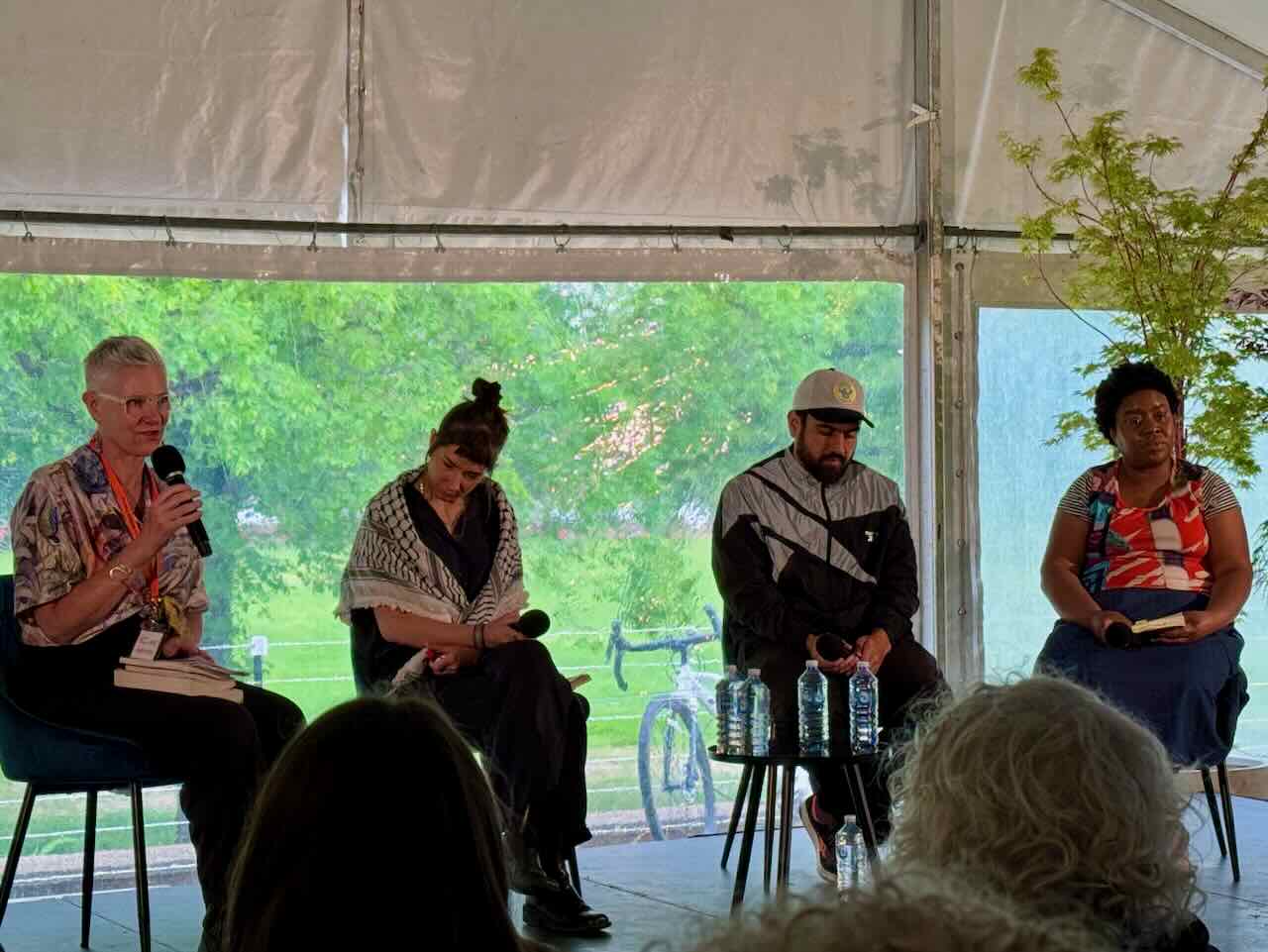
For this event, we hardy festival attendees had to leave the warmth of the National Library building (or whatever building we’d previously been in), and walk through a little rain to a marquis on the Patrick White Lawns. It was worth the effort. Actually, it wasn’t that cold and wet, and the venue, with chairs on the grass and some lovely potted trees, made for a nice change.

As this session included poetry reading and performance, your scribe had a bit of a break from intense scribbling, but the notes I took have still ballooned. After acknowledging country, Jacqui asked each of the poets to choose a poem to read (or perform) that explores rage.

On rage
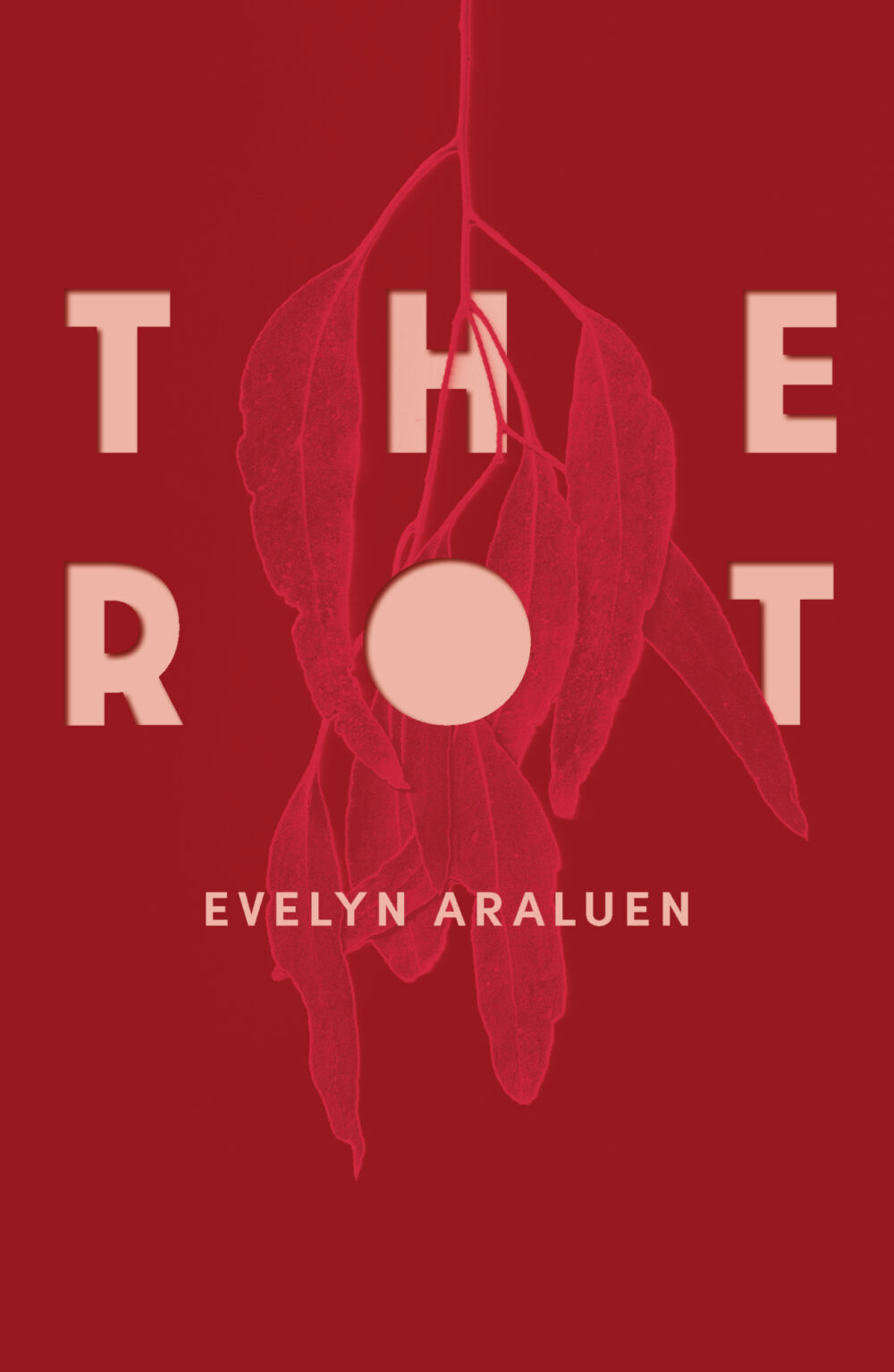
Evelyn explained that her collection is all love and rage, that it was written in the context of love of communities, network and solidarity, but informed by rage, by the futility of witnessing genocide from our phones while the government continues to provide material for weapons. She was thinking specifically about global capitalism. She read her poem “Girl work” from The rot. As I’m sure you all know, there’s something special about hearing a poem read by the poet. They know what nuances and rhythms they intended for their words. This is a deeply satiric and ironic poem about girls and work, girls and girly aspirations, set against “the machine” that will swallow them up. It’s confronting (“girly, you glisten in your soft tailoring … your coolgirl cleangirl chic”) and confrontational (“o girly, lift your head…”). The words are cleverly angry.

Jacqui commented on its exploration of how to live in the face of the onslaught while also trying to live day-to-day. She likes the thread in the collection of what to do with our hands, the twitching to act.
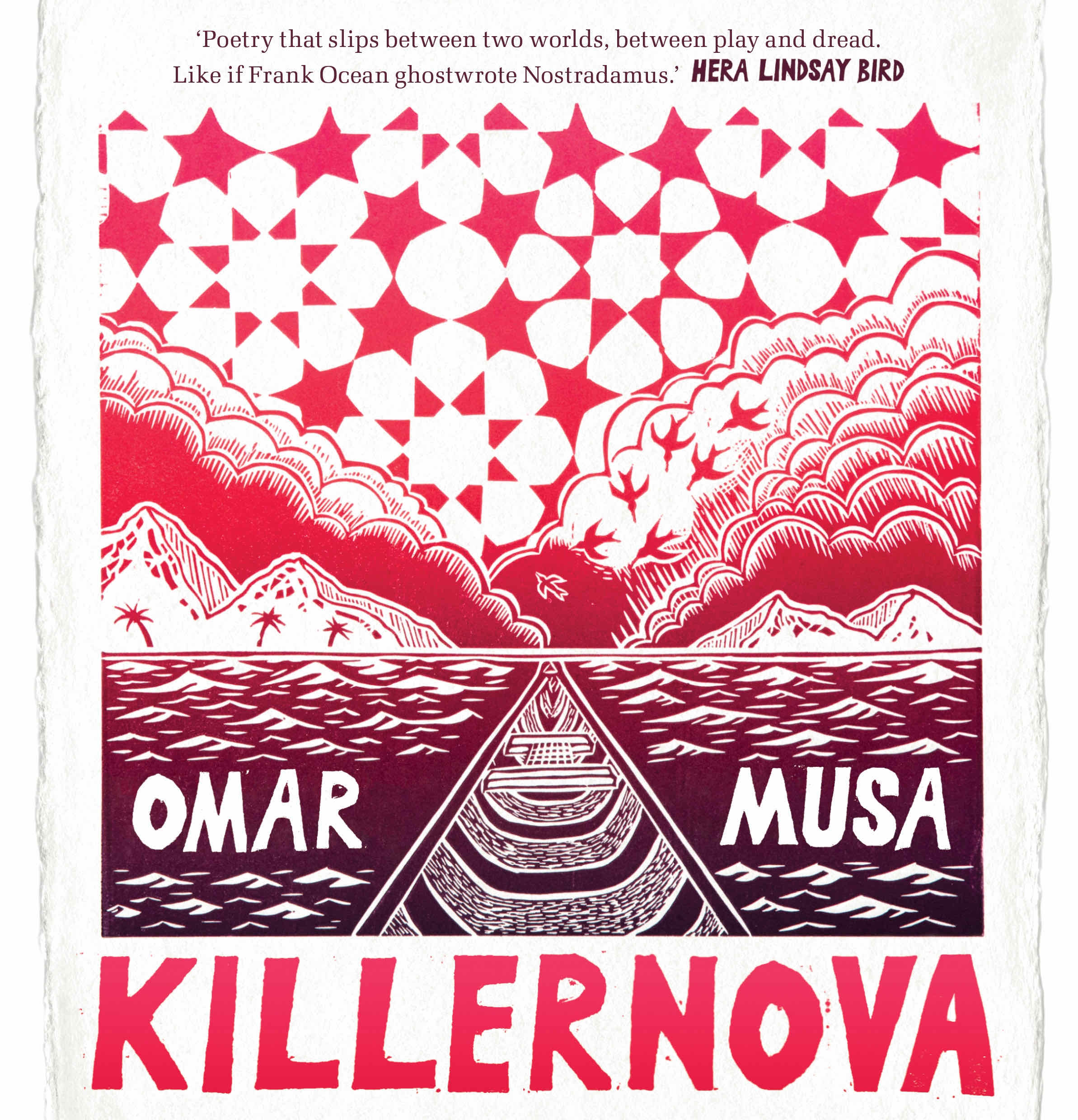
Omar, poet, novelist, musician and artist from Queanbeyan, “Palace of the Palarang, Venice of the Eden Monaro”, has published four books of poetry (the last being Killernova, see my post on its launch). A performance poet, he performed rather than read two poems, “To burning” (which you can see on YouTube performed with music by his wife Mariel Roberts) and an older one I’ve heard before, “UnAustralia” (on YouTube too). He too is enraged by politics which cares more about money than people (particularly brown, Muslim, and “other”) and the environment.

As Jacqui said, his poems contained an “extensive catalogue of rage” that hasn’t changed over the years since they were written.
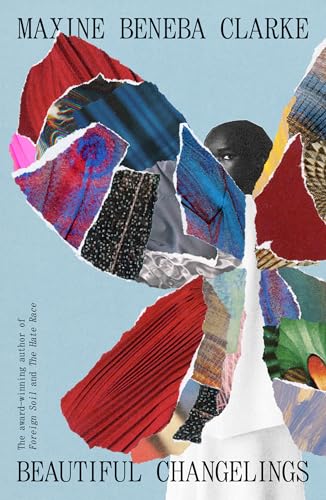
Maxine, reading from her just published book, Beautiful changelings, took us to somewhat different places. Like Araluen’s book, her focus is women. Araluen’s is described as a “liturgy for girlhood in the dying days of late-stage capitalism” while Clarke’s is about “ageing, womanhood, motherhood” with “wrecking-ball revisitings of the myths, mantras and fairy tales fed to girls” (from back covers and promotional materials). The first poem she read, “A good wait”, was inspired by her role as chauffeur for teenage children. It is more humorous than overtly angry, but has a layer of anger all the same for parents, particularly women, who are expected to put their needs – including their work/careers – second to those of their children.

She then read a section from a longer poem, “Major complications”, which explores rifts in contemporary feminism. It was inspired by feminist witch t-shirts and the Salem witch-hunts, and draws on the story of Tituba, “the witch that would not burn”. I loved the line – I think I got it right – “Tituba made sure they got the complication they asked for”.

On writing poetry inspired by rage

Omar grew up angry. Ppoetry was is pressure relief valve. He talked about his Malaysian inheritance and a way of expressing yourself that alchemically transforms rage to a different state, that enables you to legitimate anger. (I missed the details because I didn’t catch the Malaysian word.) It’s reductive to delegitimise rage.

For Evelyn, rage was explicit to her project. Referring to the success of Dropbear (my review), she said what an enormous privilege it is for a poet to be read. It’s unusual. Her book is in schools, and she hears from teenage girls. This made her think about her responsibility to her audience. She feared she could be immobilising girls into despair. She was inspired by Revolutionary letters, a poetry collection by Beat poet Diane di Prima, who turned practical things into revolutionary action.

Maxine (whose memoir, The hate racemy review – is also in schools) related to this audience idea. She talked about being a woman and getting older, and the rage that brings. There’s poetry and reaching for poetry. Bigots, she said, aren’t going to pick up poetry. Further, more than with prose, people come to poetry with openness. An interesting point. How, she said, does she make sure that her rage is poetry.

Jacqui wondered about rage turning into polemic, and love into sentimentality. Are these risks ?

Omar said not necessarily. “UnAustralia” is a polemic poem. He hopes poems can work on different levels, such as rallying the base and educating others. Poets use their tools to smash open the door, using different weapons for different battles. Jacqui agreed that preaching to the converted has a role.

Evelyn commented that “people like shitting on sincerity”, that the elite will say they “hate slam poetry” but don’t go into those rooms and see the work. This is “cringe culture”, at work. We have a bad relationship with sincerity. (This idea spoke to me.) Performance offers a strong introduction to poetry, performance poets put their whole heart into their work. What is it that brings people through the door? How much affect is effective? Research suggests that the most significant trigger for engaging people is to activate emotional sensibilities.

Maxine added that in 2025 earnestness is not cool, but then people will perform emotions on Instagram!

On love

Jacqui asked the poets to end with a poem written through the lens of love. Maxine read her tribute to being an aging woman, her love letter to growing older, “I want to grow old”. It mentioned several older women models, like the late Toni Morrison, and included lines like “speaking slow and exact and only sense” and “I want to grow old spectacularly”. Omar read two poems, one to his cellist wife, and one to a childhood friend (noting that friendship can be our greatest love affair.) Evelyn, who at first feared she didn’t have one, read the last poem in her collection, “I will love”.

This event was in a small venue, but had a decent-sized audience. Poetry always moves me a little out of my comfort zone, but I’m glad I took the risk!

Postscript: It was notable that the three poets were people of colour, albeit from very different backgrounds. Interestingly, of the 7 sessions session I attended, five comprised only white (I believe) participants, and two comprised all people of colour. I did, however, only attend 7 of a large number of sessions, so mine may not be a good sample. Nonetheless, shaking it all up a bit – people’s backgrounds, genres, forms, and so on – could energise discussions.

Canberra Writers Festival, 2025
Poems of love and rage
Sunday 26 October 2025, 12-1pm
Omar Musa’s Killernova book launch, with Irma Gold

Local performance poet-novelist-artist Omar Musa’s latest book, Killernova, had two launches in Canberra this weekend, one with Polly Hemming and the other with Irma Gold. Being Gold fans, Mr Gums and I booked her session, and it was both engaging and illuminating, but I have it on good authority that Polly Hemming’s session, though different, was also well worth attending.

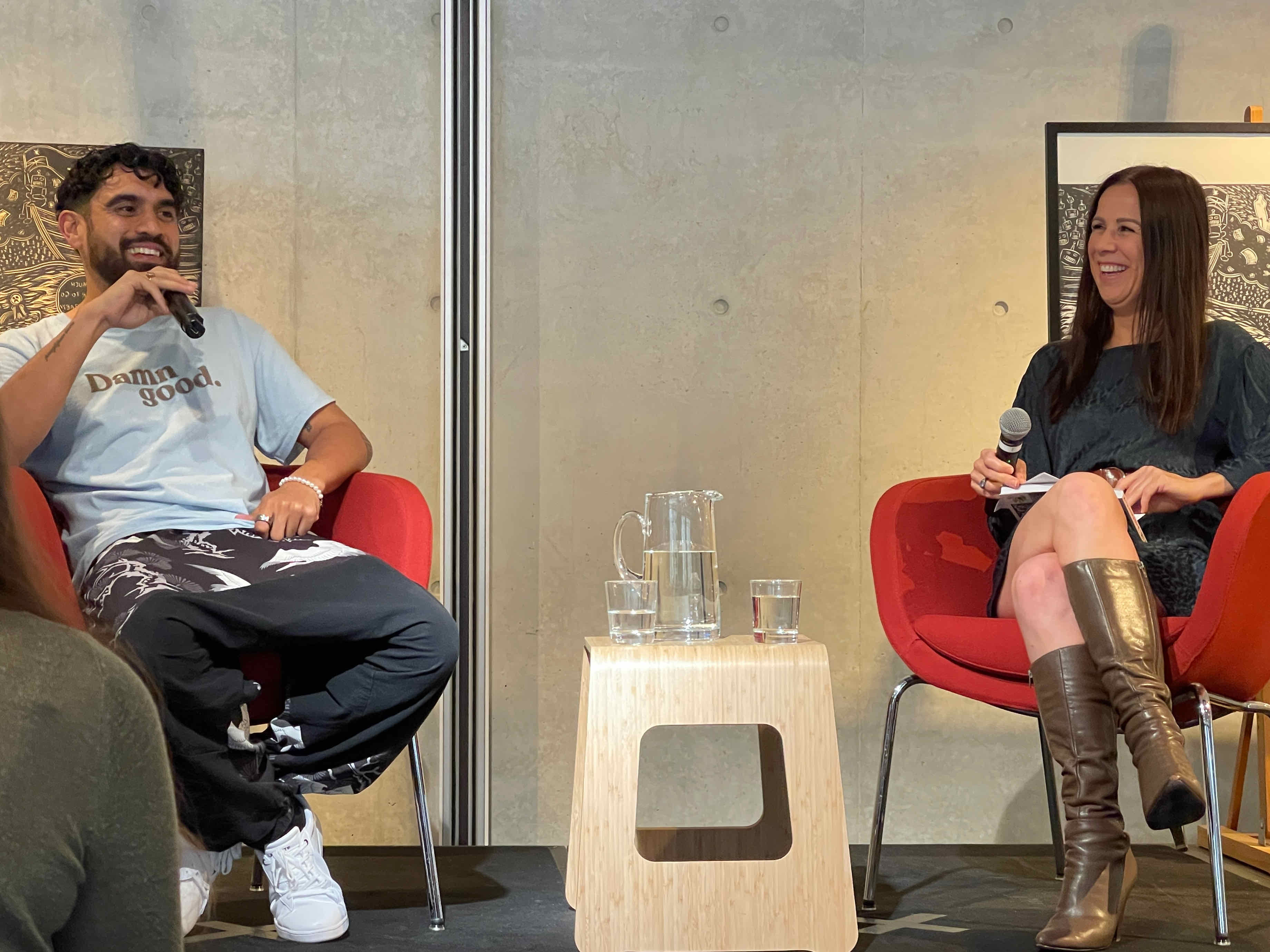
Omar Musa has three poetry collections, a Miles Franklin Award longlisted novel (Here come the dogs), and a play to his name. He has also released solo hip hop records. And now, he has turned his hand to woodcuts and woodcut printing. He is, you’d have to say, multi-talented – and it comes, I think, not only from a curiosity about the world, but a desire to find his place, to engage with it, and to explore ways of expressing the things that he feels strongly about.

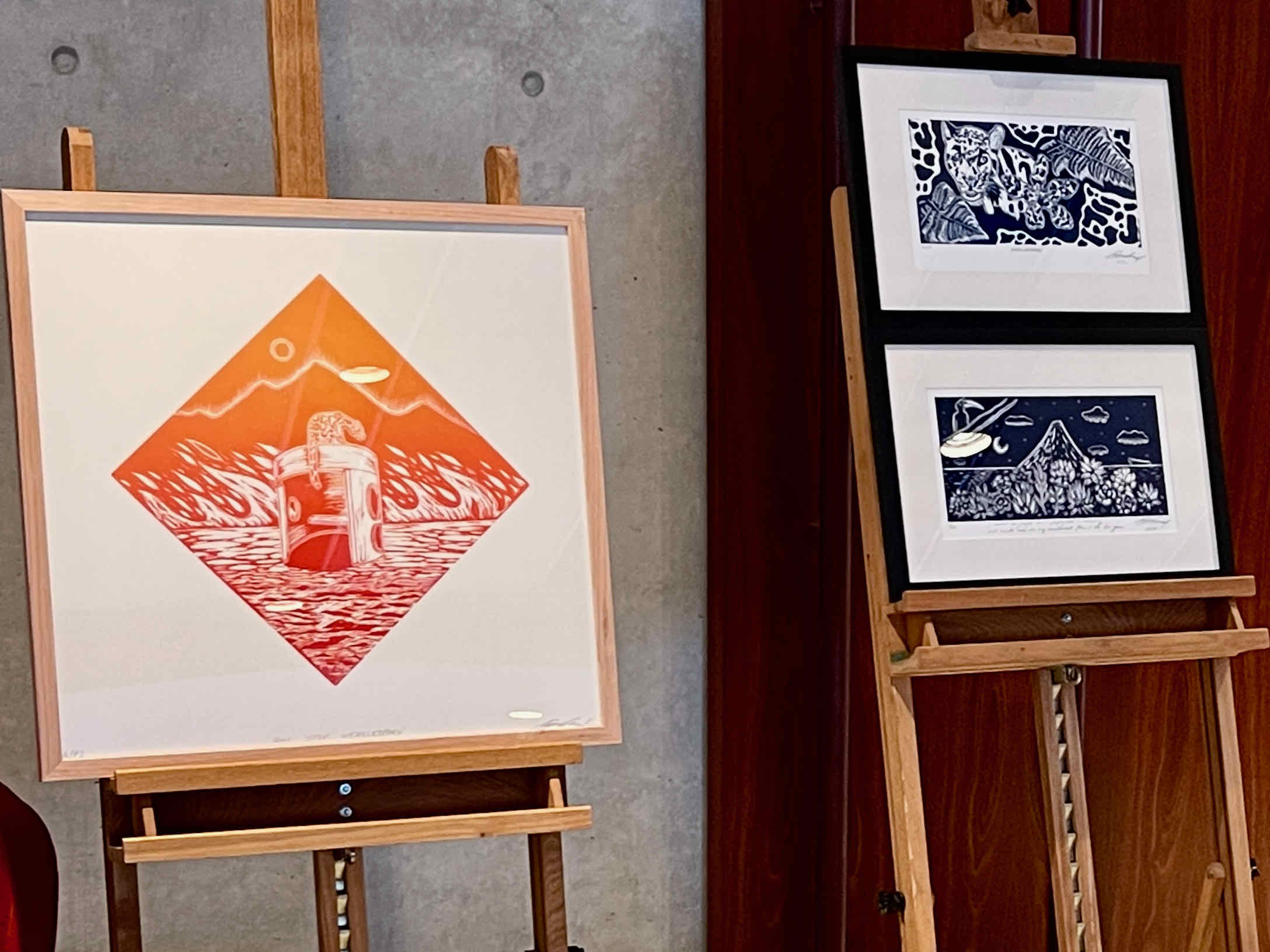
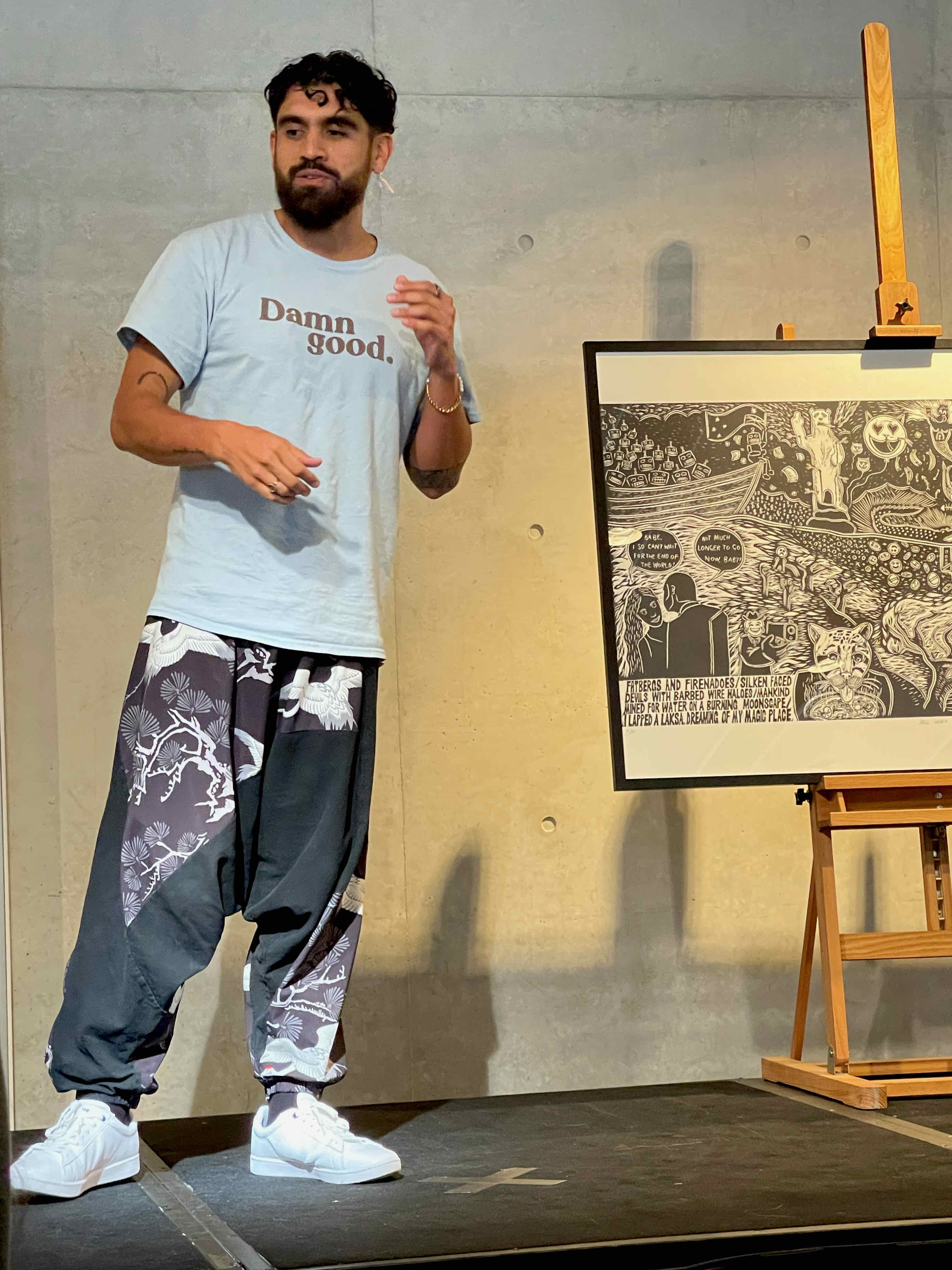
Not surprisingly, then, this was not your usual “in conversation” launch. It started with Musa performing some of his poetry, and a song. There’s nothing better, really, than hearing a poet read or perform their own writing, and Musa is a polished performer. So there was that. Then there was a display of his woodcuts, most of which appear in his book, and home-made sambal for sale, along with the book, not to mention the conversation with Irma Gold.

The performance

It was such a treat to have Musa perform some poems. I’ve heard him before, and love his heart and his ability to convey it so expressively through words and voice. His poetry is personal but also political, carefully crafted yet fresh too. Here’s what he performed:

l am a homeland: Musa, who has Malaysian and Australian heritage, started with this poem that explores home and belonging, when you don’t have one place, and got some audience participation going, asking us to breathe in its meditation-inspired refrain, “inhale”, “exhale”:

Inhale – I am singular
Exhale – I appear in many places

UnAustralia: Musa explained that he is often criticised as being UnAustralian because he (dares to) criticise Australia. This poem is his answer to that, and perfectly examplifies his satirical way with words:

Come watch the parade!
In UnAustralia
Land of the fair-skinned.
Fairy Bread.
Fair Go.

Rose gold lover: this one was a song – part ballad, part rap, and beautiful for that. (You can hear it performed with Sarah Corry on LYRNOW)

Hello brother: Musa dedicated this poem to Haji-Daoud Nabi, who, with the words “Hello, brother”, warmly welcomed to Christchurch’s Al Noor mosque, the shooter who went on to kill him and 50 other people.

Flannel flowers: Musa introduced us to a rare pink flannel flower that grows in the Blue Mountains. It flowers only when “specific conditions … are met … fire and smoke, followed by rainfall”, making it bitter-sweet – and an opportunity to contemplate both the environment and our mortality.

The conversation

So, I’ve introduced Musa, and Irma Gold needs no introduction, as she has appeared many times on this blog, including for her debut novel, The breaking (my review). Click on my tag for her to see how active she is. Irma is also a professional editor, and co-produces the podcast Secrets from the Green Room.

Musa and Gold, National Portrait Gallery, 27 November 2021.

Gold commenced by introducing Musa as a multi-talented artist, poet, rapper. She also praised, as an editor, the book being launched, Killernova. It’s a collection of diverse poems and woodcuts, and yet flows seamlessly, she said.

It was a thoroughly enjoyable conversation that, with Gold’s warm and thoughtful questioning, covered a lot of relevant ground.

The woodcuts

Given woodcuts feature strongly in the book, and are a “new” art for Musa, Irma started with how he got into woodcutting. He explained how he’d been in a dark place – had started to hate what he was supposed to love, writing and performing – so was visiting his father in Borneo, when he came across Aerick LostControl running a woodcut workshop, and joined in.

He spoke of the leopard which appears – often playfully – in his woodcuts (including one on top of Canberra’s iconic bustop.) So much of his writing, he said, focused on the ugliness of humanity, on racism, depression, so he wanted to do something beautiful. His first woodcut depicted the local small leopard (Sunda clouded leopard, I think). Although he felt it was “childish”, his teacher saw talent – what a surprise! – and a new form of expression for Musa was born.

Gold also asked him about the practice of “stamping the spirit into the works”. This is, Musa said, the traditional Southeast Asian way of printing woodcuts, and is still used, I think he said, by Indonesian protest poster-makers.

Musa then talked about taking the craft of writing so seriously it can lead to paralysis. Language is so imprecise you can just keep going, tweaking, tweaking the words. In woodcutting, if you make a mistake, you have to move on, as what is done is done. To make art, you have to take risk. He’d been taking himself too seriously, he felt, so wanted (needed, too, I felt he was saying) to be playful.

At the end of the conversation, but I’m popping it in here, Gold asked about how woodcarving deepened his connection with heritage. Musa said that he “would like to say it felt like homecoming but it felt more like tourism”. Some of this tension is conveyed, he said, in the first poem he performed, “I am a homeland”. It explores how we can inhabit different identities. A box limits you, he said. He prefers fluid identities.

The writing process

Gold asked whether, given he’s a performance poet, he reads aloud when he is writing? Musa said he writes in a “trancelike state” then “sculpts” his work. “Write in passion, edit in cold blood” is his practice. He also shared the philosophy of his favourite poet, Elizabeth Bishop – write with “spontaneity, accuracy, mystery”.

On whether he ever edited a poem further after performing, I think he said yes! (Given I sometimes post-edit my blog posts – because I can – I say, why not?)

Art and creativity

Gold referred to the poem, “Poetry”, because she related to its ideas. In it, he plays with the traditional recommendation to “write what you know”, shifting it, first, to “write what you know about what you don’t know”, then rephrasing it to “write what you don’t know about what you know”, before finally getting to the crux – and I like this – “write a question”.

The best art, he said, makes us ask questions about the world around us, but he likes to start with a question about self, with something that tests one’s preconceptions. Art, he believes, does not have to provide answers, just ask questions. Yes.

Gold then asked him about the role of alcohol and drugs in creativity, something Musa has spoken about. Killernova, he responded, is partly about undercutting mythologies in the art scene. One is the singular genius writer or artist. It’s b***s***, he said. All artists are products of their environment, so, this book includes collaborative poems. Another concerns the “addict musician, drunk poet” which he had bought into, but this book was “written when clean”.

The environment

Gold noted that concern with desecration of the environment runs through book, and asked Musa about the role he saw for art. Art, Musa believes, both holds a mirror up to world as it is and as it can be.

There is a Utopia in Killernova, Leopard Beach. Are Utopias dangerous, childish ideas that distract us OR could they project the world as it could be? he asked. Good question. He described a successful turtle sanctuary in Borneo, which was the result of someone’s dream. Through art, we can reimagine the world, and make us feel less alone.

Can art change people’s minds?

Musa responded that Werner Herzog said no, but he thinks it can, through asking questions. However, this needs to go hand-in-hand with collective action.

The end

Musa gave us one more performance to end with. It was a collaborative poem (“after” Inua Elliams) about pandemic, F***/Batman. Loved it, with its wordplay on masks (“we could finally drop our masks”) and references to toilet paper, Zoom, jigsaws; its exploration of the positives, negatives, and potential contained in the pandemic; and the idea that we “grew madder yet clearer headed”. What will we do with this, though, is the question. A provocative end to a great launch.

Omar Musa’s Killernova book launch with Irma Gold
National Portrait Gallery
Saturday 27 November 2021, 3-4pm