Monday musings on Australian literature: Favourite books 2025, Pt 2: Nonfiction

Last Monday, I shared the favourite Fiction and Poetry books that had been chosen by various critics and commentators in a select number of sources. I haven’t always shared the nonfiction choices, though I do think it’s worth doing – so this year I am! I won’t repeat the intro from last week, but I will re-share the sources, having edited them slightly to show those which included nonfiction … and remind you that I’ve only included the Aussie choices.

Here are the sources I used:

  • ABC RN Bookshelf (radio broadcaster): Cassie McCullagh, Kate Evans and a panel of bookish guests, Jason Steger (arts journalist and former book editor); Jon Page (bookseller); Robert Goodman (reviewer and literary judge specialising in genre fiction): only shared their on air picks, not their extras which became long
  • Australian Book Review (literary journal): selected across forms by ABR’s reviewers
  • Australian Financial Review (newspaper, traditional and online): shared “the top picks …to add to your holiday reading pile.” (free briefly, but now paywalled.)
  • The Conversation (online news source): experts from across the spectrum of The Conversation’s writing so a diverse list
  • The Guardian (online news source): promotes its list as “Guardian Australia critics and staff pick out the best books of the year”.
  • Readings (independent bookseller): has its staff “vote” for their favourite books of the year, and then lists the Top Ten in various categories, one of which is adult nonfiction, of which I have included the Australian results.

And here are the books …

Life-writing (Memoir/Autobiography/Biography/Diaries)
Book cover
  • Katherine Biber, The last outlaws (Patrick Mullins, ABR; Clare Wright, ABR)
  • David Brooks, A.D. Hope: A memoir of a literary friendship (Tony Hughes-d-Aeth, ABR)
  • Geraldine Brooks, Memorial days (Jenny Wiggins, AFR; Susan Wyndham, The Guardian; Readings)
  • Bob Brown, Defiance (Readings)
  • Candice Chung, Chinese parents don’t say I love you (Readings)
  • Robert Dessaix, Chameleon (Tim Byrne, The Guardian) (on my TBR)
  • Helen Garner, How to end a Story: Collected diaries (Ben Brooker, ABR; Stuart Kells, ABR; Jonathan Ricketson, ABR; Lucy Clark, The Guardian) (see my posts on vol 1 and vol 2 from this collected volume)
  • Moreno Giovannoni, The immigrants (Joseph Cummins, The Guardian)
  • Hannah Kent, Always home, always homesick (Kate Evans, ABC)
  • Josie McSkimming, Gutsy girls (Amanda Lohrey, ABR)
  • Sonia Orchard, Groomed (Clare Wright, ABR)
  • Mandy Sayer, No dancing in the lift (Clare Wright, ABR)
  • Lucy Sussex and Megan Brown, Outrageous fortunes: The adventures of Mary Fortune, crime-writer, and her criminal son George (Stuart Kells, ABR)
  • Marjorie (Nunga) Williams, Old days (Julie Janson, ABR)

History and other nonfiction
  • Geoffrey Blainey, The causes of war (rerelease) (Stuart Kells, ABR)
  • Ariel Bogle and Cam Wilson, Conspiracy nation (Joseph Lew, AFR)
  • Liam Byrne, No power greater: A history of union action in Australia (Marilyn Lake)
  • Anne-Marie Condé, The Prime Minister’s potato: And other essays (Patrick Mullins, ABR) (on my TBR)
  • Joel Deane, Catch and kill: The politics of power (rerelease) (Stuart Kells, ABR) 
  • Helen Garner, Chloe Hooper & Sarah Krasnostein, The Mushroom Tapes (Donna Lu, The Guardian; Readings)
  • Juno Gemes, Until justice comes (Mark McKenna, ABR)
  • Alyx Gorman, All women want (Sian Cain, The Guardian)
  • Luke Kemp, Goliath’s curse: The history and future of societal collapse (Tom Doig, The Conversation; John Long, The Conversation)
  • Richard King, Brave new wild: Can technology really save the planet? (Carody Culver, ABR; Clinton Fernandes, ABR)
  • Shino Konishi, Malcolm Allbrook and Tom Griffiths (ed), Reframing Indigenous biography (Kate Fullager, ABR)
  • Natalie Kyriacou, Nature’s last dance: Tales of wonder in an age of extinction (Euan Ritchie, The Conversation)
  • Melissa Lucashenko, Not quite white in the head (Glyn Davis, ABR; Michael Williams, ABR; Readings)
  • Ann McGrath and Jackie Huggins (ed), Deep history: Country and sovereignty (Kate Fullager, ABR)
  • Tom McIlroy, Blue Poles: Jackson Pollock, Gough Whitlam and the painting that changed a nation (Esther Anatolis, ABR; Alex Now, AFR)
  • Mark McKenna, Shortest history of Australia (Patrick Mullins, ABR)
  • Djon Mundine, Windows and mirrors (Victoria Grieves Williams, ABR)
  • Antonia Pont, A plain life: On thinking, feeling and deciding (Julienne van Loon, The Conversation)
  • Margot Riley, Pix: The magazine that told Australia’s story (Kevin Foster, ABR)
  • Sean Scalmer, A fair day’s work: The quest to win back time (Marilyn Lake, ABR)
  • Emma Shortis, After America: Australia and the new world order (Marilyn Lake, ABR)
  • Don Watson, The shortest history of the United States of America (Emma Shortis, The Conversation)
  • Hugh White, Hard new world: Our post-American future (Marilyn Lake, ABR)
  • Tyson Yunkaporta & Megan Kelleher, Snake talk (Readings)

Cookbooks

  • Helen Goh, Baking & the meaning of life (Sian Cain, The Guardian)
  • Rosheen Kaul, Secret sauce (Alyx Gorman, The Guardian)
  • Thi Le, Viet Kieu: Recipes remembered from Vietnam (Yvonne C Lam, The Guardian)

Finally …

One children’s book, as far as I could tell, was chosen, and I’ve not included it anywhere else so here it is:

  • Rae White, with Sha’an d’Anthes (illus.), All the colours of the rainbow (Esther Anatolis, ABR)
A few books were named by two people, with two books named by three, Geraldine Brooks’ Memorial days and Melissa Lucashenko’s Not quite white in the head, and one named by four, Helen Garner’s How to end a Story: Collected diaries. Is it a coincidence that these authors have also written fiction? Or that in terms of my reading wishes, they are up there, though several others are in my sights.

Is there any nonfiction in your sights for 2026? After all, Nonfiction November isn’t that far away if this year is any indication!
Monday musings on Australian literature: Favourite books 2025, Pt 1: Fiction and Poetry

Around this time of December, I have, for some years, shared favourite Aussie reads of the year from various sources. Those sources have varied a little from time to time. This year’s are listed below.

This is not a scientific survey. For a start, the choosers’ backgrounds vary. Depending on the source, they may include critics, reviewers, commentators, subject specialists, publishers and/or booksellers. Then, there’s the fact that what they are asked to do varies. For example, some pickers are “allowed” to name several books while others are limited to “one” best (or favourite). And of course, they choose from different sets of books, depending on what they have read, and they use different criteria. In other words, this exercise is more serendipitous than authoritative. But, it still has value.

As always, I’m only including the choosers’ Aussie choices, but I include links to the original article/post so you can read them yourselves, should you so wish.

Here are the sources I used:

  • ABC RN Bookshelf (radio broadcaster): Cassie McCullagh, Kate Evans and a panel of bookish guests, Jason Steger (arts journalist and former book editor); Jon Page (bookseller); Robert Goodman (reviewer and literary judge specialising in genre fiction). I only shared their on air picks, not their extras.
  • Australian Book Review (literary journal): selected from many forms by ABR’s reviewers
  • Australian Financial Review (newspaper, traditional and online): shared “the top picks … to add to your holiday reading pile.” 
  • The Conversation (online news source): experts from across the spectrum of The Conversation’s writing so a diverse list.
  • The Guardian (online news source): promotes its list as “Guardian Australia critics and staff pick out the best books of the year”.
  • Readings (independent bookseller): staff “vote” for their favourite books of the year, then Readings shares the Top Ten in various categories.

To keep it manageable, I am focusing here on fiction (including short stories) and poetry, with a separate post on nonfiction, to follow.

Novels

  • Randa Abdel-Fattah, Discipline (Zora Simic, ABR; Clare Wright, ABR)
  • Shokoofeh Azar, The Gowkaran tree in the middle of our kitchen (Edwina Preston, The Conversation)
  • Dominic Amerena, I want everything (Julian Novitz, ABC; Jon Page, ABC; Andrew Pippos, AFR; Jack Callil, The Guardian) (Kate’s review)
  • Marc Brandi, Eden (Robert Goodman, ABC)
  • Paul Daley, The leap (Julie Janson, ABR; Bridie Jabour, The Guardian)
  • Olivia De Zilva, Plastic budgie (Jo Case, The Conversation)
  • Laura Elvery, Nightingale (Readings)
  • Beverley Farmer, The seal woman (1992, rereleased 2025) (Eve Vincent, The Conversation)
  • Jon Fosse, Septology (Marjon Mossammaparast, ABR)
  • Andrea Goldsmith, The buried life (Readings) (my review)
  • Madeleine Gray, Chosen family (Kate Evans, ABC) (Brona’s review)
  • Fiona Hardy, Unbury the dead (Jon Page, ABC; Readings)
  • James Islington, The strength of the few (Tim Byrne, The Guardian)
  • Brandon Jack, Pissants (Readings) (Kate’s review)
  • Toni Jordan, Tenderfoot (Readings)
  • Vijay Khurana, The passenger seat (Beejay Silcox, The Guardian) (Lisa’s review)
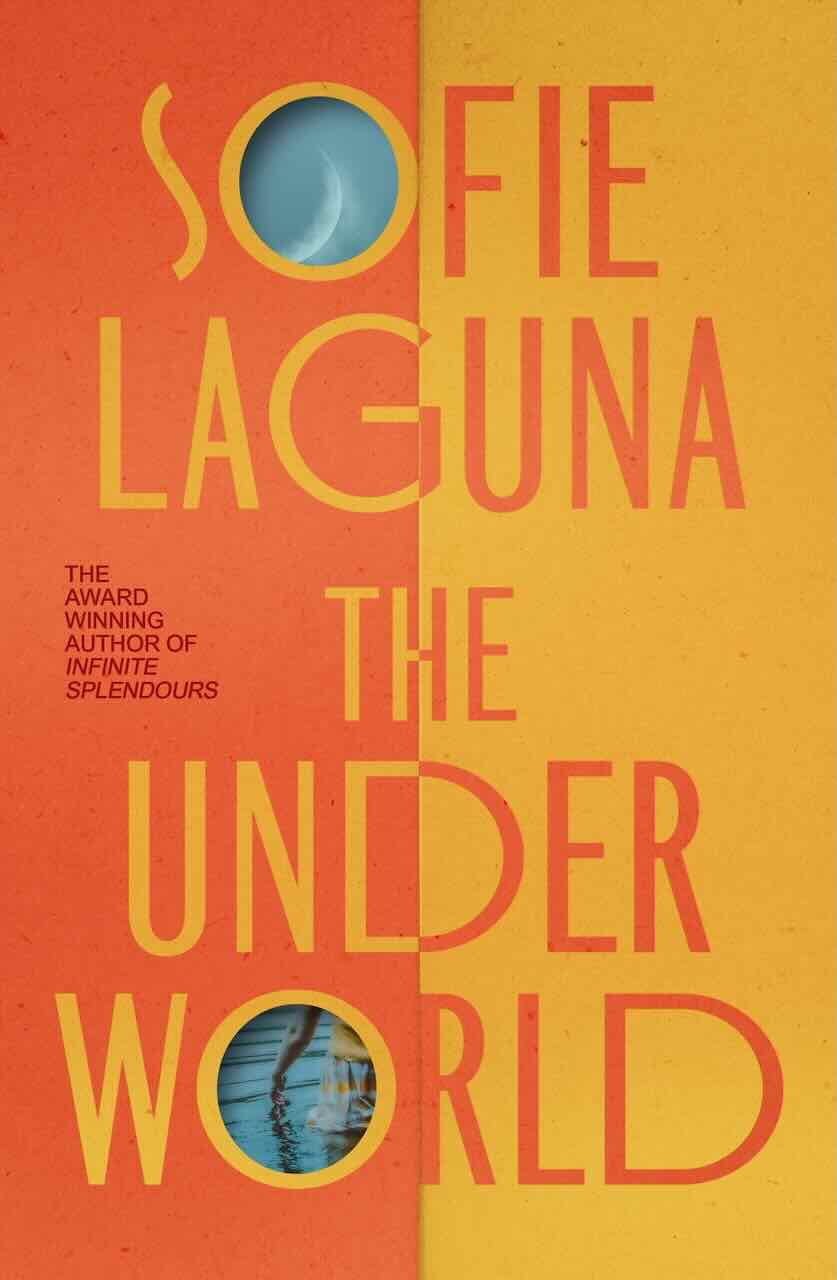
  • Sofie Laguna, The underworld (Sian Cain, The Guardian) (on my TBR, see my conversation post)
  • Charlotte McConaghy, Wild dark shore (Julia Feder, AFR) (Brona’s review)
  • Jasmin McGaughey, Moonlight and dust (Allanah Hunt, The Conversation) (See my CWF post)
  • Lay Maloney, Weaving us together (Melanie Saward, The Conversation)
  • Patrick Marlborough, Nock Loose (Jared Richards, The Guardian)
  • Angie Faye Martin, Melaleuca (Sandra Phillips, The Conversation)
  • Jennifer Mills, Salvage (Robert Goodman, ABC; Alice Grundy, The Conversation
  • Judi Morison, Secrets (Paul Daley, The Guardian)
  • Rachel Morton, The sun was electric light (Readings; Seren Heyman-Griffiths, The Guardian)
  • Omar Musa, Fierceland (Kate Evans, ABC; Readings; Giselle Au-Nhien Nguyen, The Guardian)
  • Andrew Pippos, The transformations (Jo Case, The Conversation; Cassie McCullagh, ABC; Readings; Zora Simic, ABR)
  • Nicolas Rothwell and Alison Nampitjinpa Anderson, Yilkari: A Desert Suite (Stephen Romei, ABR; John Woinarski, AFR) (on my TBR)
  • Josephine Rowe, Little world (Felicity Plunkett, ABR; Readings; Geordie Williamson, ABR; Fiona Wright, The Conversation) (Lisa’s review)
  • Craig Silvey, Runt and the diabolical dognapping (Jason Steger x 2, ABC and ABR)
  • Jessica Stanley, Consider yourself kissed (Lauren Sams, AFR)
  • Sinéad Stubbins, Stinkbug (Michael Sun, The Guardian)
  • Lenore Thaker, The pearl of Tagai town (Julie Janson, ABR)
  • Madeleine Watts, Elegy, Southwest (Steph Harmon, The Guardian)
  • Sean Wilson, You must remember this (Jason Steger x 2, ABC and ABR) (Kate’s review)

Short stories

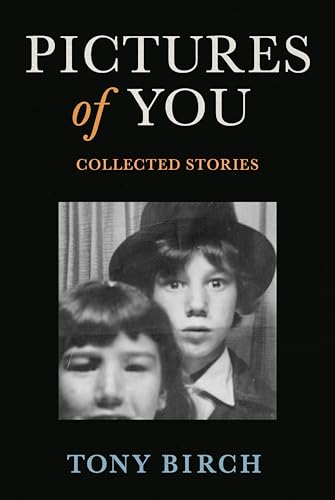
  • Tony Birch, Pictures of you: Collected stories (Tony Hughes-d’Aeth, ABR; Julie Janson, ABR; Readings; Geordie Williamson, ABR; BK, The Guardian)
  • Lucy Nelson, Wait here (Marjon Mossammaparast, ABR; Bec Kavanagh, The Guardian)
  • Zoe Terakes, Eros (Dee Jefferson, The Guardian)

Poetry

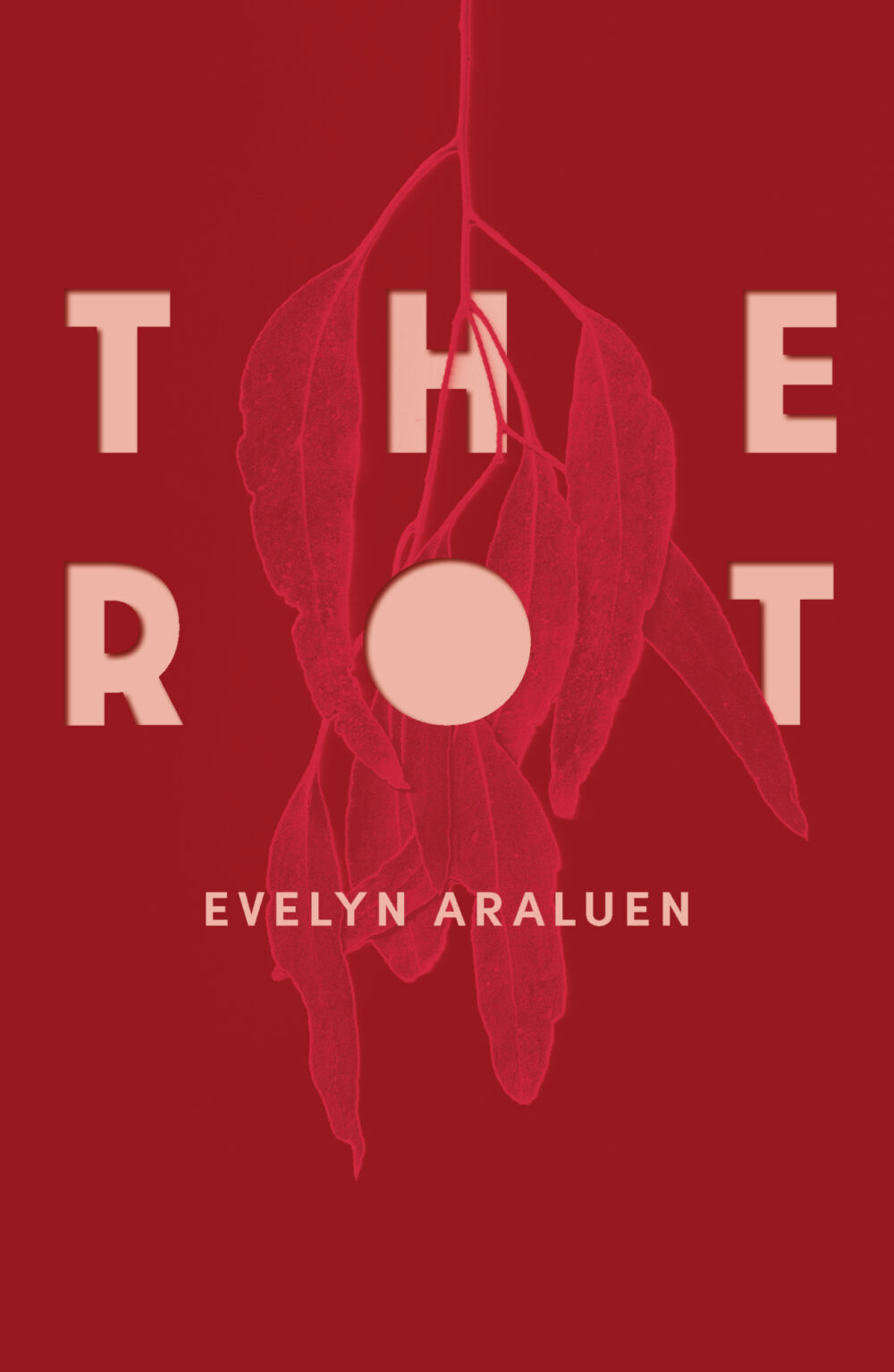
  • Evelyn Araluen, The rot (Tony Hughes-d’Aeth x 2, ABR and The Conversation; John Kinsella, ABR; Alison Croggon, The Guardian) (on my TBR, see my CWF posts 1 and 2)
  • Eileen Chong, We speak of flowers (Seren Heyman-Griffiths, The Guardian) (Jonathan’s review)
  • Antigone Kefala, Poetry (Marjon Mossammaparast, ABR)
  • Luke Patterson, A savage turn (Felicity Plunkett, ABR; John Kinsella, ABR)
  • Omar Sakr and Safdar Ahmed, The nightmare sequence (Jen Webb, The Conversation)
  • Sara M. Saleh and Zainab Syed with Manal Younus (ed.), Ritual: A collection of Muslim Australian poetry (Esther Anatolis, ABR; Julie Janson, ABR)

Finally …

It’s encouraging to see the increasing diversity in these lists, including (but not only) several First Nations writers, compared with the lists I made just three or four years ago. It’s also interesting to see what books feature most. Popularity doesn’t equal quality, but it does indicate something about what has attracted attention during the year. One book (Tony Birch’s short story collection) was mentioned five times, and three others four times:

  • Tony Birch, Pictures of you (short stories)
  • Dominic Amerena, I want everything
  • Andrew Pippos, The transformations
  • Josephine Rowe, Little world

Of last year’s most mentioned books, several received significant notice at awards time – some winning them – including Michelle de Kretser’s Theory & practice and Fiona McFarlane’s Highway Thirteen.

This year, I read three novels from last year’s (2024) lists, Brian Castro’s Chinese postman, Melanie Cheng’s The burrow, Michelle de Kretser’s Theory & practice.

So, what has caught my eye from this year’s list, besides the one I have read – Andrea Goldsmith’s The buried life – and those on my TBR? Well, many, but in particular Tony Birch’s short story collection. And, I have read Josephine Rowe and Shokoofeh Azar before, so I am keen to read their new books.

If you haven’t seen it you might also like to check out Kate’s list of the top 48 books (from around the world) that appeared on the 54 lists she surveyed.

Thoughts – on this or lists from your neck of the wood?

Monday musings on Australian literature: Favourite books 2023

Over recent years, I’ve shared favourite Aussie reads of the year from various sources, with the specific sources varying a little from time to time. This year, a significant source – The Sydney Morning Herald/The Age – is unavailable to me as it is behind a paywall, and at this time of year I just don’t have the time to go to the library to access the paper. I have no problem with paywalling. We should pay for journalism, and I do. Just not these ones. (But, I am disappointed as they invite writers to identify their favourites and I always enjoy seeing their choices. I wish I could just buy an article.)

However, I still have other sources: ABC RN’s panel, Australian Book Review, The Australian Financial Review, The Conversation and Readings bookshop’s Ten Best Australian fiction. The picks range widely, with different “pickers” use different criteria, making this more of a serendipitous than an authoritative list. As always, I’m only including their Aussie choices. Do check the links if you’d like to see complete choices.

Last year, I noted that five of the “favourite” novels and short story collections were on my TBR, and this year I read four of those: Robbie Arnott’s Limberlost, Robert Drewe’s Nimblefoot, Kevin Brophy’s The lion in love, and Chris Flynn’s Here be Leviathans. This must be a record for me.

Novels

  • Graham Akhurst, Borderland (Heidi Norman; Tony Hughes-D’Aeth; Tony Birch )
  • Tony Birch, Women and children (“poignant novel about strong women, family, and the loss of innocence…”, Readings; Claire Nicholls; Kate Evans)
  • Stephanie Bishop, The anniversary (“a tense and superb literary novel”, Readings; “addictive”, Carol Lefevre) (Kimbofo’s review)
  • Shankari Chandran, Chai time at Cinnamon Gardens (Jason Steger) (on my TBR)
  • JM Coetzee, The Pole and other stories (Cassie McCullagh; Geordie Williamson)
  • Trent Dalton, Lola in the mirror (Hannah Wootton)
  • Briohny Doyle, Why we are here (Tony Birch)
  • Nicholas Jose, The idealist (“sophisticated and artfully restrained espionage thriller, Tony Hughes-d’Aeth) (Lisa’s review)
  • Simone Lazaroo, Between water and the night sky (Julienne van Loon)
  • Amanda Lohrey, The conversation (Felicity Plunkett) (Lisa’s review)
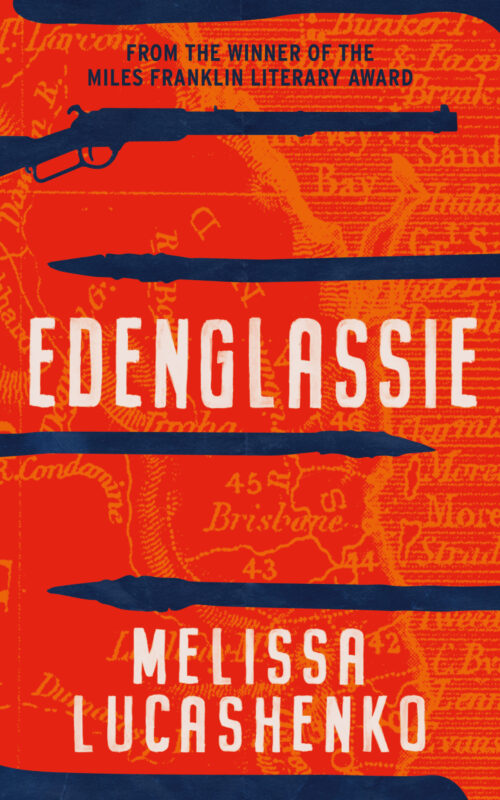
  • Melissa Lucashenko, Edenglassie (“a tour de force”, Readings; Kate Evans; Jennifer Mills) (on my TBR – see my conversation post)
  • Laura Jean Mackay, Gunflower (“McKay’s prose both illuminates and psychedelically reimagines our world”, Readings)
  • Angela O’Keeffe, The sitter (“execution and reading experience are second to none”, Readings) (Lisa’s review)
  • Matthew Reilly, Mr Einstein’s secretary (Jason Steger)
  • Sara M Saleh, Songs for the dead and living (Jason Steger)
  • Gretchen Shirm, The crying room (James Bradley) (Lisa’s review)
  • Amy Taylor, Search history (“witty and insightful novel of our times”, Readings) (Kimbofo’s review)
  • Lucy Treloar, Days of innocence and wonder (Kate Evans)
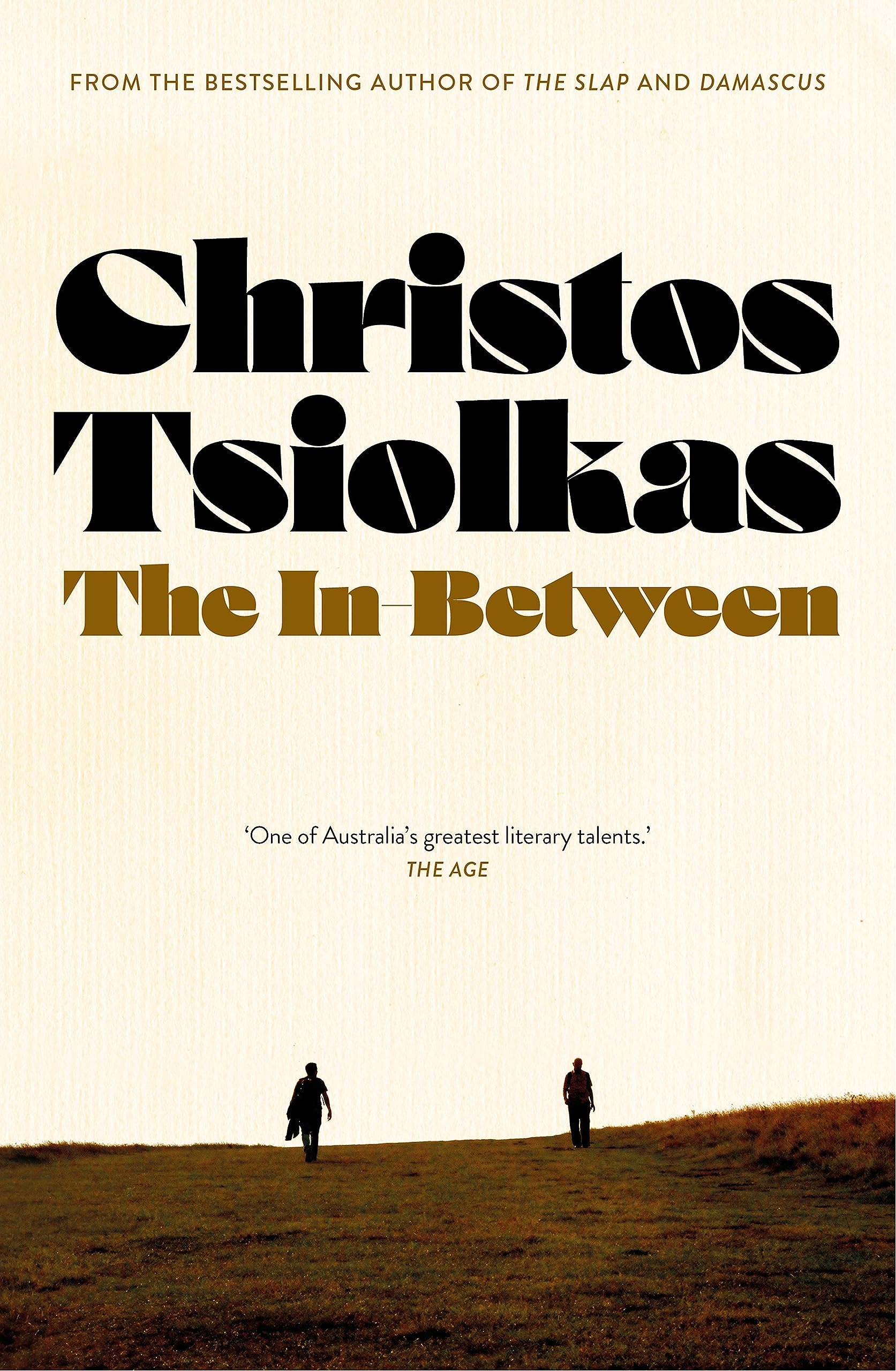
  • Christos Tsiolkas, The in-between (changed her mind about the author, Beejay Silcox; “captivating novel by a writer in top form which has already won over new readers and old fans alike”, Readings; Jason Steger; Kate Evans) (Kimbofo’s review)
  • Pip Williams, The bookbinder of Jericho (Readings; Jason Steger) (Lisa’s review)
  • Charlotte Wood, Stone yard devotional (Kate Evans; “the haunting grammar of its title, the restrained artistry of its structure, and the elusive way that it explores modes of memory, grief, and regret”, Kerryn Goldsworthy; James Bradley) (Lisa’s review)
  • Alexis Wright,  Praiseworthy (Tony Hughes-d’Aeth; “resists political simplifications”, Paul Giles; Philip Mead; “magnificent work of politics and imagination”, Jennifer Mills; “epic, addled, visionary examination of the contemporary implications of those foundational crimes”, Geordie Williamson) (Bill’s second post which includes a link to his first)
  • Jessica Zhan Mei Yu, But the girl (“astute and witty coming-of-age novel”, Readings)

In a little shout out to our friends across the ditch – in new Zealand: Eleanor Catton’s Birnam Wood was chosen by AFR’s Hannah Wootton and ABC’s Claire Nicholls, and Pip Adams’ Audition by ABR’s Jennifer Mills and Emma Shortis.

Short stories

  • John Morrissey, Firelight (“already widely considered the first instalment in a [First Nations] career to watch”, Readings)

Poetry

  • Dan Hogan, Secret third thing (“a wildly inventive wordsmith whose work is as playful as it is political”, Yves Rees)
  • Kathryn Lomer, AfterLife (Glyn Davis)
  • Alan Wearne, Near believing (John Hawke)

Nonfiction

  • Dean Ashenden, Telling Tennant’s story (Peter Mares)
  • Ryan Cropp, Donald Horne: A life in the lucky country (Patrick Mullins; Glyn Davis; Mark McKenna)
  • Graeme Davison, My Grandfather’s Clock: Four centuries of a British-Australian family (Bain Attwood; Penny Russell)
  • Sarah Firth, Eventually everything connects: Eight essays on uncertainty (Jen Webb)
  • Hannah Forsyth, Virtue capitalists: The rise and fall of the professional class in the Anglophone world, 1870–2008 (Penny Russell; Marilyn Lake)
  • Kate Fullagar, Bennelong & Phillip: A history unravelled (“an inventive structure and humanistic care”, Patrick Mullins; Frank Bongiorno; Mark McKenna)
  • Anna Funder, Wifedom (Jason Steger; Lisa Murray; Frances Wilson) (on my TBR)
  • Richard Flanagan, Question 7 (Claire Nicholls; Jason Steger; Cassie McCullagh; “meditation on the mutability of family, place, the past, is imbued with wistful nostalgia, one that resonates deeply”, Des Cowley) (on my TBR)
  • Richard King, Here Be Monsters: Is technology reducing our humanity? (James Ley)
  • Catherine Lumby, Frank Moorhouse: A life (Glyn Davis; Mark McKenna) (Lisa’s review)
  • Maggie MacKellar, Graft: Motherhood, family and a year on the land (Anna Clark)
  • Kim Mahood, Wandering with intent (Peter Mares)
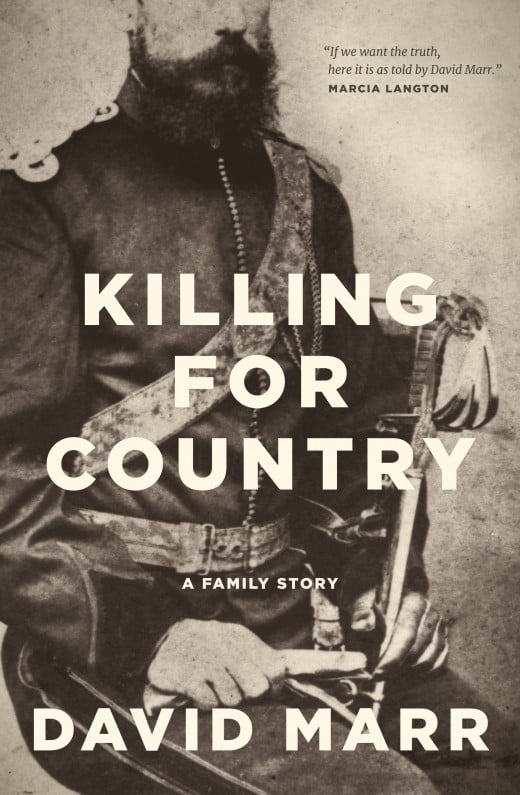
  • David Marr, Killing for country: A family story (Geordie Williamson; Frank Bongiorno; Glyn Davis; Kieran Pender; Brenda Walker; Mark McKenna)
  • Walter Marsh, Young Rupert: The making of the Murdoch empire (Patrick Mullins)
  • Thomas Mayo, The Voice to Parliament handbook (Glyn Davis)
  • Gemma Nisbet, The things we live withEssays on uncertainty (Lynette Russell)
  • Brigitta Olubas, Shirley Hazzard: A writing life (“one of the finest literary biographies published in Australia”, Peter Rose)
  • Noah Riseman, Transgender Australia: A history since 1900 (Yves Rees)
  • Alexandra Roginski, Science and power in the nineteenth-century Tasman world: Popular phrenology in Australia and Aotearoa New Zealand (“rich, enthralling account”, Penny Russell)
  • Heather Rose, Nothing bad ever happens here (Tristan Banck) (on my TBR – see my conversation post)
  • Alecia Simmonds, Courting: An intimate history of love and the law (“uniting zest for narrative with immense research and hard-hitting analysis”, Penny Russell)
  • Ellen van Neerven, Personal score: Sport, culture, identity (“unique, poetic memoir and meditation on gender, sexuality, identity, and sport”, Kieran Pender)
  • Chris Wallace, Political lives (Tom McIlroy)
  • Sally Young, Media monsters: The transformation of Australia’s newspaper empires  (Frank Bongiorno)

Finally …

It’s interesting to see what books feature most. Popularity doesn’t equal quality, but it does provides a guide to the books that attracted the most attention in the year. Last year I noted that one of 2021’s most frequent mentions had won the 2022 Miles Franklin. In 2022, the two most frequently mentioned books were Robbie Arnott’s Limberlost and Jessica Au’s Cold enough for snow. Neither won the Miles Franklin, but both won significant awards during 2023 including the Prime Minister’s (Fiction) Literary Award for Jessica Au.

This year’s most mentioned books are fewer this year because that paywall issue significantly reduced significantly my “haul” but we still have some (and all are well-established authors):

Fiction

  • Alexis Wright’s Praiseworthy (5 picks)
  • Christos Tsiolkas’ The in-between (4 picks)
  • Graham Akhurst’s Borderland, Tony Birch’s Women and children, Melissa Lucashenko’s Edenglassie, and Charlotte Wood’s Stone yard devotional (3 picks)

Nonfiction

Did you notice two books in this section were subtitled, “essays on uncertainty”? I’m intrigued.

  • David Marr’s Killing for country (6 picks)
  • Richard Flanagan’s Question 7 (4 picks)
  • Ryan Cropp’s Donald Horne, Kate Fullagar’s Bennelong & Phillip, and Anna Funder’s Wifedom (3 picks)

An advantage of lists like this is discovering new books. I was excited to read about First Nations Kalkadoon writer John Morrissey’s Firelight, because it’s short stories and because the Kalkadoons were the first First Nations people I knew (back in the 1960s). Gemma Nisbet’s The things we live withEssays on uncertainty has also caught my eye.

Besides the books which are already on my TBR, and hence known to me, there are others I had heard about and that interest me. David Marr’s Killing for country feels a bit close to home, but worth reading, as I too have “skin in the game”, as my brother calls it. The literary biographies I missed this year, including Olubas’s Shirley Hazzard and Lumby’s Frank Moorhouse, are also in my sights. And there are several First Nations books here, besides the Morrissey and Lucashenko, that I am keen to read. Birch and Ellen van Neerven, for example.

I could go on because, you know, readers love talking about books we’d like to read, but I also know when it’s time to stop and pass the baton on …

POSTSCRIPT: The day I posted this The Guardian Australia, as kimbofo shared in the comments, published their Top 25, which more or less reinforces these but adds some books not here, including one I’ve read, Rebecca Burton’s Ravenous girls (my review)!

Thoughts, anyone – on this or lists from your neck of the wood?

Monday musings on Australian literature: Favourite books 2022, Part 2: Nonfiction and Poetry

Last week, as most of you will know, I shared the favourite Aussie fiction books named by writers in the Sydney Morning Herald’s Best Reads of the Year 2022, Readings Bookshop’s Best Fiction, and the ABC RN’s Bookshelf Panel’s Books of the Year 2022. This week, as promised, I’m sharing their nonfiction and poetry favourites drawing from the same links for the first and third, and the Best Nonfiction of 2022 link for Readings. Again, I’m only including Australian titles (for this Monday Musings post).

Nonfiction

I made the point last year that nonfiction picks tend to speak to the professional interests of their nominators – historians, for example, tend to choose histories. This year though, most of the contributors are writers, journalists and booksellers, resulting in less of this focused sort of choosing.

One, however, was historian Clare Wright. She nominated several books, mostly histories, but rather than give individual reasons she rounded up her list with “fearless, fascinating accounts of rule breakers, rule makers and rule enforcers.”

A few books were picked multiple times, including one that was also nominated a few times last year – Bernadette Brennan’s biography of Gillian Mears, Leaping into waterfalls. Others that were named more than once are Shannon Burns’ Childhood, Chloe Hooper’s Bedtime story, Janine Mikosza’s Homesickness, Oliver Mol’s Train lord, Kylie Moore-Gilbert’s The uncaged sky, Karlie Noon & Krystal De Napoli’s Astronomy: Sky country, Sian Prior’s Childless and Chelsea Watego’s Another day in the colony

The form of nonfiction most favourited this year was the same as last year – memoirs.

  • Tim Baker’s Patting the shark (memoir): “vital” (Jock Serong)
  • Bernadette Brennan’s Leaping into waterfalls: The enigmatic Gillian Mears (biography): “enthralled” (Anna Funder); (Jennifer Down) (Brona’s review) (on my TBR)
  • Shannon Burns’ Childhood: A memoir (memoir): “unsparing self-depiction, coolly detached and brilliantly analytical” (Helen Garner); “powerful … terrific” (Robbie Arnott)
  • Anna Clark’s Making Australian history (history): (Cassie McCullagh)
  • Jessie Cole’s Desire: A reckoning (memoir): “beautifully told” (Sofie Laguna)
  • Sharon Connolly’s My giddy aunt and her sister comedians (history): (Clare Wright)
  • Deborah Dank’s We came with this place (First Nations memoir): “a heart-stopping story into bush Aboriginal life, philosophy and history” (Melissa Lucashenko)
  • Brigid Delaney’s Reason not to worry (philosophy/selfhelp): “fascinating, hilarious and highly practical guide to using the philosophy of Stoicism to help you deal with the vicissitudes of everyday life” (Readings)
  • Peter Doyle’s Suburban noir: Crime and mishap in 1950s and 1960s Sydney (history): “must for crime buffs” (Tony Birch)
  • Meg Foster’s Boundary crossers: The hidden history of Australia’s other bushrangers (history): (Clare Wright)
  • Rachel Franks’ An uncommon hangman: The life and deaths of Robert ‘Nosey Bob’ Howard (history): (Clare Wright)
  • Hannah Gadsby’s Two steps to Nanette (memoir): “deeply moving and extremely funny” (Readings)
  • Mawunyo Gbogbo’s Hip hop and hymns (memoir): “earnest and lyrical missive about growing up in a Black migrant family” (Maxine Beneba Clarke)
  • Joëlle Gergis’ Humanity’s moment: A climate scientist’s case for hope (climate science): “clear-eyed, wounded, humane and above all, honest” (Tim Winton) (Janine’s review)
  • Julia Gillard’s Not now, not ever: Ten years on from the misogyny speech (essays): “good reasons to keep speaking up” (Pip Williams)
  • Julie Gough’s Tense past (art/culture): “vital work” (Tony Birch)
  • Eloise Grills’ Big beautiful female theory (memoir/cultural analysis): “confrontational, honest and everything great nonfiction should be” (Readings)
  • Edna Gunaydin’s Root and branch: Essays on inheritance (essays): “clever, unstintingly self-aware” (Jennifer Down)
  • Linda Jaivin’s The shortest history of China (history): “deep context” (Jock Serong)
  • Kath Kenny’s Staging a revolution: When Betty rocked the Pram (history): (Clare Wright)
  • Lee Kofman’s The writer laid bare: Emotional honesty in a writer’s art, craft and life (part memoir): “intimate look at the process” (Graeme Simsion)
  • Jess Ho’s Raised by wolves (memoir): “straight-talking, sharp-shooting memoir” of the Melbourne hospo scene (Readings)
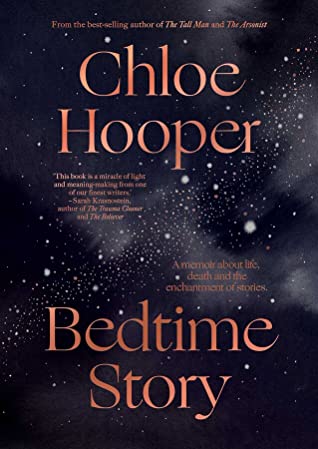
  • Chloe Hooper’s Bedtime story (memoir): “shows the power of words and literature to comfort us during the darkest moments of our lives” (Readings); “beautifully written and illustrated” (Kylie Moore-Gilbert); “exquisite” (Sarah Krasnostein) (Lisa’s review)
  • Danielle Laidley’s Don’t look away: A memoir of identity & acceptance (memoir): “inspiring, disarming, and deeply moving” (Craig Silvey)
  • Chris Macheras’ Old vintage Melbourne 1960-1990 (history): “pure joy” (Readings) (Lisa’s review)
  • Paddy Manning’s The successor: The high stakes life of Lachlan Murdoch (biography): “unflinching book … about power, apprenticeship, and succession” (Readings)
  • Janine Mikosza’s Homesickness (memoir): “brilliant and original” (Lucy Treloar); (Emily Bitto)
  • Oliver Mol’s Train lord: The astonishing true story of one man’s journey to getting his life back on track (memoir): “compelling combination … harrowing, funny, enigmatic” (Sofie Laguna); “shaggy, imperfect, raw and glorious” (Robbie Anrott)
  • Kylie Moore-Gilbert’s The uncaged sky: My 804 days in an Iranian prison (memoir): “powerful story … incapable of hatred … incapable of simplifying” (Alex Miller); “timely … timeless” (Diana Reid) (Lisa’s review)
  • Karlie Noon & Krystal De Napoli’s Astronomy: Sky country (First Nations science): “fascinating and highly engaging” (Readings); (Sarah Krasnostein)
  • Sean O’Beirne’s On Helen Garner: Writers on writers (essay): “a beautifully crafted essay full of great respect for a great writer” (Readings) (Kimbofo’s review)
  • Brigitta Olubas’ Shirley Hazzard: A writing life (biography): “illuminating biography” (Michelle de Kretser)
  • Anne-Marie Priest’s My tongue is my own: A life of Gwen Harwood (biography): (Clare Wright)
  • Sian Prior’s Childless (memoir): “charts the author’s journey to self-acceptance” (Kylie Moore-Gilbert); “exploring the grief and consolations of childlessness” (Lucy Treloar); “gut-wrenched … its honesty a brutal gift” (Michael Winkler)
  • Bronwyn Rennex’s Life with birds (history/memoir): “formal freshness and sweetly bent wit” (Helen Garner)
  • Henry Reynolds and Nicholas Clements’ Tongerlongeter: First Nations leader and Tasmanian war hero (history/biography): “astonishing … compelling” (Amanda Lohrey)
  • Heather Rose’s Nothing bad ever happens here (memoir): “loved … the profundity” (Hannah Kent); (Jason Steger) (my post on a conversation)
  • Natasha Sholl’s Found, wanting (memoir): “darkly funny” (Kylie Moore-Gilbert)
  • Julianne Schultz’s The idea of Australia: A search for the soul of the nation: (Cassie McCullagh) (Lisa’s review)
  • Jonathan Seidler’s It’s a shame about Ray (memoir): (Cassie McCullagh)
  • Anna Spargo-Ryan’s A kind of magic (memoir): “reframing redemption” (Sarah Krasnostein)
  • Simon Tedeschi’s Fugitive (memoir/history): “shimmering meditation on performance, identity and music” (Michael Winkler)
  • Jayne Tuttle’s Paris or die and My sweet guillotine (memoirs): “joltingly alive, beautiful and terrifying” (Helen Garner)
  • Chelsea Watego’s Another day in the colony (essays/memoir): “insights … are personal and profound” (Lucy Treloar); “vital collection” (Laura Jean McKay) (on my TBR) (Bill’s review)
  • Don Watson’s The passing of Private White (biography): (Anna Funder)
  • Nadia Wheatley’s Sneaky little revolutions: The selected essays of Chairman Clift (essays): (Kate Evans)

Poetry

Last year, there was a string of poetry, but this year we have just two. Interesting – and probably partly due to who was asked to contribute.

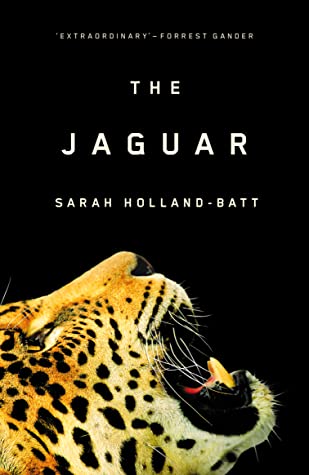
  • Sarah Holland-Batt’s The jaguar: (Emily Bitto); “deep compassion … flawless command of image and line” (Michelle de Kretser); “her artistry … is exhilarating” (Amanda Lohrey)
  • David Stavanger, Mohammad Awad, and Radhiah Chowdhury’s (ed) Admissions anthology: “stunning curation … on mental health” (Maxine Beneba Clarke)

The lists continue to come thick and fast, but I’m interested in any thoughts you have on these, particularly if you like nonfiction and poetry.

Monday musings on Australian literature: Favourite books 2021, Part 2: Nonfiction and Poetry

Last week, as most of you will know, I shared the favourite Aussie fiction books named by writers in the Sydney Morning Herald’s Books we loved in 2021 and ABR’s Books of the Year 2021. This week, as promised, I’m sharing the nonfiction and poetry favourites. Again, I’m only including Australian titles (as this is a Monday Musings post). It’s a much longer and more varied list than last week’s.

Nonfiction

Nonfiction picks tend to speak to the professional interests of their nominators – historians, for example, tend to choose histories, while literary critics might range across essays and literary biographies, and social commentators tend to like other analyses of contemporary life and behaviour. The result is a rich, and tempting, list.

Despite this variety, a few books were picked multiple times, like Bernadette Brennan’s biography of Gillian Mears, Leaping into waterfalls, and Delia Falconer’s essay collection, Signs and wonders. Political biographies/analyses are usually popular and so it is here with Gideon Haigh’s The brilliant boy: Doc Evatt and the great Australian dissent and Sean Kelly’s Sean Kelly’s The game: A portrait of Scott Morrison.

A few other titles appeared more than once, including a couple on my TBR, but one stood out because it was new to me and sounds different: Anwen Crawford’s No document.

As for the most popular form of nonfiction favourited this year, you could probably say that the memoirs have it.

  • Ruth Balint’s Destination elsewhere: Displaced persons and their quest to leave postwar Europe (history): (Sheila Fitzpatrick)
  • Clem Bastow’s Late bloomer: How an autism diagnosis changed my life (memoir): “frank and fearless” (Graeme Simsion); “astute and illuminating” (Giselle Au-Nhien Nguyen)
  • Lech Blaine’s Quarterly Essay: Top blokes (essay): “hilarious and incredibly illuminating explanation of how identity politics shapes actual politics” (Bri Lee)
  • Lech Blaine’s Car Crash (memoir): “deeply moving” (Bri Lee) 
  • Bernadette Brennan’s Leaping into waterfalls (biography): “verve and sensitivity … intimate and often unsettling” (Caroline Baum); “a skilful, unforgettable distillation of a writer’s creative imagination” (Mark McKenna); “scholarly, passionate, readable” (Don Anderson); “The book I never wanted to end” (Zora Simic); “an exceptional work” (Brenda Walker)
  • David Brophy’s China panic: Australia’s alternative to paranoia and pandering (nonfiction): “some uncommon common sense on Australia’s current hyped-up alarm” (Sheila Fitzpatrick)
  • Edmund Campion’s Then and now: Australian Catholic experiences (essays, theology): “humane, literate, hospitable, engaging essays” (Don Anderson)  
  • Anwen Crawford’s No document (book-length essay): “superb … resonant power, about grief, politics, ephemerality and art” (Lucy Treloar); “sophisticated, moving lament” (Bernadette Brennan); “a striking collage-like essay written in a spirit of lucid grief and righteous anger” (James Ley); “so beguiling I read it twice” (Zora Simic); (Declan Fry) (Lisa’s review)
  • Emma Do and Kim Lam’s Working from home (may ở nhà) (social commentary): “this book!” (Declan Fry)
  • Delia Falconer’s Signs and wonders (essays): “both solace and alarm as she renders the impact of living in the anthropocene” (Anna Funder); “exquisite writing that swerves with heartbreaking facts, into hidden realms of our broken world, luminous with humanity” (Robert Adamson); “illuminating book on the climate crisis ” (Brenda Walker); “captures the fragility and incredulity of living at a tipping point of earthly life” (Tom Griffiths) (Lisa’s review)
  • Fiona Foley’s Biting the clouds (history): (Anita Heiss)
  • Helen Garner’s How to end a story (diaries):”reads like a thriller, gripping us in the quotidian, real-time horror of her unravelling marriage” (Clare Wright); “the taut shape of a fine novel” (Brenda Walker); “the most formidable book of excerpts from the diaries so far” (Peter Craven) (on my TBR)
  • Caroline Graham and Kylie Stevenson’s Larrimah (nonfiction): “strange and extraordinary” (Craig Silvey)
  • Stan Grant’s With the falling of the dusk (memoir/politics): “an insightful analysis of a world unravelling since the 1990s” (Andrew West)
  • Bella Green’s Happy endings (memoir): “astute and illuminating” (Giselle Au-Nhien Nguyen)
  • Gideon Haigh’s The brilliant boy: Doc Evatt and the great Australian dissent (history): “concerns H.V. Evatt’s compassion as a High Court judge in a negligence case” (Judith Brett); “exemplary in its forensic analysis and sympathetic treatment of a brilliant man” (Jacqueline Kent); “a fascinating and moving story of callousness, compassion, and creativity” (Frank Bongiorno)
  • Amani Haydar’s The mother wound (memoir): “poetic rumination on the false binaries between “public” and “private” violence, and modern Australia” (Bri Lee); “narrated with unsentimental intelligence” (Bernadette Brennan); “powerful” (Zora Simic); “astute and illuminating” (Giselle Au-Nhien Nguyen)
  • Veronica Heritage-Gorrie’s Black and blue (memoir): “an eye-opening and heartbreaking examination of how messed-up policing is in Australia” (Bri Lee); “powerful” (Zora Simic)
  • Jennifer Higgie’s The mirror and the palette (feminism): “spellbinding update of Germaine Greer’s and Linda Nochlin’s seminal feminist research” (A. Frances Johnson)
  • Kate Holden’s The winter road: A story of legacy, land and a killing at Croppa Creek (true crime/terrorism): “powerful environmental parable … brilliant, sensitive” (Tom Griffiths)
  • Eleanor Hogan’s Into the loneliness (biography): “the delicately handled story of the friendship between writers Ernestine Hill and Daisy Bates … a complex and moving book” (Delia Falconer)
  • Sarah Holland-Batt’s  Fishing for lightning: The spark of poetry (essays): “luminous” (Mindy Gill)
  • Terri Janke’s True tracks (nonfiction): (Anita Heiss)
  • Evelyn Juers’ The dancer: A biography for Philippa Cullen (biography): “richly researched cultural history” (Georgie Williamson) (Lisa’s review)
  • Sean Kelly’s The game: A portrait of Scott Morrison (political profile): “outstanding for the subtlety of its psychological insights, weighing of evidence, and the breadth of reading” (Mark McKenna); “illuminating psychological exposé of Scott Morrison … grim but essential reading” (Peter Rose); “the best thing I have read on our current prime minister … full of insights and ideas” (Judith Brett); “deserves to become a political classic” (Frank Bongiorno)
  • Krissy Kneen’s The three burials of Lotty Kneen (memoir): “fascinating and powerful” (Favel Parrett); (Anita Heiss)
  • Sarah Krasnostein’s The believer (nonfiction): “the nutty given dignity by her sharp, empathetic eye” (Jock Serong) (my review)
  • Janet McCalman’s Vandemonians: The repressed history of colonial Victoria (history): “her trademark approach: take the local and specific and use them to illuminate a whole stratum of life” (Glyn Davis) (Lisa’s review)
  • Mark McKenna’s Return to Uluru (history): “profoundly moving” (Jock Serong); “a powerful microhistory and meditation on frontier violence and its legacies” (Frank Bongiorno); “metaphysical true crime story … may it change hearts and mind” (Geordie Williamson); “challenge[s] Australians with the responsibility of truth-telling” (Tom Griffiths) (on my TBR) (Janine’s review)
  • Sylvia Martin’s Sky swimming (memoir): “intimate, generous, written with modesty and great empathy … a gem of a book from the heart of a deeply intelligent writer” (Alex Miller)
  • Fiona Murphy’s The shape of sound (memoir): “deft explorations of disability and self-discovery” (Fiona Wright)
  • Cassandra Pybus’ Truganini (biography): “essential reading for understanding Tasmania” (Jock Serong) (Janine’s review)
  • Stephanie Radok’s Becoming a bird (essays): “an unassuming gem of a book” (Michelle de Kretser); “a marvellous book about the freedom of the mind to take wing” (Nicholas Jose) (Lisa’s review).
  • Yves Rees’ All about Yves: Notes on a transition (memoir): “a new and important critical voice” (Clare Wright)
  • Henry Reynolds’s Truth-telling: History, sovereignty and the Uluru Statement (history): “challenge[s] Australians with the responsibility of truth-telling” (Tom Griffiths) (Janine’s review)
  • Della Rowley and Lynn Buchanan’s (ed.) Life As Art: The biographical writing of Hazel Rowley (essays): “vibrant collection of essays” (Brenda Niall)
  • Chelsea Watego’s Another day in the colony (memoir): “you should read” (Declan Fry)
  • David Williamson’s Home truths: A memoir (memoir): “big book for a big life” (Don Anderson)
  • Michael Winkler’s Grimmish (experimental nonfiction): “a brilliant experimental stroll through pain, boxing and sweary goats” (Jock Serong): “a feral, unpinnable creature” (Beejay Wilcox)
  • Ghil’ad Zuckermann and Emmalene Richards’ Mangiri Yarda (Healthy Country): Barngarla wellbeing and nature (language/culture): “an inspirational examination of the …. benefits of language revival and the profound importance of reawakening languages” (Alice Nelson)

Poetry

  • Eunice Andrada’s Take care: “thank you for your care” (Declan Fry)
  • Evelyn Araluen’s Dropbear: “with subtlety and an occasional razor” (Tony Birch); “discourse-altering” (John Kinsella); “showed us where it’s at!” (Declan Fry) (Brona’s review)
  • Eileen Chong’s A thousand crimson blooms: “piercing reflections on memory and loss” (Lucy Treloar): “a nuanced, tender volume of deceptively complex and disarmingly emotive verse that is at once deeply personal and universal” (Maxine Beneba Clarke) (Jonathan’s review)
  • Jelena Dinic’s In the room with the she wolf: “an understated wonder, a journey from war to peace, and from one poetic tradition to another” (Peter Goldsworthy)
  • Toby Fitch’s Sydney spleen: “existential linguistic meltdown” (John Kinsella) (Jonathan’s review)
  • JS Harry’s New and selected poems (posthumous): “imaginative genius” (Robert Adamson)
  • John Hawke’s Whirlwind duststorm: “innovative, intelligently creative, almost fearless” (Jennifer Harrison)
  • A. Frances Johnson’s Save as: “some of the most moving confessional and elegiac poems you’ll read anywhere” (Gregory Day)
  • Bella Li’s Theory of colours (poetry/art): “gloriously disquieting combo of image and text” (Declan Fry)
  • Kate Llewellyn’s Harbour: “more meditative book overall, a safer haven, but she is still plenty naughty” (Peter Goldsworthy)
  • Mal McKimmie’s At the foot of the mountain: “innovative, intelligently creative, almost fearless” (Jennifer Harrison)
  • Caitlin Maling’s Fish work: “has the terseness of an Anthropocene novella” (Tony Hughes-d’Aeth)
  • Jazz Money’s How to make a basket: “tender and sharp, clear-eyed and lyrical” (Jennifer Down); “a powerful and accomplished debut” (Maxine Beneba Clarke)
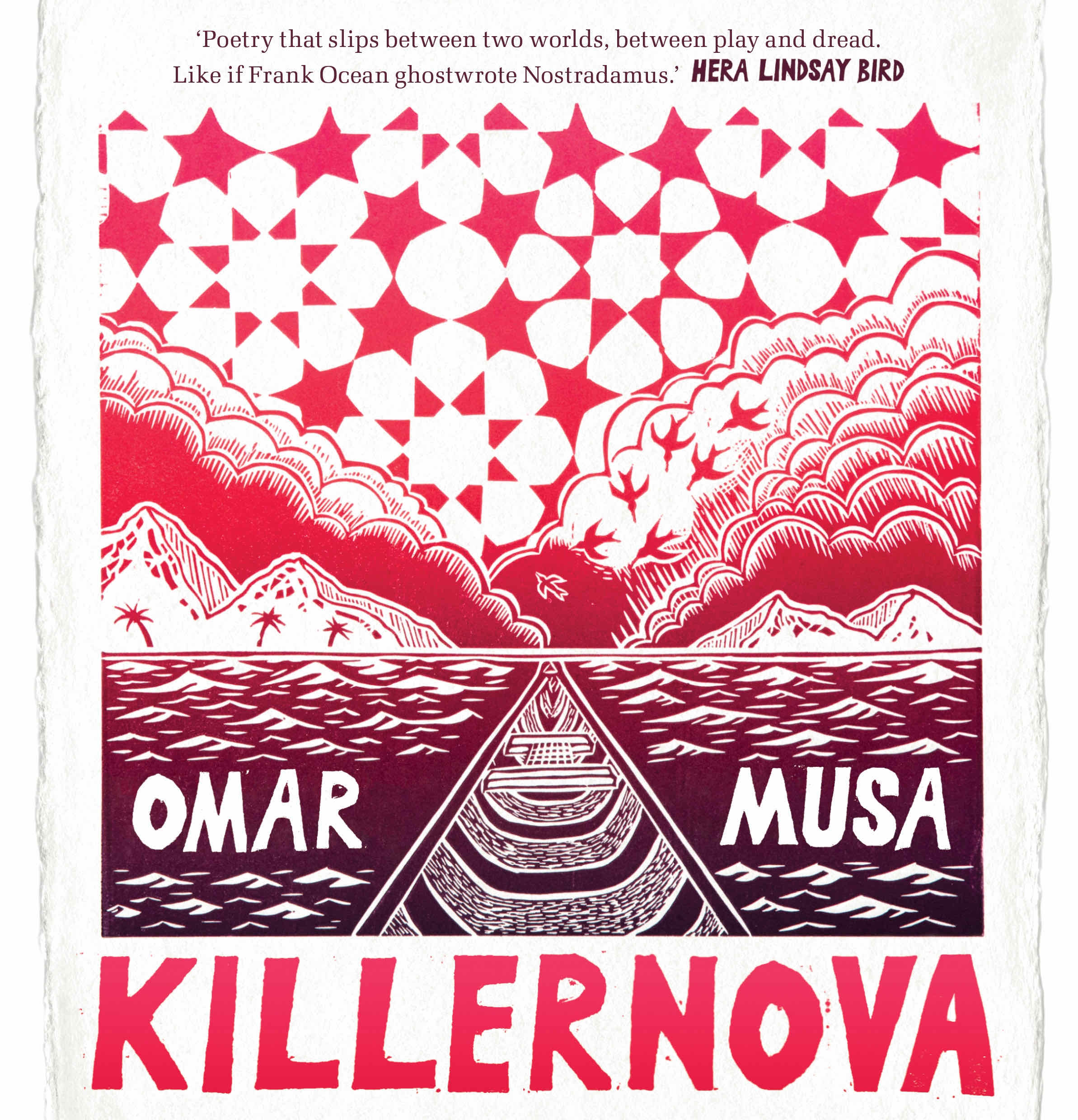
  • Omar Musa’s Killernova (woodcuts/poetry): “a unique hybrid creature – a beautifully designed, stunning combination of woodcuts and poetry” (Maxine Beneba Clarke) (my post on the launch)
  • Pi O’s Heide: “staggering in its audacity, and an intoxicating thrill to read. It is history as ode, and a bold vindication of art … also wickedly funny and heretical” (Christos Tsiolkas)
  • Elfie Shiosaki’s Homecoming: “exquisite hybrid work” (Tony Hughes-d’Aeth)
  • Emily Sun’s  Vociferate | 詠: “cultural-presumption-shredding” (John Kinsella); “bristling with spiky maternal reclamations and intercultural electricity” (Tony Hughes-d’Aeth)
  • Maria Takolander’s Trigger warning: “confronting and sculpted” (John Kinsella); “some of the most moving confessional and elegiac poems you’ll read anywhere” (Gregory Day)
  • Lucy Van’s The open: “read it with an increasing sense of excitement” (Declan Fry)

As I said last week, the lists will come thick and fast over the next month, but I’d be interested in any thoughts you have on these, particularly if you like nonfiction and poetry.

Monday musings on Australian literature: Favourite books 2021, Part 1: Fiction

For a few years now, I’ve shared favourite Aussie reads of the year, from the ABC and, last year, other sources.

This year I’m doing it a bit differently. I’m focusing on the Sydney Morning Herald’s Books we loved in 2021 and ABR’s Books of the Year 2021. Both these contain favourites from a large number of Australian writers. Both also include fiction and nonfiction, Australian and non-Australian works – and there are a lot. So, I’m writing two posts, one on fiction (this week) and the other on nonfiction and poetry (next week). I am only including their Australian favourites – this is a Monday Musings after all.

Novels

Book cover
  • David Allan-Petale’s Locust summer: (Toni Jordan) (Lisa’s review)
  • Miles Allinson’s In moorland: “lays out his territory with authority and a quiet, complex beauty” (Helen Garner); “darkly funny novel of generational bonds, a dazzling ride that is full of heart” (Lucy Treloar); “insightful and ambitious” (Toni Jordan); (Emily Bitto); “engrossing portrayal of obsession, loyalty and destruction within a family” (Robbie Arnott); “very smart novel” (Robbie Arnott) (Lisa’s review)
  • Amal Awad’s The things we see in the light: (Toni Jordan)
  • Larissa Behrendt’s After story: “ambitious in conception and masterful in execution” (Clare Wright); (Anita Heiss) (on my TBR, Lisa’s review)
  • Hannah Bent’s When things are alive they hum: “heartfelt and sweet” (Trent Dalton)
  • Emily Bitto’s Wild abandon: “kicks over the traces and breaks hearts” (Helen Garner); “brilliant and inventive” (Craig Silvey); “wonderful novel, daring and surprising, and profoundly humane” (Christos Tsiolkas); “thrilling and audacious” (Michelle de Kretser); lushly baroque, ruinous, and fantastically inventive … style in spades: its lyricism is exhilarating” (Sarah Holland-Batt)
  • Katherine Brabon’s The shut ins: “a poignant conceit, reminiscent of the work of W.G. Sebald and Patrick Modiano” (Anders Villani)
  • Brendan Cowell’s Plum: “the brain-damaged-rugby-league-poet-book I was waiting all my life to find” (Trent Dalton)
  • Garry Disher, The way it is now: (Judith Brett)
  • Jennifer Down’s Bodies of light: “witness to the creation of a resilient self” (Bernadette Brennan); “mesmerising chronicle … of one of the most sharply drawn characters I’ve encountered in recent fiction … extraordinary” (Robbie Arnott); “an epic Bildungsroman that honours the dignity of crafting a life in the wake of childhood trauma” (Yves Rees); “equal parts devastating and hopeful” (Giselle Au-Nhien Nguyen)
  • Stephen Downes’ The hands of pianists: “an extraordinary book which appropriates the style and strategies of W.B. Sebald but then succeeds in equalling him” (Peter Craven)
  • Robert Gott’s The orchard murders: “perfectly executed Melbourne noir” (Jock Serong)
  • Anita Heiss’s Bila Yarrudhanggalangdhuray: “much-needed look at white settlement from an Indigenous maid’s point of view” (Jane Sullivan) (on my TBR, Lisa’s review)
  • Sally Hepworth’s The younger wife: “delivered wit, warmth and suspense” (Jane Harper) (Theresa’s review)
  • Kathryn Heyman’s Fury: (Fiona Wright); (Anita Heiss)
  • Antoni Jach’s Travelling companions: “funny, layered” (Toni Jordan) (Lisa’s review)
  • Mette Jakobsen’s The wingmaker: ‘dare I say “uplifiting”‘ (Graeme Simsion); “exquisite” (Favel Parrett)
  • Susan Johnson’s From where I fell: “inspired me as an author” (Anita Heiss) (Lisa’s review)
  • Michelle de Kretser’s Scary monsters: “about the thought crimes that divide us, but also stunning, profound and funny” (Anna Funder); (Fiona Wright); (Emily Bitto); “its riskiness, unashamed intellectualism, and rage against ageism, misogyny and racism” (Bernadette Brennan); “brilliant, chimeric” (Sarah Holland-Batt); “creatively repositions contemporary concerns around race, immigration, and national identity” (Paul Giles)
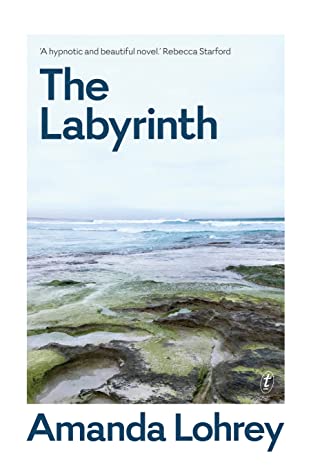
  • Amanda Lohrey’s The labyrinth: “luminous, meditative and richly layered fiction” (Cassandra Pybus): “moody and allegorical with overcast skies, distant waves, and silences” (Glyn Davis) (On my TBR, Lisa’s review)
  • Laura Jean McKay’s The animals in that country: (Emily Bitto) (kimbofo’s review)
  • Emily Maguire’s Love objects: (Fiona Wright); “a tender and aching story” (Tony Birch) (Lisa’s review)
  • Meg Mason’s Sorrow and bliss: “contemporary laughter and heartbreak” (Mick Herron)
  • Jennifer Mills’ The airways: (Fiona Wright); “subtle and fierce” (Geordie Williamson) (Lisa’s review)
  • Liane Moriarty’s Apples never fall: (Jane Harper)
  • Alice Pung’s One hundred days: ” the quiet, bold power of Pung’s writing, the commanding precision of her prose” (Christos Tsiolkas); “warm, funny, compelling read” (Judith Brett) (kimbofo’s review)
  • Diana Reid’s Love and virtue: “discomfiting ambiguities” (Hannah Kent); ‘restores what’s gone missing from contemporary sexual politics: the distinction between “being hurt and being wronged”’ (Helen Garner); “sharp” (Victoria Hannan) (Brona’s review)
  • Nicolas Rothwell’s Red heaven: “an engrossing novel of ideas” (Glyn Davis)
  • Claire Thomas’ The performance: (Emily Bitto) (on my TBR, Brona’s review
  • Evie Wyld’s The bass rock (Emily Bitto) (on my TBR)

Short stories

  • Tony Birch’s Dark as last night: “richly evocative and deeply empathetic … Birch is more at home with his material than any other modern writer I know” (Alex Miller)
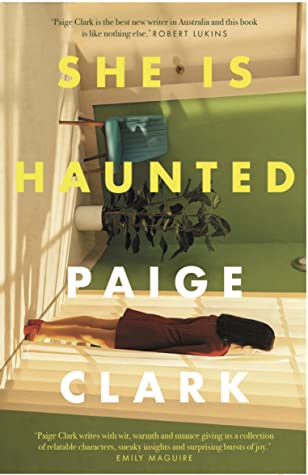
  • Paige Clark’s She is haunted: “deft and original” (Craig Silvey); “stayed with me long after the last word” (Victoria Hannan); “fresh and fantastic” (Bri Lee); (Jennifer Down)
  • Melissa Manning’s Smokehouse: “exquisite” (Jennifer Down) 
  • SJ Norman’s Permafrost: “ghost stories that queer and disrupt the Western gothic tradition” (Hannah Kent); “a beguiling collection of queer ghost stories” (Yves Rees)
  • Chloe Wilson’s Hold your fire: “enthralled and amazed” (Anna Funder)

Finally …

It’s always interesting to see what books feature more than once – which is not to say that popularity equals quality, but it does say what has most captured attention this year. And it seems that Miles Allinson’s In moorland, Emily Bitto’s Wild abandon, Jennifer Down’s Bodies of light, Michelle de Kretser’s Scary monsters, Diana Reid’s Love and virtue, and Paige Clark’s She is haunted are this year’s ones. Most by women writers. I wonder if they’ll all be longlisted (at least) for the Stella?

Another interesting thing about lists is discovering new books. Paige Clark and Chloe Wilson’s short story collections, for example, are new to me – and appeal. Dare I put them on the wishlist?

I know lists will appear constantly over the next month, but I’d be interested in any thoughts you have on these (or on your own list, if you’d prefer!)

Monday Musings on Australian literature: ABR’s 2020 Books of the Year

The Australian Book Review (ABR) recently published its annual books of the year as selected by 34 of its contributing critics and reviewers, who include novelists, poets, historians and literary critics. Most are known to me, but there are a few newbies too.

I know we discussed the pros and cons of lists in my last Monday Musings post but I want to share this because of the variety and for the value-add of the comments made. I am not going to share every “pick” but just a selection of the Australian ones. Most of the contributors named both Australian and non-Australian books in their mix but two deserve a shout-out, says parochial me, for choosing only Australian books: poet John Kinsella (whose memoir, Displaced, I recently reviewed) and new-to-me historian Yves Rees.

ABR presented its list, logically, by contributor, but for us here, I’m going to organise the Aussie picks by form, starting with novels. Here goes …

Novels

Book cover

Only one novel was mentioned more than once, Amanda Lohrey’s The labrynth. Literary editor and critic, Susan Wyndham said Lohrey “shows how art can both destroy and heal”. Poet and critic Felicity Plunkett agreed, saying it “examines the trace and wrack of violence and the counterbalancing creativity that might transmute it”. Historian Judith Brett, describing it as being “about suffering and redemption”, writes that “Lohrey’s social observation is acute and the writing is superb, spare, and filled with light and wisdom.” Lisa (ANZLitLovers) also loves this book.

The other novels named are:

  • Robbie Arnott’s The Rain Heron, which historian Billy Griffiths says “conjures the magic of a Studio Ghibli production”.
  • Garry Disher’s three novels set in South Australia’s dry farming country, Bitter Wash RoadPeace and Consolation. Judith Brett loves the plots, and that Disher’s policeman is “warmer and less troubled than the average fictional copper”, but says “the richest pleasure is Disher’s superb evocation of place”.
  • Gabrielle Everall’s Dona Juanita and the Love of Boys is, says poet and academic, John Kinsella, a “unique, ironic, confronting, frequently traumatic, and dissecting verse novel of sexuality and desire, passion but also abusive invasiveness”.
  • Richard Flanagan’s The Living Sea of Waking Dreams is, says academic Tony Hughes-d’Aeth, a “slow-burning, eerie tour de force”. Again, Lisa liked this too.
  • Sofie Laguna’s Infinite Splendours , is “a brilliant, heartbreaking portrait of a damaged but resilient soul” says Susan Wyndham.
  • Laura McPhee-Browne’s Cherry Beach, “pulled” writer Sarah Walker “into a house vibrating with the rumblings of things going wrong”. “The dreamy, slightly dissociative quality of the writing felt right for this year: hovering above a life that is slipping between our fingers”.
  • Mirandi Riwoe’s Stone Sky Gold Mountain offers, says historian Yves Rees, “a refreshing counter-narrative of the goldfields” from Chinese miners’ perspectives.
  • Jessica Townsend’s Nevermoor series, of which the third of nine, Hollowpox: The hunt for Morrigan Crow, has just been published, “balances”, according to author and critic Beejay Silcox, “sophisticated menace, gleeful morbidity, and guileless wonder”.
  • Tara June Winch’s The Yield was part of Yves Rees’ plan to decentre “whiteness in her reading diet”. Winch’s book made her feel “frontier violence … like never before”. It’s a “reminder that stories trump facts when truth-telling about Australia’s past”. Yes!
  • Davis Wood’s At the edge of the solid world is, writes, academic and critic, Kerryn Goldsworthy, “a detailed study in grief and empathy” and is “utterly original”.

And, for something a little different, author, poet and academic Ali Alizadeh named My favourite work novelist Elizabeth Bryer’s “eloquent translation” of José Luis de Juan’s Napoleon’s Beekeeper, as his favourite work by an Australian author.

Short stories

Book cover

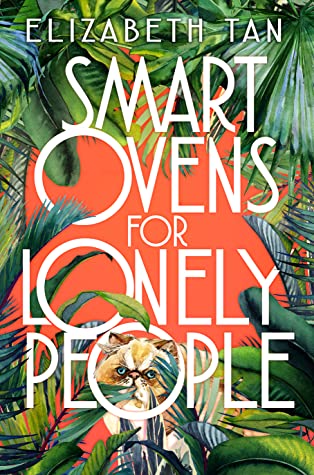
Just one Australian short story collection was mentioned, but it was mentioned four times, Elizabeth Tan’s Smart Ovens for Lonely People. Essayist-critic Declan Fry “liked it even more than Robbie liked Cecilia in Atonement“! Kerryn Goldsworthy liked that its “witty stories are set in a futuristic yet easily recognisable world where the human relationship with technology becomes ever closer and more anxiety-inducing while creating some laugh-out-loud scenarios and lines”. Yves Rees calls it “a romp of dazzling imagination that injected whimsy into my lockdown” and Tony Hughes-d’Aeth liked its “blend of Vonnegut surrealism and Carveresque suburbia”, believing it “is already destined to be a classic”.

Poetry

Book cover

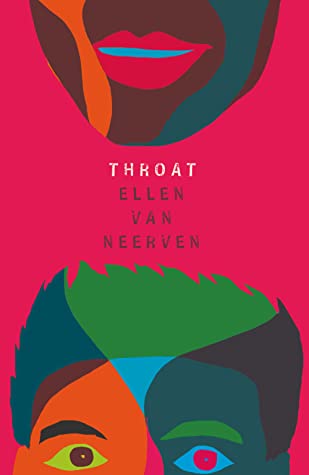
Poetry was very popular with this set of contributors, with a few collections mentioned more than once. Ellen van Neerven’s Throat, says novelist and academic Tony Birch, shows “yet again, that van Neerven is an important and gifted poet”. Tony Hughes d’Aeth says it’s “the poetry book that spoke most directly” to him in 2020, calling it “wickedly sharp”. Yves Rees admits that “poetry has never been my tipple, but Ellen van Neerven’s Throat converted me. Each line lands like a punch, the whole book an assault on settler complacency”.

Two collections were mentioned twice:

  • Felicity Plunkett’s A kinder sea was named by John Kinsella who described it as “a sinewy book of survival with a deceptive tautness beneath its flows” and poet, critic and musician David McCooey called it “a necessary rejoinder in a year of unkindness, illustrating Plunkett’s ability to write poetry that is both deeply intelligent and profoundly moving”.
  • Jaya Savige’s Change machine is described by poet Sarah Holland-Batt as “an intoxicatingly inventive and erudite collection rife with anagrams, puns, and mondegreens that ricochets from Westminster to Los Angeles to Marrakesh”. John Kinsella calls it “a work of razor-sharp verbal plays and passion for detail shimmering on international wavelengths. It disputes colonial usurpings of language by breaking them down and playing them back in confronting, ironic, and liberated ways. It’s a book of social critique and family, and an incisive investigation of the estrangement and bewilderment many of us feel”. Sounds like it speaks to some of the issues Kinsella cares about in Displaced.

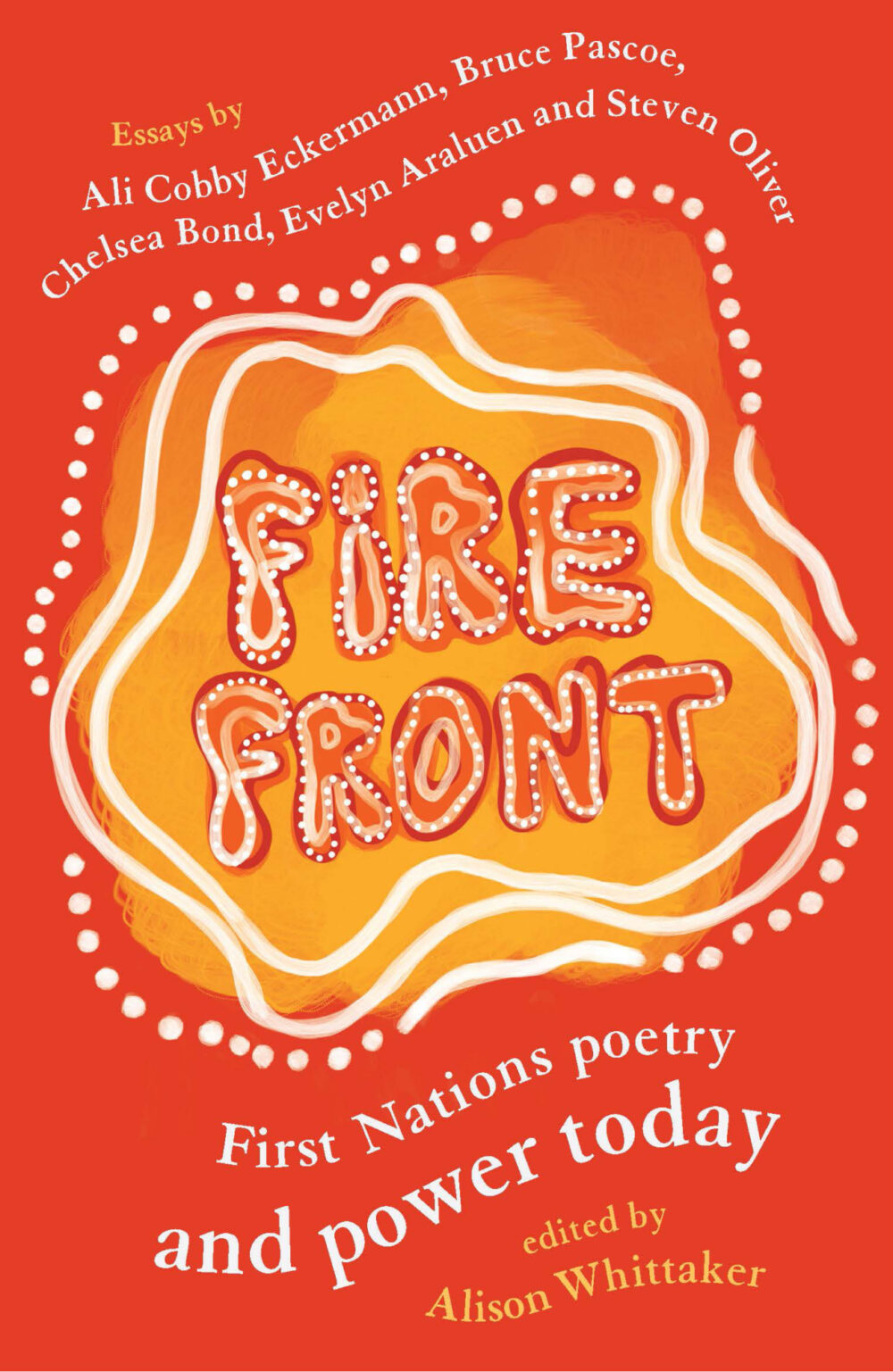
Ten other collections were mentioned but I can’t let this be a tome, so if you are interested, please check the link in the opening paragraph. However, I will share one more, the Indigenous Australian poetry anthology edited by Alison Whittaker, Fire Front: First Nations poetry and power today. Writer and artist A Frances Johnson says the book “dynamically situates seminal poets alongside ascendant talents (e.g. Oodgeroo Noonuccal, Lionel Fogarty, Raelee Lancaster, Baker Boy)” and notes the value added by the essays introducing each section.

But now, non-fiction, which, interestingly, formed the bulk of the named books.

Non-fiction

Book cover

Of the many many non-fiction books named, only one received multiple mentions and it’s a surprising one because, although by an Australian historian, the subject is the Fens of England. The book is James Boyce’s Imperial mud: The fight for the Fens. Tony Birch calls it “a wonderful example of history writing embedded in the narratives of place”. Novelist, poet and musician describes it as “a surprising and wonderfully slushy next layer in the ecological oeuvre of my favourite Australian historian”, while historian Billy Griffiths, says it “offers a lively and refreshingly antipodean history of the Fens in eastern England”. Fascinating.

Now what to do? There are far too many books for me to mention here, so I’ll have to be selective. Several of course deal with our colonial history and Indigenous issues in general. Billy Griffiths named other histories besides Boyce’s. He liked Grace Karskens’s People of the river: Lost worlds of early Australia about the “lives, cultures, and histories along the ancient waterway of Dyarubbin”, and Tiffany Shellam’s 2020 Prime Minister’s Literary Award winning book, Meeting the Waylo: Aboriginal encounters in the archipelago, which “searches the silences of colonial archives”.

Meanwhile, the ever-political John Kinsella named Ambelin Kwaymullina’s Living on stolen land as “an essential and clear statement” that “confronts colonial injustice and decisively shows why Australians should understand and address the history of dispossession, the fact of Aboriginal sovereignty, and continuing connection to country”.

There were some books of more literary subject matter which of course interest me. One is on my TBR, Brenda Niall’s Friends and Rivals. Writer Jacqueline Kent suggests that “this study of four Australian women writers working against the grain of their literary times, accomplishes a great deal”, adding that “her sometimes mordant commentary is particularly enjoyable”. Lisa calls it a must-read for Aussie literature fans.

I could go on. There’s so much – on contemporary politics in this oh-so-political year, on environment and climate change issues, on more esoteric topics like the history of Australia’s bad language, and so on. If you are looking for great reads on contemporary subjects, here is a great place to start. I feel like the proverbial child in the lolly shop, so I’ll end with one that sounds quite out there, Ellena Savage’s Blueberries. It apparently defies description but is, basically, an essay collection. Declan Fry says it:

stole my heart. Not surprising, either, given all the larceny it contains: the theft of land that birthed settler-colonial Australia; the theft of time as one’s twenties make way for their thirties; the cruel coercion and theft of self that marks sexual violence.

I do love a challenging essay collection.

Do let me know if anything grabs you from their selections.