Monday musings on Australian literature: Favourite books 2025, Pt 2: Nonfiction

Last Monday, I shared the favourite Fiction and Poetry books that had been chosen by various critics and commentators in a select number of sources. I haven’t always shared the nonfiction choices, though I do think it’s worth doing – so this year I am! I won’t repeat the intro from last week, but I will re-share the sources, having edited them slightly to show those which included nonfiction … and remind you that I’ve only included the Aussie choices.

Here are the sources I used:

  • ABC RN Bookshelf (radio broadcaster): Cassie McCullagh, Kate Evans and a panel of bookish guests, Jason Steger (arts journalist and former book editor); Jon Page (bookseller); Robert Goodman (reviewer and literary judge specialising in genre fiction): only shared their on air picks, not their extras which became long
  • Australian Book Review (literary journal): selected across forms by ABR’s reviewers
  • Australian Financial Review (newspaper, traditional and online): shared “the top picks …to add to your holiday reading pile.” (free briefly, but now paywalled.)
  • The Conversation (online news source): experts from across the spectrum of The Conversation’s writing so a diverse list
  • The Guardian (online news source): promotes its list as “Guardian Australia critics and staff pick out the best books of the year”.
  • Readings (independent bookseller): has its staff “vote” for their favourite books of the year, and then lists the Top Ten in various categories, one of which is adult nonfiction, of which I have included the Australian results.

And here are the books …

Life-writing (Memoir/Autobiography/Biography/Diaries)
Book cover
  • Katherine Biber, The last outlaws (Patrick Mullins, ABR; Clare Wright, ABR)
  • David Brooks, A.D. Hope: A memoir of a literary friendship (Tony Hughes-d-Aeth, ABR)
  • Geraldine Brooks, Memorial days (Jenny Wiggins, AFR; Susan Wyndham, The Guardian; Readings)
  • Bob Brown, Defiance (Readings)
  • Candice Chung, Chinese parents don’t say I love you (Readings)
  • Robert Dessaix, Chameleon (Tim Byrne, The Guardian) (on my TBR)
  • Helen Garner, How to end a Story: Collected diaries (Ben Brooker, ABR; Stuart Kells, ABR; Jonathan Ricketson, ABR; Lucy Clark, The Guardian) (see my posts on vol 1 and vol 2 from this collected volume)
  • Moreno Giovannoni, The immigrants (Joseph Cummins, The Guardian)
  • Hannah Kent, Always home, always homesick (Kate Evans, ABC)
  • Josie McSkimming, Gutsy girls (Amanda Lohrey, ABR)
  • Sonia Orchard, Groomed (Clare Wright, ABR)
  • Mandy Sayer, No dancing in the lift (Clare Wright, ABR)
  • Lucy Sussex and Megan Brown, Outrageous fortunes: The adventures of Mary Fortune, crime-writer, and her criminal son George (Stuart Kells, ABR)
  • Marjorie (Nunga) Williams, Old days (Julie Janson, ABR)

History and other nonfiction
  • Geoffrey Blainey, The causes of war (rerelease) (Stuart Kells, ABR)
  • Ariel Bogle and Cam Wilson, Conspiracy nation (Joseph Lew, AFR)
  • Liam Byrne, No power greater: A history of union action in Australia (Marilyn Lake)
  • Anne-Marie Condé, The Prime Minister’s potato: And other essays (Patrick Mullins, ABR) (on my TBR)
  • Joel Deane, Catch and kill: The politics of power (rerelease) (Stuart Kells, ABR) 
  • Helen Garner, Chloe Hooper & Sarah Krasnostein, The Mushroom Tapes (Donna Lu, The Guardian; Readings)
  • Juno Gemes, Until justice comes (Mark McKenna, ABR)
  • Alyx Gorman, All women want (Sian Cain, The Guardian)
  • Luke Kemp, Goliath’s curse: The history and future of societal collapse (Tom Doig, The Conversation; John Long, The Conversation)
  • Richard King, Brave new wild: Can technology really save the planet? (Carody Culver, ABR; Clinton Fernandes, ABR)
  • Shino Konishi, Malcolm Allbrook and Tom Griffiths (ed), Reframing Indigenous biography (Kate Fullager, ABR)
  • Natalie Kyriacou, Nature’s last dance: Tales of wonder in an age of extinction (Euan Ritchie, The Conversation)
  • Melissa Lucashenko, Not quite white in the head (Glyn Davis, ABR; Michael Williams, ABR; Readings)
  • Ann McGrath and Jackie Huggins (ed), Deep history: Country and sovereignty (Kate Fullager, ABR)
  • Tom McIlroy, Blue Poles: Jackson Pollock, Gough Whitlam and the painting that changed a nation (Esther Anatolis, ABR; Alex Now, AFR)
  • Mark McKenna, Shortest history of Australia (Patrick Mullins, ABR)
  • Djon Mundine, Windows and mirrors (Victoria Grieves Williams, ABR)
  • Antonia Pont, A plain life: On thinking, feeling and deciding (Julienne van Loon, The Conversation)
  • Margot Riley, Pix: The magazine that told Australia’s story (Kevin Foster, ABR)
  • Sean Scalmer, A fair day’s work: The quest to win back time (Marilyn Lake, ABR)
  • Emma Shortis, After America: Australia and the new world order (Marilyn Lake, ABR)
  • Don Watson, The shortest history of the United States of America (Emma Shortis, The Conversation)
  • Hugh White, Hard new world: Our post-American future (Marilyn Lake, ABR)
  • Tyson Yunkaporta & Megan Kelleher, Snake talk (Readings)

Cookbooks

  • Helen Goh, Baking & the meaning of life (Sian Cain, The Guardian)
  • Rosheen Kaul, Secret sauce (Alyx Gorman, The Guardian)
  • Thi Le, Viet Kieu: Recipes remembered from Vietnam (Yvonne C Lam, The Guardian)

Finally …

One children’s book, as far as I could tell, was chosen, and I’ve not included it anywhere else so here it is:

  • Rae White, with Sha’an d’Anthes (illus.), All the colours of the rainbow (Esther Anatolis, ABR)
A few books were named by two people, with two books named by three, Geraldine Brooks’ Memorial days and Melissa Lucashenko’s Not quite white in the head, and one named by four, Helen Garner’s How to end a Story: Collected diaries. Is it a coincidence that these authors have also written fiction? Or that in terms of my reading wishes, they are up there, though several others are in my sights.

Is there any nonfiction in your sights for 2026? After all, Nonfiction November isn’t that far away if this year is any indication!
Monday musings on Australian literature: Favourite books 2025, Pt 1: Fiction and Poetry

Around this time of December, I have, for some years, shared favourite Aussie reads of the year from various sources. Those sources have varied a little from time to time. This year’s are listed below.

This is not a scientific survey. For a start, the choosers’ backgrounds vary. Depending on the source, they may include critics, reviewers, commentators, subject specialists, publishers and/or booksellers. Then, there’s the fact that what they are asked to do varies. For example, some pickers are “allowed” to name several books while others are limited to “one” best (or favourite). And of course, they choose from different sets of books, depending on what they have read, and they use different criteria. In other words, this exercise is more serendipitous than authoritative. But, it still has value.

As always, I’m only including the choosers’ Aussie choices, but I include links to the original article/post so you can read them yourselves, should you so wish.

Here are the sources I used:

  • ABC RN Bookshelf (radio broadcaster): Cassie McCullagh, Kate Evans and a panel of bookish guests, Jason Steger (arts journalist and former book editor); Jon Page (bookseller); Robert Goodman (reviewer and literary judge specialising in genre fiction). I only shared their on air picks, not their extras.
  • Australian Book Review (literary journal): selected from many forms by ABR’s reviewers
  • Australian Financial Review (newspaper, traditional and online): shared “the top picks … to add to your holiday reading pile.” 
  • The Conversation (online news source): experts from across the spectrum of The Conversation’s writing so a diverse list.
  • The Guardian (online news source): promotes its list as “Guardian Australia critics and staff pick out the best books of the year”.
  • Readings (independent bookseller): staff “vote” for their favourite books of the year, then Readings shares the Top Ten in various categories.

To keep it manageable, I am focusing here on fiction (including short stories) and poetry, with a separate post on nonfiction, to follow.

Novels

  • Randa Abdel-Fattah, Discipline (Zora Simic, ABR; Clare Wright, ABR)
  • Shokoofeh Azar, The Gowkaran tree in the middle of our kitchen (Edwina Preston, The Conversation)
  • Dominic Amerena, I want everything (Julian Novitz, ABC; Jon Page, ABC; Andrew Pippos, AFR; Jack Callil, The Guardian) (Kate’s review)
  • Marc Brandi, Eden (Robert Goodman, ABC)
  • Paul Daley, The leap (Julie Janson, ABR; Bridie Jabour, The Guardian)
  • Olivia De Zilva, Plastic budgie (Jo Case, The Conversation)
  • Laura Elvery, Nightingale (Readings)
  • Beverley Farmer, The seal woman (1992, rereleased 2025) (Eve Vincent, The Conversation)
  • Jon Fosse, Septology (Marjon Mossammaparast, ABR)
  • Andrea Goldsmith, The buried life (Readings) (my review)
  • Madeleine Gray, Chosen family (Kate Evans, ABC) (Brona’s review)
  • Fiona Hardy, Unbury the dead (Jon Page, ABC; Readings)
  • James Islington, The strength of the few (Tim Byrne, The Guardian)
  • Brandon Jack, Pissants (Readings) (Kate’s review)
  • Toni Jordan, Tenderfoot (Readings)
  • Vijay Khurana, The passenger seat (Beejay Silcox, The Guardian) (Lisa’s review)
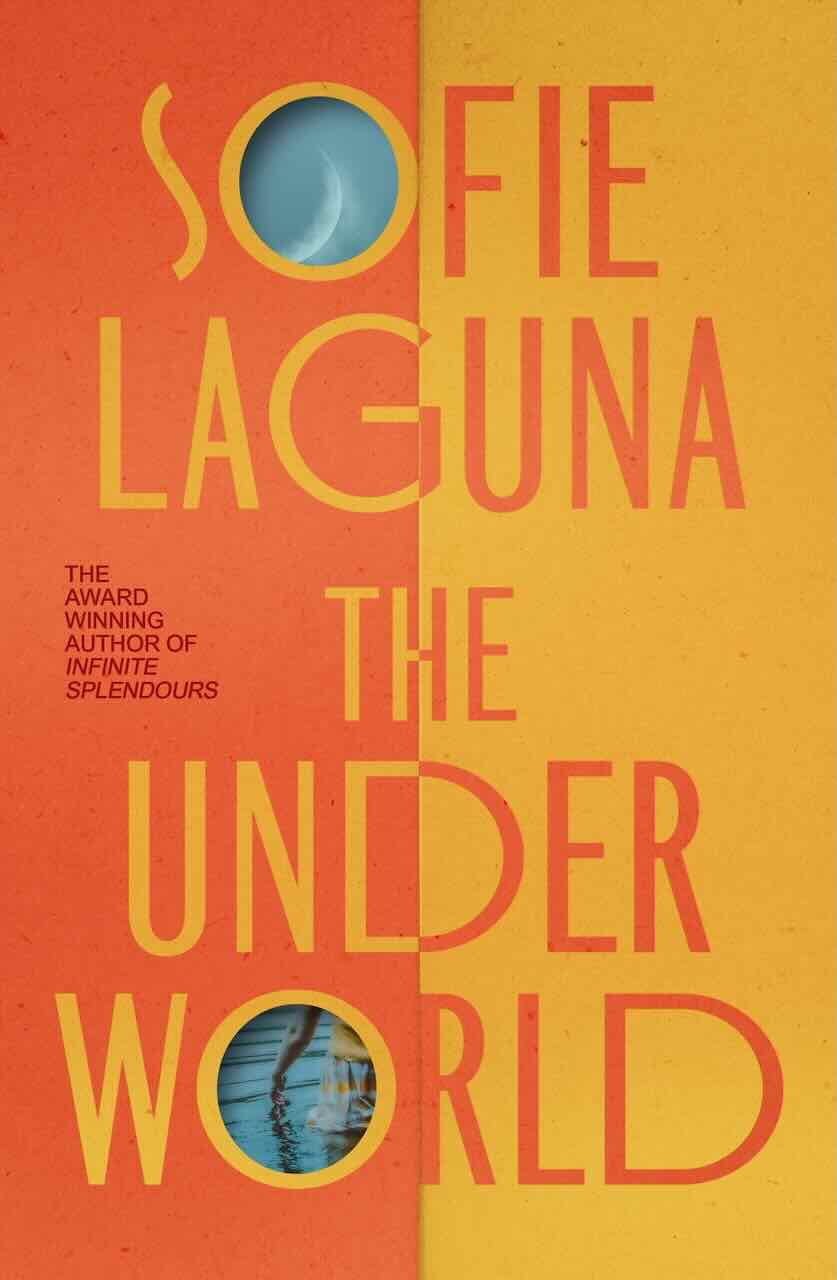
  • Sofie Laguna, The underworld (Sian Cain, The Guardian) (on my TBR, see my conversation post)
  • Charlotte McConaghy, Wild dark shore (Julia Feder, AFR) (Brona’s review)
  • Jasmin McGaughey, Moonlight and dust (Allanah Hunt, The Conversation) (See my CWF post)
  • Lay Maloney, Weaving us together (Melanie Saward, The Conversation)
  • Patrick Marlborough, Nock Loose (Jared Richards, The Guardian)
  • Angie Faye Martin, Melaleuca (Sandra Phillips, The Conversation)
  • Jennifer Mills, Salvage (Robert Goodman, ABC; Alice Grundy, The Conversation
  • Judi Morison, Secrets (Paul Daley, The Guardian)
  • Rachel Morton, The sun was electric light (Readings; Seren Heyman-Griffiths, The Guardian)
  • Omar Musa, Fierceland (Kate Evans, ABC; Readings; Giselle Au-Nhien Nguyen, The Guardian)
  • Andrew Pippos, The transformations (Jo Case, The Conversation; Cassie McCullagh, ABC; Readings; Zora Simic, ABR)
  • Nicolas Rothwell and Alison Nampitjinpa Anderson, Yilkari: A Desert Suite (Stephen Romei, ABR; John Woinarski, AFR) (on my TBR)
  • Josephine Rowe, Little world (Felicity Plunkett, ABR; Readings; Geordie Williamson, ABR; Fiona Wright, The Conversation) (Lisa’s review)
  • Craig Silvey, Runt and the diabolical dognapping (Jason Steger x 2, ABC and ABR)
  • Jessica Stanley, Consider yourself kissed (Lauren Sams, AFR)
  • Sinéad Stubbins, Stinkbug (Michael Sun, The Guardian)
  • Lenore Thaker, The pearl of Tagai town (Julie Janson, ABR)
  • Madeleine Watts, Elegy, Southwest (Steph Harmon, The Guardian)
  • Sean Wilson, You must remember this (Jason Steger x 2, ABC and ABR) (Kate’s review)

Short stories

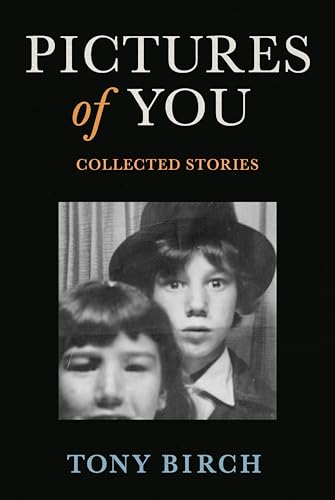
  • Tony Birch, Pictures of you: Collected stories (Tony Hughes-d’Aeth, ABR; Julie Janson, ABR; Readings; Geordie Williamson, ABR; BK, The Guardian)
  • Lucy Nelson, Wait here (Marjon Mossammaparast, ABR; Bec Kavanagh, The Guardian)
  • Zoe Terakes, Eros (Dee Jefferson, The Guardian)

Poetry

  • Evelyn Araluen, The rot (Tony Hughes-d’Aeth x 2, ABR and The Conversation; John Kinsella, ABR; Alison Croggon, The Guardian) (on my TBR, see my CWF posts 1 and 2)
  • Eileen Chong, We speak of flowers (Seren Heyman-Griffiths, The Guardian) (Jonathan’s review)
  • Antigone Kefala, Poetry (Marjon Mossammaparast, ABR)
  • Luke Patterson, A savage turn (Felicity Plunkett, ABR; John Kinsella, ABR)
  • Omar Sakr and Safdar Ahmed, The nightmare sequence (Jen Webb, The Conversation)
  • Sara M. Saleh and Zainab Syed with Manal Younus (ed.), Ritual: A collection of Muslim Australian poetry (Esther Anatolis, ABR; Julie Janson, ABR)

Finally …

It’s encouraging to see the increasing diversity in these lists, including (but not only) several First Nations writers, compared with the lists I made just three or four years ago. It’s also interesting to see what books feature most. Popularity doesn’t equal quality, but it does indicate something about what has attracted attention during the year. One book (Tony Birch’s short story collection) was mentioned five times, and three others four times:

  • Tony Birch, Pictures of you (short stories)
  • Dominic Amerena, I want everything
  • Andrew Pippos, The transformations
  • Josephine Rowe, Little world

Of last year’s most mentioned books, several received significant notice at awards time – some winning them – including Michelle de Kretser’s Theory & practice and Fiona McFarlane’s Highway Thirteen.

This year, I read three novels from last year’s (2024) lists, Brian Castro’s Chinese postman, Melanie Cheng’s The burrow, Michelle de Kretser’s Theory & practice.

So, what has caught my eye from this year’s list, besides the one I have read – Andrea Goldsmith’s The buried life – and those on my TBR? Well, many, but in particular Tony Birch’s short story collection. And, I have read Josephine Rowe and Shokoofeh Azar before, so I am keen to read their new books.

If you haven’t seen it you might also like to check out Kate’s list of the top 48 books (from around the world) that appeared on the 54 lists she surveyed.

Thoughts – on this or lists from your neck of the wood?

Monday musings on Australian literature: Favourite fiction 2024

Around this time of December, I have, for a few years now, shared favourite Aussie reads of the year from various sources. The specific sources have varied a little from time to time. Last year, a significant source – The Sydney Morning Herald/The Age – became unavailable to me as it is now paywalled, and I haven’t prioritised going to the library to access the paper. I have no problem with paywalling. We should pay for journalism, and I do, but for different news sources (such as The Canberra Times, because it’s my local; The Guardian via its app; The Saturday Paper and The Monthly digital editions; and The Conversation by donation). Not being able to access The Age/SMH is a bit disappointing, because theirs is a comprehensive listing. I’d love it if more sites offered the option to buy individual articles.

Anyhow, these lists are all subjective, of course. Plus, the pickers vary. There are critics and reviewers, commentators and subject specialists, and publishers and booksellers. Also, different pickers use different criteria, besides the fact that what they are asked to do, in the first place, varies. For example, some pickers are “allowed” to name several books while others are limited to “one” best (or favourite). Further, as The Conversation wrote, these lists rely not only on what each person has read, but what they remember, all of which means this exercise of mine is more serendipitous than authoritative. But, I think it is still interesting!

As always, I’m only including the Aussie choices, but I am providing links, where they exist, to the original article/post so you can read all about it yourselves, should you so wish.

Here are the sources I used:

  • ABC RN (radio broadcaster), in which presenters and guests named their recommendations from their reading of the year
  • Allen & Unwin (publisher) email, which shared one favourite A&U book per staff member
  • Australian Financial Review (newspaper, traditional and online), which shared “the top picks from our journalists to make your summer reading list sizzle” 
  • The Conversation (online news source), which invited 30 of their writers, “from fields as disparate as wildlife ecology and mathematics to literature and politics, to share their best books of 2024”, as well as letting the Books and Ideas team name theirs!
  • The Guardian (online news source), which promotes its list as “Guardian Australia’s critics and staff pick[ing] out the best of the best”
  • Readings (independent bookseller), which has its staff “vote” for their favourite books of the year, and then lists the Top Ten in various categories – Australian fiction, picture books, international fiction, junior & middle grade fiction, nonfiction, and adult nonfiction.

I apologise in advance for those of you who love poetry, nonfiction, and children’s books – which I also enjoy – but to keep this post a manageable length, I have decided this year to limit the list to my main interest, fiction.

Novels

  • Robbie Arnott, Dusk (Michaela Kalowski and Kate Evans, ABC RN; James Bradley, The Guardian; Readings Staff; see my CWF conversation) (Lisa’s review)
  • Ella Baxter, Woo woo (Bec Kavanagh, The Guardian; Readings Staff)
  • Brian Castro, Chinese postman (Tony Hughes-d’Aeth, The Conversation)
  • Melanie Cheng, The burrow (Jason Steger, ABC RN; Steph Harmon, The Guardian; Readings Staff; on my TBR)
  • Pitaya Chin, The director and the demon (Giselle Au-Nhien Nguyen, The Guardian)
  • Miranda Darling, Thunderhead (Readings Staff)
  • Emma Darragh, Thanks for having me (Readings Staff)
  • Michelle de Kretser, Theory & practice (Julianne Van Loon, The Conversation; Susan Wyndham, The Guardian; on my TBR)
  • Alison Edwards, Two daughters (Jess, Allen & Unwin)
  • Lexi Freiman, The Book of Ayn (Michaela Kalowski, ABC RN)
  • Katerina Gibson, The temperature (Readings Staff)
  • Sara Haddad, The sunbird (Jumana Bayeh, The Conversation)
  • Dylin Hardcastle, A language of limbs (Kate Evans)
  • Anita Heiss, Dirrayawadha (Charmaine Papertalk-Green, The Conversation; see my CWF Conversation)
  • Heather Taylor Johnson, Little bit (Jason Steger, ABC RN)
  • Malcolm Knox, The first friend (James Bradley, The Guardian)
  • Siang Lu, Ghost cities (Beejay Silcox, The Guardian; Readings Staff)
  • Catherine McKinnon, To sing of war (Michaela Kalowski and Kate Evans, ABC RN; see my CWF Conversation)
  • Emily Maguire, Rapture (Rafqa Touma, The Guardian; see my CWF conversations one and two) (Lisa’s review)
  • Murray Middleton, No church in the wild (Readings Staff)
  • Louise Milligan, Pheasants Nest (Eleanor, Allen & Unwin)
  • Kylie Mirmohamadi, Diving, falling (Sian Cain, The Guardian)
  • Liane Moriarty, Here one moment (Cosima Marriner, Australian Financial Review)
  • Bruce Pascoe, Imperial harvest (Joseph Cummins, The Guardian)
  • Ailsa Piper, For life (Michaela Kalowski, ABC RN)
  • Jordan Prosser, Big time (Steph Harmon, The Guardian)
  • Jock Serong, Cherrywood (Dennis Altman, The Conversation) (Lisa’s review)
  • Inga Simpson, The thinning (Kate Evans, ABC RN; James Bradley, The Guardian) (Brona’s review)
  • Jessica Tu, The honeyeater (Anabel, Allen & Unwin)
  • Tim Winton, Juice (Michaela Kalowski, ABC RN; Sian Cain, The Guardian; Readings Staff; on my TBR)
  • Charlotte Wood, Stone Yard devotional (Cosima Marriner, Australian Financial Review) (my review)
  • Evie Wyld, The echoes (Readings Staff)

Short stories

  • Ceridwen Dovey, Only the Astronauts (Cassie McCullagh, ABC RN) (Melanie’s review)
  • Fiona McFarlane, Highway Thirteen: Stories (Jo Case, Honorable Mention, The Conversation; Kate Evans, ABC RN; Ash, Allen & Unwin) (Brona’s review)

Finally …

It’s interesting to see what books feature most. Popularity doesn’t equal quality, but it does provides a guide to the books that attracted the most attention in the year. Of last year’s six most mentioned books, three did receive significant notice at awards time, particularly the most popular 2023 pick, Alexis Wright’s Praiseworthy (as I noted in a recent post). The other two of the six which also featured well at awards time were Melissa Lucashenko’s Edenglassie and Charlotte Wood’s Stone yard devotional.

This year, I have a bit of help with identifying the most popular picks, because, thanks to Colin Steele again, I can report that Books + Publishing (an online book trade site) listed the most mentioned Australian books from five sources, three of which I’ve accessed (Guardian Australia, ABC RN and the Australian Financial Review) and two of which I’ve not been able to (The Age/Sydney Morning Herald and Australian Book Review)

These are the fiction books which received at least three mentions across the publications were (in alphabetical order):

  • Ella Baxter, Woo woo
  • Melanie Cheng, The burrow 
  • Michelle de Kretser, Theory & practice
  • Malcolm Knox, The first friend 
  • Emily Maguire, Rapture 
  • Tim Winton, Juice 
  • Charlotte Wood, Stone Yard devotional 

To these, I would add, from my sites:

  • Robbie Arnott, Dusk
  • Fiona McFarlane, Highway Thirteen

In 2024, I read five books from 2023’s lists, three novels (Shankari Chandran’s Chai time at Cinnamon Gardens, Melissa Lucashenko’s Edenglassie and Charlotte Wood’s Stone yard devotional) and two works of nonfiction (Anna Funder’s Wifedom, and Richard Flanagan’s Question 7). I would love to have read more, but I can attest that those I read were all worthy favourites.

So, what has caught my eye from this year’s list. Those on my TBR, of course, and those I heard about at this year’s Canberra Writers Festival. Several more have now caught my eye, but as I’m unlikely to read many of them, I’ll just keep them to myself, and pass the baton over to you for your …

Thoughts – on this or lists from your neck of the wood?

Monday musings on Australian literature: Favourite books 2023

Over recent years, I’ve shared favourite Aussie reads of the year from various sources, with the specific sources varying a little from time to time. This year, a significant source – The Sydney Morning Herald/The Age – is unavailable to me as it is behind a paywall, and at this time of year I just don’t have the time to go to the library to access the paper. I have no problem with paywalling. We should pay for journalism, and I do. Just not these ones. (But, I am disappointed as they invite writers to identify their favourites and I always enjoy seeing their choices. I wish I could just buy an article.)

However, I still have other sources: ABC RN’s panel, Australian Book Review, The Australian Financial Review, The Conversation and Readings bookshop’s Ten Best Australian fiction. The picks range widely, with different “pickers” use different criteria, making this more of a serendipitous than an authoritative list. As always, I’m only including their Aussie choices. Do check the links if you’d like to see complete choices.

Last year, I noted that five of the “favourite” novels and short story collections were on my TBR, and this year I read four of those: Robbie Arnott’s Limberlost, Robert Drewe’s Nimblefoot, Kevin Brophy’s The lion in love, and Chris Flynn’s Here be Leviathans. This must be a record for me.

Novels

  • Graham Akhurst, Borderland (Heidi Norman; Tony Hughes-D’Aeth; Tony Birch )
  • Tony Birch, Women and children (“poignant novel about strong women, family, and the loss of innocence…”, Readings; Claire Nicholls; Kate Evans)
  • Stephanie Bishop, The anniversary (“a tense and superb literary novel”, Readings; “addictive”, Carol Lefevre) (Kimbofo’s review)
  • Shankari Chandran, Chai time at Cinnamon Gardens (Jason Steger) (on my TBR)
  • JM Coetzee, The Pole and other stories (Cassie McCullagh; Geordie Williamson)
  • Trent Dalton, Lola in the mirror (Hannah Wootton)
  • Briohny Doyle, Why we are here (Tony Birch)
  • Nicholas Jose, The idealist (“sophisticated and artfully restrained espionage thriller, Tony Hughes-d’Aeth) (Lisa’s review)
  • Simone Lazaroo, Between water and the night sky (Julienne van Loon)
  • Amanda Lohrey, The conversation (Felicity Plunkett) (Lisa’s review)
  • Melissa Lucashenko, Edenglassie (“a tour de force”, Readings; Kate Evans; Jennifer Mills) (on my TBR – see my conversation post)
  • Laura Jean Mackay, Gunflower (“McKay’s prose both illuminates and psychedelically reimagines our world”, Readings)
  • Angela O’Keeffe, The sitter (“execution and reading experience are second to none”, Readings) (Lisa’s review)
  • Matthew Reilly, Mr Einstein’s secretary (Jason Steger)
  • Sara M Saleh, Songs for the dead and living (Jason Steger)
  • Gretchen Shirm, The crying room (James Bradley) (Lisa’s review)
  • Amy Taylor, Search history (“witty and insightful novel of our times”, Readings) (Kimbofo’s review)
  • Lucy Treloar, Days of innocence and wonder (Kate Evans)
  • Christos Tsiolkas, The in-between (changed her mind about the author, Beejay Silcox; “captivating novel by a writer in top form which has already won over new readers and old fans alike”, Readings; Jason Steger; Kate Evans) (Kimbofo’s review)
  • Pip Williams, The bookbinder of Jericho (Readings; Jason Steger) (Lisa’s review)
  • Charlotte Wood, Stone yard devotional (Kate Evans; “the haunting grammar of its title, the restrained artistry of its structure, and the elusive way that it explores modes of memory, grief, and regret”, Kerryn Goldsworthy; James Bradley) (Lisa’s review)
  • Alexis Wright,  Praiseworthy (Tony Hughes-d’Aeth; “resists political simplifications”, Paul Giles; Philip Mead; “magnificent work of politics and imagination”, Jennifer Mills; “epic, addled, visionary examination of the contemporary implications of those foundational crimes”, Geordie Williamson) (Bill’s second post which includes a link to his first)
  • Jessica Zhan Mei Yu, But the girl (“astute and witty coming-of-age novel”, Readings)

In a little shout out to our friends across the ditch – in new Zealand: Eleanor Catton’s Birnam Wood was chosen by AFR’s Hannah Wootton and ABC’s Claire Nicholls, and Pip Adams’ Audition by ABR’s Jennifer Mills and Emma Shortis.

Short stories

  • John Morrissey, Firelight (“already widely considered the first instalment in a [First Nations] career to watch”, Readings)

Poetry

  • Dan Hogan, Secret third thing (“a wildly inventive wordsmith whose work is as playful as it is political”, Yves Rees)
  • Kathryn Lomer, AfterLife (Glyn Davis)
  • Alan Wearne, Near believing (John Hawke)

Nonfiction

  • Dean Ashenden, Telling Tennant’s story (Peter Mares)
  • Ryan Cropp, Donald Horne: A life in the lucky country (Patrick Mullins; Glyn Davis; Mark McKenna)
  • Graeme Davison, My Grandfather’s Clock: Four centuries of a British-Australian family (Bain Attwood; Penny Russell)
  • Sarah Firth, Eventually everything connects: Eight essays on uncertainty (Jen Webb)
  • Hannah Forsyth, Virtue capitalists: The rise and fall of the professional class in the Anglophone world, 1870–2008 (Penny Russell; Marilyn Lake)
  • Kate Fullagar, Bennelong & Phillip: A history unravelled (“an inventive structure and humanistic care”, Patrick Mullins; Frank Bongiorno; Mark McKenna)
  • Anna Funder, Wifedom (Jason Steger; Lisa Murray; Frances Wilson) (on my TBR)
  • Richard Flanagan, Question 7 (Claire Nicholls; Jason Steger; Cassie McCullagh; “meditation on the mutability of family, place, the past, is imbued with wistful nostalgia, one that resonates deeply”, Des Cowley) (on my TBR)
  • Richard King, Here Be Monsters: Is technology reducing our humanity? (James Ley)
  • Catherine Lumby, Frank Moorhouse: A life (Glyn Davis; Mark McKenna) (Lisa’s review)
  • Maggie MacKellar, Graft: Motherhood, family and a year on the land (Anna Clark)
  • Kim Mahood, Wandering with intent (Peter Mares)
  • David Marr, Killing for country: A family story (Geordie Williamson; Frank Bongiorno; Glyn Davis; Kieran Pender; Brenda Walker; Mark McKenna)
  • Walter Marsh, Young Rupert: The making of the Murdoch empire (Patrick Mullins)
  • Thomas Mayo, The Voice to Parliament handbook (Glyn Davis)
  • Gemma Nisbet, The things we live withEssays on uncertainty (Lynette Russell)
  • Brigitta Olubas, Shirley Hazzard: A writing life (“one of the finest literary biographies published in Australia”, Peter Rose)
  • Noah Riseman, Transgender Australia: A history since 1900 (Yves Rees)
  • Alexandra Roginski, Science and power in the nineteenth-century Tasman world: Popular phrenology in Australia and Aotearoa New Zealand (“rich, enthralling account”, Penny Russell)
  • Heather Rose, Nothing bad ever happens here (Tristan Banck) (on my TBR – see my conversation post)
  • Alecia Simmonds, Courting: An intimate history of love and the law (“uniting zest for narrative with immense research and hard-hitting analysis”, Penny Russell)
  • Ellen van Neerven, Personal score: Sport, culture, identity (“unique, poetic memoir and meditation on gender, sexuality, identity, and sport”, Kieran Pender)
  • Chris Wallace, Political lives (Tom McIlroy)
  • Sally Young, Media monsters: The transformation of Australia’s newspaper empires  (Frank Bongiorno)

Finally …

It’s interesting to see what books feature most. Popularity doesn’t equal quality, but it does provides a guide to the books that attracted the most attention in the year. Last year I noted that one of 2021’s most frequent mentions had won the 2022 Miles Franklin. In 2022, the two most frequently mentioned books were Robbie Arnott’s Limberlost and Jessica Au’s Cold enough for snow. Neither won the Miles Franklin, but both won significant awards during 2023 including the Prime Minister’s (Fiction) Literary Award for Jessica Au.

This year’s most mentioned books are fewer this year because that paywall issue significantly reduced significantly my “haul” but we still have some (and all are well-established authors):

Fiction

  • Alexis Wright’s Praiseworthy (5 picks)
  • Christos Tsiolkas’ The in-between (4 picks)
  • Graham Akhurst’s Borderland, Tony Birch’s Women and children, Melissa Lucashenko’s Edenglassie, and Charlotte Wood’s Stone yard devotional (3 picks)

Nonfiction

Did you notice two books in this section were subtitled, “essays on uncertainty”? I’m intrigued.

  • David Marr’s Killing for country (6 picks)
  • Richard Flanagan’s Question 7 (4 picks)
  • Ryan Cropp’s Donald Horne, Kate Fullagar’s Bennelong & Phillip, and Anna Funder’s Wifedom (3 picks)

An advantage of lists like this is discovering new books. I was excited to read about First Nations Kalkadoon writer John Morrissey’s Firelight, because it’s short stories and because the Kalkadoons were the first First Nations people I knew (back in the 1960s). Gemma Nisbet’s The things we live withEssays on uncertainty has also caught my eye.

Besides the books which are already on my TBR, and hence known to me, there are others I had heard about and that interest me. David Marr’s Killing for country feels a bit close to home, but worth reading, as I too have “skin in the game”, as my brother calls it. The literary biographies I missed this year, including Olubas’s Shirley Hazzard and Lumby’s Frank Moorhouse, are also in my sights. And there are several First Nations books here, besides the Morrissey and Lucashenko, that I am keen to read. Birch and Ellen van Neerven, for example.

I could go on because, you know, readers love talking about books we’d like to read, but I also know when it’s time to stop and pass the baton on …

POSTSCRIPT: The day I posted this The Guardian Australia, as kimbofo shared in the comments, published their Top 25, which more or less reinforces these but adds some books not here, including one I’ve read, Rebecca Burton’s Ravenous girls (my review)!

Thoughts, anyone – on this or lists from your neck of the wood?

Monday musings on Australian literature: Favourite books 2022, Part 1: Fiction

Over recent years, I’ve shared favourite Aussie reads of the year from various sources, with the specific sources varying a little from time to time. This year, my main sources are The Sydney Morning Herald’s Best Reads of the Year chosen by writers, Readings bookshop’s Best Australian fiction, and ABC RN’s Bookshelf panel. As last year, the picks ranged far and wide, but in this post I am focusing on their Aussie fiction choices. All being well, I’ll do the Aussie nonfiction and poetry picks next week.

For what it’s worth, last year, I noted that five of the “favourite” novels were on my TBR. I can report that I did manage to read two of them, Larissa Behrendt’s After story (my review) and Anita Heiss’s Bila Yarrudhanggalangdhuray (my review). I’m pleased with that!

Novels

  • Robbie Arnott’s Limberlost: “a lovely assiduous book, which explores language and narrative with an old-fashioned joy” (Tom Keneally); “dignified and surprisingly conventional … gem” (Michael Winkler); “calling it (hopefully not cursing it) for next year’s Miles Franklin shortlist” (Jennifer Down); “further underlines his mastery of nature writing” (Jock Serong); “another gem” (Readings); (Cassie McCullagh); (Jason Steger) (on my TBR) (Lisa’s review)
  • Jessica Au’s Cold enough for snow: “a meditative, mesmerising novel” (Anna Funder); “all composure … the elegance of its composition … its meditative contemplation of a mother-daughter relationship” (Hannah Kent) ; “loved the voice and pace (and, well, everything)” (Victoria Hannan); “stayed with me for weeks after I finished it … quietly brilliant” (Robbie Arnott); “more like mists … atmospheres you move through” (Miles Allinson); “exquisite prose and hypnotic pace” (Readings); (Jason Steger) (Lisa’s review; mine coming soon)
  • Isobel Beech’s Sunbathing: “sensitive and lyrical work” (Readings)
  • Gabriel Bergmoser’s The hitchhiker: (Dani Vee)
  • Emily Bitto’s Wild abandon: “such lyricism and dead on the money imagery” (Tom Keneally)
  • Brendan Colley’s The signal line: “speculative gothic fiction … nails it” (Bram Presser)
  • Sophie Cunningham’s This devastating fever: (Emily Bitto); “triumph of tone and lightness” (Miles Allinson); (Jason Steger) (Brona’s review)
  • Paul Daley’s Jesustown: “just loved” (Anna Funder); “scarifying tale of missionary colonialism” (Jock Serong)
  • Rhett Davis’ Hovering: “original and blackly funny story” (Toni Jordan)
  • Robert Drewe’s Nimblefoot: “a bag of picaresque fun” (Tim Winton) (on my TBR)
  • Kate Forsyth’s The crimson thread: (Dani Vee)
  • Peggy Frew’s Wildflowers: “confronting, generous, infectious, acutely observed” (Craig Silvey)
  • Sulari Gentill’s The woman in the library: (Felix Shannon)
  • Michael Winkler’s Grimmish: (Kate Evans)
  • Chris Hammer’s The tilt: (Dani Vee); (Kate Evans)
  • Jane Harper’s Exiles: “captivating read” (Readings)
  • Jack Heath’s Kill your brother: (Dani Vee)
  • Adriane Howell’s Hydra: “genre-busting” (Bram Presser)
  • Pirooz Jafari’s Forty nights: (Emily Bitto)
  • Gail Jones’ Salonika burning: “Dazzles again” (Readings); (Kate Evans) (Lisa’s review)
  • Yumna Kassab’s Australiana: (Emily Bitto); “lyrical, intimate” (Readings)
  • Hannah Kent’s Devotion: “aching and illuminating” (Trent Dalton)
  • Tracey Lien’s All that’s left unsaid: “gripping drama with unforgettable characters” (Readings)
  • Kate McCaffrey’s Double lives: “a really interesting hybrid-transcript format” (Felix Shannon)
  • Scott McCulloch’s Basin: “brutal, apocalyptic” (Miles Allinson)
  • Fiona McFarlane’s The sun walks down: (Emily Bitto); “mesmerising … inclusive … electrifying” (Michelle de Kretser); “best novel I’ve ever read about 19th-century Australia” (Geraldine Brooks); (Jason Steger); (Kate Evans)
  • Fiona Kelly McGregor’s Iris: “The most extraordinary evocation of 1930s Sydney” (Hannah Kent); “vivid and compelling” (Lucy Treloar); “a luscious read” (Readings)
  • Meg Mason’s Sorrow and bliss: “unique and improbable: a witty novel about depression” (Geraldine Brooks) (Kimbofo’s review)
  • Gillian Mears’ Fineflour: “revisit” (Jennifer Down)
  • Paddy O’Reilly’s Other houses: “powerful and captivating depiction of class” (Lucy Treloar); “as gripping as a thriller and yet so tender” (Toni Jordan) (on my TBR) (Lisa’s review)
  • Adam Ouston’s Waypoints: “a literary spectacle” (Bram Presser); “ambitious, Lissajous-curved” (Michale Winkler); “hypnotic and intricately layered … very funny” (Robbie Arnott)
  • Caroline Petit’s The natural history of love: “historical pick” (Toni Jordan)
  • Hayley Scrivenor’s Dirt Creek: “a brilliant take on its varied perspectives” (Felix Shannon); (Kate Evans)
  • Jock Serong’s The settlement: “powerful evocation of colonialism with a reverberant message” (Michael Winkler)
  • Holden Sheppard’s The brink: (Dani Vee)
  • Inga Simpson’s Willowman: “will almost certainly become a new Australian classic” (Readings); (Kate Evans)
  • Steve Toltz’s Here goes nothing: (Cassie McCullagh); (Kate Evans)
  • Emma Viskic’s Those who perish: “writing as immaculate as ever” (Lucy Treloar)
  • Chris Womersley’s The diplomat: “fabulous” (Miles Allinson)

Short stories

  • Kevin Brophy’s The lion in love: (Emily Bitto) (Lisa’s review) (on my TBR)
  • Bryan Brown’s Sweet Jimmy: “frequently hilarious collection of crime yarns” (Trent Dalton)
  • Else Fitzgerald’s Everything feels like the end of the world: (Emily Bitto); “standout post-human climate fiction” (Laura Jean McKay); “inventive and humane” (Craig Silvey)
  • Chris Flynn’s Here be Leviathans: “keeps giving with stories that entertain and make you think” (Pip Williams) (on my TBR)
  • Katerina Gibson’s Women I know: “sardonic, surprising” (Miles Allinson)
  • Mirandi Riwoe’s Burnished sun: a realist beauty that decentres dominant narratives” (Laura Jean McKay)
  • Ben Walter’s What fear was: “a hymn of place, a bravura display of sentence-smithing…” (Michael Winkler)

Finally …

It’s interesting to see what books feature most. Popularity doesn’t equal quality, but it does provides a guide to the books that attracted the most attention in the year. One of last year’s most frequent mentions was this year’s Miles Franklin winner, Jennifer Down’s Bodies of light. Will the same happen to one of this year’s most frequently mentioned books?

Several books were mentioned twice, but these received three or more mentions:

  • Robbie Arnott’s Limberlost; Jessica Au’s Cold enough for snow (7 each)
  • Fiona McFarlane’s The sun walks down (5)
  • Sophie Cunninghma’s This devastating fever; Else Fizgerald’s Everything feels like the end of the world; Fiona Kelly McGregor’s Iris; Adam Ouston’s Waypoints (3 each)

Another interesting thing about lists is discovering new books. There are several in the above lists that I’ve never heard of, because they are genre books. That’s the serendipity that can happen in lists like this. However, there are some here that I hadn’t heard of but that grabbed my attention, like Pirooz Jafari’s Forty nights, Adam Ouston’s Waypoints, and Else Fitzgerald’s Everything feels like the end of the world. You?

Thoughts, anyone – on this or lists from your neck of theod

Monday musings on Australian literature: Summer picks 2020

For a few years now, I’ve shared ABC book journalists’ top Aussie reads of the year, but this year I’m doing something a little different. I’m sharing picks from three different sources. Most of these include non-Australian books, but I like to share them in a Monday Musings post and focus on the Aussie books among them. So, here goes.

Readings bookshop

Book cover

Readings staff actually shared their favourite Australian books of the year, which is really great of them so they get first billing here. Their list is called “the best Aussie fiction books of 2020” but in fact the text describes the list as their “favourite” books, which puts a different, and better, slant on it I think.

Here’s their list, reorganised into alphabetical order. I don’t know whether their order was by popularity vote, but alphabetical is easier for people to look for their favourites…

  • Steven Conte’s The Tolstoy Estate
  • Kate Grenville’s A room made of leaves
  • Victoria Hannan’s Kokomo
  • Laura Jean McKay’s The animals in that country
  • Kate Mildenhall’s The mother fault
  • Sean O’Beirne’s A couple of things before the end
  • Andrew Pippos’ Lucky’s
  • Nardi Simpson’s Song of the crocodile
  • Elizabeth Tan’s Smart ovens for lonely people
  • Jessie Tu A lonely girl is a dangerous thing
  • Pip Williams’ The dictionary of lost words

I like this selection because, although I’ve not yet read one of them, I have given some as gifts during the year, and I have a couple on my current TBR. Whether I’ll get to them in summer is another thing, but I will get to some …

ABC RN’s Bookshow and The Book Shelf presenters

Book cover

Claire Nichols, Sarah L’Estrange, Kate Evans and Cassie McCullagh put together a list they call “The best books of 2020 for your summer reading list”. It includes books from around the world, but, as I explained above, I’m just going to share their Aussie picks, which are but few!

  • Erin Hortle’s The octopus and I
  • Laura Jean McKay’s The animals in that country, which Kate Evans describes as “Surprising and surprisingly-convincing characters, and a well-realised, inventive premise”.
  • Jessica Tu’s A lonely girl is a dangerous thing, of which Claire Nichols says “the passion and the obsession drips off the page”
  • Pip Williams’ The dictionary of lost words, of which Sarah L’Estrange says, “For lovers of language and the power of words, this story has everything you want”.

Interesting that three of the four here also featured in Readings’ list. Are these the books we are likely to see on awards long and shortlists next year? Interesting too that all are women writers (as were the selectors. I can live with that!)

ANU English Department picks

Book cover

Now this list – on the ANU website, but shared with me by retired University Librarian Colin Steele (thankyou Colin) – is an unusual one, partly because it has very few contemporary (or any other) Australian books. The Aussies are:

  • Gabrielle Carey’s Only happiness here, her biography of Elizabeth von Arnim, though, weirdly, the description doesn’t mention that at all. It just says “a literary sensation of the early twentieth century weaves a wonderful tale of love, pleasure, gratitude and survival that is written beautifully, perfect for the history buffs and women’s literature lovers among us”. Why not mention the name of the “literary sensation” or that it’s a “biography”? It could sound like a novel?
  • Sarah Hopkins’ The subjects, which is on the Small Press Network’s Book of the Year shortlist, is described as “a gripping read, which follows a gifted teenage delinquent down an uncertain path”
  • Michelle de Kretser’s The life to come, which came out a couple of years ago now, is described as “a wickely [sic] funny novel about the stories we tell and don’t tell ourselves as individuals, as societies and as nations”.

On lists …

When is a list not a list? Regular readers here know that I don’t tend to produce my own annual “best of” or “top reads” lists. I prefer to write a Reading Highlights post (which I will do again in early January for 2020). In this post, I don’t rank books or even talk about best books. Instead, I talk about the books and events that made my reading year worthwhile – and, already, I know I will have some interesting trends to comment on for this year. It is, though, still a list, I suppose! Just a very loose, porous one.

For a thoughtful piece on lists, you might like to check out an article written by one of my 2019 New Territorians, Rosalind Moran. Titled “Against best-of lists” it’s available at Overland Literary Journal. While much of it covers thoughts I’ve had myself, it’s beautifully and clearly expressed – and it did give me some additional points to ponder! (Thanks for Lisa for the heads-up).

What do you think about lists? Are some useful, despite their failings? Or, would you prefer to eschew them altogether?

Monday musings on Australian literature: ABC Bookshelf’s top Aussie reads 2019

The usual end of year listmania has begun, and I also like to join in, but with a focus on Aussie book lists. This year, I’m starting with the Aussie books subset of the books recommended on ABC’s Bookshelf program. Recommenders, in addition to the show’s presenters, Kate Evans and Cassie McCullough, were Stephen Romei, Literary Editor of The Australian; David Gaunt, independent bookseller of Sydney’s Gleebooks; and Michaela Kalowski, interviewer and moderator for writers and ideas festivals and local libraries. To see the full list of books they recommended, check out their page or, even better, listen to the program (accessible on that page). Do listen to the program if you have time, as they discuss issues like books that are hard to sell (and why) and liking (or not) books that are grim or too close to the bone.

Books from around the world were mentioned, but of course there was an emphasis on Aussie books, and that’s what I’m focusing on here. I like that this list roams across genre (including historical fiction, crime and sci-fi/fantasy) and to some degree across time (including books not out until next year. That’s prescient of them!)

Here are the Aussie books mentioned, separated into fiction and nonfiction, and ordered alphabetically by author.

Fiction (and poetry)

  • J.M. Coetzee, The death of Jesus: novel, coming in May 2020
  • Trent Dalton, Boy swallows universe: novel, my review (Also recommended was Dalton’s second novel, All our shimmering skies, coming in June 2020.)
  • Garry Disher, Peace: crime fiction
  • Lexi Freiman, Inappropriation: novel
  • Chris Hammer, The Martin Scarsden seriescrime fiction series
  • Kathryn Hind, Hitch: novel
  • Toni Jordan, The fragments: historical fiction, Lisa’s review
  • Leah Kaminsky, The hollow bones: novel, Theresa’s review
  • Paul Kane, A passing bell: Ghazals for Tina: poetry (by an American poet who spends half his time in Australia)
  • Amie Kaufman and Jay Kristoff, Aurora rising: YA sci-fi/fantasy novel
  • Melissa Lucashenko, Too much lip: novel, 2019 Miles Franklin Award winner, my review
  • Roslyn McFarland, All the lives we’ve lived: novel
  • Adrian McKinty, The chain, of The Sean Duffy series (Irish really, but lives – or has lived – in Australia, and has won the Ned Kelly Award more than once): crime fiction
  • David Malouf, Ransom: novel, my review
  • Heather Rose, Bruny: novel, on my TBR, Lisa’s and Bill’s reviews
  • Dominic Smith, The electric hotel: novel, Australian-born but now US-based, my review
  • Ilka Tampke, Songwoman: novel, 2019 MUBA winner, Lisa’s review
  • Peter Temple, works: crime fiction, my review of Truth, his 2010 Miles Franklin Award winner
  • Lucy Treloar, Wolfe Island: novel, Lisa’s review
  • Christos Tsiolkas, Damascus: historical fiction, on my TBR
  • Rohan Wilson, Daughter of bad times: speculative fiction, Lisa’s review
  • Rohan Wilson, The roving party: historical fiction, winner of NSW Premier’s Literary prize, Lisa’s review
  • Tara June Winch, The Yield: novel, on my TBR, Lisa’s review
  • Charlotte Wood, The natural way of things: novel, 2016 Stella Prize winner, my review
  • Charlotte Wood, The weekend : novel, on my TBR, Lisa’s review

Nonfiction

  • Meera Atkinson, Traumata: creative nonfiction/part memoir
  • Trent Dalton, By sea and stars: nonfiction
  • Helen Garner, Yellow notebook: Diaries Volume I 1978–1987: non-fiction, on my TBR
  • Katharine Murphy, On disruption: essay
  • Cathy Perkins, The shelf life of Zora Cross: biography, on my TBR

This is a lot of books, and there was a good number of non-Australian books mentioned too, many of which I’d love to read, so the program covered a lot of reading in an hour!

By the way, if you really, really, really love end-of-year book lists, you need go no further than Kate’s (booksaremyfavouriteandbest) blog post, Best Books of 2019 – A List of Lists. She will keep adding to it as more lists appear!

Do you use these lists to direct your own reading or – as I suspect many listmakers hope – to help with your gift-shopping?

Monday musings on Australian literature: ABC RN presenters name their 2018 summer picks

Last Monday, I posted the best picks for 2018 by ABC RN’s Book Show presenters and some of their guests. I considered not posting at all this Monday. After all, it’s Christmas Eve and most of us are busy, but then, yesterday, I saw that the ABC had posted “2018’s best summer reads” recommended by their Hub on Books and Bookshelf program presenters. Of course, I couldn’t resist.

Unlike last week’s post, though, where I justified giving equal weight to all the picks, this week I’m going to prioritise their Aussie selections, and then mention the rest at the end. Seems fair enough for this Monday Musings series!

So, just four of the eleven picks were by Aussies, and they are:

  • Michael Mohammed Ahmed’s The lebs (Hachette): Sarah L’Estrange , producer of The Hub on Books, says that “There’s a lot of violence, homophobia and sexism in the novel — the author doesn’t recoil from an honest portrayal of life through the eyes of his protagonist” but that it is also “a lyrical, at times comical and often challenging read”.
  • Melissa Lucashenko’s Too much lip (UQP) which is on my TBR and I’ll be getting to it soon, maybe in summer!: Kate Evans of The Bookshelf, calls it “a cracking tale of family dynamics” that has “a touch of magic that’s light enough to feel entirely real, and keep readers reaching for words like ‘tough’ and ‘uncompromising’.” (Lisa has reviewed.)
  • Emily O'Grady, The yellow houseEmily O’Grady’s The yellow house (Allen & Unwin) (my review): The Hub on Books’ Claire Nicholls describes it as “a chilling book that explores the different ways that trauma resonates through a family.”
  • Tracy Sorensen’s The lucky galah (Picador Australia): Sarah L’Estrange said that “While it might sound kooky, the novel is written in a warm, vivid and charming manner. Who knew that galahs could provide insight into 1960s Australian family dynamics?” (Lisa has reviewed and while it’s not her top pick, she thinks debut author Sorensen has promise.)

Interestingly, of last year’s six Aussie picks, I had read none at the time, and have picked up only one since, Sarah Krasnostein’s The trauma cleaner (my review). However, this year, I have already read one, as I’ve mentioned, and will be reading at least one other very soon.

Anyhow, the other picks were:

  • English writer Pat Barker’s The silence of the girls
  • American writer Amy Bloom’s White houses
  • Northern Irish writer Anna Burns Booker prize winner The milkman
  • American writer Andrew Sean Greer’s Pulitzer prize-winner Less
  • Chinese-born American writer Ling Ma’s Severance (which was published here by Text)
  • Indian writer Anuradha Roy’s All the lives we never lived
  • Canadian debut novelist Katherena Vermette’s The break (published here by Allen & Unwin).

While there was a preponderance of non-Aussie books in their picks, the selection as a whole feels more diverse than last year’s, with Arab-Australian writer Ahmed and indigenous Australian Lucashenko making up two of the four Aussie selections, and the rest not being your mainstream English and American writers (not to cast aspersions on the quality of the writing from those writers!) How great, for example to see a Canadian debut author here. The versatile Vermette is from Winnipeg and is of Métis descent, a group I hadn’t heard of before.

I should make a point here about my reference to diversity. My raising the issue is somewhat equivalent to discussion about quotas or not for increasing diversity in workplaces, in parliament, etc. I believe in merit, but I also believe that merit is often not judged in a fair playing field. This means that equally meritorious writing (however we define that) from non-dominant culture writers does not necessarily get equal exposure, because, for example, publishers, agents, and even, if they do get published, readers, do not take a “risk” on them. The more we talk about the issue, the more, I hope, the opportunities will be equalled.

Anyhow, if you are wondering about my picks, I’ll be joining the fray next week when 2019 arrives … I know you can hardly wait!

Meanwhile, have you read any of these books, and would you support the presenters’ recommendations for them?

Monday musings on Australian literature: ABC RN presenters name their top 2018 reads

In recent years, I’ve shared ABC RN presenters’ suggested summer reads, but this year I’m sharing Best Reads of 2018, from the two presenters of The Bookshelf program, and some of their guests. For more lists, and related links, you can check out the webpages for their December 7 and December 14 radio shows.

Trent Dalton, Boy swallows universeNicole Abadee (literary consultant and books writer for AFR Magazine and Good Weekend):

Trent Dalton (author of Boy swallows universe):

  • Haruki Murakami, Colourless Tsukuru Tazaki (Japanese)
  • Geraldine Brooks, People of the book (Australian-American) (an older book, and one I read before blogging)
  • Larry McMurtry, Lonesome Dove (American) (another older book, as I’m sure you know)

Kate Evans (presenter on The Bookshelf): 

  • Melissa Lucashenko, Too much lip (Australian)(on my TBR – I’ll get to it soon)
  • Michael Ondaatje, Warlight (Canadian)
  • Imogen Hermes Gowar, The mermaid and Mrs Hancock (English)
  • Peter Cochrane, The making of Martin Sparrow (Australian)
  • Tayari Jones, An American marriage (American) (Kate of booksaremyfavouriteandbest identifies this as the book which appeared most frequently in the 37 best-of-2018 lists she analysed)

Amelia Lush (Stella Prize judge, and head of Children and Young Adult programming for the Sydney Writers’ Festival):

  • Rebecca Makkai, The great believers (American)
  • Tara Westover, Educated (American) (A memoir highly recommended by my Californian friend)
  • Maria Turmarkin, Axiomatic (Australian) (Highly recommended by Brother Gums)

Cassie McCullagh (presenter on The Bookshelf): 

  • Rachel Cusk, Kudos (Canadian-born English)
  • Sally Rooney, Normal people (Irish)
  • Tim Winton, The shepherd’s hut (Australian)
  • Peter Cochrane, The making of Martin Sparrow (Australian)
  • Tayari Jones, An American marriage (American)

Shaun Prescott (author of The town)

  • Dag Solstad, T Singer (Norwegian)
  • Jamie Marina Lau, Pink Mountain on Locust Island (Australian)
  • Olivia Laing, Crudo (English)

OK, so not many of these are Australian, but for this particular Christmas list I relax my rules to focus on Australian readers (at the ABC!)

Anyhow, a few observations. Of the 23 top picks, there are only three duplications: Peter Cochrane’s The making of Martin Sparrow; Tayari Jones’ An American marriage; and Rebecca Makkai’s The great believers. Only one of these is Australian, Cochrane’s historical novel set in the early days of the colony. This lack of duplication is probably not surprising given all the books that are out there for us to read.

Just two of the books (unless I’ve missed something) are non-fiction – Tara Westover’s Educated and Maria Tumarkin’s Axiomatic. Again, probably not surprising.

And, most of the books are anglo – Australian, American, English, Canadian, Irish – with just two that aren’t, Murakami from Japan, and Solstad from Norway.  We really aren’t, it seems to me, very good at reading translated books from other cultures – and I admit that my reading diet is light on in that area too. Only one, as far as I can tell, is by an indigenous Australian.

Anyhow, I hope you have found this at least a bit interesting!

What ONE book would you recommend from your 2018 reads for the rest of us to read over the holidays?

Monday musings on Australian literature: ABC RN presenters name their 2017 summer picks

Well, folks, it’s getting to the time of year when people start producing lists, and so, as last year, I’ll be joining the fray, starting this week with books recommended by ABC Radio National’s presenters – the bookworms amongst them, anyhow – for us to read over the coming summer.

However, as last year, not all chose Aussie books, but this post is in my Monday Musings on Australian Literature series, so what to do? Last year I decided to share them all, starting with the Aussie reads, and I’ve decided to do the same this year. After all, the things Aussies read form part of our literary culture don’t they?

Notwithstanding the above, I was disappointed last year when only two (TWO!) of the 18 presenters chose books by Australian authors. (The two books were Stan Grant’s Talking to my country and Helen Garner’s Everywhere I look, both of which I’ve read)I’m consequently thrilled that the number is far greater this year, with SIX (that is, nearly half) of the 14 presenters choosing Australian authors. Here they are:

  • Tony Birch, Common peopleMichael Cathcart (Books and Arts): Tony Birch’s Common people. Birch recently won the Patrick White Award, and his novels Blood and Ghost River were both shortlisted for significant Australian literary awards. Common people, however, is his (latest) collection of short stories. Cathcart says that the stories “take us into the lives of very ordinary people — often people who are doing it tough — and open up the pain, the wit and the twinkle of their worlds. Tony’s wisdom and goodwill are beyond politics. His prose breathes with humanity”. How I love short stories, and this sounds like another great collection.
  • Andrew Ford (Music Show): Ashley Hay’s A hundred small lessons. This is Hay’s third novel, her second The railwayman’s wife having won or been nominated for several literary awards.) Ford says that Hay’s writing “is so simple and precise, at first you fail to notice how powerful it is” and says that “the main character in the book is Brisbane — actually, two Brisbanes, 50 years apart, culturally different in so many ways, yet both sticky, subtropical, and prone to flooding”.
  • Ann Jones (Off Track): Julie Koh’s Portable curiosities. Koh is a critically well-regarded short story writer, and this, her first full collection, has received many accolades including her being named a 2017 Sydney Morning Herald Best Young Australian Novelist (though the “novelist” nomenclature is a bit weird.) Jones makes the collection sound great, when she says “The stories are dark and make fun of hipsters. In fact, in gorgeous and believable flow, Koh unleashes a portmanteau of fables, which take on body image, racism, father-son relationships and cat cafes.”
  • Sarah Kanowski (Books and Arts): Tex Perkins’ (with Stuart Coupe) Tex. Unlike many of the presenters it seems – see my summation below – Kanowski took the “summer read” recommendation seriously in choosing this memoir of Australian rock musician Tex Perkins. She said “In Tex, he is self-deprecating but not apologetic: yes he’s drunk too much, been an idiot, sabotaged his chances of commercial success, but he has also made great music and, above all, had fun. There are nobler aims in life and wiser books, but if you’re sitting on a beach towel with a beer this summer Tex will serve you brilliantly.”
  • Amanda Smith (Life Matters)Sarah Krasnostein’s The trauma cleaner. This is a biography of an amazing – but ordinary – person, Sandra Pankhurst, who was born a boy, “was adopted into an abusive family”, and then married, as a man, before deciding to live as a woman. It just so happens she also works as a trauma cleaner, that is, one who “cleans up crime scenes after the police have finished” and who  “also sorts things out after ‘unattended deaths’.” Smith says that not only is the book a “tribute to a life-force” is “a story told more beautifully than you can possibly imagine.”
  • Julia Barid, Victoria the queenRobyn Williams (Science Show and Ockham’s Razor): Julia Baird’s Victoria the Queen. Williams noted that in 2017 he’d mostly read books by women, with this biography of Queen Victoria being his best book of the year. He bought it because he loves Julia Baird’s journalism, is “impressed by her range, deep learning and clarity”. He says that this biography “surprises, informs with real scholarship and tells a huge story with a light touch. When I finished I felt as if my brain had grown an extra layer.” I wouldn’t mind an extra layer in my brain, I must say!

Four chose British authors:

  • Joe Gelonesi (Philosopher’s Zone): Stephen Mumford’s Glimpse of light: New meditations on first philosophy (non-fiction)
  • Patricia Karvelas (RN Drive, and the The Party Room podcast): Natalie Haynes’ The children of Jocasta (fiction, Greek myths retold through the women characters)
  • Keri Phillips (Rear Vision): Tim Harford’s Fifty things that made the modern economy (non-fiction)
  • Andrew West (Religion and Ethics Report): David Goodhart’s The road to somewhere: The populist revolt and the future of politics (non-fiction)

And four chose American authors:

  • Kate Evans (Books and Arts): Jennifer Egan’s Manhattan Beach (novel)
  • Antony Funnell (Future Tense): Sarah Sentilles’ Draw your weapons (non-fiction)
  • Natasha Mitchell (Science Friction): Oliver Sacks’ The river of consciousness (non-fiction, collection of essays)
  • Scott Stephens (The Minefield: Noah Feldman’s The three lives of James Madison (non-fiction).

Julie Koh, Portable curiositiesSo, a more even spread than last year’s, but still oh-so-very Western-based. Last year, only ONE presenter chose a non-Western book, with all the rest choosing, as this year, Australian, British and American. This year there’s not even one non-Western book. However, both years, an indigenous author was chosen – just one, but that’s something. And, the choice of Julie Koh provides some nod to diversity too, as she’s the Australian-born daughter of Chinese-Malaysian parents.

The biggest difference this year, besides the significant increase in Aussie picks, is in the fiction-non-fiction ratio. Last year NINE (that is 50%) of the choices were for fiction (all novels), but this year only FIVE (35%) are, and of these, two are novels, two are short story collections, and one a collection of myths. This sort of selection is probably not what most readers might expect when looking for summer reads, but our ABC RN presenters are clearly a serious lot!

What ONE book would you recommend from your 2017 reads for, let’s be inclusive and say holiday, not summer, reading?