Well, the BIG DECLUTTER is essentially done. Now it is the BIG CLEAN. Boring! So let’s move on to something far more interesting than how to clean ovens, bathrooms and windows. In other words, let’s think about this month’s Six Degrees meme. If you don’t know how it works, please check host Kate’s blog – booksaremyfavouriteandbest.

The first rule is that Kate sets our starting book. In July, dare I say it, it’s another book I haven’t read, Time shelter, by Bulgarian writer Georgi Gospodinov (and translated by Angela Rodel). It won the 2023 International Booker Prize, and it sounds like a fascinating read. In deed, it sounds like one I’d be interested to read, moreso perhaps than some of this year’s other starting books.
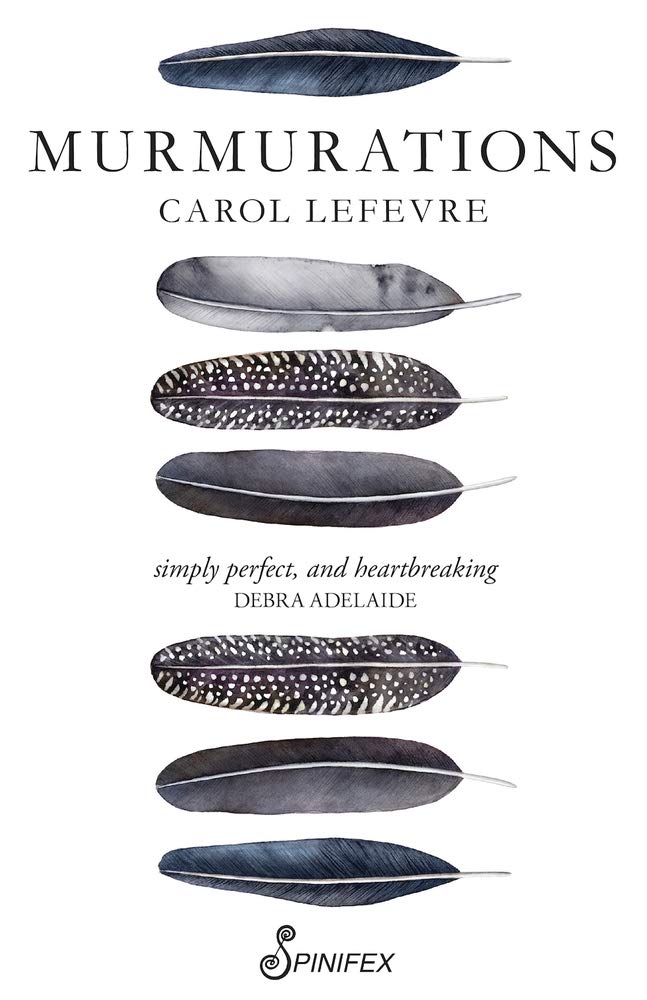
Goodreads starts its description of the book with: ‘In Time Shelter, an enigmatic flâneur named Gaustine opens a “clinic for the past” that offers a promising treatment for Alzheimer’s sufferers: each floor reproduces a decade in minute detail, transporting patients back in time’. What to link from this? I could have taken the quick way and chosen a book with “Time” in the title, as I’m afraid I haven’t read any Bulgarian authors. However, instead I’ve gone with a book in which Alzheimer’s or dementia plays a part, though it’s not the book’s main feature by any stretch, Carol Lefevre’s Murmurations (my review).

Murmurations is one of those books that is tricky in terms of its form. Is it a novel? Or, is it short stories? Well, it’s probably best described as a book of connected short stories, so I’m linking to another book I’d describe that way, First Nations Australian writer Marie Munkara’s blackly funny Every secret thing (my review).

Now, each year in Australia, we celebrate NAIDOC Week in the first week of July (this year from 2 to 9 July), so in honour of that I’m linking from First Nations Australian writer Marie Munkara to the most recent work I’ve reviewed by a First Nations Australian writer, Claire G. Coleman’s short story “Nightbird” in the Unlimited futures anthology (my review).
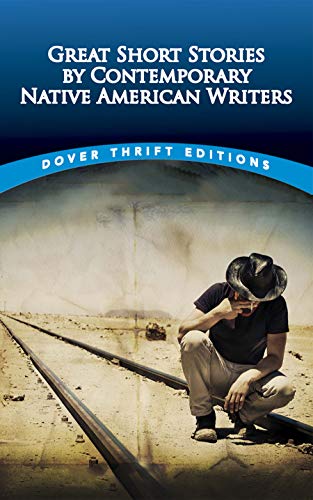
From here I’m linking on two points, another First Nations story in another anthology, this one Native American-based. It’s Leslie Marmon Silko’s “The man to send rain clouds” (my review) in Great short stories by contemporary Native American writers. It is set in a New Mexico pueblo and deals with clashing religious practices over the death and funeral of an elder. Coincidentally, in my review, I wrote that the story reminded me, in a small way, of Munkara’s Every secret thing, so if I hadn’t already linked to that book, I could have done so now! Darn it.
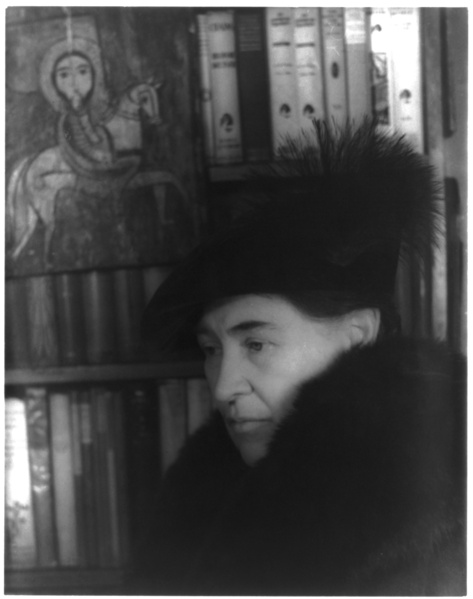
So, instead, I’m going to another short story, this one by Willa Cather, “The enchanted bluff” (my review). The story is set, in fact, in Nebraska, and is about six boys on a camping trip at the end of summer, before they return to school. As people do around campfires, the boys share stories and mysteries, and end up talking about the legend of New Mexico’s Enchanted Bluff. They all vow to go there, when they grow up, and to share their experiences when they do so … The story is told by one of the boys from twenty years later.
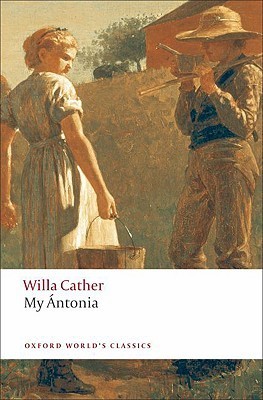
I can’t resist staying with Willa Cather, and linking to another story by her – this time a novel – in which a man reflects on past events. If you haven’t guessed already, the book is My Ántonia (my post), one of the few non-Jane Austen books I’ve read more than once. That tells you something about how much I like it, despite its completely different style, subject matter and tone to Jane’s.
Hmm … we’ve not travelled very far at all this month, having moved smartly from Bulgaria to Australia and then to North America, but we have traversed a few different cultures and eras, so that’s something at least.
Now, the usual: Have you read Time shelter? And, regardless, what would you link to?







 Whispering Gums
