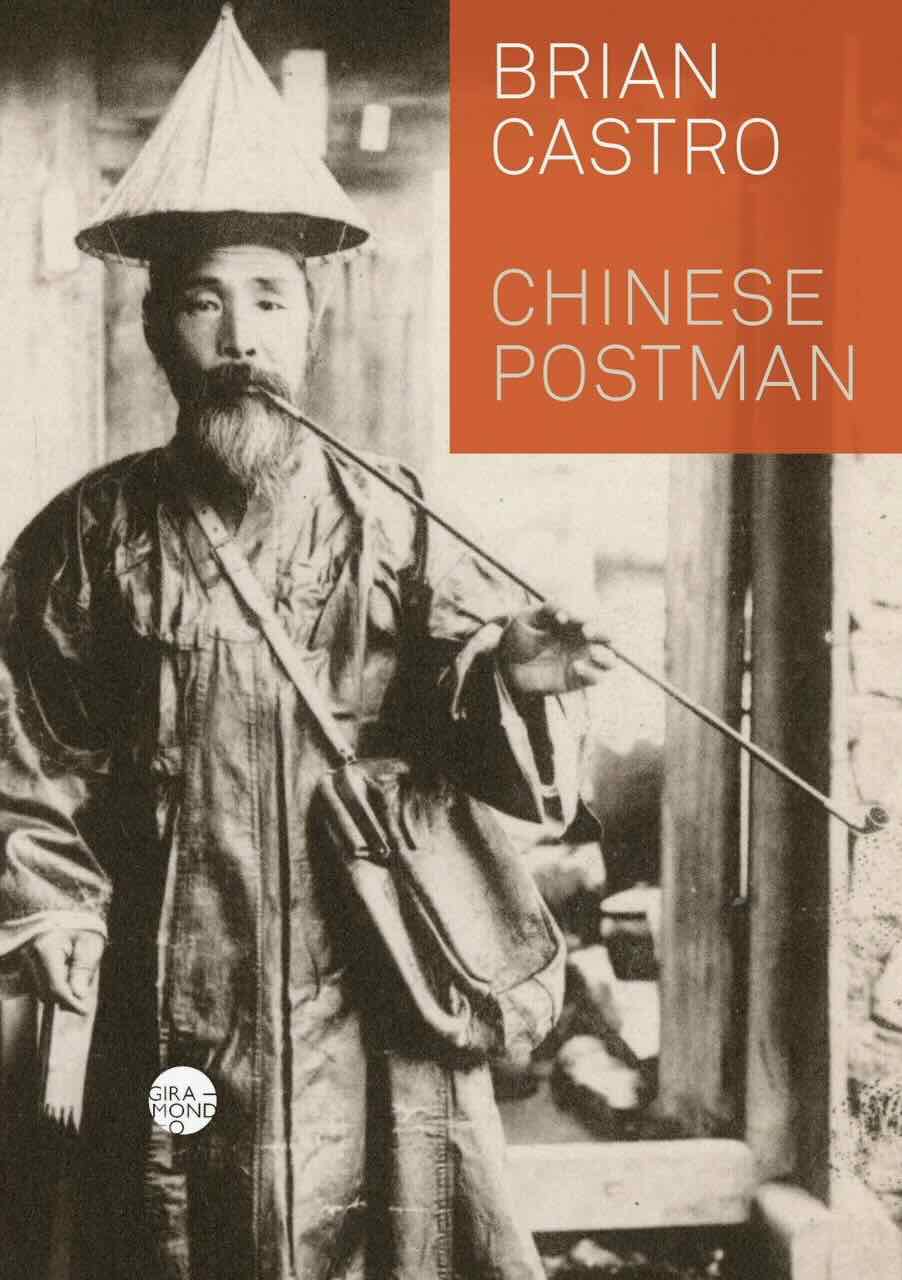
Brian Castro, Chinese postman (#BookReview)

Serendipity is a lovely word, and is even lovelier when it touches my reading. Such was the case with my last two books, Olga Tokarczuk’s House of day, house of night (my review) and Brian Castro’s Chinese postman. The connections between them are simple and complex. Both focus more on ideas than narrative, are disjointed in structure (or, at least, in reading experience), and draw consciously on their author’s lives. They also seem to be questioning the nature of fiction itself, a question that is true of two other books I’ve read in recent times – Michelle de Kretser’s Theory & practice (my review) and Sigrid Nunez’s The vulnerables (my review). None of these books are fast reads, but they are rewarding ones.

The other thing that connects these books is that, because narrative provides more of a loose structure than a driving force and because they blend that narrative with ruminations, memoir, essay, vignettes, anecdotes, recipes even, they exemplify the idea that every reader reads a different book. This is not only – or even primarily – because we are not all men in our mid-70s with mixed ethnicity, to take Castro (and his protagonist) as an example. Rather, it is because we all think about and weigh differently the issues and ideas these authors focus on.

In The vulnerables Nunez refers to Virginia Woolf (as does de Kretser) and her “aspiration to create a new form. The essay-novel”. She also refers to Annie Ernaux’s nonfiction book The years, describing it as “a kind of collective autobiography of her generation”. I’ve digressed a bit here, but my point is that these writers have things to say about their time, their generation, the state of the world – and they are looking for better ways to say it. They are suspicious of pure narrative, and yet I think they also recognise, to some degree at least, that “story” is a way to reach people. Therein lies the tension that each tries to deal with.

So now, Castro! There is a story, a sort of narrative, running through Chinese postman, and I’ll let publisher Giramondo explain it:

Abraham Quin is in his mid-seventies, a migrant, thrice-divorced, a one-time postman and professor, a writer now living alone in the Adelaide Hills. In Chinese Postman he reflects on his life with what he calls ‘the mannered and meditative inaction of age’, offering up memories and anxieties, obsessions and opinions, his thoughts on solitude, writing, friendship and time. He ranges widely, with curiosity and feeling, digressing and changing direction as suits his experience, and his role as a collector of fragments and a surveyor of ruins. He becomes increasingly engaged in an epistolary correspondence with Iryna Zarebina, a woman seeking refuge from the war in Ukraine…

The narrative arc, then, concerns this email correspondence with Iryna. It starts when she emails him:

Dear Professor, I am reading one of your books on the doorstep of war. You once wrote about war eloquently, so the critics said. I do not believe anyone can write eloquently about war. If you could find the time, could you please answer that question. (p. 29/30)

He doesn’t reply “of course”, because he suspects it’s a scam. But, the problem is, it’s got him thinking about his ‘”eloquence” in writing about war’. At this point, readers who have read the epigraphs will remember that one of them quotes John Hawkes*, who said, “Everything I have written comes out of nightmare, out of the nightmare of war”.

War – Ukraine, Vietnam, World War 2, and others – is, then, a constant presence in the novel. As is the aforementioned Iryna because, although she’s “probably a bearded scammer”, he does write back. He asks her about the “dogs in the Donbas”, hoping this “will shove aside the irritating accusation of eloquence”. And so a correspondence begins in which war and dogs, among other issues, are discussed. In other words, dogs become another thread in the novel, as do toilets, aging and its depredations, solitude, the writing life and more.

This is a “big” book, one that, as I’ve intimated, will be read differently by different people. Those concerned about where the world is heading will engage with the issues that mean something to them. Those of migrant background might most relate to his experience of discrimination and othering. Those of a certain age will relate to thoughts about mortality and managing the aging body. (To test or not to test is one question that arises.) Those of a literary bent will love the wordplay and clever, delightful allusions (and wonder how many more they missed. I loved, for example, the allusions to TS Eliot’s “The love song of J. Alfred Prufrock”, a poem about anxiety and indecision which reflects Quin’s inner questioning about action and inaction. I also loved the wordplay that made me splutter at times.) And those interested in the form of the novel will wonder about where this is all leading!

“the unreliability of reason” (p. 232)

There is so much to write about this book, and I’m not sure I can capture the wonder of reading it, how ideas are looked at from every angle – inside out and upside down – in a way that illuminates and stimulates rather than confuses. It’s quite something.

I’ll try to explain something of this through two of the interweaving motifs – toilets and dogs. Both mean multiple things as Castro is not one to close things off. So, early on, toilets reflect the sort of cleaning work migrants must do to support themselves, as Abe does at University. Later, they are part of the aging person’s concern about bowel health. But, in between they could also symbolise feelings of disorder and helplessness, his “anxiety in the gut”, including just coping with “the difficult things of ordinary life”. Similarly dogs epitomise the instinctual, simple life, but, in stories like their being used for target practice, they could also represent innocent victims of war. Here of course, I’m sharing my personal responses to these motifs. There are many others.

No wonder Quin worries about the writing life. It’s something he, a writer, is driven to do, “it pushes fear into the background”, but does it achieve anything?

I’ve always believed it is the novel that carries all the indirect notes of empathy. It may even be violence that brings empathy to war and its suffering. It may be anything. Yet, the plasticity of the novel bends to all the obtuse emotions and accommodates them. Then all is confined to the scrapheap of having been read, having been experienced, having been second-hand and second-read. Major libraries are throwing out paper books. (p.140)

Chinese postman was my reading group’s September book, and it proved challenging, but that is a good thing. We had a lively discussion during which disagreement was not the flavour, but a genuine and engaged attempt to understand what Castro was on about. Whether we achieved that, who knows, but I am glad I have finally read Castro. I won’t be forgetting him soon.

* Wikipedia des John Hawkescribesa (1925-1998) as “a postmodern American novelist, known for the intensity of his work, which suspended some traditional constraints of narrative fiction”. !

Brian Castro
Chinese postman
Artarmon: Giramondo, 2024
250pp.
ISBN: 9781923106130

Kim’s Triple Choice Tuesday

Back in 2010, Kimbofo (as I like to call her from her sign on/login name) started a blog series called Triple Choice Tuesday in which she asked “bloggers, writers and readers to share three books that have had a meaningful impact on them”. She saw it as a “fun way to highlight great books, discover new authors (or bloggers) and explore different perspectives”. I was one of the early participants in 2010, when my blog was still very new (see post).

The series ran for several years, and then I guess Kim ran out of puff and/or she had mined most of the bloggers and readers she knew. She restarted it in 2024, with the original three questions, but this year she restarted the series with new questions. In a way, they amount to the same thing, but there is a different twist, so I took up her offer and had second bite of the cherry. The questions did challenge me a little, because I kept returning to books and authors I’d selected first time round. How boring am I? However, of course, my reading is more diverse than that, and I did come up with new books.

Kim has now posted my Mark II selections, and you can find them here.

Thanks for the challenge, Kim, I enjoyed it. And folks, if you don’t see responses from me in the next little while (and over the past few days) it’s because I’m in the wilds of northern Queensland with very minimal Internet reception. It might be a few days before I’m back in Internet civilisation again.

Monday musings on Australian literature: Les Murray Award for Refugee Recognition

Now THIS is something different for Monday Musings. Yes, it is Australian, but it’s not a literary award. Its full title is The Australia for UNHCR – SBS Les Murray Award for Refugee Recognition and, according to Australia’s UNHCR website, it “recognises and celebrates the contribution of refugees who are shining a light on the situation of forcibly displaced people”. The winner receives $10,000, which is donated by SBS, as part of their goal to promote positive awareness and understanding of refugees.

The site explains that the Award, which is supported by Murray’s daughters, Tania and Natalie Murray, is “offered in memory of Les Murray AM, the iconic sports broadcaster and much-loved host of The World Game on SBS television”. In other words, NOT Les Murray the poet. This Les Murray (1945-2017) was born László Ürge in Hungary, but fled Hungary with his family as a refugee in 1956, arriving in Australia in 1957.

Wikipedia’s page, linked on his name, says that he began work as a journalist in 1971, and was also lead singer of a small rock music group, The Rubber Band. He joined the Australian television station, Network Ten, as a commentator in 1977, which is apparently when he changed his name to Les Murray. He moved to Australia’s multicultural broadcasting service, SBS in 1980, initially as a Hungarian language subtitler, but soon turned to sports commentary – football, primarily. In 2011, he won the inaugural “Blogger of the Year” award at the FFDU Australian Football Media awards.

UNHCR says he used his public profile and his own refugee experience to advocate for refugee rights, and this, of course, is what’s behind these awards. To be eligible for the Award nominates must “have settled in Australia as refugees”; “demonstrate significant contributions to raising awareness of refugees and forcibly displaced people in Australia”; “be committed to continuing to engage the Australian public in support of refugees”; and be willing “to engage in Australia for UNHCR and SBS events” including participating in media coverage as requested.

The award was first made in 2022, and the winners have been:

  • 2022: Danijel Malbasa: former Yugoslav refugee, now “a powerful advocate, writer and lawyer”
  • 2023: Anyier Yuol: former South Sudanese refugee, recognised for “her diverse achievements across sport, women’s empowerment and refugee advocacy”.
  • 2024: Hedayat Osyan: a former refugee from Afghanistan, founder of a leading social enterprise that employs refugees in the construction industry

So, as I said, not a literary award per se. However, the 2025 winner, whom I read about in With You (Australia for UNHCR’s newsletter), is Huda Fadlelmawla, otherwise known as Huda the Goddess. She is an “internationally renowned slam poet”, hence her relevance to my Monday Musings.

Huda the Goddess

Fadlelmawla tells her story in With You (Issue 1, 2025, p. 7). I’ll provide a quick summary, but you can read it at the link. Her mother decided they should flee Sudan when Huda was 5 years old, because, under the dictatorship, her mother couldn’t work properly, put her daughter through school, help the family, or “even move around freely as a woman”. They spent 5 years in Egypt, living in poverty, before coming to Australia, when Huda was 10.

She writes of her mother’s telling her this was her chance to be what she wanted to be, and she was determined to take it. But, school wasn’t easy:

In school, I wasn’t good at English at all. Writing was just not my subject. But I had a very, very good teacher in Grade 7. She was the one who motivated me to master verbal language. She also asked me to do the graduation speech. It was the first time I was properly on stage. I thought I was going to throw up. I don’t even remember what I said, but I got a standing ovation from everyone.

After school, she started a nursing degree, but also started attending events. It was here that she saw/heard/met a poet named Anisa Nandaula, who encouraged her to do an open mic. She writes of the impact of the experience of doing open mics:

That was a time in my life when I didn’t know who I was outside of being smart and being a good oldest daughter, a good refugee. It was the first time it wasn’t about how good I was. It was about how I made people feel. I wanted to make people feel better – that was now my objective.

She must have been “good” because in 2021 she won the Australian Poetry Slam. She describes herself as “an improvised poet”, meaning she makes up her poems on stage. They are “not pre-written, edited” works. What she does is “deeply spiritual … deeply ancestral”. She talks about her activism as things she’s “had to do”, because, for her, “activists are not birthed out of choice … [but] … out of urgency … out of care … out of obligation”.

She wants to speak for her country and advocate for the youth. Refugees, she points out, do not need to be saved. Indeed, “sometimes they just need people to get the hell out of their way so they can rebuild countries that were taken from them”. She ends on this:

I am here for every Black girl who does not get to dream out loud. I have to stay in the room so that, when they step through the door, there is another Black face waiting for them.

That of course is the critical thing – for there to be role models, for us all to see people like us on the stage, in print, on TV, in art, and so on.

She will perform at Australia for UNHCR’s World Refugee Day lunch, Sydney, Thursday 19 June 2025. Click here for more info.

In the meantime, here she is on a UNHCR-published YouTube – and doing a TedX talk/improvisation a few months ago:

Art has been my greatest gift.
It is my greatest privilege.
It is my greatest weapon.

Have you either heard, or heard of, Huda the Goddess?

PS Oops, this is late. I scheduled it and then forgot to press the green button!

Monday musings on Australian literature: UNESCO Cities of Literature

A year before I started this blog, Melbourne was designated as a UNESCO City of Literature, something I briefly mentioned in a 2010 post on the Victorian Literary Map. The City of Literature program is part of UNESCO’s wider Creative Cities Network which was launched in 2004, and which itself grew out of UNESCO’s 2002 Global Alliance for Cultural Diversity initiative. According to the Cities of Literature website, the Creative Cities Network encompasses seven creative fields: Crafts & Folk Art, Design, Film, Gastronomy, Literature, Music, and Media Arts. Currently there are 53 Cities of Literature, across 39 countries in 6 continents.

Edinburgh was the first City announced in 2004, with Melbourne becoming the second in 2008. Iowa City was also designated that year. Since then 50 more have been added with a second Australian city, Hobart, being among the most recent added to the list, in 2023. The full list is available online at the Cities of Literature website.

What does it mean, and how does a city become a City of Literature? To start with, it is up to cities to apply to be so designated. Once they apply, they are assessed against a number of criteria. These criteria aren’t specifically listed, but the Cities of Literature website says that these Cities “share similar characteristics”, which presumably draw from the criteria? The characteristics are:

  • Quality, quantity and diversity of publishing in the city
  • Quality and quantity of educational programmes focusing on domestic or foreign literature at primary, secondary and tertiary levels
  • Literature, drama and/or poetry playing an important role in the city
  • Hosting literary events and festivals which promote domestic and foreign literature
  • Existence of libraries, bookstores and public or private cultural centres which preserve, promote and disseminate domestic and foreign literature
  • Involvement by the publishing sector in translating literary works from diverse national languages and foreign literature
  • Active involvement of traditional and new media in promoting literature and strengthening the market for literary products.

UNESCO has pages for some of the cities. Melbourne’s (Naarm) commences with:

Celebrated for its vibrant literary culture, Melbourne supports a diverse range of writers, a prosperous publishing industry, a successful culture of independent bookselling, a wide variety of literary organisations, a well-established culture of reading and is actively involved in many events and festivals.

It then lists other facts and figures about Melbourne’s literary credentials.

Hobart’s (nipaluna) page doesn’t seem to exist yet … But its page on the specific Cities of Literature site starts with the state’s First Nations people:

Lutruwita/Tasmania has a strong arts and culture presence, especially around nipaluna/Hobart. Over time, an authentic Tasmanian voice has developed in our literature and storytelling. The Tasmanian Aboriginal community drew on their knowledge, history, resilience and creativity to retrieve and revive their language, palawa kani, a composite of Lutruwita’s original Aboriginal languages. This has seen this island’s First People’s interpreting their own stories in their own language.

Today, nipaluna/Hobart is home to a multitude of award-winning and best-selling authors who have been recognised both nationally and internationally, winning awards such as the Vogel Award, Stella Prize, Commonwealth Writers Prize, Prime Minister’s Literary Awards, and the Booker Prize. From self-published authors to Richard Flanagan, winner of the Booker Prize, Hobartians have taken this special place to readers on every continent. 

Although nipaluna/Hobart was designated in late 2023, it’s at this year’s Hobart Litfest, which is running now (from 3 to 12 April), that they are celebrating the city’s designation, with the litfest’s theme being “Celebrate Hobart’s designation as a UNESCO City of Literature at Hobart LitFest!” If you’d like to check out the program, click here.

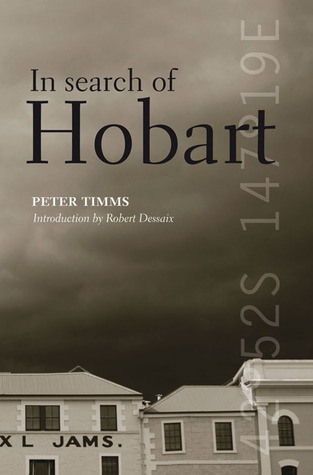
Meanwhile, the opening event featured a keynote speech by author Peter Timms in which the promotion said he would focus on how Hobart became a City of Literature & how Hobart sits against other global cities. He also, according to the promotion, was going to “delve” into Hobart’s “rich literary history, cultural influences, and key milestones” that shaped the city’s identity in the literary world, and also identify what sets Hobart apart and what it can learn from the successes of the other cities. My brother attended the keynote and reported (in comments on last week’s Monday Musings) that “he spoke about needing a regular writers’ festival (which we haven’t really had since the 1990s, if ever), support for writers through re-funding a Tasmanian Writers’ Centre and highlighted the foundation and development of the Wheeler Centre by the Victorian State Library to build on Melbourne’s declaration as a City of Literature”. I love it when people offer good, clear and aspirational but also achievable ideas.

Anyhow, do you live in a UNESCO City of Literature? Or one of the other creative cities? What do you think about the concept?

Monday musings on Australian literature: Writers on artists

Last week, the winner of Australia’s prestigious Archibald Prize was announced, Laura Jones for her portrait of Tim Winton.

Winton, as I read in the Herald’s The Booklist email, is the first novelist to be the subject of an Archibald Prize-winning portrait in more than two decades, with Geoffrey Dyer’s portrait of Richard Flanagan being the previous one in 2003. The email’s author, Melanie Kembrey, adds other Australian writers who have been the subject of prize-winning portraits include George Johnston (1969, Ray Crooke); Patrick White (1962, Louis Kahan); Banjo Patterson (1935, John Longstaff); and Ambrose Pratt (1933, Charles Wheeler). The National Portrait Gallery in Canberra has other portraits of writers, including Murray Bail (1980-1981, Fred Williams); Peter Carey (a few, including 2000, Bruce Armstrong); Robert Dessaix (a couple, including the one I know best, 1998, Robert Hannaford AM); Helen Garner (of whom there are many, including 2003, Jenny Sages); the poet Dame Mary Gilmore (c. 1938, Lyall Trindall); Elizabeth Jolley (2003, Mary Moore); Thomas Keneally (1987, Bernd Heinrich); Kath Walker (Oodgeroo Noonuccal) (1965, Clif Peir). Writers, like many people in the public eye, are popular portrait subjects, so I’ll stop here!

Kembrey then writes that “just as painters are interested in novelists, so novelists are in painters” and she lists some of her favourite “(more recent) novels about art and artists” – Alex Miller’s The sitters (1995); Peter Carey’s Theft (read before blogging); Emily Bitto’s The strays (my review). Kembrey also names some non-Australian novels but as you know by now, my Monday Musings is Australian-focused. Oh, just to be clear, we are talking visual art/artists, here, not artist in its wider meaning of any creative person).

Kembrey’s little list is just that, a little list to whet the appetite, but there are many more, including these (in alphabetical order by author):

Miles Allinson’s Fever of animals (2015): about a man’s search to solve the mystery of a Romanian surrealist, who had disappeared decades before, but the search brings up issues from his own life.

Jen Craig’s Wall (2023): about a woman who returns to Australia to clear out her father’s house, aiming to turn the contents into an art installation in the tradition of the Chinese artist Song Dong, but gets caught up family tensions.

Julian Davies, Crow mellow Book cover

Julian Davies’ Crow mellow (2014) (my review): a satirical (and illustrated) house party novel about a group of artists staying in a country house/bush retreat with their patrons and admirers; explores the complex relationship between art, its practitioners and followers, and life.

Sulari Gentill’s Rowland Sinclair series, starting with A few right thinking men (2010): Gentill explained during last week’s conversation that she made her protagonist, Rowland Sinclair, an artist, because an artist, particularly back in the 1930s, was a good profession for a character who needed to be able to move through different strata of society.

Gail Jones’ Salonika burning (2022) (my review): draws on the lives of four real people, including British artists Grace Pailthorpe and Stanley Spencer, to explore the experience of war, and, among other things, the idea of witness and representation. (Gail Jones often features art and artists in her novels, including her Miles Franklin award-winning The death of Noah Glass.)

Silvia Kwon’s Vincent and Sien (2023): based on the eighteen months or so that Vincent van Gogh and Sien Hoornik were together.

Book cover

William Lane’s The salamanders (2016) (my review): about events triggered by an obsessive artist father; “a broad, abstract story about our relationship to art, place and nature, and a more personal story about identity and family”.

Alex Miller’s Prochownik’s dream (2005): “reveals the inner life of an artist, torn between his obsession with his art and his love of his wife and daughter” (Readings). (Like Jones, Miller often features artists, another novel being Autumn Laing).

Ruby J. Murray, The biographer’s lover (2018): about a young writer who is hired to write about the life of an unknown woman artist in a family’s quest to bring her to public attention, and the complex issues re fame, art, memory, that arise. (Readings)

Angela O’Keeffe’s The sitter (2023) (Brona’s review): inspired by Hortense Cézanne, wife of artist Paul Cézanne, who sat for twenty-nine of his paintings, and a writer who is writing about her; another exploration of the tension between artist and subject, art and life.

Edwina Preston’s Bad art mother (2022) (my review): the protagonist is a poet, but two other women feature, a muralist and an ikebana artist; about how hard it is hard for women to make art and be recognised for it, and especially hard for woman who are mothers.

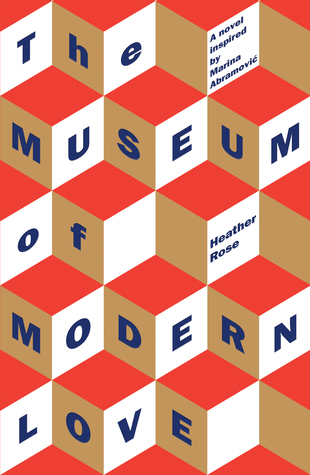
Heather Rose, The museum of modern love

Heather Rose’s The museum of modern love (2016) (my review): inspired by Marina Abramović and her performance piece, The artist is present, exploring, as I suggested in my review, the question of whether art is enough or is love more important? 

Dominic Smith’s The last painting of Sara de Vos (2016) (kimbofo’s review): a multi-pronged story spanning three centuries that “shines a light both on the hidden world of art forgery and women’s unrecognised contributions to the Dutch Golden Age”.

Patrick White’s The vivisector (1970): life story of a fictional artist/painter Hurtle Duffield; “explores universal themes like the suffering of the artist, the need for truth and the meaning of existence”. (Wikipedia)

Chris Womersley’s Cairo (2015): set in a bohemian world peopled by painters and poets, and explores deception and betrayal, within the context of one of the greatest unsolved art heists of the twentieth century, the infamous theft of Picasso’s Weeping Woman. (Readings)

So many novels, most from this century. Like Kembrey, I’ve barely touched the surface.

Some of these novels reference known artists, while others imagine their artists, but the question is, why do novelists choose to write about artists, real or otherwise? Chris Hammer said (in the abovelinked conversation with Sulari Gentill) that if you have 12 authors in a room, you’ll have 14 ways of doing things. This probably also works as an answer to my question here, but we can glean some recurring threads. A common one concerns the (often difficult) artist and his or her relationships (with partners, children, and others), alongside some sort of exploration of what price art in a wider life. There are many variations on this theme, because art is a rich vehicle for examining how we express ourselves and find meaning, how the all-consuming drive to create can become exploitative, how we balance our inner selves with the reality of existence, and so on. Another common theme is the feminist one of retrieving known women artists or muses from their undervalued or misrepresented place in history and/or exploring that challenges women artists face in practising their art.

Have you read any of these? Do you like novels about artists, and do you have any favourites?

What would you recommend?

Last week, Mr Gums and I drove back from Melbourne where we had spent the holiday season with family. Having spent over two weeks in the city – very lovely because we saw family – I did want a little country respite before hitting our own (much smaller, admittedly) city. Bright, in Victoria’s Alpine Shire was our chosen destination and it was truly delightful. Mountains and rivers are my happy places.

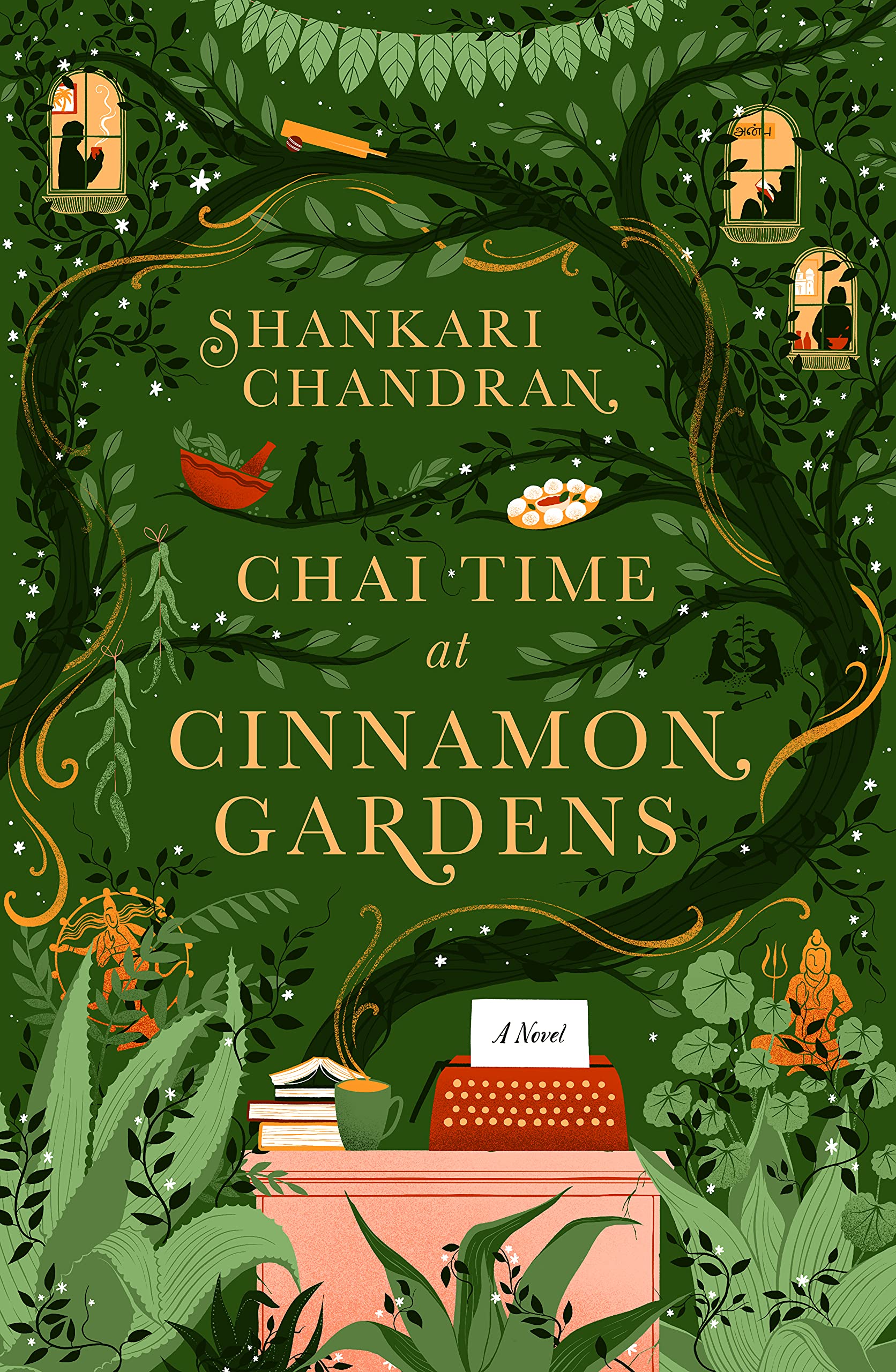
However, it wasn’t all road-tripping and bushwalking. The township of Bright has some good restaurants and, I noticed, a lovely little independent bookshop called, yes, The Bright Bookshop. I mean, you’d have to wouldn’t you? It’s a small shop but its inventory was excellent and with much to tempt me. But I just bought one book, Shankari Chandran’s Chai time at Cinnamon Gardens, which is on my reading group schedule this year.

None of this, though, is the point of my post. There was one other person browsing in the shop while I was there, and I overheard her asking for advice from the bookseller. She told him that her 18-year-old daughter wants to be a reader. She didn’t like science fiction, fantasy or dystopian novels, she said. In fact, she didn’t like anything involving suspension of disbelief. But the book couldn’t be “too literary” either, as her daughter preferred a nice linear story. Oh, and she wouldn’t read any books her sister read! I didn’t ask about historical fiction or crime, which is a shame, but the conversation kept spearing off, and I was running out of time.

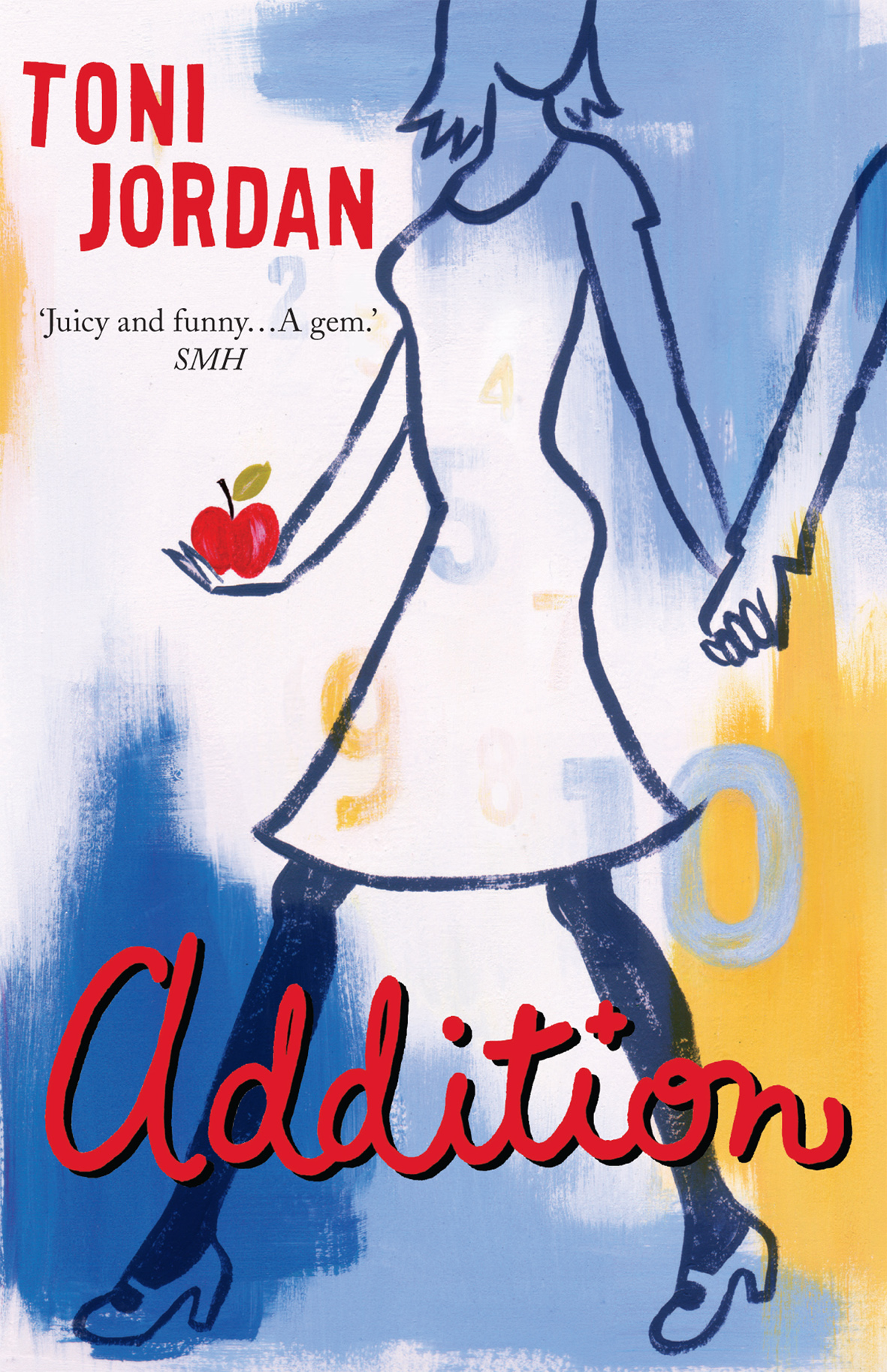
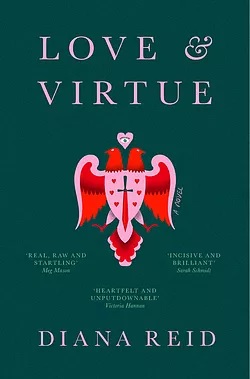
However, I had to go, we did throw around a few ideas, including the American Curtis Sittenfeld, the Australian Diana Reid, Robbie Arnott’s Limberlost (“no”, said the mother to the bookseller), Jack Kerouac’s On the road (the mother didn’t think so, and nor did I), and older American writers like Anne Tyler (which the mother thought a possibility). The mother also suggested Sally Hepworth, whom I don’t know, and I wondered about other Aussies like Toni Jordan, Karen Viggers and Irma Gold – to name a few – who have written young women well. By the time I left, a decision hadn’t been made. But, my question to you – my litblogging community brains trust – is, what would you have suggested to get a wannabe reader keenly reading?

Over to you …

Nonfiction November 2021: Your year in nonfiction

While I’ve taken part in Nonfiction November before, I’ve never done it week by week right through the month. I may not this year, either, but I am starting off as if I mean to!

Nonfiction November is hosted by several bloggers, with Week 1: (November 1-5) – Your Year in Nonfiction, hosted by Rennie at What’s Nonfiction. To make it easy for us, Rennie has posed a number of questions, so here goes, starting with a quick overview.

I’ve read the same number of nonfiction works this year as last. However, four of this year’s were individual essays rather than whole books, which means I’ve spent less time reading nonfiction. The biggest difference, though, is that last year over 60% of my nonfiction reading was life-writing of some sort, while this year only a third has been.

What was your favorite nonfiction read of the year?

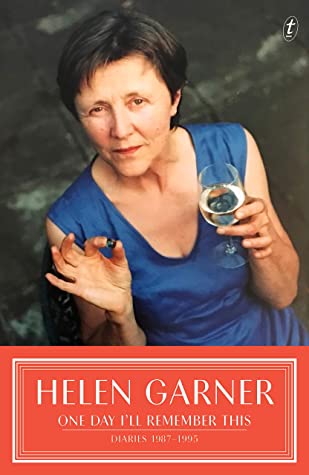
Favourites are always hard to identify, because I like most of what I read. However, if pushed, I’d say volume 2 of Helen Garner’s diaries, One day I’ll remember this (my review), and not because it’s a recent, and therefore fresh, read. I like Helen Garner’s writing, and her her often self-deprecating openness. She engages us in her life’s journey, through her relationships and their ups and downs, her writing life, and her ideas about what she reads and sees. I particularly like that she shares her search for a form that suits what she wants to write, that is, what she wants to explore and express in her writing.

Honourable mentions are many, but I’ll just name Gene Stratton-Porter’s essay “The last Passenger Pigeon” (my review). It’s an early(ish) example of nature/conservation writing, and I loved meeting the author of a childhood favourite, A girl of the Limberlost, again!

Do you have a particular topic you’ve been attracted to more this year?

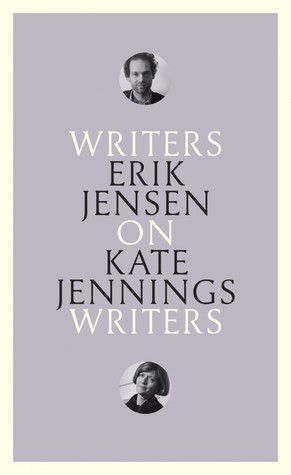
When it comes to non-fiction, my main interests are literary biographies, nature writing, and works about social justice/social history. I read in all these areas this year, but literature-related topics have predominated. Besides the Helen Garner diaries, I’ve read two books in the Writers on writers series, Erik Jensen’s On Kate Jennings (my review) and Stan Grant’s On Thomas Keneally (my review), and George Orwell’s essay on the freedom of expression, “The prevention of literature” (my review). Rather different to all these, but definitely literature related, is Chrystopher Spicer’s Cyclone country: The language of place and disaster in Australian literature (my review).

What nonfiction book have you recommended the most?

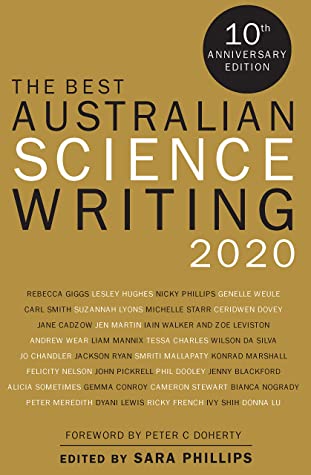
This is hard, because with nonfiction, even more than fiction, what you recommend is highly dependent on people’s interests. However, the book I’ve read this year that has the most general appeal is Best Australian science writing 2020 (my review). Its focus is science, but most of the essays explore the implications and applications of science, particularly regarding issues like climate and the environment, and health, with some also raising the role often played by politics.

Besides this, I do recommend Helen Garner’s diaries to those who like Garner and are interested in a writer’s life. Finally, Marie Younan’s memoir, A different kind of seeing (my review), about being blind and a migrant, is both inspirational and eye-opening, as is Wendy and Allan Scarfe’s story of aid work in an Indian village in the 1960s, A mouthful of petals (my review).

What are you hoping to get out of participating in Nonfiction November?  

Preferably not more recommendations, but it will happen! Seriously, I’d like to see some interesting discussions about nonfiction and nonfiction reading. Of course, our specific interests vary, but: Why do we read nonfiction? What do we look for? What makes a good nonfiction read?