Nearly three years ago, I reported on a new literary prize, the 20/40 Publishing Prize which was being offered by the non-profit publisher, Finlay Lloyd. It has now been awarded in both 2023 and 2024, and preparations for announcing the 2025 winners are well under way.
Briefly, the aim of the award is to “encourage and support writing of the highest quality” by offering publication rather than cash. It has a specific criterion, however, as conveyed by its title: the works, which can be fiction or nonfiction, must be between 20,000 and 40,000 words. The submissions are read blind, and the judging panel includes the previous year’s winners. This means the judges for the 2025 award are Sonya Voumard, Penelope Cottier and Nick Hartland, alongside publisher, Julian Davies, and longtime Finlay Lloyd supporter (and writer), John Clanchy.
The winners to date have been:
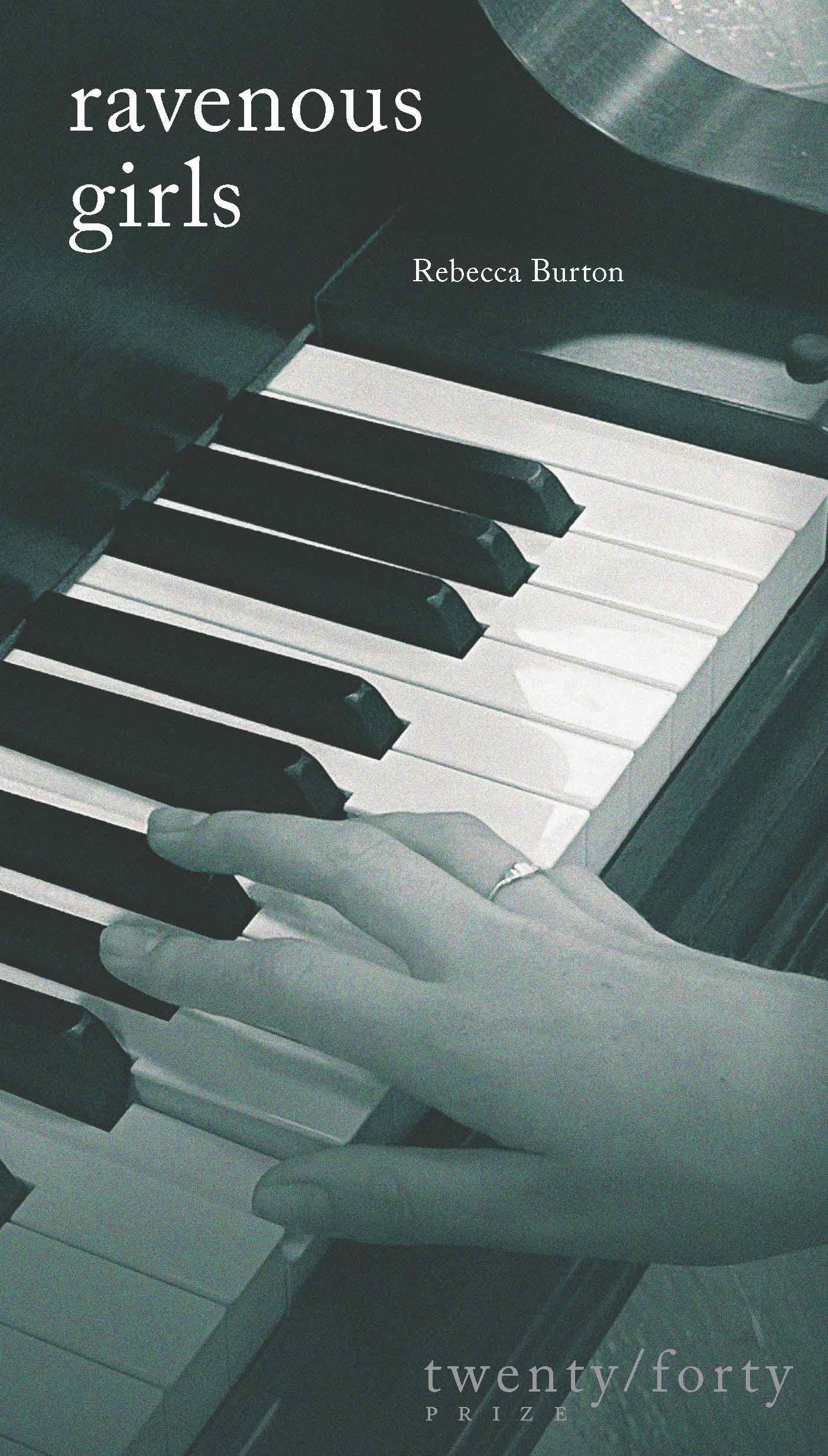
- 2023: Rebecca Burton, Ravenous girls (fiction, my review)
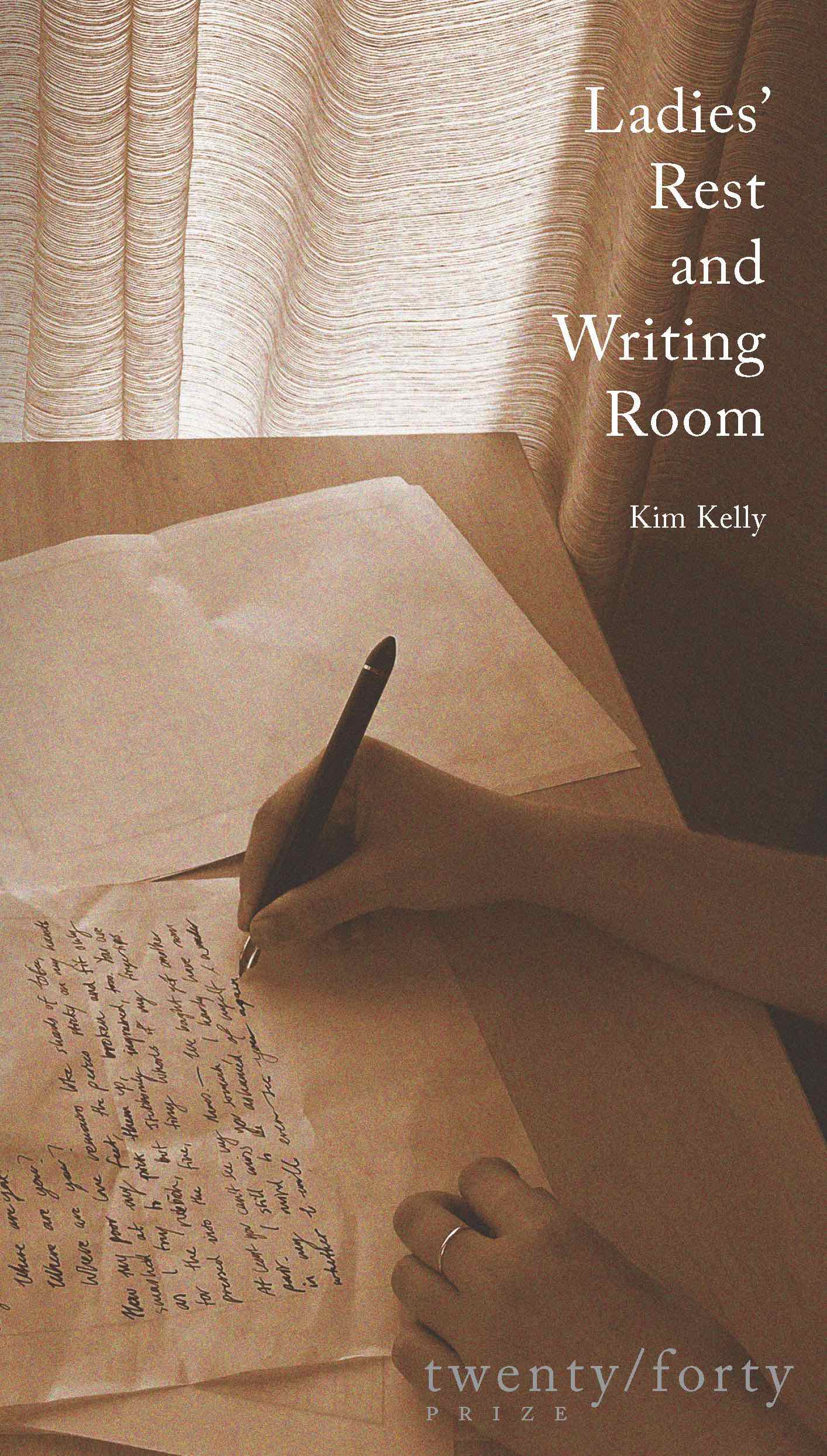
- 2023: Kim Kelly, Ladies’ Rest and Writing Room (fiction, my review)
- 2024: PS Cottier and NG Hartland, The thirty-one legs of Vladimir Putin (fiction, my review)
- 2024: Sonya Voumard, Tremor (nonfiction, my review)
Most awards, particularly those coming from a small organisation, take time to build – and some disappear into the ether. So I worried that this award might not last – not only because Finlay Lloyd is small but also because this shorter form is not popular with everyone. I am therefore thrilled to hear that the third annual winners are on track for announcement, and that Finlay Lloyd is now calling for entries for the 2026 prize.
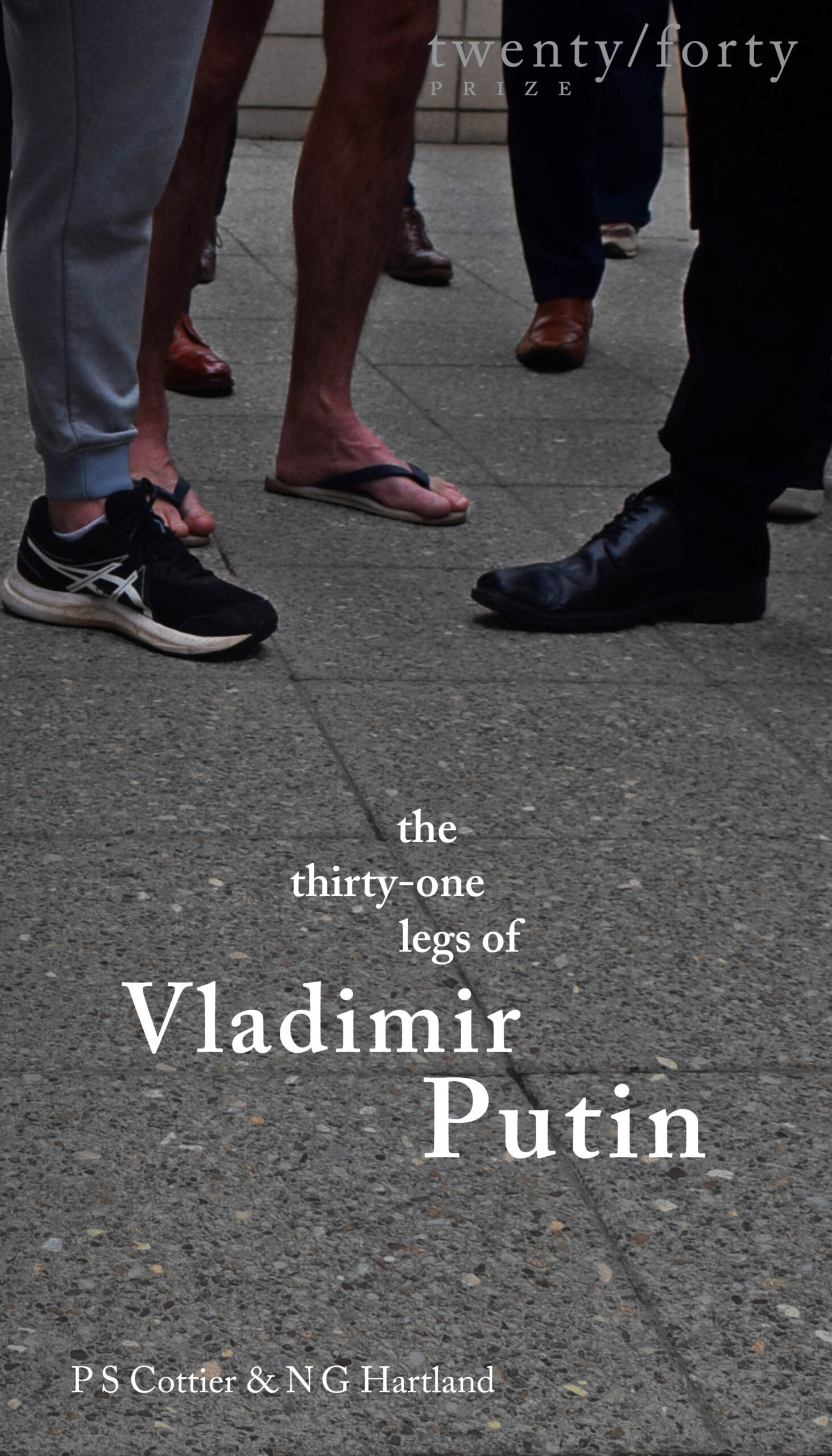
This is where today’s post comes in. I don’t make a practice of announcing calls for competition entries, but this attracted me for a couple of reasons. First, I often wonder what difference awards make to authors and their sales. Well, while I don’t know what the initial print runs were, Finlay Lloyd says that The thirty-one legs of Vladimir Putin has been reprinted twice since its first run, and Tremor is about to go into reprint. This must be encouraging, surely, for writers?
The other relates to the fact that Finlay Lloyd wants to offer a fiction and a nonfiction award each year. This didn’t happen in 2023 because they did not receive enough quality entries, but it happened in 2024. Sonya Voumard’s Tremor is an excellent example of novella-length (is there a better description for this) nonfiction.
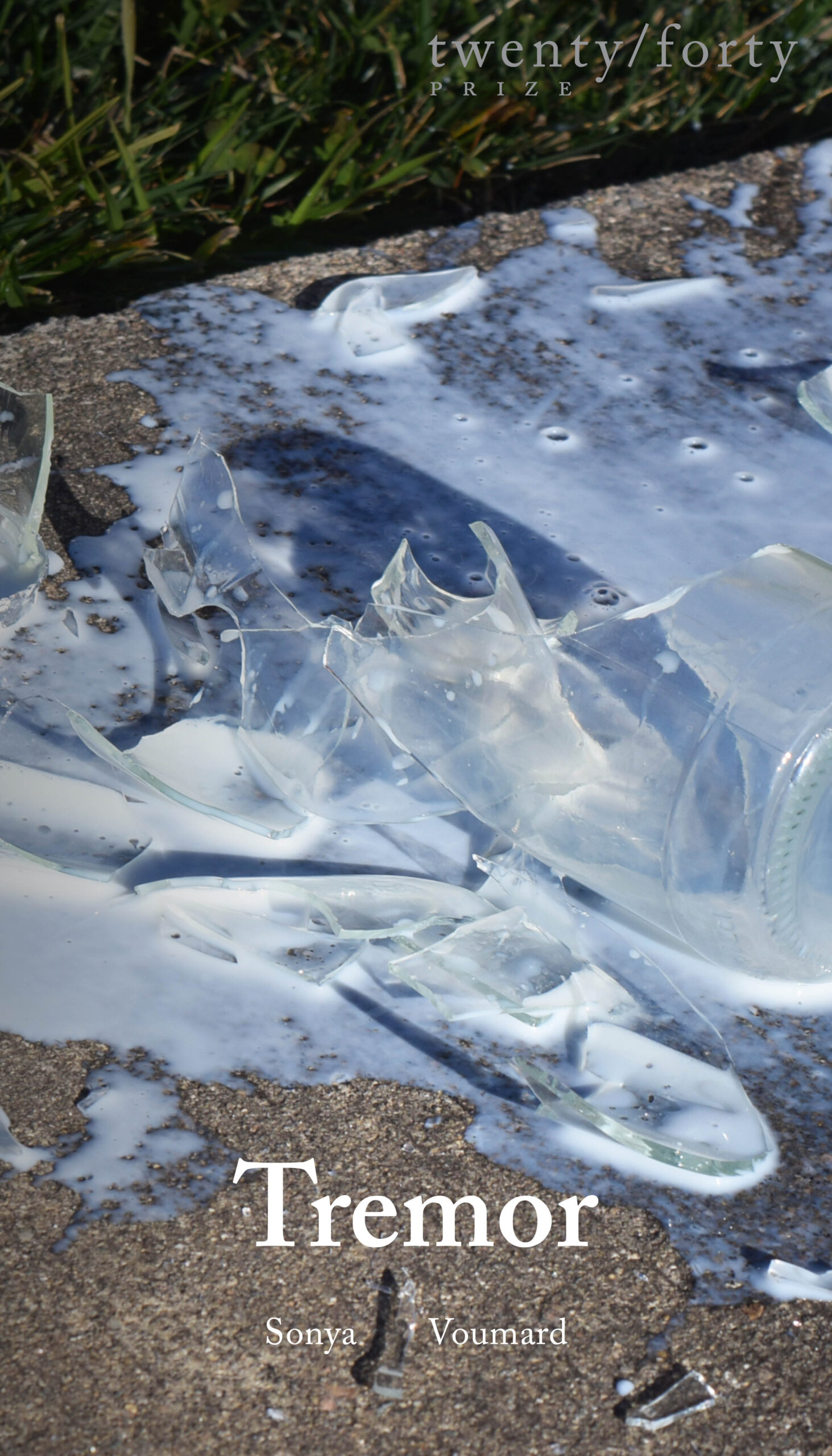
In my report on the Winners Conversation last year, I shared Voumard’s discussion about length. She said that there’s “the assumption that to be marketable you need to write 55,000 plus words”. She had the bones of her story, but had then started filling them out, when, in reality, it was just “flab”. The competition, and then Julian Davies’ editing guidance, taught her that she had a good “muscular story”. So she set about “decluttering”. The end result is interesting, because this book doesn’t have that spare feeling common to short works, which is not at all a criticism of spare writing. However, Tremor feels tight. It has little extraneous detail, but it’s not pared back to a single core. I found it informative but also a personal and moving read, and I bought a few copies as gifts last year. I would love to read more shorter-length works of nonfiction.
All this is precursor to sharing that last week, I received a Media Release from Finlay Lloyd, in which publisher Julian Davies says:
As 20/40 builds momentum, our enthusiasm for encouraging this compact scope for both fiction and nonfiction has continued to grow. The length of 20,000 to 40,000 words allows for the rich development of an imaginative story or factual concept while being tight enough to encourage focus and succinctness. It’s a form we love and believe is apt for our moment in the history of thought and invention.
Each year we support the winning authors through a close and probing editorial process that works towards finding the best possible version of their book. We also take delight in a design process where books are created that feel like artefacts, that ask to be picked up and engaged with.
Submissions for 2026 will open in December. The prize is open to emerging and established writers, but they must be Australian citizens, permanent residents, or valid visa holders. It is a prose prize, but is open to all genres – as the winners to date demonstrate – including hybrid forms.
The original NaNoWriMo might have ended, but that doesn’t mean November (or any month of your choice) isn’t a good month for giving writing a go, particularly if there’s a publisher out there waiting for your work. For more information, check the prize’s webpage.
 Whispering Gums
Here’s an award I will acknowledge – no way it can add to the glitter of an already-successful writer.
And I love that title and cover, Tremor. You get it instantly …
Glad you approve MR, whatever the reason. I usually like FL covers … they are stylish.
I don’t mind a snappy novella, not as an audiobook where I prefer to be engrossed for hours, but for reading. If this prize brings forward another Jane Rawson or Elizabeth Tan that can only be a good thing.
Completely agree Bill. I do think The 31 legs of Vladimir Putin was a clever, witty read
I’ve noticed a trend lately in the US where big name authors are publishing non-fiction that looks like it’s over the 200 page mark, but if you look at it, the chapters are super short, meaning there’s a ton of white space on the pages. And a hardcover book can set you back $35! Why not be real about what they’re doing and just make a paperback novella of nonfiction? Also, it’s well known in film that when directors have a budget limitation, they have to be creative with what they’re doing. There have been so many great directors who are given a limited budget and made masterpieces, and then later on they were given a huge budget and made flops. I think having constraints is a great way to push innovation and better writing and film.
I agree with you Melanie about constraint / limitations driving creativity. Some books may need to be long – like a biography of a person who lived long and achieved a lot – but tightness is good I think.
I have mixed feelings about size versus cost of books though if the number of pages is significantly less there should be some cost saving. I do like some white space in books – I find it visually appealing and I can write on margins! – but there is a balance isn’t there?
It’s less about pages for me and more like, “Is this publisher trying to trick me?”
Oh no, Melanie … that makes me sad! Of course I realise publishers are trying to do the best for themselves and their authors but I never see that as “tricking” me. I start from the portion that they believe that book has something to offer … though I do realise that can mean a multitude of things!
This is most interesting. Could you name a couple of these books, so that I can browse them in the store at some point?
Well, small publishers are all working under constraints, so you could Google small presses in your country and see what’s available.
George is in your country Melanie… I think he’s asking about some of those books you were talking about that are expensive but are shorter than they look. At least I think that’s what he’s asking.
Oh! Anything James Patterson is a good example. Chapters are all about 2 1/2 pages long, loads of white space.
In the old days of typesetting, there was a task called “cast-off”, in which one sampled a manuscript and estimated the length it would come to when set. Did it estimate words? I forget. (Publishers may still talk about cast-off, but word-counting, at least, has become trivially easy with “manuscripts” submitted electronically.)
A quick dip into a Penguin edition of David Lodge’s Nice Work shows the average page at around 42 lines at about 14 words per line. Allowing for short pages at the ends of chapters (and to simplify the arithmetic) call it 500 words per page, putting the bounds of the rules at 40 to 80 pages. I see that the separate episodes in Gregor von Rezzori’s Memoirs of an Anti-Semite average about 70 pages. So do the three pieces in Norman Maclean’s A River Runs Through It, though there two longer pieces are balanced by one of 20 pages. If I had the energy, I’d go through my shelves some more to see what fits the bounds.
Love this analysis George. The four books I’ve read to date from this prize have been 100-130pp but their books have a different narrower proportion. My guess is there are significantly fewer words per page …