So now, the BIG CLEAN is done, and we are in the lap of the real estate gods. I hope to be able to tell you next month that we have sold, but in the meantime I’m taking my mind off it all to think about something that’s far more fun, this month’s Six Degrees. If you don’t know how this meme works, please check host Kate’s blog – booksaremyfavouriteandbest.

The first rule is that Kate sets our starting book. In August it’s another book I haven’t read – I am doing worse this year than I ever have before in this regard – Curtis Sittenfeld’s Romantic comedy. Those of you who know Sittenfeld and who know me might guess that I’d make my first link, Pride and prejudice, because she wrote a P&P adaptation titled Eligible as part of the Austen Project. I thought about it, but then decided not to do the obvious…
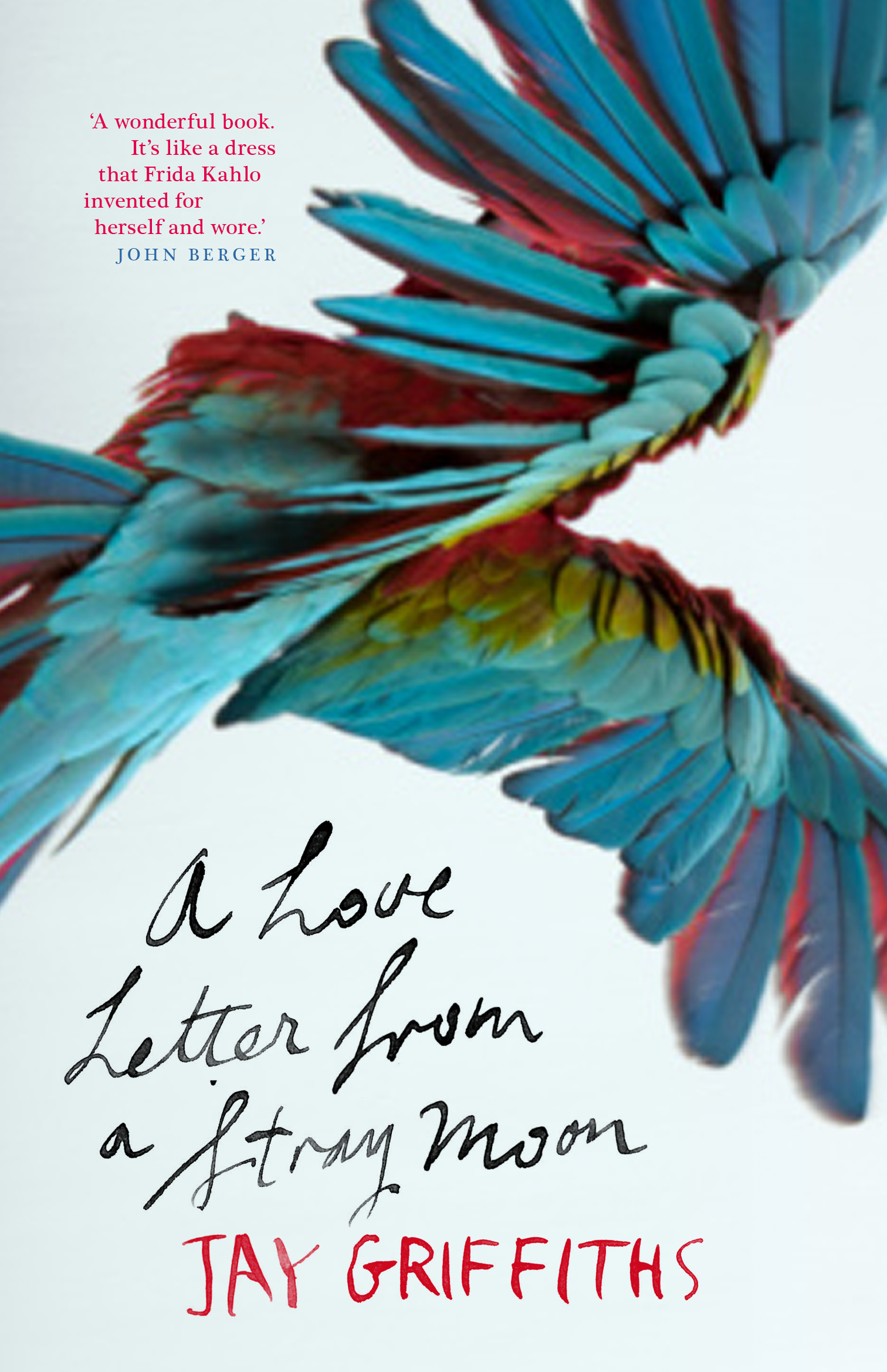
I also decided not to go the rom com/chick lit route, which is the genre to which Romantic comedy belongs, despite having considered a couple of options. Instead, I’ve gone way out on a limb and chosen a book by an author with, like Curtis Sittenfeld, a gender-neutral first name. The book is A love letter from a stray moon (my review) by the British writer, Jay Griffiths. It’s an historical fiction told in the voice of Mexican artist Frida Kahlo.
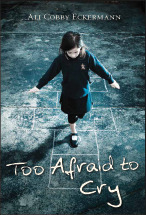
My next link is a very personal one. I read and reviewed A love letter from a stray moon while travelling in Japan in 2011. I don’t manage to write a lot of review posts when I travel, but another one that I did manage was First Nations author Ali Cobby Eckermann’s memoir, Too afraid to cry (my review), when we were travelling in the USA in 2017. She explores her heritage, including her family’s experience of the Stolen Generations and its impact on her.
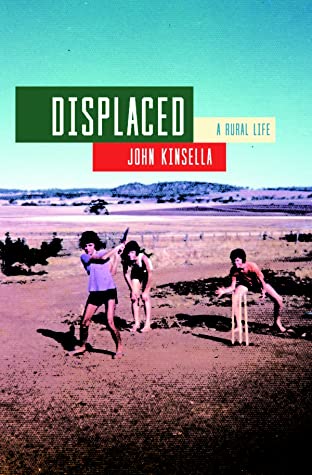
Ali Cobby Eckermann is primarily a poet. Another contemporary Australian poet who has written a memoir is John Kinsella, so it’s to his Displaced: A rural life (my review) that I am linking next. It’s a relevant link for other reasons too because in his memoir, which I described as part manifesto, Kinsella explores such things as finding a meaning for “home” that recognises Indigenous “dispossession” and that also doesn’t encompass exploitative colonial ideas of “ownership”.
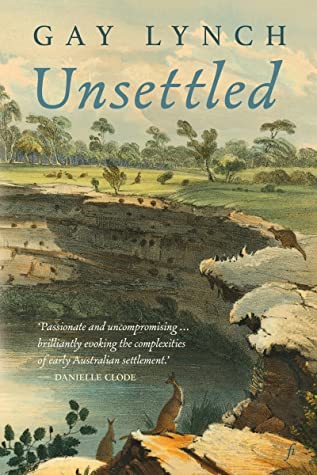
In the opening paragraph of my review of Kinsella’s book, I wrote that it reminded me of the book I had just finished, Gay Lynch’s historical novel Unsettled (my review), so that is my next link. I was reminded of Lynch’s novel for a few reasons: both have one-word titles which play with opposites; in both cases, those opposites refer to physical meanings and more abstract, intellectual, social and/or emotional ones; and, in both again, these meanings draw significantly from the colonial act of settling Australia and displacing its original inhabitants.
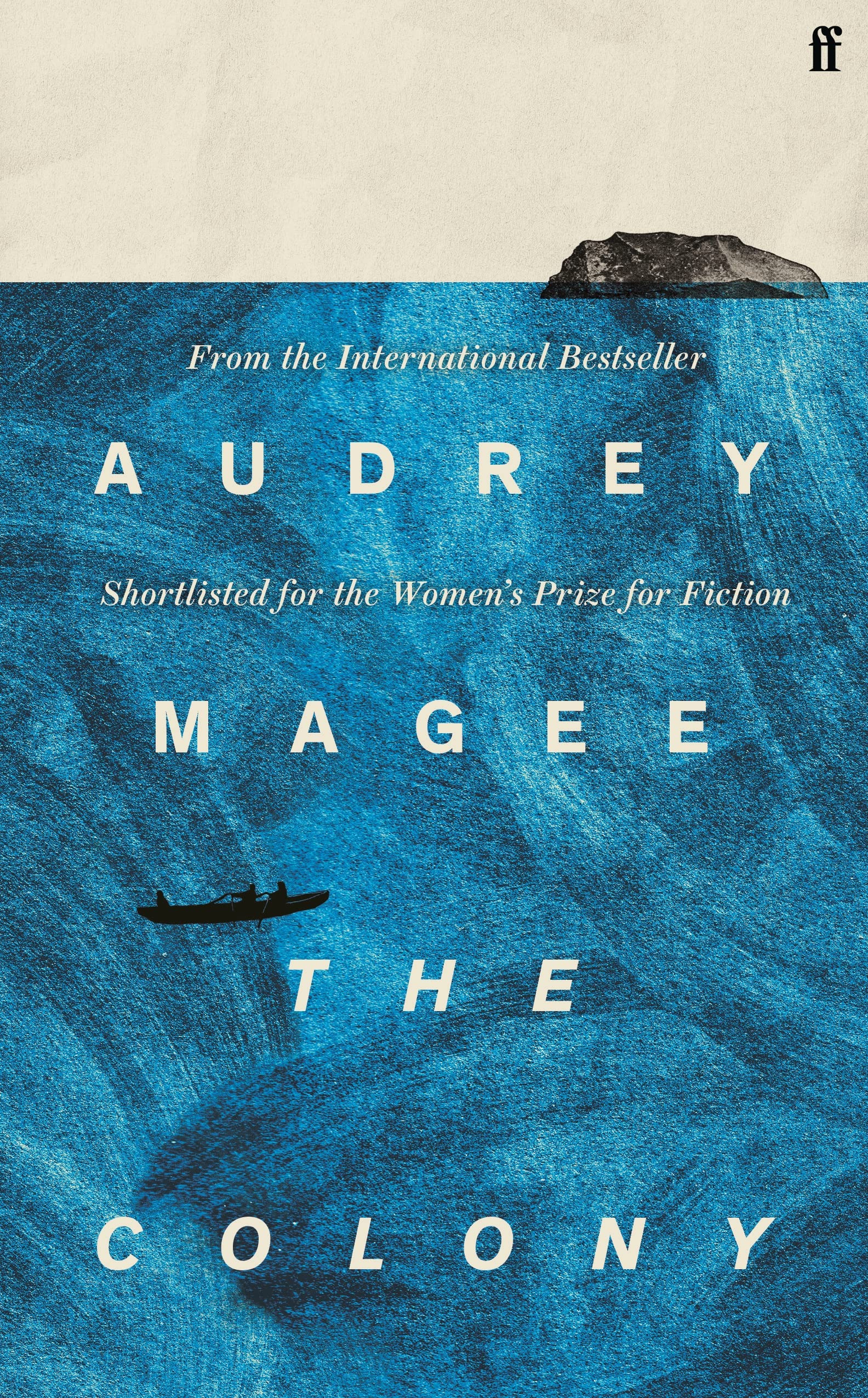
My next link is more obvious. It’s to another work of historical fiction that explores the act of colonisation, Audrey Magee’s The colony (my review), albeit this one is set in Ireland – on a small island off its west coast.
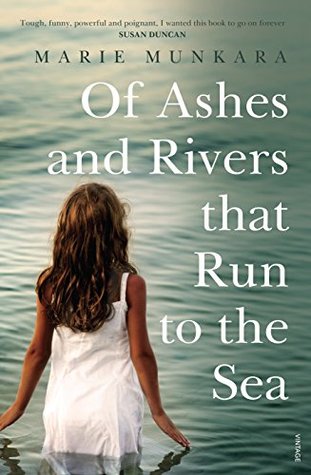
It seems I can’t get away from the issue of colonisation this month, although that theme is not the reason I chose my final link. The reason is that the majority of the book is also set on an island, this time Bathurst Island off the Northern Territory. The book is another memoir by a First Nations author, Marie Munkara’s, Of ashes and rivers that run to the sea (my review). Munkara, like Eckermann, was raised by a non-Indigenous family, and also experienced abuse.
My whole post this month has stayed in the British Isles and its colony, Australia, in terms of authors at least, though we do visit Mexico. That was purely by accident but I’m not sorry because as long as the fallout from colonisation continues to negatively affect people’s lives, I’m fine with keeping the issue front and centre.
Now, the usual: Have you read Romantic comedy? And, regardless, what would you link to?
 Whispering Gums
Nice choices, Sue, and an elegant sashay away from romantic comedy.
I shall have to think on how to do my own…
Haha thanks Lisa. I could have done Toni Jordan or Anita Heiss, as I have done chick lit by both of them, but decided not to.
Hmm .. a gender-neutral first name, eh ? I might drop a comment to your friend Kate suggesting she demand links less .. erhmm .. like that. [grin]
By which I mean less fragile links .. more solid ones !!! 😀
And I thought you were adventurous!
I am .. but I have this thing in my head that says all links within ANY 6 degrees of separation should be able to be worked out. Maybe with a bit of mental hard yakka; but they should be capable of being puzzled out. Them’s my thoughts. 🙂
You just have to puzzle more laterally then! Seriously though I know what you mean … I do sometimes try to puzzle out other people’s links, but, you know, they will sometimes do the name of a character or some event in a book I haven’t read. That’s pretty impossible too. I had initially gone with a gender neutral first name that is also a surname … that might have been easier to nut out … but I didn’t like where that book was then going to lead me.
So many strings to keep in mind !!
“My whole post this month has stayed in the British Isles and its colony, Australia, in terms of authors at least, though we do visit Mexico. That was purely by accident but I’m not sorry because as long as the fallout from colonisation continues to negatively affect people’s lives, I’m fine with keeping the issue front and centre.”
I fully endorse this sentiment. (Please read Nyadol Nyuon in to-day’s The Saturday Paper – she is fantastic! Skewers Bigot Brandis, the suppository-of-wisdom Abbott and the runaway from YES au-pair Dutton.)
Thanks Jim … I’m out babysitting tonight but when the littlies are in bed I will read it.
I also toyed with a first link to P&P – still went with one of Sittenfeld’s books anyway!
Haha Kate … M-R would agree that was a sensible decision, unlike mine!
Very interesting chain, and all books I don’t know.
Thanks Davida … sorry I didn’t reply sooner. This has been a busy week, driving back from Melbourne and preparing for our house auction! Mind has been elsewhere.
I loved that personal touch in your links of books reviewed when on holiday! The Colony is the only one of these I know but am yet to read. I’m very intrigued by A Love Letter from a Stray Moon!
Thanks Mallika … I’ve only seen this now as this week has been so busy, driving back from Melbourne and preparing for our house auction! My mind has been elsewhere. I think you’ve be interested in Love letters from a stray moon.
That’s absolutely ok; I’ll certainly look it up, thanks 🙂 All the best with the house auction!
Thanks Mallika. Our fingers and toes are crossed that someone will want to buy it.
It is tempting to go on by words in the title, but why not follow the topic?
Degree one then will be The Semi-Attached Couple by Emily Eden, of which Evelyn Waugh wrote that the first half was better than Austen. If you can find the Virago Press printing, you’ll get a twofer, for The Semi-Detached House is included with it.
Since Waugh wrote this to Nancy Mitford, degree two will be her Love in a Cold Climate.
Stretching the definition a little to stay in England, degree three will be Iris Murdoch’s first novel, Under the Net.
Degree four will be Dawn Powell’s The Wicked Pavilion, which is trans-Atlantic, but safely west of the Hudson.
Degree five will be Laurie Colwin’s Happy All the Time, likewise set in New York (with bits in New England).
Degree six, if you will pardon me for falling back on a male author, is The Europeans by Henry James.
I have not read Romantic Comedy. I believe that Sittenfeld was the author of a story that I read in the New Yorker, which certainly was a New Yorker story.
You have intrigued we with Emily Eden and Waugh’s praise George. Sm adding this to my list. I’m pleased to say I know several of the authors in your list. Do you recommend Dawn Powell?
Dawn Powell is certainly worth reading. In no particular order, The Locusts Have No King, Turn, Magic Wheel, The Golden Spur, and A Time to be Born are the others that I have read. Locusts or The Wicked Pavilion are probably the best to start with. They are set in a Manhattan that is 60 to 80 years gone.
You veered far away from romance and comedy, but as always, great choices!
And congrats on being done with the big clean! I hope your house makes a speedy sale and you can finally be done with it all.
Thanks Stefanie … it will be nice to start living our “normal” lives again.
It has been quite some time since I put any thought into this meme – not sure why – it just feels like one thing too many for me to juggle right now. But if I was to join in I’d go onto Sittenfeld’s previous novel Rodham (fictionalised story about Hilary & Bill) so that I could then jump to White Houses by Amy Bloom (about Eleanor Roosevelt’s friend Lorena Hickok). After that I would be stumped….
Haha thanks for having a go Brona… I do almost no memes because they could overtake my blog! But this monthly one is a bit of fun for me even if MR castigated me for being too weird!
Rodham is a good link … after White Houses I reckon you could go Hazel Rowley’s Franklin and Eleanor then perhaps to another Hazel Rowley book.
Of course!! I’ve even read the Franklin & Eleanor bio…I’m out of practice with 6 degrees for sure.
No, you’ve just read too many books to remember them all I reckon!
Ha! And there have the very reasons why most of us started our blogs 🙂
Absolutely true.