Monday musings on Australian literature: Favourite fiction 2024

Around this time of December, I have, for a few years now, shared favourite Aussie reads of the year from various sources. The specific sources have varied a little from time to time. Last year, a significant source – The Sydney Morning Herald/The Age – became unavailable to me as it is now paywalled, and I haven’t prioritised going to the library to access the paper. I have no problem with paywalling. We should pay for journalism, and I do, but for different news sources (such as The Canberra Times, because it’s my local; The Guardian via its app; The Saturday Paper and The Monthly digital editions; and The Conversation by donation). Not being able to access The Age/SMH is a bit disappointing, because theirs is a comprehensive listing. I’d love it if more sites offered the option to buy individual articles.

Anyhow, these lists are all subjective, of course. Plus, the pickers vary. There are critics and reviewers, commentators and subject specialists, and publishers and booksellers. Also, different pickers use different criteria, besides the fact that what they are asked to do, in the first place, varies. For example, some pickers are “allowed” to name several books while others are limited to “one” best (or favourite). Further, as The Conversation wrote, these lists rely not only on what each person has read, but what they remember, all of which means this exercise of mine is more serendipitous than authoritative. But, I think it is still interesting!

As always, I’m only including the Aussie choices, but I am providing links, where they exist, to the original article/post so you can read all about it yourselves, should you so wish.

Here are the sources I used:

  • ABC RN (radio broadcaster), in which presenters and guests named their recommendations from their reading of the year
  • Allen & Unwin (publisher) email, which shared one favourite A&U book per staff member
  • Australian Financial Review (newspaper, traditional and online), which shared “the top picks from our journalists to make your summer reading list sizzle” 
  • The Conversation (online news source), which invited 30 of their writers, “from fields as disparate as wildlife ecology and mathematics to literature and politics, to share their best books of 2024”, as well as letting the Books and Ideas team name theirs!
  • The Guardian (online news source), which promotes its list as “Guardian Australia’s critics and staff pick[ing] out the best of the best”
  • Readings (independent bookseller), which has its staff “vote” for their favourite books of the year, and then lists the Top Ten in various categories – Australian fiction, picture books, international fiction, junior & middle grade fiction, nonfiction, and adult nonfiction.

I apologise in advance for those of you who love poetry, nonfiction, and children’s books – which I also enjoy – but to keep this post a manageable length, I have decided this year to limit the list to my main interest, fiction.

Novels

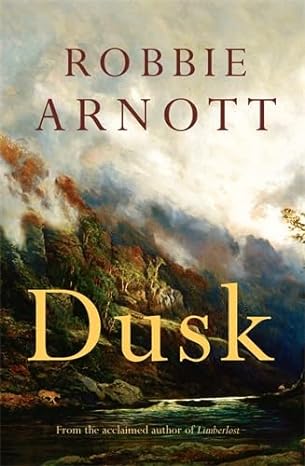
  • Robbie Arnott, Dusk (Michaela Kalowski and Kate Evans, ABC RN; James Bradley, The Guardian; Readings Staff; see my CWF conversation) (Lisa’s review)
  • Ella Baxter, Woo woo (Bec Kavanagh, The Guardian; Readings Staff)
  • Brian Castro, Chinese postman (Tony Hughes-d’Aeth, The Conversation)
  • Melanie Cheng, The burrow (Jason Steger, ABC RN; Steph Harmon, The Guardian; Readings Staff; on my TBR)
  • Pitaya Chin, The director and the demon (Giselle Au-Nhien Nguyen, The Guardian)
  • Miranda Darling, Thunderhead (Readings Staff)
  • Emma Darragh, Thanks for having me (Readings Staff)
  • Michelle de Kretser, Theory & practice (Julianne Van Loon, The Conversation; Susan Wyndham, The Guardian; on my TBR)
  • Alison Edwards, Two daughters (Jess, Allen & Unwin)
  • Lexi Freiman, The Book of Ayn (Michaela Kalowski, ABC RN)
  • Katerina Gibson, The temperature (Readings Staff)
  • Sara Haddad, The sunbird (Jumana Bayeh, The Conversation)
  • Dylin Hardcastle, A language of limbs (Kate Evans)
  • Anita Heiss, Dirrayawadha (Charmaine Papertalk-Green, The Conversation; see my CWF Conversation)
  • Heather Taylor Johnson, Little bit (Jason Steger, ABC RN)
  • Malcolm Knox, The first friend (James Bradley, The Guardian)
  • Siang Lu, Ghost cities (Beejay Silcox, The Guardian; Readings Staff)
  • Catherine McKinnon, To sing of war (Michaela Kalowski and Kate Evans, ABC RN; see my CWF Conversation)
  • Emily Maguire, Rapture (Rafqa Touma, The Guardian; see my CWF conversations one and two) (Lisa’s review)
  • Murray Middleton, No church in the wild (Readings Staff)
  • Louise Milligan, Pheasants Nest (Eleanor, Allen & Unwin)
  • Kylie Mirmohamadi, Diving, falling (Sian Cain, The Guardian)
  • Liane Moriarty, Here one moment (Cosima Marriner, Australian Financial Review)
  • Bruce Pascoe, Imperial harvest (Joseph Cummins, The Guardian)
  • Ailsa Piper, For life (Michaela Kalowski, ABC RN)
  • Jordan Prosser, Big time (Steph Harmon, The Guardian)
  • Jock Serong, Cherrywood (Dennis Altman, The Conversation) (Lisa’s review)
  • Inga Simpson, The thinning (Kate Evans, ABC RN; James Bradley, The Guardian) (Brona’s review)
  • Jessica Tu, The honeyeater (Anabel, Allen & Unwin)
  • Tim Winton, Juice (Michaela Kalowski, ABC RN; Sian Cain, The Guardian; Readings Staff; on my TBR)
  • Charlotte Wood, Stone Yard devotional (Cosima Marriner, Australian Financial Review) (my review)
  • Evie Wyld, The echoes (Readings Staff)

Short stories

  • Ceridwen Dovey, Only the Astronauts (Cassie McCullagh, ABC RN) (Melanie’s review)
  • Fiona McFarlane, Highway Thirteen: Stories (Jo Case, Honorable Mention, The Conversation; Kate Evans, ABC RN; Ash, Allen & Unwin) (Brona’s review)

Finally …

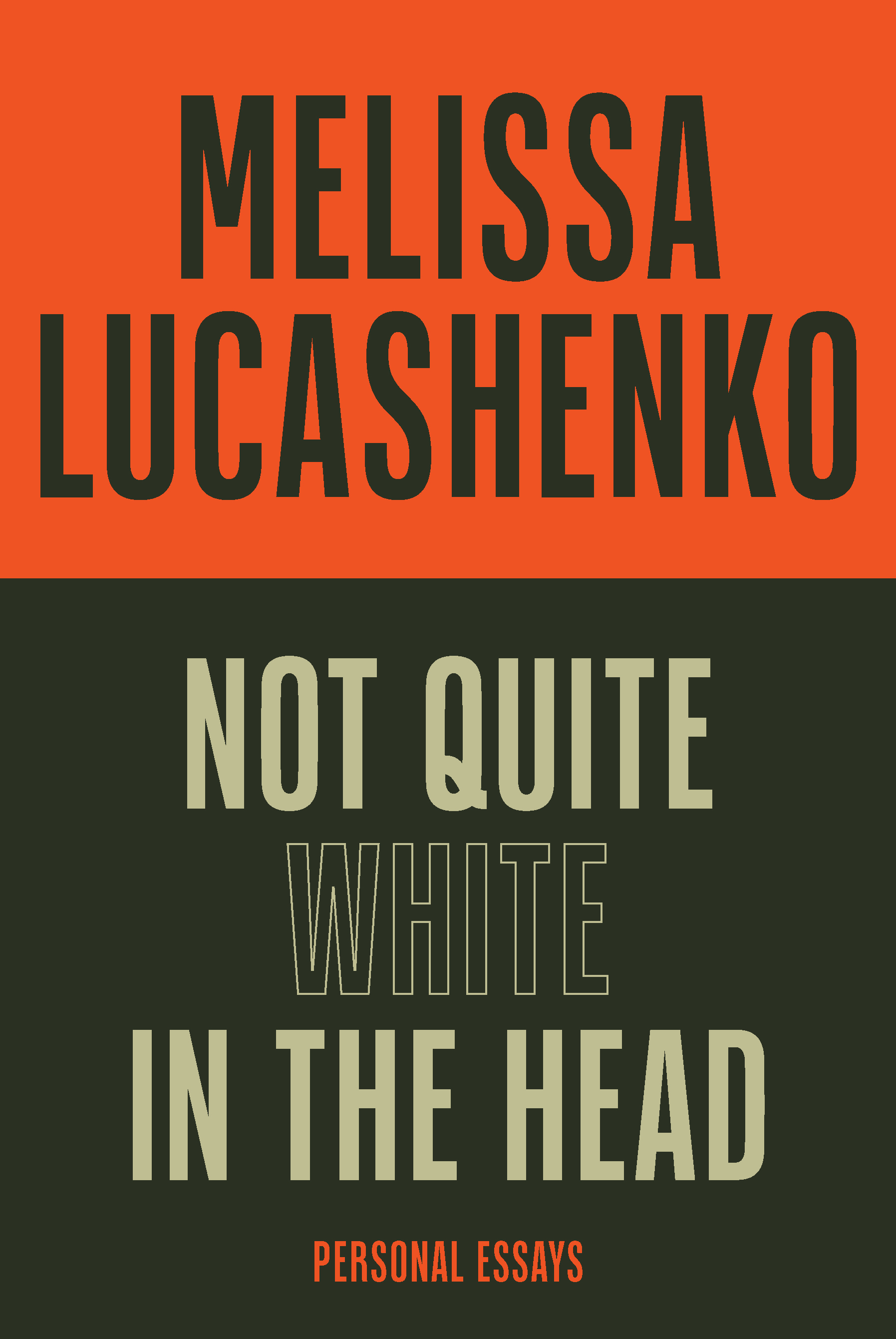
It’s interesting to see what books feature most. Popularity doesn’t equal quality, but it does provides a guide to the books that attracted the most attention in the year. Of last year’s six most mentioned books, three did receive significant notice at awards time, particularly the most popular 2023 pick, Alexis Wright’s Praiseworthy (as I noted in a recent post). The other two of the six which also featured well at awards time were Melissa Lucashenko’s Edenglassie and Charlotte Wood’s Stone yard devotional.

This year, I have a bit of help with identifying the most popular picks, because, thanks to Colin Steele again, I can report that Books + Publishing (an online book trade site) listed the most mentioned Australian books from five sources, three of which I’ve accessed (Guardian Australia, ABC RN and the Australian Financial Review) and two of which I’ve not been able to (The Age/Sydney Morning Herald and Australian Book Review)

These are the fiction books which received at least three mentions across the publications were (in alphabetical order):

  • Ella Baxter, Woo woo
  • Melanie Cheng, The burrow 
  • Michelle de Kretser, Theory & practice
  • Malcolm Knox, The first friend 
  • Emily Maguire, Rapture 
  • Tim Winton, Juice 
  • Charlotte Wood, Stone Yard devotional 

To these, I would add, from my sites:

  • Robbie Arnott, Dusk
  • Fiona McFarlane, Highway Thirteen

In 2024, I read five books from 2023’s lists, three novels (Shankari Chandran’s Chai time at Cinnamon Gardens, Melissa Lucashenko’s Edenglassie and Charlotte Wood’s Stone yard devotional) and two works of nonfiction (Anna Funder’s Wifedom, and Richard Flanagan’s Question 7). I would love to have read more, but I can attest that those I read were all worthy favourites.

So, what has caught my eye from this year’s list. Those on my TBR, of course, and those I heard about at this year’s Canberra Writers Festival. Several more have now caught my eye, but as I’m unlikely to read many of them, I’ll just keep them to myself, and pass the baton over to you for your …

Thoughts – on this or lists from your neck of the wood?

Monday musings on Australian literature: Favourite books 2023

Over recent years, I’ve shared favourite Aussie reads of the year from various sources, with the specific sources varying a little from time to time. This year, a significant source – The Sydney Morning Herald/The Age – is unavailable to me as it is behind a paywall, and at this time of year I just don’t have the time to go to the library to access the paper. I have no problem with paywalling. We should pay for journalism, and I do. Just not these ones. (But, I am disappointed as they invite writers to identify their favourites and I always enjoy seeing their choices. I wish I could just buy an article.)

However, I still have other sources: ABC RN’s panel, Australian Book Review, The Australian Financial Review, The Conversation and Readings bookshop’s Ten Best Australian fiction. The picks range widely, with different “pickers” use different criteria, making this more of a serendipitous than an authoritative list. As always, I’m only including their Aussie choices. Do check the links if you’d like to see complete choices.

Last year, I noted that five of the “favourite” novels and short story collections were on my TBR, and this year I read four of those: Robbie Arnott’s Limberlost, Robert Drewe’s Nimblefoot, Kevin Brophy’s The lion in love, and Chris Flynn’s Here be Leviathans. This must be a record for me.

Novels

  • Graham Akhurst, Borderland (Heidi Norman; Tony Hughes-D’Aeth; Tony Birch )
  • Tony Birch, Women and children (“poignant novel about strong women, family, and the loss of innocence…”, Readings; Claire Nicholls; Kate Evans)
  • Stephanie Bishop, The anniversary (“a tense and superb literary novel”, Readings; “addictive”, Carol Lefevre) (Kimbofo’s review)
  • Shankari Chandran, Chai time at Cinnamon Gardens (Jason Steger) (on my TBR)
  • JM Coetzee, The Pole and other stories (Cassie McCullagh; Geordie Williamson)
  • Trent Dalton, Lola in the mirror (Hannah Wootton)
  • Briohny Doyle, Why we are here (Tony Birch)
  • Nicholas Jose, The idealist (“sophisticated and artfully restrained espionage thriller, Tony Hughes-d’Aeth) (Lisa’s review)
  • Simone Lazaroo, Between water and the night sky (Julienne van Loon)
  • Amanda Lohrey, The conversation (Felicity Plunkett) (Lisa’s review)
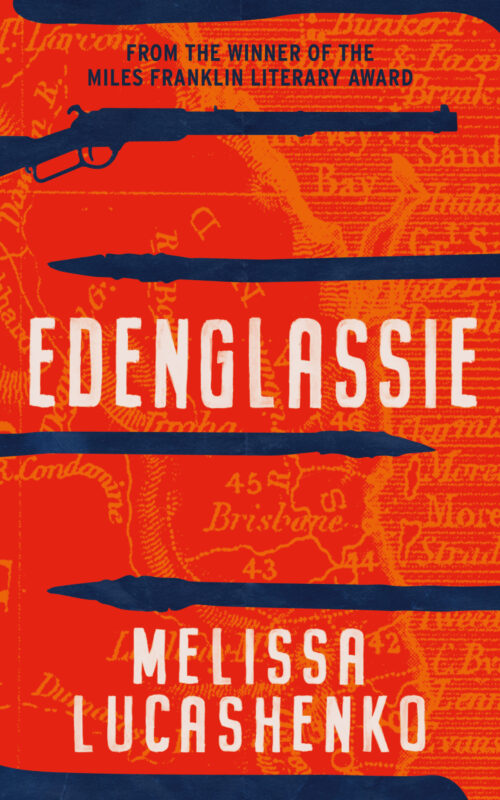
  • Melissa Lucashenko, Edenglassie (“a tour de force”, Readings; Kate Evans; Jennifer Mills) (on my TBR – see my conversation post)
  • Laura Jean Mackay, Gunflower (“McKay’s prose both illuminates and psychedelically reimagines our world”, Readings)
  • Angela O’Keeffe, The sitter (“execution and reading experience are second to none”, Readings) (Lisa’s review)
  • Matthew Reilly, Mr Einstein’s secretary (Jason Steger)
  • Sara M Saleh, Songs for the dead and living (Jason Steger)
  • Gretchen Shirm, The crying room (James Bradley) (Lisa’s review)
  • Amy Taylor, Search history (“witty and insightful novel of our times”, Readings) (Kimbofo’s review)
  • Lucy Treloar, Days of innocence and wonder (Kate Evans)
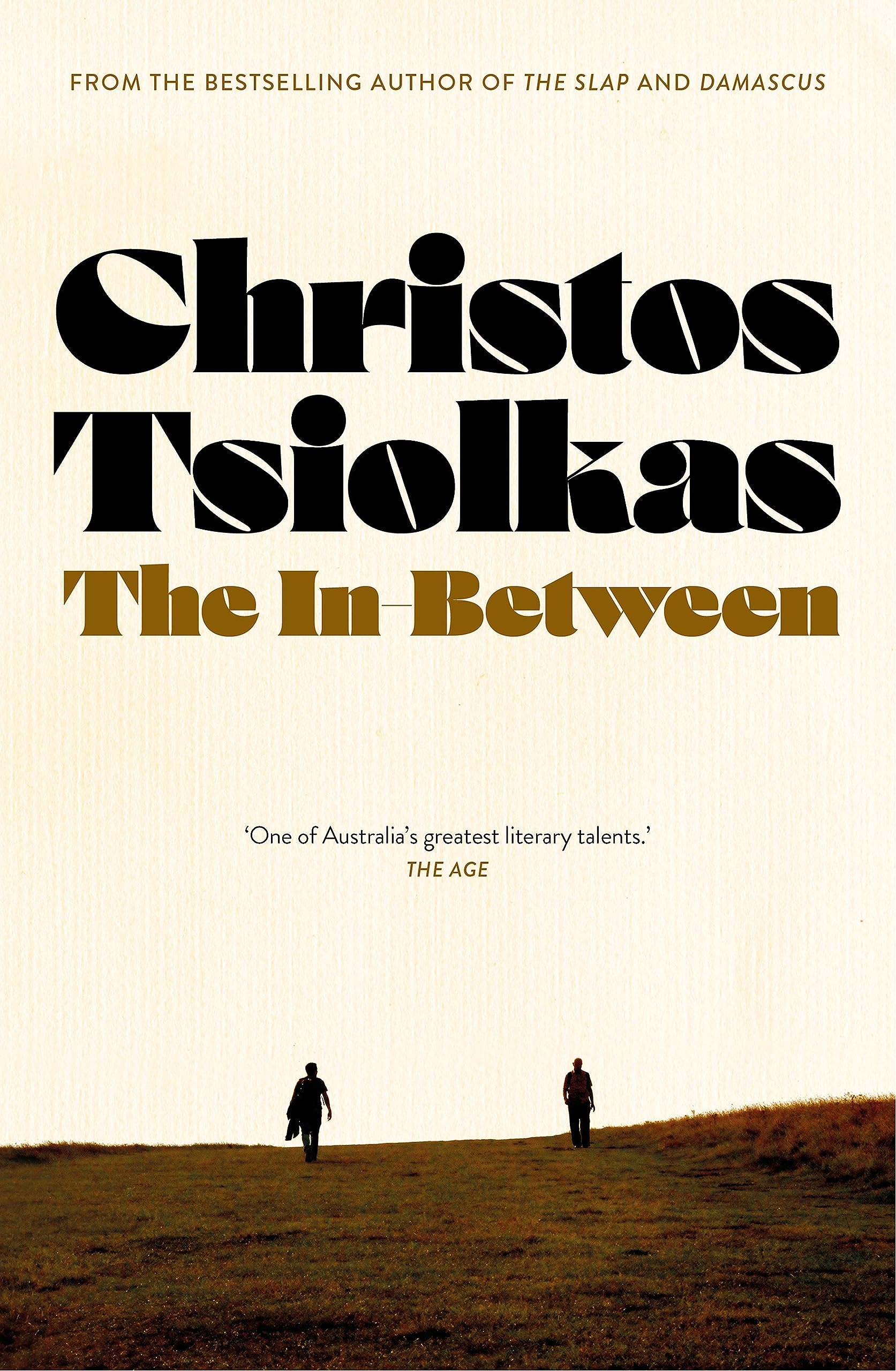
  • Christos Tsiolkas, The in-between (changed her mind about the author, Beejay Silcox; “captivating novel by a writer in top form which has already won over new readers and old fans alike”, Readings; Jason Steger; Kate Evans) (Kimbofo’s review)
  • Pip Williams, The bookbinder of Jericho (Readings; Jason Steger) (Lisa’s review)
  • Charlotte Wood, Stone yard devotional (Kate Evans; “the haunting grammar of its title, the restrained artistry of its structure, and the elusive way that it explores modes of memory, grief, and regret”, Kerryn Goldsworthy; James Bradley) (Lisa’s review)
  • Alexis Wright,  Praiseworthy (Tony Hughes-d’Aeth; “resists political simplifications”, Paul Giles; Philip Mead; “magnificent work of politics and imagination”, Jennifer Mills; “epic, addled, visionary examination of the contemporary implications of those foundational crimes”, Geordie Williamson) (Bill’s second post which includes a link to his first)
  • Jessica Zhan Mei Yu, But the girl (“astute and witty coming-of-age novel”, Readings)

In a little shout out to our friends across the ditch – in new Zealand: Eleanor Catton’s Birnam Wood was chosen by AFR’s Hannah Wootton and ABC’s Claire Nicholls, and Pip Adams’ Audition by ABR’s Jennifer Mills and Emma Shortis.

Short stories

  • John Morrissey, Firelight (“already widely considered the first instalment in a [First Nations] career to watch”, Readings)

Poetry

  • Dan Hogan, Secret third thing (“a wildly inventive wordsmith whose work is as playful as it is political”, Yves Rees)
  • Kathryn Lomer, AfterLife (Glyn Davis)
  • Alan Wearne, Near believing (John Hawke)

Nonfiction

  • Dean Ashenden, Telling Tennant’s story (Peter Mares)
  • Ryan Cropp, Donald Horne: A life in the lucky country (Patrick Mullins; Glyn Davis; Mark McKenna)
  • Graeme Davison, My Grandfather’s Clock: Four centuries of a British-Australian family (Bain Attwood; Penny Russell)
  • Sarah Firth, Eventually everything connects: Eight essays on uncertainty (Jen Webb)
  • Hannah Forsyth, Virtue capitalists: The rise and fall of the professional class in the Anglophone world, 1870–2008 (Penny Russell; Marilyn Lake)
  • Kate Fullagar, Bennelong & Phillip: A history unravelled (“an inventive structure and humanistic care”, Patrick Mullins; Frank Bongiorno; Mark McKenna)
  • Anna Funder, Wifedom (Jason Steger; Lisa Murray; Frances Wilson) (on my TBR)
  • Richard Flanagan, Question 7 (Claire Nicholls; Jason Steger; Cassie McCullagh; “meditation on the mutability of family, place, the past, is imbued with wistful nostalgia, one that resonates deeply”, Des Cowley) (on my TBR)
  • Richard King, Here Be Monsters: Is technology reducing our humanity? (James Ley)
  • Catherine Lumby, Frank Moorhouse: A life (Glyn Davis; Mark McKenna) (Lisa’s review)
  • Maggie MacKellar, Graft: Motherhood, family and a year on the land (Anna Clark)
  • Kim Mahood, Wandering with intent (Peter Mares)
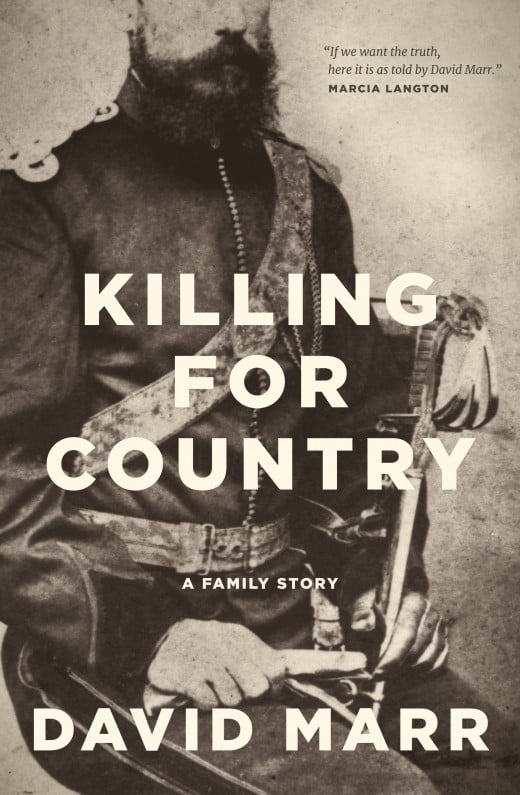
  • David Marr, Killing for country: A family story (Geordie Williamson; Frank Bongiorno; Glyn Davis; Kieran Pender; Brenda Walker; Mark McKenna)
  • Walter Marsh, Young Rupert: The making of the Murdoch empire (Patrick Mullins)
  • Thomas Mayo, The Voice to Parliament handbook (Glyn Davis)
  • Gemma Nisbet, The things we live withEssays on uncertainty (Lynette Russell)
  • Brigitta Olubas, Shirley Hazzard: A writing life (“one of the finest literary biographies published in Australia”, Peter Rose)
  • Noah Riseman, Transgender Australia: A history since 1900 (Yves Rees)
  • Alexandra Roginski, Science and power in the nineteenth-century Tasman world: Popular phrenology in Australia and Aotearoa New Zealand (“rich, enthralling account”, Penny Russell)
  • Heather Rose, Nothing bad ever happens here (Tristan Banck) (on my TBR – see my conversation post)
  • Alecia Simmonds, Courting: An intimate history of love and the law (“uniting zest for narrative with immense research and hard-hitting analysis”, Penny Russell)
  • Ellen van Neerven, Personal score: Sport, culture, identity (“unique, poetic memoir and meditation on gender, sexuality, identity, and sport”, Kieran Pender)
  • Chris Wallace, Political lives (Tom McIlroy)
  • Sally Young, Media monsters: The transformation of Australia’s newspaper empires  (Frank Bongiorno)

Finally …

It’s interesting to see what books feature most. Popularity doesn’t equal quality, but it does provides a guide to the books that attracted the most attention in the year. Last year I noted that one of 2021’s most frequent mentions had won the 2022 Miles Franklin. In 2022, the two most frequently mentioned books were Robbie Arnott’s Limberlost and Jessica Au’s Cold enough for snow. Neither won the Miles Franklin, but both won significant awards during 2023 including the Prime Minister’s (Fiction) Literary Award for Jessica Au.

This year’s most mentioned books are fewer this year because that paywall issue significantly reduced significantly my “haul” but we still have some (and all are well-established authors):

Fiction

  • Alexis Wright’s Praiseworthy (5 picks)
  • Christos Tsiolkas’ The in-between (4 picks)
  • Graham Akhurst’s Borderland, Tony Birch’s Women and children, Melissa Lucashenko’s Edenglassie, and Charlotte Wood’s Stone yard devotional (3 picks)

Nonfiction

Did you notice two books in this section were subtitled, “essays on uncertainty”? I’m intrigued.

  • David Marr’s Killing for country (6 picks)
  • Richard Flanagan’s Question 7 (4 picks)
  • Ryan Cropp’s Donald Horne, Kate Fullagar’s Bennelong & Phillip, and Anna Funder’s Wifedom (3 picks)

An advantage of lists like this is discovering new books. I was excited to read about First Nations Kalkadoon writer John Morrissey’s Firelight, because it’s short stories and because the Kalkadoons were the first First Nations people I knew (back in the 1960s). Gemma Nisbet’s The things we live withEssays on uncertainty has also caught my eye.

Besides the books which are already on my TBR, and hence known to me, there are others I had heard about and that interest me. David Marr’s Killing for country feels a bit close to home, but worth reading, as I too have “skin in the game”, as my brother calls it. The literary biographies I missed this year, including Olubas’s Shirley Hazzard and Lumby’s Frank Moorhouse, are also in my sights. And there are several First Nations books here, besides the Morrissey and Lucashenko, that I am keen to read. Birch and Ellen van Neerven, for example.

I could go on because, you know, readers love talking about books we’d like to read, but I also know when it’s time to stop and pass the baton on …

POSTSCRIPT: The day I posted this The Guardian Australia, as kimbofo shared in the comments, published their Top 25, which more or less reinforces these but adds some books not here, including one I’ve read, Rebecca Burton’s Ravenous girls (my review)!

Thoughts, anyone – on this or lists from your neck of the wood?

Monday musings on Australian literature: Summer picks 2020

For a few years now, I’ve shared ABC book journalists’ top Aussie reads of the year, but this year I’m doing something a little different. I’m sharing picks from three different sources. Most of these include non-Australian books, but I like to share them in a Monday Musings post and focus on the Aussie books among them. So, here goes.

Readings bookshop

Book cover

Readings staff actually shared their favourite Australian books of the year, which is really great of them so they get first billing here. Their list is called “the best Aussie fiction books of 2020” but in fact the text describes the list as their “favourite” books, which puts a different, and better, slant on it I think.

Here’s their list, reorganised into alphabetical order. I don’t know whether their order was by popularity vote, but alphabetical is easier for people to look for their favourites…

  • Steven Conte’s The Tolstoy Estate
  • Kate Grenville’s A room made of leaves
  • Victoria Hannan’s Kokomo
  • Laura Jean McKay’s The animals in that country
  • Kate Mildenhall’s The mother fault
  • Sean O’Beirne’s A couple of things before the end
  • Andrew Pippos’ Lucky’s
  • Nardi Simpson’s Song of the crocodile
  • Elizabeth Tan’s Smart ovens for lonely people
  • Jessie Tu A lonely girl is a dangerous thing
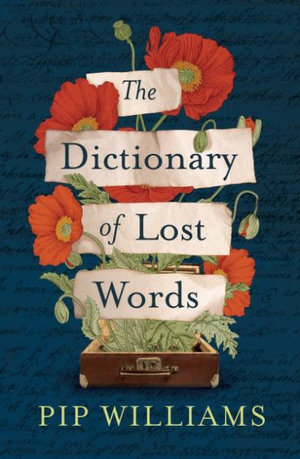
  • Pip Williams’ The dictionary of lost words

I like this selection because, although I’ve not yet read one of them, I have given some as gifts during the year, and I have a couple on my current TBR. Whether I’ll get to them in summer is another thing, but I will get to some …

ABC RN’s Bookshow and The Book Shelf presenters

Book cover

Claire Nichols, Sarah L’Estrange, Kate Evans and Cassie McCullagh put together a list they call “The best books of 2020 for your summer reading list”. It includes books from around the world, but, as I explained above, I’m just going to share their Aussie picks, which are but few!

  • Erin Hortle’s The octopus and I
  • Laura Jean McKay’s The animals in that country, which Kate Evans describes as “Surprising and surprisingly-convincing characters, and a well-realised, inventive premise”.
  • Jessica Tu’s A lonely girl is a dangerous thing, of which Claire Nichols says “the passion and the obsession drips off the page”
  • Pip Williams’ The dictionary of lost words, of which Sarah L’Estrange says, “For lovers of language and the power of words, this story has everything you want”.

Interesting that three of the four here also featured in Readings’ list. Are these the books we are likely to see on awards long and shortlists next year? Interesting too that all are women writers (as were the selectors. I can live with that!)

ANU English Department picks

Book cover

Now this list – on the ANU website, but shared with me by retired University Librarian Colin Steele (thankyou Colin) – is an unusual one, partly because it has very few contemporary (or any other) Australian books. The Aussies are:

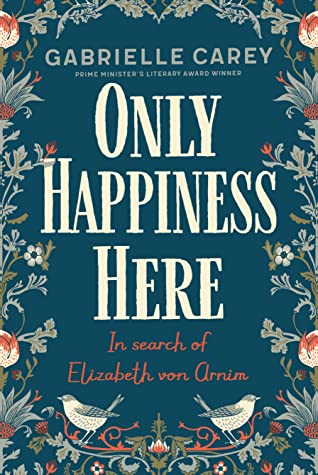
  • Gabrielle Carey’s Only happiness here, her biography of Elizabeth von Arnim, though, weirdly, the description doesn’t mention that at all. It just says “a literary sensation of the early twentieth century weaves a wonderful tale of love, pleasure, gratitude and survival that is written beautifully, perfect for the history buffs and women’s literature lovers among us”. Why not mention the name of the “literary sensation” or that it’s a “biography”? It could sound like a novel?
  • Sarah Hopkins’ The subjects, which is on the Small Press Network’s Book of the Year shortlist, is described as “a gripping read, which follows a gifted teenage delinquent down an uncertain path”
  • Michelle de Kretser’s The life to come, which came out a couple of years ago now, is described as “a wickely [sic] funny novel about the stories we tell and don’t tell ourselves as individuals, as societies and as nations”.

On lists …

When is a list not a list? Regular readers here know that I don’t tend to produce my own annual “best of” or “top reads” lists. I prefer to write a Reading Highlights post (which I will do again in early January for 2020). In this post, I don’t rank books or even talk about best books. Instead, I talk about the books and events that made my reading year worthwhile – and, already, I know I will have some interesting trends to comment on for this year. It is, though, still a list, I suppose! Just a very loose, porous one.

For a thoughtful piece on lists, you might like to check out an article written by one of my 2019 New Territorians, Rosalind Moran. Titled “Against best-of lists” it’s available at Overland Literary Journal. While much of it covers thoughts I’ve had myself, it’s beautifully and clearly expressed – and it did give me some additional points to ponder! (Thanks for Lisa for the heads-up).

What do you think about lists? Are some useful, despite their failings? Or, would you prefer to eschew them altogether?