Monday musings on Australian literature: Prizes for Humour Writing

There are not, apparently, many prizes for humour writing around the world, but we have two here in Australia, the Russell Prize and the John Clarke Prize. Those from other countries include the Bollinger Everyman Wodehouse Prize (UK), the Thurber Prize for American Humour, and the Leacock Memorial Medal for Canadian Humour. Do you know them? I’d be interested to know of your experience with them, but meanwhile, I’ll move on to the two Australian ones I’m featuring today.

Russel Prize for Humour Writing

According to the Prize website, this prize was established through a bequest from farmer and businessman Peter Wentworth Russell. Its aim is to “to celebrate, recognise and encourage humorous writing, and to promote public interest in this genre”. Established in 2014, it was the first award to recognise the art of humour writing in Australia and, argues the website, makes “a long overdue acknowledgment of the genre” here. They believe it will “promote public interest in humour writing just as its prestigious international counterparts have done”.

The prize is awarded biennially by the State Library of New South Wales, and the winner receives $10,000.

Associated with this award is a second prize, a Humour Writing for Young People Award for “a work promoting humour and championing laughter”. It is aimed at primary school level readers (5-12 years) and “recognises the role of humour in encouraging children to read”. The winner of this award receives $5,000. I love the spirit behind this.

Past winners

A full list of the winners and shortlists can be found at Wikipedia, but here are the winners to date:
  • 2015: Bernard Cohen, The antibiography of Robert F. Menzies (Fourth Estate)
  • 2017: Steve Toltz, Quicksand (Simon and Schuster) (my review)
  • 2019: David Cohen, The hunter and other stories of men (Transit Lounge)
  • 2021: Nakkiah Lui, Black is the new white (Allen and Unwin)
  • 2023: Martin McKenzie-Murray, The speechwriter (Scribe)
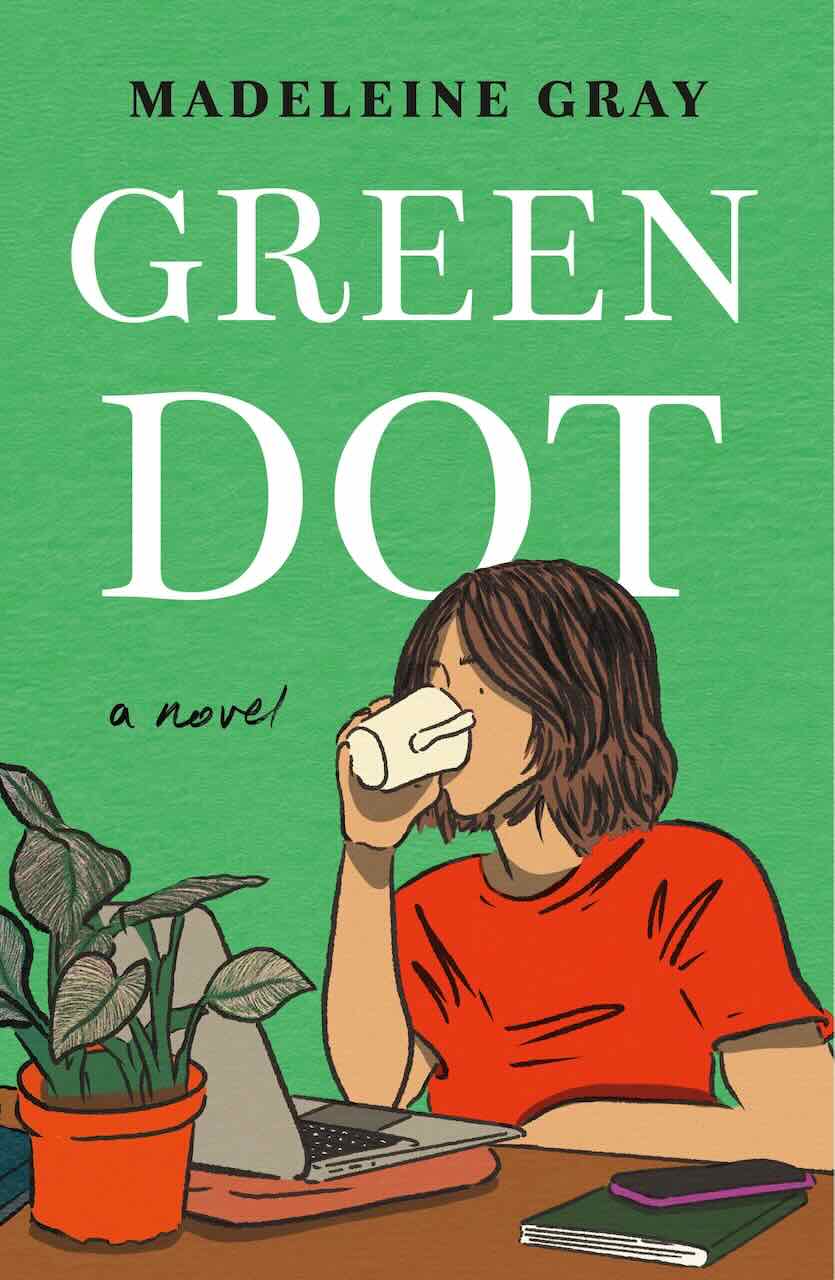
  • 2025: Madeleine Gray, The green dot (Henry Holt) (Theresa’s review) : “brings a new complexity to the genre sometimes called ‘rom-com’. It’s sweet but also sour. It’s terrifically funny as well as Anna Karenina sad … hilarious about the tedious realities of the modern workplace” (excerpted from the judges’ comments)
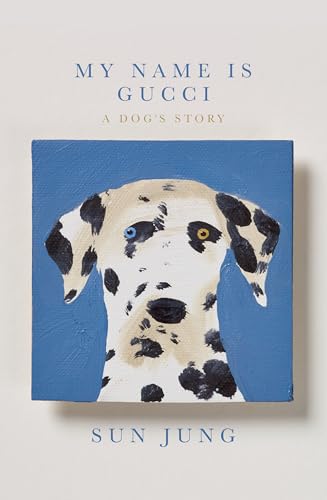
Writers shortlisted for this award over the years include some I have read and posted on, such as Trent Dalton for Boy swallows universe (my review), Chris Flynn’s Mammoth (my review) and Sun Jung, My name is Gucci (my review). They also include other writers I know or have reviewed or mentioned, just not their shortlisted books, like Annabel Crabb, Tracey Sorenson, Ryan O’Neill and Siang Lu. And, of course, there are new writers that I’m really pleased to hear about.

John Clarke Prize for Humour Writing

The second award is very new one. Titled the John Clarke Prize for Humour Writing, it is named for Australia’s much loved satirist and writer, John Clarke (1948–2017). It has been added to the suite of Victorian Premier’s Literary Awards, so will presumably be made annually. The award, which was established by the Victorian Government and the Clarke family, was open in its first year to books of comedic fiction, nonfiction and poetry published in 2023 and 2024. It offers a cash prize of $25,000.
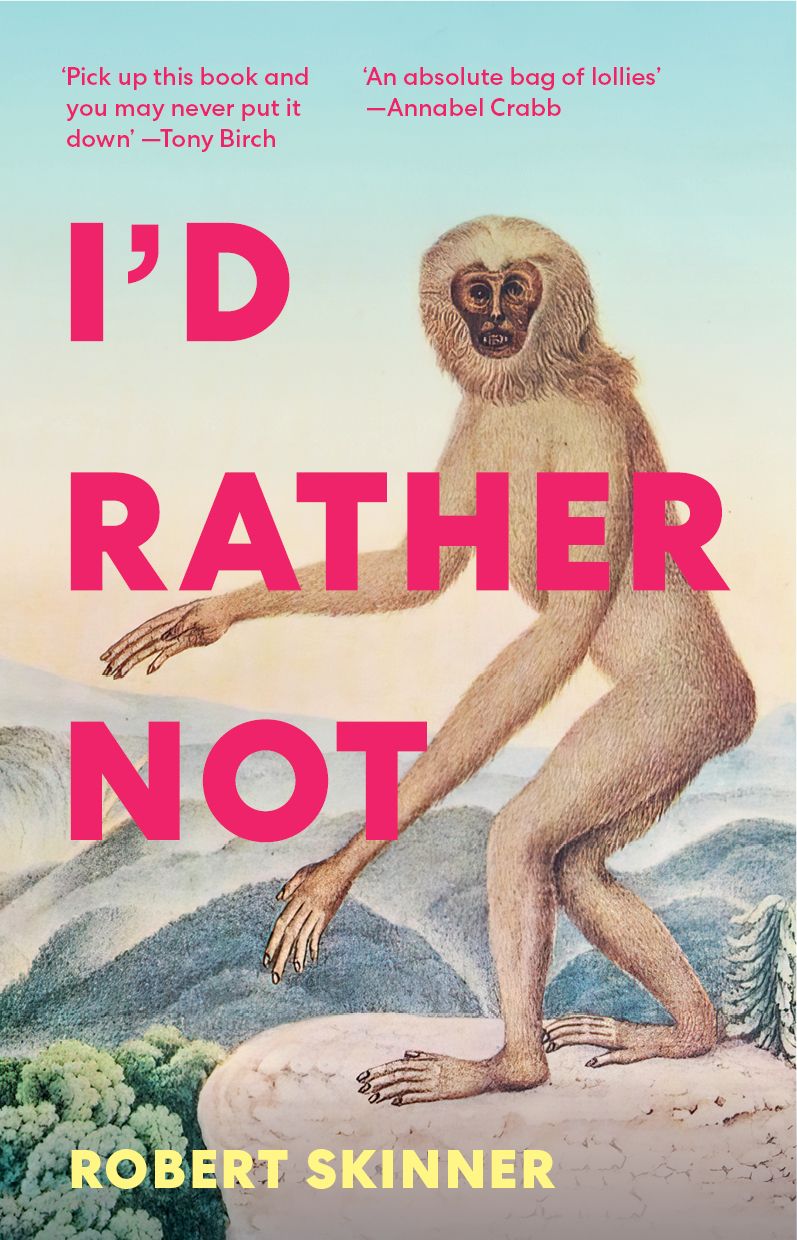
The first award was made this year, 2025, and it went to Robert Skinner’s I’d rather not say. I gave this to Son Gums for his birthday this year, but I’m not sure he’s read it. I certainly haven’t, though I’d like to. However, kimbofo has (her review). She comments that Skinner “knows how to craft a compelling narrative using jeopardy, self-deprecating humour and a deft turn of phrase”. This just makes me more keen. She also says that it was shortlisted for the Small Publishers’ Adult Book of the Year (in the 2024 ABIAs) and that The Guardian named it one of the Best Australian Books of 2023.

This award, as both the Clarke family and the Wheeler Centre’s CEO have been quoted as saying, is “a fitting tribute” to one of our greatest satirists. They hope it will help the careers of future humour writers. It will certainly help Skinner, whom the ABC reports as saying:

“When you’re writing in Australia, in the back of your mind, the question is always, How long can I keep affording to do this?” he says.

“And now the answer is: slightly longer.”

Echoing, in other words, what many authors say about awards with a decent cash prize. It buys them time.

I enjoy humorous writing, particularly at the satirical end of the spectrum, so I love that there are some awards aimed at supporting this sort of writing. I fear there’s almost a natural tendency in readers to equate better with serious, but that is not necessarily the case.

So now, my question to you is: Do you know of any other awards for Humour Writing, and, regardless, do you like Humour Writing? I’d love to hear anything you’d like to share about this.
Monday musings on Australian literature: Trove treasures (12), A rare humorous novel

I was unsure about whether to make this post part of my Trove Treasures or Forgotten Writers series, but Wikipedia tells me that in 2006, the historian John Hirst, writing in The Monthly, included this author’s book, The colonial Australians, in a brief list of the best Australian history books of all-time. That probably means he’s not quite forgotten, wouldn’t you think? So, a “Trove Treasure” it is. The author is David Forrest, which is the name used by historian David Denholm for his fiction.

David Denholm was born in Maryborough, Queensland, in 1924 – the place where I, also, was born but, more significantly, it was the birthplace of P.L. Travers, the creator of Mary Poppins. Denholm died in Wagga Wagga, just 3-hours drive from where I live now, in 1997. He has an entry in Wikipedia and in AustLit. From these I gleaned that he served in the Australian army, in New Guinea, during World War 2 and worked in the banking industry until 1964. (I can’t resist adding here that Pamela Travers’ father was a banker, as was my own.) He was a mature age student when he went to university, first to the University of Queensland and then the Australian National University, where he gained a Ph.D in history. He ended his career as an academic in history at the Riverina College of Advanced Education.

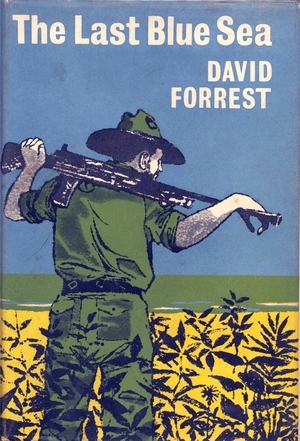
He wrote two novels. His debut novel, published in 1959, was The last blue sea. It is set in New Guinea during World War 2. It focuses, in particular, on the difficulty the Australians faced in fighting in the heat and rain of New Guinea. Wikipedia shares that it has been called “the classic short novel of the New Guinea campaign.” It apparently won the first Mary Gilmore Prize. I wrote last year about his winning this award, but it wasn’t clear in my research that he was the first winner. Now I know.

However, the book which inspired this post, was …

His humorous novel

The Trove Treasure I found was in Sydney’s Tribune on 12 September 1962 and was written by someone signing as R.W. S/he started with:

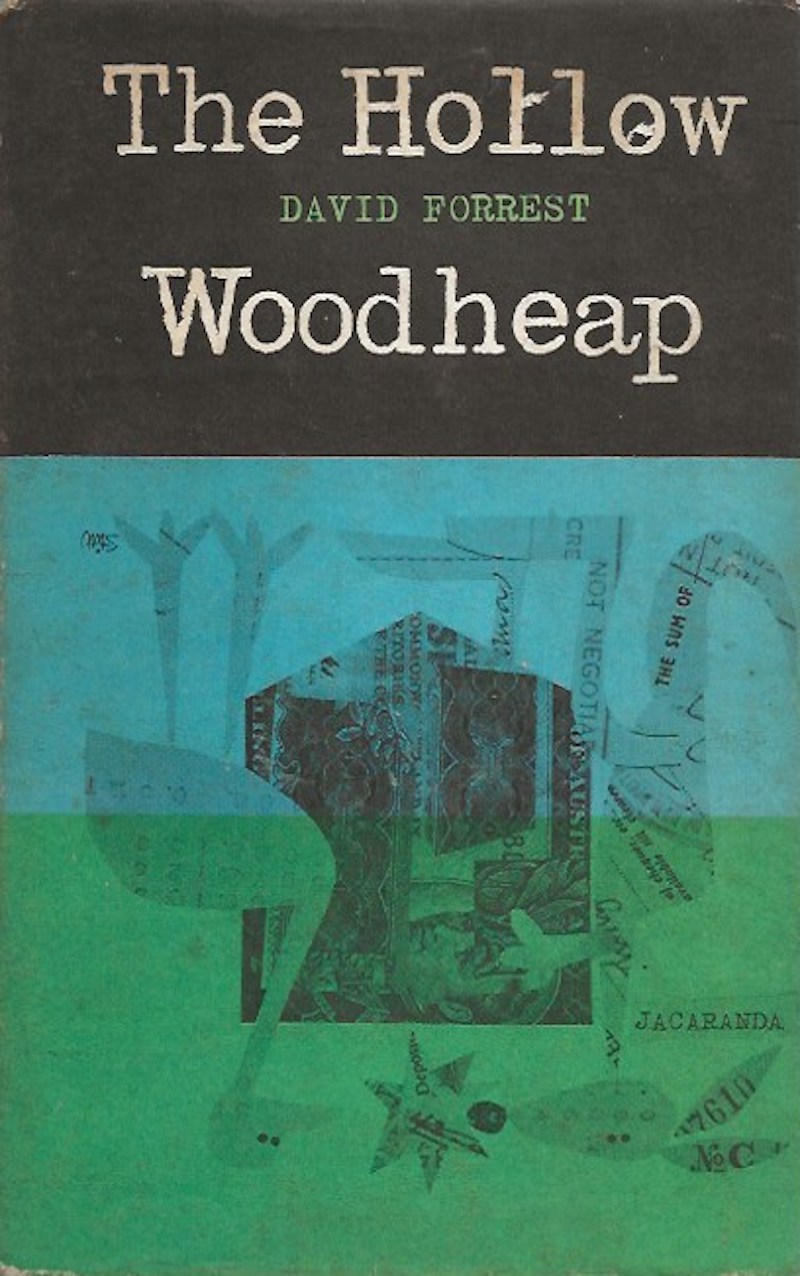
Humorous novels are not particularly common in Australian literature, or for that matter in any other. This is all the more reason why we should be grateful for such a deliciously humorous work as David Forrest’s new novel, “The Hollow Woodheap”. Not since Lower’s famous “Here’s Luck” has the Australian reader’s sense of humour been so titillated.

It seems that Forrest took to heart the advice to “write what you know”, because his first novel was set during World War 2 in New Guinea, where he had served, and this novel, says R.W., “deals with life in the branch office of a bank in Brisbane” which is where he was working at the time. Critiquing the book, R.W. says that the “the plot is rather flimsy” with the humour deriving “mainly from the personalities and behaviour of the characters in their office environment”. Forrest “reveals a sense of the ridiculous and a capacity for irony, of which there is not the slightest trace in his war novel”. My question is, does the humour have a point? R.W. continues,

The new novel is not a work of profound social criticism, but in his lightly humorous way, the author makes many a sharp jibe at the snobbery and red tape of banking institutions, and at the soulless careerism which corrupts those who cannot resist the lure of money, power and status.

I found little else about the book, but I did find a review-rebuff in a Letter to the Editor in The Canberra Times (14 August 1962). Unfortunately, I could not find the actual review, but Maria Reah did not agree with some criticisms the reviewer had made. I’ll just share one paragraph from her letter:

It is true that most of the characters—the bank manager (The Keg), the bank inspector (The Drummer), the savings bank officer (St. Joseph the Bloody Worker), and the three models of managerial material (Mark One, Mark Two and Mark Three)—are caricatures, but Forrest is not the first creative artist to use caricature to good purpose. If these characters were developed more fully they would lose their value as symbols. For The Hollow Woodheap is more than an attempt to poke fun at “the establishment,” though it does this very successfully. It presents a novelist’s impression of Australian society. The sociology is impeccable, but unobtrusive. The young man who wrote the book is not angry enough to lose sight of either the patterning of social life or the lighter aspects of this patterning. His humour is never plodding, as it appears to your reviewer.

Finally, I’ll return to R.W. He hopes that Forrest will write more humorous novels. As it turns out, while he lived another thirty or so years, Forrest wrote no more novels, humorous or otherwise. Wikipedia , however, does say that he wrote a notable and humorous short story, “The Barambah mob” (1963), which has been often anthologised.

I could say more about Denholm/Forrest, but my point for this post is simply this little “treasure”. I agree with R.W. that good humorous novels are hard to find, but they add so much to our literary environment.

Do you have a favourite humorous novel, and would you share it with us?

Monday musings on Australian literature: on 1923: 7, Humour

With 1923 nearly over, I’m running out of time to share more of the thoughts and ideas I found regarding Australian literature in 1923 from Trove. This post, I thought to share some of the ideas expressed about humour in Australian literature.

Humour wasn’t always specifically mentioned in 1923 as being a feature of Australian literature, but was mentioned enough to suggest that some, at least, appreciated its use.

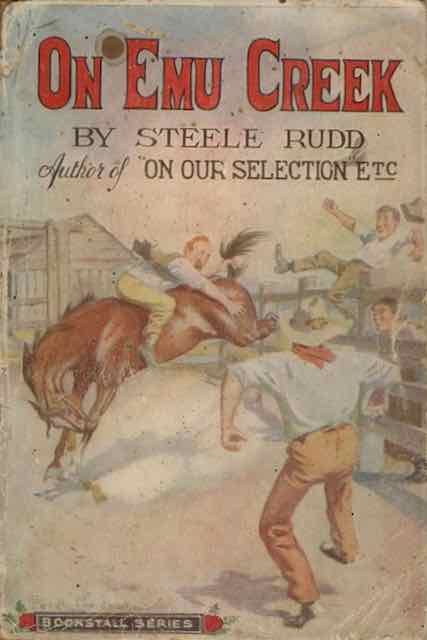
The most frequent mention I found concerned, Steele Rudd, famous for the Dad and Dave stories. He is praised for using humour to make interesting and enjoyable the truths he has to tell about Australian lives. The Queensland Times (2 May) introduced Rudd’s new book, On Emu Creek, and describes it as giving “full play to his whimsical humour, his knowledge of the rural dwellers, and his sympathy with their struggles”. Melbourne’s The Age (5 May) is more measured, but seems also to like the humour, describing it as “an agreeable story, without any affectation of style, and containing points of humor”.

Others, though, are a little less enamoured, with various reviewers qualifying their approval. One of these is J.Penn, writing in Adelaide’s The Register (19 May). There is some satire, he says,

But the main idea of nearly every chapter is someone being knocked over. It is difficult to think of any other humourist who would not seek to find humorous terms in which to describe intendedly humorous incidents. But Steele Rudd is firmly convinced that his readers will find sufficient fun in the mere fact of some one being humiliated or hurt, without the author’s having to worry to hunt for words.

Presumed Public Domain, from the NLA

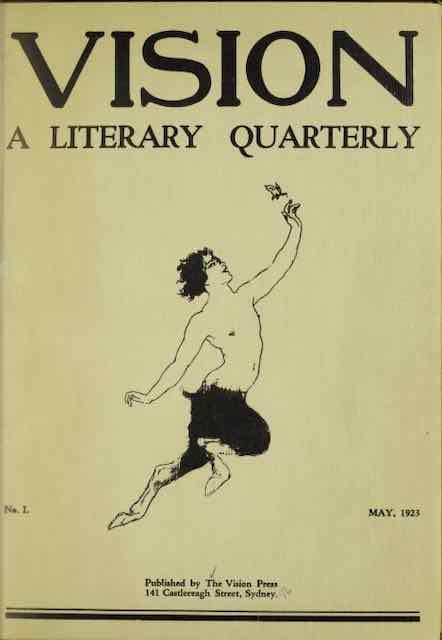
Ouch … This is not to say that J.Penn doesn’t like humour. He clearly likes satire. And, he critiques another 1923 literary endeavour for lacking “gaiety”. It was a literary magazine titled Vision: A Literary Quarterly, that was edited by Frank C Johnson (comic book and pulp magazine publisher), Jack Lindsay (writer and son of Norman Lindsay), and Kenneth Slessor (poet). The quarterly, which only lasted 4 issues, aimed, says AustLit, “to usher in an Australian renaissance to bolster the literary and artistic traditions rejected by European modernists”, but they also wanted to “invigorate an Australian culture they claimed was stifled by the regressive provincialism of publications such as the Bulletin“. 

Anti-modernist in ethos, Vision, continues AustLit, was influenced by “Norman Lindsay’s principles of beauty, passion, youth, vitality, sexuality and courage” and “consistently provided readers with potentially offensive content”. Penn was thoughtful about the first issue:

It is a welcome guest, as giving outlet for a lot of good work which might not find a fair chance elsewhere. But it has three faults, one of outlook, two of detail. Contemplation of sex matters is not the only way to brighten life; yet they constitute quite four-fifths of this opening number.

Not only that, but, he says, ‘while it would seem difficult to be heavy, even “stodgy,” on matters of sex, that feat has been accomplished here’. Indeed, it has “no spark of gaiety”, which is exactly what Norman Lindsay, in the same issue, accuses James Joyce of. (Excuse the prepositional ending!) However, not all of Vision is like this:

The poetry in this volume, by Kenneth Slessor and others, has much of the desired element of gaiety; and a page of brief quotations from modern writers in other countries, with satirical footnotes, is delightful. There remain the pictures. These are as bright and gay as could be wished—a riot of triumphant nudity, in which Norman Lindsay in particular finds full opportunity.

Overall, he feels that “with some judicious editing, this endeavour to brighten Australia should have at any rate an artistic success”. (Also, he does like Jack Lindsay’s “valuable essay … on Australian poetry and nationalism, with a theory that we must get away from shearers and horses”.) 

A very different magazine is one praised for its cheerfulness, Aussie. It ran from 1918 to 1931, and had various subtitles, The Cheerful Monthly, The National Monthly, and The Australian Soldiers’ Magazine. I had not heard of it before, but AustLit once again came to my rescue. Created for soldiers in Europe, most of its early contents came from them, and comprised, says AustLit, “jokes, anecdotes, poems and drawings” which reflected “the character (most likely censored) of the Australian soldier in World War One”. In 1920, it was revived as a civilian magazine, but “the humour … was maintained”. Now, though, its contributors were established writers and artists, like AG Stephens, Myra Morris, and Roderic Quinn. I found a review of a 1923 issue in The Armidale Chronicle (19 September). It is unfailingly positive, telling its readers that “every page of Aussie breathes cheerfulness, and there is not a joke, a picture, or a story that fails to portray some phase of Australasian humor”. I wish it described what it meant by “Australasian humor” but the word it uses most is “cheerfulness”. This perhaps makes sense, given AustLit’s assessment that “it maintained its position between political extremes, addressing the views of a predominantly middle-class audience”. 

Humour is also mentioned reviews of books for children, such as The sunshine family, by Ethel Turner and her daughter Jean Curlewis. It is described in the Newcastle Morning Herald and Miners’ Advocate (14 December) as having “rare good humour”, but is that unusual for a book for children?

The descriptions of the 100 books chosen by AG Stevens for Canada, that I wrote about earlier this year, include several references to humour – in fiction, such as EG Dyson’s 1906 Factory ‘ands, with its “brilliant satirical humour”; in children’s books, like C Lloyd’s 1921 The house of just fancy, whose pictures “have quaint loving humour”; and in much of the poetry, including JP Bourke’s 1915 Off the bluebush, which contains “verses of sardonic humour”.

Humour is such a tricky thing – from the sort of situational humour in Rudd’s On Emu Creek, through the apparent “cheerfulness” of Aussie, to the more satirical humour liked by J.Penn – but unfortunately, most of the references I found don’t analyse it in much detail. I will keep an eye out as we go through the years.

Meanwhile, do you like humour in your reading? And if so, what do you like most?

Other posts in the series: 1. Bookstall Co (update); 2. Platypus Series; 3 & 4. Austra-Zealand’s best books and Canada (1) and (2); 5. Novels and their subjects; 6. A postal controversy

Marie Munkara, Every secret thing

They all nodded, not knowing what the hell curry* was but getting gist of the story all the same.

Marie Munkara leads us a merry dance with Every secret thing, her first book, which won the David Unaipon Award for an unpublished Aboriginal or Torres Strait Islander writer. What exactly is this “thing” she presents to us? A novel? A short story collection? Well, I think it’s a bit of both. It looks like stand-alone short stories, and can probably be read that way. But, the same characters keep reappearing in the stories and there is a chronological thrust to it with a conclusion of sorts in the final story, so I’d call it connected short stories.

Form, though, is not the only way in which she leads us a merry dance. This is a genuinely funny book – sometimes slapstick or ribald, sometimes more bitter, satiric and/or ironic, but pretty well always funny. However, her subject matter is desperately serious – the destruction of indigenous culture through contact with white culture, specifically in this book through contact with missions and missionaries.

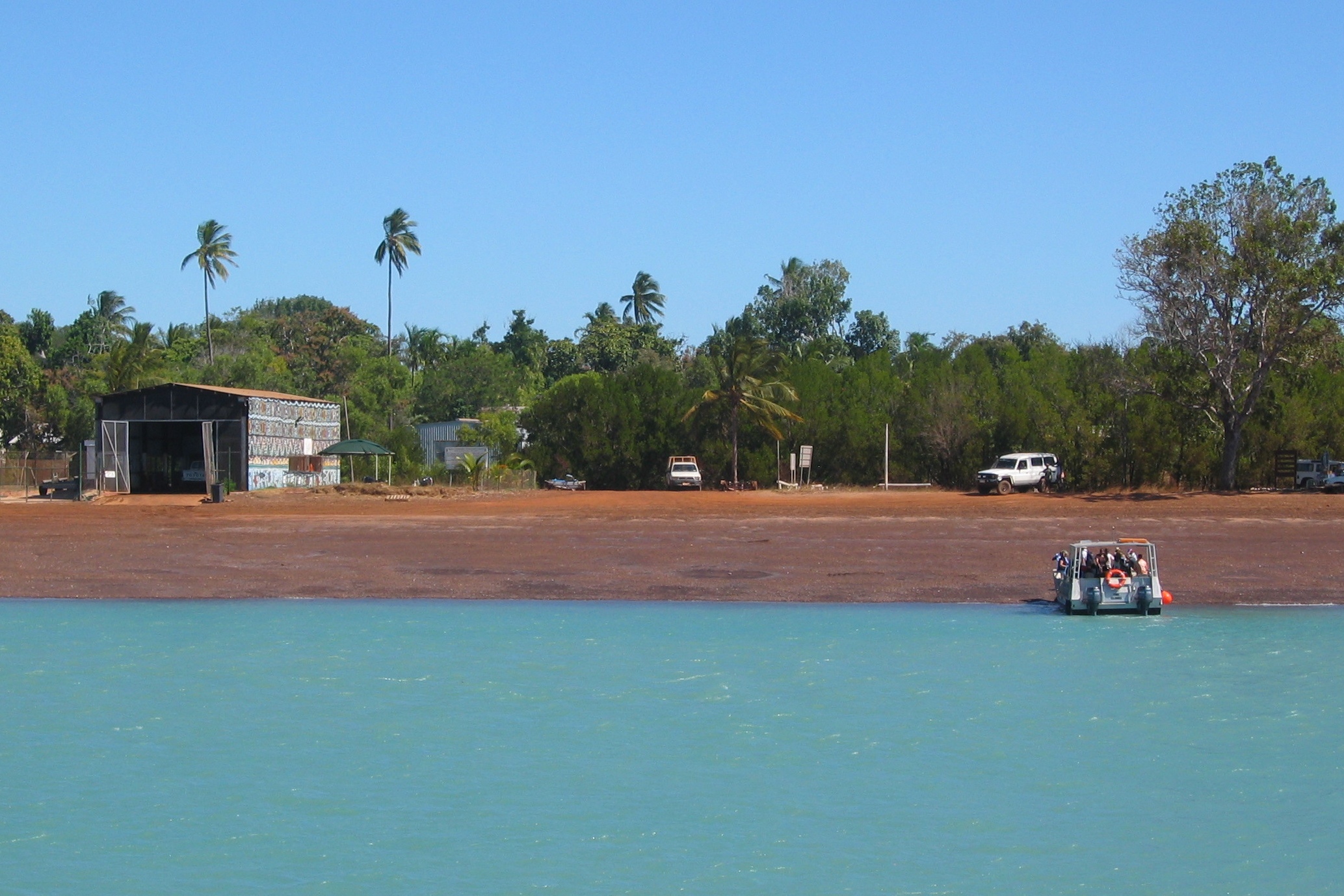
Bathurst Island (Tiwi Islands)
Approaching beautiful Bathurst Island (Tiwi Islands)

Marie Munkara was born in Arnhem Land and spent the first few years of her life on Bathurst Island in the Tiwi Islands. She left there when she was 3 years old, and didn’t return until she was 28. These stories, she says, are drawn from those told to her by friends and family, and are set, I think, in the early to mid twentieth century. She explores a wide range of issues reflective of indigenous-white contact at that time, including education and religion, the stolen generation, sexual abuse, the introduction of alcohol and disease, and anthropological research.

Munkara sees humour in everything (more or less) but her more biting humour is reserved for the “mission mob” because, of course, it is they who wield the power over the “bush mob”. The “bush mob” are shown to be intelligent and resourceful but no match for the power of the muruntawi (white people). Her language draws on a wide range of traditions – including indigenous storytelling, biblical, common clichés – and from these she tells stories that are only too believable. Here she tells us about one of the Brothers:

And so time passed and the natural progression of things came to be and the bullied became the bully, and the bully became the misogynist, and the misogynist became a Brother in a Catholic mission in a remote place in the Northern Territory… (“The sound of music”)

A too familiar story, told in a biblical tone. There is a funny story in which the “bush mob” tries to lead an anthropologist astray by feeding him incorrect information (such as obscene or silly names for ordinary objects), but their victory is Pyrrhic, as the end of the story conveys:

And after all, it was difficult sometimes to tell the difference between the missionaries and the madmen and the mercenaries because their eyes all looked the same and their tongues all spoke the same language of greed. If it wasn’t your soul they wanted, it was something else. Until it became an automatic response whenever a strange muruntani appeared to put out your hand for the specimen bottle to piss into or extend your arm for a blood sample to be taken or for the ungracious thought to pass through their mind that here was yet another who had come to take but as always gave nothing in return. (“Wurruwataka”)

Her stories about the stolen generations are particularly bitter, but again she uses humour. She tells the story of Marigold (née Tapalinga) who’d returned “home” after years away, only to find that she no longer fit, but:

Nor did Mrs Jones want the hussy back as their servant having sprung the little slut underneath Mr Jones in the spare room. The poor man was still traumatised by the ordeal. This wasn’t the first time she’d raped him, he claimed. (“Marigold”)

Only an indigenous writer could write something so patently ridiculous on this topic – and so drive the point home!

Munkara neatly tracks the Bishop’s behaviour and impact on his flock by constantly changing her epithet for him. In the first story, “The Bishop”, he is introduced as “his Most Distinguished” but is then referred to by various names including “his Most Garrulous”, “his Most Impatient” and “his Most Impious”. This changing of names for the Bishop is rather unsubtle humour but it carries a sly comment on the “mission mob’s” disrespect for indigenous culture by insisting on naming indigenous people, completely ignoring the fact that they have their own names. And so, in the first story, we are introduced to Matthew, Mark, Luke and John, to Epiphany, Lazarus, and John the Baptist, to name just a few of the cast of characters populating the book.

Another technique Munkara uses is to pepper her stories with white culture sayings and clichés, such as, “misery loves company alright”, “looking on the bright side”, “but you just can’t please everyone”, and this one:

And so it came to be that for the first time ever, the mission mob found themselves sitting where they’d never sat before – between a rock called ‘you didn’t see that one coming did you’ and a hard place called ‘bush mob’s indifference’. (“The good doctor”)

Overall, this is deceptively simple but clever writing that sets up and undermines its premises every step of the way. First “the mission mob” seems to be winning, and then “the bush mob”. However, while it could be said that “the bush mob” were “clever individuals who had learnt to sit on the wobbly fence of cultural evolution without falling off”, the real truth is that

They didn’t have to die to go to hell because the mission had happily brought that with them when they’d arrived unasked on the fateful shores of the place that was their heaven all those years ago. (“The movies”)

A spoonful of sugar, they say, makes the medicine go down, and that’s certainly true of this book. The sugar is not so strong though that you miss the medicine. Munkara makes sure of that – and the end result is a very funny but also very sobering book. I suspect and hope that Munkara has more … because the missions are only one facet of the history of contact in Australia. There is plenty for her to sink her teeth into.

Musings of a Literary Dilettante and Resident Judge have also reviewed this book.

Marie Munkara
Every secret thing
St Lucia: University of Queensland Press, 2009
181pp.
ISBN: 9780702237195

* Reference to the colloquialism “giving them curry”.