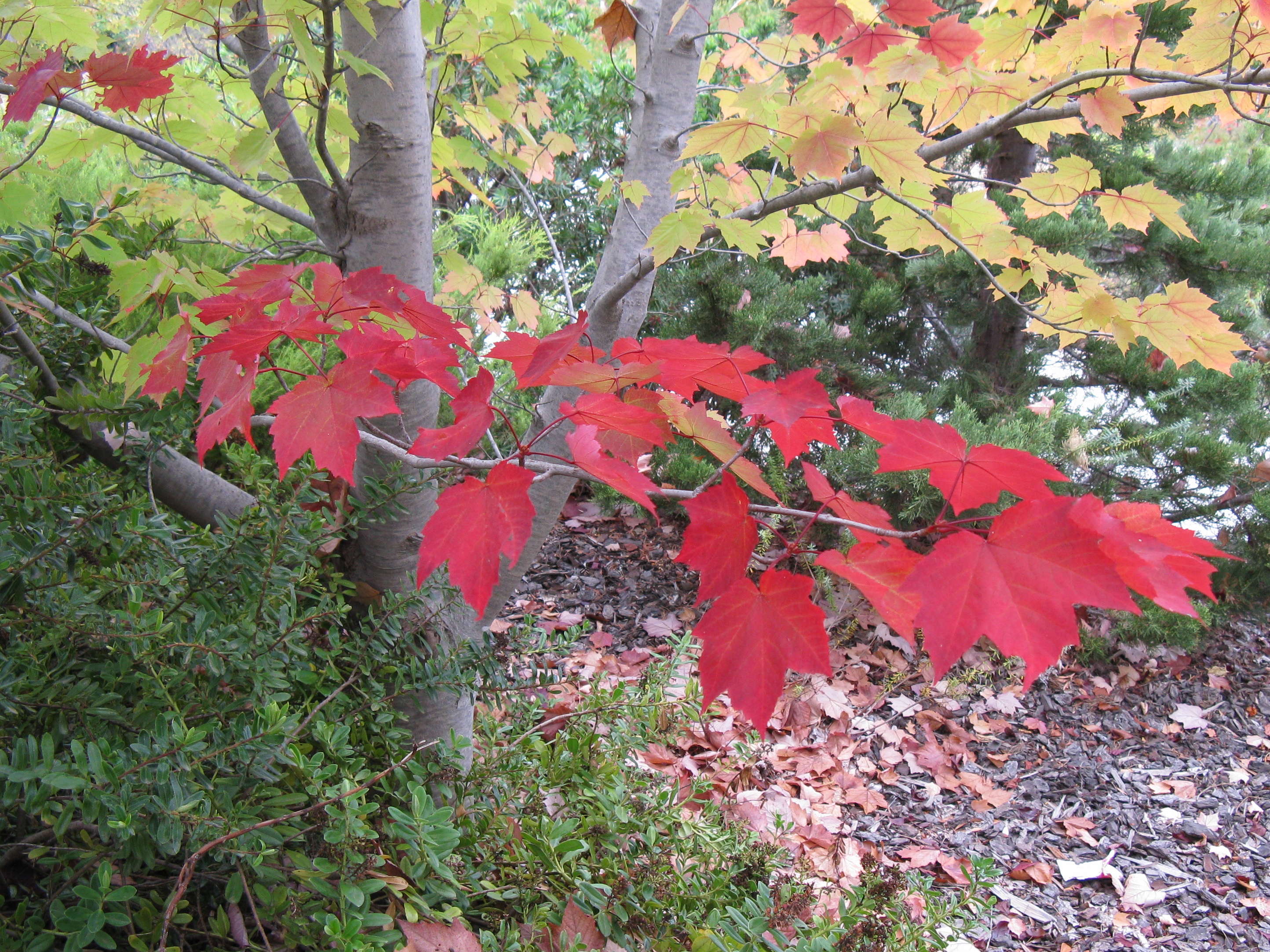
Autumn leaves
I was lying in front of a sunny window reading my current novel this afternoon when an urge came upon me to write about one of my favourite poems. It’s one of the few I can recite from heart. The poem is “Spring and Fall” by Gerard Manley Hopkins, and it goes like this:
To a young child
Margaret, are you grieving
Over Goldengrove unleaving?
Leaves, like the things of man, you
With your fresh thoughts care for, can you?
Ah! as the heart grows older
It will come to such sights colder
By and by, nor spare a sigh
Though worlds of wanwood leafmeal lie;
And yet you will weep and know why.
Now no matter, child, the name:
Sorrow’s springs are the same.
Nor mouth had, no nor mind, expressed
What héart héard of, ghóst guéssed:
It is the blight man was born for,
It is Margaret you mourn for.
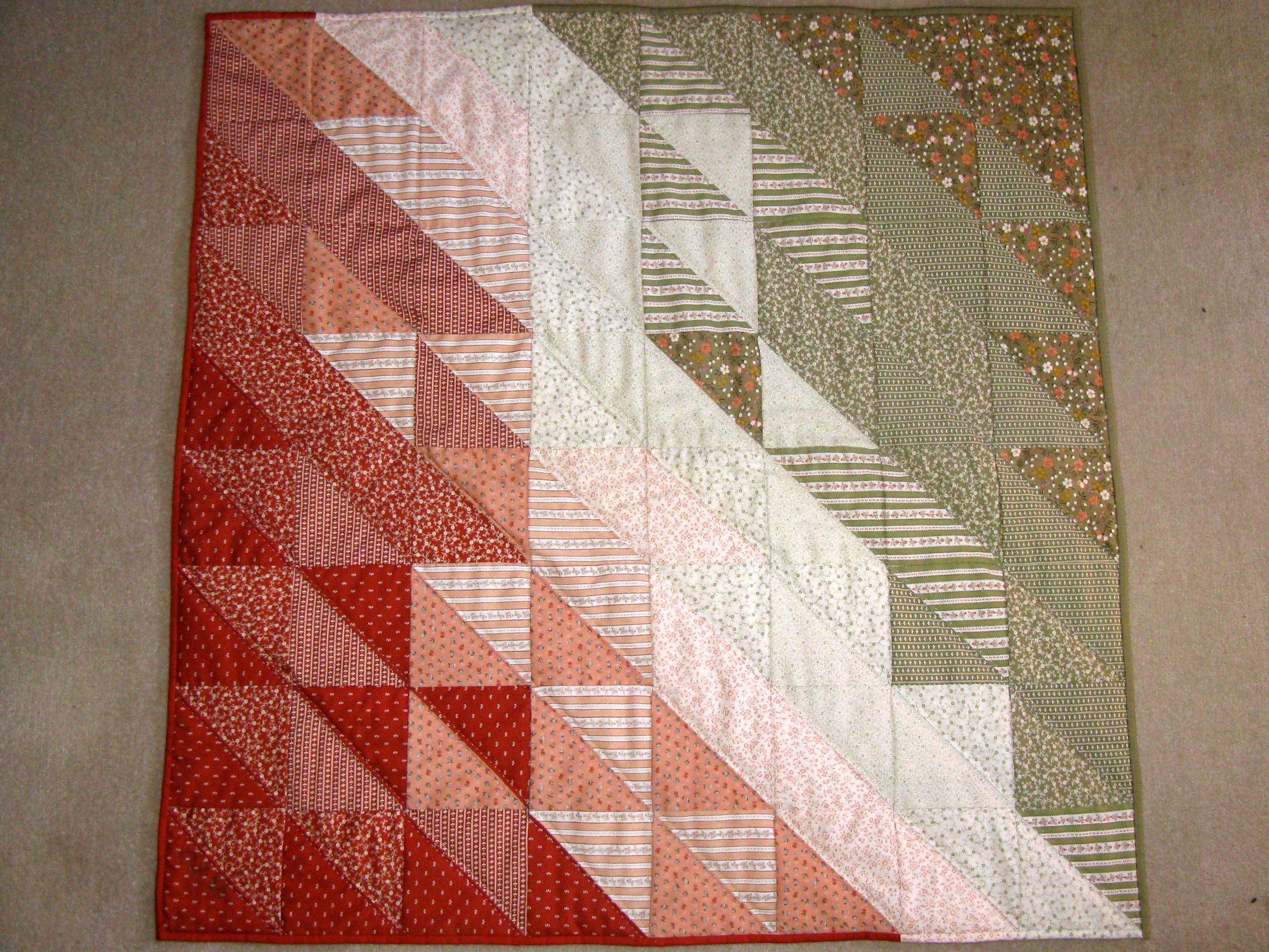
Spring and Fall Small Quilt, 1985
Now, I know you Northern Hemisphere people are enjoying spring and looking forward to the lazy, hazy, crazy days of summer, but down here in the south it is autumn which is, for me and I suspect many of us, a bittersweet time. Sweet because the weather is usually mild and stable, and the light soft and warm, but bitter because there’s a chill in the air, the days are shortening and the frosts are coming. It is for this paradox – and its implications, its recognition of our mortality – that I love Hopkins’ “Spring and Fall”.
What I love about this poem is what I love about Hopkins in general. Firstly there’s his heart that is so openly on show in all his poems, both the religious crisis poems and the ones about life and nature. Then there’s the tone, which is, in this poem, rather melancholic. After all, he is telling the child, Margaret, that what she’s really grieving for, though she’s unaware of it now, is her own mortality. I also love his rhythm (which he called “sprung rhythm“) and how in this poem there’s a jolt towards the end when he makes his main point. And associated with this, the rhyme, which is appropriately simple here for a poem addressed to a child. But most of all, I love his language, particularly his imagery and the neologisms (like “wanwood leafmeal”). Or, perhaps, not quite most of all … I think most of all I love the way the language so perfectly matches the heart.
The older I get, the more I understand and love this poem!
Do you have poems that come back to you again and again at different points in your life?
 Whispering Gums