Finlay Lloyd 20/40 Publishing Prize 2025: Winners announced

In August I wrote a progress report on Finlay Lloyd’s 20/40 Publishing Prize, a prize in which I have special interest because I love novella-length writing and the publisher behind this prize, Finlay Lloyd.

So just a quick recap on the prize: 20/40 is a manuscript award, with the prize being publication. It is not limited to debut or young or women or any other subgroup of writers, as some manuscript awards are. However, it does have its own criteria, which is implied in its name. It is for prose writing that is between 20,000 and 40,000 words. Outside these criteria – prose and length – the submissions can be from “all genres … including hybrid forms”. The aim is to choose two winners, preferably one fiction and one non-fiction, as they did last year.

And now, the Shortlist and Winners

The shortlist, announced on Finlay Lloyd’s website, was:

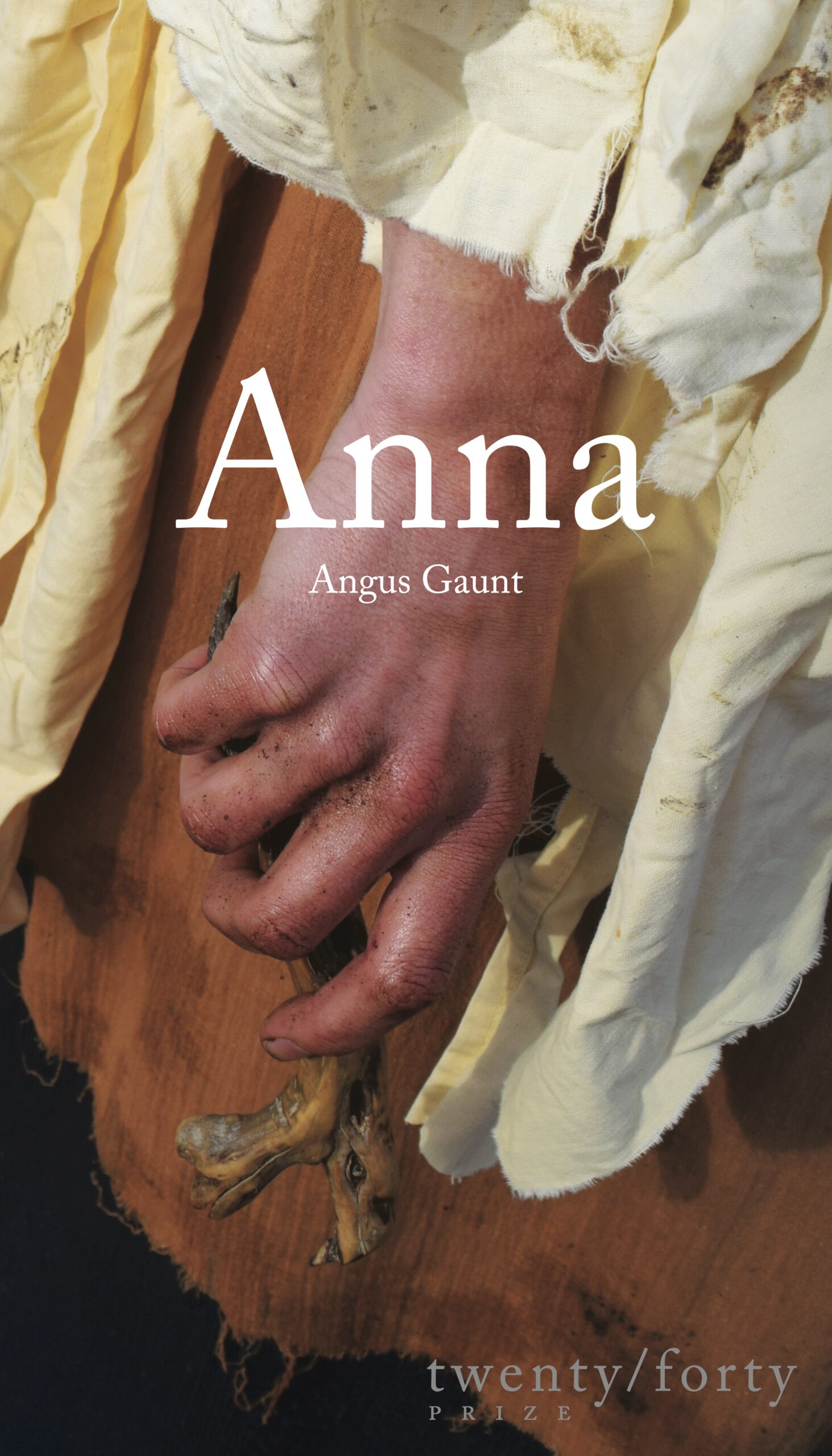
  • Angus GauntAnna: a novel which “steps with deep insight into the dire circumstances of a girl who has little more than her own inner resources to deal with sustained privation and the threat of violence”.
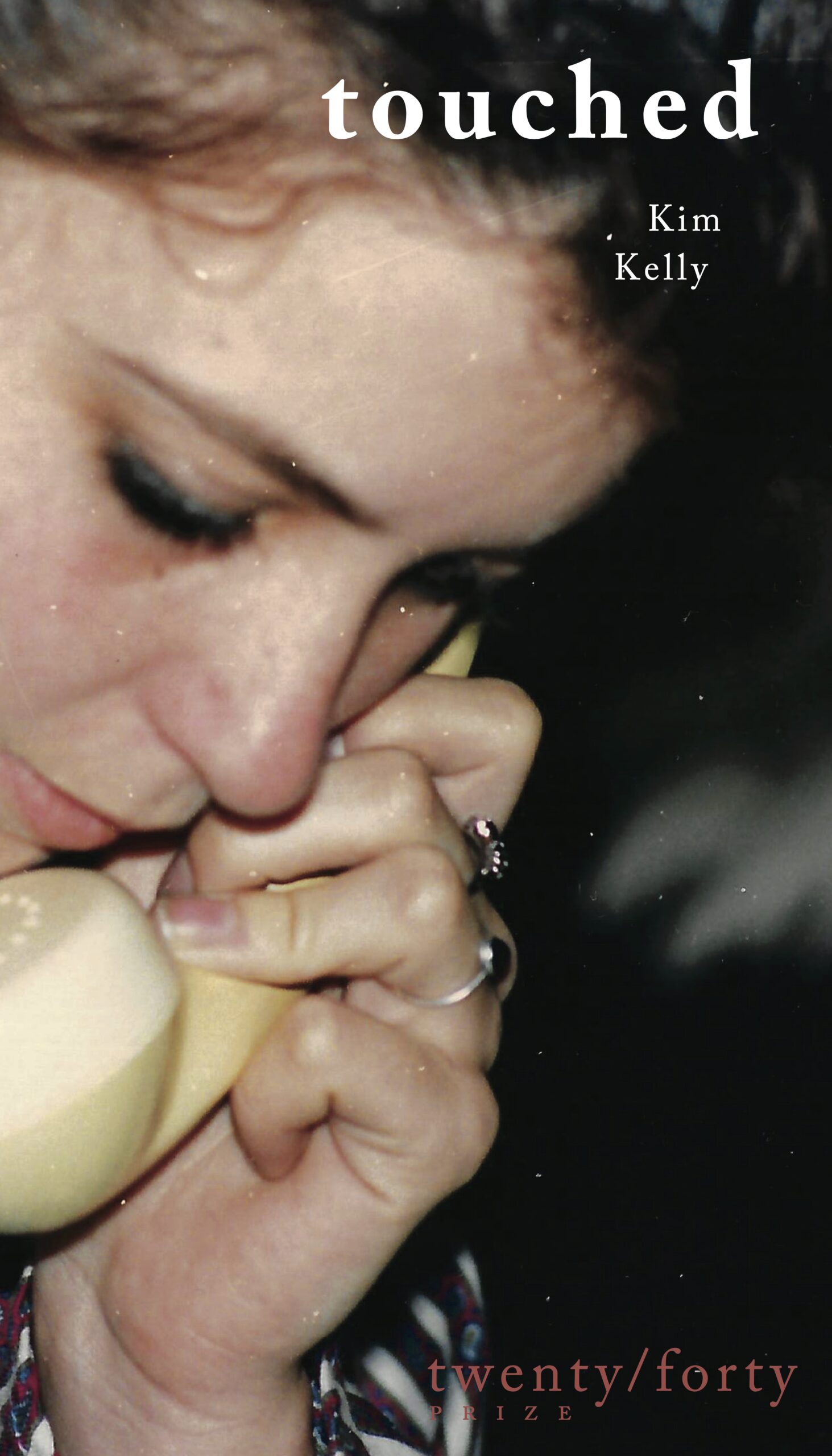
  • Kim KellyTouched: “a memoir that uses self-deprecation and humour to turn her own experience of intense panic attacks into a lively and profound reflection on the prevalent role of anxiety in so many of our lives.”
  • Monica RaszewskiMystic Vera and Lottie the shadow puppet: another novel, this one “centred on eccentric, flighty, Vera who dances with happy abandon around her sister, Lottie’s flailing attempts to control her excesses.
  • Paul TooheyBad face: an historical novel “set on the late 19th Century US frontier, where totemic violence between settlers, cattle ranchers and rustlers, and native Americans is played out with vital gothic intensity”.

And the winners are Angus Gaunt’s Anna and Kim Kelly’s Touched. You can read more about them on the Winner Announcement page. The judges were last year’s winners – Sonya Voumard, Penelope Cottier and Nick – plus Finlay Lloyd author John Clancy and the publisher Julian Davies.

The judges liked Gaunt’s novel because “the extreme circumstances of this story are written with a quiet yet incisive humanity”. Gaunt as born and educated in England, coming to Australia in 1987. He now lives in Dharug/Guringai country on the northern edge of Sydney. He has been published and nominated for awards in Australia, England and Ireland.

They liked Kelly’s memoir because of its “breadth of understanding—of the author’s own crazily complex family, of the wider issue of anxiety across society, and of her own voyage as a highly competent yet vulnerable being in a worryingly unhinged world”. Kelly was one of the two inaugural winners of this prize with her historical fiction novella, The Ladies Rest and Writing Room (my review). She lives and works on Wiradjuri and Eora lands in central west NSW and Sydney. Kelly has written historical fiction, short stories and essays, and is completing a PhD in Literature at Macquarie University. She is also a book editor (as Kim Swivel).

I was able to attend the launch of the 2023 and 2024 winners, as they were held in Canberra. This year, however, because both authors have Sydney bases, the launch will be held there next week when I’m in Melbourne, so I will not be able to report on the winners’ conversation, unfortunately. However, I do have the books and plan to read both for this year’s Novellas in November. And, there is an excellent interview with the authors available RIGHT NOW on the above-linked Winner Announcement page!

I am thrilled that this prize has now passed its third year, and hope it continues for many years more. If you like the sound of these books, and would like to support them (and the prize), you can order the books at Finlay Lloyd (though great bookstores will carry them too.) The recommended retail price is AUD26, but you can buy them from FL at AUD23.40 each (plus postage).

Congratulations to Finlay Lloyd and this year’s winners.

Monday musings on Australian literature: Finlay Lloyd’s 20/40 Publishing Prize, progress report

Nearly three years ago, I reported on a new literary prize, the 20/40 Publishing Prize which was being offered by the non-profit publisher, Finlay Lloyd. It has now been awarded in both 2023 and 2024, and preparations for announcing the 2025 winners are well under way.

Briefly, the aim of the award is to “encourage and support writing of the highest quality” by offering publication rather than cash. It has a specific criterion, however, as conveyed by its title: the works, which can be fiction or nonfiction, must be between 20,000 and 40,000 words. The submissions are read blind, and the judging panel includes the previous year’s winners. This means the judges for the 2025 award are Sonya Voumard, Penelope Cottier and Nick Hartland, alongside publisher, Julian Davies, and longtime Finlay Lloyd supporter (and writer), John Clanchy. 

The winners to date have been:

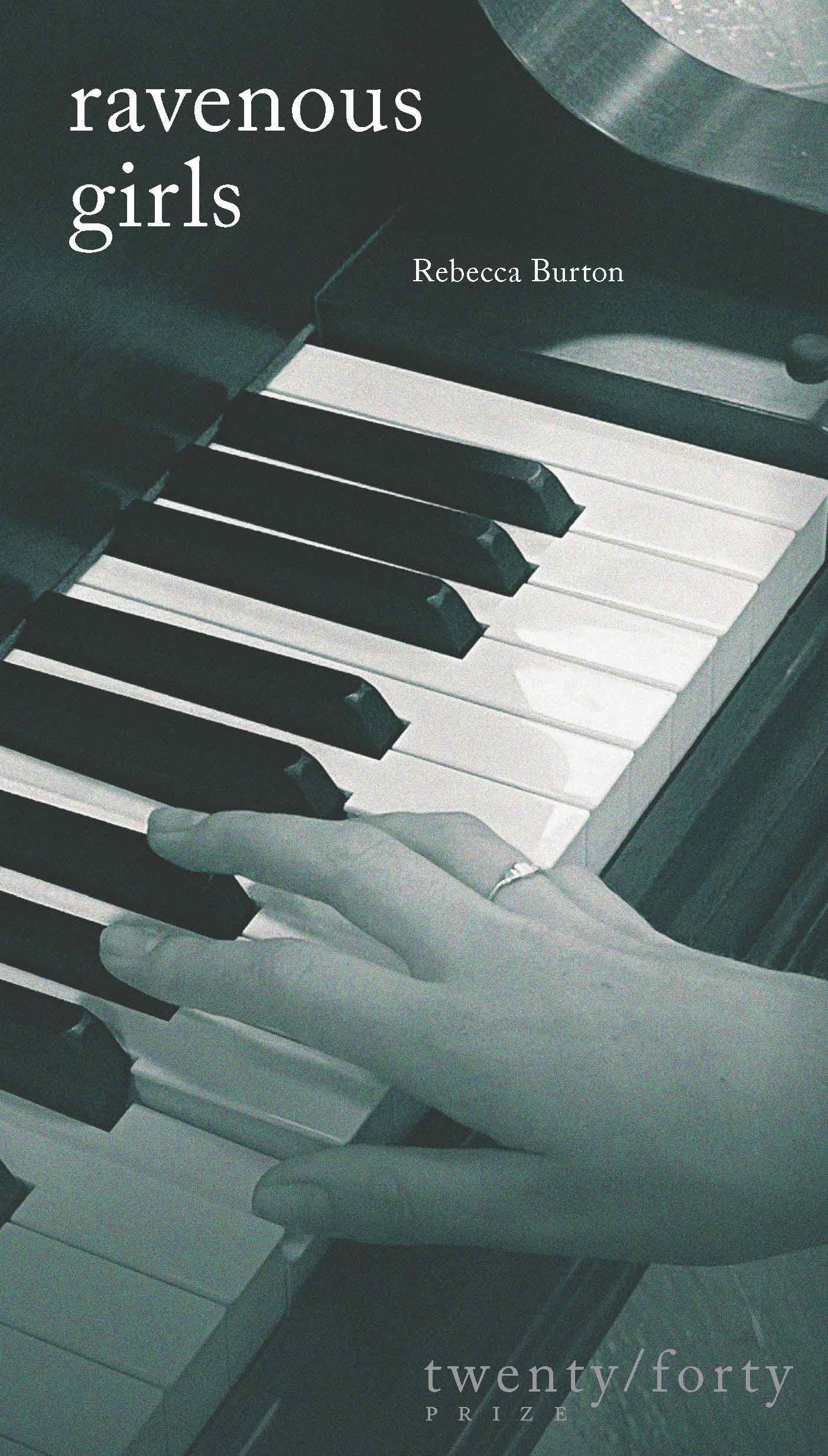
  • 2023: Rebecca Burton, Ravenous girls (fiction, my review)
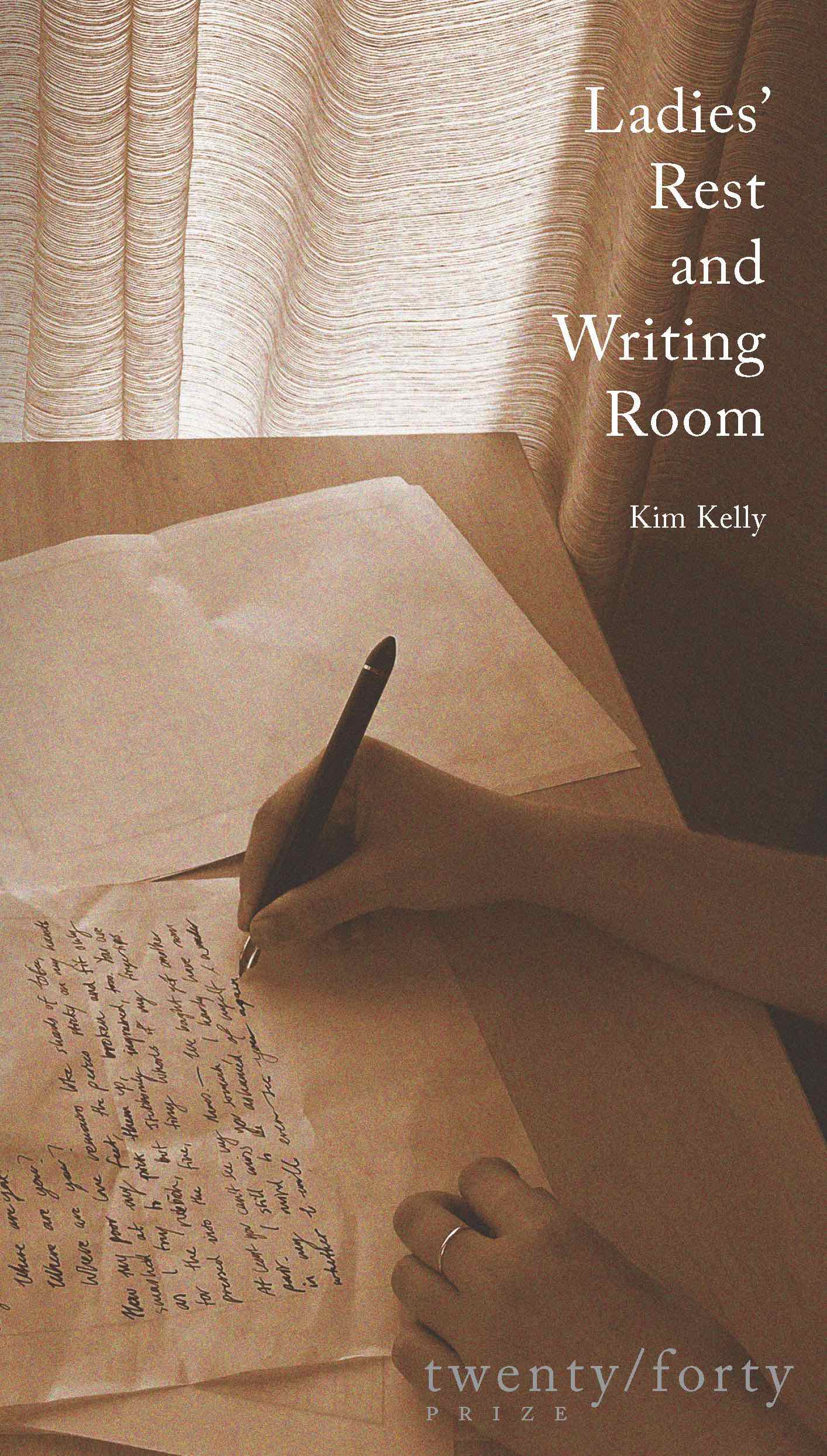
  • 2023: Kim Kelly, Ladies’ Rest and Writing Room (fiction, my review)
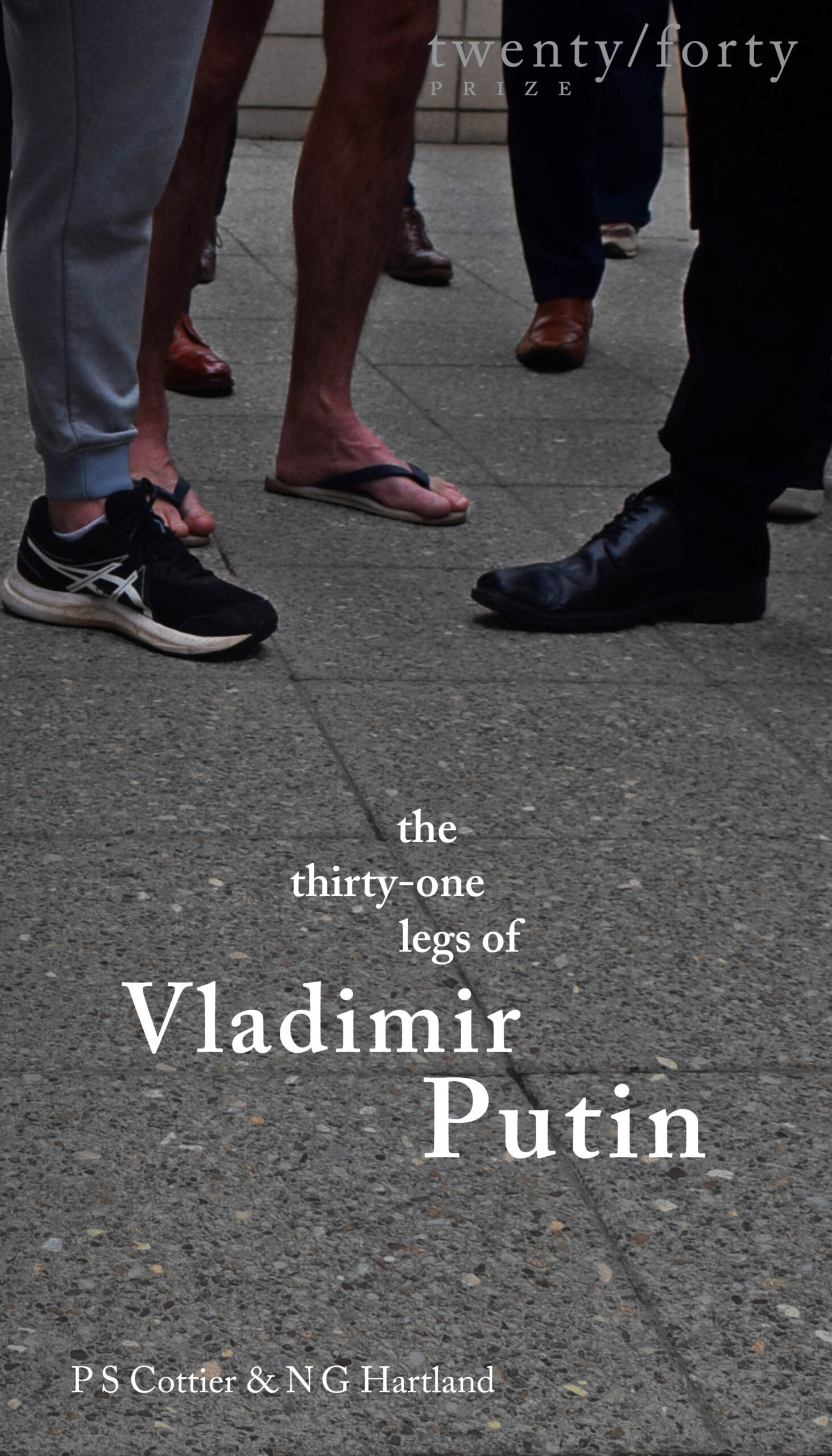
  • 2024: PS Cottier and NG Hartland, The thirty-one legs of Vladimir Putin (fiction, my review)
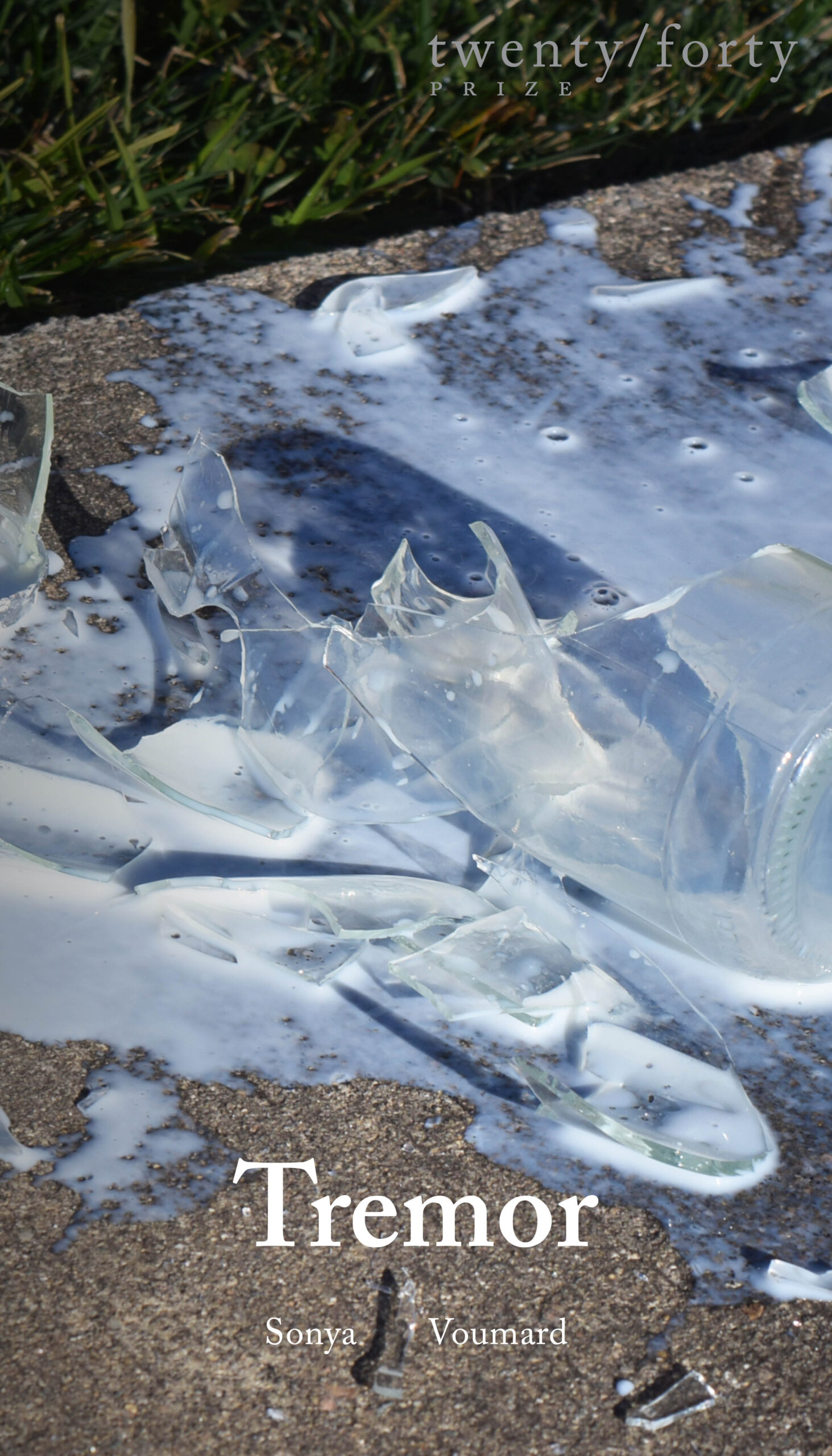
  • 2024: Sonya Voumard, Tremor (nonfiction, my review)

Most awards, particularly those coming from a small organisation, take time to build – and some disappear into the ether. So I worried that this award might not last – not only because Finlay Lloyd is small but also because this shorter form is not popular with everyone. I am therefore thrilled to hear that the third annual winners are on track for announcement, and that Finlay Lloyd is now calling for entries for the 2026 prize.

This is where today’s post comes in. I don’t make a practice of announcing calls for competition entries, but this attracted me for a couple of reasons. First, I often wonder what difference awards make to authors and their sales. Well, while I don’t know what the initial print runs were, Finlay Lloyd says that The thirty-one legs of Vladimir Putin has been reprinted twice since its first run, and Tremor is about to go into reprint. This must be encouraging, surely, for writers?

The other relates to the fact that Finlay Lloyd wants to offer a fiction and a nonfiction award each year. This didn’t happen in 2023 because they did not receive enough quality entries, but it happened in 2024. Sonya Voumard’s Tremor is an excellent example of novella-length (is there a better description for this) nonfiction.

In my report on the Winners Conversation last year, I shared Voumard’s discussion about length. She said that there’s “the assumption that to be marketable you need to write 55,000 plus words”. She had the bones of her story, but had then started filling them out, when, in reality, it was just “flab”. The competition, and then Julian Davies’ editing guidance, taught her that she had a good “muscular story”. So she set about “decluttering”. The end result is interesting, because this book doesn’t have that spare feeling common to short works, which is not at all a criticism of spare writing. However, Tremor feels tight. It has little extraneous detail, but it’s not pared back to a single core. I found it informative but also a personal and moving read, and I bought a few copies as gifts last year. I would love to read more shorter-length works of nonfiction.

All this is precursor to sharing that last week, I received a Media Release from Finlay Lloyd, in which publisher Julian Davies says:

As 20/40 builds momentum, our enthusiasm for encouraging this compact scope for both fiction and nonfiction has continued to grow. The length of 20,000 to 40,000 words allows for the rich development of an imaginative story or factual concept while being tight enough to encourage focus and succinctness. It’s a form we love and believe is apt for our moment in the history of thought and invention.

Each year we support the winning authors through a close and probing editorial process that works towards finding the best possible version of their book. We also take delight in a design process where books are created that feel like artefacts, that ask to be picked up and engaged with.

Submissions for 2026 will open in December. The prize is open to emerging and established writers, but they must be Australian citizens, permanent residents, or valid visa holders. It is a prose prize, but is open to all genres – as the winners to date demonstrate – including hybrid forms.

The original NaNoWriMo might have ended, but that doesn’t mean November (or any month of your choice) isn’t a good month for giving writing a go, particularly if there’s a publisher out there waiting for your work. For more information, check the prize’s webpage.

Finlay Lloyd’s 20/40 Prize 2024: Shortlist announced

And, the interesting literary awards keep coming. In November 2022, I announced the creation of the new 20/40 Publishing Prize by the local-to-my-region independent, non-profit publisher, Finlay Lloyd. A year later, in October 2023, I announced the inaugural shortlist, and soon after that, the winners, Rebecca Burton’s Ravenous girls (my review) and Kim Kelly’s Ladies’ Rest and Writing Room (my review). I am absolutely thrilled to see that the shortlist for this year’s award has just been announced.

But, before I get to that, a little explanation re my opening sentence. Like the Barbara Jefferis and the Mark and Evette Moran Nib Literary Awards, this award, too, has different and specific criteria, though in this case they are not so much about content as form. The 20/40 prize is a manuscript award with the prize being publication, neither of which criteria is particularly unusual. Further, it is not limited to debut or young or women or any other subgroup of writers, as some manuscript awards are. Submissions can be fiction or non-fiction, but must be prose (albeit “all genres … including hybrid forms” are welcome). What makes this award particularly special – to me anyhow – is that it is for shorter works, that is, for works between 20,000 and 40,000 words (hence the award’s name, the 20/40 Prize). The original aim was to make two awards – one to a work of fiction and one to nonfiction. However, last year the fiction submissions were so strong, said the judges, that both winners were fiction. Let’s see what happens this year …

And now, the 2024 Shortlist

Here is the shortlist, with a description from the announcement, plus further information I have found on the previously published authors.

  • Alicia Marie Carter’s Minotaur toes pulls no punches in taking the reader deep into the searing, visceral reality of the ensnared existence of a young woman, manipulated in prostitution: Carter is a writer, editor, teacher and podcaster who has had short stories, poetry and personal essays published in various literary journals, has won awards for her short fiction, and had a novel, Songs at the end shortlisted for the Penguin Literary Prize 2021.
  • PS Cottier and NG Hartland’s The thirty-one legs of Vladimir Putin spirits us away on a comedic journey into a world where the reality and absurdity of political power are increasingly indistinguishable: Cottier is a Canberra-based “poet who occasionally writes prose”, among other things, with an impressive body of work to her name; Harland is also a Canberra-based writer about whom I have found little except some references to prose writing.
  • Susan Saliba’s There is something that waits inside us empathetically explores the search for solace of a girl caught between the example of her high-achieving aunt and her eccentric, dysfunctional mother: Saliba is an English and Creative Writing Teacher, and an award-winning writer of young adult and children’s fiction.
  • Sonya Voumard’s Tremor shows us that beyond our societal expectations and judgements about normality, individual lives with disability can follow atypical, often difficult, but ultimately inspiring paths: Voumard is a writer and lecturer, primarily in non-fiction, who first came to my attention when she was longlisted for the Stella Prize in 2017 with The media and the massacre (which kimbofo reviewed from her won journalistic perspective).

Last year’s submissions were judged blind. This is not explicitly stated in this year’s shortlist announcement, but Julian Davies did say in an email announcement earlier this year that “Consistent with the ethos behind the prize, and last year’s guidelines, all entries will be read blind by the panel so that the quality of the writing guides the panel’s decisions rather than any extraneous influence”. I am clarifying this as I know it appeals to many readers and writers.

The judging panel for the 2024 prize comprised author Kevin Brophy (whose The lion in love I’ve reviewed), the publisher and author Julian Davies (whom I’ve reviewed a few times), author and poet Rashida Murphy, and last year’s winners, Rebecca Burton and Kim Kelly (aka Kim Swivel). The ongoing plan is for the previous year’s winners to be on the next year’s panel.

The winners will be announced on 26 October, just in time, again, for Novellas in November. The media release says, “it is intrinsic to a publishing prize that when the shortlisted entries are announced, the winning books are already in the final stages of being prepared for publication”. In other words, we should be able to buy them at the end of this month. Watch this space. I have so many novellas I want to read for Novellas in November …

It is heartening to see Finlay Lloyd’s commitment to their prize. I hope it continues long into the future.

Winners announced for the inaugural 20/40 Prize

Last November, I announced the creation of the new 20/40 Publishing Prize by independent, non-profit publisher, Finlay Lloyd. And then, early this month, I announced the shortlist for the inaugural prize. Today, I announce the Winners.

First though, I’ll remind you that 20/40 is a manuscript award, with the prize being publication. It is not limited to debut or young or women or any other subgroup of writers, as some manuscript awards are. However, it does have some criteria, in addition to looking for “writing of the highest quality”. Submissions must be prose, and must be between 20,000 and 40,000 words (hence the name). Outside of these criteria, works submitted can be “all genres … including hybrid forms”. The plan is to choose two winners, as they have this year, and they hope to run this prize for many years to come.

And now, the Winners

From six on the shortlist, we now have our two winners:

  • Rebecca BurtonRavenous girls. FL says “Stories of family dysfunction often expose us to relentless failure. And while Ravenous Girls is about the tensions and growing distance between two sisters—the elder burdened by anorexia, the younger by self-doubt—it is distinguished by its lithe and tender understanding of the complexities of growing up.”. Burton is an editor, and author of two young adult novels, Leaving Jetty Road and Beyond Evie, both published by HarperCollins Australia.
  • Kim KellyLadies’ Rest and Writing Room. FL says “Two young women, brought up to expect conventional lives, are thrown together in unexpected circumstances. Each has suffered a devastating loss that challenges their belief in life and themselves. It’s rare to come across a work of deep psychological insight conveyed with such verve and lightness of touch”. Kelly is known to many already, I think, as the author of historical fiction, most if not all published now by Brio Books.

Finlay Lloyd had hoped to make one award to fiction and one to non-fiction, but there were not enough strong non-fiction entries this year. They hope this changes as the prize becomes better known. I hope so too, as I enjoy creative non-fiction.

You can read Finlay Lloyd’s announcement here. Also, Lisa has read the winners, while I plan to read them for Novellas in November. Here is Lisa’s post.

It would be great to see Aussie readers, not to mention others, get behind this publishing prize. You can order the winners at Finlay Lloyd, with a special deal if you buy the two.

There is to be a launch of the books in Canberra on 18 November. If you will be in town that day, and would like to attend, comment here, and I will contact you with the details.

Monday musings on Australian literature: Shortlist for the inaugural 20/40 Prize

Last November, I announced the creation of the new 20/40 Publishing Prize by the wonderful (and local-ish to me), independent, non-profit publisher, Finlay Lloyd. Now, eleven months later, the awarding of the inaugural prize is imminent, with the shortlist being announced last Friday and the winners to be announced on 28 October.

But, just to recap, 20/40 is a manuscript award, with the prize being publication. It is not limited to debut or young or women or any other subgroup of writers, as some manuscript awards are. However, it does have some criteria, in addition to looking for “writing of the highest quality”. The submissions can be fiction or non-fiction, must be prose (but “all genres … including hybrid forms” are welcome), and must be between 20,000 and 40,000 words (hence the award’s name, the 20/40 Prize). They aim to choose two winners, each year. In the communication I received last week about the shortlist, Finlay Lloyd publisher and commissioning editor, Julian Davies, says:

Our passion for creating this opportunity for writers and bringing their work to the reading public will continue next year and, we hope, for many more.

That’s great to hear … and we can do our bit to help by buying and reading the winning published novels.

And now, the Shortlist

You can read a brief description of the six works at the announcement link above, so here I will provide some brief author information that I have found online.

  • Roger AverillSlippage: freelance researcher, editor and writer, with four books published by Transit Lounge – Exile: The lives and hope of Werner Pelz (Lisa’s review), the memoir Boy he cry: An island odyssey, and two novels, Keeping faith and Relatively famous (Lisa’s review).
  • Rebecca BurtonRavenous girls: editor, and author of two young adult novels, Leaving Jetty Road and Beyond Evie, both published by HarperCollins Australia.
  • Rachel FlynnNew moon rising: author of children’s picture books and novels, including the I hate Friday series, published by Penguin.
  • Kim KellyLadies’ Rest and Writing Room: author of 12 , mostly historical fiction, novels, most if not all published by Brio Books.
  • Jane Skelton, Breathing water: writer of poetry, short fiction and novels, published by Flying River Press, Rochford Press, Spineless Wonders and others.
  • Olivia De ZilvaHold on tight: writer and poet.

Julian Davies explains on the shortlist page that the works were judged blind.

The judging panel for the inaugural prize comprised Katia Ariel (author and editor), Christina Balint (whose novella, Water music, I’ve reviewed), John Clanchy (novelist and short story writer whom I’ve reviewed a few times), Julian Davies (the publisher and also an author whom I’ve also reviewed a few times), and Stefanie Markidis (writer and researcher).

When I first announced this prize last November, I noted its relevance to Novellas in November. So, I am thrilled about the timing of this announcement, because you can pre-order the two winning novellas at the Finlay Lloyd site, for a special discounted price of $43.20 (instead of $24 each). A bargain. And, if you’ve never read a Finlay Lloyd book before, you won’t be disappointed I’m sure in the artefacts themselves, as publishing good writing in beautiful packaging is what they do. Pre-ordered books will be shipped on announcement day, October 28, giving you time to read one or both by the end of November! I plan to.

Monday musings on Australian literature: on 20/40, a new publishing prize

We all like to see a new literary or publishing prize. That is, most of us do, because I do appreciate that prizes in the arts are problematic, and that some do not, for perfectly valid reasons, like them. However, for most, the positives outweigh the negatives. These positives include – in different combinations – kudos, money, time, publication.

Carmel Bird, Fair game

Last week, I received a press release about a new prize being offered by one of our wonderful local-ish, independent, and non-profit, publishers, Finlay Lloyd. I have reviewed many Finlay Lloyd publications over the years, and I also reported on their 10-year anniversary back in 2016. Their output is small in quantity but the quality, both in content and in the physical product itself, is high. Their design aesthetic is carefully considered and I love handling, as well as reading, the results. Like many small publishers, they are not afraid to publish the books and forms others eschew. Take their FL Smalls, for example. These are tiny books – smaller than a traditional novella, even – written by emerging and established (like Carmel Bird) writers. Finlay Lloyd also publishes short story collections, illustrated novels, and nonfiction on difficult subjects, like their Backlash: Australia’s conflict of values over live exports (my review).

Given this background, it’s to be expected that if they came up with a prize it would be a bit left-field, and it is. Called the 20/40 Publishing Prize, it aims to “encourage and support writing of the highest quality”, but writing that meets certain criteria. Here is how they describe it:

In an environment where writers find it increasingly difficult to find an audience, Finlay Lloyd is branching out to offer a publishing opportunity for fiction and non-fiction prose works between 20,000 and 40,000 words through the 20/40 Publishing Prize.

Finlay Lloyd’s publisher and commissioning editor, Julian Davies, is quoted in the Press Release as saying:

‘We’re incredibly excited to be able to encourage writers to submit pieces of this length, a scope which has proven itself through time to be particularly engaging and rewarding for writers and their readers.

‘It’s long enough to allow the rich development of a concept but tight enough to encourage focus and succinctness.

‘Each year we plan to select two winning authors, closely supporting them through the editorial process with care and enthusiasm, and publishing their entries in line with Finlay Lloyd’s innovative design standards.’

This length is, of course, novella length – but Finlay Lloyd has not used the term “novella” because this term refers to short prose fiction, while the prize encompasses fiction and nonfiction. They say on their website that “all genres of prose writing are welcome, including hybrid forms”. 20/40 is, I should clarify, an unpublished manuscript competition with publication being the prize.

The press release goes on to explain that Finlay Lloyd is “dedicated to identifying and encouraging good writing free from external pressures such as reputation and the undue influence of market forces”. Consequently, the judging panel will read the submissions “blind”, and will focus on “creative inventiveness and quality”.

Their hope is that 20/40 will “offer an incentive for writers to get down to work and hone their expressive skills”. They believe that readers are “hungry for writing of quality that is published with care and flare as well-designed and engaging paper artefacts”. See what I mean? The content AND the object are both important to them. I know many readers, myself included, who are so hungry.

Anyhow, submissions can be made between 1 January and 10 February, 2023. They will announce the shortlist in October and publish the winning books – one fiction, one nonfiction, I think – in November. The prize is being overseen by their “expert advisory board”:

Book cover
  • Dr Christine Balint, whose novella, Water music, I’ve reviewed
  • John Clanchy, novelist and short story writer whom I’ve reviewed a few times here
  • Donna Ward, writer, publisher, and editor
  • Dr Meredith McKinney, academic, translator – including of Mori Ôgai’s The Wild Goose on my TBR – and daughter of Judith Wright
  • Emeritus Professor Kevin Brophy, whose recent short story collection is on my TBR

I must say that I’m tickled about the timing of this announcement, given its relevance to Novellas in November.

Finlay Lloyd: Celebrating 10 Years of Publishing

This weekend I attended a delightful event run by the National Library of Australia’s bookshop. It was an afternoon of author readings to celebrate the 10th anniversary of independent small publisher Finlay Lloyd, which is based in Braidwood, about an hour’s drive from here. It is run by two men, author Julian Davies and artist Phil Day.

Julian Davies em-ceed the event. He described Finlay Lloyd as a non-profit publisher, and said he is often told by other small publishers that they can be that without trying! Ouch! The press is, he said, a quixotic venture, established because many writers were finding it hard to be published by increasingly bottom-line focused publishers. Once, he said, publishers took risks but they now tend to be overly market driven. The press was also established in response to threats about the death of the printed book. For Finlay Lloyd, the book as an artefact is important as well as the content. I can attest to that. Their books have a lovely edge, even the little flsmalls.

Then the main part of the afternoon started, with the format being Davies introducing the writer, asking one question, followed by the writer reading an excerpt. It went for about an hour and a half. My post is rather long – despite my only quoting from one writer – but my headings will enable you to skim and skip if you desire.

Alan Gould and The seaglass spiral (bought at the event)

Davies’ question for Gould was about what he expected of the publisher-author relationship. Gould, whose The Lakewoman I’ve reviewed here, was the perfect choice to be first because he epitomises the reasons behind Finlay Lloyd’s establishment. He had expected it to be hard, he said, to find a publisher for his first couple of books but he then thought an author-publisher relationship would develop. That didn’t happen, so almost every novel of his has had a different publisher.

He introduced his novel, The seaglass spiral, by describing himself as a character novelist. He read from the beginning and a small except from Chapter 10. Here’s the opening paragraph:

There was a fellow called Ralf Sebright. He was decent enough, glad for the most part to be alive, and despite being able to swim, he had just sunk beneath the Pacific Ocean for the second time. Odd to think this about this plight really, that a lineage going back to the first caves of kinship might imminently be pinched off. For Ralf had arrived at a moment when he realised his existence might be in trouble.

In short, he was drowning.

And here are the last few sentences of his first excerpt:

Ralf observed the dominant emotion of drowning was not fear. It was guilt. He also noted that, even when a person says impossible he does not stop imagining deliverance.

Gould told us to remember that word “impossible”. It’s important in the book he said. I’m intrigued. Since I had frequently fondled this gorgeous-looking book when it first came out but had resisted the temptation given my bulging TBR pile, this time I gave in to temptation. See what an author reading can do!

Phillip Stamatellis and Growing up cafe (my review)

To first-time author Stamatellis, Davies posed a question about what the editing process had meant to him. Stamatellis responded that, given the book grew out of scattered pieces of writing he’d been doing, structure was the important thing he’d learnt. Haha, I thought! Here is a sentence from my review: “Stamatellis has structured his short memoir cleverly”! Structure is indeed important to this book.

StamatellisGrowingFinlayLloyd

He also commented on Davies’ obsession with commas, to which Davies interjected with the fact that John Clanchy says he doesn’t use commas enough! This reminded me of my 12 year-old-daughter, as she was then, arguing over a comma with her school principal, who was editing a little book for the school. The principal won but, some months later, she said to me, “you know, Hannah was right about that comma”!

Anyhow, Stamatellis read the first “story” in his book in which he describes a typical cafe scene – the cafe, being, as Davies said, the book’s main character.

Camel Bird and Fair game (my review)

Courtesy: Finlay Lloyd

Introducing Bird, Davies proposed that the current discourse in our society is polarising, but Bird’s book, Fair game, he said, digresses and weaves, telling the story of Tasmania through her personal reflections. Bird agreed with this assessment, saying that “the digressive form is native to me.” And I love this form as I wrote in my review: “I love reading this sort of writing – it’s a challenge, a puzzle. Can I follow the author’s mind?” Oh, and Bird also said it was a wonderful experience to be edited by Julian.

Bird gave a wonderfully expressive reading. She loves being a little cheeky, as I also wrote in my review, and is clearly able to do that in person and well as in print!

Wayne Strudwick and The dark days of Matty Lang (bought at the event)

You meet authors in strange places, it seems. Davies met Strudwick through the latter peering into his eyes. Strudwick, you see, is an optometrist but, Davies soon learnt, also writes – and this led to the publication of Strudwick’s story, The dark days of Matty Lang, in the first series of flsmalls.

Given this story is set in a country town, Davies asked Strudwick about his interest in such towns. He responded that in these towns, everyone knows everyone else, which can be comforting but also claustrophobic. Traumas, he said, go through the whole community. His story is about a trauma, and the reading intrigued me, so I bought it too!

Bidda Jones and Backlash (my review)

Bidda Jones is Davies’ partner so the question was obvious: how did she find working on a book together. Jones explained that she’s a scientist not a writer. She did the book, she said, “through gritted teeth” and was very glad when it was over! But, she’s also glad, I believe, the story is documented.

Jones read an excerpt from the book describing how she and Lyn White took their research and footage to the ABC, but she also told us that already the book has been attacked in parliament. So, I went looking and found the speech by National Party Senator Barry O’Sullivan. My oh my! He name-calls, and he makes false statements about what the book does or doesn’t cover. But the clincher is that he concludes his speech not on proving that the government has made advancements in live export animal welfare but by attacking Jones and the RSPCA – attack after all being the best form of defence – for not focusing their effort on domestic pets and animals (as if they don’t do that too!), which he argued are the RSPCA’s “core and fundamental issues”. In fact, the RSPCA’s mission is broad: to “To prevent cruelty to animals by actively promoting their care and protection”. It’s hard to take such a speech seriously.

Paul McDermott and Fragments of the hole (my review)

McDermottFragmentsFinlay

McDermott’s book is heavily illustrated with his drawings, so Davies’ question to him related to the process of working with Finlay Lloyd’s Phil Day. McDermott, who attended the Canberra School of Art, told us that he is always writing little stories and making drawings and sketches. He described how creatively Day had used his drawings, making selections from what was apparently a big bundle, sometimes upending them, sometimes using only part of them.

McDermott, also an expressive reader of course, read the second part of his story “The boy and the goat” but I certainly won’t share that because it included the wonderful last line of the story. I loved this little book, but was a little disconcerted when, on having a copy of his book signed for a friend, he told me that he’d only seen one review of the book and the reviewer said it wasn’t for children, but it is he said! Hmmm, I thought, I reviewed his book. Was that I? I didn’t ‘fess up, because I couldn’t remember, but checked when I got home and it was. In my defence, though, I did qualify it by saying it wasn’t for “(most) children”. Oh dear.

Meredith McKinney and Mori Ogai’s The wild goose (on my TBR)

Fiction, non-fiction, essays, and even commissioned translations, Finlay Lloyd does it all. Davies talked about how, as he and McKinney were working on this Japanese classic, they compared three translations of this Japanese classic from 1959, the 1990s, and Meredith’s 2010s. He enjoyed their discussions about Japanese language and the decisions that have to be made in translating it.

But, his question for McKinney was why she chose this particular novel (novella, really). It’s because, she said, she’s interested in pre-western-influenced Japanese literature. Davies commented that he liked the sympathy Ogai shows to his minor characters, and McKinney agreed saying that he exhibits tenderness for everybody. I’ve had this book on my TBR for a couple of years, and it’s time I read another Japanese novel, so I really need to find time to read it.

Julian Davies and Crow mellow (my review)

Julian Davies, Crow mellow Book cover

The event ended with Davies’ own book, Crow mellow, which was illustrated by Phil Day. He said he gave Phil Day complete free rein and he enjoyed seeing Day’s illustrations come through as he was writing it. While I love art, my main focus tends to be text, but it was hard not to notice Day’s illustrations wandering as they do all through the text. In my review I commented that they provided “whimsical and sometimes very pointed satirical commentary on the text”.

Davies read a scene in which two young women talk about sex. I remember the scene well. Its illustrations are a hoot, and it ties neatly, satirically, to the novel’s epigraph (from American author, James Salter) that “the new hunger was for sex”.

And on that, the event closed … I, and a few I spoke to, thought the format worked very well. I was only sorry that, due to other commitments, I wasn’t able to hang around for long afterwards.